 Robert AdamAngleterre, 1728–1792
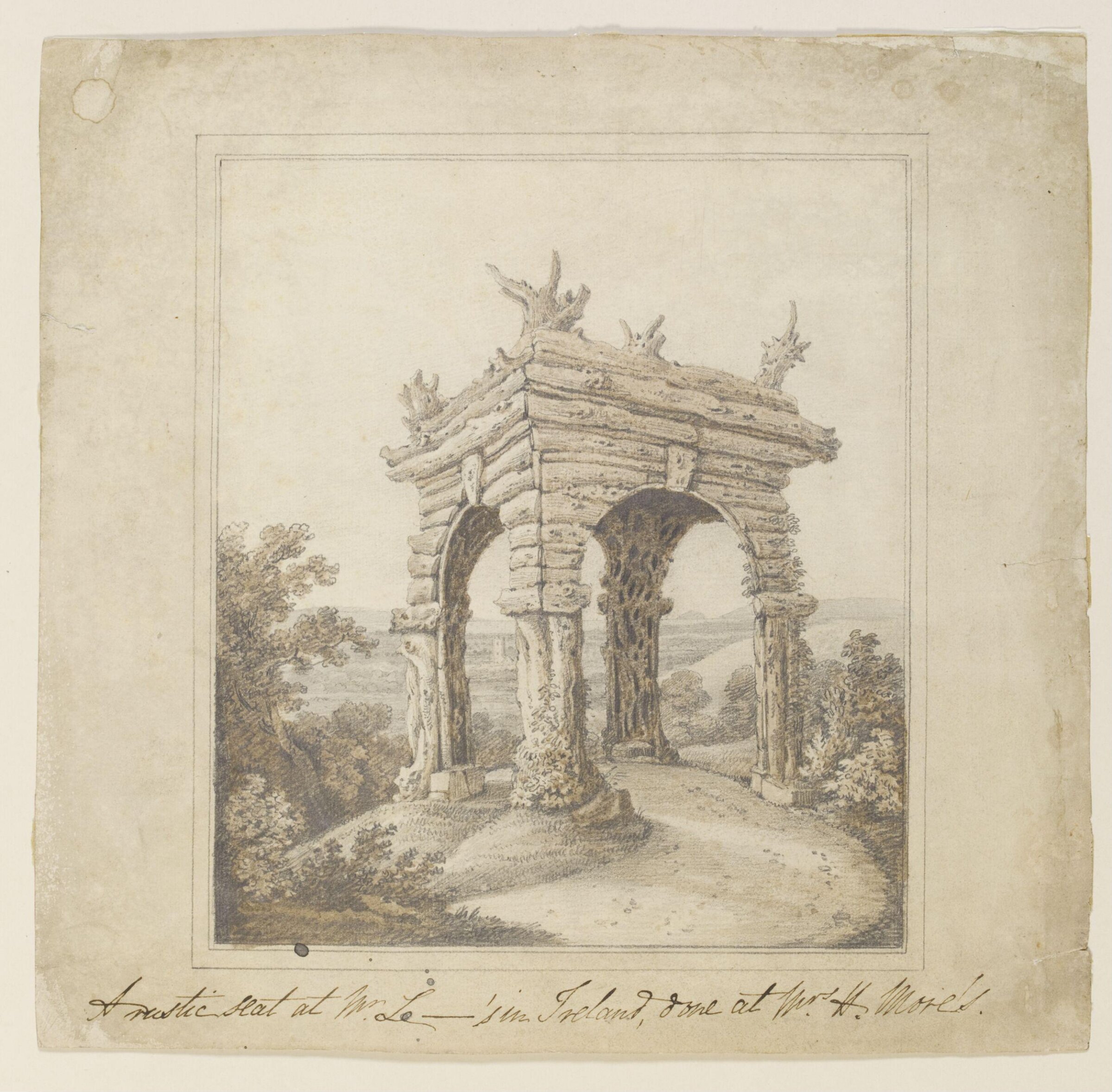
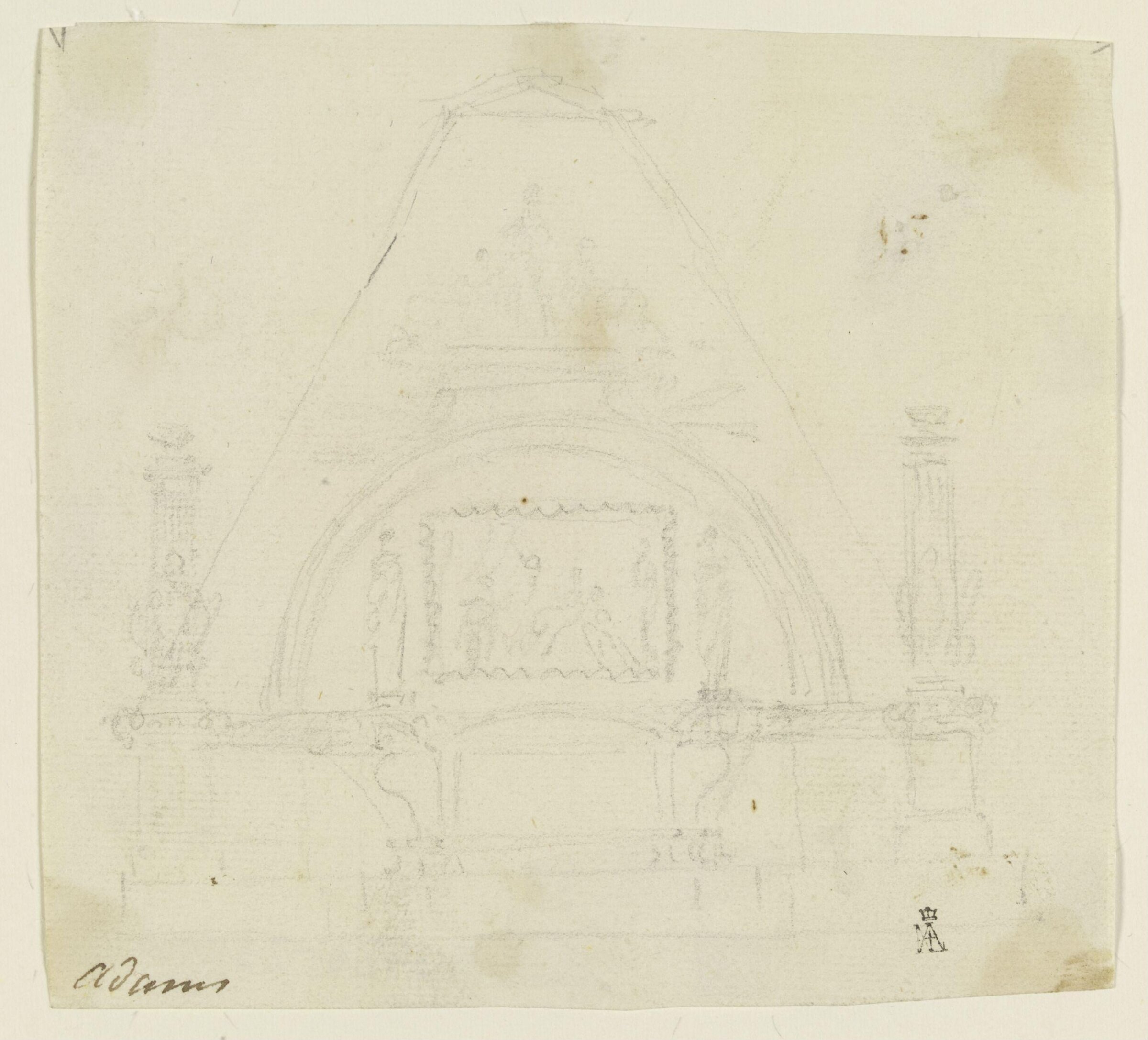
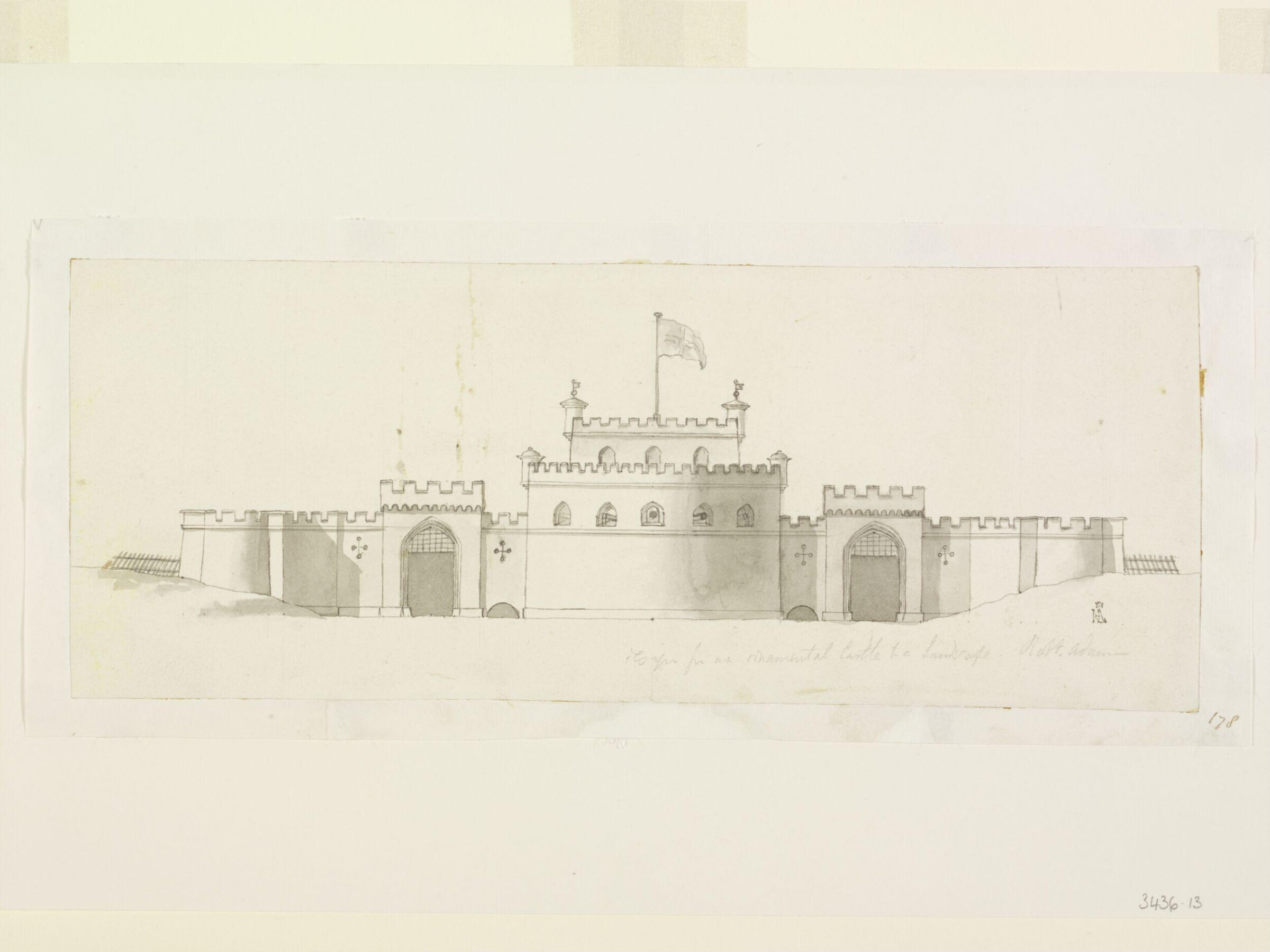
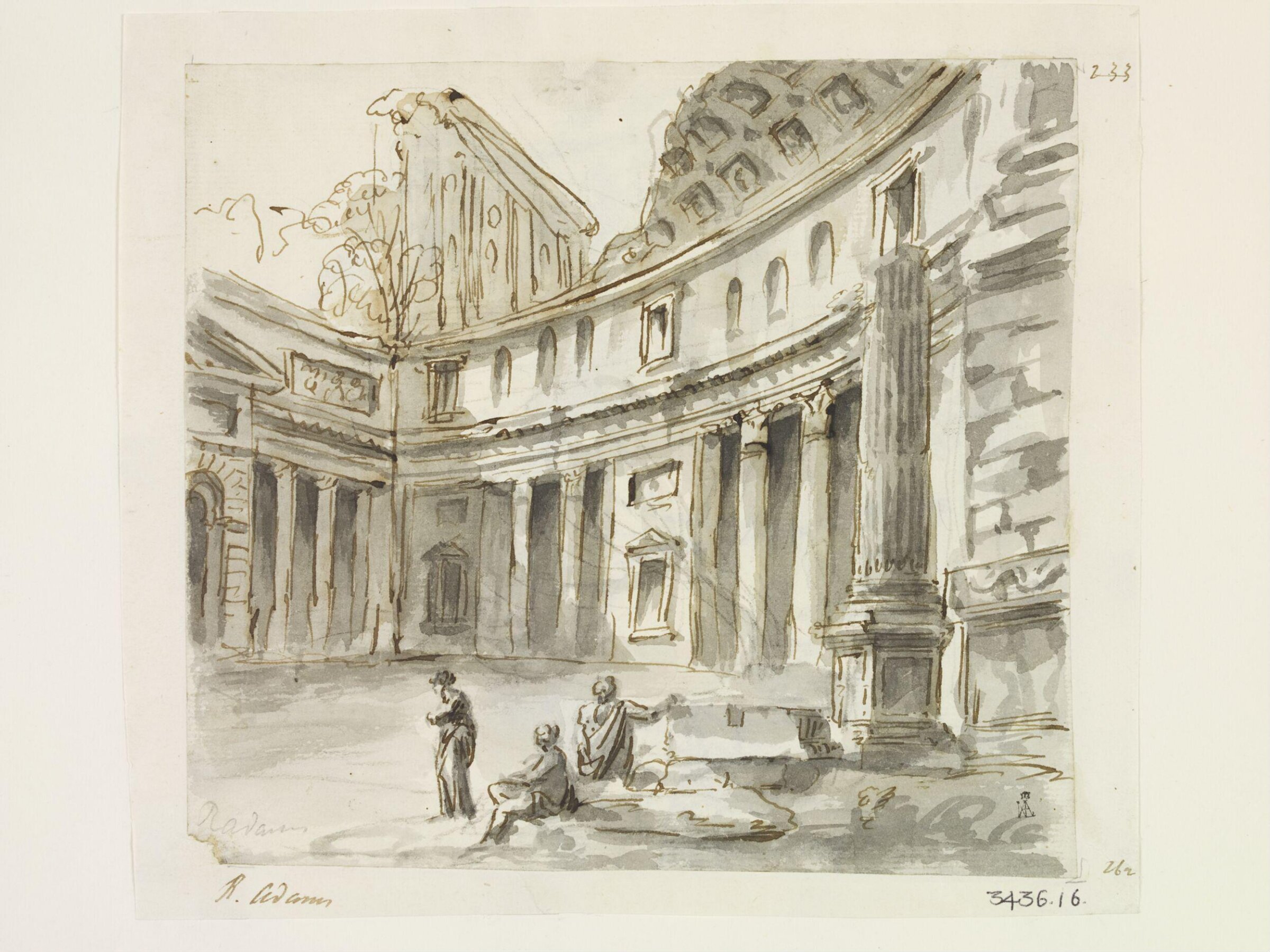
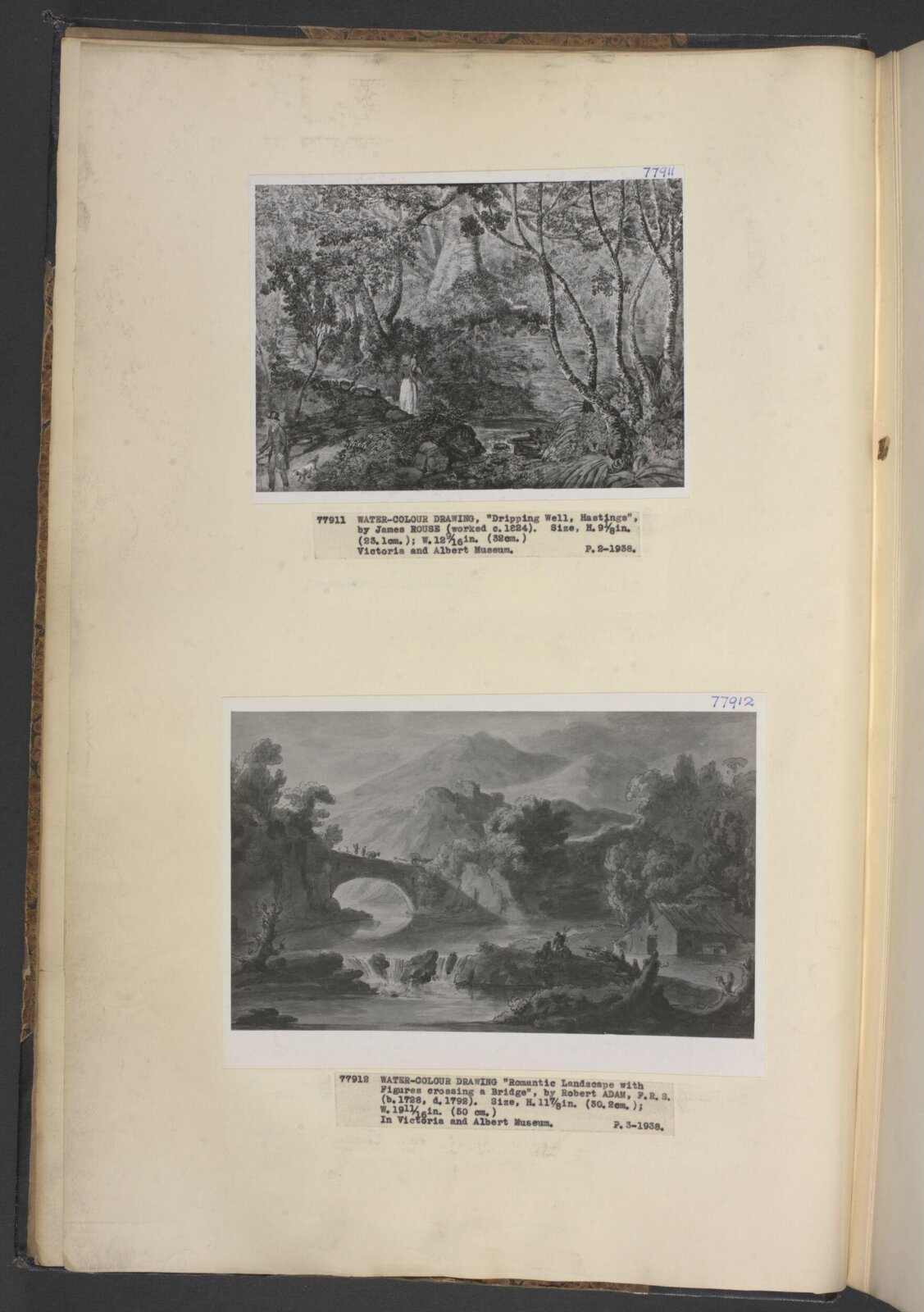
Romantic landscape with figures crossing a bridge
Peut-on la voir ?
Pas exposée actuellement
Où est « Romantic landscape with figures crossing a bridge » aujourd’hui ? Collection: Victoria and Albert Museum, Londres. Pas exposée actuellement. Vérifié 25 septembre 2026.

Londres, Royaume-Uni
Elle appartient à la collection, mais n’est pas présentée en ce moment.
- Vérifié
- Dans cet état depuis
- Source
- Le musée
Notice
- Numéro d’inventaire
- P.3-1938
Ce qu’elle montre
Au catalogue
Sources
- Victoria and Albert Museum
- Image : Victoria and Albert Museum — © Victoria and Albert Museum, London
Dans la vie de Robert Adam
La vie entière1767
The brothers found the firm “Adelphi”
Robert and James Adam founded the design firm “Adelphi”, which produced interiors, furniture, fireplaces, light fittings and fabrics. By the late 1760s Robert had become the most sought-after architect in England and Scotland.
1768
MP for Kinross-shire; hands his post to his brother
To devote more time to his elected office as Member of Parliament for Kinross-shire (1768–1774), Adam relinquished the post of Architect of the King's Works, and his brother James succeeded him. Other accounts give his term in that post as 1761–1769.
1772
The Adelphi founders: 3,000 workmen laid off
The houses stood on a huge artificial terrace over vaulted substructures at river level, which Adam was sure could be leased to the government as warehouses, but this never happened; with uncertain financing and spiralling costs, the brothers were left with huge debts. In 1772 they had to lay off 3,000 workmen and stop building.
1773–1779
The brothers publish their “Works in Architecture”
The brothers published two volumes of their designs (1773–1778 and 1779; a third appeared posthumously in 1822), declaring Graeco-Roman examples the “models which we should imitate”. The first volume cited Kedleston Hall, designed by Robert in 1761, as an outstanding example of “movement” in architecture.
1 March 1792
An ulcer bursts
Adam had long suffered from stomach and bowel problems, probably a peptic ulcer and irritable bowel syndrome. On 1 March 1792, at his home at 11 Albemarle Street, one of the ulcers burst, and two days later he died.
3 mars 1792
Died