ART WIKI32 963 en salle
CarteCollectionArtistesMuséesExpositionsJournal
Connexion

ART WIKI

Où est accroché le chef-d’œuvre, et quand on vous laisse entrer.

Collections : Art Institute of Chicago, Cleveland Museum of Art, Galerie Tretiakov, Hirshhorn Museum and Sculpture Garden, J. Paul Getty Museum, Metropolitan Museum of Art, Minneapolis Institute of Art, Musée de l'Ermitage, Musée des Beaux-Arts Pouchkine, Musée du Louvre, musée national d'art asiatique, Musée russe, Musées d'Art de Harvard, Museum of Modern Art, National Gallery of Art, National Portrait Gallery, Rijksmuseum Amsterdam, Smithsonian American Art Museum, Statens Museum for Kunst, Victoria and Albert Museum, Villa Getty, Whitney Museum of American Art, Catalogue d’État du fonds muséal de Russie (274 musées), Europeana (19 musées), Wikidata (6 musées), Paris Musées (12 musées) et Joconde, la base des musées du ministère de la Culture (495 musées). Les images appartiennent à leurs ayants droit.

Rubriques

  • Carte
  • Recherche
  • Collection
  • Chefs-d’œuvre
  • Exposées en ce moment
  • Artistes

Et aussi

  • Musées et galeries
  • Expositions
  • Journal
  • D’où viennent les données
  • Confidentialité et cookies
AccueilCarteCatalogue
  1. Collection/
  2. Art Institute of Chicago/
  3. Rodin, Le Penseur
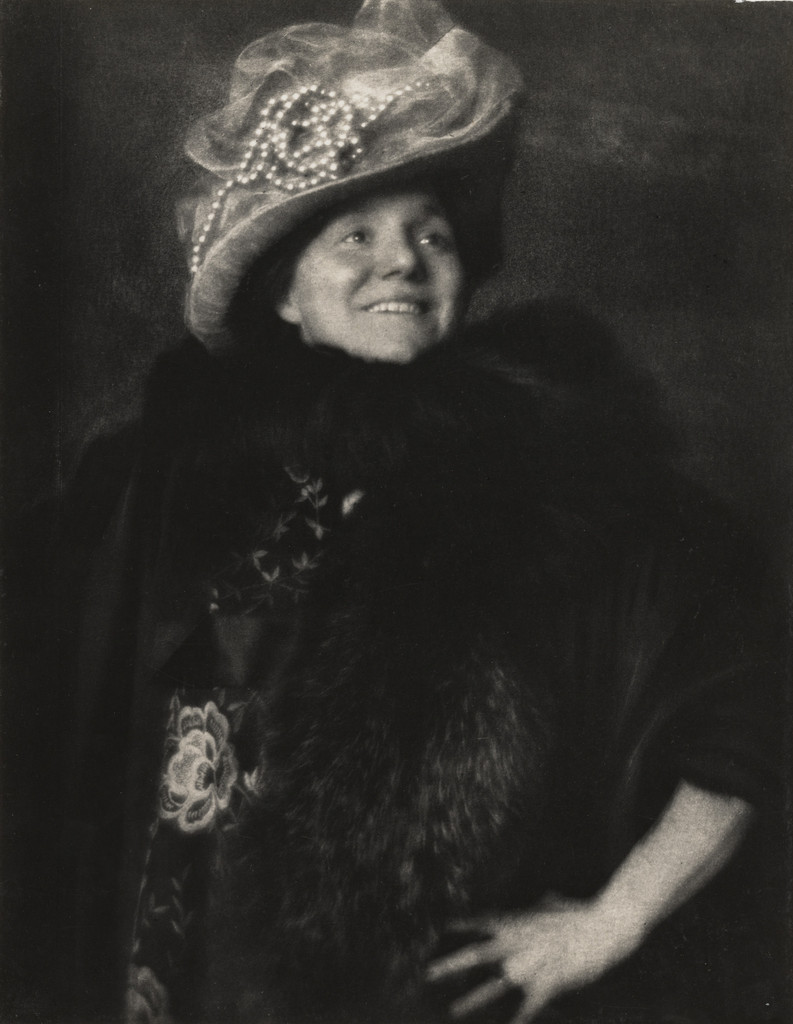
Rodin, Le Penseur, Edward Steichen, 1902
Edward Steichen, portraitEdward SteichenÉtats-Unis, 1879–1973

Rodin, Le Penseur

1902 · Photograph

Peut-on la contempler ?

Elle ne reçoit pas en ce moment

Art Institute of Chicago

Chicago, États-Unis

Elle appartient à la collection, mais n’est pas présentée en ce moment.

Vérifié
il y a 3 jours
Dans cet état depuis
19 août 2026
Source
Le musée
Sur la cartePage du musée

À propos de l’œuvre

“What is true of the oil or watercolor is equally true of the photograph,” Edward Steichen once said, aptly expressing the overt pictorial intent of Rodin, Le Penseur. This romantic silhouette portrait depicts Auguste Rodin seated in his studio opposite his famous work Le Penseur, with his sculpture of Victor Hugo in the background. In 1902, the year he made this photograph, Steichen believed he would become a painter, and he visited Rodin and his circle of artists and admirers often. But as a founding member of Alfred Stieglitz’s Photo-Secession group, Steichen increasingly created photographs that were the artistic equivalents of his paintings, in the hope of winning artistic credibility for the newer art form.

Lire la suite

Here the artist expertly manipulated the elastic and expressive gum-bichromate method, in which the application of water and brushwork in the printing process can soften or omit details, reduce dark spaces, and even change light into dark (and vice versa). The result is a combination of two separate images, both dramatically posed and lit, into a striking, painterly photograph.

For more on Edward Steichen’s work in the Art Institute’s collection visit the website: Edward Steichen's World War I Years.

For more on the Alfred Stieglitz collection at the Art Institute, along with in-depth object information, please visit the website: The Alfred Stieglitz Collection.

Art Institute of Chicago · CC BY 4.0

Notice

1902 · à 23 ans
18791973
Numéro d’inventaire
1949.825

Ce qu’elle montre

HommePortraitArtistsSculpturesStatues

Au catalogue

PhotographiesImpressionnismeModernismeXXe sièclePictorialismeÉtats-Unis

Sources

  • Art Institute of Chicago
  • Image : Art Institute of Chicago — © the artist or rights holder

Pendant ce temps, chez Edward Steichen

La vie entière
  1. 1900

    Meets Stieglitz on the way to Paris

    He leaves Milwaukee for Paris to study art; on a letter of introduction from Clarence H. White he meets Alfred Stieglitz in New York, who praises his background in painting and buys three of his photographic prints. He will spend several years in Paris and discover avant-garde art there.

  2. 1900

    American citizenship

    He becomes a US citizen and signs the naturalization papers as Edward J. Steichen, but goes on using his birth name, Éduard, until after the First World War.

  3. 1902

    The Camera Work logo and the Photo-Secession

    When Stieglitz is planning the magazine that becomes Camera Work, he asks Steichen to design its logo with a custom typeface; Steichen becomes the most frequently shown photographer in the journal. In the same year he is one of the founders of the Photo-Secession in New York.

  4. 1904

    First experiments with colour photography

    He begins experimenting with colour photography and becomes one of the earliest in the United States to use the Autochrome Lumière process.

  5. 1 juillet 1904

    Daughter born: Mary Calderone
Autres œuvres : Edward Steichen

Toutes les œuvres
Vitality–Yvette Guilbert, Edward Steichen, 1901

Vitality–Yvette Guilbert

1901 · Museum of Modern Art

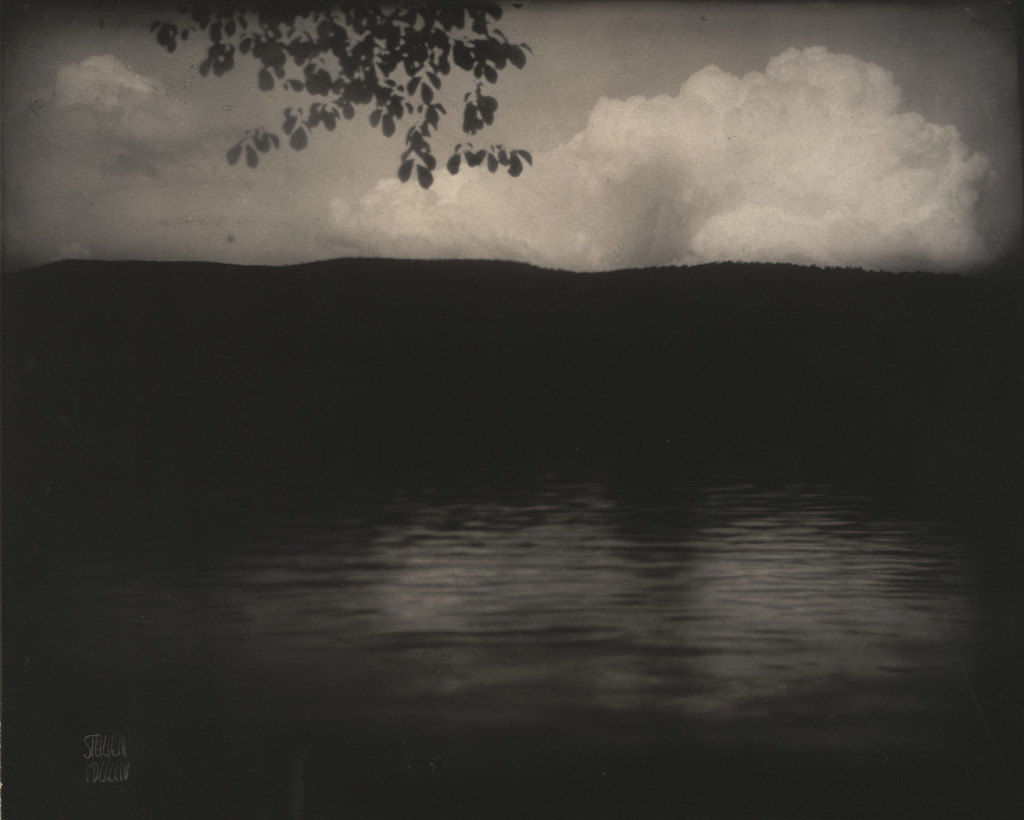
The Big White Cloud, Edward Steichen, 1903

The Big White Cloud

1903 · Museum of Modern Art

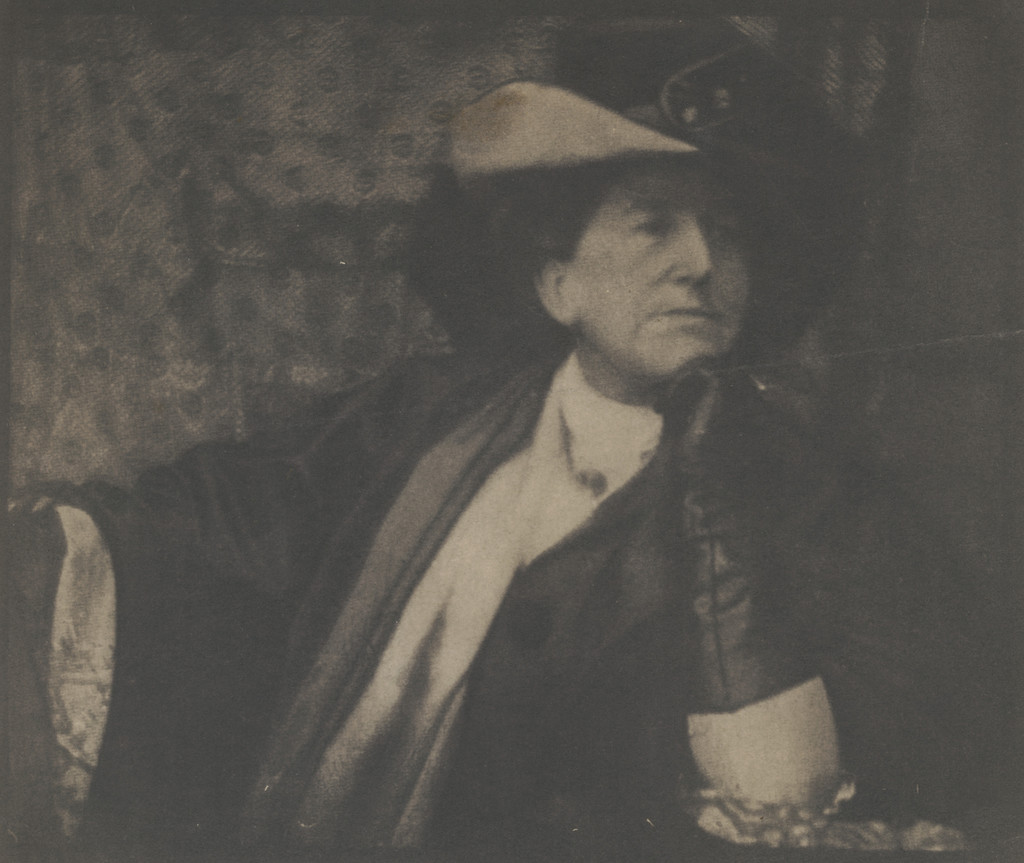
Gertrude Käsebier, Edward Steichen, c. 1907

Gertrude Käsebier

c. 1907 · Museum of Modern Art

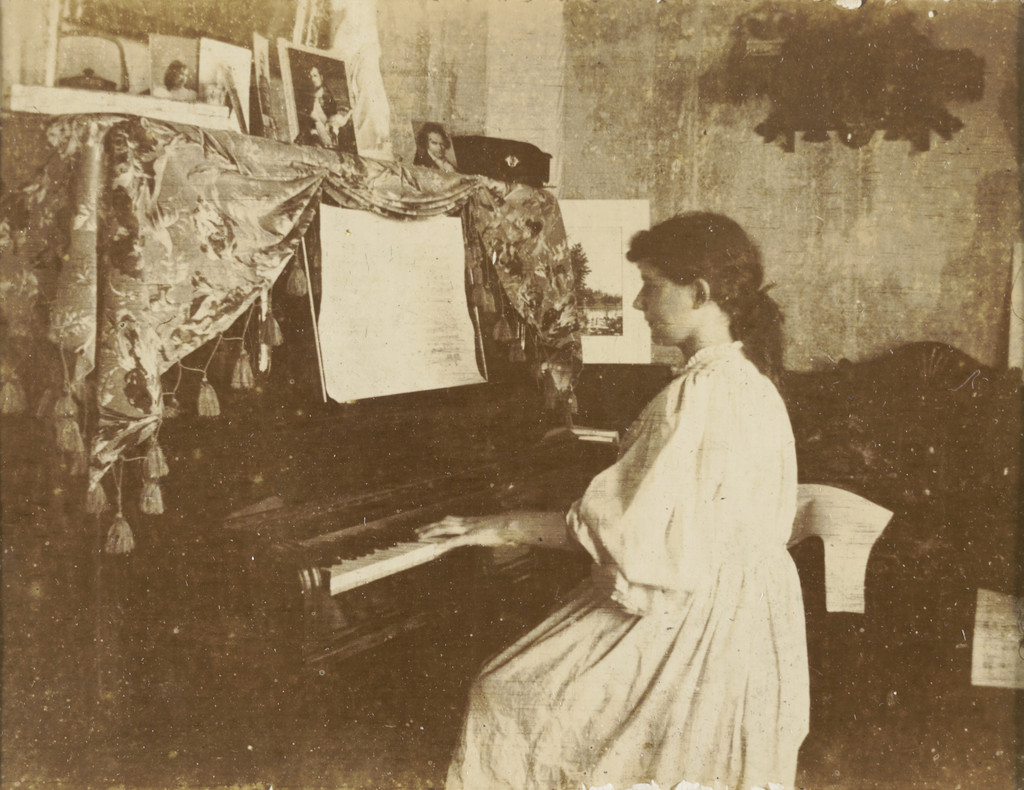
My Little Sister, Edward Steichen, 1895

My Little Sister

1895 · Non exposée · Museum of Modern Art

Vrouw met zwarte vaas, Edward Steichen, c. 1896 - in or before 1901

Vrouw met zwarte vaas

c. 1896 - in or before 1901 · Rijksmuseum Amsterdam

Portret van een onbekende vrouw, Edward Steichen, c. 1896 - in or before 1901

Portret van een onbekende vrouw

c. 1896 - in or before 1901 · Rijksmuseum Amsterdam

Beekje in een bos, Edward Steichen, c. 1896 - in or before 1901

Beekje in een bos

c. 1896 - in or before 1901 · Rijksmuseum Amsterdam

Portret van Frits Thaulow, Edward Steichen, c. 1897 - in or before 1902

Portret van Frits Thaulow

c. 1897 - in or before 1902 · Rijksmuseum Amsterdam

Sous le même toit : Art Institute of Chicago

Page du musée
The Bedroom, Vincent van Gogh, 1889

Vincent van Gogh

The Bedroom, 1889

A Sunday on La Grande Jatte — 1884, Georges Seurat, 1884–86, border added 1888–89

Georges Seurat

Un dimanche après-midi à l'Île de la Grande Jatte, 1884–86, border added 1888–89

Paris Street; Rainy Day, Gustave Caillebotte, 1877

Gustave Caillebotte

Rue de Paris, temps de pluie, 1877

Two Sisters (On the Terrace), Pierre-Auguste Renoir, 1881

Pierre-Auguste Renoir

Les Deux Sœurs, 1881

The Basket of Apples, Paul Cézanne, c. 1893

Paul Cézanne

La Corbeille de pommes, c. 1893

Stacks of Wheat (End of Summer), Claude Monet, 1890–91

Claude Monet

Stacks of Wheat (End of Summer), 1890–91

American Gothic, Grant Wood, 1930

Grant Wood

American Gothic, 1930

Nighthawks, Edward Hopper, 1942

Edward Hopper

Nighthawks, 1942

Sur le même thème · Homme

Toutes les œuvres sur ce thème
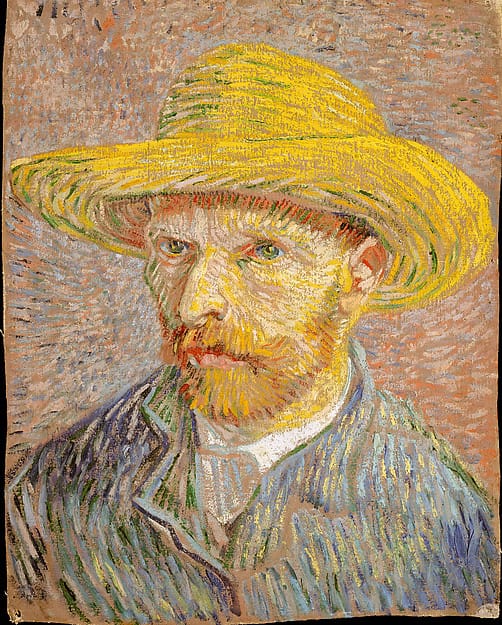
Self-Portrait with a Straw Hat (obverse: The Potato Peeler), Vincent van Gogh, 1887

Vincent van Gogh

Self-Portrait with a Straw Hat (obverse: The Potato Peeler), 1887

Metropolitan Museum of Art

Garden at Sainte-Adresse, Claude Monet, 1867

Claude Monet

Terrasse à Sainte-Adresse, 1867

Metropolitan Museum of Art

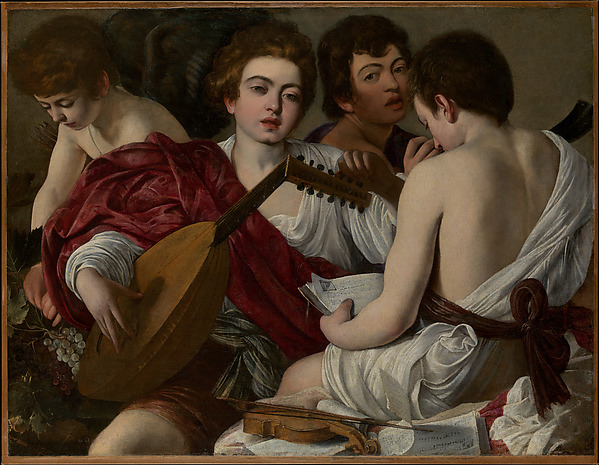
The Musicians, Caravaggio, 1597

Caravaggio

Les Musiciens, 1597

Metropolitan Museum of Art

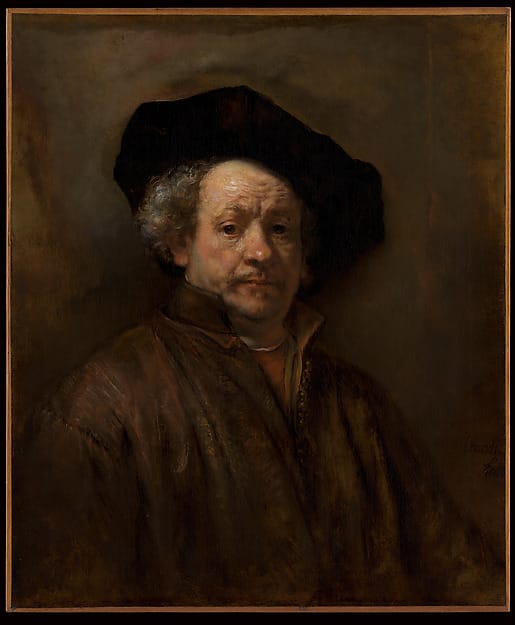
Self-Portrait, Rembrandt van Rijn, 1660

Rembrandt van Rijn

Self-Portrait, 1660

Metropolitan Museum of Art

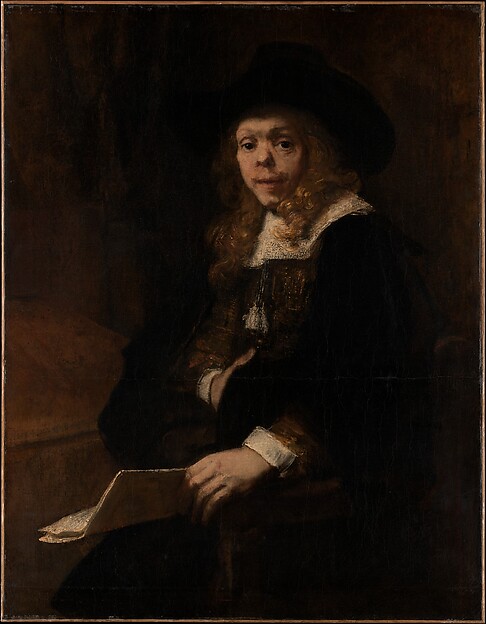
Portrait of Gerard de Lairesse, Rembrandt van Rijn, 1665–67

Rembrandt van Rijn

Portrait of Gerard de Lairesse, 1665–67

Metropolitan Museum of Art

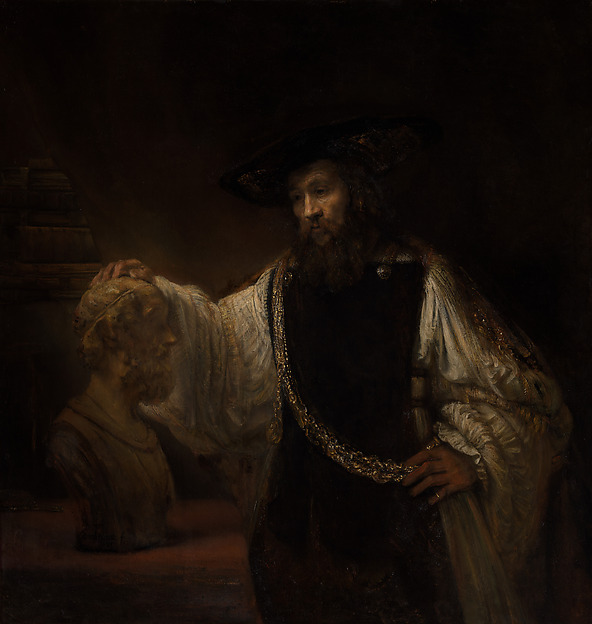
Aristotle with a Bust of Homer, Rembrandt, 1653

Rembrandt van Rijn

Aristote contemplant le buste d’Homère, 1653

Metropolitan Museum of Art

Young Sailor II, Henri Matisse, 1906

Henri Matisse

Young Sailor II, 1906

Metropolitan Museum of Art

Rubens, Helena Fourment (1614–1673), and Their Son Frans (1633–1678), Peter Paul Rubens, ca. 1635

Peter Paul Rubens

Rubens, Helena Fourment (1614–1673), and Their Son Frans (1633–1678), ca. 1635

Metropolitan Museum of Art