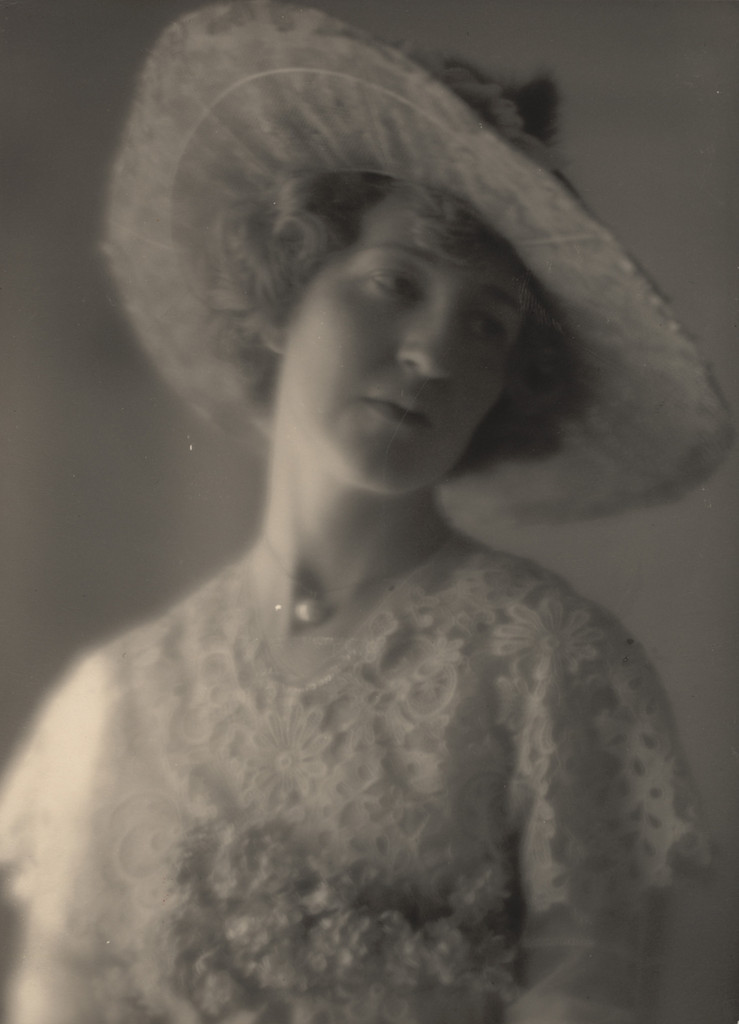
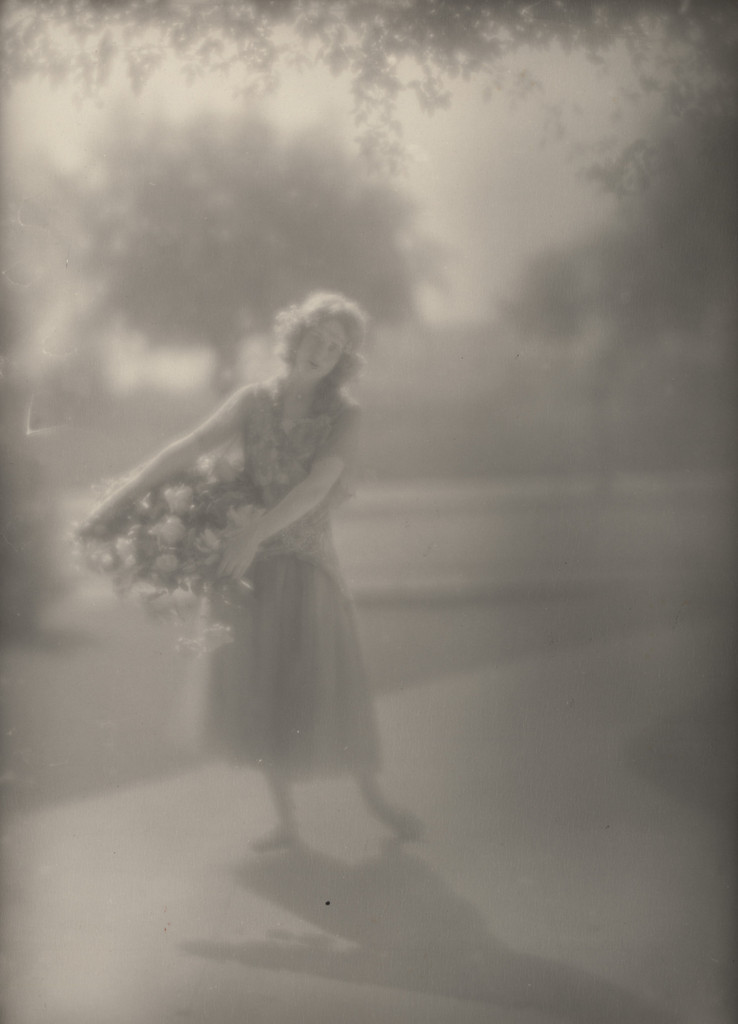
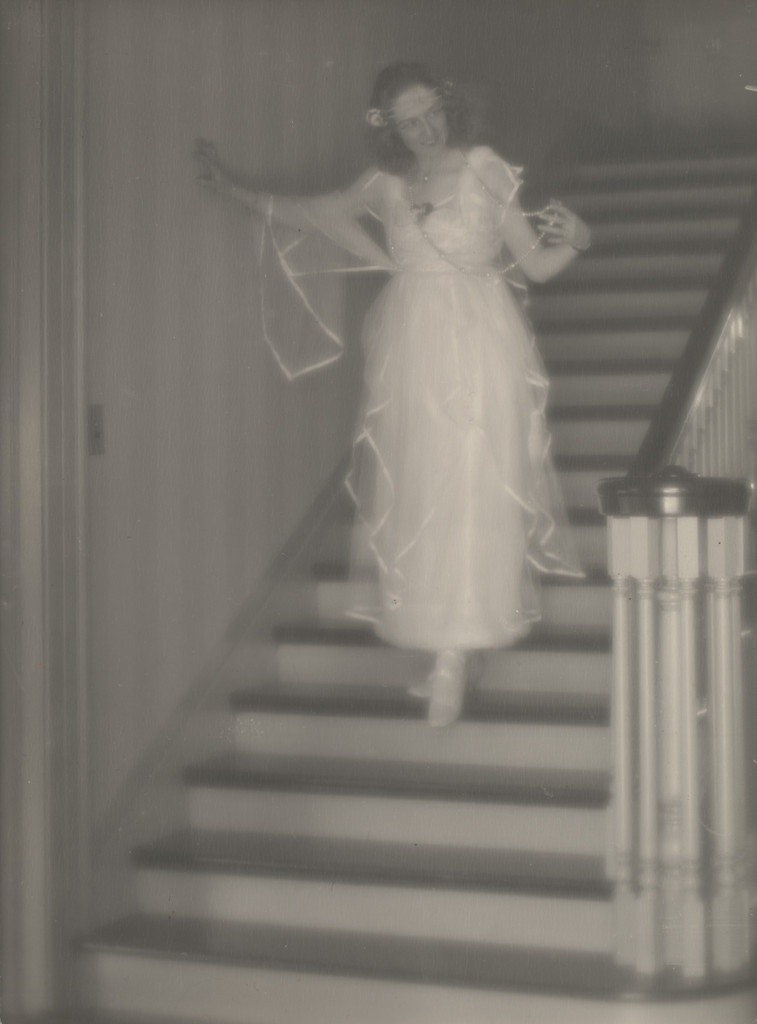
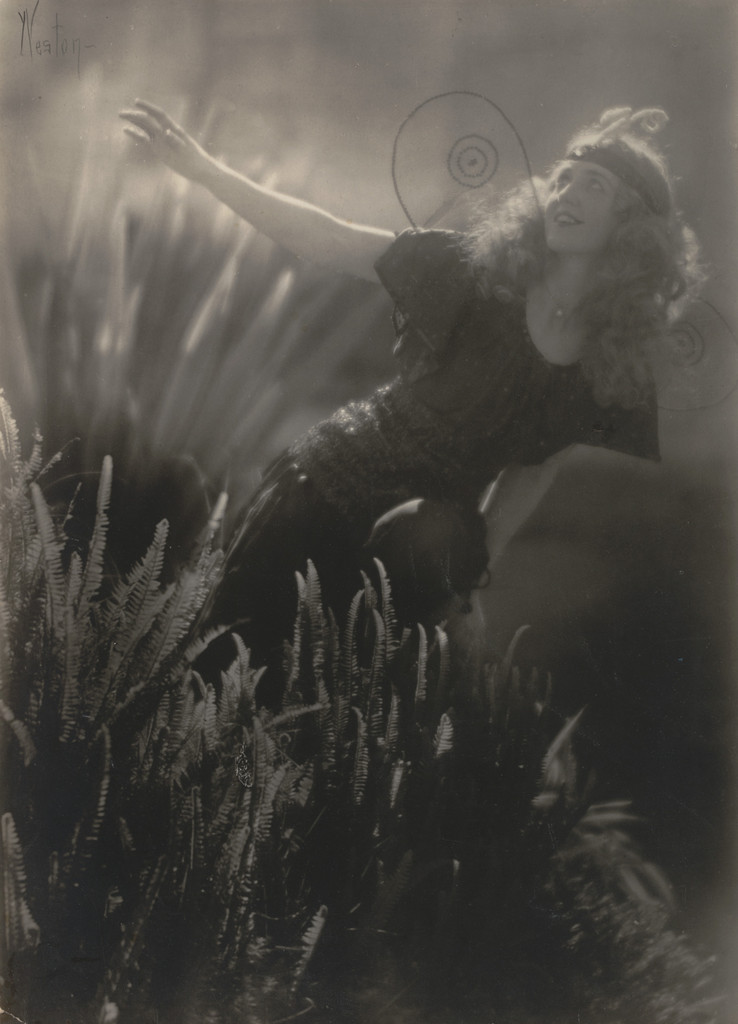
Edward WestonÉtats-Unis, 1886–1958
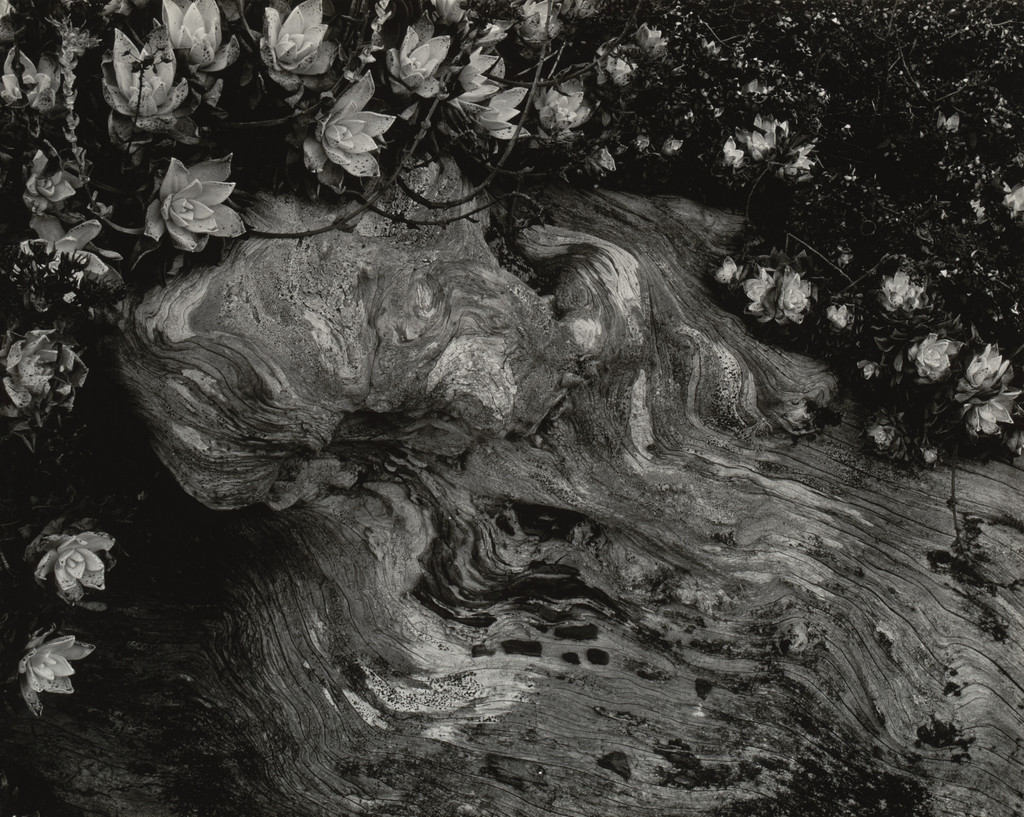
Point Lobos
Peut-on la contempler ?
Elle ne reçoit pas en ce moment

Art Institute of Chicago
Chicago, États-Unis
Elle appartient à la collection, mais n’est pas présentée en ce moment.
- Vérifié
- hier
- Dans cet état depuis
- 19 août 2026
- Source
- Les données de collection du musée lui-même
Notice
- Numéro d’inventaire
- 1959.667
What it shows
Au catalogue
Sources
- Art Institute of Chicago: the museum's own open data · obtenue il y a 5 jours
- Image : Art Institute of Chicago — © the artist or rights holder
Pendant ce temps, chez Edward Weston
La vie entièreMay 1928
The Mojave Desert: his first landscapes as art
A brief but important trip with Brett to the Mojave Desert, where he first explores and photographs landscape as an art form. The stark rock forms and empty spaces are a visual revelation to him; over a long weekend he takes twenty-seven photographs and declares in his journal that these negatives are the most important he has ever done.
early 1929
Moves to Carmel
In 1928 he and Brett had moved to San Francisco, living and working in a small studio owned by Hagemeyer, where he made portraits for income but longed to get away on his own and return to his art. In early 1929 he moves into Johan Hagemeyer’s cottage in Carmel, where he finally finds the solitude and inspiration he was seeking, and puts a sign in the studio window: “Edward Weston, photographer, Unretouched Portraits, Prints for Collectors.”
1930–1931
A series of one-man exhibitions, 1930–1931
The first is at Alma Reed’s Delphic Studio Gallery in New York, followed closely by the same show at the Denny Watrous Gallery in Carmel; both receive rave reviews, including a two-page article in the New York Times Magazine. Shows at the De Young Museum in San Francisco and the Galerie Jean Naert in Paris follow.
early 1934
Meets Charis Wilson at a concert
Meeting Charis Wilson at a concert, he is immediately captivated by her beauty and personality, even more than with his previous lovers; a new and important chapter opens in his life. He writes that a new and most beautiful love has come into his life, one that he believes will stand the test of time.
1937–1939
Nearly 1,400 negatives in two years on the fellowship
The first photographer to receive a Guggenheim Fellowship, he produces nearly 1,400 negatives over the next two years with his 8 × 10 view camera.
1947
Diagnosed with Parkinson’s disease
He is diagnosed with Parkinson’s disease and soon stops photographing; he spends the remaining ten years of his life overseeing the printing of more than 1,000 of his most famous images.