ART WIKI32 963 en salle
CarteCollectionArtistesMuséesExpositionsJournal
Connexion

ART WIKI

Où est accroché le chef-d’œuvre, et quand on vous laisse entrer.

Collections : Art Institute of Chicago, Cleveland Museum of Art, Galerie Tretiakov, Hirshhorn Museum and Sculpture Garden, J. Paul Getty Museum, Metropolitan Museum of Art, Minneapolis Institute of Art, Musée de l'Ermitage, Musée des Beaux-Arts Pouchkine, Musée du Louvre, musée national d'art asiatique, Musée russe, Musées d'Art de Harvard, Museum of Modern Art, National Gallery of Art, National Portrait Gallery, Rijksmuseum Amsterdam, Smithsonian American Art Museum, Statens Museum for Kunst, Victoria and Albert Museum, Villa Getty, Whitney Museum of American Art, Catalogue d’État du fonds muséal de Russie (274 musées), Europeana (19 musées), Wikidata (6 musées), Paris Musées (12 musées) et Joconde, la base des musées du ministère de la Culture (495 musées). Les images appartiennent à leurs ayants droit.

Rubriques

  • Carte
  • Recherche
  • Collection
  • Chefs-d’œuvre
  • Exposées en ce moment
  • Artistes

Et aussi

  • Musées et galeries
  • Expositions
  • Journal
  • D’où viennent les données
  • Confidentialité et cookies
AccueilCarteCatalogue
  1. Collection/
  2. Albertina/
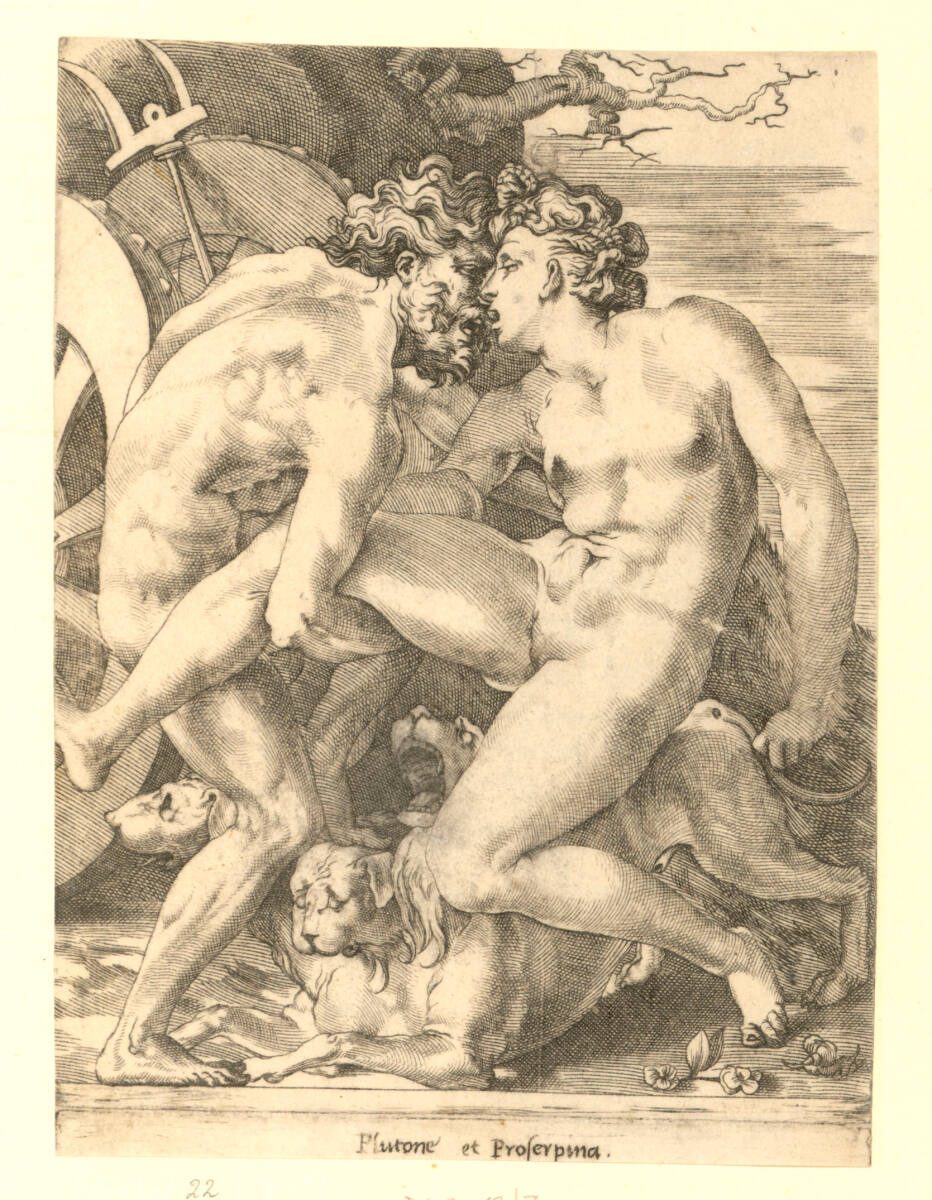
  3. Pluto und Proserpina
Pluto und Proserpina, Rosso Fiorentino, 1520–1539
Rosso Fiorentino, portraitRosso FiorentinoItalie, 1494–1540

Pluto und Proserpina

1520–1539 · Print

Peut-on la contempler ?

Inconnu

Albertina

Vienne, Autriche

Le propriétaire est connu ; on ignore si l’œuvre est exposée aujourd’hui.

Dans cet état depuis
27 sept. 2026
Source
Le musée
Sur la cartePage du musée

Notice

1520–1539
14941540

Au catalogue

EstampesRenaissanceXVIe siècle

Sources

  • Albertina
  • Image : Albertina — Public Domain Mark 1.0

Pendant ce temps, chez Rosso Fiorentino

La vie entière
  1. late 1523

    Moves to Rome

    In late 1523 Rosso moves to Rome, where he works until 1527. The works of Michelangelo, Raphael and other Renaissance artists make a strong impression on him and realign his artistic style.

  2. 1527

    The Sack of Rome: loses his workshop and patrons

    After the terrible Sack of Rome by the troops of Charles V (Sacco di Roma), Rosso, like many others, loses his workshop, his property and his patrons.

  3. 1527

    Leaves Rome in search of patrons

    Seeking new patrons, Rosso travels to Città di Castello, Perugia, Borgo Sansepolcro, Arezzo and Venice.

  4. 1531

    Moves to France, to the court of Francis I

    In 1531 Rosso moves to France, becomes court painter to Francis I and never leaves the country again; there he is known as “Maître Roux”, the Red Master. Other accounts say he had already secured his court position in 1530.

  5. 1540

    Imprisoned for slander

    In 1540 Rosso is imprisoned for slander and probably died there of natural causes. Vasari claimed that the artist killed himself, but there is no evidence for it.

  6. 14 novembre 1540

    Died

Autres œuvres : Rosso Fiorentino

Toutes les œuvres
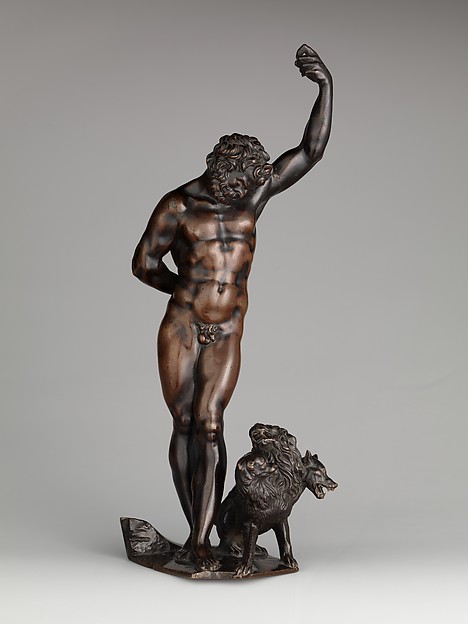
Pluto and Cerberus, Giovanni Battista di Jacopo, early 17th century

Pluto and Cerberus

early 17th century · Metropolitan Museum of Art

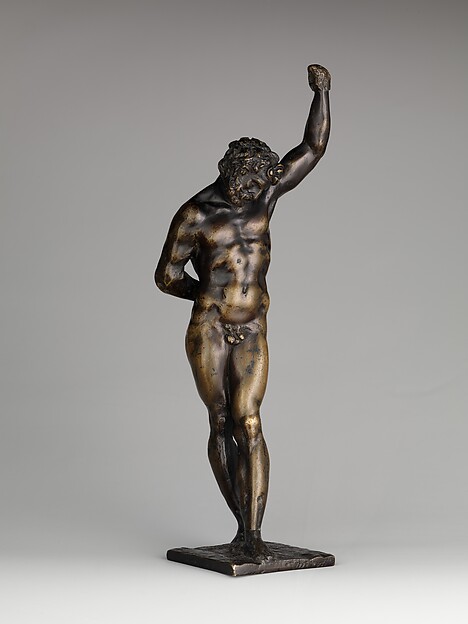
Pluto, Giovanni Battista di Jacopo, mid-17th century

Pluto

mid-17th century · Metropolitan Museum of Art

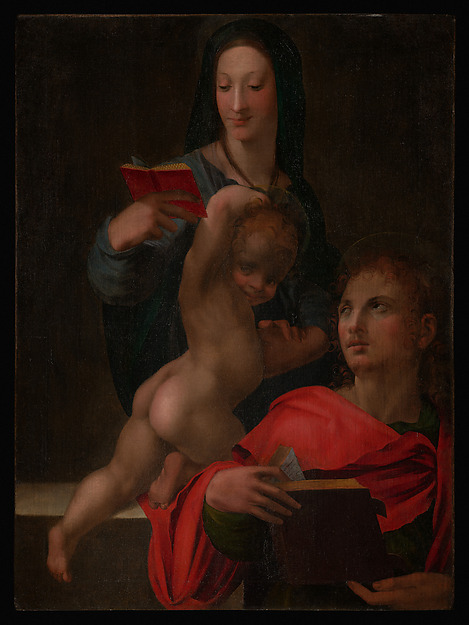
Madonna and Child with Saint John the Evangelist, Rosso Fiorentino, 1512/13

Madonna and Child with Saint John the Evangelist

1512/13 · Metropolitan Museum of Art

Madonna and Child with Cherubs, Rosso Fiorentino, 1517

Madonna and Child with Cherubs

1517 · Musée de l'Ermitage

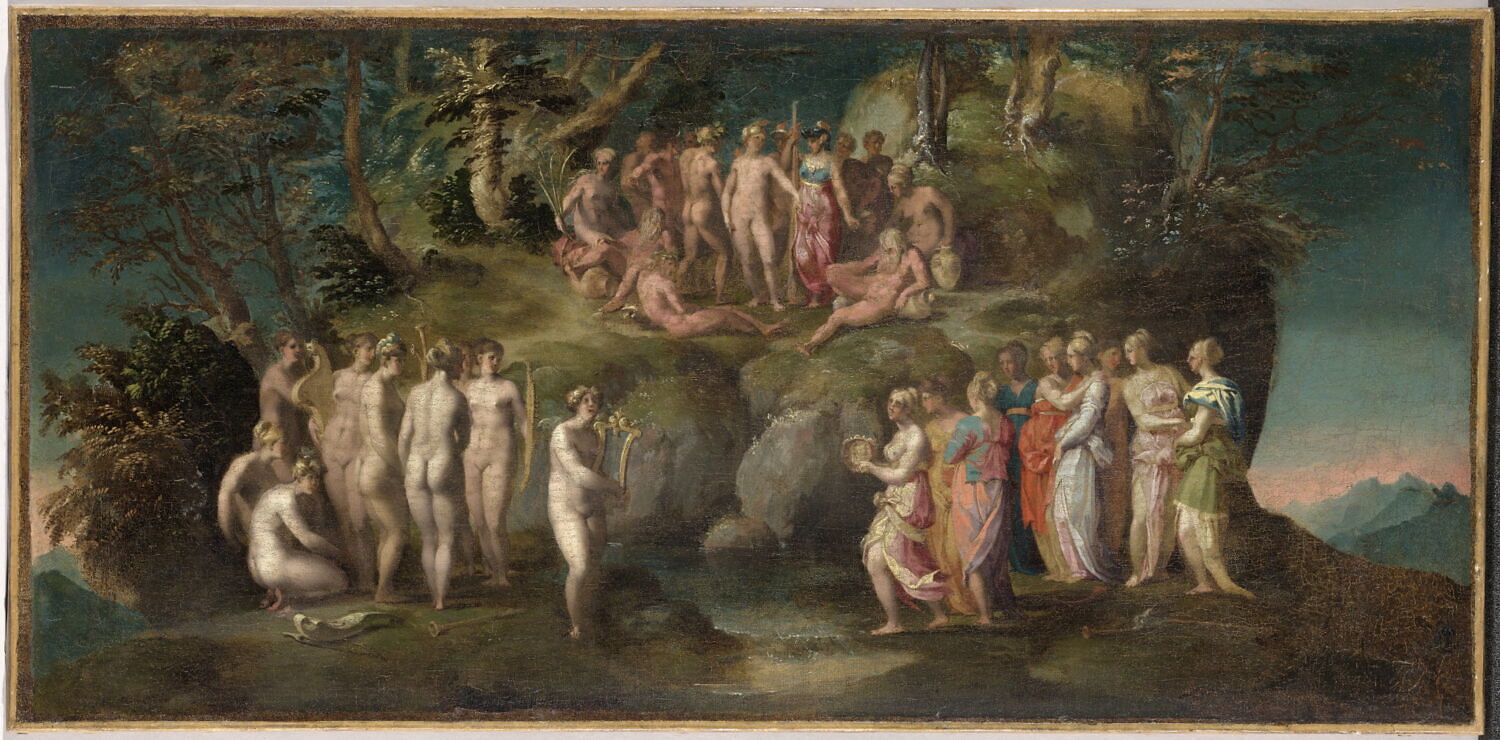
Le Défi des Piérides, Rosso Fiorentino, 1e tiers du XVIe siècle (vers 1523 - 1527)

Le Défi des Piérides

1e tiers du XVIe siècle (vers 1523 - 1527) · Musée du Louvre

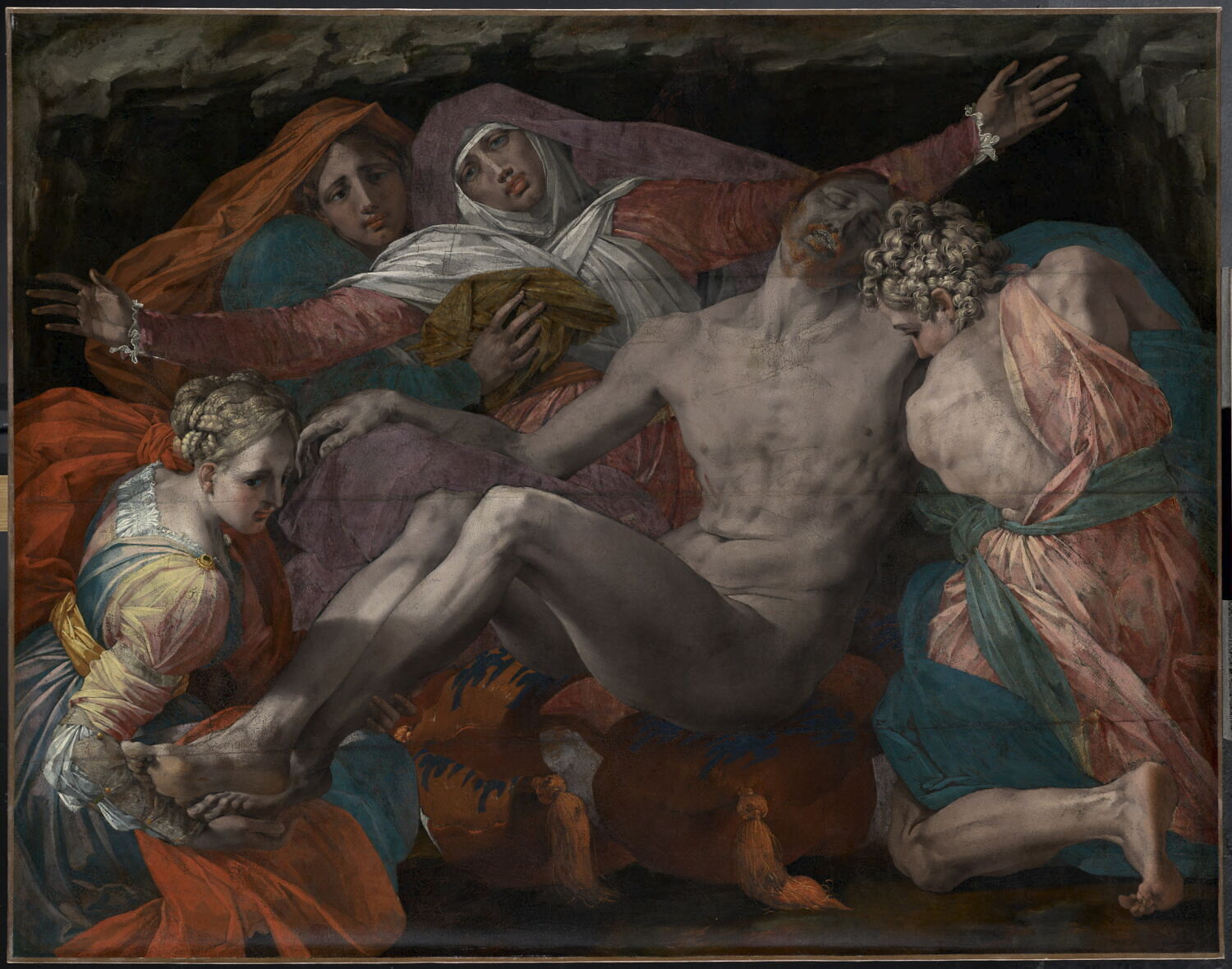
Pietà, Rosso Fiorentino, 2e quart du XVIe siècle (vers 1530 - 1540)

Pietà

2e quart du XVIe siècle (vers 1530 - 1540) · Musée du Louvre

The Conquest of Ignorance, René Boyvin after Rosso Fiorentino, 1560s

The Conquest of Ignorance

1560s · Non exposée · National Gallery of Art

Portrait of a Man, Rosso Fiorentino, early 1520s

Portrait of a Man

early 1520s · Non exposée · National Gallery of Art