 Pierre-Narcisse GuérinFrance, 1774–1833
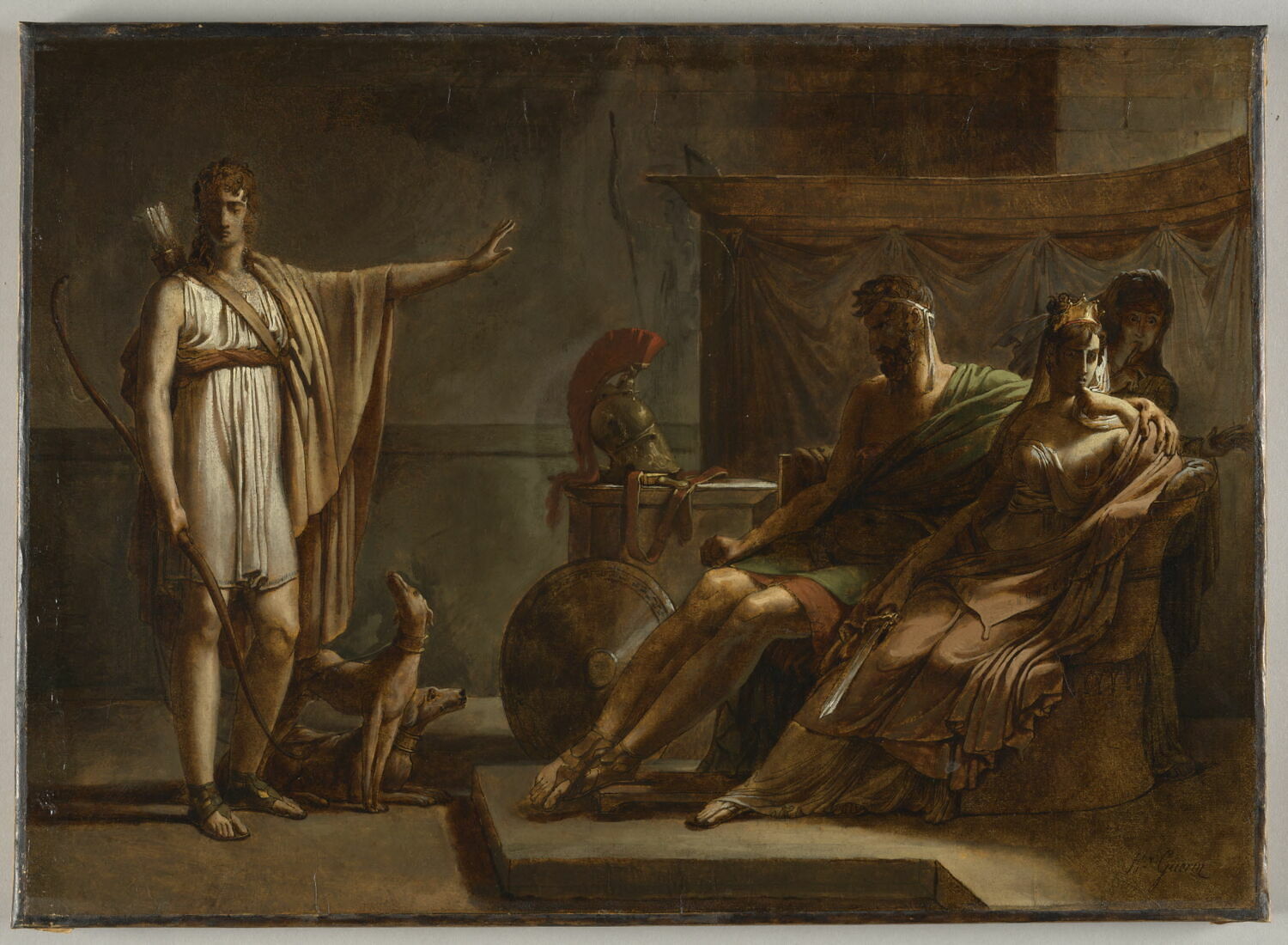
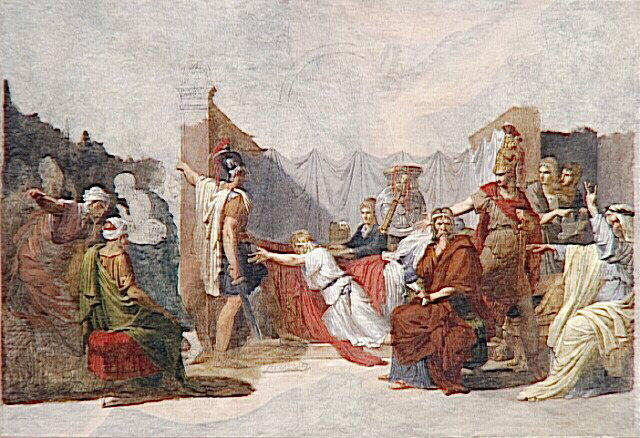
Philotas
Peut-on la contempler ?
Inconnu
Valenciennes, France
Le propriétaire est connu ; on ignore si l’œuvre est exposée aujourd’hui.
- Dans cet état depuis
- Source
- Le musée
Notice
- Numéro d’inventaire
- P.46.1.277
Ce qu’elle montre
Au catalogue
Sources
- Musée des Arts et de l'Archéologie de Valenciennes
- Image : Musée des Arts et de l'Archéologie de Valenciennes — © Claude Thériez; Ministère de la Culture (France), base Joconde
Pendant ce temps, chez Pierre-Narcisse Guérin
La vie entière1785–1803 · Lieu de travail
Paris
1799
“Marcus Sextus” at the Paris Salon of 1799
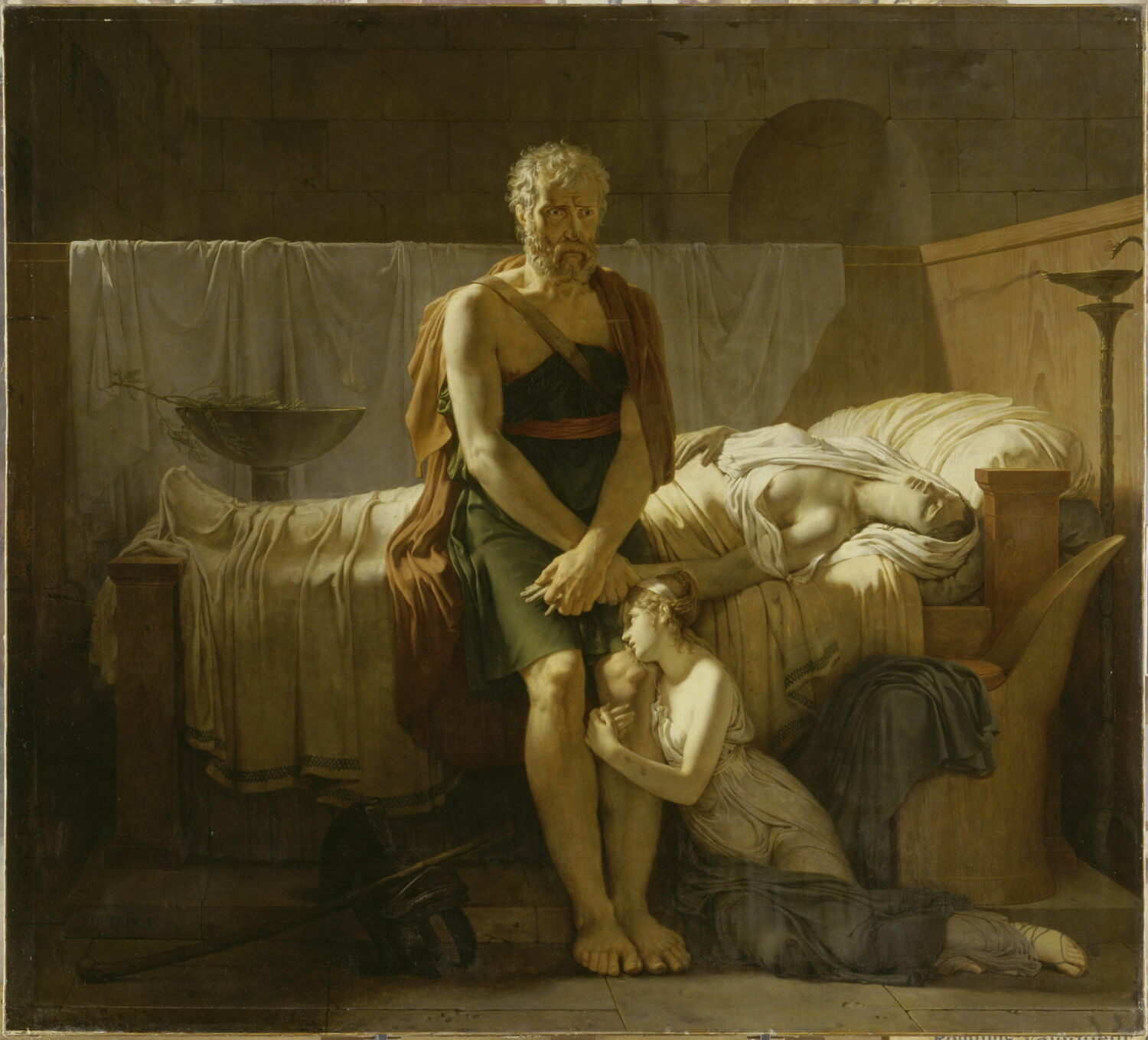
The painting “Marcus Sextus”, in which the hero, returning from exile, finds his wife on her deathbed, was a huge success: poets celebrated it in odes, and throughout the exhibition visitors stood before it every day.
1804–1806 · Formation
French Academy in Rome
1810
The Paris Salon of 1810: three paintings
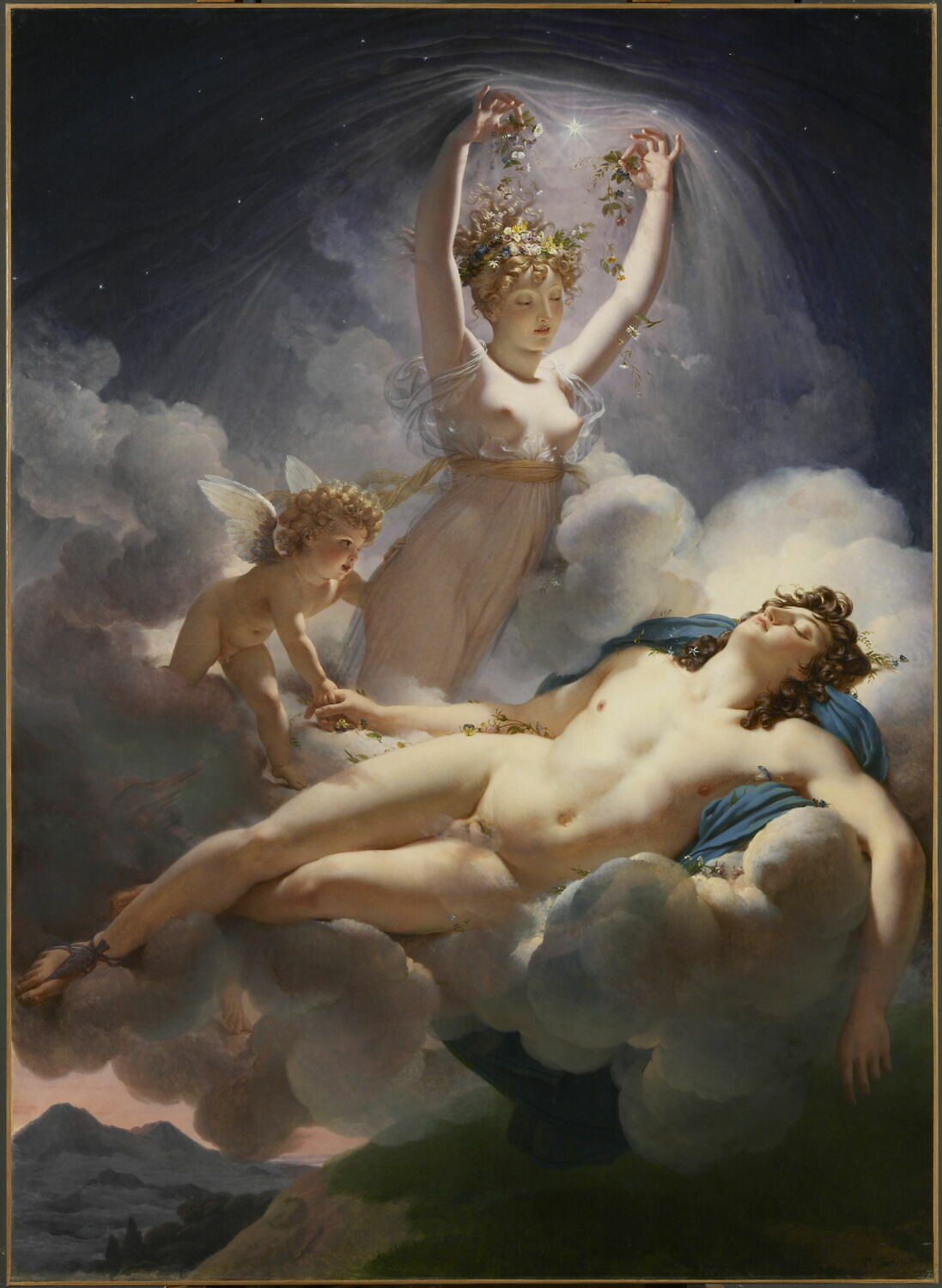
Returning to Paris after several years in Italy, Guérin appeared at the Salon again with three paintings. “Dawn Abducting Cephalus” was received coldly, while “Napoleon Pardoning the Rebels in Cairo, 30 October 1798” drew sharp criticism.
1810
Opens a studio in Paris
Guérin’s studio soon became very lively: the best-known French Romantic painters came out of it — Théodore Géricault, Eugène Delacroix, Ary Scheffer, Léon Cogniet, André Jacques Orsel, Louis-Pierre Henriquel-Dupont, Paul Huet and others. Unmarried and childless, he devoted himself entirely to his studio and his pupils, with whom he was very close.
16 juillet 1833
Died