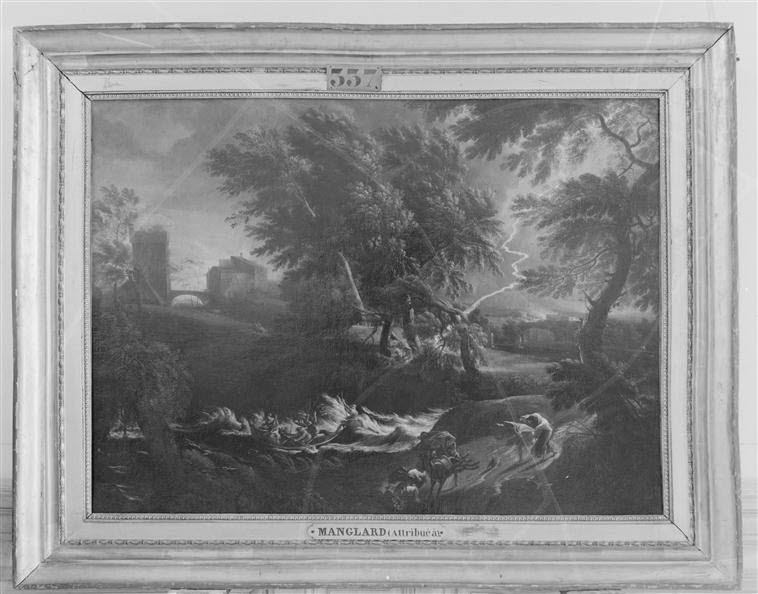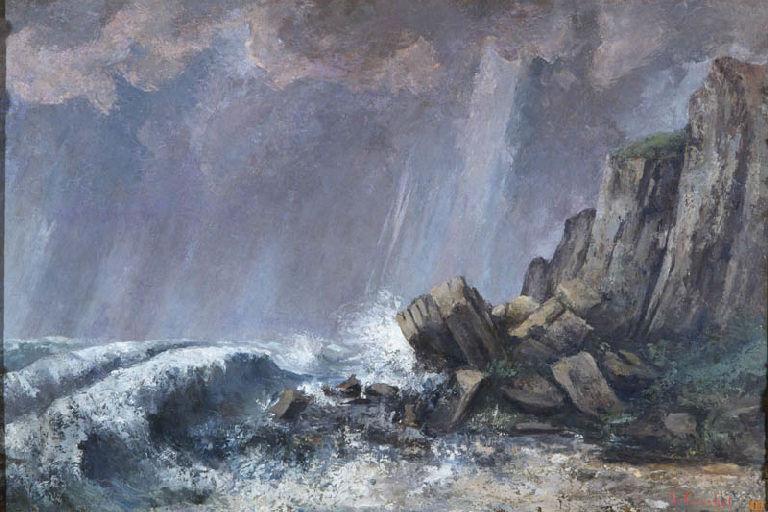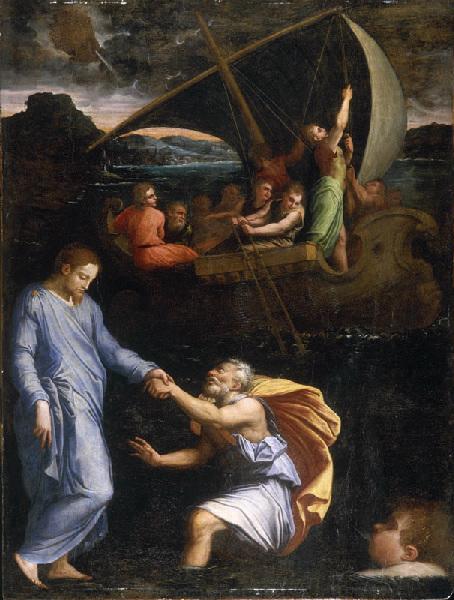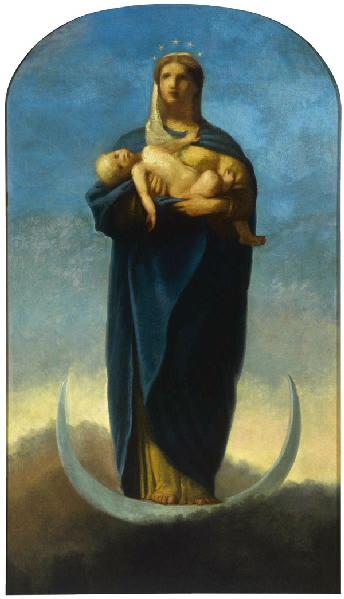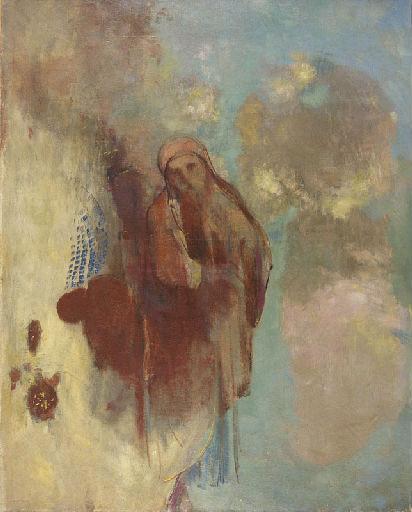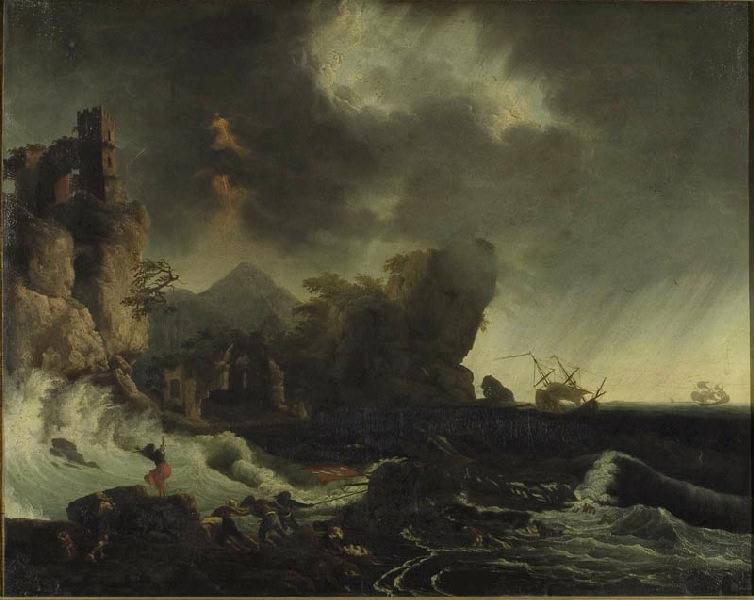
Naufrage
Peut-on la contempler ?
Inconnu
Dijon, France
Le propriétaire est connu ; on ignore si l’œuvre est exposée aujourd’hui.
- Dans cet état depuis
- Source
- Le musée
À propos du tableau
Peinture à l'huile sur toile ; Cadre en bois doré mouluré
Musée des Beaux-Arts de Dijon
Notice
- Numéro d’inventaire
- CA T 104 ; 271 (Cat. peint. françaises 1968)
Ce qu’elle montre
Au catalogue
Sources
- Musée des Beaux-Arts de Dijon
- Image : Musée des Beaux-Arts de Dijon — © Dijon, musée des beaux-arts; Ministère de la Culture (France), base Joconde
Pendant ce temps, chez Adrien Manglard
La vie entière1710s (probably c. 1715)
Moves to Rome
Having trained in Lyon under the Dutch landscapist Adriaen van der Cabel, and then, after moving to Marseille or Avignon, under the Carthusian painter Joseph Gabriel Imbert, from whom he learned figure painting, Manglard moves to Rome, where he will spend most of his life. He comes simply as a “tourist”, without the protection of the French Academy; the exact date is unknown, but it is certainly before 1722.
1715–1760 · Lieu de travail
Rome
from the mid-1720s
Patronage of Rome’s leading families
He enjoys the patronage of notable commissioners, among them the most important Roman families — the Colonna, the Orsini, the Rondani, the Rospigliosi and the Chigi. For the Chigi he frescoes two rooms on the piano nobile of the Palazzo Chigi, today the official residence of the Prime Minister of Italy, including the Sala delle Marine.
1726
Two matching paintings for the Savoy court
In the 1720s Manglard begins working for the Savoy court: in 1726 he sends two paintings from Rome, a matching pair bought by Victor Amadeus II, Duke of Savoy; they are now in the Galleria Sabauda in Turin.
1735 · Formation
Accademia di San Luca
1 August 1760
Death in Rome
After a career in Italy that spanned over forty years, Manglard dies in Rome; he was also an art collector, and his universal successor is his brother Pierre, then living in Paris. His best-known pupil is arguably Claude-Joseph Vernet, and Philip, Duke of Parma, alone commissioned more than 140 paintings from him.