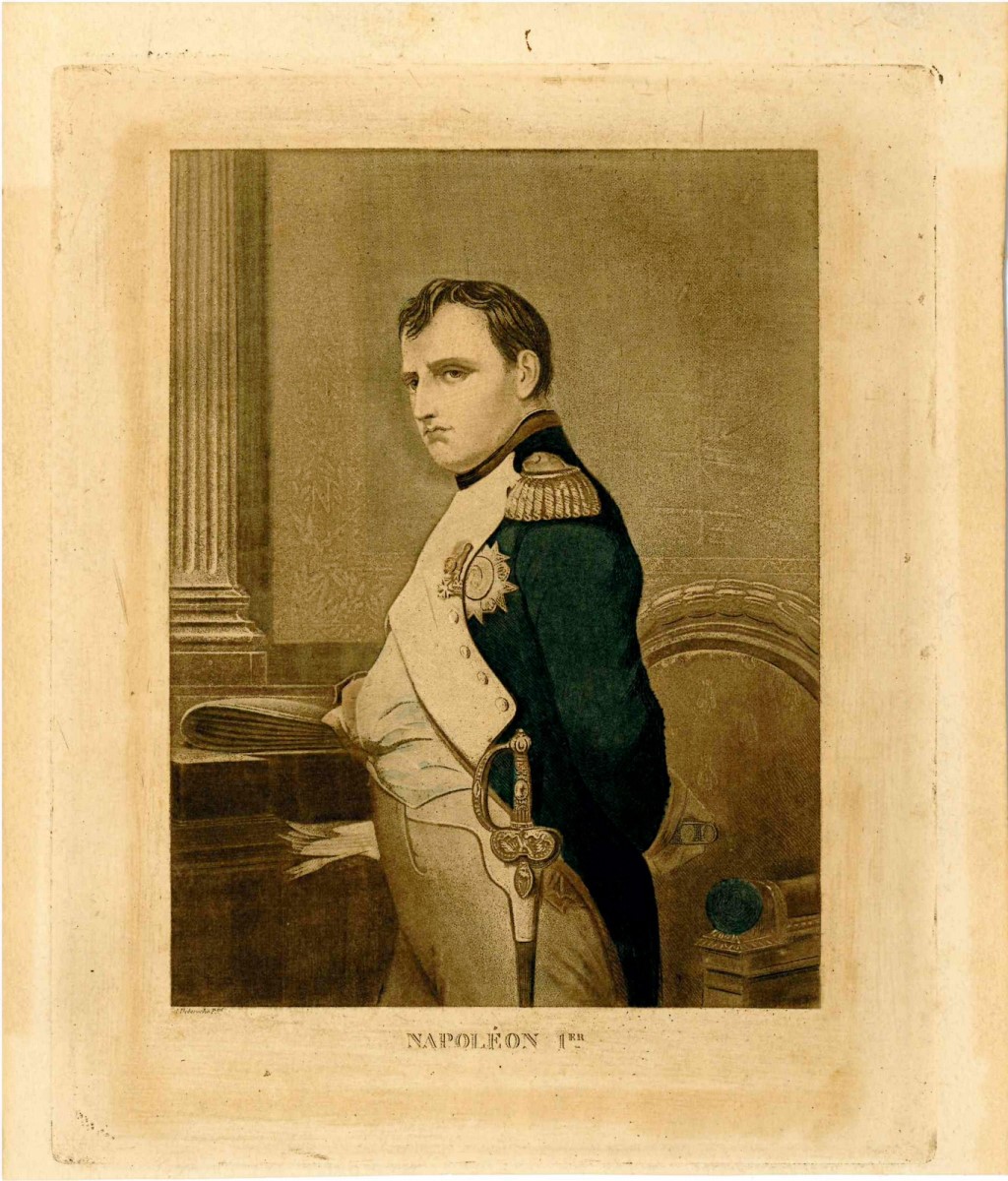
 Paul DelarocheFrance, 1797–1856
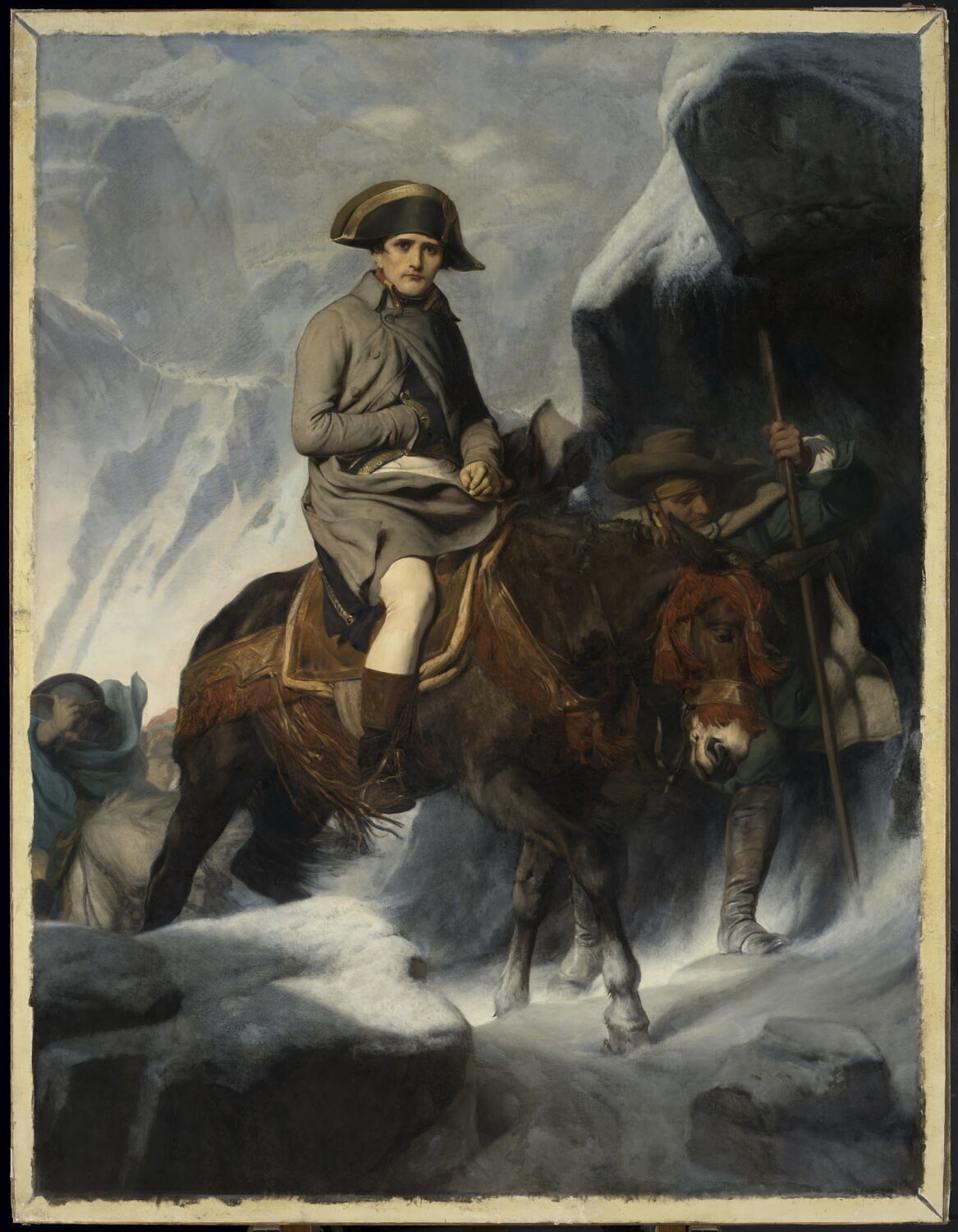
Napoléon Ier
Peut-on la contempler ?
Inconnu
La Roche-sur-Yon, France
Le propriétaire est connu ; on ignore si l’œuvre est exposée aujourd’hui.
- Dans cet état depuis
- Source
- Le musée
Notice
- Numéro d’inventaire
- 960.1.4
Ce qu’elle montre
Au catalogue
Sources
- Musée municipal de La Roche-sur-Yon
- Image : Musée municipal de La Roche-sur-Yon — © Musée de La Roche-sur-Yon; Ministère de la Culture (France), base Joconde
Pendant ce temps, chez Paul Delaroche
La vie entièreafter 1837
Stops exhibiting at the Salons
After “St. Cecilia” he stops showing his work altogether: the cool reception of the painting, together with his rejection of Davidian values in French society and government, leads to a self-imposed exile from the state-sponsored Salons.
1837
Receives the commission for “The Hemicycle”
The École’s architect, Félix Duban, entrusts him with a monumental mural for the school’s ceremonial hall, later known as the Hémicycle. Four of his pupils assist him.
1837
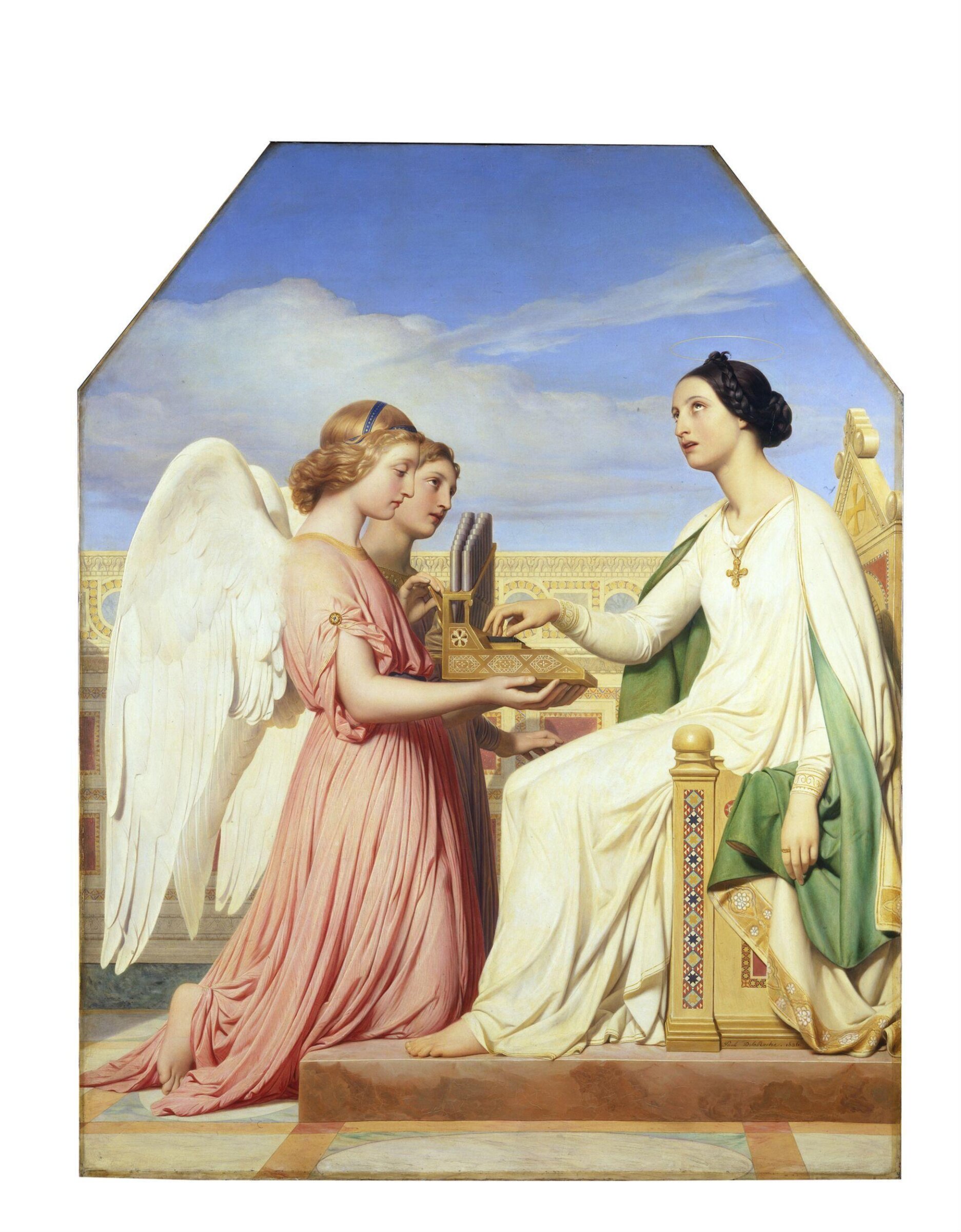
Exhibits “St. Cecilia”
His first significant religious painting, made in 1836. The change of subject and the austere manner disappointed French critics.
1838–1843
Works in Italy again
He works in Italy again in 1838–1843; other accounts give two visits, in 1838 and in 1843.