ART WIKI32 963 en salle
CarteCollectionArtistesMuséesExpositionsJournal
Connexion

ART WIKI

Où est accroché le chef-d’œuvre, et quand on vous laisse entrer.

Collections : Art Institute of Chicago, Cleveland Museum of Art, Galerie Tretiakov, Hirshhorn Museum and Sculpture Garden, J. Paul Getty Museum, Metropolitan Museum of Art, Minneapolis Institute of Art, Musée de l'Ermitage, Musée des Beaux-Arts Pouchkine, Musée du Louvre, musée national d'art asiatique, Musée russe, Musées d'Art de Harvard, Museum of Modern Art, National Gallery of Art, National Portrait Gallery, Rijksmuseum Amsterdam, Smithsonian American Art Museum, Statens Museum for Kunst, Victoria and Albert Museum, Villa Getty, Whitney Museum of American Art, Catalogue d’État du fonds muséal de Russie (274 musées), Europeana (19 musées), Wikidata (6 musées), Paris Musées (12 musées) et Joconde, la base des musées du ministère de la Culture (495 musées). Les images appartiennent à leurs ayants droit.

Rubriques

  • Carte
  • Recherche
  • Collection
  • Chefs-d’œuvre
  • Exposées en ce moment
  • Artistes

Et aussi

  • Musées et galeries
  • Expositions
  • Journal
  • D’où viennent les données
  • Confidentialité et cookies
AccueilCarteCatalogue
  1. Collection/
  2. Art Institute of Chicago/
  3. Mz 13 Call
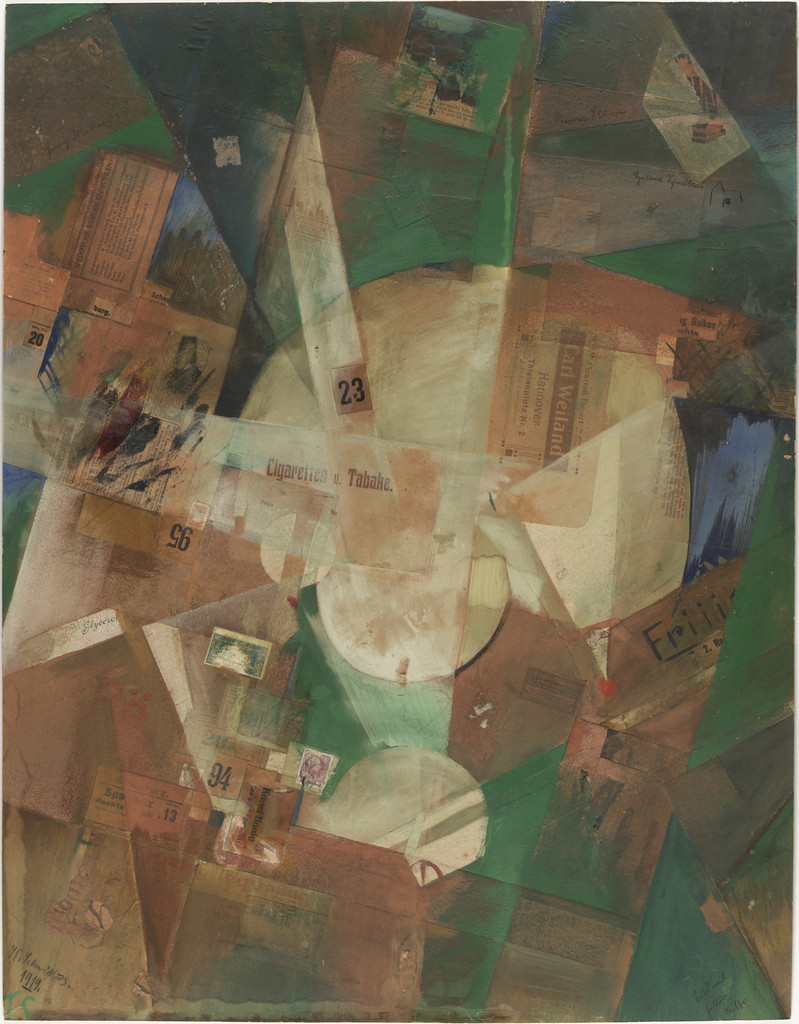
Mz 13 Call, Kurt Schwitters, 1919
Kurt Schwitters, portraitKurt SchwittersAllemagne, 1887–1948

Mz 13 Call

1919 · Drawing and Watercolor

Peut-on la contempler ?

Elle ne reçoit pas en ce moment

Art Institute of Chicago

Chicago, États-Unis

Elle appartient à la collection, mais n’est pas présentée en ce moment.

Vérifié
il y a 3 jours
Dans cet état depuis
19 août 2026
Source
Le musée
Sur la cartePage du musée

Notice

1919 · à 32 ans
18871948
Numéro d’inventaire
1953.24

Au catalogue

Dessins et aquarellesPlumeModernismeXXe siècleAvant-gardeAllemagne

Sources

  • Art Institute of Chicago
  • Image : Art Institute of Chicago — © the artist or rights holder

Pendant ce temps, chez Kurt Schwitters

La vie entière
  1. 1918

    Germany’s collapse transforms his art

    Germany’s economic, political and military collapse at the end of the First World War changes his art dramatically: by his own account, what he had learned at the academy was of no use and new things had to be made out of the fragments — this is Merz, like a revolution within him.

  2. February 1918

    Hanover Secession show and contact with Walden

    After showing Expressionist paintings at the Hanover Secession, Schwitters comes into contact with Herwarth Walden, whose gallery Der Sturm is in Berlin.

  3. June 1918

    Two ‘Abstractions’ at the Der Sturm gallery

    At Walden’s gallery in Berlin he shows two ‘Abstraktionen’, semi-abstract Expressionist landscapes.

  4. autumn 1918

    Meets the Berlin avant-garde

    He meets Raoul Hausmann, Hannah Höch and Jean Arp; Hausmann recalled how Schwitters introduced himself at the Café des Westens: ‘I’m a painter,’ he said, ‘and I nail my pictures together.’ He remains close to Höch and Hausmann for the rest of his career.

  5. June 1919

    First solo exhibition at Der Sturm

    His first solo exhibition opens at the Der Sturm gallery in Berlin in June 1919; together with the poem published that August, it makes him a well-known artist by the end of the year.

  6. August 1919

    The poem ‘An Anna Blume’ is published

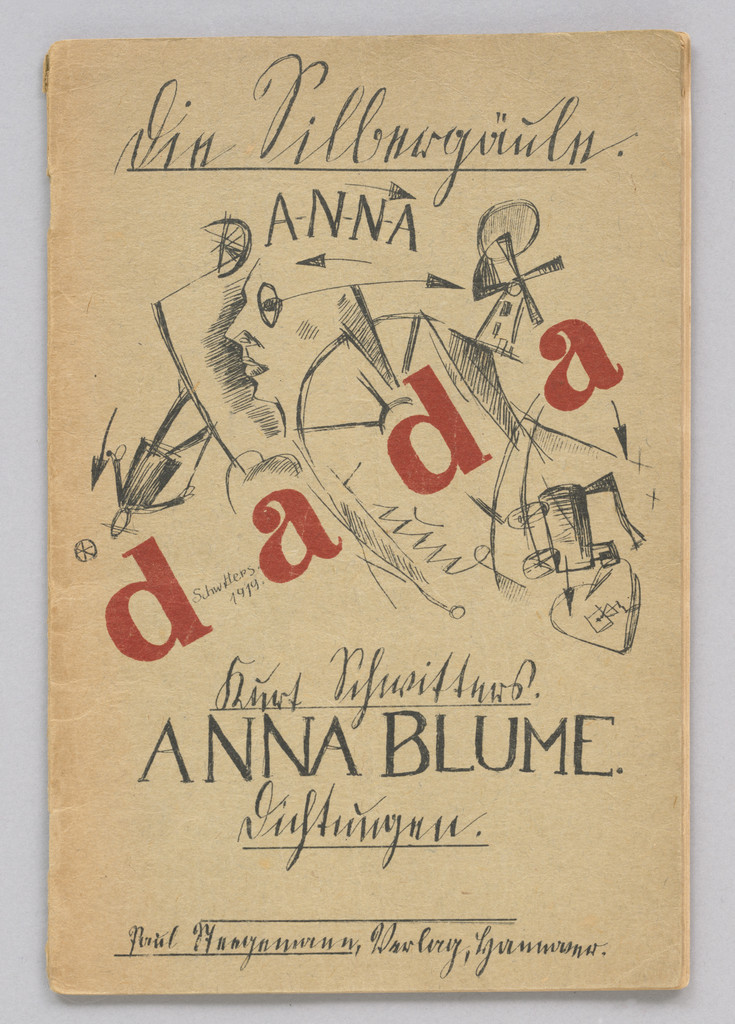
    The Dadaist, nonsensical love poem ‘An Anna Blume’ is published in August 1919, with the word ‘Dada’ on its cover.
Autres œuvres : Kurt Schwitters

Toutes les œuvres
Picture with Light Center (Bild mit heller Mitte), Kurt Schwitters, 1919

Picture with Light Center (Bild mit heller Mitte)

1919 · Museum of Modern Art

Untitled, Kurt Schwitters, c. 1946

Untitled

c. 1946 · Art Institute of Chicago

For the Modern, Kurt Schwitters, 1947

For the Modern

1947 · Art Institute of Chicago

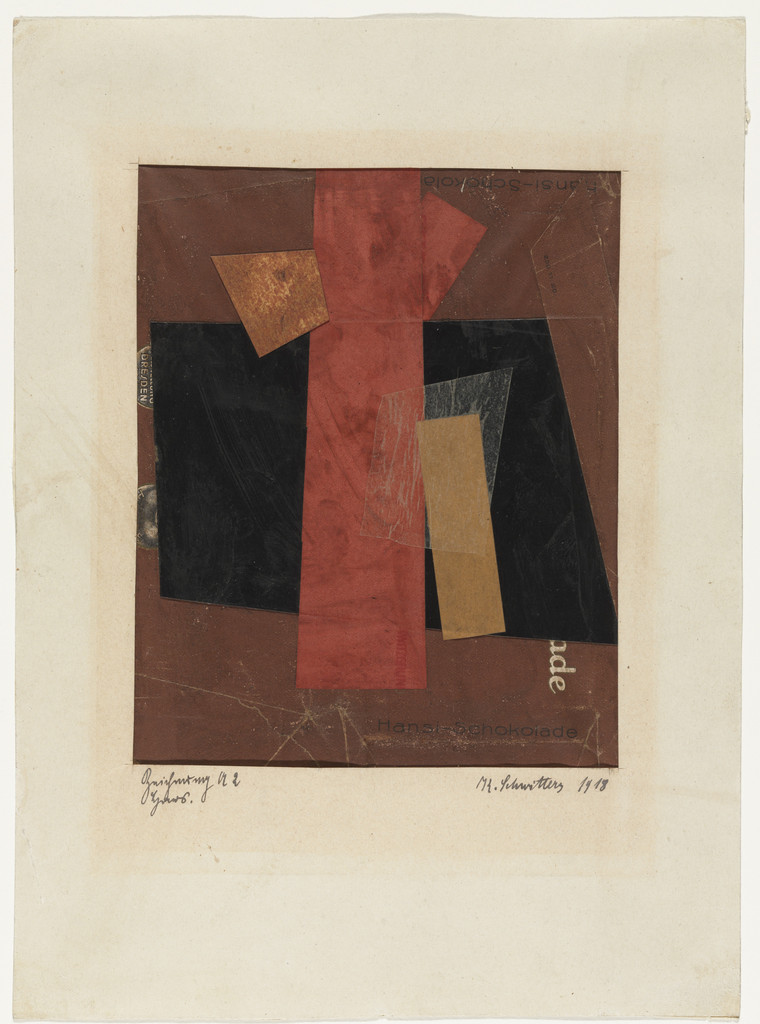
Drawing A2: Hansi, Kurt Schwitters, 1918

Drawing A2: Hansi

1918 · Non exposée · Museum of Modern Art

Untitled, Kurt Schwitters, 1919

Untitled

1919 · Non exposée · National Gallery of Art

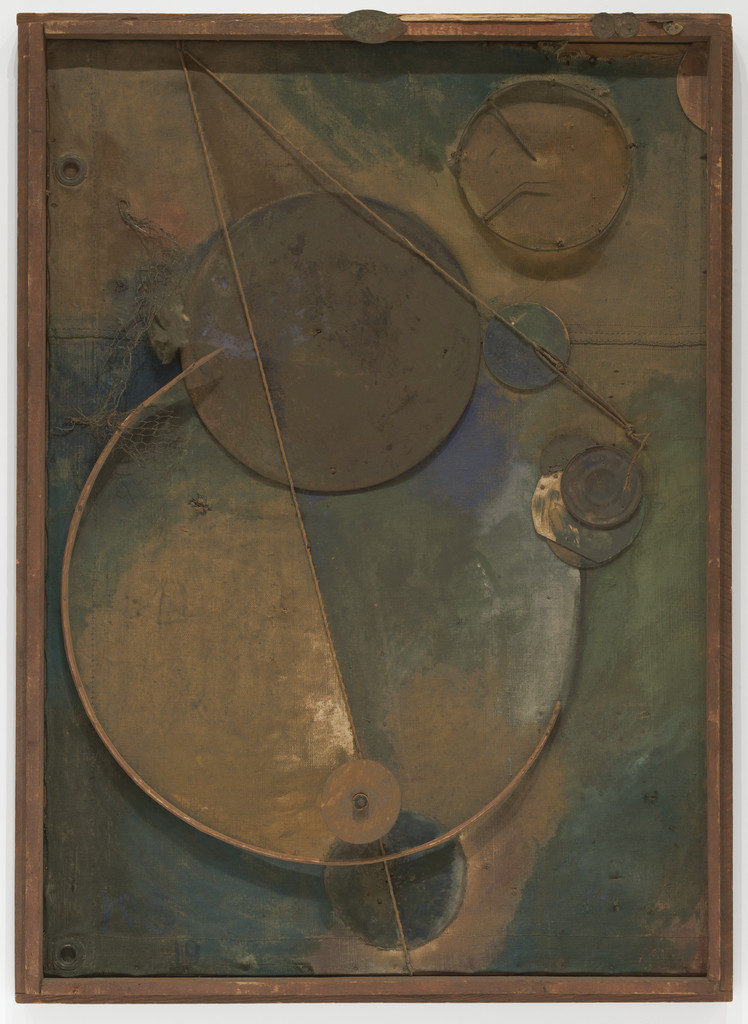
Revolving, Kurt Schwitters, 1919

Revolving

1919 · Non exposée · Museum of Modern Art

Anna Blume: Dichtungen (Die Silbergäule, vol. 39/40), Kurt Schwitters, 1919

Anna Blume: Dichtungen (Die Silbergäule, vol. 39/40)

1919 · Non exposée · Museum of Modern Art

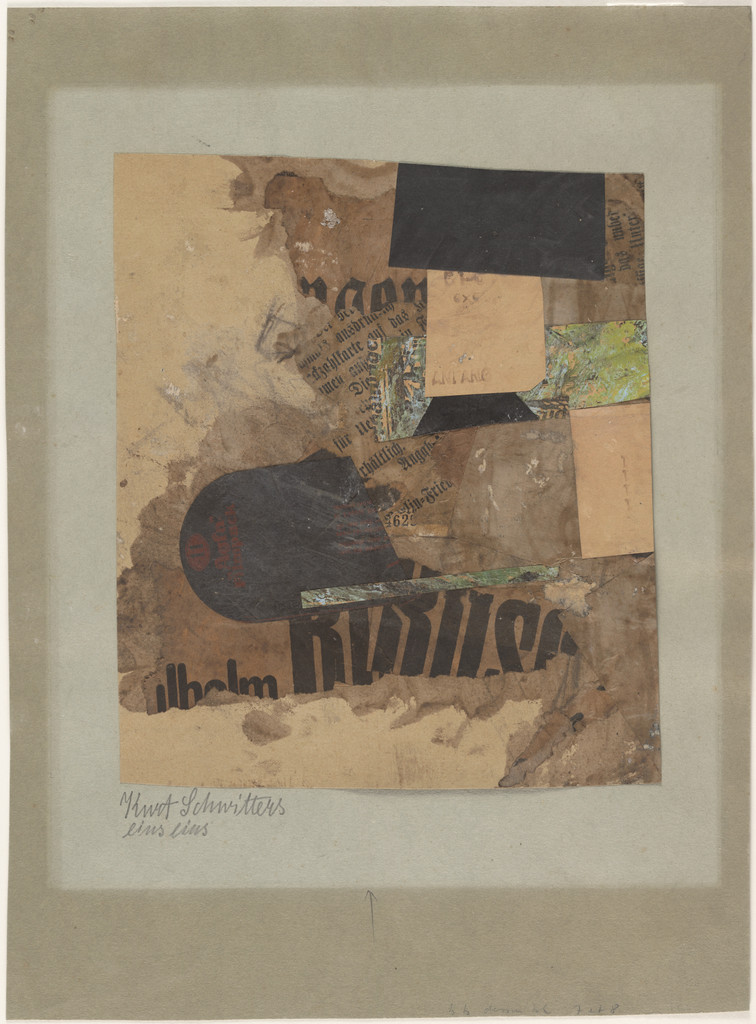
One One (Eins Eins), Kurt Schwitters, 1919–20

One One (Eins Eins)

1919–20 · Non exposée · Museum of Modern Art

Sous le même toit : Art Institute of Chicago

Page du musée
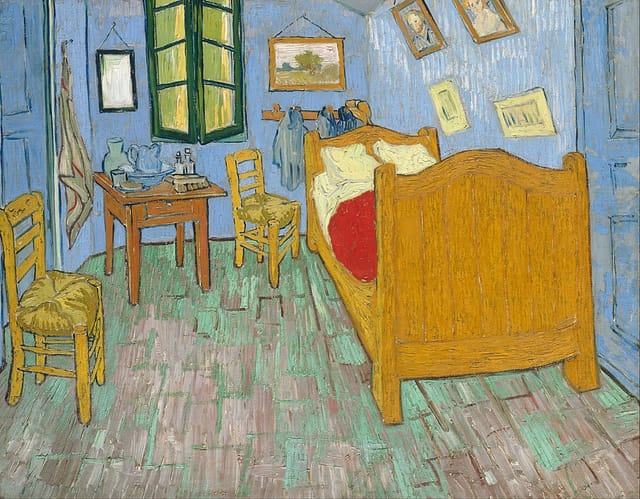
The Bedroom, Vincent van Gogh, 1889

Vincent van Gogh

The Bedroom, 1889

A Sunday on La Grande Jatte — 1884, Georges Seurat, 1884–86, border added 1888–89

Georges Seurat

Un dimanche après-midi à l'Île de la Grande Jatte, 1884–86, border added 1888–89

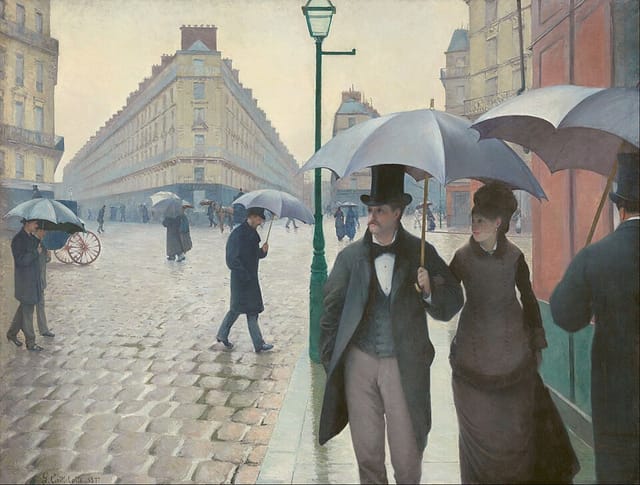
Paris Street; Rainy Day, Gustave Caillebotte, 1877

Gustave Caillebotte

Rue de Paris, temps de pluie, 1877

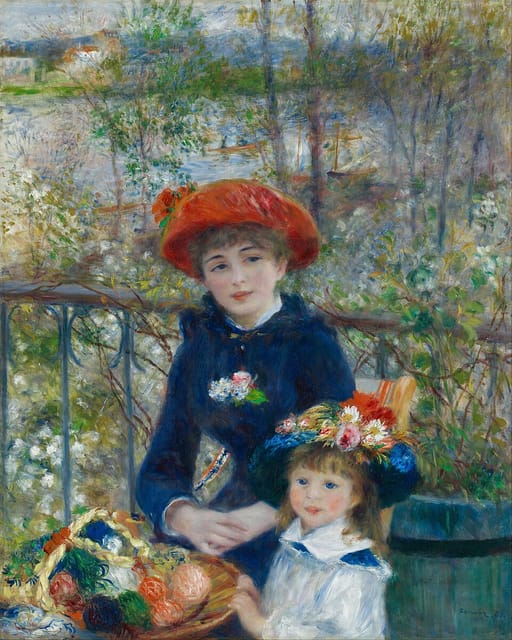
Two Sisters (On the Terrace), Pierre-Auguste Renoir, 1881

Pierre-Auguste Renoir

Les Deux Sœurs, 1881

The Basket of Apples, Paul Cézanne, c. 1893

Paul Cézanne

La Corbeille de pommes, c. 1893

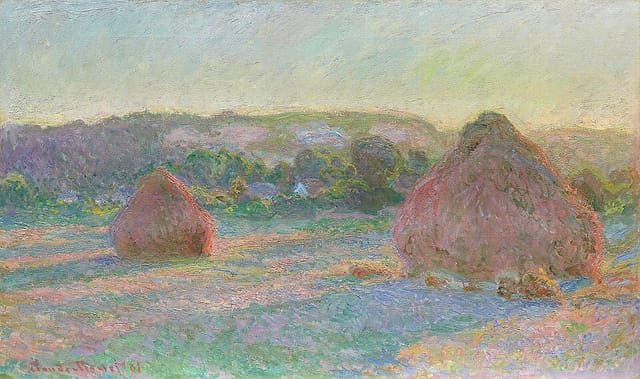
Stacks of Wheat (End of Summer), Claude Monet, 1890–91

Claude Monet

Stacks of Wheat (End of Summer), 1890–91

American Gothic, Grant Wood, 1930

Grant Wood

American Gothic, 1930

Nighthawks, Edward Hopper, 1942

Edward Hopper

Nighthawks, 1942