ART WIKI32 979 en salle
CarteCollectionArtistesMuséesExpositionsJournal
Connexion

ART WIKI

Où est accroché le chef-d’œuvre, et quand on vous laisse entrer.

Collections : Art Institute of Chicago, Cleveland Museum of Art, Galerie Tretiakov, Hirshhorn Museum and Sculpture Garden, J. Paul Getty Museum, Metropolitan Museum of Art, Minneapolis Institute of Art, Musée de l'Ermitage, Musée des Beaux-Arts Pouchkine, Musée du Louvre, musée national d'art asiatique, Musée russe, Musées d'Art de Harvard, Museum of Modern Art, National Gallery of Art, National Portrait Gallery, Rijksmuseum Amsterdam, Smithsonian American Art Museum, Statens Museum for Kunst, Victoria and Albert Museum, Villa Getty, Whitney Museum of American Art, Catalogue d’État du fonds muséal de Russie (274 musées), Europeana (19 musées), Wikidata (6 musées), Paris Musées (12 musées) et Joconde, la base des musées du ministère de la Culture (495 musées). Les images appartiennent à leurs ayants droit.

Rubriques

  • Carte
  • Recherche
  • Collection
  • Chefs-d’œuvre
  • Exposées en ce moment
  • Artistes

Et aussi

  • Musées et galeries
  • Expositions
  • Journal
  • D’où viennent les données
  • Confidentialité et cookies
AccueilCarteCatalogue
  1. Collection/
  2. Victoria and Albert Museum/
  3. Mercury
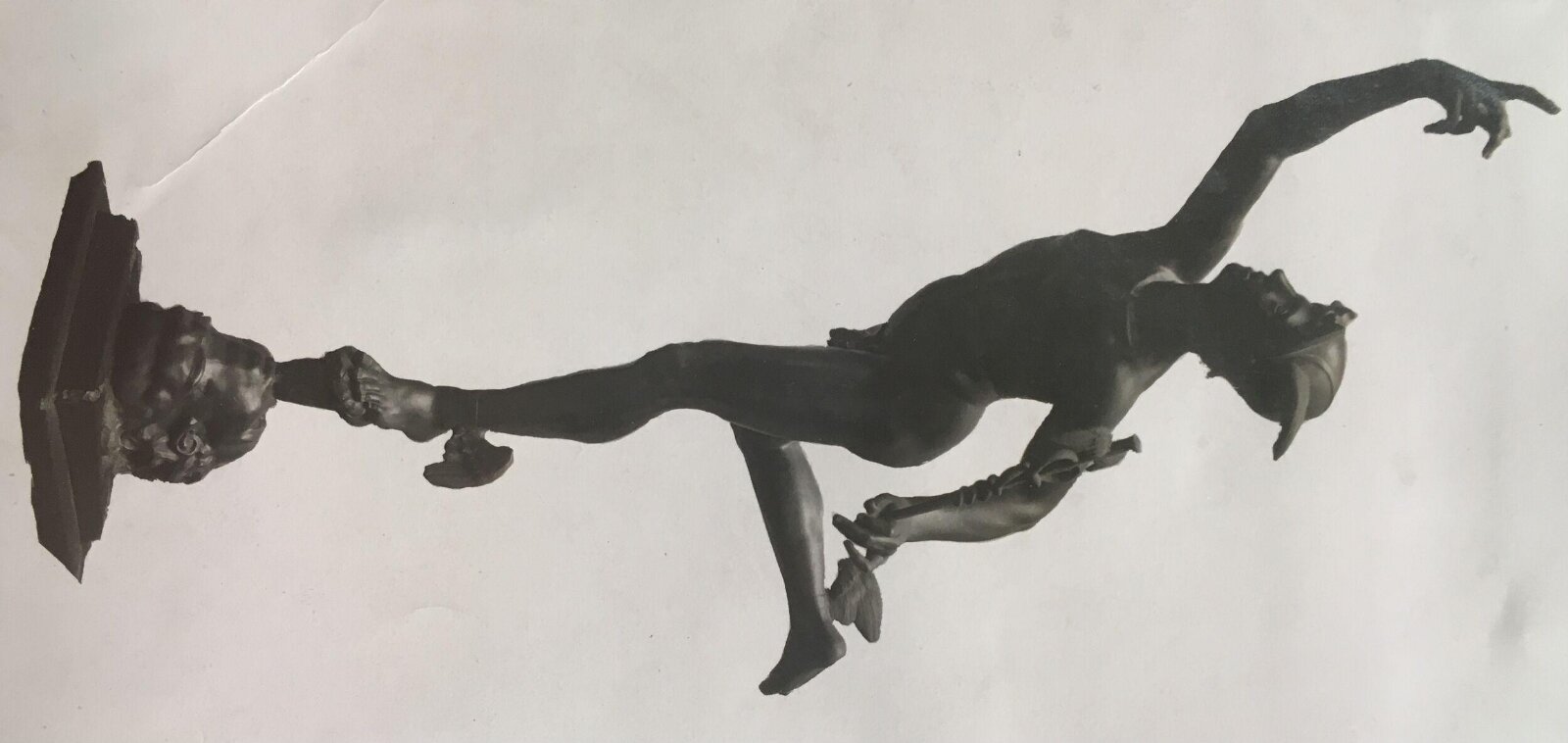
Mercury, Giambologna, ca. 1863
Giambologna, portraitGiambolognaFlandre, 1529–1608

Mercury

ca. 1863 · Sculpture · 182.9 × 121.9 cm

À propos de la sculpture

Acquired by the museum in Paris in 1863 as a modern cast, the bronze is freely adapted from the version of Giambologna's Mercury in the Louvre. The Louvre bronze was sent to France from Florence in 1598, and is an example of a late type of Mercury evolved in Giambologna's workshop in the 1590s.

Born in Flanders Giovanni Bologna (1524-1608), or short Giambologna went to Rome to study antique sculpture from about 1550 to 1553. He then travelled through Florence where he was persuaded to stay. He became sculptor to the Medici family and thus became one of the most influential sculptors of the late 16th and early 17th centuries. He drew attention to many artists from Northern Europe and disseminated his style mainly through small bronzes. He established an efficient and large workshop.

Victoria and Albert Museum

Notice

Numéro d’inventaire
9071-1863

Autres œuvres : Giambologna

Toutes les œuvres

Dans la même salle · In store, Victoria and Albert Museum

Page du musée

Sur le même thème · Putto

Toutes les œuvres sur ce thème

Peut-on la contempler ?

Oui, elle reçoit

Victoria and Albert Museum

Londres, Royaume-Uni

SalleIn store

Présentée au public. Qui s’en porte garant est indiqué ci-dessous.

Vérifié
il y a 13 jours
Dans cet état depuis
25 sept. 2026
Source
Le musée
Sur la cartePage du musée

Ce qu’elle montre

PuttoWindMercury

Au catalogue

SculptureBronzeRéalismeImpressionnismeXIXe siècleFrance

Sources

  • Victoria and Albert Museum
  • Image : Victoria and Albert Museum — © Victoria and Albert Museum, London
Triton, Giambologna, 1590s

Triton

1590s · Metropolitan Museum of Art

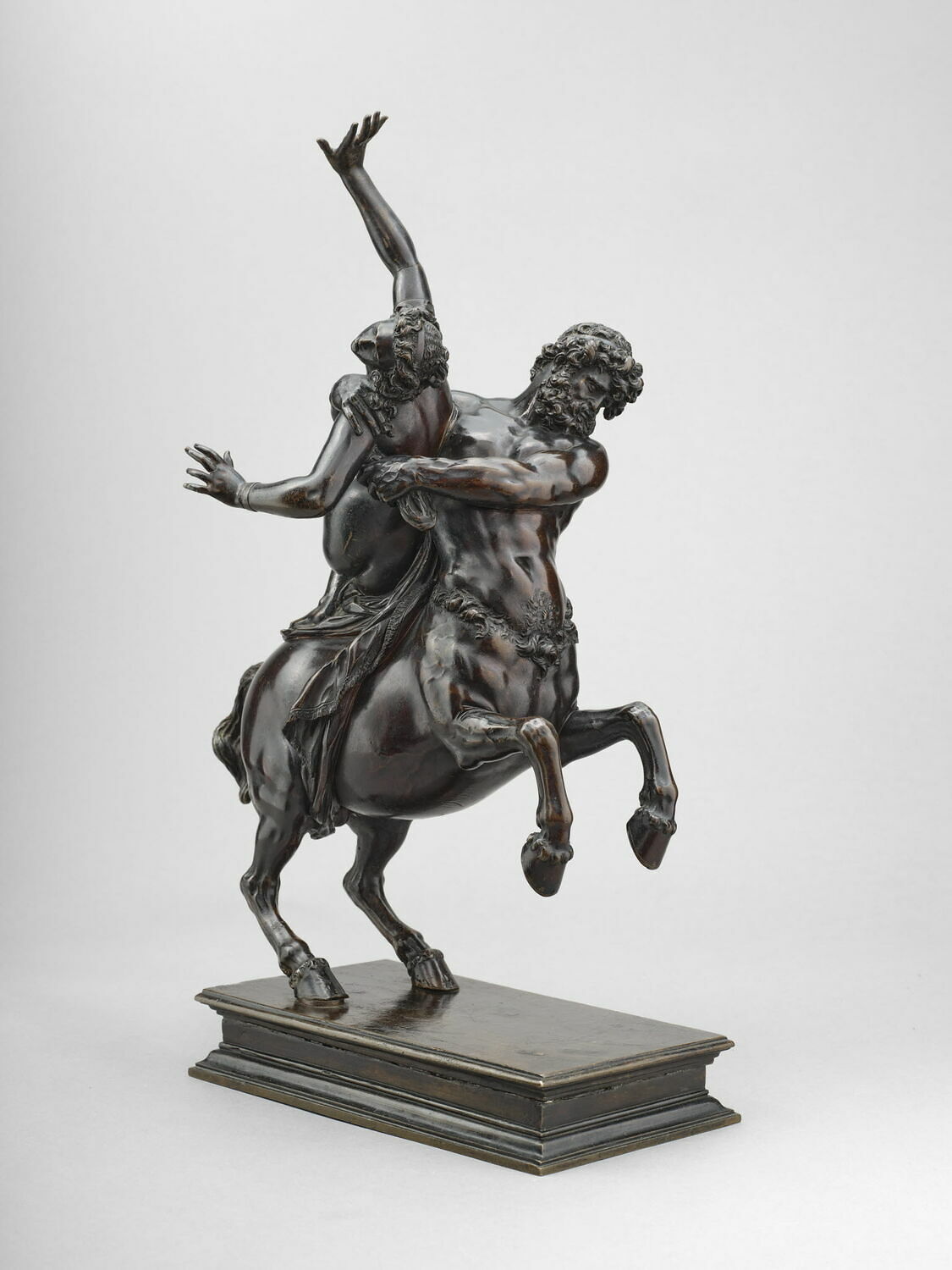
Groupe sculpté : l'Enlèvement de Déjanire, Bologne, Jean

Groupe sculpté : l'Enlèvement de Déjanire

Musée du Louvre

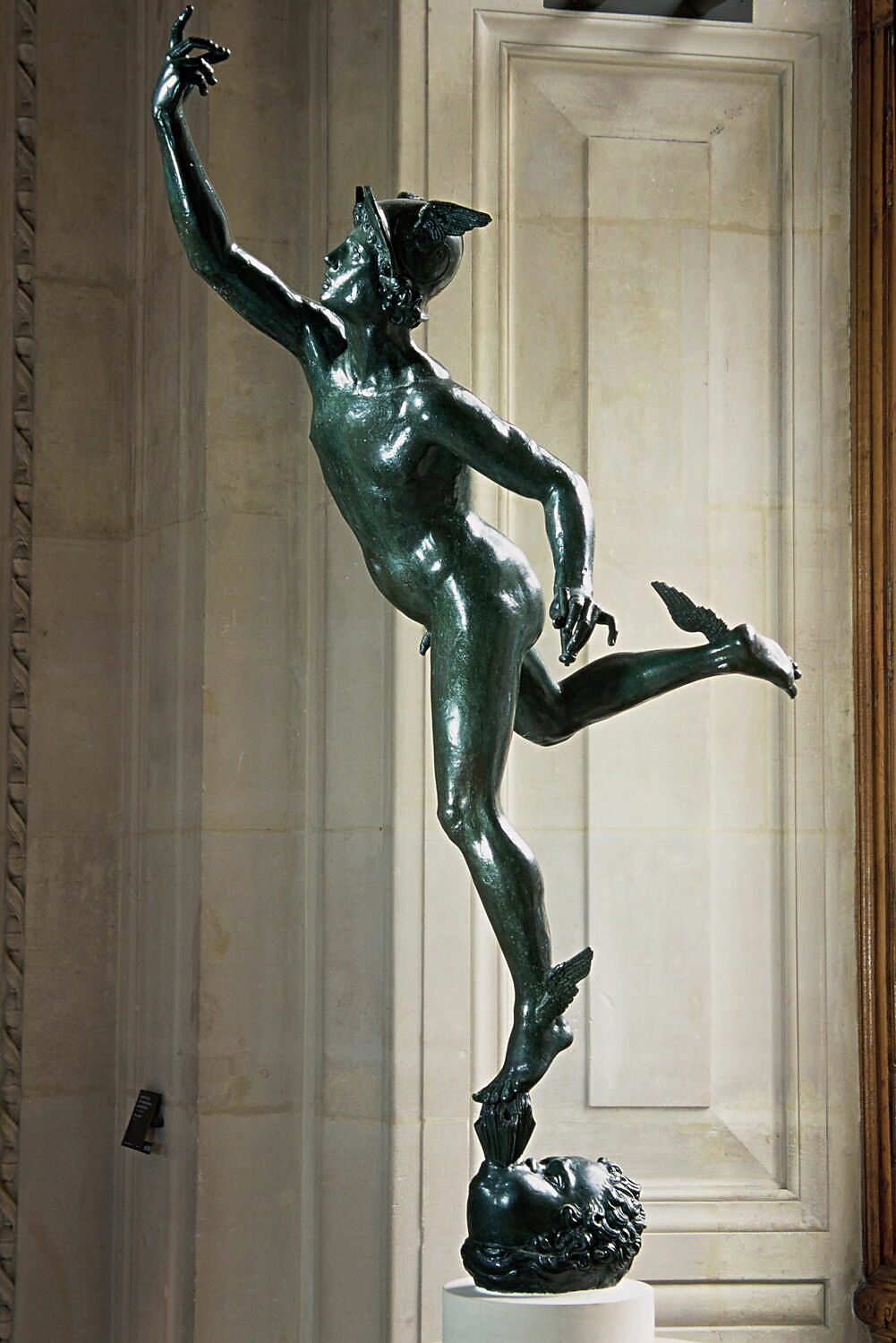
Mercure, Italie, 1574 - 1700

Mercure

1574 - 1700 · Musée du Louvre

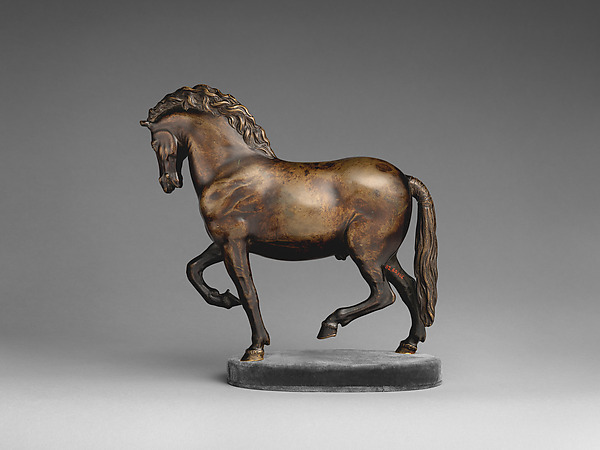
Trotting horse, Giambologna, 18th–19th century?

Trotting horse

18th–19th century? · Metropolitan Museum of Art

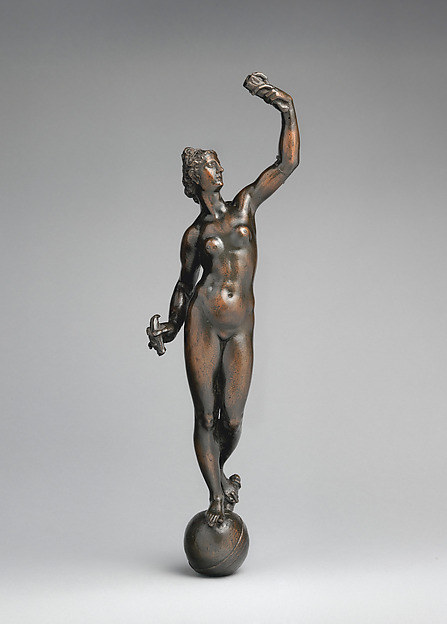
Fortuna, Giambologna, 17th-18th Century (?)

Fortuna

17th-18th Century (?) · Metropolitan Museum of Art

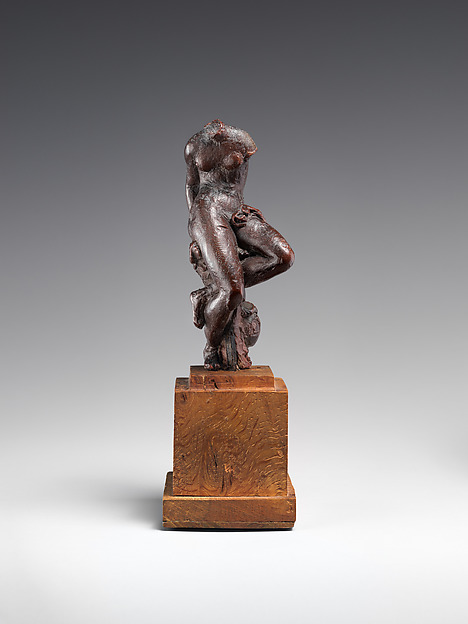
Seated woman representing Astrology, Giambologna, mid-1570s

Seated woman representing Astrology

mid-1570s · Metropolitan Museum of Art

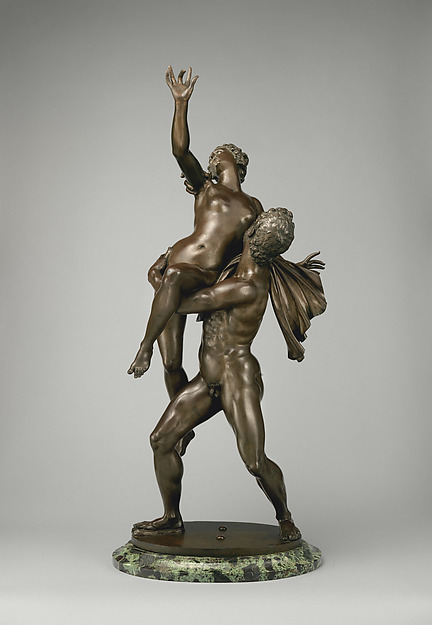
Abduction of a Sabine Woman, Giambologna, model ca. 1579; cast possibly late 16th century

Abduction of a Sabine Woman

model ca. 1579; cast possibly late 16th century · Metropolitan Museum of Art

Francesco I de' Medici, grand duke of Tuscany, Giambologna, modeled 1585–87, cast ca. 1611

Francesco I de' Medici, grand duke of Tuscany

modeled 1585–87, cast ca. 1611 · Metropolitan Museum of Art

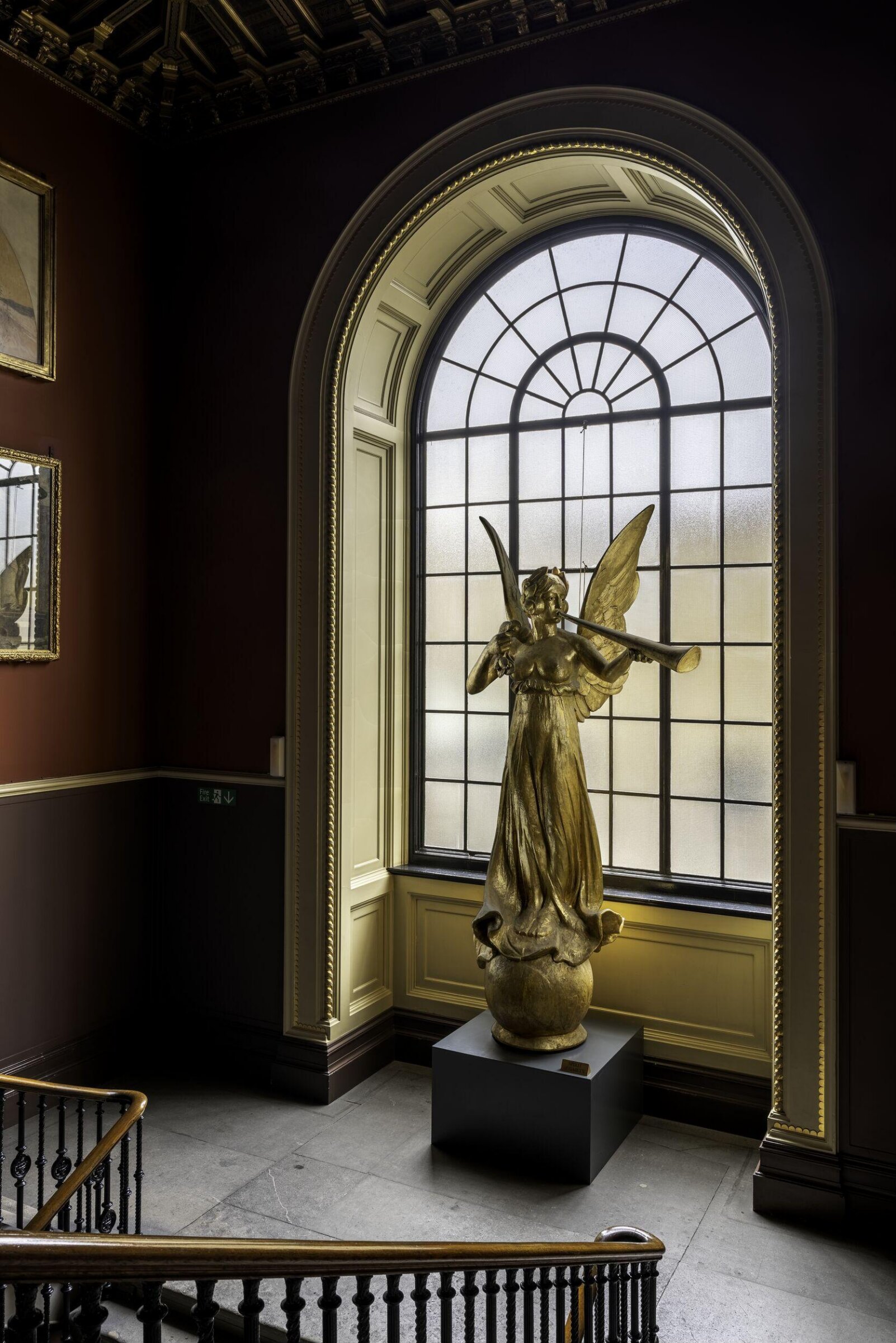
The Spirit of Gaiety, Hibbert C. Binney, 1904

Hibbert C. Binney

The Spirit of Gaiety, 1904

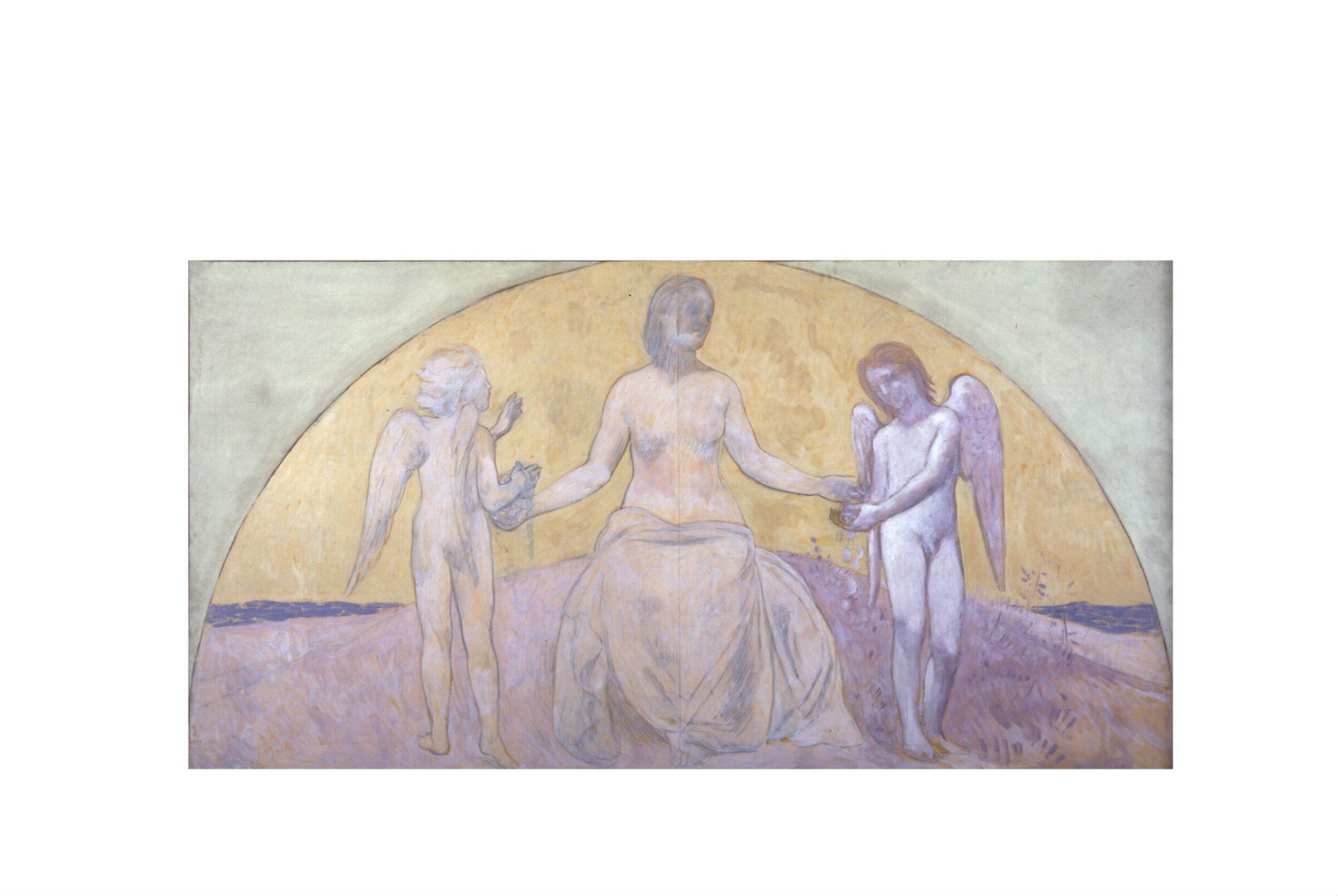
La Générosité, Pierre Puvis de Chavannes, 1894

Pierre Puvis de Chavannes

La Générosité, 1894

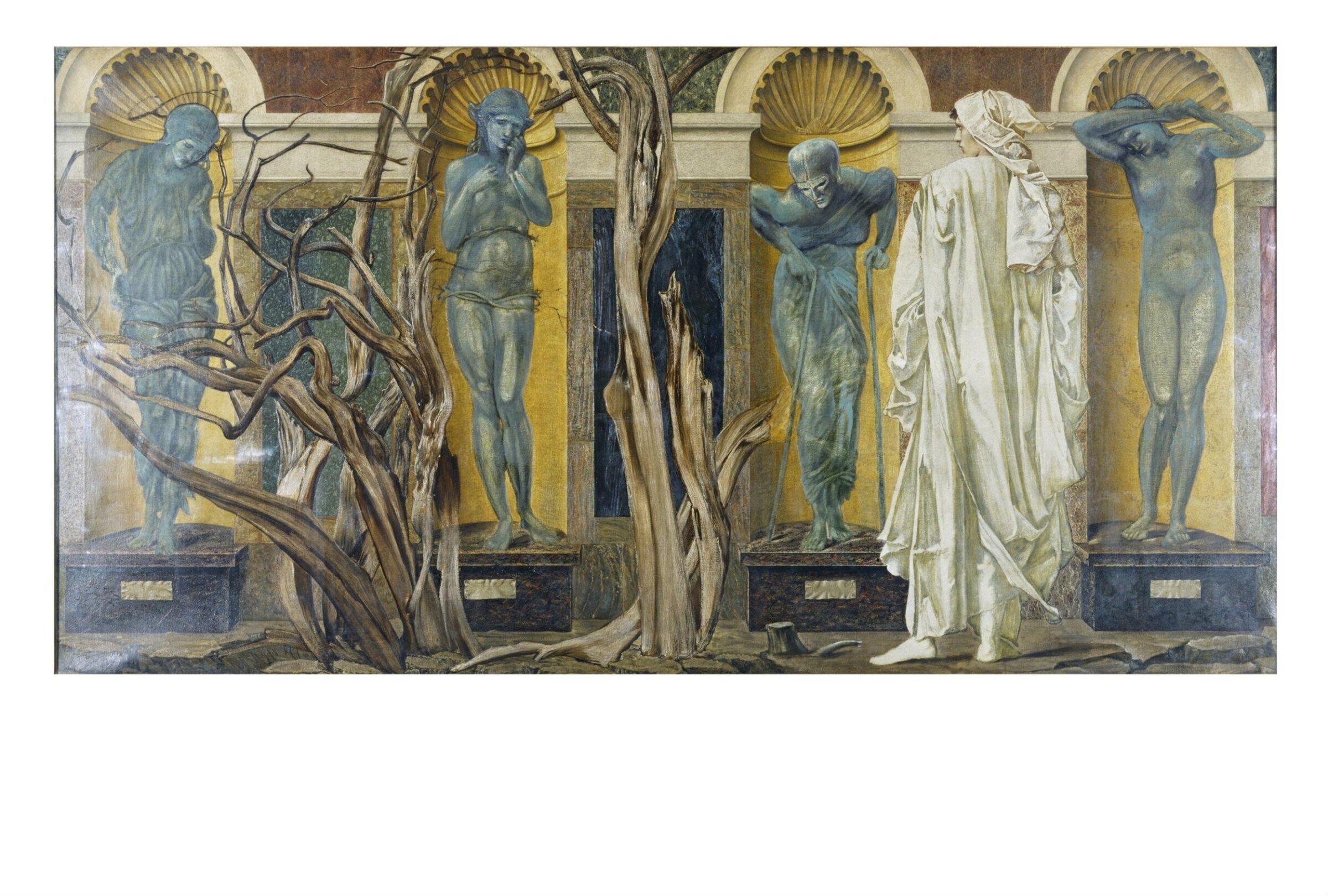
The Pilgrim Outside the Garden of Idleness (Scene from Roman de la Rose), Edward Coley Burne-Jones, ca. 1893-1898

Edward Coley Burne-Jones

The Pilgrim Outside the Garden of Idleness (Scene from Roman de la Rose), ca. 1893-1898

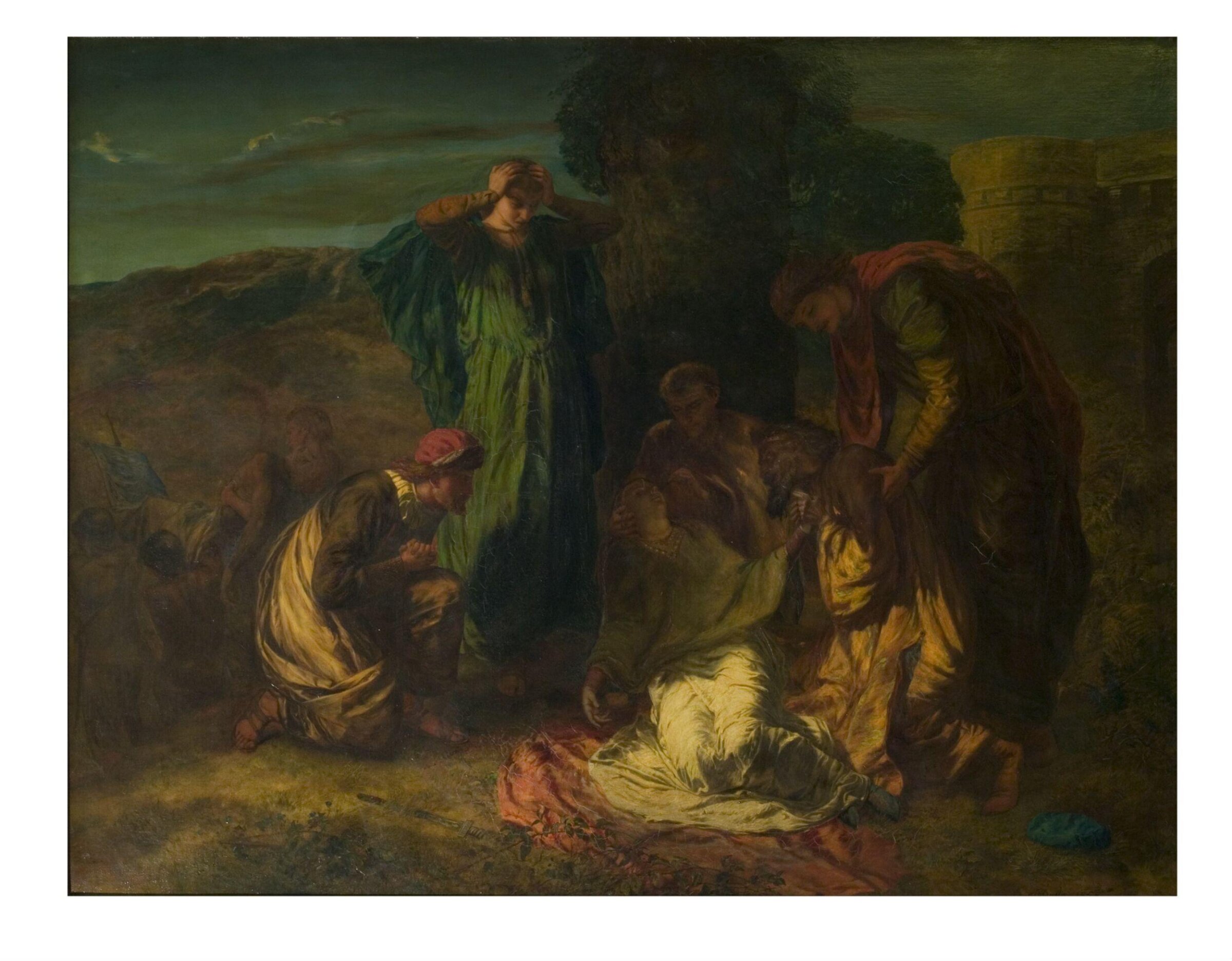
The Death of Cordelia, Paul Falconer Poole, 1858

Paul Falconer Poole

The Death of Cordelia, 1858

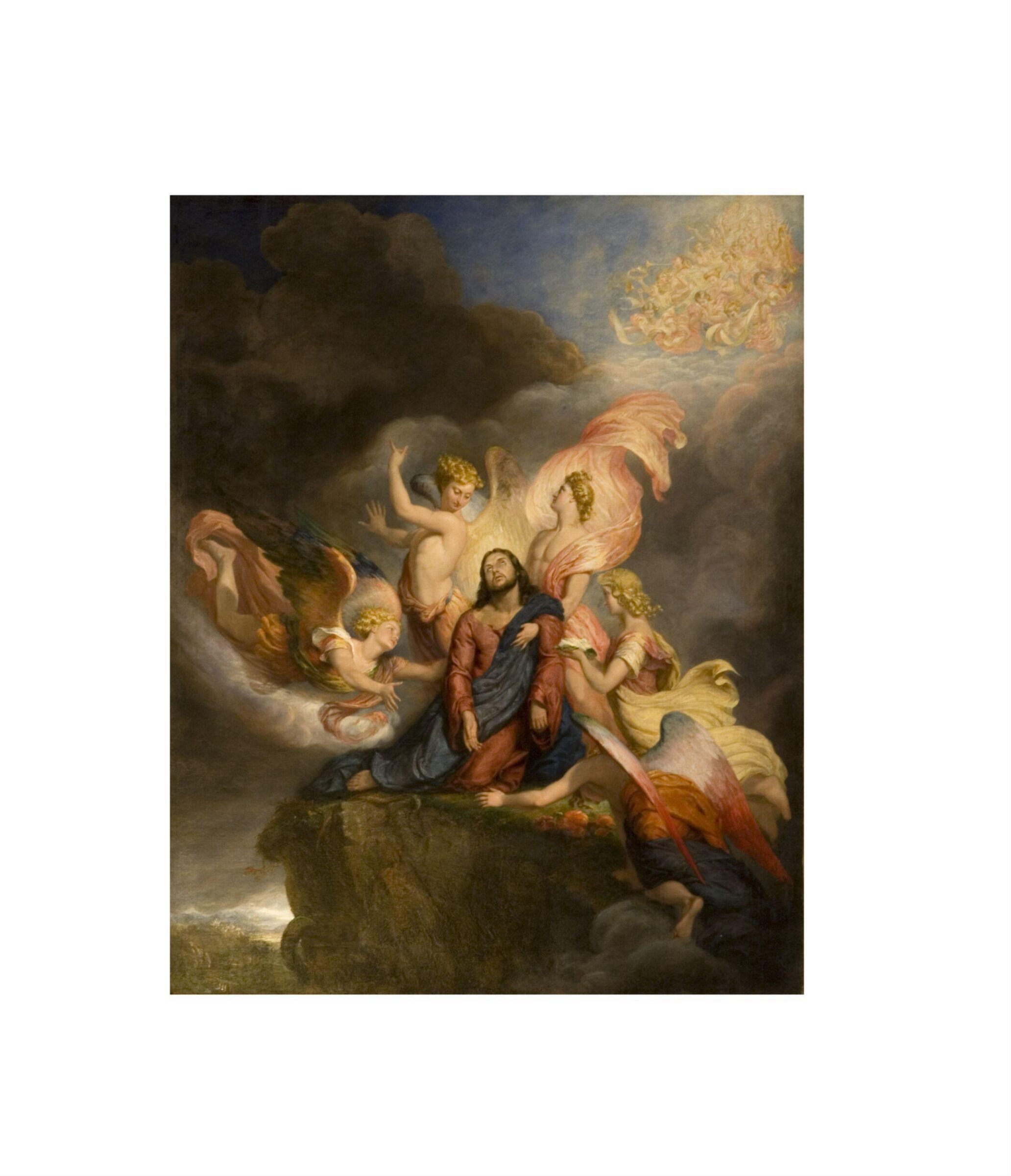
The Angels ministering to Christ, George Hayter, 1847-1849

Sir George Hayter

The Angels ministering to Christ, 1847-1849

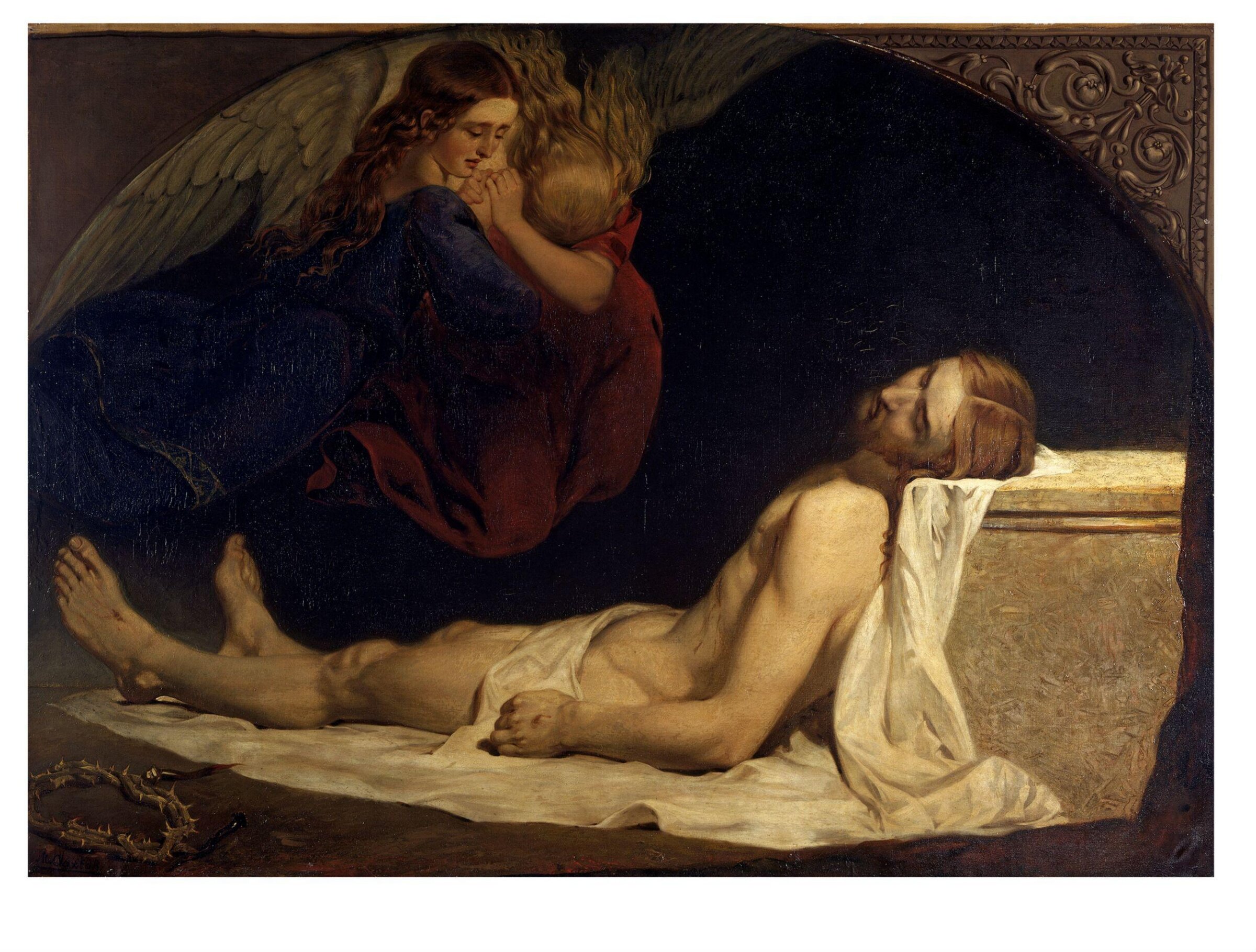
The Sepulchre, Marshall Claxton, 1843

Marshall Claxton

The Sepulchre, 1843

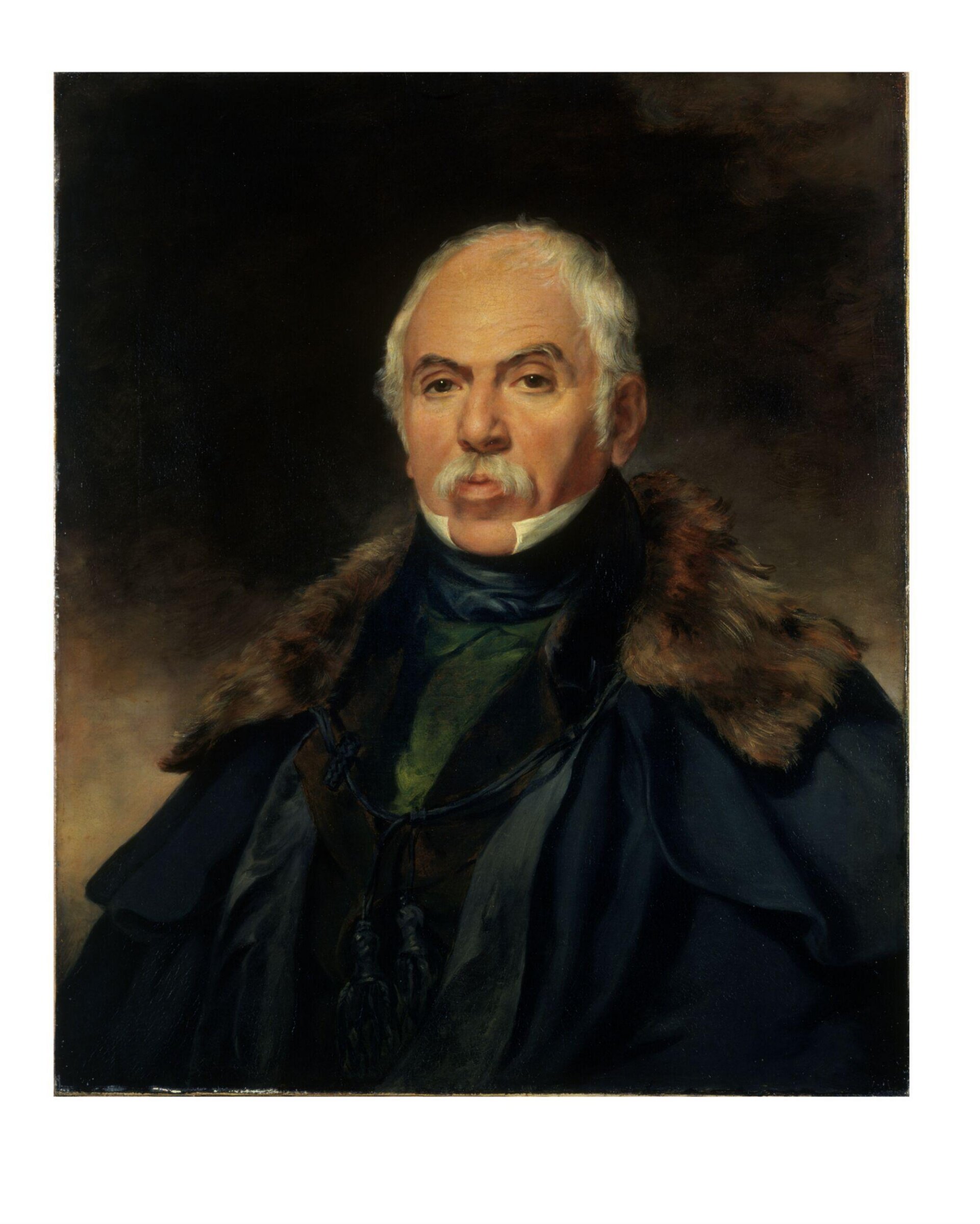
Constantine Ionides, George Frederick Watts, ca. 1840

George Frederick Watts

Constantine Ionides, ca. 1840

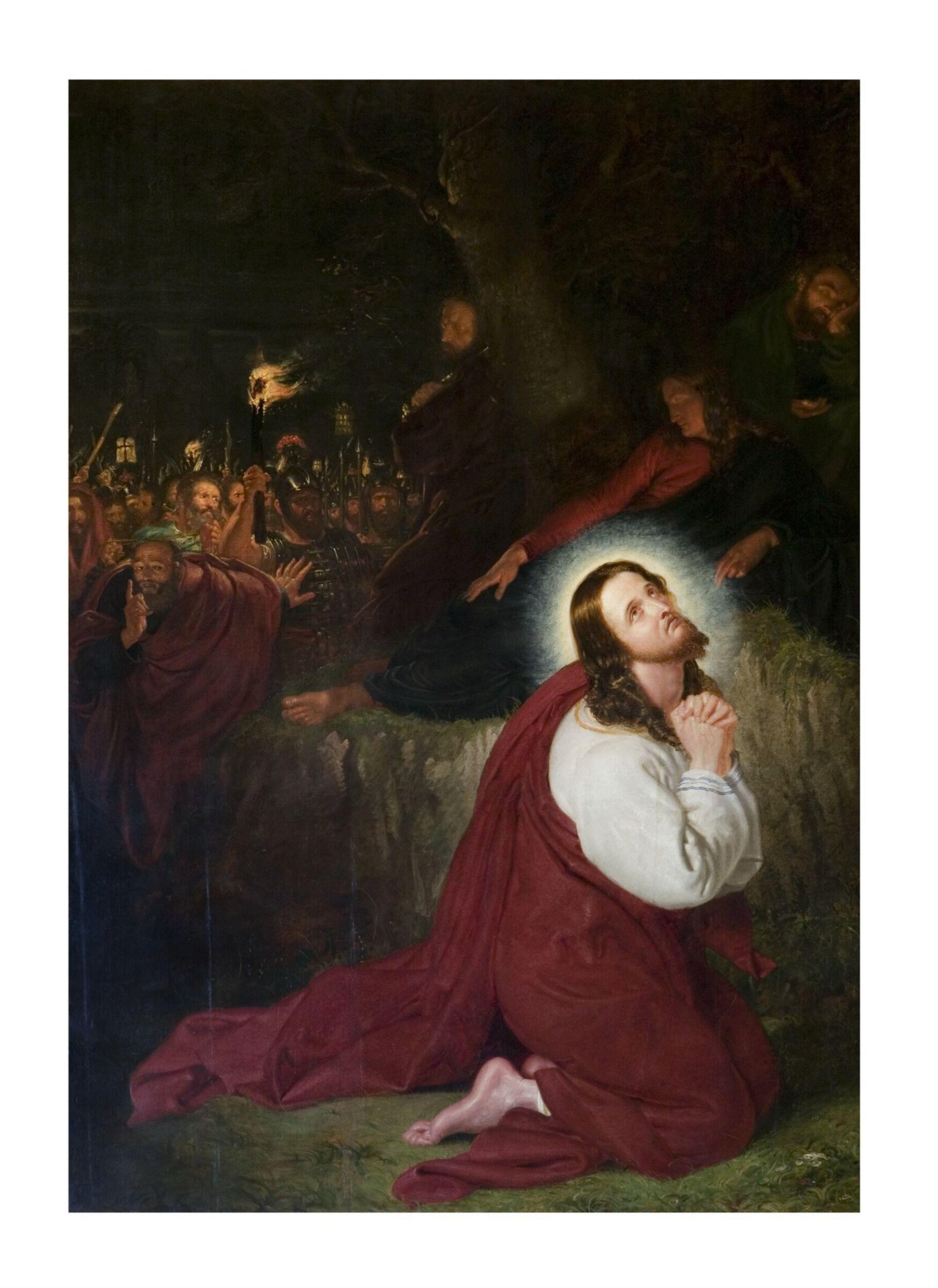
The Agony in the Garden, Benjamin Robert Haydon, early 19th century

Benjamin Robert Haydon

The Agony in the Garden, early 19th century

Die Heilige Sippe mit zwei musizierenden Engelknaben, Albrecht Dürer, 1511

Albrecht Dürer

Die Heilige Sippe mit zwei musizierenden Engelknaben, 1511

Musée Herzog Anton Ulrich

Die Eifersucht, Albrecht Dürer, 1498–1499

Albrecht Dürer

Die Eifersucht, 1498–1499

Musée Herzog Anton Ulrich

Meleagar und Atalanta, Peter Paul Rubens, 1674–1684

Peter Paul Rubens

Meleagar und Atalanta, 1674–1684

Musée Herzog Anton Ulrich

Thetis in der Schmiede des Vulkan, Anthony van Dyck, 1686

Anthony van Dyck

Thetis in der Schmiede des Vulkan, 1686

Musée Herzog Anton Ulrich

Christus wird von Engeln betrauert, Jusepe de Ribera, 17th century

Jusepe de Ribera

Christus wird von Engeln betrauert, 17th century

Musée Herzog Anton Ulrich

[Ausschnitt aus dem Fresko der Himmelfahrt Maria], Antonio da Correggio, 1697

Antonio da Correggio

[Ausschnitt aus dem Fresko der Himmelfahrt Maria], 1697

Musée Herzog Anton Ulrich

Die Madonna des heiligen Georg, Antonio da Correggio

Antonio da Correggio

Die Madonna des heiligen Georg

Gemäldegalerie Alte Meister

Apotheose der Bildenden Künste, Charles Le Brun, 1639–1690

Charles Le Brun

Apotheose der Bildenden Künste, 1639–1690

Musée Herzog Anton Ulrich