ART WIKI33 040 en salle
CarteCollectionArtistesMuséesExpositionsJournal
Connexion

ART WIKI

Où est accroché le chef-d’œuvre, et quand on vous laisse entrer.

Collections : Art Institute of Chicago, Cleveland Museum of Art, Galerie Tretiakov, Hirshhorn Museum and Sculpture Garden, J. Paul Getty Museum, Metropolitan Museum of Art, Minneapolis Institute of Art, Musée de l'Ermitage, Musée des Beaux-Arts Pouchkine, Musée du Louvre, musée national d'art asiatique, Musée russe, Musées d'Art de Harvard, Museum of Modern Art, National Gallery of Art, National Portrait Gallery, Rijksmuseum Amsterdam, Smithsonian American Art Museum, Statens Museum for Kunst, Victoria and Albert Museum, Villa Getty, Whitney Museum of American Art, Catalogue d’État du fonds muséal de Russie (274 musées), Europeana (19 musées), Wikidata (6 musées), Paris Musées (12 musées) et Joconde, la base des musées du ministère de la Culture (495 musées). Les images appartiennent à leurs ayants droit.

Rubriques

  • Carte
  • Recherche
  • Collection
  • Chefs-d’œuvre
  • Exposées en ce moment
  • Artistes

Et aussi

  • Musées et galeries
  • Expositions
  • Journal
  • D’où viennent les données
  • Confidentialité et cookies
AccueilCarteCatalogue
  1. Collection/
  2. Victoria and Albert Museum/
  3. Mercury and Argus
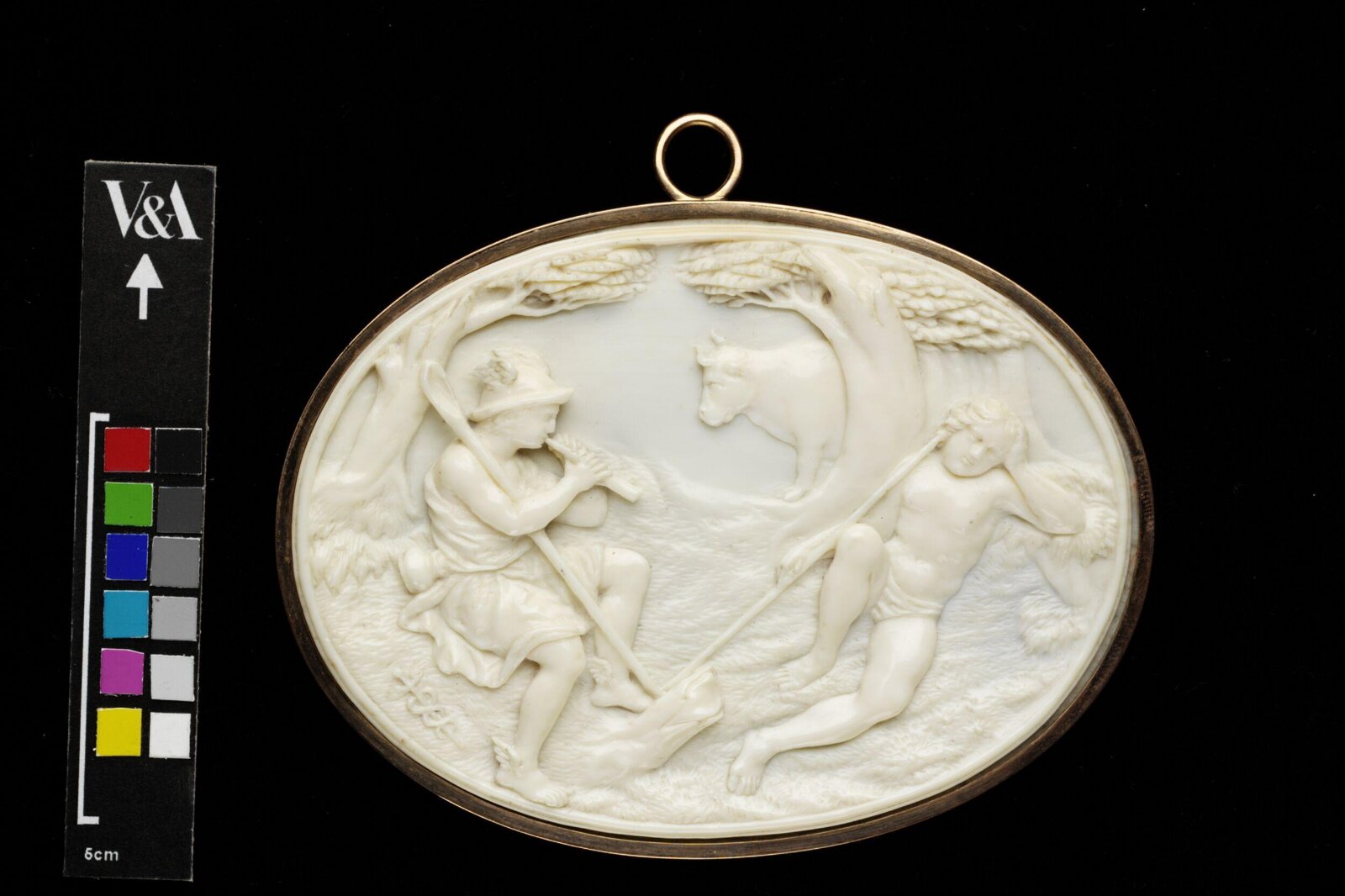
Mercury and Argus, Theodore Xavery, 1775
TTheodore Xavery

Mercury and Argus

1775 · Relief

À propos de la sculpture

This ivory relief was perhaps made by T (Theodore?) Xavery in the Netherlands in ca. 1775.

The monochrome colouring of material meant that ivories such as this could ape in miniature the ancient marbles much valued by connoisseurs and collectors of the time. In the story from classical mythology, the all-seeing giant Argus was murdered by Mercury at the instruction of Jupiter. He had been sent by Juno to watch over Io, whom Jupiter wished to seduce.

The ivory is worked very finely, so that if held up to the light, the figures in high relief stand out against the flat translucent background.

Lire la suite

The composition depends from a plaquette by Paulus van Vianen, much copied in the 17th and 18th centuries. Jeremy Warren discusses the plaquette in his catalogue of the sculpture at the Ashmolean Museum, Oxford. Jorgen Hein's catalogue of the ivories in the Rosenborg collection, Copenhagen, includes another ivory version, I, cat. no. 82, p. 188.

Victoria and Albert Museum

Notice

Numéro d’inventaire
A.17-1964

Dans la même salle · Sculpture, Room 111, The Gilbert Bayes Gallery, Victoria and Albert Museum

Page du musée

Sur le même thème · Caduceus

Toutes les œuvres sur ce thème

Peut-on la contempler ?

Oui, elle reçoit

Victoria and Albert Museum

Londres, Royaume-Uni

SalleSculpture, Room 111, The Gilbert Bayes Gallery

Présentée au public. Qui s’en porte garant est indiqué ci-dessous.

Vérifié
il y a 13 jours
Dans cet état depuis
25 sept. 2026
Source
Le musée
Sur la cartePage du musée

Ce qu’elle montre

CaduceusStaffArbreVacheMercuryArgusIo

Au catalogue

SculptureIvoireRococoNéoclassicismeXVIIIe sièclePays-Bas

Sources

  • Victoria and Albert Museum
  • Image : Victoria and Albert Museum — © Victoria and Albert Museum, London
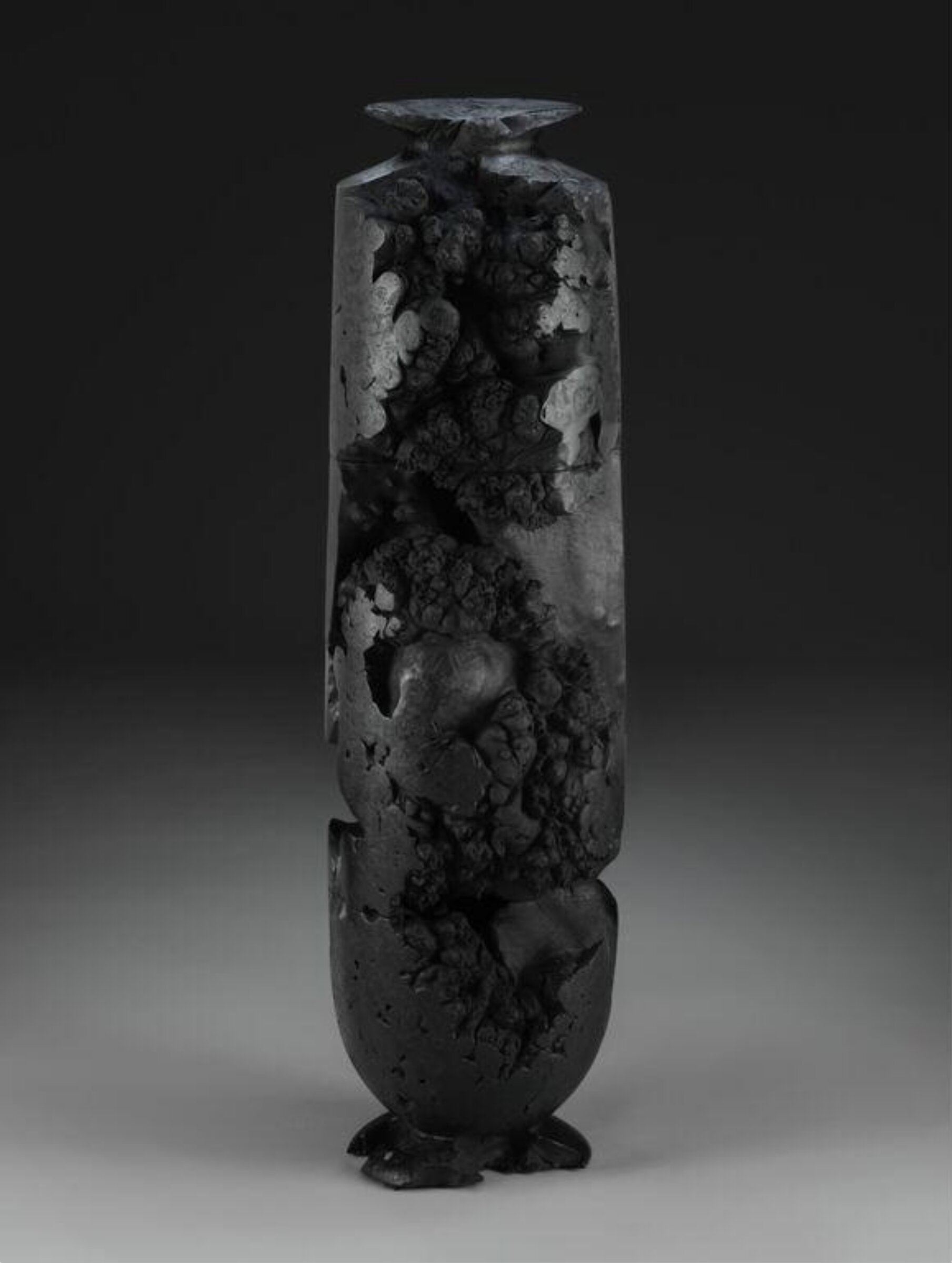
Echoes of Amphora: Column Vessel I/20, Eleanor Lakelin, 2020

Eleanor Lakelin

Echoes of Amphora: Column Vessel I/20, 2020

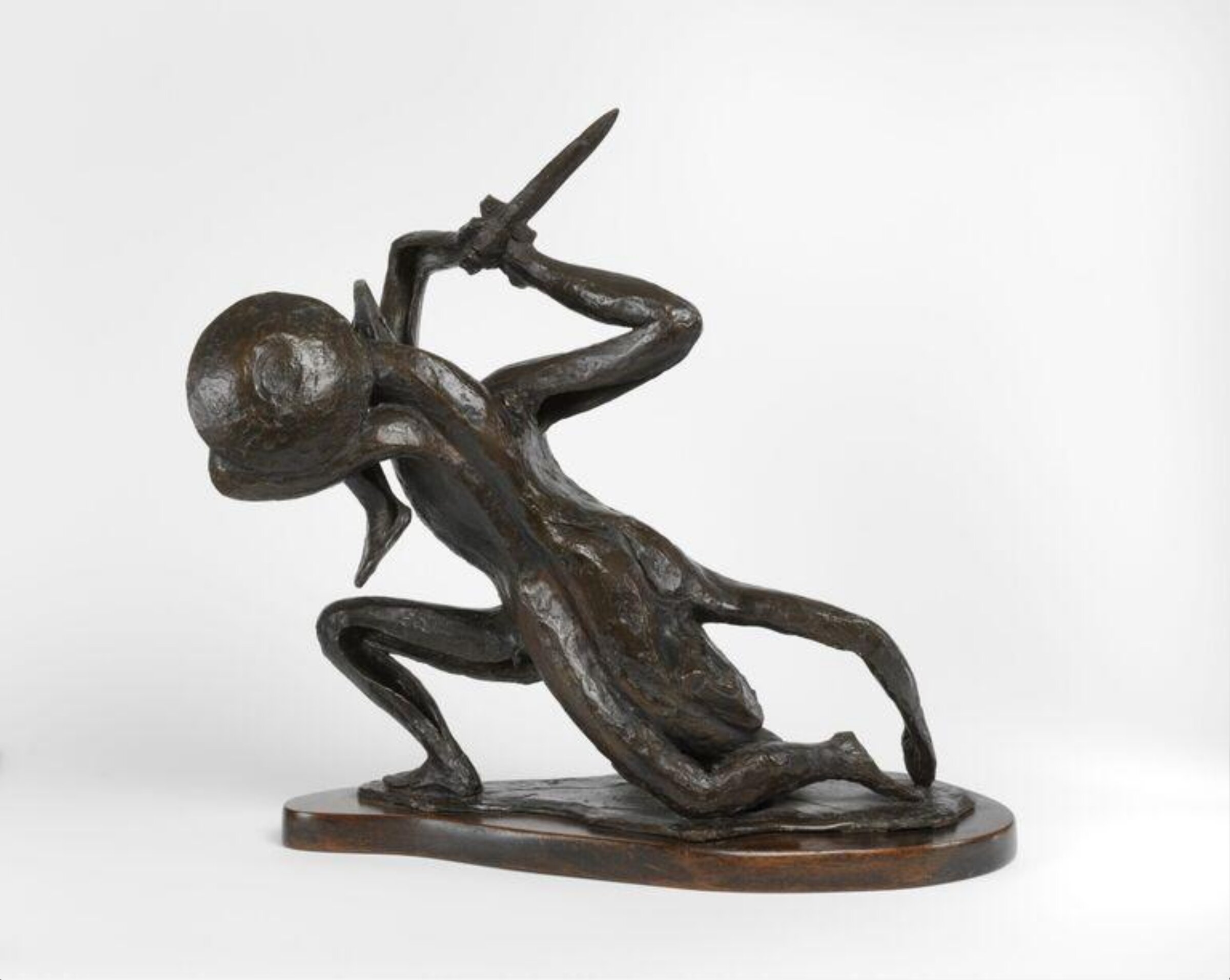
Gladiators: Hector and Ajax (Combat), Leon Underwood, 1963

Leon Underwood

Gladiators: Hector and Ajax (Combat), 1963

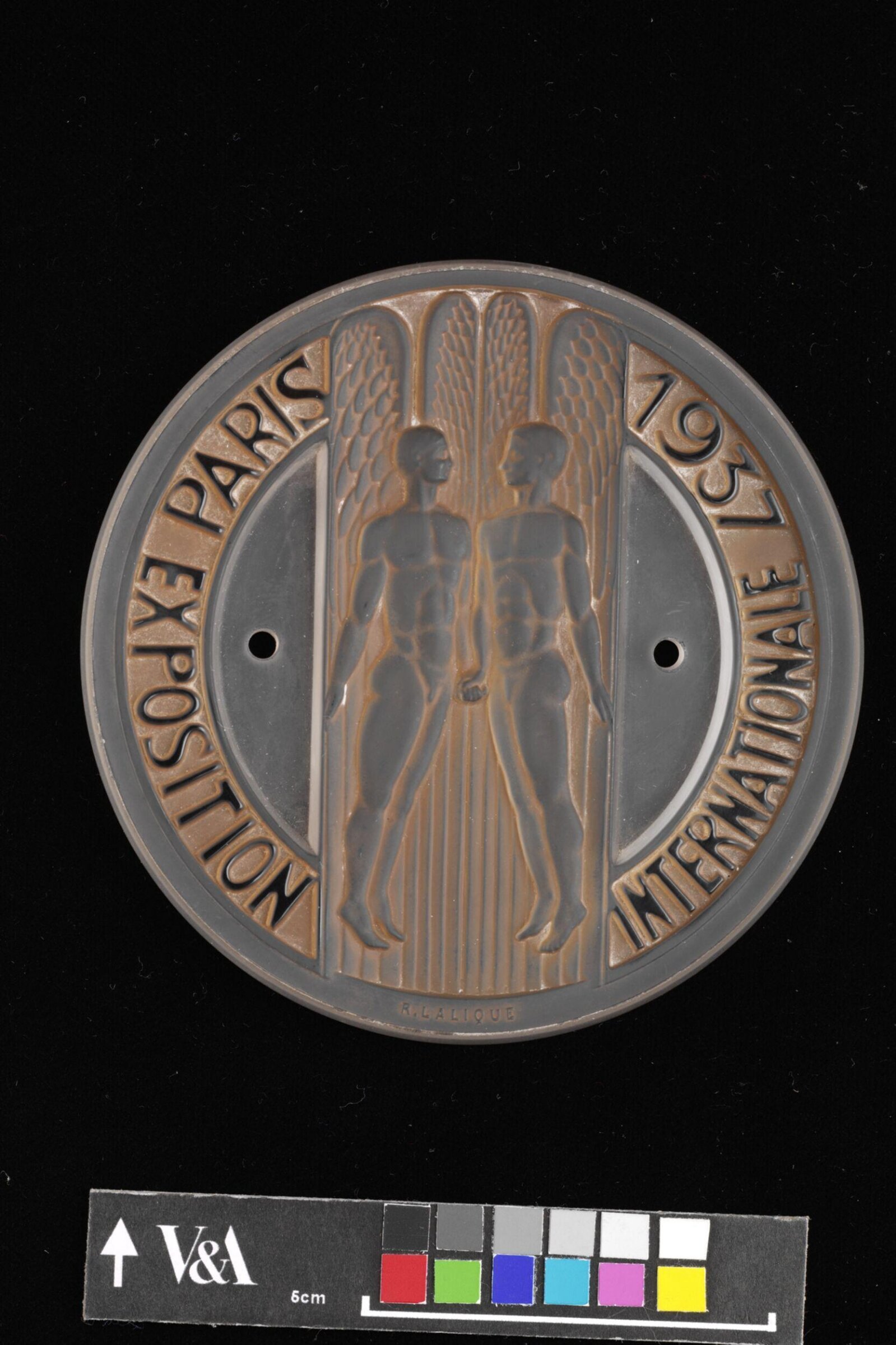
Plaque, René Jules Lalique, 1937

René Lalique

Plaque, 1937

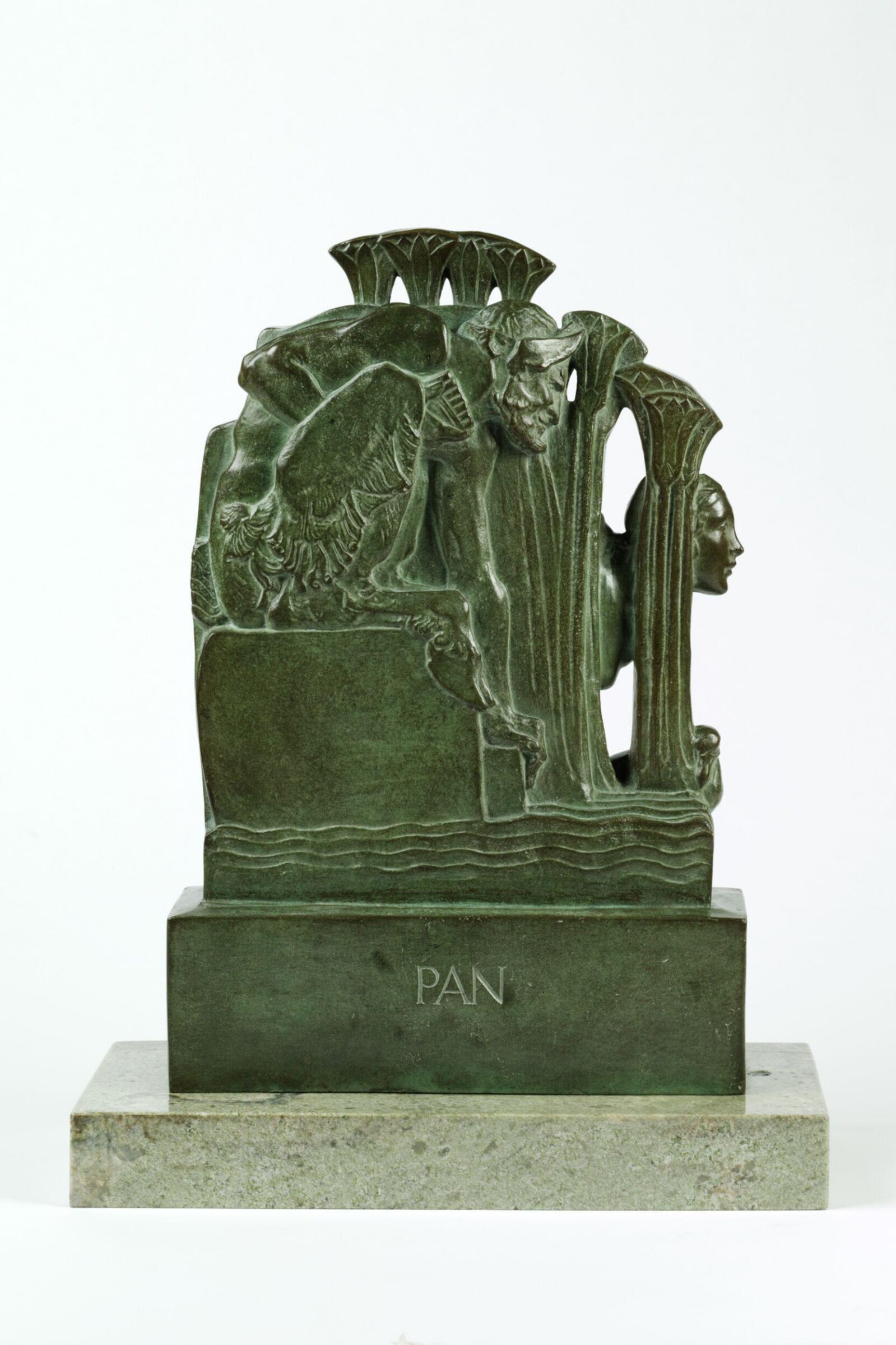
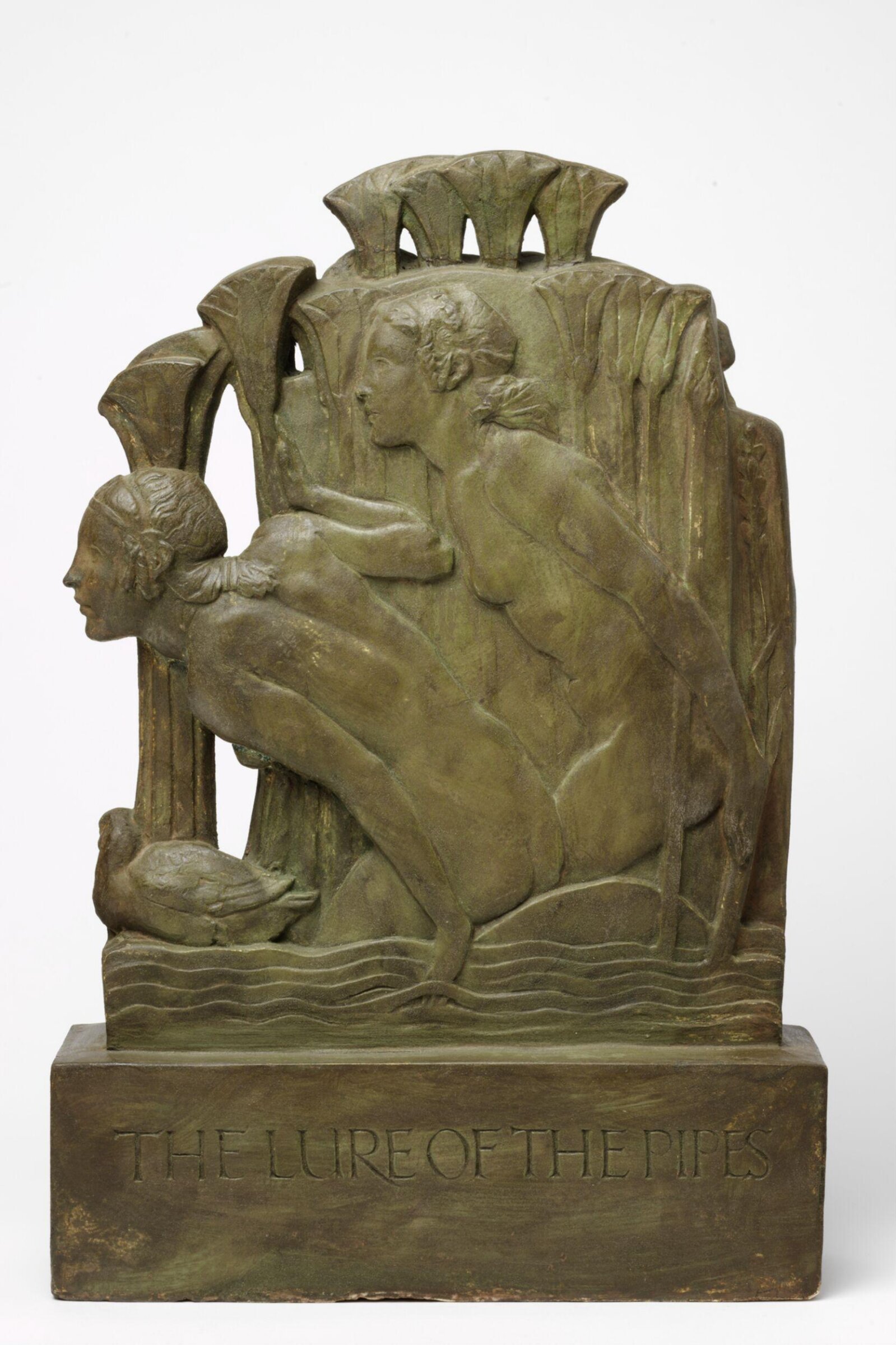
The Lure of the Pan Pipes, Gilbert Bayes, 1932

Gilbert Bayes

The Lure of the Pan Pipes, 1932

The Lure of the Pan Pipes, Gilbert Bayes, 1932

Gilbert Bayes

The Lure of the Pan Pipes, 1932

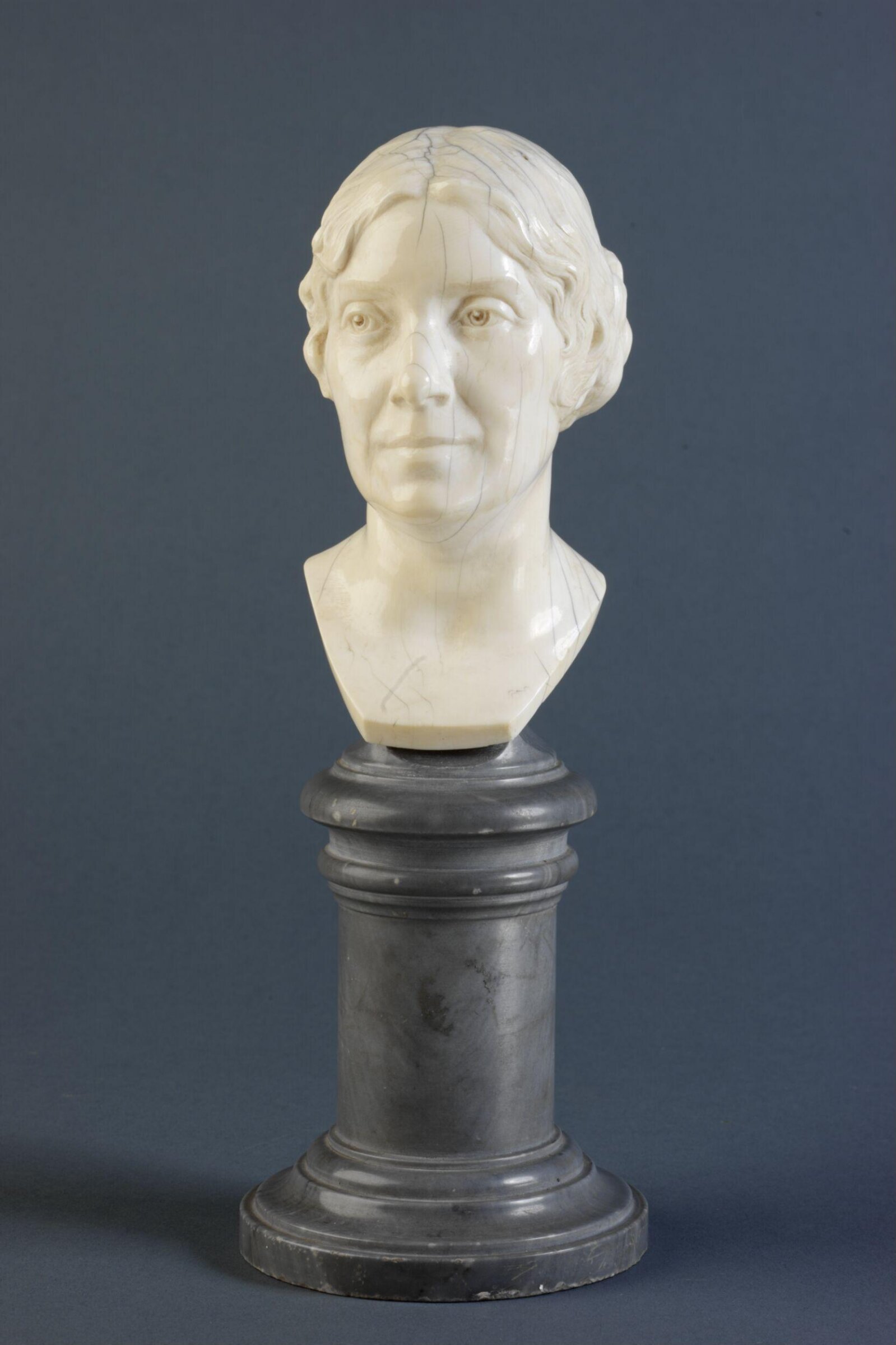
Emmeline Pankhurst, Arthur George Walker, ca. 1929

Arthur George Walker

Emmeline Pankhurst, ca. 1929

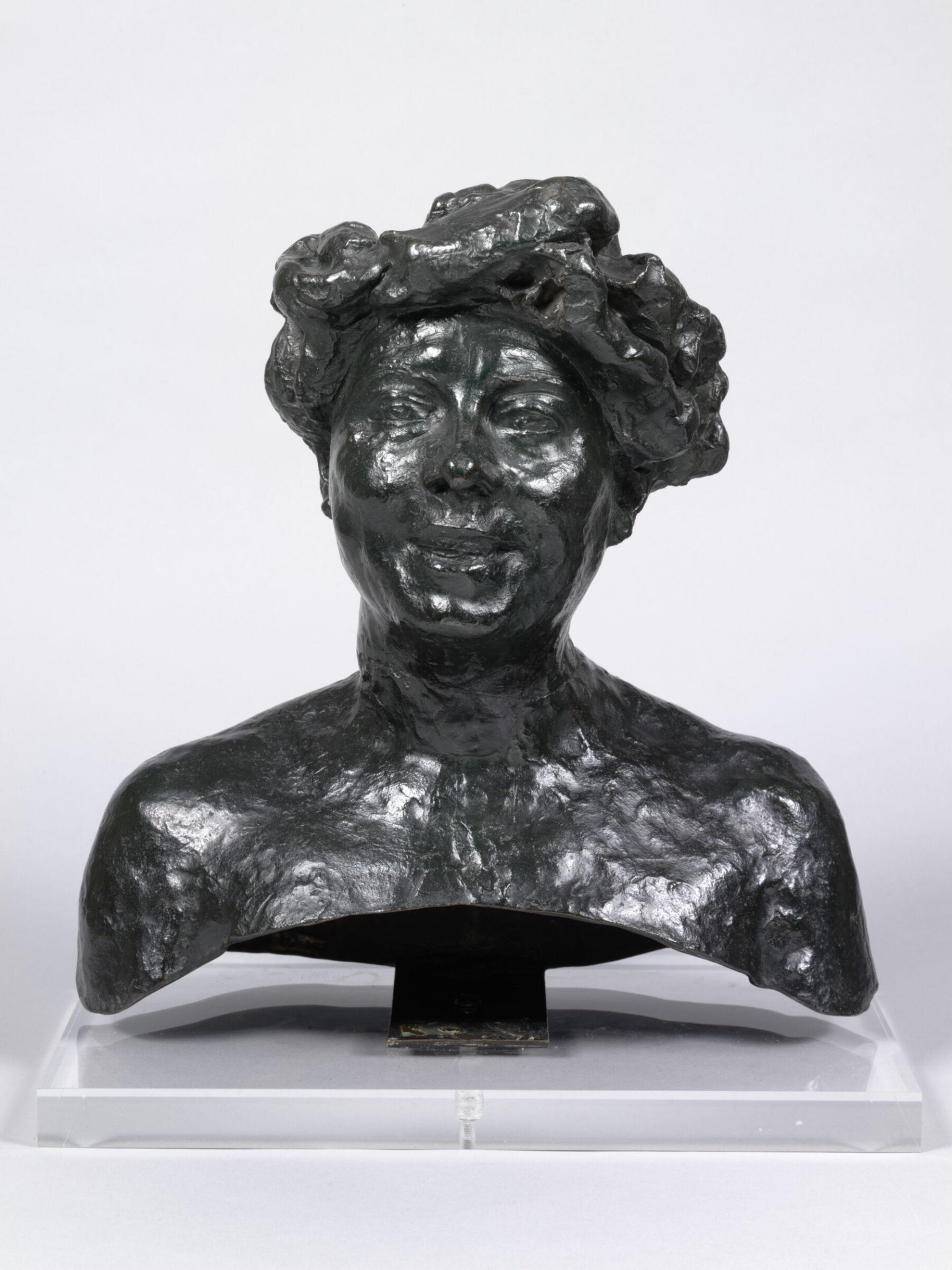
The Duchesse de Choiseul, Auguste Rodin, 1908

Auguste Rodin

The Duchesse de Choiseul, 1908

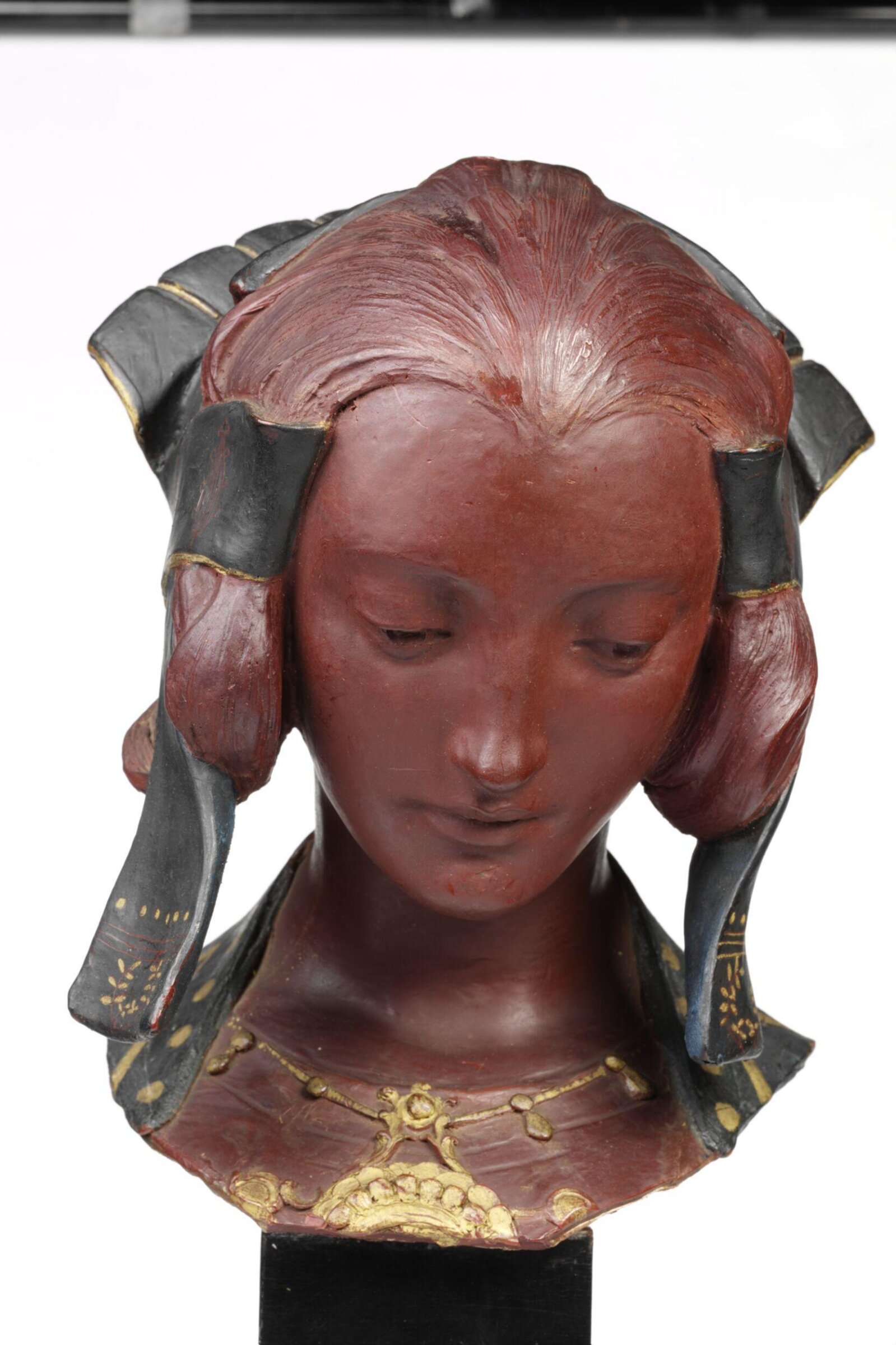
St Elizabeth, George James Frampton, 1902

George James Frampton

St Elizabeth, 1902

[Komposition mit Merkur der seinen Caduceus und einen Kopf hält], Étienne Delaune, 1573

Etienne Delaune

[Komposition mit Merkur der seinen Caduceus und einen Kopf hält], 1573

Musée Herzog Anton Ulrich

Drawing, Maso Finiguerra, ca. mid 15th century

Maso Finiguerra

Drawing, ca. mid 15th century

Non exposée · Victoria and Albert Museum

Drawing, Jean Marot, mid 17th century

Jean Marot

Drawing, mid 17th century

Non exposée · Victoria and Albert Museum

Drawing, William Chambers, 18th century

William Chambers

Drawing, 18th century

Non exposée · Victoria and Albert Museum

[Merkur und die Grazien], Jacopo Tintoretto, 1589

Jacopo Tintoretto

[Merkur und die Grazien], 1589

Musée Herzog Anton Ulrich

[Allegorie auf die Kunst], Adriaen Collaert, 1580–1618

Adriaen Collaert

[Allegorie auf die Kunst], 1580–1618

Musée Herzog Anton Ulrich

[Die Apotheose von Jakob I., König von England], Peter Paul Rubens, 1660–1698

Peter Paul Rubens

[Die Apotheose von Jakob I., König von England], 1660–1698

Musée Herzog Anton Ulrich

[Psyche wird in den Olymp aufgenommen; Psyché admise au nombre des divinités de l'Olympe], Raffael, 1610–1650

Raphael

[Psyche wird in den Olymp aufgenommen; Psyché admise au nombre des divinités de l'Olympe], 1610–1650

Musée Herzog Anton Ulrich