 David Le Marchand1674–1726
Matthew Raper
Peut-on la contempler ?
Oui, elle reçoit

Victoria and Albert Museum
Londres, Royaume-Uni
SalleBritish Galleries, Room 52, The George Levy Gallery
Présentée au public. Qui s’en porte garant est indiqué ci-dessous.
- Vérifié
- il y a 9 jours
- Dans cet état depuis
- 25 sept. 2026
- Source
- Les données de collection du musée lui-même
About the sculpture
Object Type
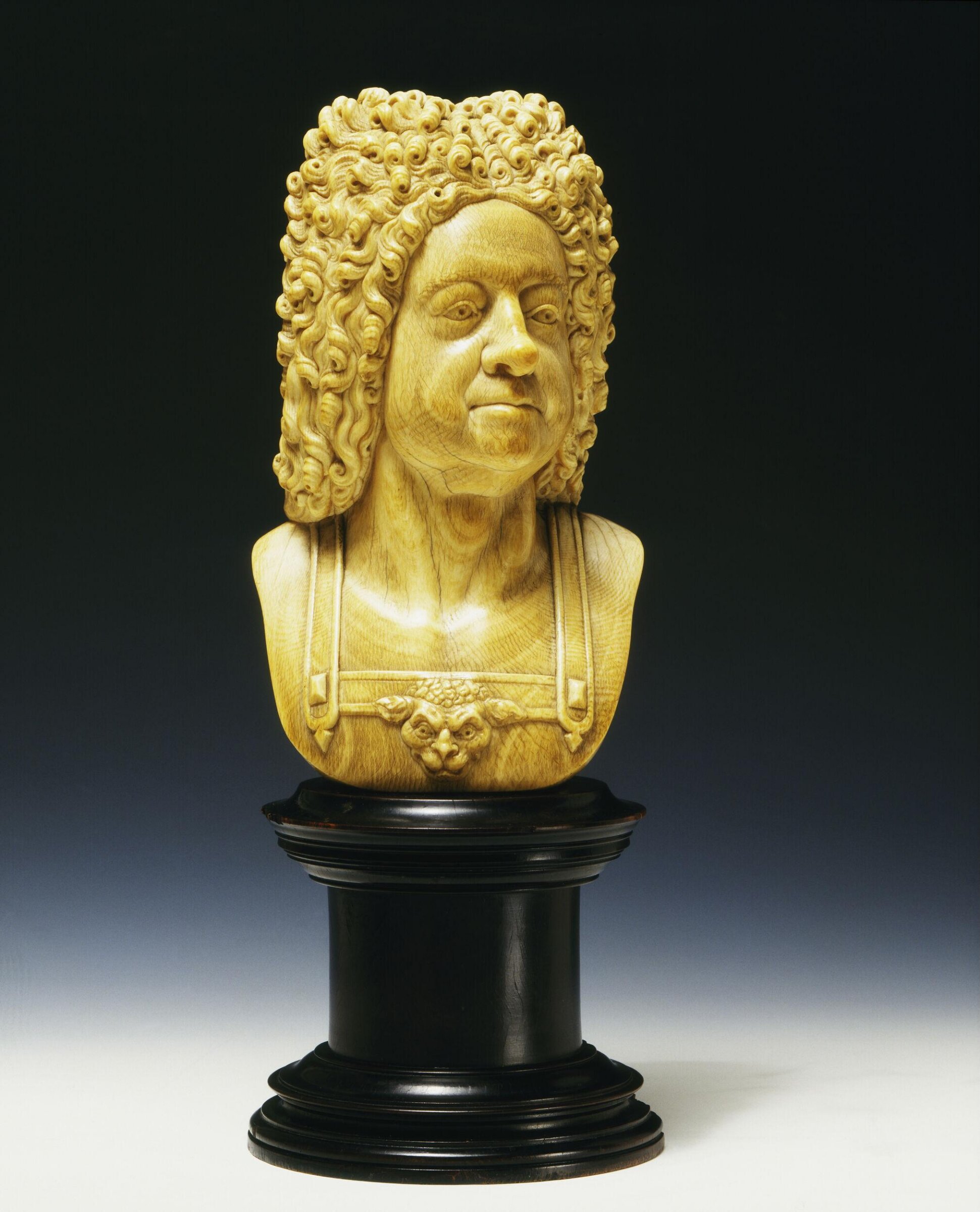
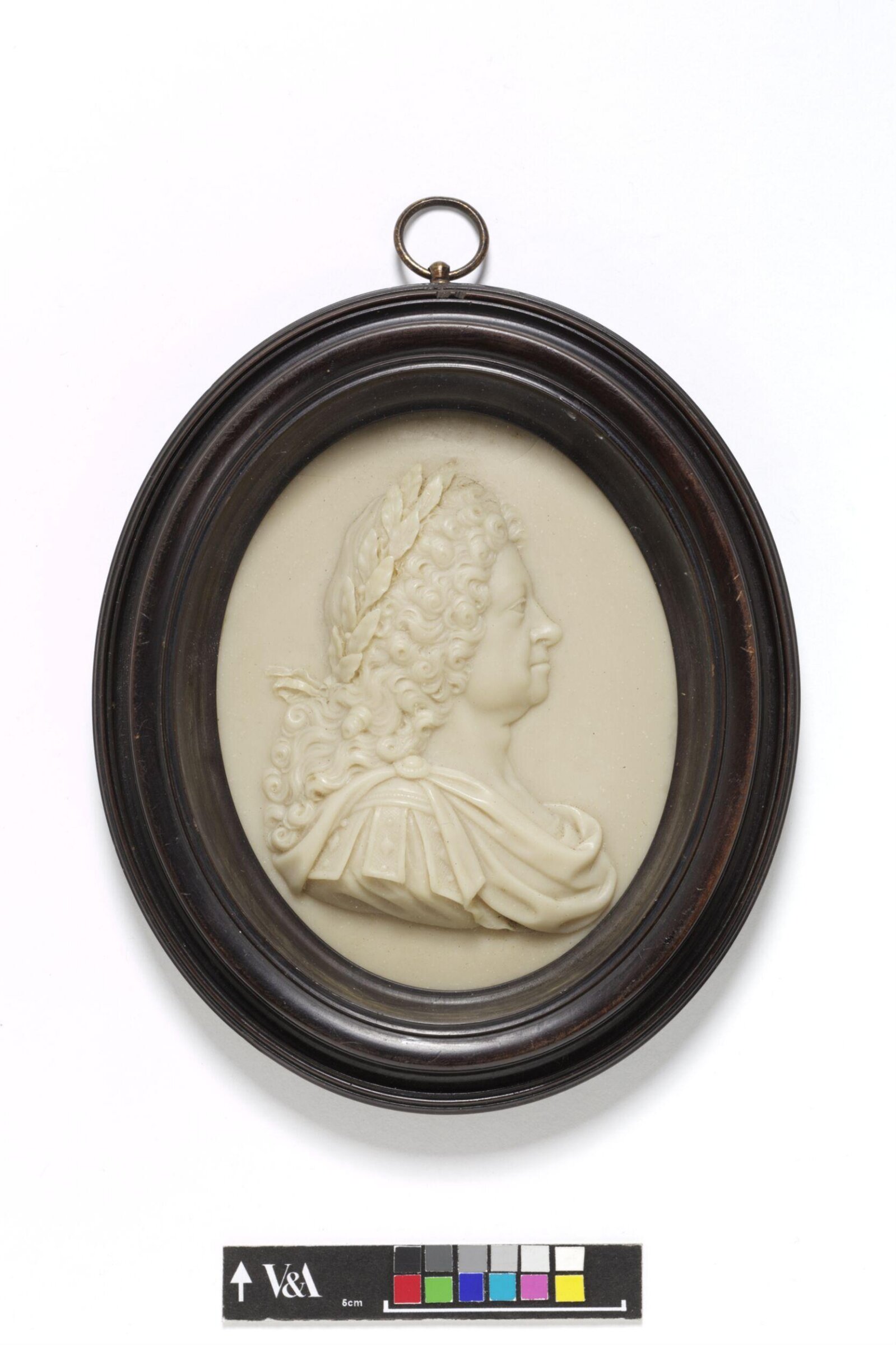
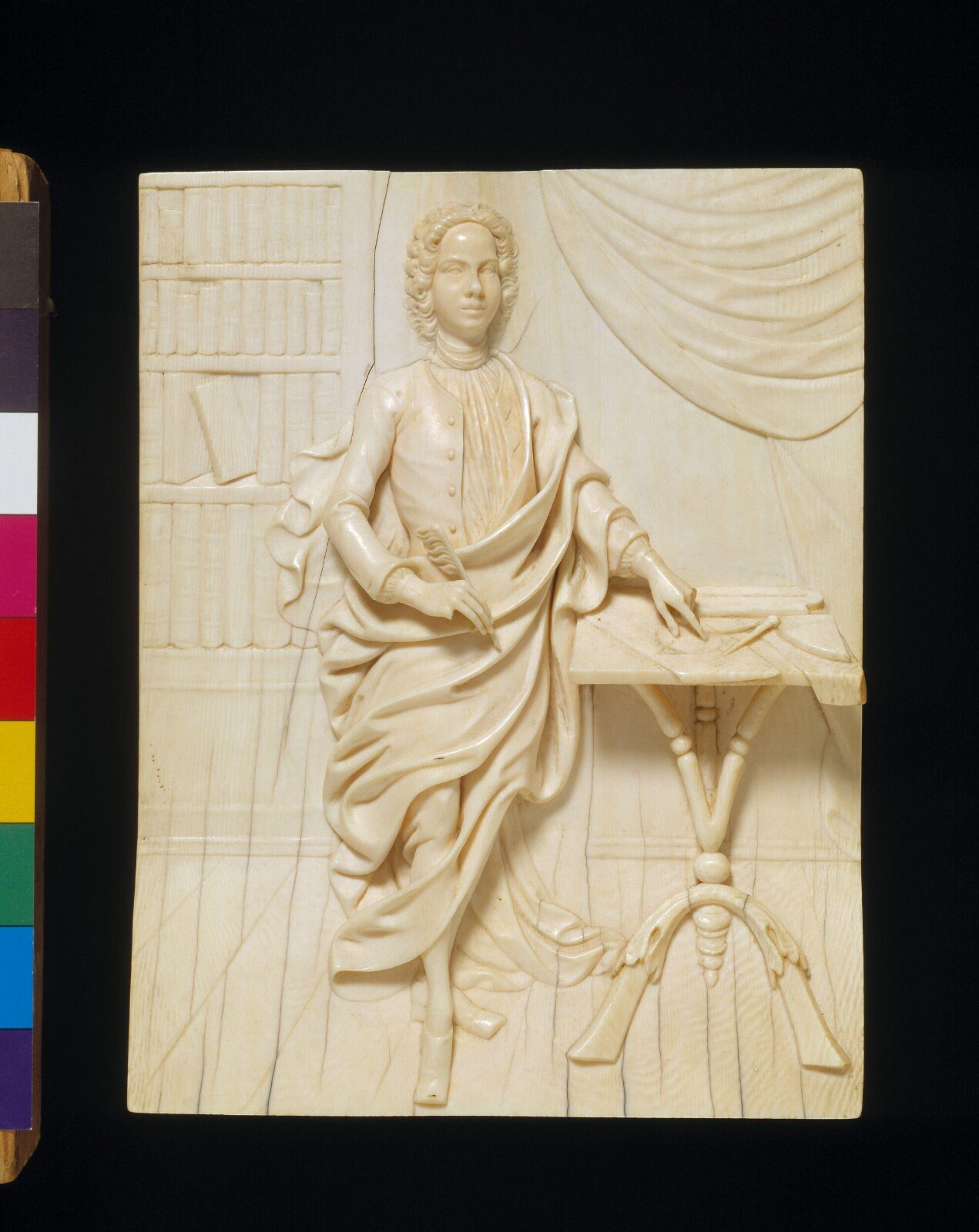
This small-scale ivory relief is a portrait of the precocious 15- year-old scholar Matthew Raper (1704-1778) standing in a library, demonstrating a proposition in geometry. Such a relief would have been for intimate display, probably in a glass case, in the family home. The artist, David Le Marchand (1674-1726), seems to have carried out a number of commissions for the Raper family, including an ivory bust portrait of Sir Isaac Newton, now in the British Museum.
People
Matthew Raper was a scholar and mathematician, and went on to become a Fellow of the Royal Society. He was the author of An Inquiry into the Value of Greek and Roman Money published in 1771. He lived at Thorley Hall, Hertfordshire, where he had an observatory. His father, also called Matthew, was a silk merchant from Buckinghamshire, and eventually became a Director of the Bank of England.
Materials & Making
Read on
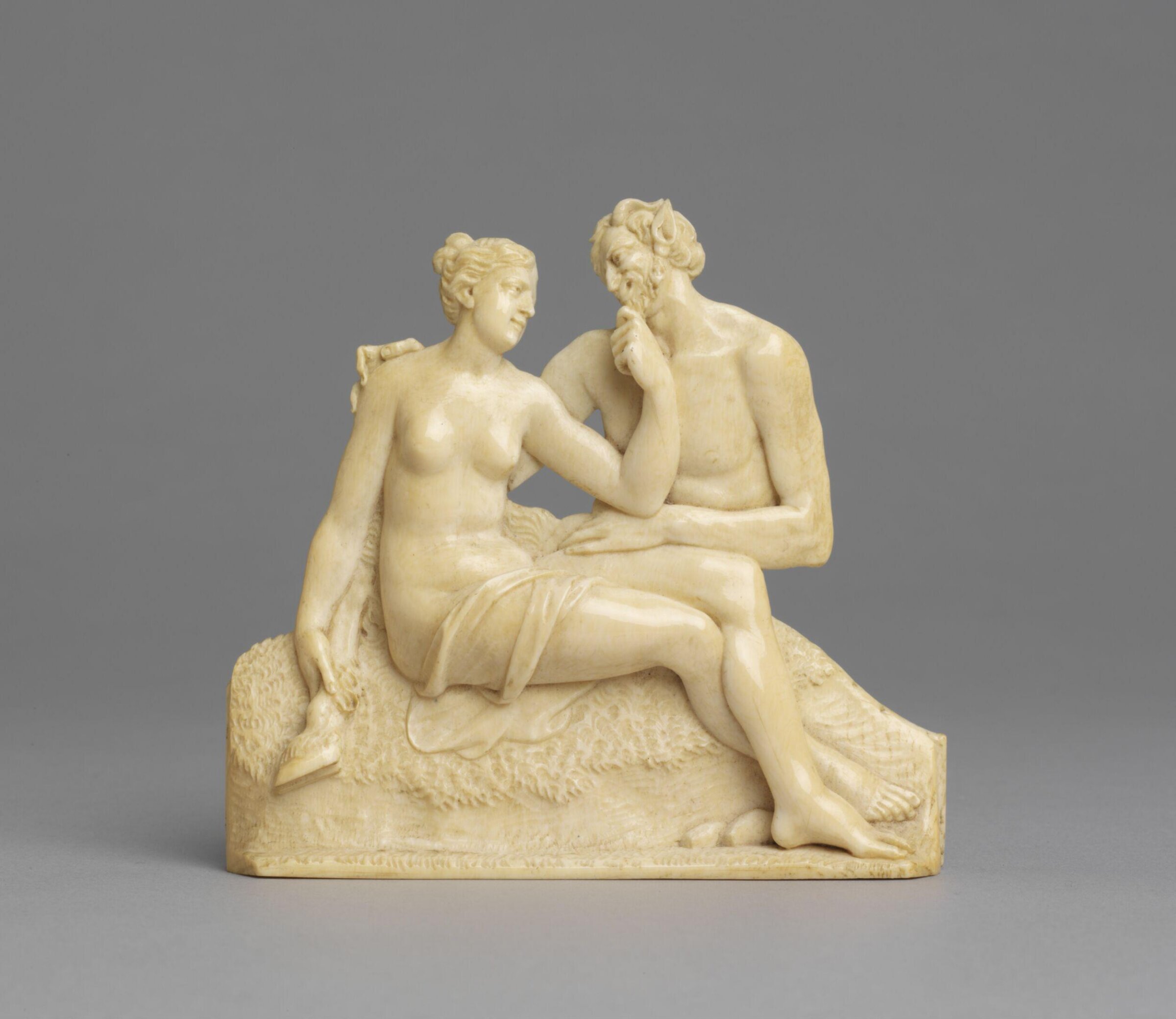
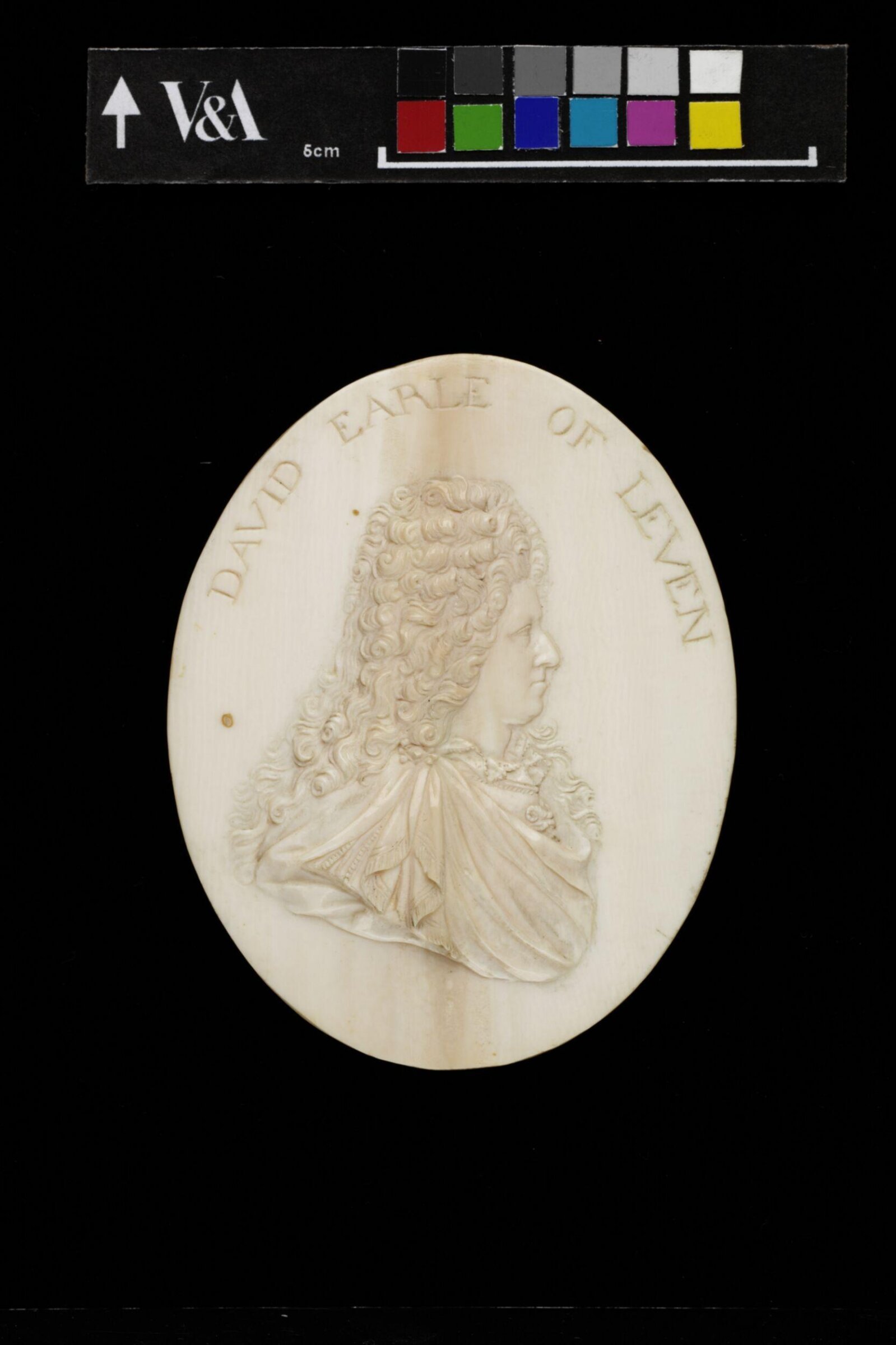
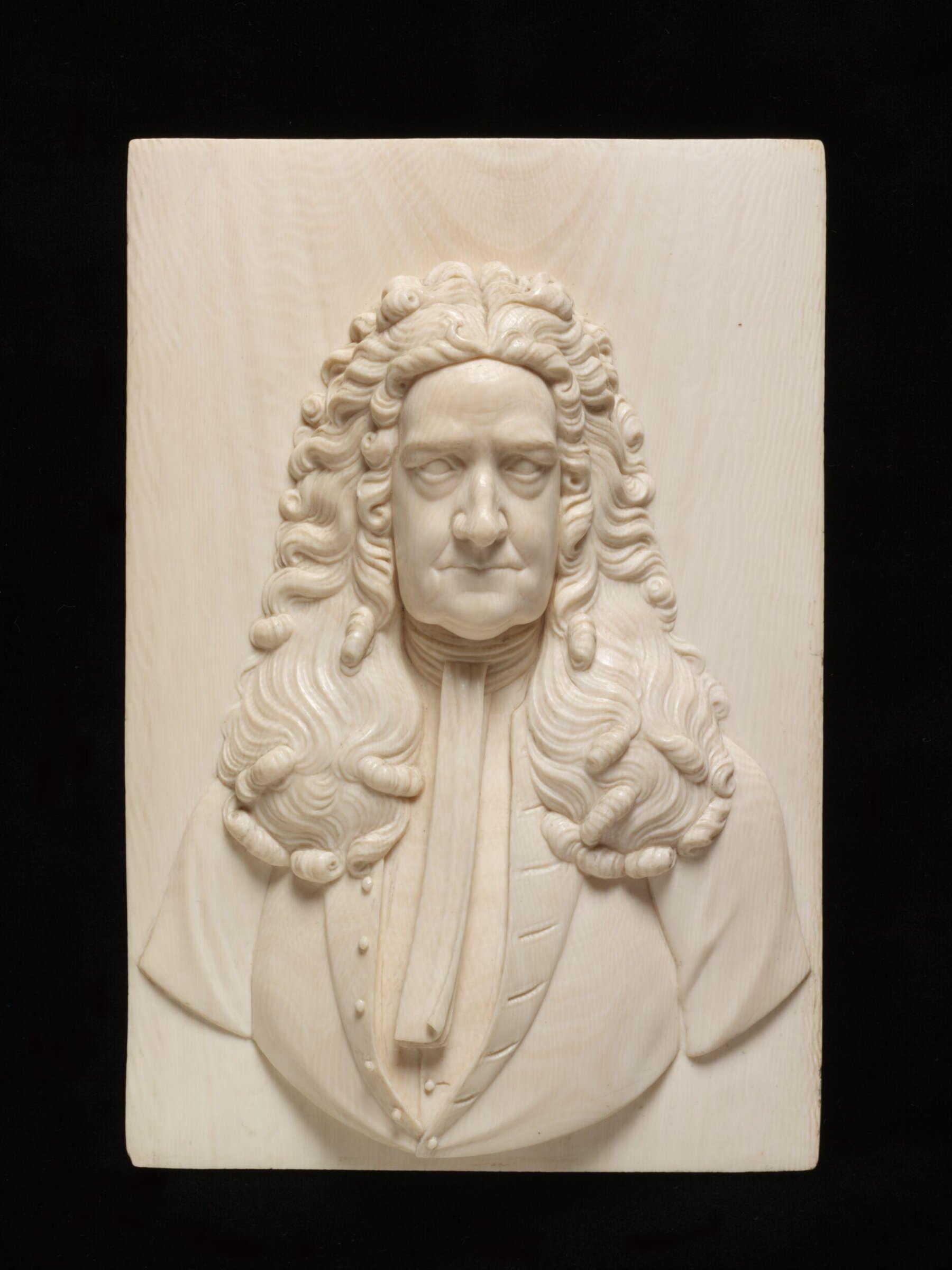
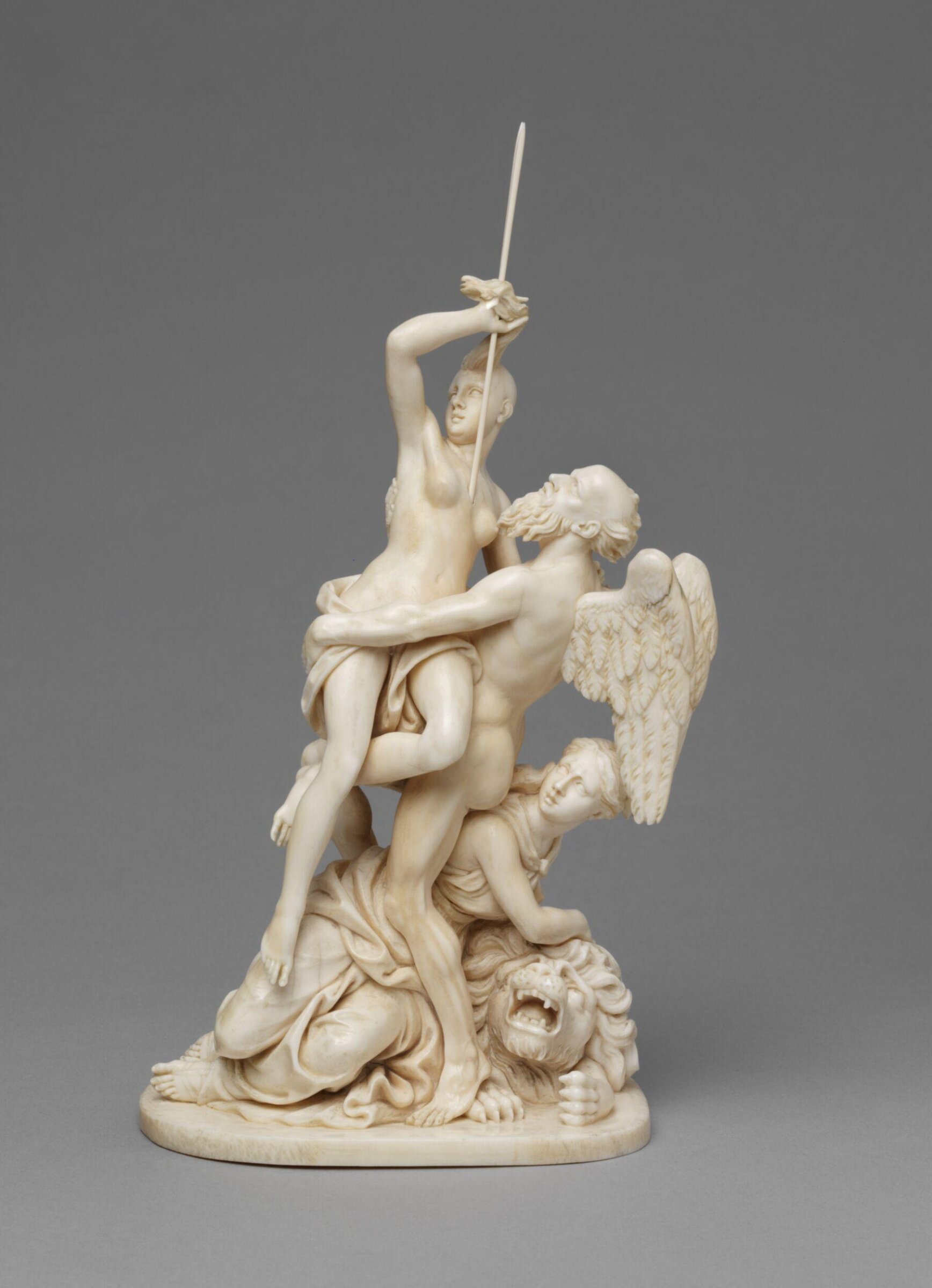
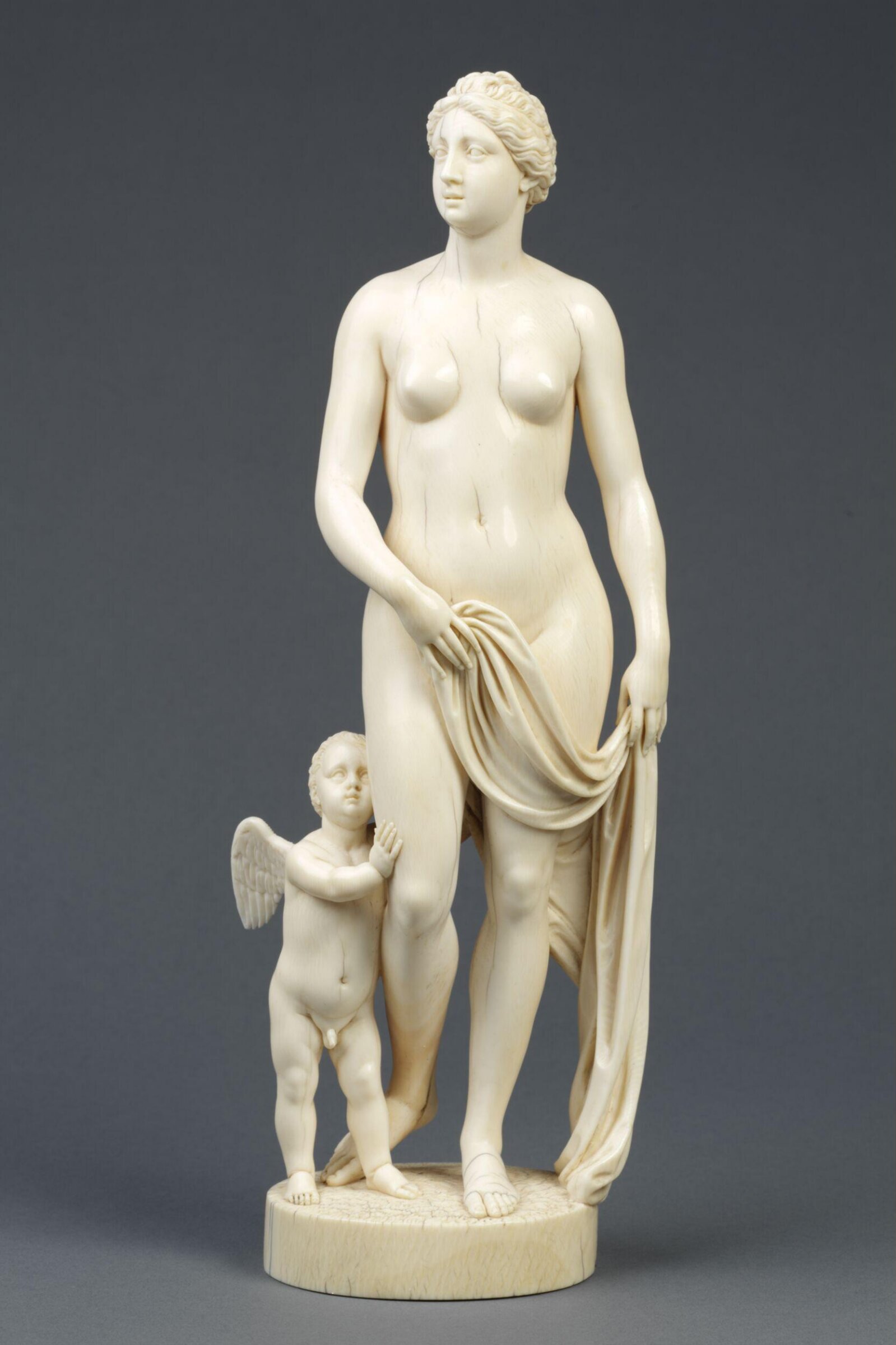
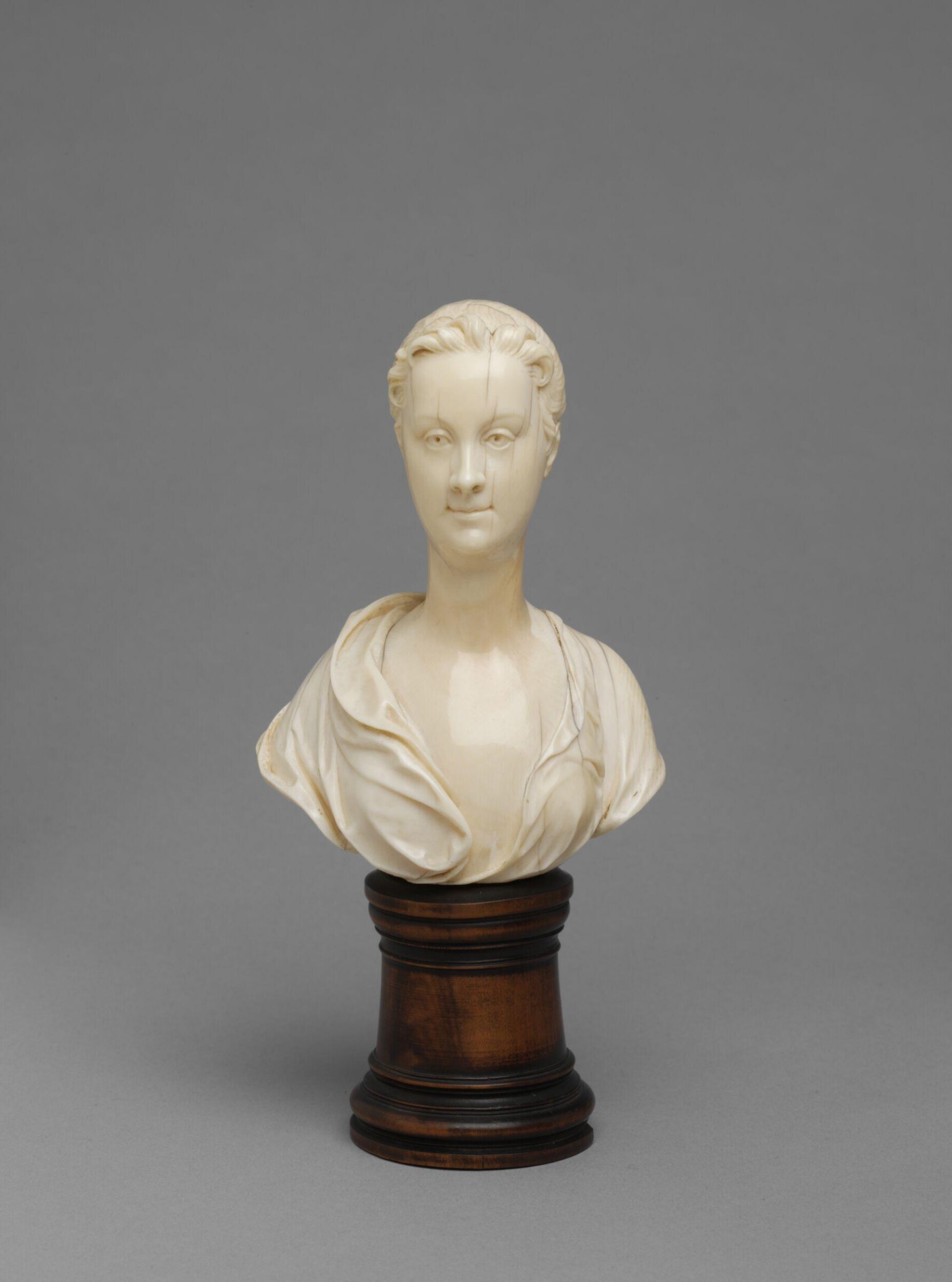
Ivory, a much prized and exotic material normally imported from Africa, became fashionable for sculpture in Britain during the18th century, having been comparatively neglected since medieval times. It was particularly used for portraits, although the full-length portrait seen here was unusual. Most ivory portraits are busts, or more commonly reliefs, like this one. As well as likenesses of contemporaries, historical figures were often portrayed in this material, and series of such ivory portraits seem sometimes to have been made for collectors.
David Le Marchand (1674-1726) was famed for his ivory carvings, particularly his portraits. He was a native of Dieppe, France, and came from a Huguenot, or Protestant, family. With the Revocation of the Edict of Nantes in 1685, and the consequent persecution of non-Catholics, he had to flee France. He was next recorded in Edinburgh in 1696, where he is documented as receiving official permission to open a shop and take on apprentices. He was in London by 1700, when he started to achieve a reputation for his portraits. Despite his wide circle of important patrons and his evident success, Le Marchand apparently died in poverty, though the exact reasons for this are unknown.
He is recognised as the most distinguished ivory carver to have worked in England in the early 18th century, a period when the art enjoyed a popularity unknown since the Middle Ages.
Victoria and Albert Museum
Notice
- Numéro d’inventaire
- A.20-1959
What it shows
Au catalogue
Sources
- Victoria and Albert Museum: the museum's own open data · obtenue il y a 9 jours
- Image : Victoria and Albert Museum — © Victoria and Albert Museum, London