Andy WarholÉtats-Unis, 1928–1987
Mao
Peut-on la voir ?
Pas exposée actuellement
Où est « Mao » aujourd’hui ? Collection: Art Institute of Chicago, Chicago. Pas exposée actuellement. Vérifié 23 novembre 2026.

Chicago, États-Unis
Elle appartient à la collection, mais n’est pas présentée en ce moment.
- Vérifié
- Dans cet état depuis
- Source
- Le musée
À propos du tableau
Nearly fifteen feet tall, Andy Warhol's Mao of 1972 is at the Art Institute of Chicago, Chicago. Its scale recalls the portraits displayed throughout China and addresses the personality cult around Mao Zedong. Warhol combined photographic reproduction with conspicuously artificial colour. Paint on the face resembles makeup, while loose gestures depart from the photograph's apparent realism. The work belongs to his Mao series, extending a silkscreen practice previously applied to film stars and mass-produced goods. Here painted marks remain visible over the reproduced political image.
Selon le musée
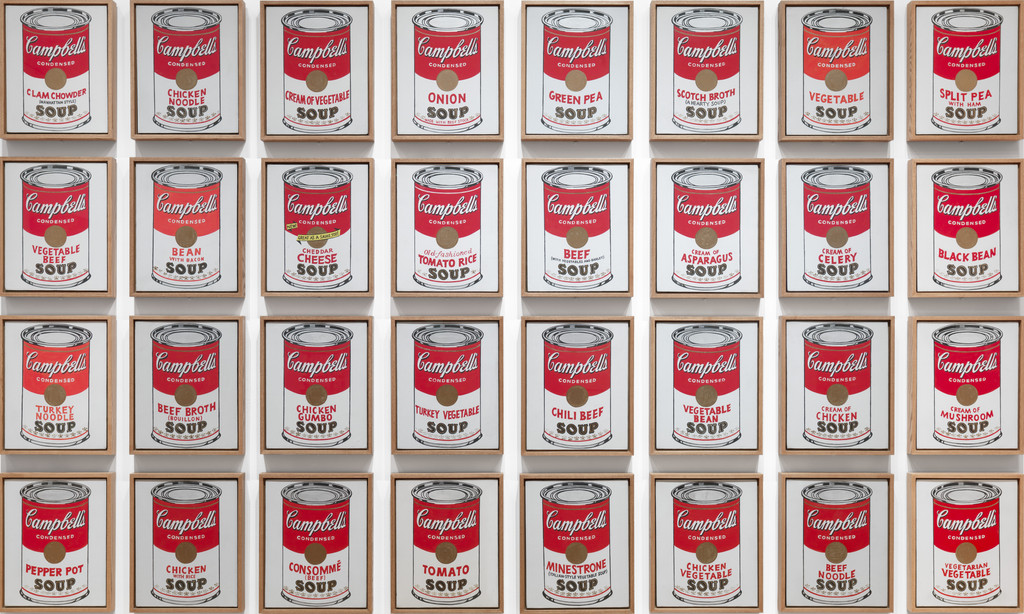
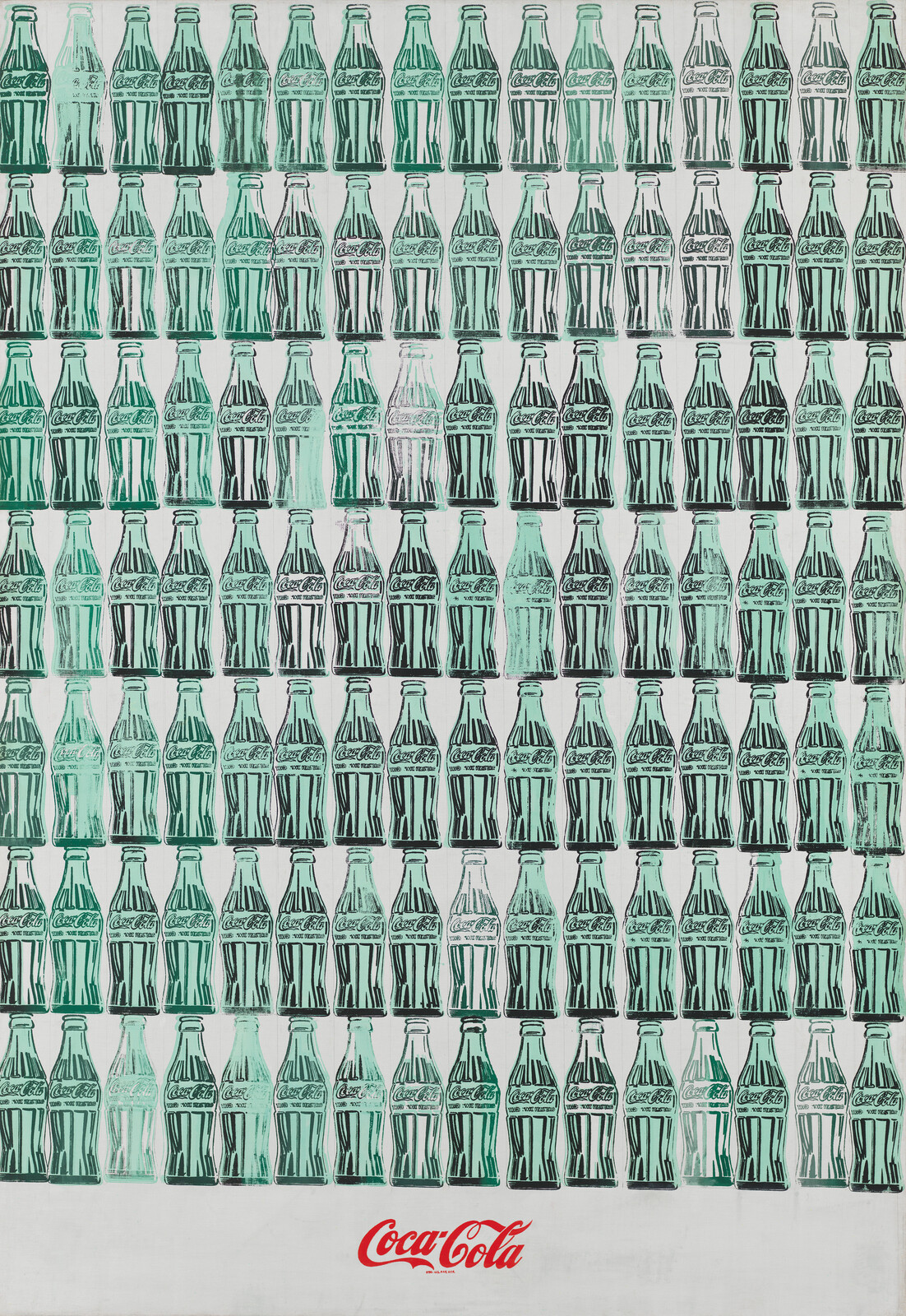
The most influential of Pop artists, Andy Warhol cast a cool, ironic light on the pervasiveness of commercial culture and contemporary celebrity worship. Early in his career, he began to utilize the silk-screen process to transfer photographed images to canvas, creating multiple portraits of celebrities including Marilyn Monroe, Elvis Presley, and Jacqueline Kennedy, as well as duplicated images of mass-produced products such as Campbell’s soup cans and Coca-Cola bottles. In this example from his Mao series, Warhol melded his signature style with the scale of totalitarian propaganda to address the cult of personality surrounding the Chinese ruler Mao Zedong (1893–1976). Nearly fifteen feet tall, this towering work mimics the representations of the political figure that were ubiquitously displayed throughout China.
Lire plus
Warhol’s looming portrait impresses us with the duality of its realistic qualities and its plastic artificiality. In contrast to the photographic nature of the image, garish colors are applied to Mao’s face like makeup. The gestural handling of color in the portrait shows Warhol at his most painterly.
Art Institute of ChicagoCC BY 4.0
Notice
- Numéro d’inventaire
- 1974.230
Ce qu’elle montre
Au catalogue
Sources
- Art Institute of Chicago
- Image : Art Institute of Chicago — © the artist or rights holder
Dans la vie de Andy Warhol
La vie entière1970–1971
Une rétrospective de Pasadena au Whitney
En 1970, le Pasadena Art Museum organisa une rétrospective de Warhol qui se rendit ensuite à Chicago, Eindhoven, Paris, Londres et, en 1971, au Whitney Museum de New York. Au Whitney, le papier peint « Cow » (1966) servait de fond aux tableaux.
c. 1971 – 1974
De plus en plus souvent à Paris
Warhol voyagea plus souvent en Europe et s’attacha particulièrement à Paris après le tournage de « L’Amour » (1972) ; il y gardait un appartement sur la rive gauche, rue du Cherche-Midi, avec Fred Hughes. À Paris, son cercle fréquentait Karl Lagerfeld, Yves Saint Laurent, Loulou de la Falaise et Paloma Picasso.
1973
Diagnostic : un calcul biliaire
En 1973, on découvrit chez Warhol un calcul dans la vésicule biliaire, mais sa peur des hôpitaux lui fit catégoriquement refuser l’opération. Le médecin Denton Cox tenta de se procurer un médicament expérimental au Japon, tandis qu’un chiropracteur et un nutritionniste lui conseillaient de porter un petit cristal.