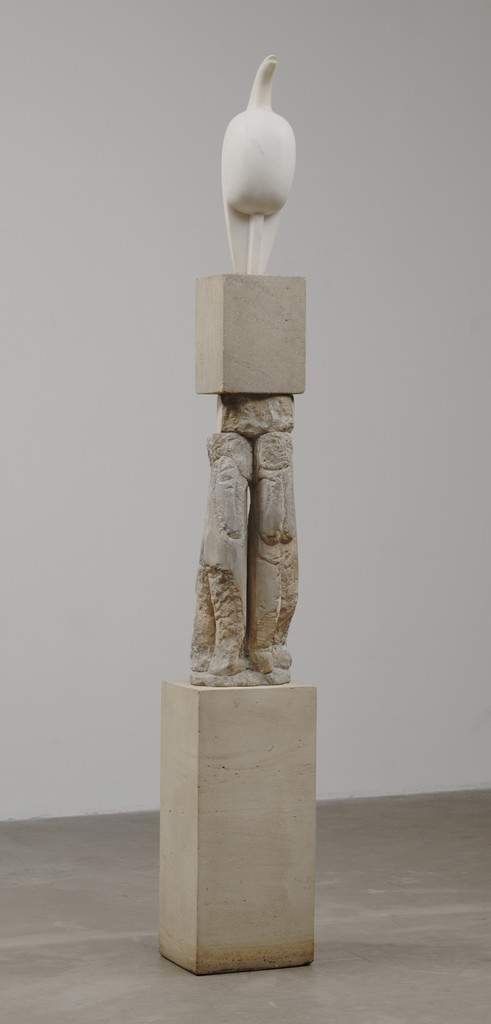
 Constantin BrancusiRoumanie, 1876–1957
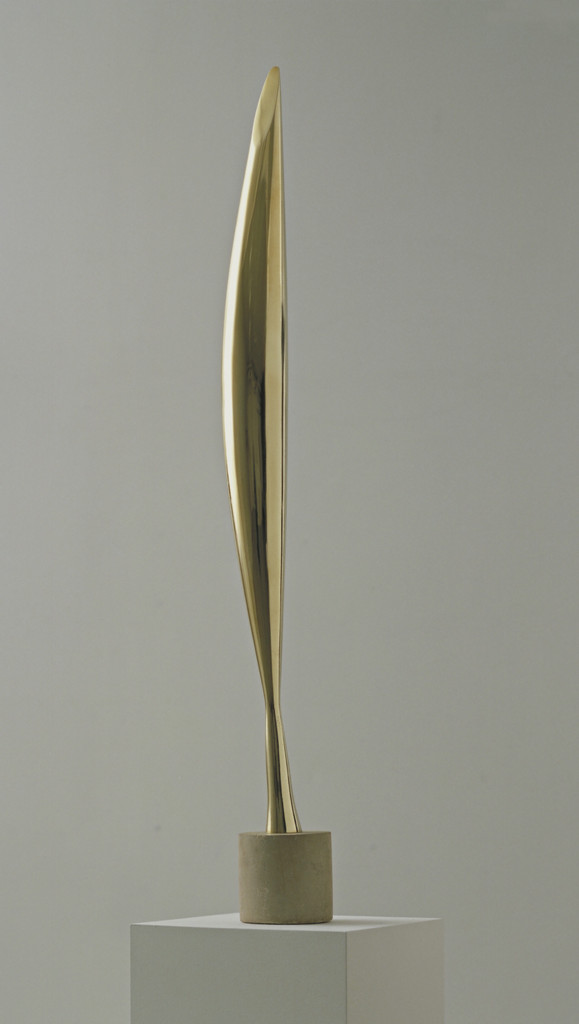
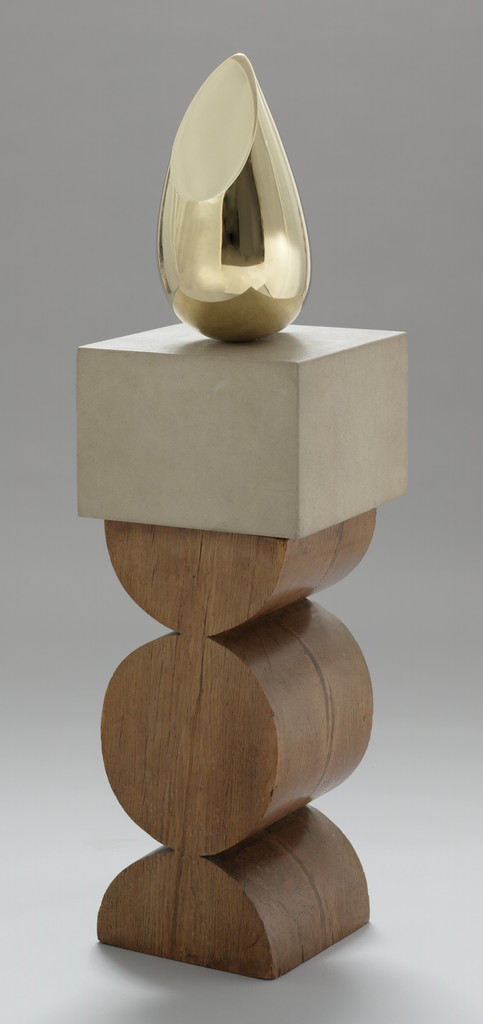
Maiastra
Peut-on la contempler ?
Oui, elle reçoit

Présentée au public.
- Vérifié
- Source
- Le musée
Notice
- Numéro d’inventaire
- 144.1953.a-d
Au catalogue
Sources
- Museum of Modern Art
- Image : Museum of Modern Art — © the artist or rights holder
Pendant ce temps, chez Constantin Brancusi
La vie entièrefrom 1908
His Paris circle: Léger, Duchamp, Rousseau, Apollinaire
From 1908 Brâncuși spends time with artists and writers working in Paris, including Amedeo Modigliani, Fernand Léger, Marcel Duchamp, Henri Rousseau, Guillaume Apollinaire, Alexander Archipenko and Henri Matisse. He also stays in touch with Romanians living in France — George Enescu, Theodor Pallady, Benjamin Fondane, Panait Istrati — speaks Romanian in his studio and welcomes visitors from Romania.
1909
Meeting Modigliani
In 1909 the collector Paul Alexandre introduces Brâncuși to Amedeo Modigliani; the two become friends, and the Italian draws his portrait in black and red pencil that year. From 1909 to 1914 Modigliani works chiefly in sculpture, and his elongated limestone heads, with simplified forms and polished surfaces, are related to Brâncuși’s sculpture.
autumn 1912
The Grand Palais aviation show with Duchamp and Léger
In the fall of 1912 Brâncuși visits an aviation exhibition at the Grand Palais with Marcel Duchamp and Fernand Léger; the three stop before an airplane propeller, and its mechanical precision leads them into a conversation about machine-made forms and the direction sculpture might take. In May of that year he had rented a second studio at 47 rue du Montparnasse, across from the first.
17 February 1913
The Armory Show in New York: five sculptures
In December 1912 the Armory Show organisers Arthur Bowen Davies, Walt Kuhn and Walter Pach visit Paris in search of works; the catalogue lists five sculptures by Brâncuși — “The Kiss”, “Sleeping Muse”, “A Muse”, “Mademoiselle Pogany” and “Torso”. The exhibition opens in New York on 17 February 1913 and travels to Chicago and Boston; his compact forms provoke laughter, caricatures and arguments in the press, and “Mademoiselle Pogany” is compared to an egg.
1914
The patron John Quinn
The lawyer and collector John Quinn, a supporter of the Armory Show, buys works from Brâncuși and remains in contact with him until his death in 1924; in 1914 he acquires a version of “Mademoiselle Pogany” from 291.
12 March – 4 April 1914
His first US solo show at the gallery 291
Edward Steichen selects the works for Brâncuși’s first solo exhibition in the United States: eight sculptures, including “Măiastra” and “Mademoiselle Pogany”, are shown at 291, the gallery run by Alfred Stieglitz. Agnes and Eugene Meyer pay for their transportation and begin buying works directly from Brâncuși.