ART WIKI32 963 en salle
CarteCollectionArtistesMuséesExpositionsJournal
Connexion

ART WIKI

Où est accroché le chef-d’œuvre, et quand on vous laisse entrer.

Collections : Art Institute of Chicago, Cleveland Museum of Art, Galerie Tretiakov, Hirshhorn Museum and Sculpture Garden, J. Paul Getty Museum, Metropolitan Museum of Art, Minneapolis Institute of Art, Musée de l'Ermitage, Musée des Beaux-Arts Pouchkine, Musée du Louvre, musée national d'art asiatique, Musée russe, Musées d'Art de Harvard, Museum of Modern Art, National Gallery of Art, National Portrait Gallery, Rijksmuseum Amsterdam, Smithsonian American Art Museum, Statens Museum for Kunst, Victoria and Albert Museum, Villa Getty, Whitney Museum of American Art, Catalogue d’État du fonds muséal de Russie (274 musées), Europeana (19 musées), Wikidata (6 musées), Paris Musées (12 musées) et Joconde, la base des musées du ministère de la Culture (495 musées). Les images appartiennent à leurs ayants droit.

Rubriques

  • Carte
  • Recherche
  • Collection
  • Chefs-d’œuvre
  • Exposées en ce moment
  • Artistes

Et aussi

  • Musées et galeries
  • Expositions
  • Journal
  • D’où viennent les données
  • Confidentialité et cookies
AccueilCarteCatalogue
  1. Collection/
  2. Cleveland Museum of Art/
  3. Loot
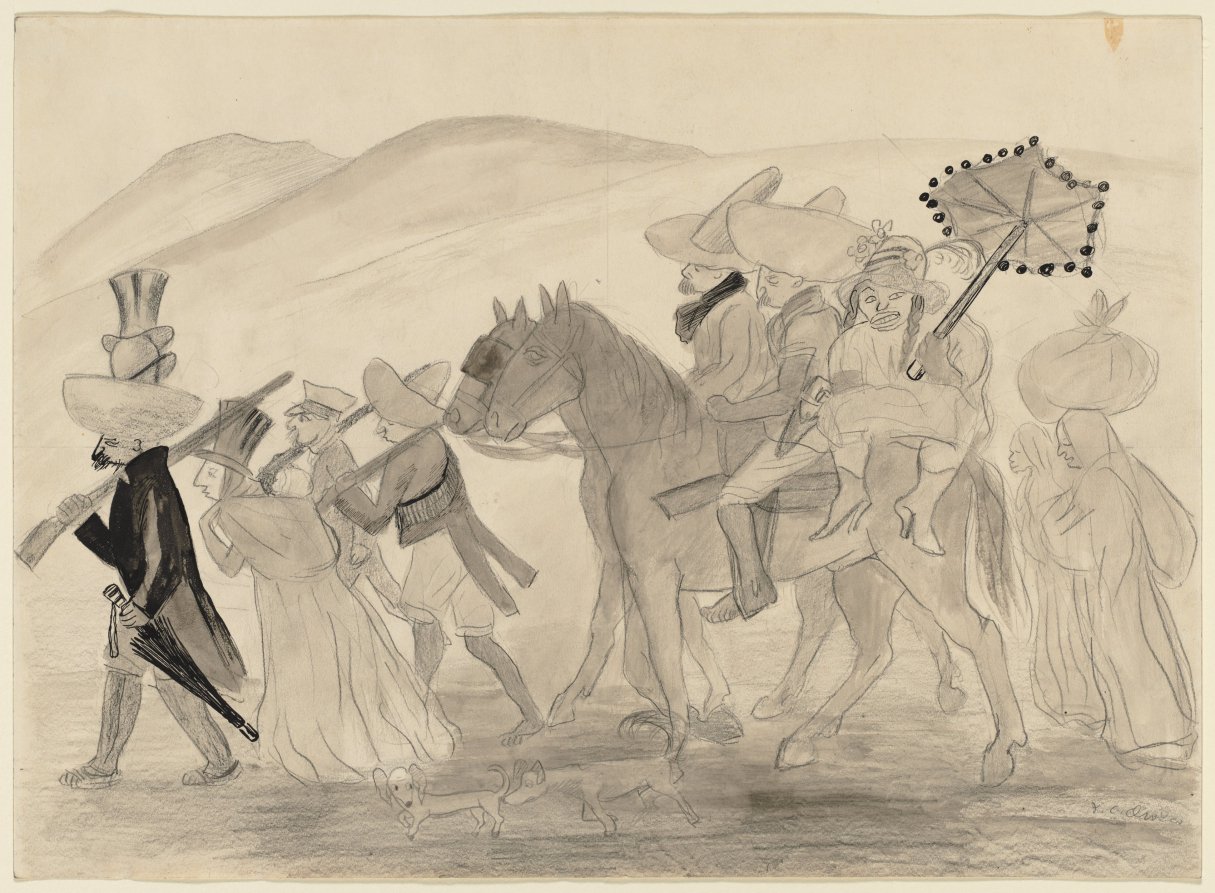
Loot, José Clemente Orozco, c. 1915
José Clemente Orozco, portraitJosé Clemente OrozcoMexique, 1883–1949

Loot

c. 1915 · Drawing

Peut-on la contempler ?

Elle ne reçoit pas en ce moment

Cleveland Museum of Art

Cleveland, États-Unis

Elle appartient à la collection, mais n’est pas présentée en ce moment.

Vérifié
avant-hier
Dans cet état depuis
19 août 2026
Source
Le musée
Sur la cartePage du musée

À propos de l’œuvre

This drawing belongs to Horrors of the Revolution, a series in which José Clemente Orozco depicted violence during Mexico’s ongoing political conflict. Taking a disillusioned view toward the uprising—by then in its fifth year—the artist wrote that he did not “trust revolutions or glorify them” after witnessing events such as the one portrayed in this work. A caravan of figures, drawn in a caricatural style with exaggerated features, carry bundles of goods presumably taken from someone less fortunate.

Cleveland Museum of Art

Notice

c. 1915
18831949
Numéro d’inventaire
1943.538

Au catalogue

Dessins et aquarellesGraphiteModernismeXXe siècleMexico, 20th century

Sources

  • Cleveland Museum of Art
  • Image : Cleveland Museum of Art — © José Clemente Orozco / Artists Rights Society (ARS), New York / SOMAAP, Mexico

Pendant ce temps, chez José Clemente Orozco

La vie entière
  1. 1908–1914 · Formation

    Academy of San Carlos

  2. 1910s

    An illustrator for newspapers and Carranza’s army

    Orozco works as an illustrator for Mexico City newspapers and directly as an illustrator for one of the Constitutionalist armies overseen by “First Chief” Venustiano Carranza.

  3. 1914

    To Orizaba, following Dr. Atl

    One of the greatest influences on the adult Orozco was Dr. Atl’s view of Symbolism. In 1914, when the competing armies were about to enter Orizaba, Orozco followed Dr. Atl to the city.

  4. 1914

    The revolution splits: Orozco sides with Carranza and Obregón

    When the revolutionary factions split in 1914 after Victoriano Huerta was ousted, Orozco supported Carranza and General Álvaro Obregón against Pancho Villa and Emiliano Zapata. The violence he witnessed profoundly affected his life and art; in his words, the world was torn apart around him.

  5. 1916

    The exhibition “Studies of Women” with caricatures of Carranza

    In 1916 Orozco’s solo exhibition “Studies of Women” opens: it shows not only his works about women but also political cartoons, including ones of President Carranza.

  6. 1917–1919

    The United States: no sales, so painting dolls’ faces

    In 1917–1919 Orozco lives in the United States; for a time, having sold none of his works, he works in a toy factory painting the faces of dolls. Other accounts date the trip differently: he leaves in 1916, disappointed by the reviews of his art in Mexico, and returns four years later.

Autres œuvres : José Clemente Orozco

Toutes les œuvres
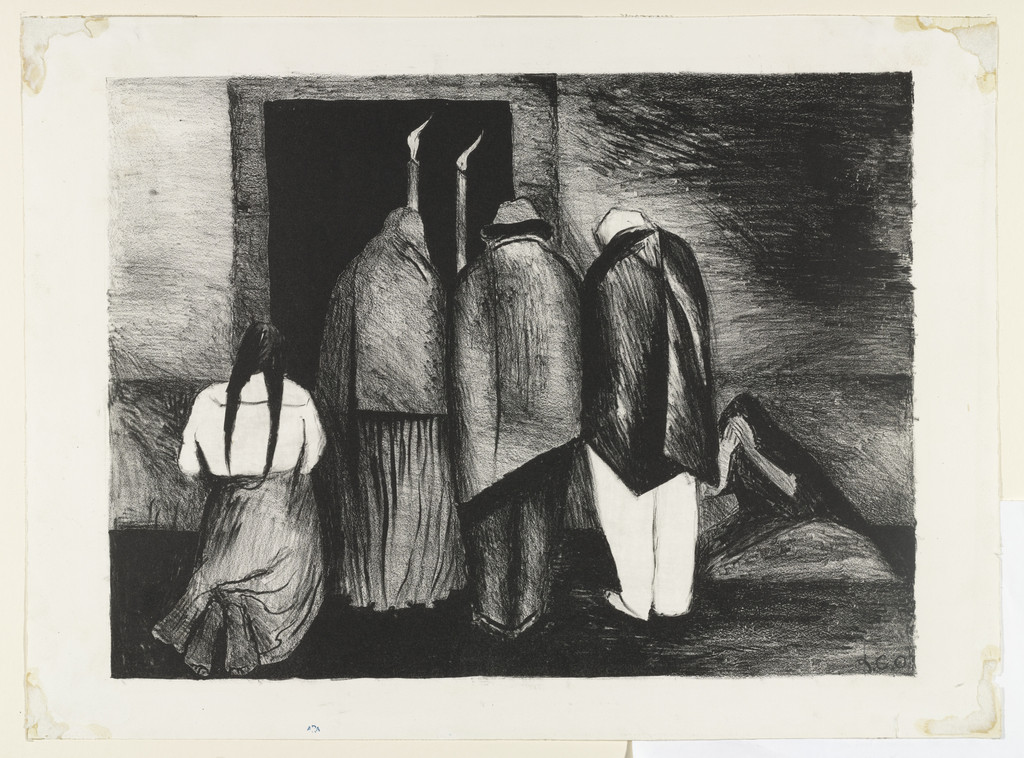
Zapata, José Clemente Orozco, 1930

Zapata

1930 · Art Institute of Chicago

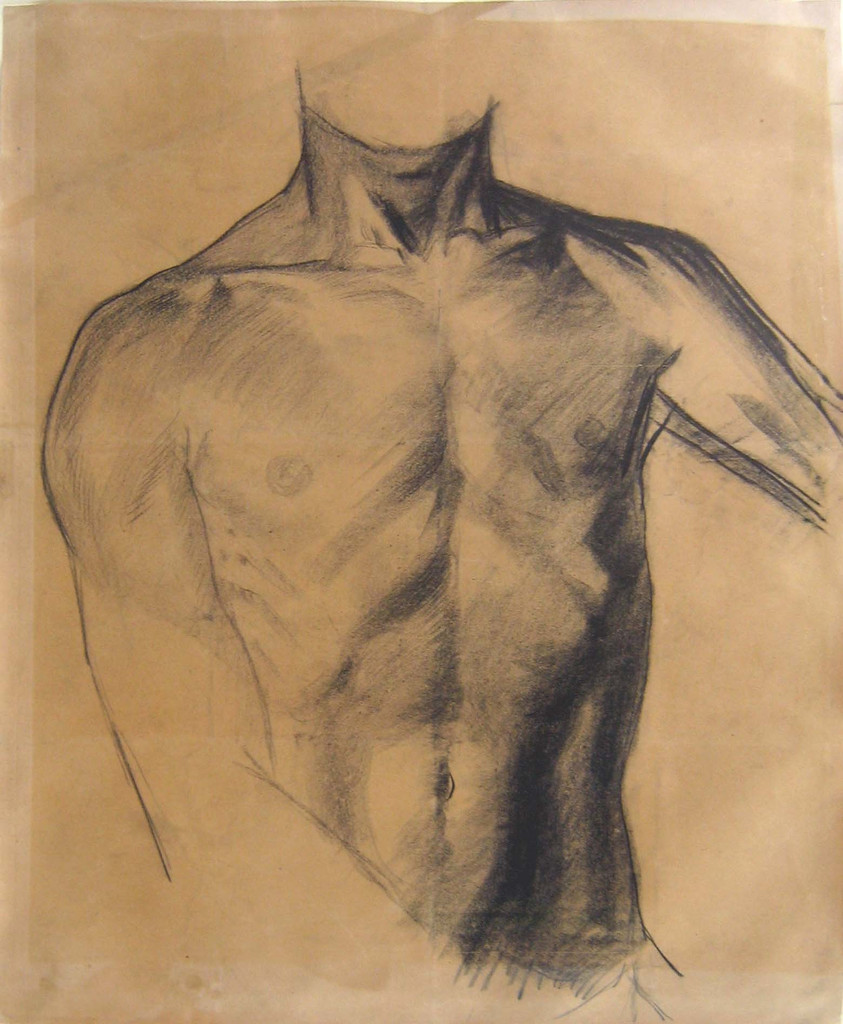
Male Torso, José Clemente Orozco, (1923)

Male Torso

(1923) · Non exposée · Museum of Modern Art

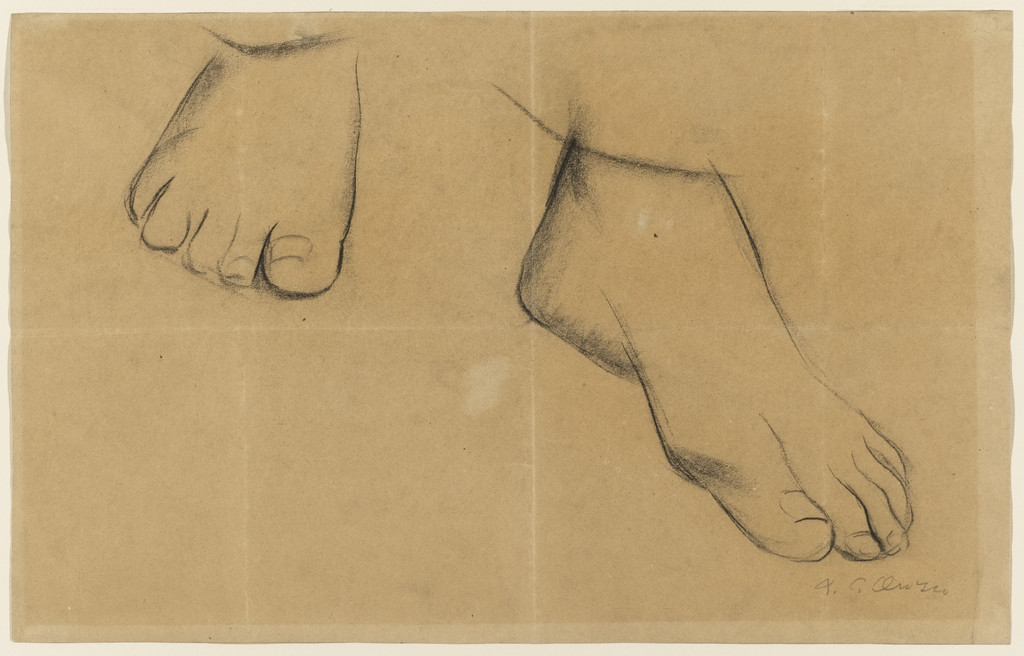
Feet (no. 2), José Clemente Orozco, (1923)

Feet (no. 2)

(1923) · Non exposée · Museum of Modern Art

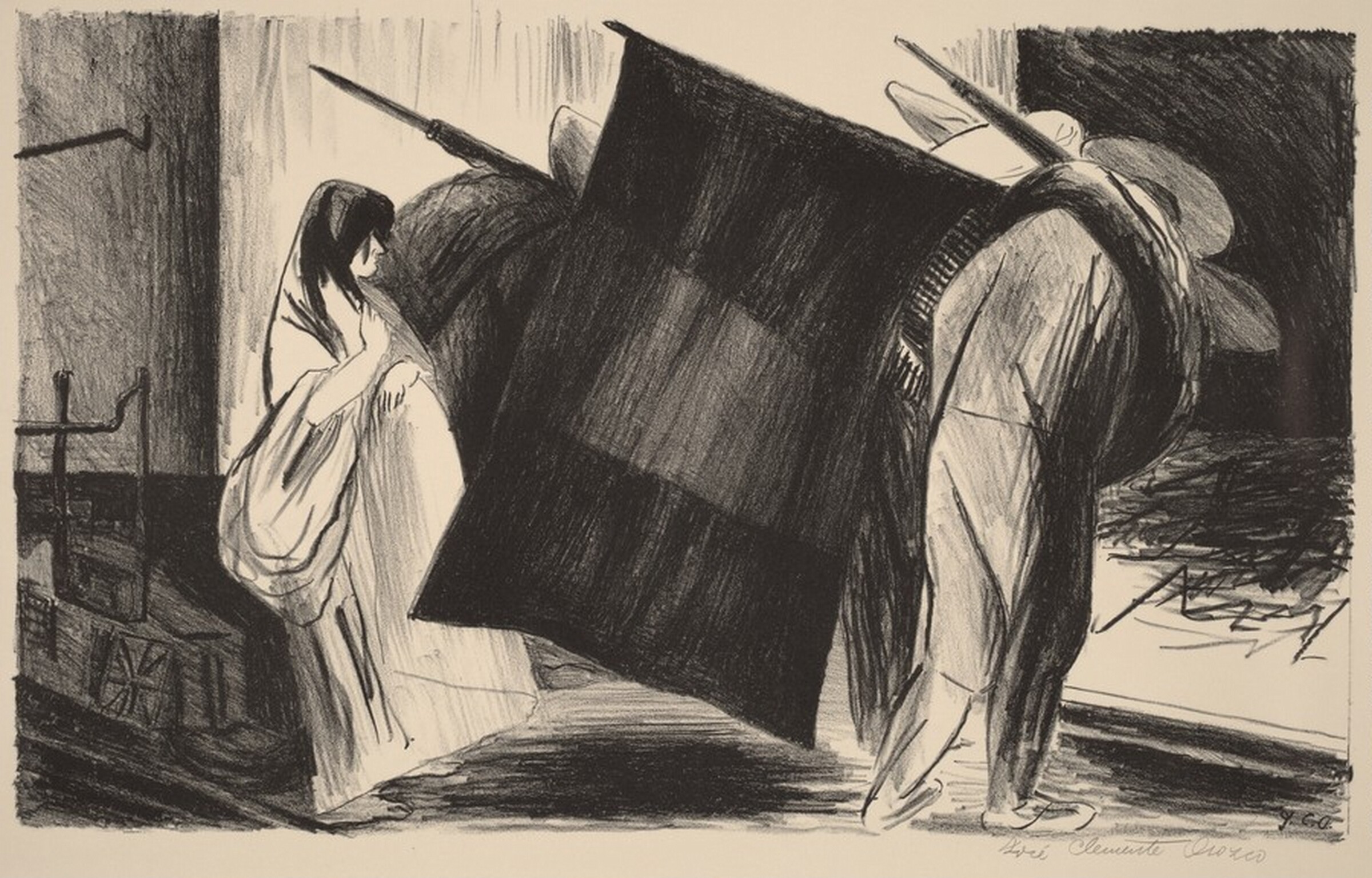
Flag (Bandera), José Clemente Orozco, 1928

Flag (Bandera)

1928 · Non exposée · National Gallery of Art

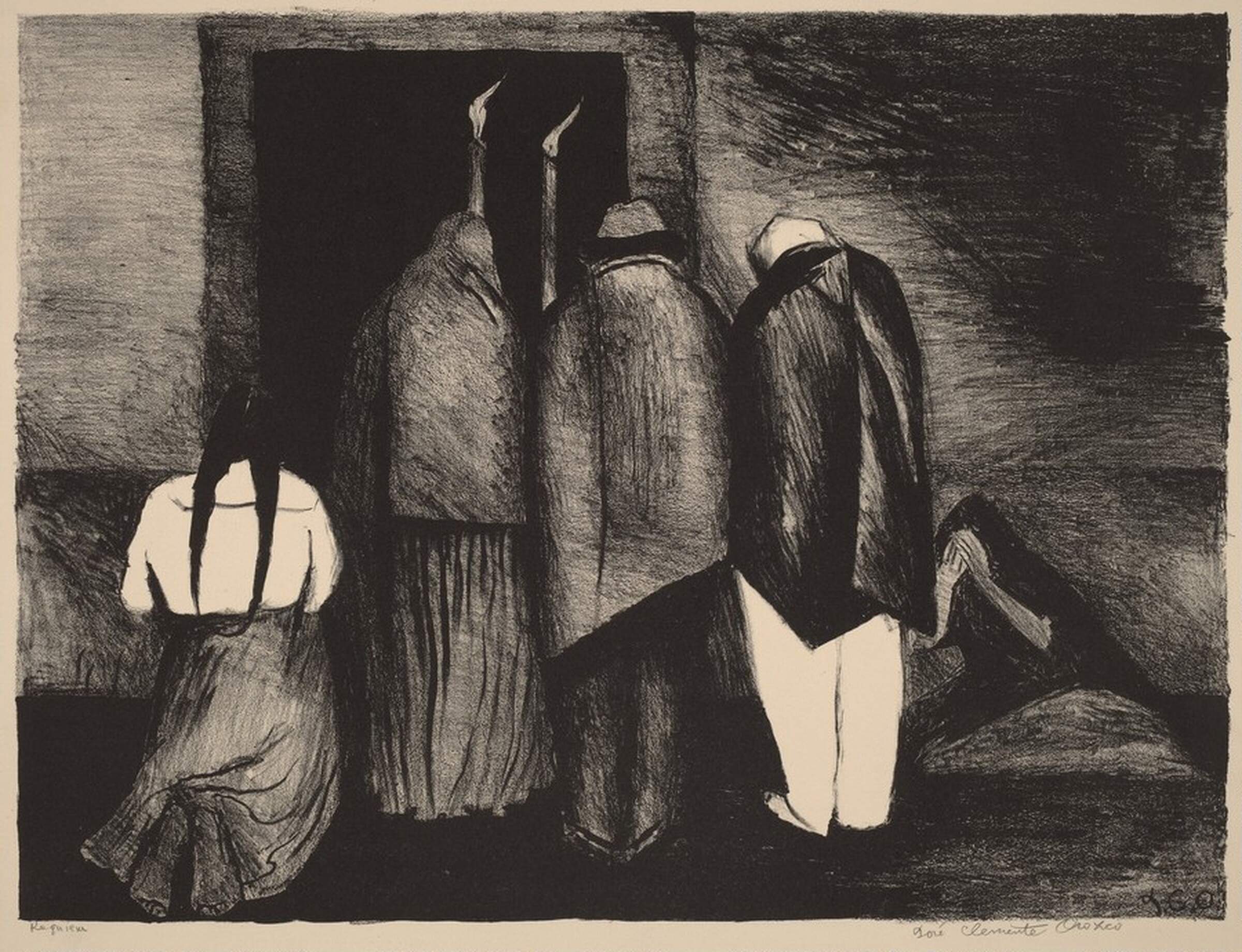
Requiem, José Clemente Orozco, 1928

Requiem

1928 · Non exposée · National Gallery of Art

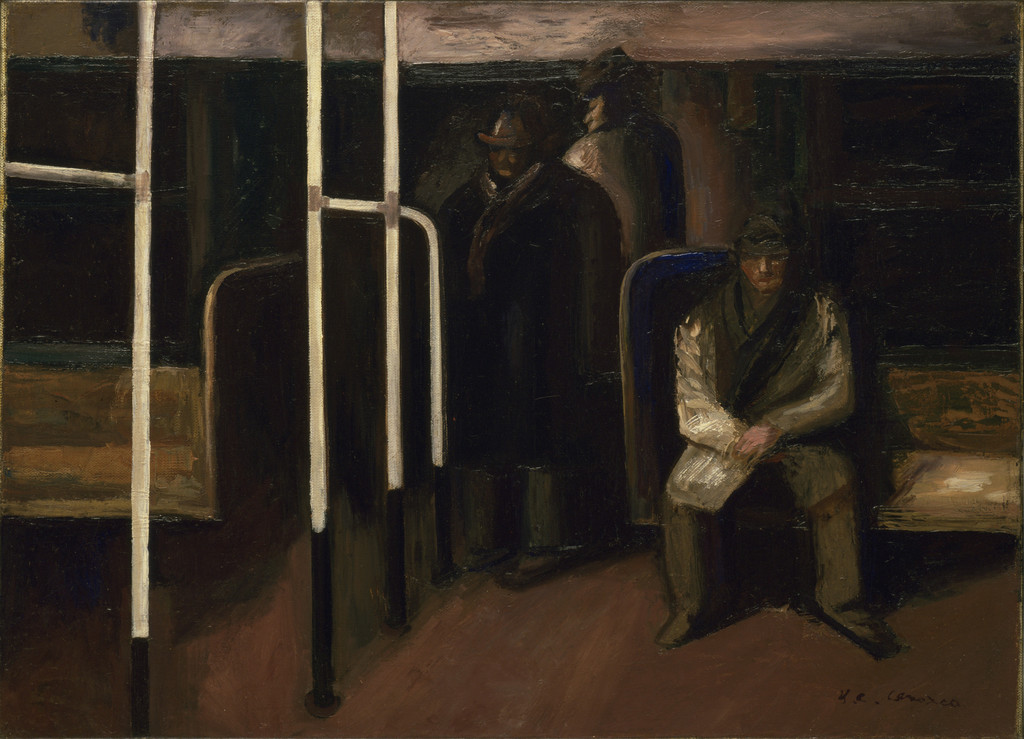
The Subway, José Clemente Orozco, 1928

The Subway

1928 · Non exposée · Museum of Modern Art

The Requiem (El Requiem), José Clemente Orozco, 1928

The Requiem (El Requiem)

1928 · Non exposée · Museum of Modern Art

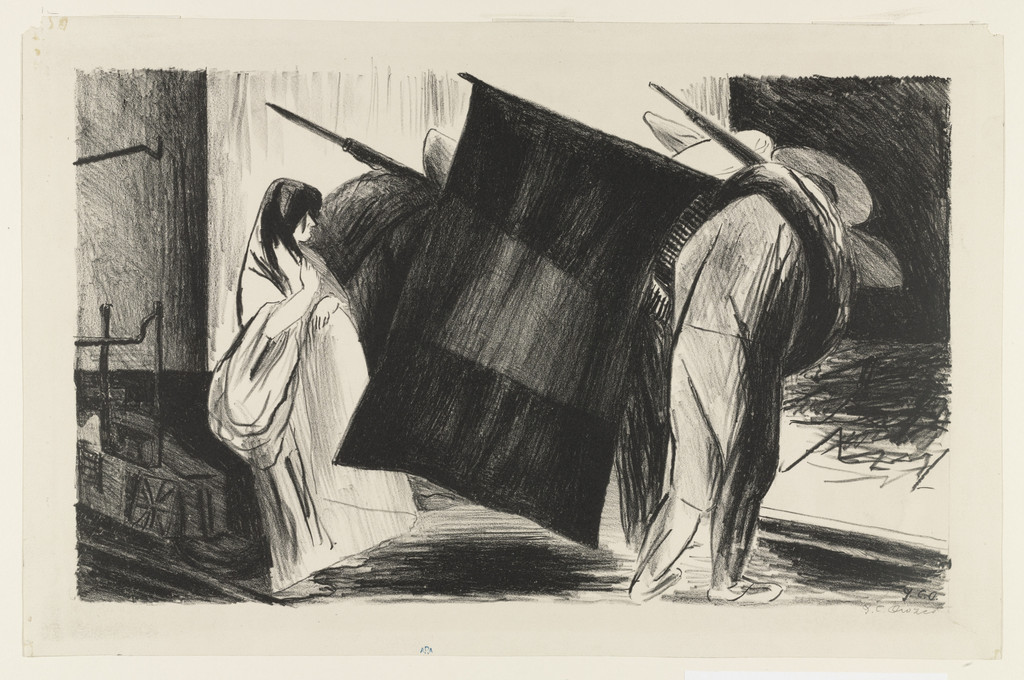
The Flag (La Bandera), José Clemente Orozco, 1928

The Flag (La Bandera)

1928 · Non exposée · Museum of Modern Art

Sous le même toit : Cleveland Museum of Art

Page du musée
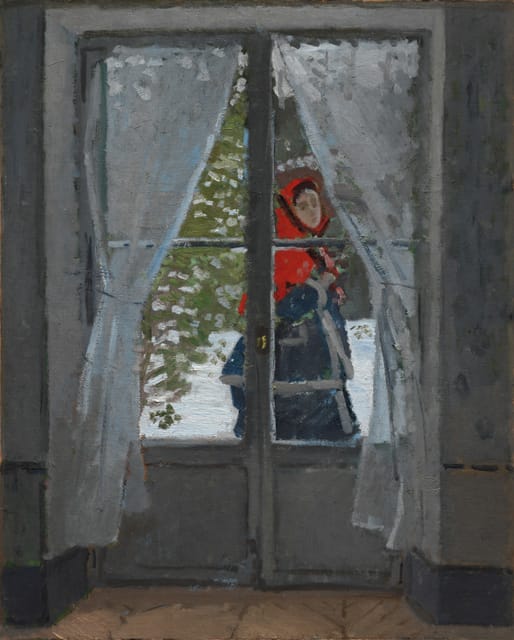
The Red Kerchief, Claude Monet, c. 1868–73

Claude Monet

The Red Kerchief, c. 1868–73

Melencolia I, Albrecht Dürer, 1514

Albrecht Dürer

Melencolia I, 1514

The Virgin and Child with the Pear, Albrecht Dürer, 1511

Albrecht Dürer

The Virgin and Child with the Pear, 1511

The Nativity, Albrecht Dürer, probably c. 1509/1510

Albrecht Dürer

The Nativity, probably c. 1509/1510

The Virgin and Child on a Crescent with a Starry Crown, Albrecht Dürer, 1508

Albrecht Dürer

The Virgin and Child on a Crescent with a Starry Crown, 1508

The Lamentation, Albrecht Dürer, 1507

Albrecht Dürer

The Lamentation, 1507

Large Horse, Albrecht Dürer, 1505

Albrecht Dürer

Large Horse, 1505

Nemesis (The Great Fortune), Albrecht Dürer, c. 1501/1502

Albrecht Dürer

Nemesis (The Great Fortune), c. 1501/1502