 Gustave DoréFrance, 1832–1883
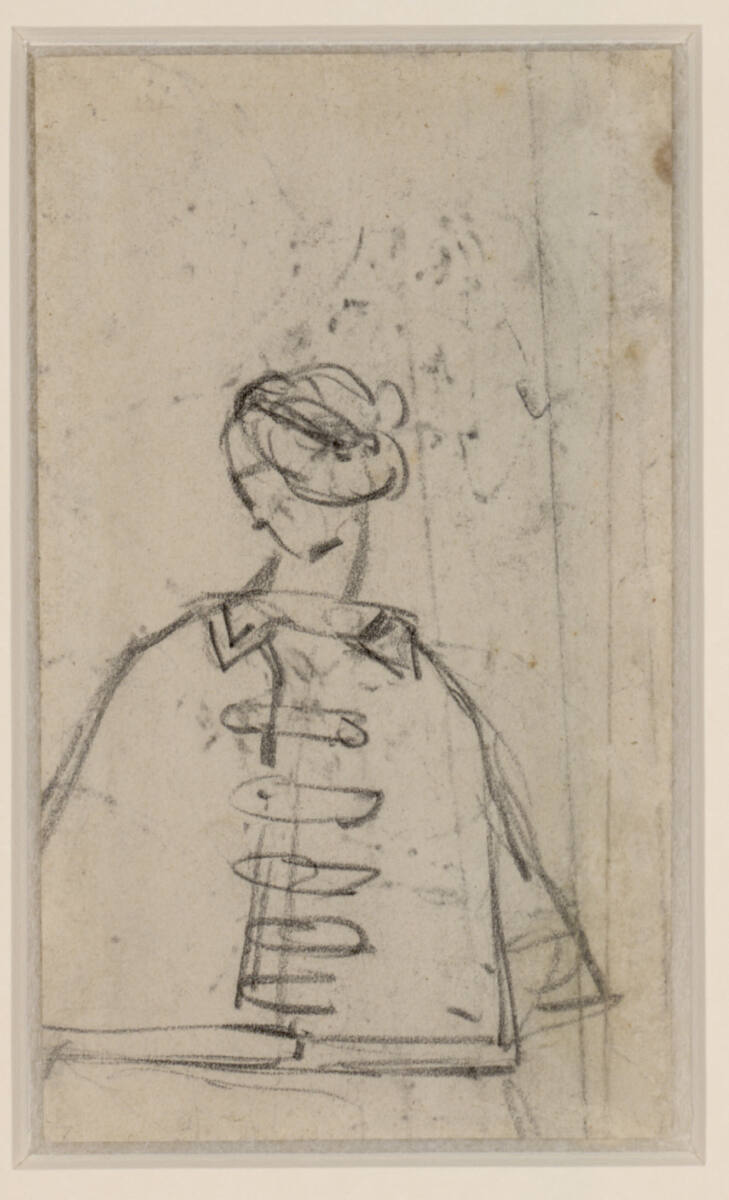
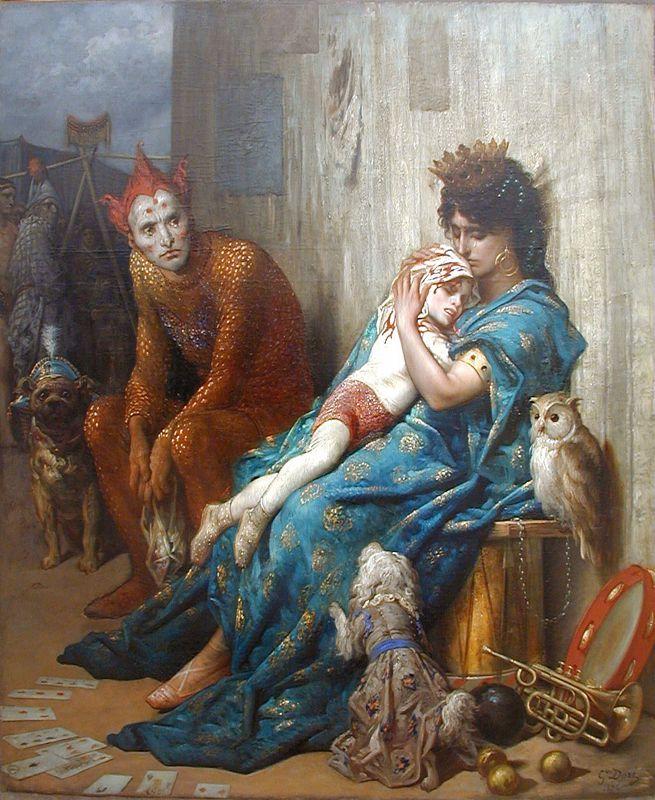
Les Saltimbanques (L'enfant blessé)
Peut-on la contempler ?
Inconnu
Clermont-Ferrand, France
Le propriétaire est connu ; on ignore si l’œuvre est exposée aujourd’hui.
- Dans cet état depuis
- Source
- Le musée
Notice
- Numéro d’inventaire
- 2714
Ce qu’elle montre
Au catalogue
Sources
- Musée d'Art Roger-Quilliot
- Image : Musée d'Art Roger-Quilliot — Ville de Clermont-Ferrand MARQ; Ministère de la Culture (France), base Joconde
Pendant ce temps, chez Gustave Doré
La vie entière1870s
The engraving cycle “Versailles and Paris” and a history of Spain
In the 1870s Doré makes a cycle of engravings, “Versailles and Paris”, and illustrates an edition on the history of Spain.
1872
“London: A Pilgrimage” appears with 180 engravings
The book, a commercial success, is disliked by some British critics because it appears to focus on the poverty of parts of London: The Art Journal accuses Doré of “inventing rather than copying”, and the Westminster Review claims that he sets down the commonest, the vulgarest external features. The financial success brings Doré commissions from other British publishers, and the engravings impress Vincent van Gogh, who paints a version of the Prisoners' Round in 1890.
1873
A trip to Scotland: schooling in watercolour
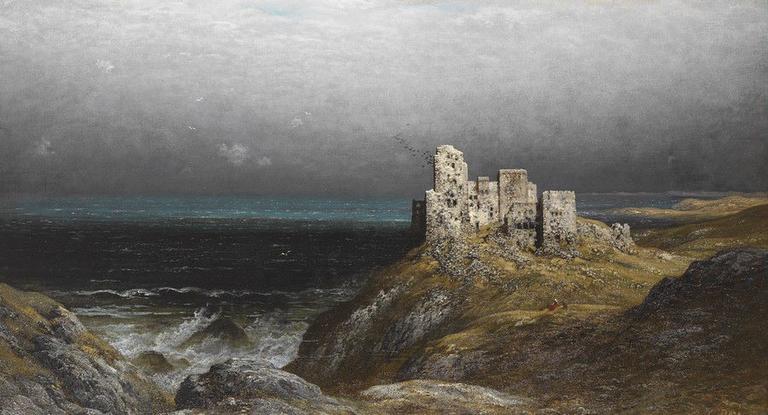
According to the Musée de Grenoble, Doré develops his expertise as a watercolourist during a trip to Scotland in 1873.
1874–1879
87 illustrations for the Divine Comedy for the publisher Wolff
In 1874–79 Doré draws 87 illustrations for the three-volume edition of Dante's “Divine Comedy” published by Maurice Wolff in St Petersburg.