 Paul GauguinFrance, 1848–1903
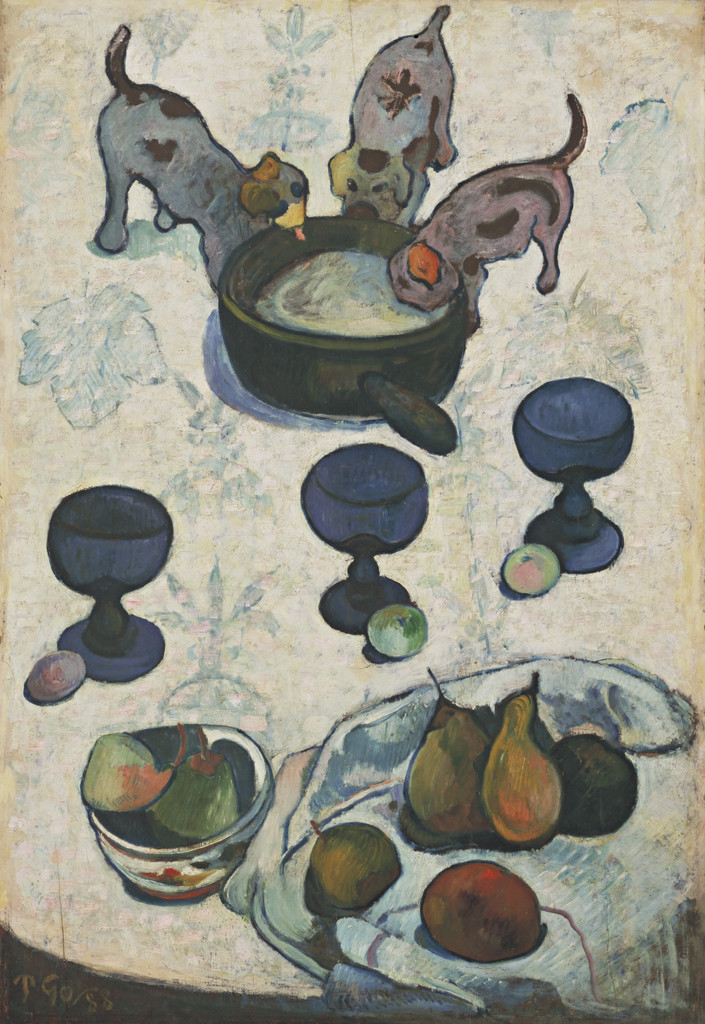
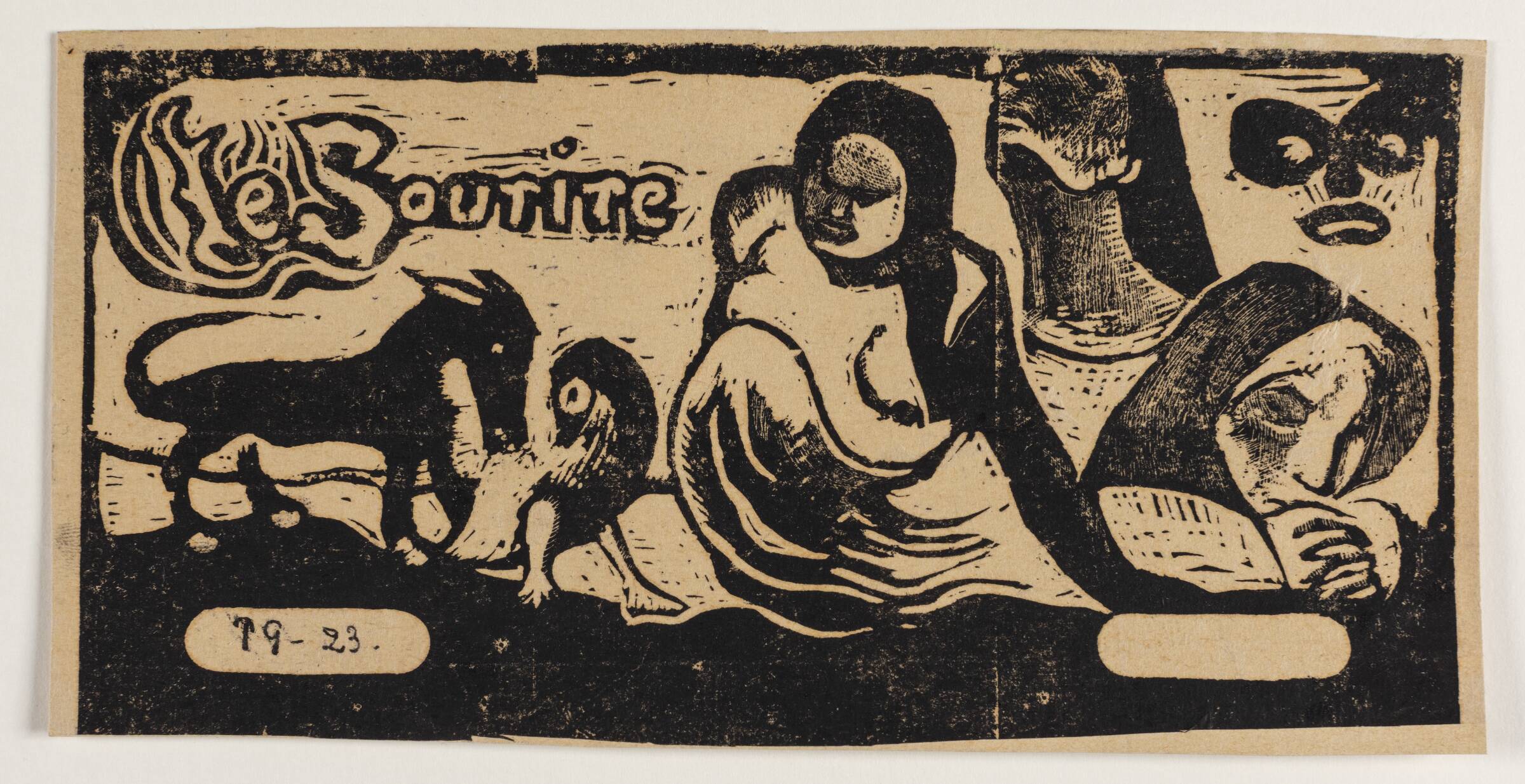
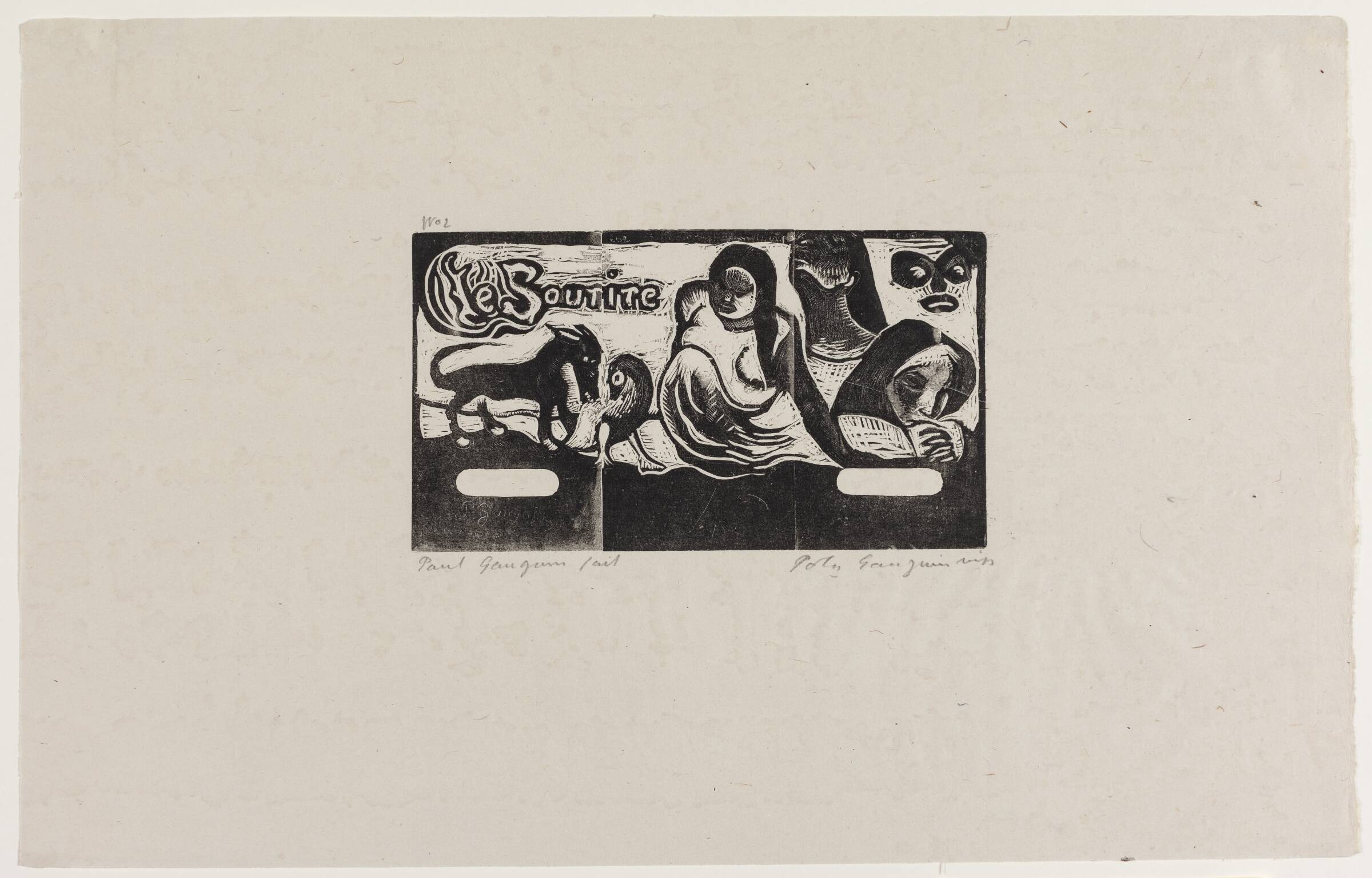
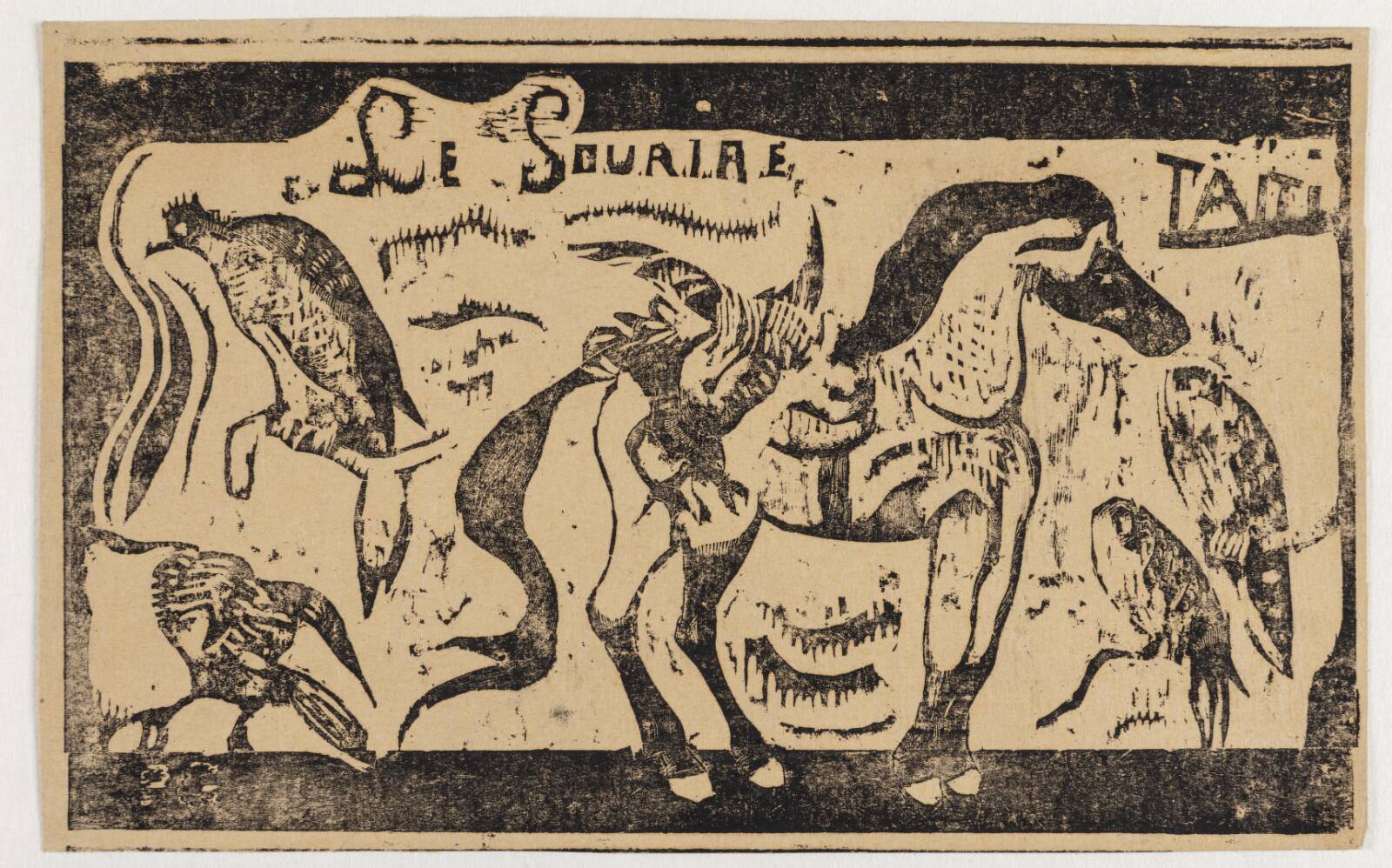
Le Sourire.Taiti
Peut-on la voir ?
Oui, exposée actuellement
Où est « Le Sourire.Taiti » aujourd’hui ? Statens Museum for Kunst, Salle 216, Copenhague. Oui, exposée actuellement. Vérifié 29 septembre 2026.

Copenhague, Danemark
Ouvert· jusqu’à 18:00
Présentée au public.
- Vérifié
- Dans cet état depuis
- Source
- Le musée
Notice
- Numéro d’inventaire
- KKS6416
Au catalogue
Expositions
Exposée · Salle 216
Statens Museum for Kunst · 28 sept. 2026 — aujourd’hui · Vérifié
Était exposée
Statens Museum for Kunst · 19 août 2026 — 28 sept. 2026 · Vérifié
Sources
- Statens Museum for Kunst
- Image : Statens Museum for Kunst — public domain
Dans la vie de Paul Gauguin
La vie entière1891–1901 · Lieu de travail
Tahiti
1897
News of the Death of His Daughter Aline
In April 1897 Gauguin received news that his beloved daughter Aline had died of pneumonia; the same month he learned that he had to vacate his house, and, taking out a bank loan for a new one, by the end of the year he was on the brink of ruin and despair.
c. 1898
Suicide Attempt
After finishing Where Do We Come From? What Are We? Where Are We Going?, Gauguin attempted suicide by taking arsenic, but the dose proved too large, and a violent fit of vomiting saved his life.
1899
Son born: Emile Gauguin
1899
Birth of a Son by Pahura
In 1899 the artist's Tahitian lover Pahura bore him a son; the painting Women by the Sea (Maternity) is associated with this event.
16 September 1901
Move to Hiva Oa, the House of Pleasure
On 16 September 1901 Gauguin arrived at Atuona on the island of Hiva Oa (Marquesas Islands), where he bought a plot from the Catholic mission and built a two-story house he named the Maison du Jouir ("House of Pleasure"). Here, despite illness and poverty, he worked at full strength — painting landscapes, writing stories, and engaging in journalism.