ART WIKI32 963 en salle
CarteCollectionArtistesMuséesExpositionsJournal
Connexion

ART WIKI

Où est accroché le chef-d’œuvre, et quand on vous laisse entrer.

Collections : Art Institute of Chicago, Cleveland Museum of Art, Galerie Tretiakov, Hirshhorn Museum and Sculpture Garden, J. Paul Getty Museum, Metropolitan Museum of Art, Minneapolis Institute of Art, Musée de l'Ermitage, Musée des Beaux-Arts Pouchkine, Musée du Louvre, musée national d'art asiatique, Musée russe, Musées d'Art de Harvard, Museum of Modern Art, National Gallery of Art, National Portrait Gallery, Rijksmuseum Amsterdam, Smithsonian American Art Museum, Statens Museum for Kunst, Victoria and Albert Museum, Villa Getty, Whitney Museum of American Art, Catalogue d’État du fonds muséal de Russie (274 musées), Europeana (19 musées), Wikidata (6 musées), Paris Musées (12 musées) et Joconde, la base des musées du ministère de la Culture (495 musées). Les images appartiennent à leurs ayants droit.

Rubriques

  • Carte
  • Recherche
  • Collection
  • Chefs-d’œuvre
  • Exposées en ce moment
  • Artistes

Et aussi

  • Musées et galeries
  • Expositions
  • Journal
  • D’où viennent les données
  • Confidentialité et cookies
AccueilCarteCatalogue
  1. Collection/
  2. Victoria and Albert Museum/
  3. Kneeling angel
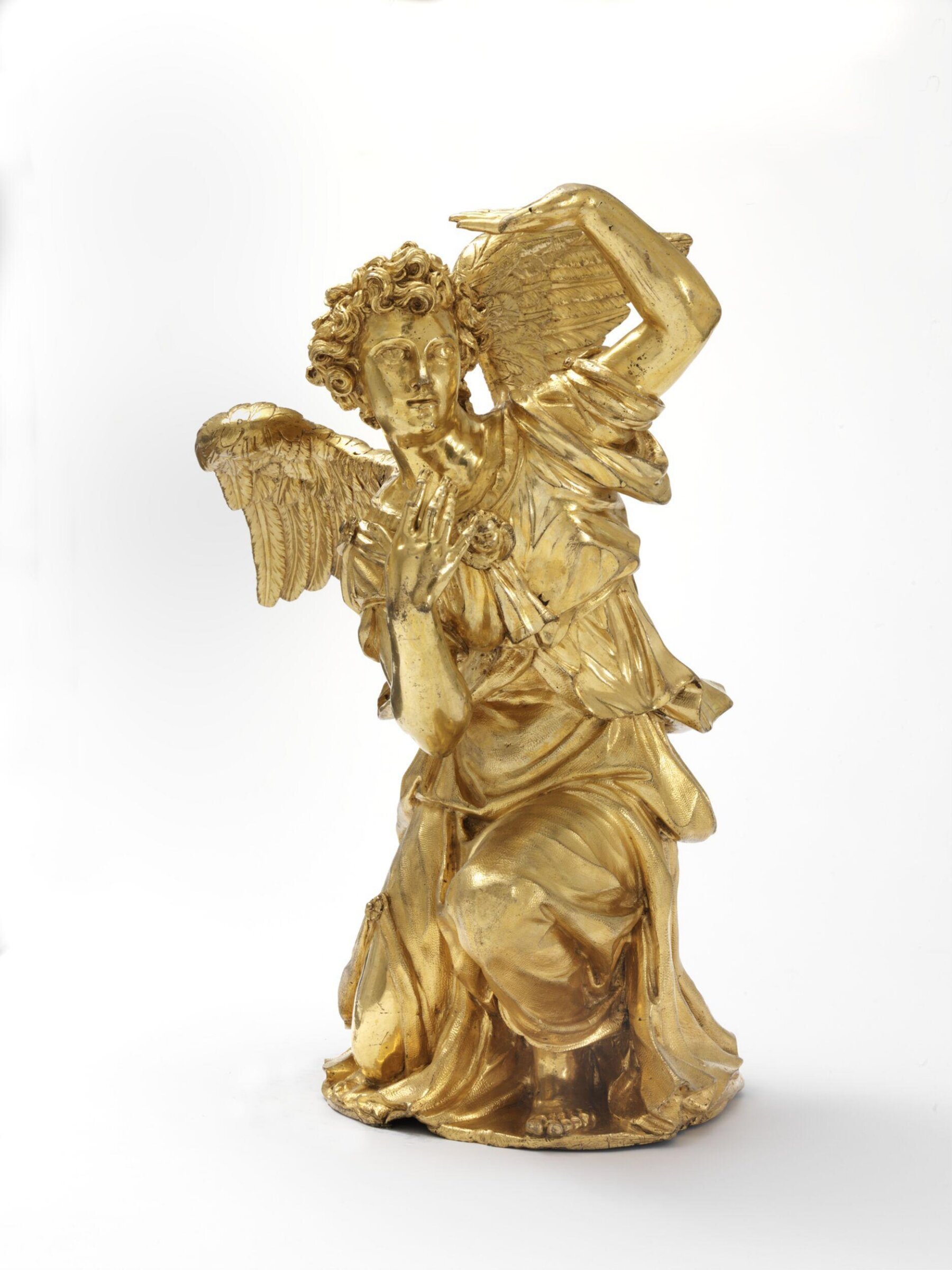
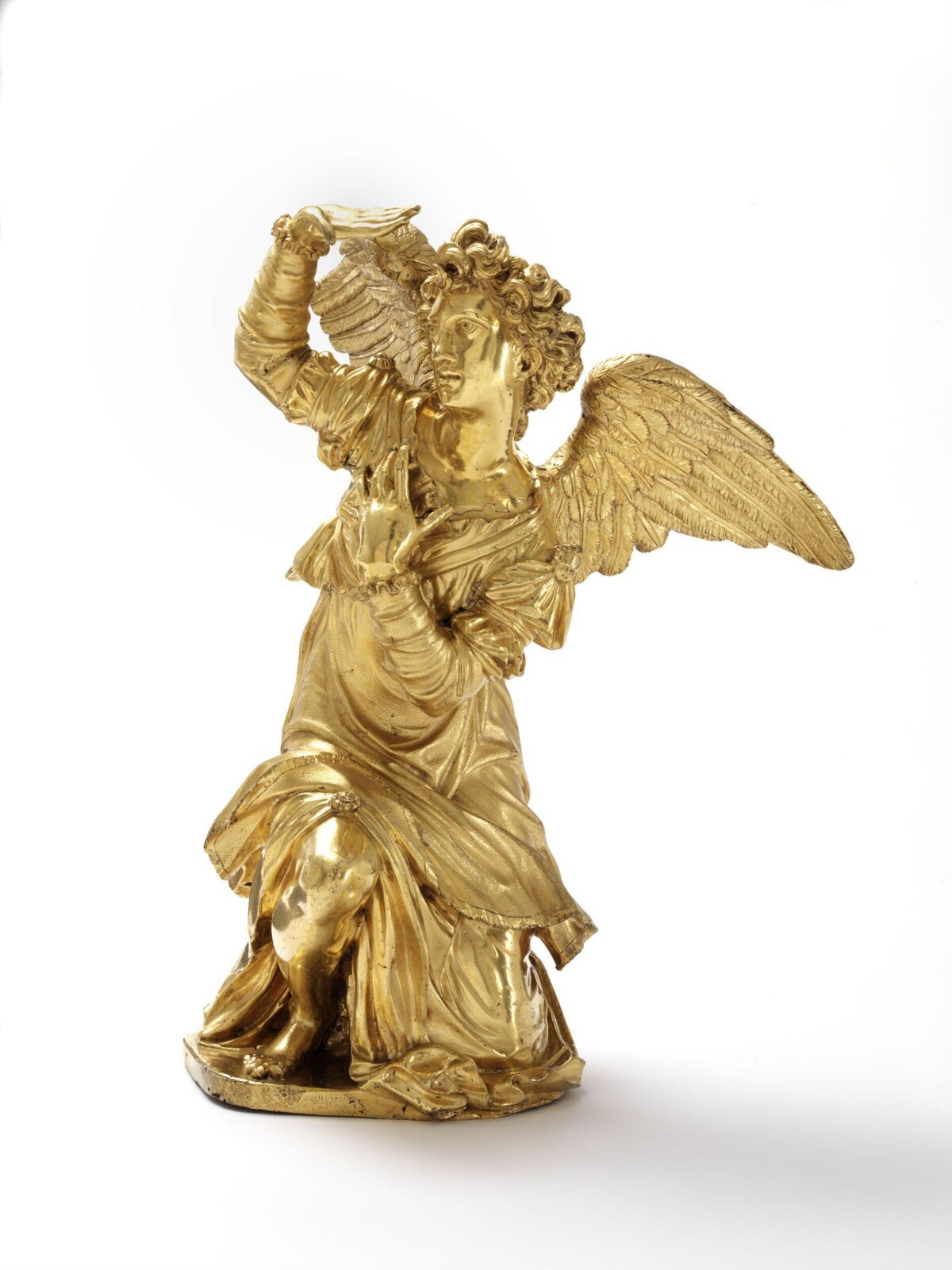
Kneeling angel, Hubert Gerhard, ca. 1581 - ca. 1584

Kneeling angel

ca. 1581 - ca. 1584 · Statuette · 41.5 × 33 cm

À propos de la sculpture

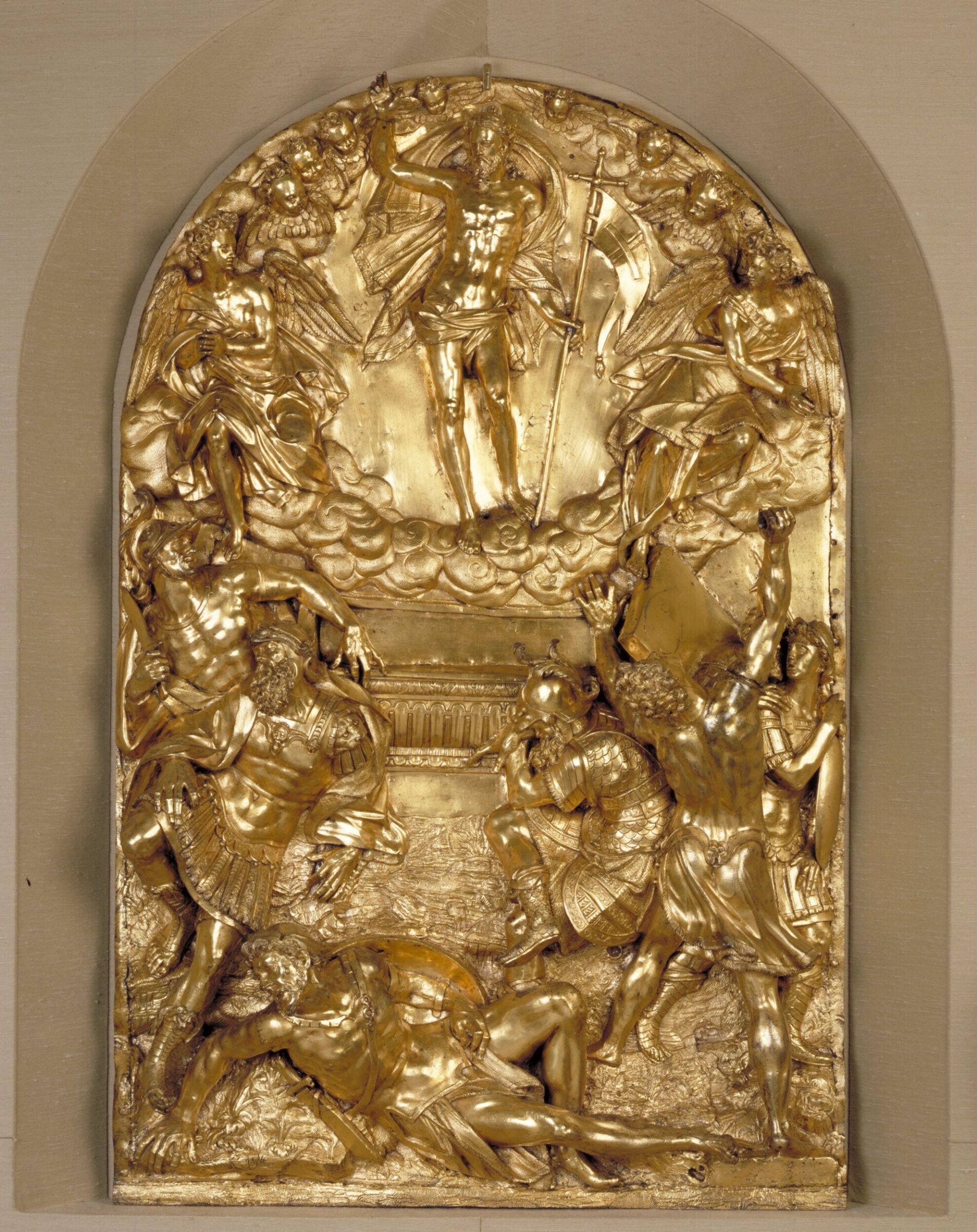
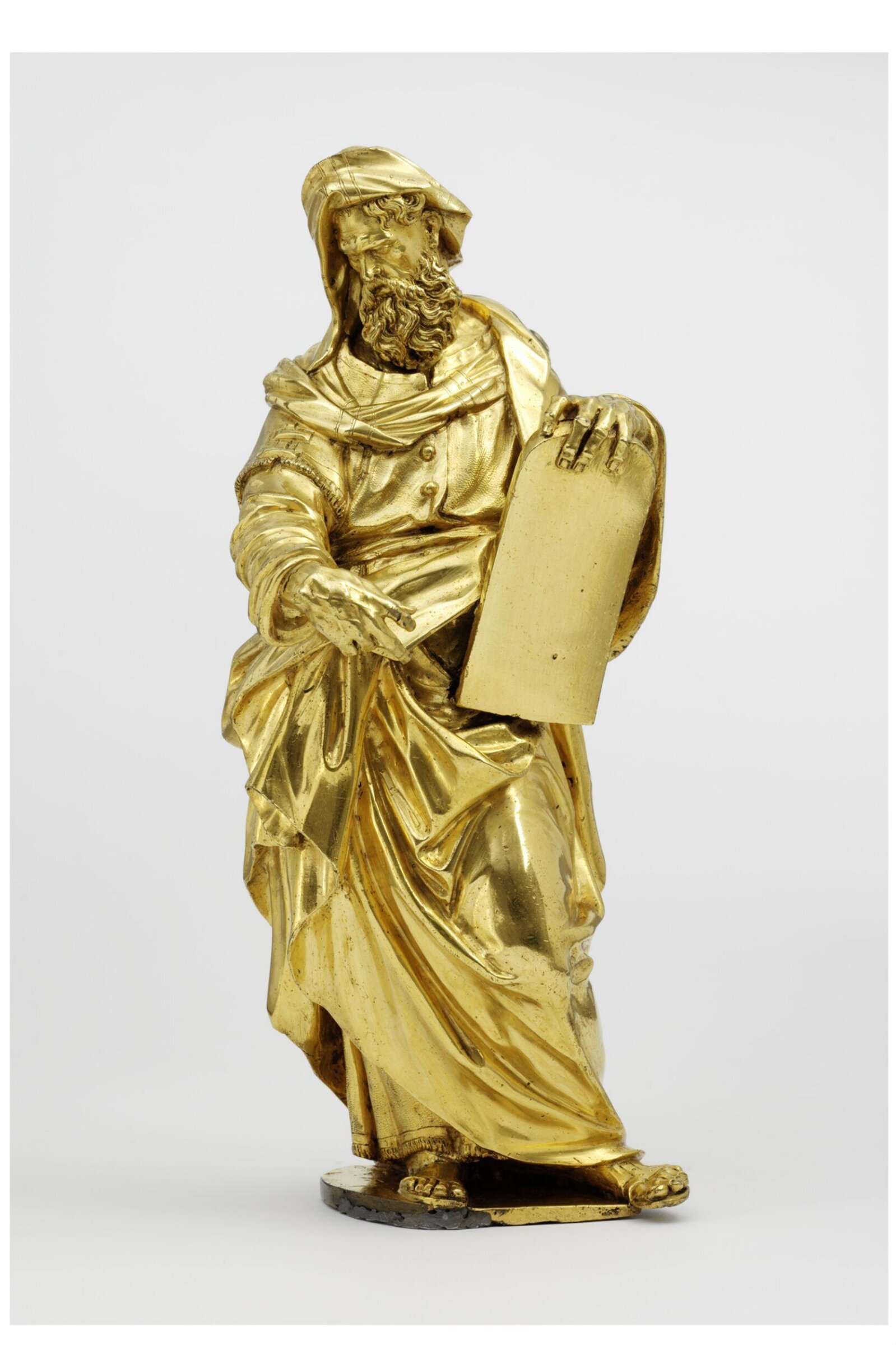
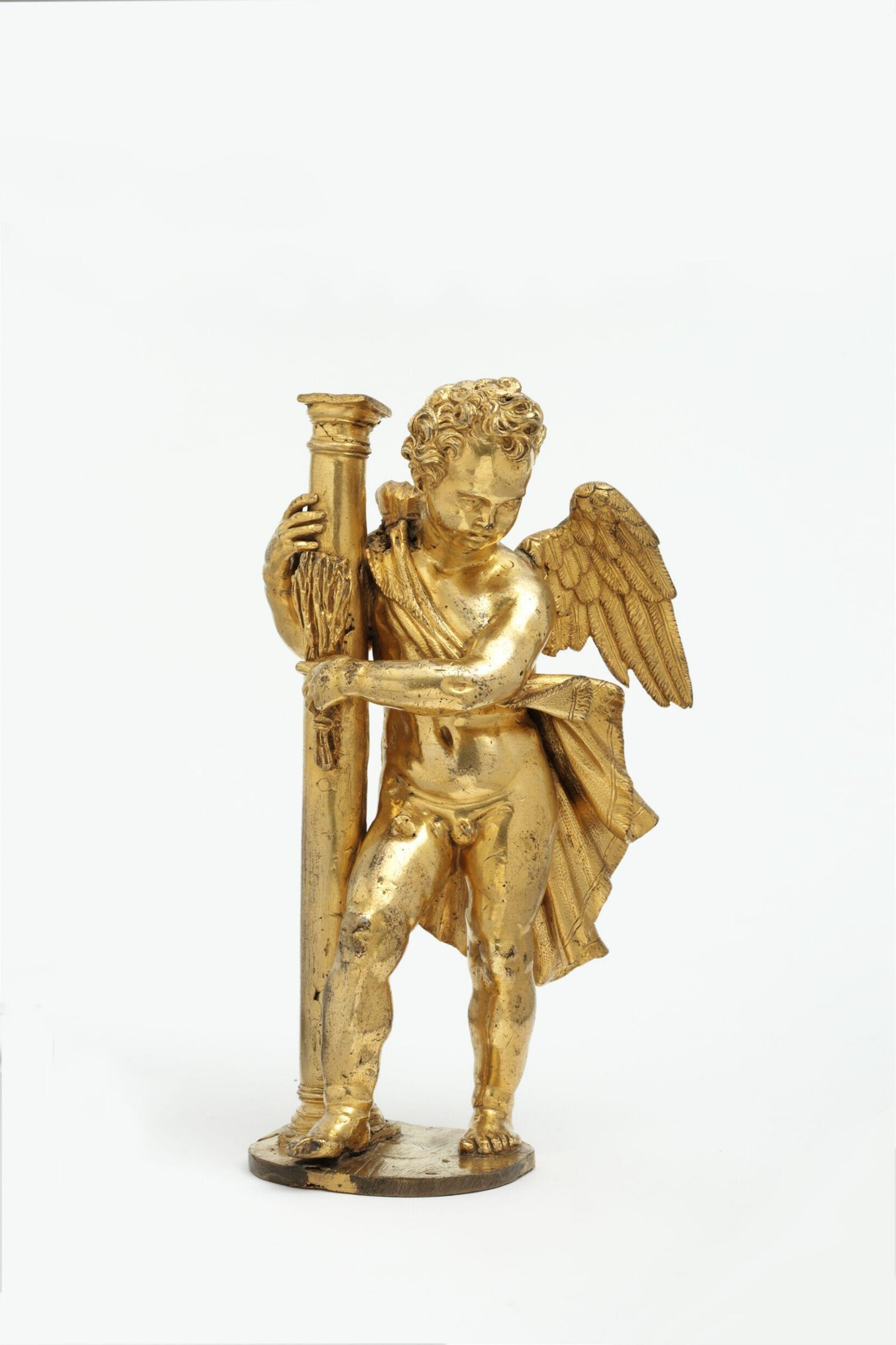
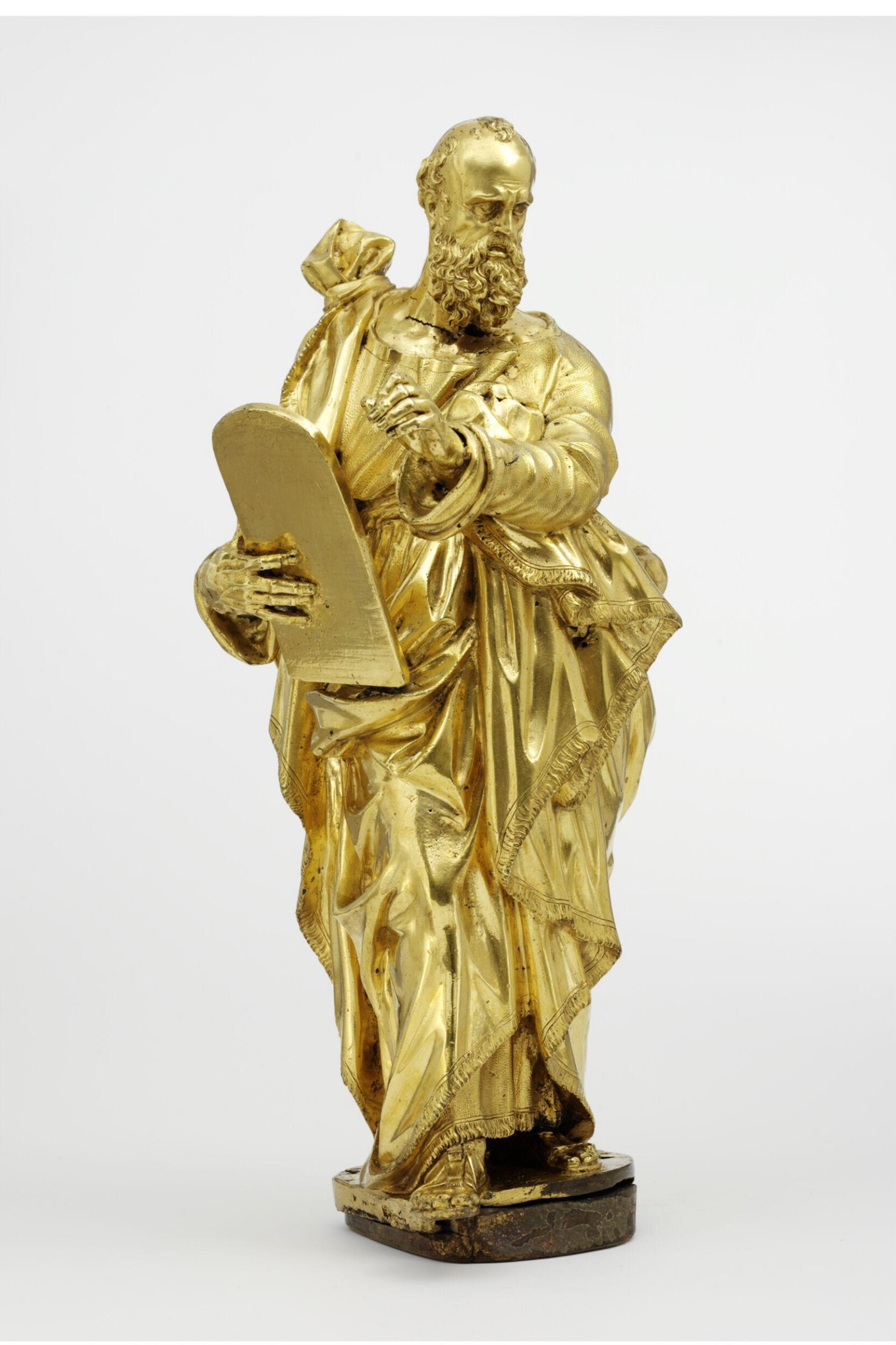
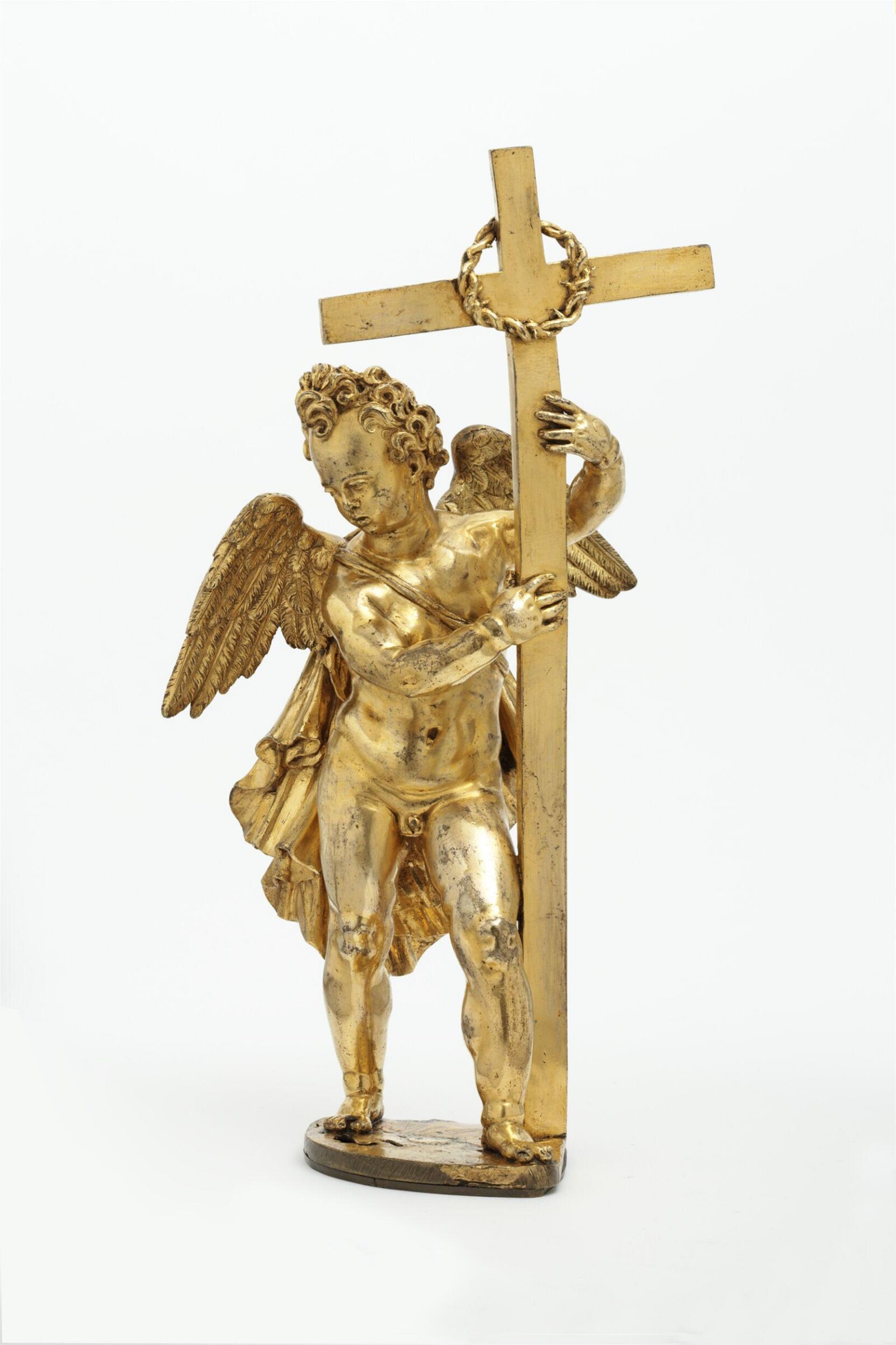
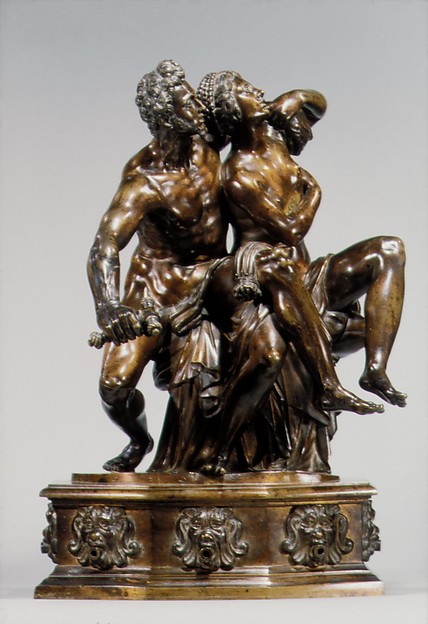
Christoph Fugger was a member of a great banking family from Augsburg, Germany. When he died unmarried in 1579, a large sum of money was set aside from his estate for an appropriately lavish memorial. A site was chosen in the Dominican church of St Magdalena in Augsburg, and the work was entrusted to Hubert Gerhard. The altar memorial consisted of a stone framework of red and white marble, on to which were set gilt-bronze sculptures: a large relief of the Resurrection, a smaller relief of the Ascension (missing since the 18th century), two standing and two seated figures of prophets, two small angels holding the Instruments of the Passion and two large kneeling angels who supported the framework above. In addition to Gerhard, Paulus Mair was employed to cut the marble, Carlo Pallago (a Florentine stucco sculptor) assisted with the casting, the Reisinger brothers of Augsburg supervised the technical side of the work, and the goldsmith Johann Müller was responsible for the finishing, chasing and gilding.

Lire la suite

The progress of the commission is fortunately extremely well documented in an account book held in the Fugger archives at Dillingen. Fascinating details emerge from the accounts, such as the fact that the casts of the two reliefs and one of the large angels failed at the first attempt, and it is interesting to see how many people were involved in such a collaborative exercise. In connection with the final polishing, for instance, two women were employed for a number of weeks to rub at the bronzes with wire brushes and tartar and to wash them down with beer and water; and to counteract the effects of mercury poisoning the men working on the gilding were given small amounts of butter. This is unlikely to have been particularly helpful.

Autres œuvres : Hubert Gerhard

Toutes les œuvres

Dans la même salle · Medieval & Renaissance, Room 62, The Foyle Foundation Gallery, Victoria and Albert Museum

Page du musée

Sur le même thème · Wings

Toutes les œuvres sur ce thème

The marble framework of the altar was renewed in 1727, when the church was remodelled in the Baroque taste, but the bronzes - with the apparent exception of the Ascension relief - remained in place until 1807, when the church was secularised and the contents sold. The history of the sculptures between the early 19th century and 1964, when they were bequeathed to the Museum, is not known.

Hubert Gerhard was one of a number of Northern sculptors trained in Italy in the second half of the 16th century, all of whom came under the considerable influence of Giambologna and carried the latest artistic developments back to Germany and the Netherlands. The Fugger altar was one of the first manifestations of this mixture of Italianate and Northern styles in South Germany, and Gerhard - together with Johann Gregor van der Schardt and Adriaen de Vries - became one of its leading exponents.

Victoria and Albert Museum

Notice

ca. 1581 - ca. 1584
15501622
Numéro d’inventaire
A.22-1964

Sources

  • Victoria and Albert Museum
  • Image : Victoria and Albert Museum — © Victoria and Albert Museum, London
HHubert GerhardPays-Bas historiques, 1550–1622

Peut-on la contempler ?

Oui, elle reçoit

Victoria and Albert Museum

Londres, Royaume-Uni

SalleMedieval & Renaissance, Room 62, The Foyle Foundation Gallery

Présentée au public. Qui s’en porte garant est indiqué ci-dessous.

Vérifié
il y a 12 jours
Dans cet état depuis
25 sept. 2026
Source
Le musée
Sur la cartePage du musée
Tarquin and Lucretia, Hubert Gerhard, late 17th century

Tarquin and Lucretia

late 17th century · Metropolitan Museum of Art

Pietà, Hubert Gerhard, after 1595

Pietà

after 1595 · Metropolitan Museum of Art

The Resurrection, Hubert Gerhard, 1581-1584

The Resurrection

1581-1584 · Victoria and Albert Museum

Prophet, Hubert Gerhard, ca. 1581 - ca. 1584

Prophet

ca. 1581 - ca. 1584 · Victoria and Albert Museum

Angel, Hubert Gerhard, ca. 1581 - ca. 1584

Angel

ca. 1581 - ca. 1584 · Victoria and Albert Museum

Prophet, Hubert Gerhard, ca. 1581 - ca. 1584

Prophet

ca. 1581 - ca. 1584 · Victoria and Albert Museum

Kneeling angel, Hubert Gerhard, ca. 1581 - ca. 1584

Kneeling angel

ca. 1581 - ca. 1584 · Victoria and Albert Museum

Angel with cross and crown of thorns, Hubert Gerhard, ca. 1581 - ca. 1584

Angel with cross and crown of thorns

ca. 1581 - ca. 1584 · Victoria and Albert Museum

Orpheus and Cerberus, Hendrick de Keyser, ca. 1610-1615

Hendrick de Keyser

Orpheus and Cerberus, ca. 1610-1615

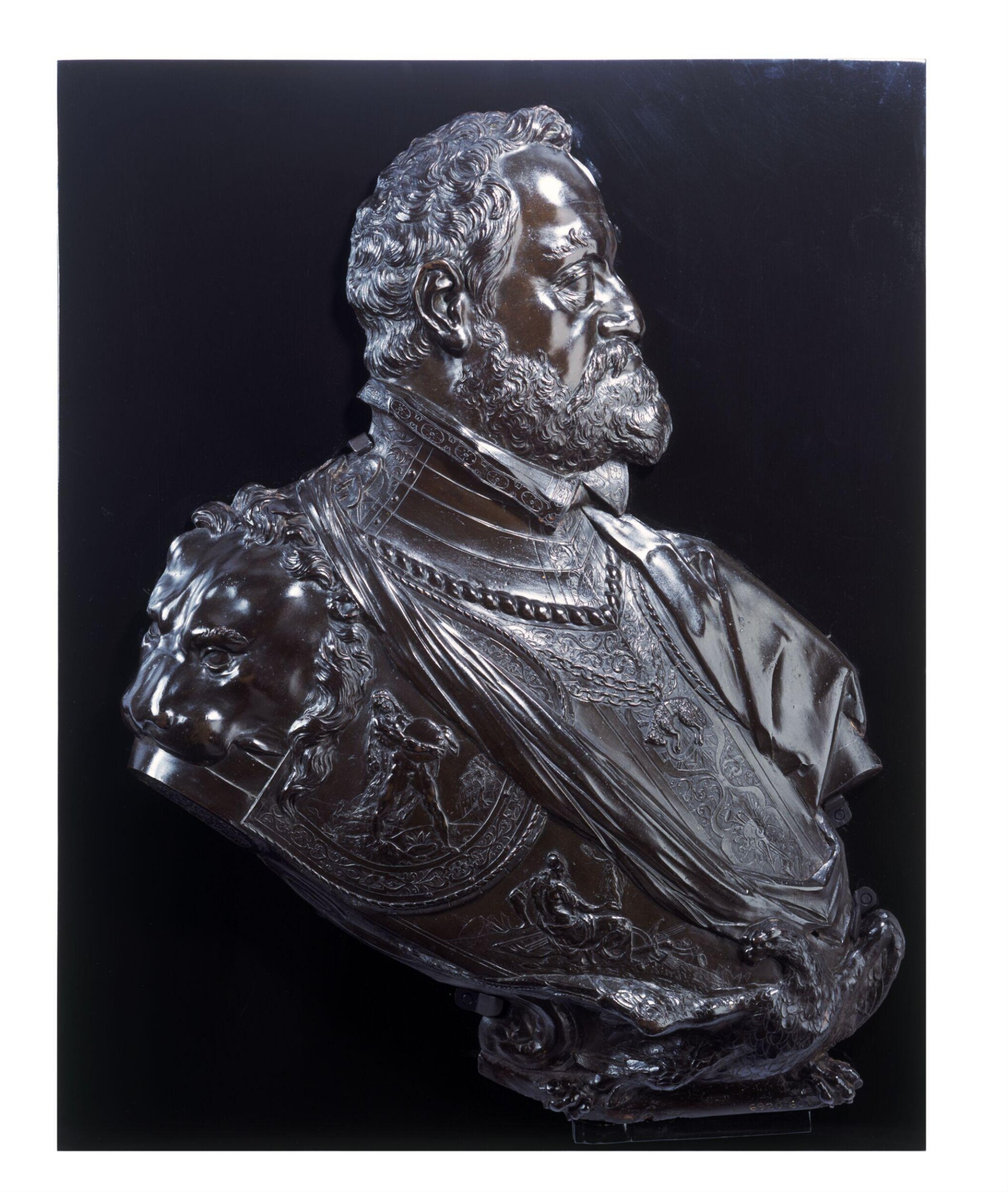
The Emperor Rudolph II, Adriaen de Vries, 1609

Adriaen de Vries

The Emperor Rudolph II, 1609

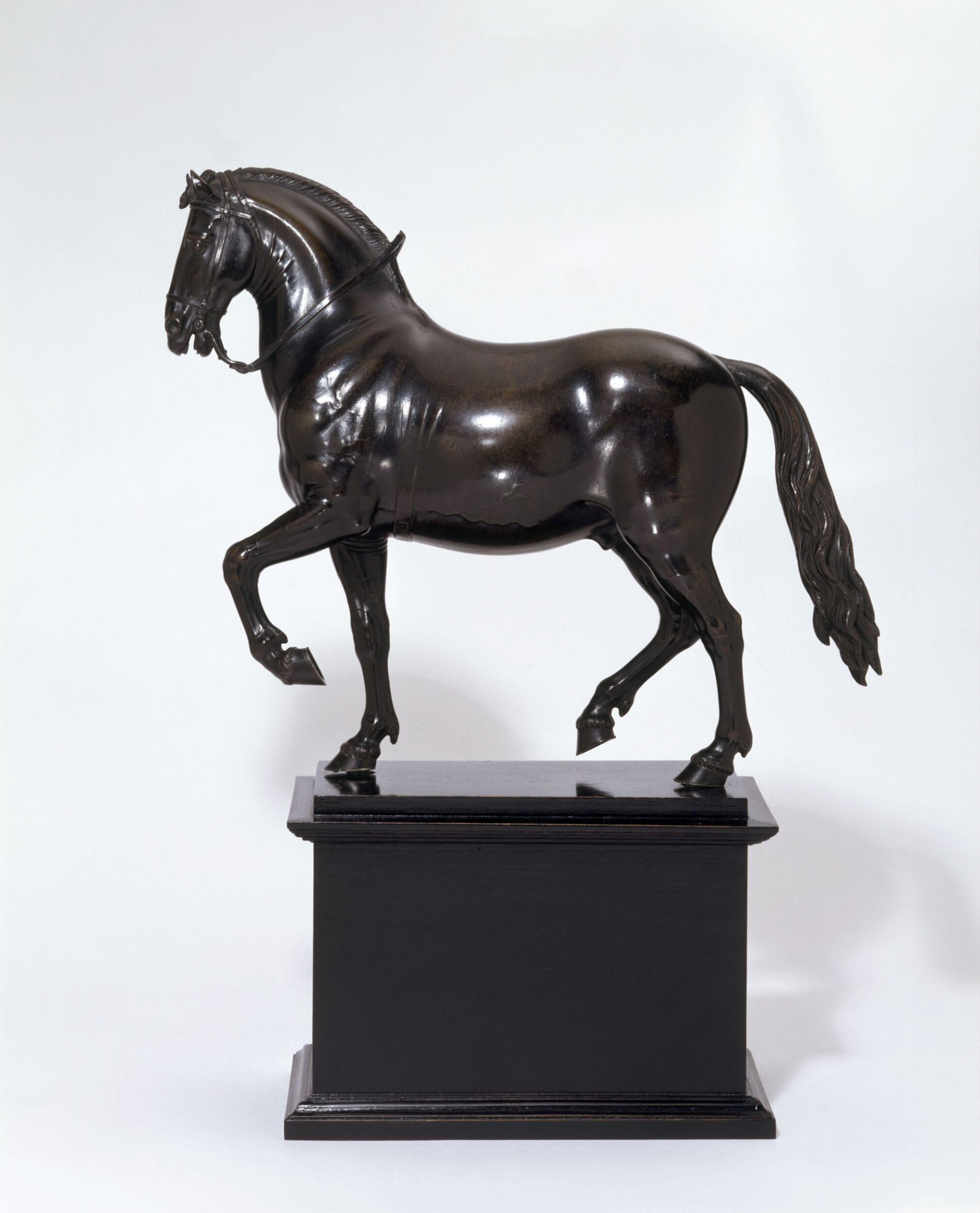
A Pacing Horse, Antonio Susini, ca. 1600

Antonio Susini

A Pacing Horse, ca. 1600

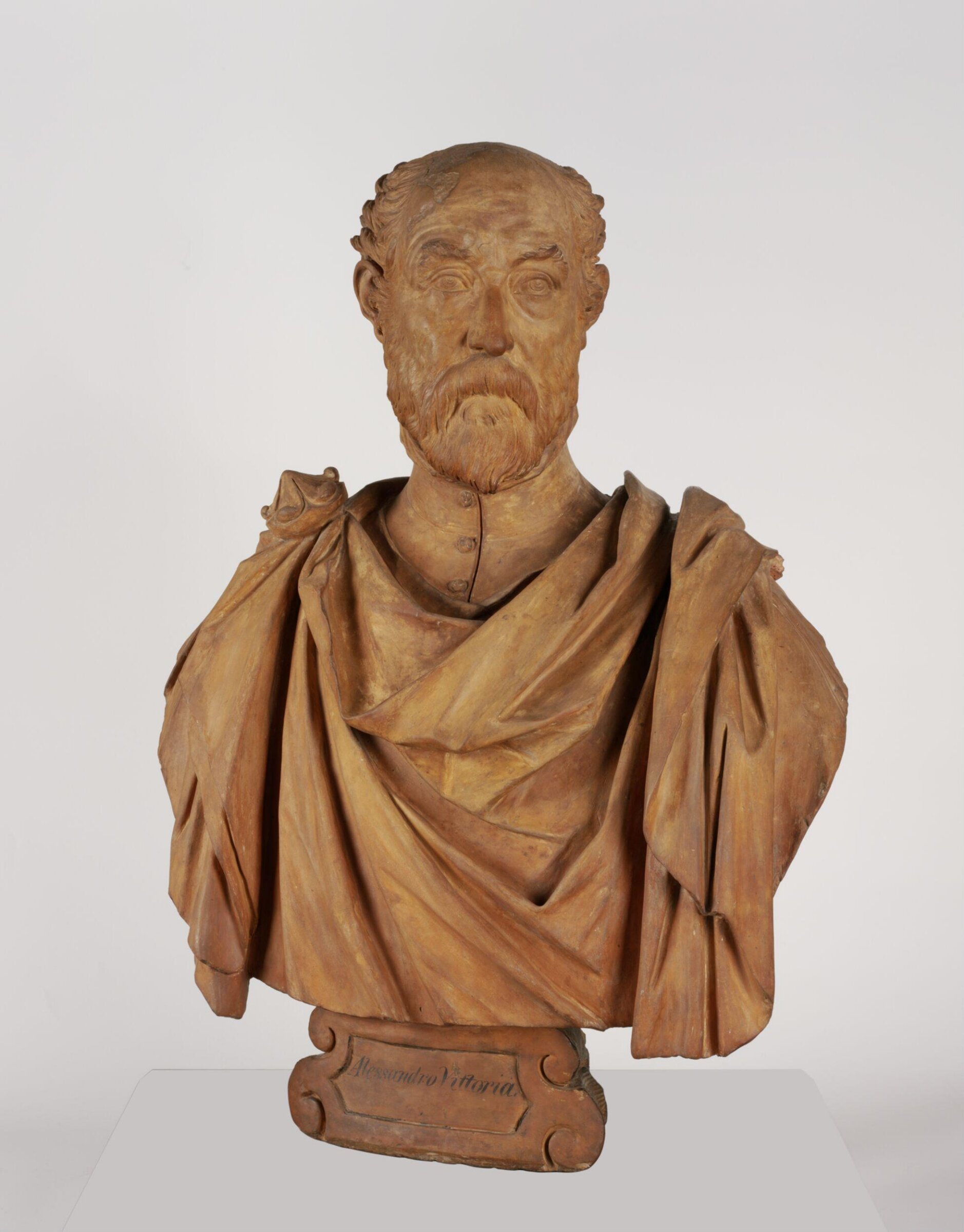
Self-portrait, Alessandro Vittoria, workshop of Alessandro Vittoria, ca. 1600

workshop of Alessandro Vittoria

Self-portrait, Alessandro Vittoria, ca. 1600

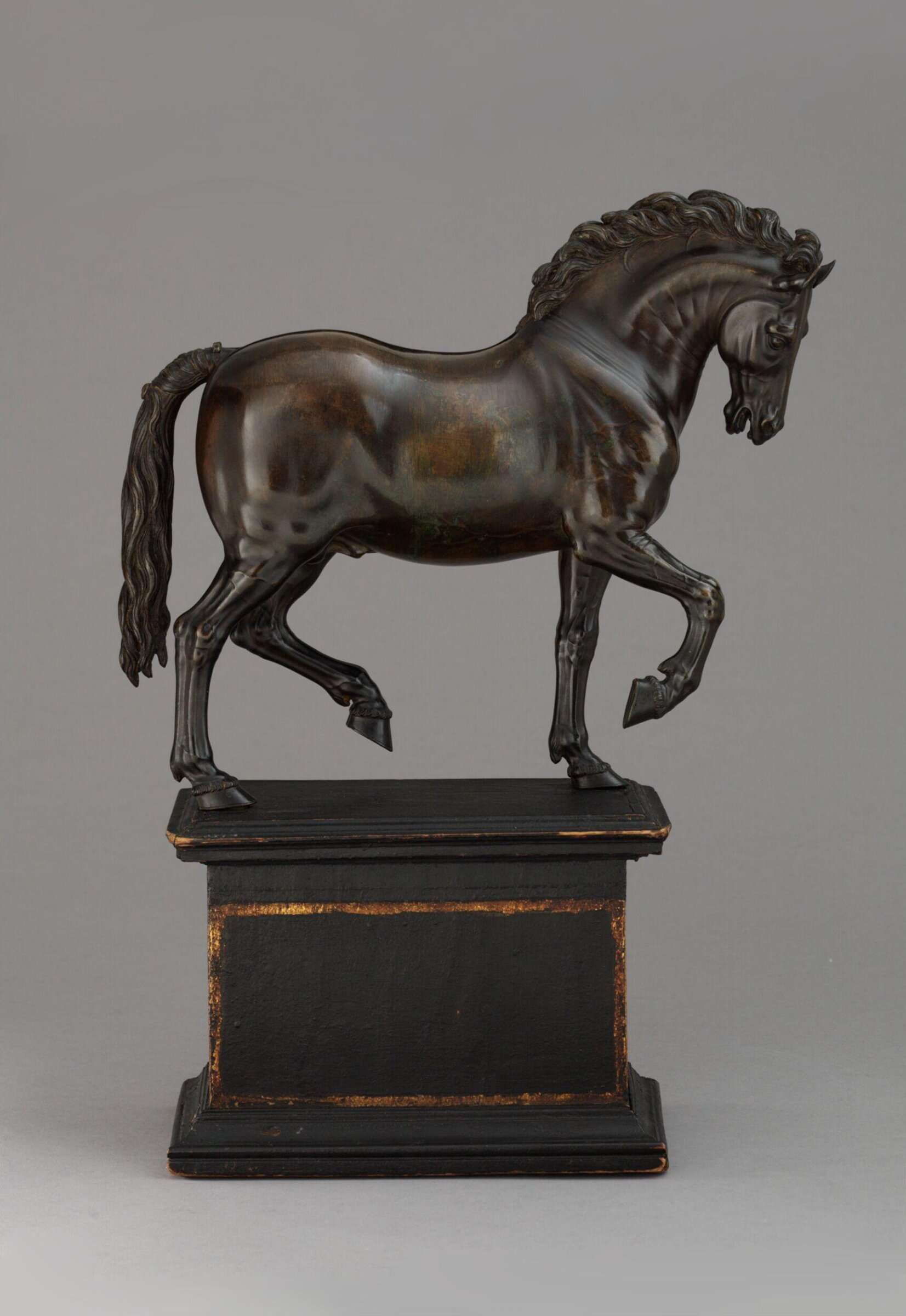
A Pacing horse, workshop of Giambologna, ca. 1595-1600

workshop of Giambologna

A Pacing horse, ca. 1595-1600

Seated boy playing the bagpipes, after Giambologna, 1590-1610

after Giambologna

Seated boy playing the bagpipes, 1590-1610

Bust of a member of the Navagero family, Alessandro Vittoria, ca. 1590-1600

Alessandro Vittoria

Bust of a member of the Navagero family, ca. 1590-1600

A Lady aged 29 in 1582, 1582

A Lady aged 29 in 1582, 1582

The Assumption of the Virgin, Domenico Theotokópoulos, called El Greco, 1577–79

Domenico Theotokópoulos, called El Greco

The Assumption of the Virgin, 1577–79

Art Institute of Chicago

The Annunciation, Alessandro Vittoria, c. 1583

Alessandro Vittoria

The Annunciation, c. 1583

Art Institute of Chicago

Saint Michael and the Devil, Spanish, 1475/1500

Spanish

Saint Michael and the Devil, 1475/1500

Art Institute of Chicago

Venus and Cupid, Alessandro Turchi, c. 1630

Alessandro Turchi

Venus and Cupid, c. 1630

Non exposée · Art Institute of Chicago

Mercury, Italian, 1575/1625

Italian

Mercury, 1575/1625

Non exposée · Art Institute of Chicago

Man of the Night, Germaine Richier, 1954

Germaine Richier

Man of the Night, 1954

Art Institute of Chicago

Putto with Papal Insignia, Roman, 1475/1500

Roman

Putto with Papal Insignia, 1475/1500

Art Institute of Chicago

Father Time, Italian, 1500/1600

Italian

Father Time, 1500/1600

Non exposée · Art Institute of Chicago

Ce qu’elle montre

WingsAngel

Au catalogue

SculptureBronzeRenaissanceXVIe siècleAugsburg