ART WIKI32 963 en salle
CarteCollectionArtistesMuséesExpositionsJournal
Connexion

ART WIKI

Où est accroché le chef-d’œuvre, et quand on vous laisse entrer.

Collections : Art Institute of Chicago, Cleveland Museum of Art, Galerie Tretiakov, Hirshhorn Museum and Sculpture Garden, J. Paul Getty Museum, Metropolitan Museum of Art, Minneapolis Institute of Art, Musée de l'Ermitage, Musée des Beaux-Arts Pouchkine, Musée du Louvre, musée national d'art asiatique, Musée russe, Musées d'Art de Harvard, Museum of Modern Art, National Gallery of Art, National Portrait Gallery, Rijksmuseum Amsterdam, Smithsonian American Art Museum, Statens Museum for Kunst, Victoria and Albert Museum, Villa Getty, Whitney Museum of American Art, Catalogue d’État du fonds muséal de Russie (274 musées), Europeana (19 musées), Wikidata (6 musées), Paris Musées (12 musées) et Joconde, la base des musées du ministère de la Culture (495 musées). Les images appartiennent à leurs ayants droit.

Rubriques

  • Carte
  • Recherche
  • Collection
  • Chefs-d’œuvre
  • Exposées en ce moment
  • Artistes

Et aussi

  • Musées et galeries
  • Expositions
  • Journal
  • D’où viennent les données
  • Confidentialité et cookies
AccueilCarteCatalogue
  1. Collection/
  2. Museum Kunstpalast/
  3. Kartoffelernte
Kartoffelernte, Max Liebermann, 1875
Max Liebermann, portraitMax LiebermannAllemagne, 1847–1935

Kartoffelernte

1875 · Painting

Peut-on la contempler ?

Inconnu

Museum Kunstpalast

Düsseldorf, Allemagne

Le propriétaire est connu ; on ignore si l’œuvre est exposée aujourd’hui.

Dans cet état depuis
27 sept. 2026
Source
Le musée
Sur la cartePage du musée

Notice

1875 · à 28 ans
18471935

Au catalogue

PeinturesPeinture allemandeRéalismeImpressionnismeXIXe siècle

Sources

  • Museum Kunstpalast
  • Image : Museum Kunstpalast — In Copyright

Pendant ce temps, chez Max Liebermann

La vie entière
  1. 1873

    Gussow, Makart and the decision to leave Germany

    When Liebermann set out to paint Weimar peasants in a beet field, Karl Gussow cynically advised him not to paint the picture at all, and he scraped the paint off the canvas. After only a couple of days with Hans Makart in Vienna, he decided to leave Germany, whose art scene seemed to him backward and dusty.

  2. December 1873

    Move to Paris: a studio in Montmartre

    In the art capital of the world Liebermann hoped to make contact with the leading realists and Impressionists, but the French painters refused to have anything to do with “the German”.

  3. 1874

    “The Goose Pluckers” at the Paris Salon

    The painting was accepted for the Salon, but the press, mainly for nationalist reasons, gave it negative reviews.

  4. summer 1874

    Summer in Barbizon: Millet, Corot, Daubigny

    In the forest of Fontainebleau Liebermann studied the methods of the Barbizon painters — Troyon, Daubigny, Corot and above all Millet — and turned away from Munkácsy's heavy manner. There he began “Potato Harvest in Barbizon”, which he completed only years later.

  5. 1875

    Zandvoort and Haarlem: copying Frans Hals

    Three months in Zandvoort and copying paintings by Frans Hals in Haarlem helped Liebermann search for his own style: Hals's vigorous brushwork influenced his later work as much as the French Impressionists did. In the autumn, back in Paris and in a larger studio, he painted his first picture of bathing fishermen's children, a subject he would return to more than once.

  6. summer 1876

    Amsterdam: Unger, Israëls and the Hague School

    In Amsterdam Liebermann met the etcher William Unger, who introduced him to Jozef Israëls and the Hague School. Professor August Allebé took him to the Portuguese Synagogue, which led the artist to reflect on his Jewish roots.

Autres œuvres : Max Liebermann

Toutes les œuvres
The Ropewalk in Edam, Max Liebermann, 1904

The Ropewalk in Edam

1904 · Metropolitan Museum of Art

Dutch Village Scene with Hanging Laundry, Max Liebermann, 1890

Dutch Village Scene with Hanging Laundry

1890 · Musées d'Art de Harvard

Self-Portrait, Max Liebermann

Self-Portrait

Non exposée · National Gallery of Art

Hyman Marzynski, Max Liebermann

Hyman Marzynski

Non exposée · National Gallery of Art

Cafe, Max Liebermann

Cafe

Non exposée · National Gallery of Art

Portrait of a Man, Max Liebermann

Portrait of a Man

Non exposée · National Gallery of Art

Karl Legien, Max Liebermann

Karl Legien

Non exposée · National Gallery of Art

Portrait, Max Liebermann

Portrait

Non exposée · National Gallery of Art

De la collection : Museum Kunstpalast

Page du musée
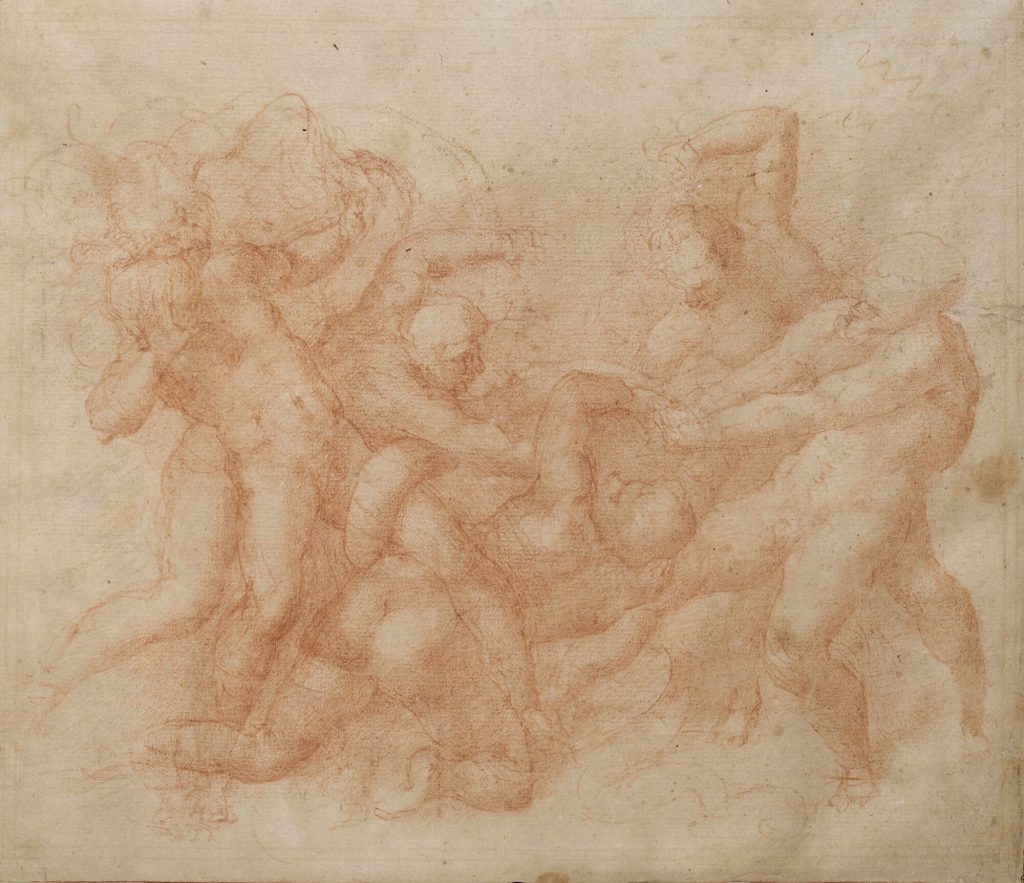
Männer im Kampf mit einer Schlange, Michelangelo, 1525–1535

Michelangelo

Männer im Kampf mit einer Schlange, 1525–1535

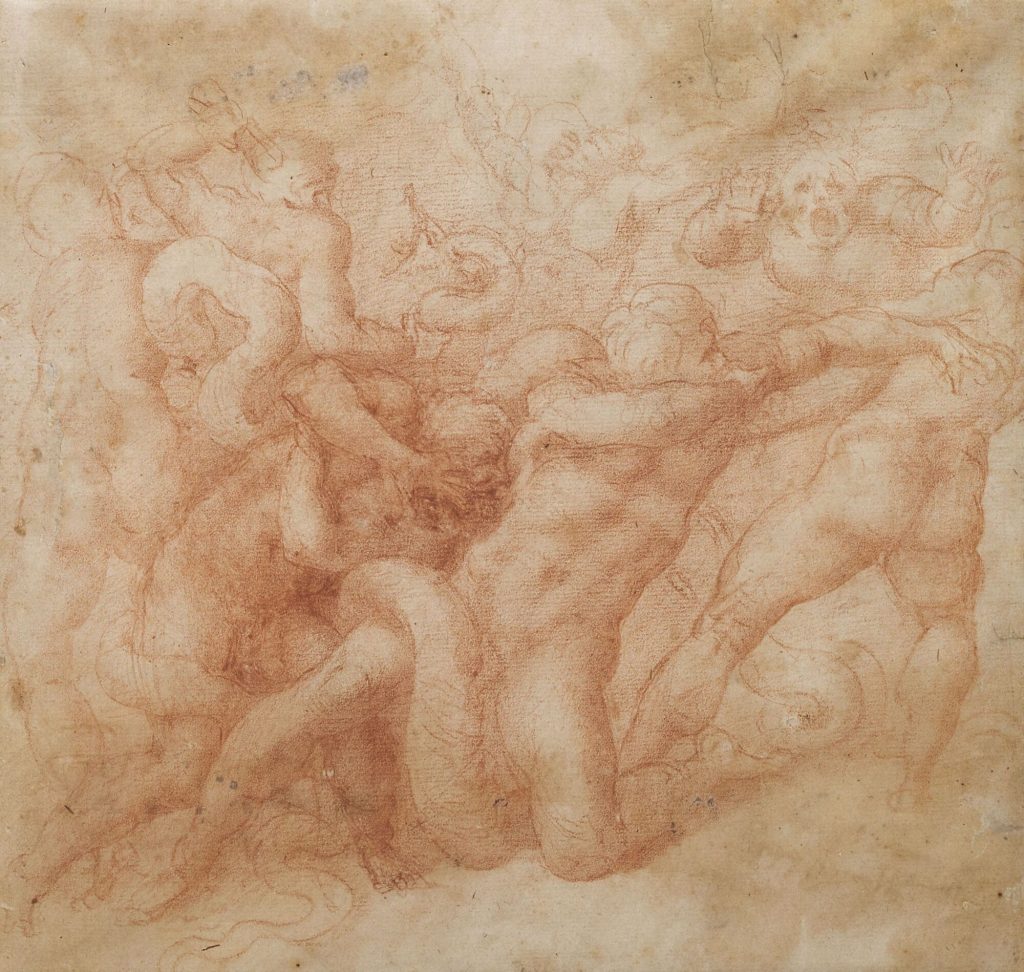
Die Eherne Schlange, Michelangelo, 1525–1535

Michelangelo

Die Eherne Schlange, 1525–1535

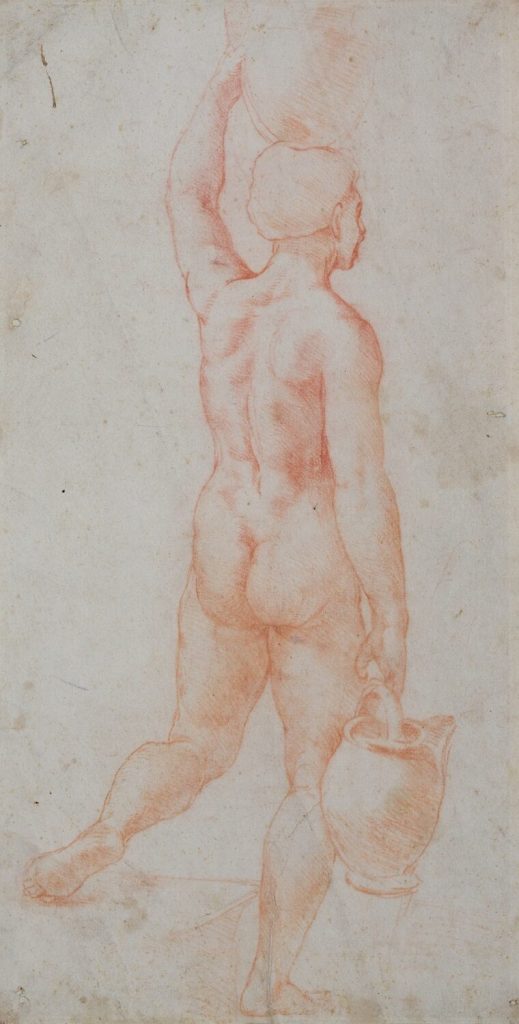
Wasserträgerin, Raphael

Raphael

Wasserträgerin

Acht sitzende Bischöfe, Raphael

Raphael

Acht sitzende Bischöfe

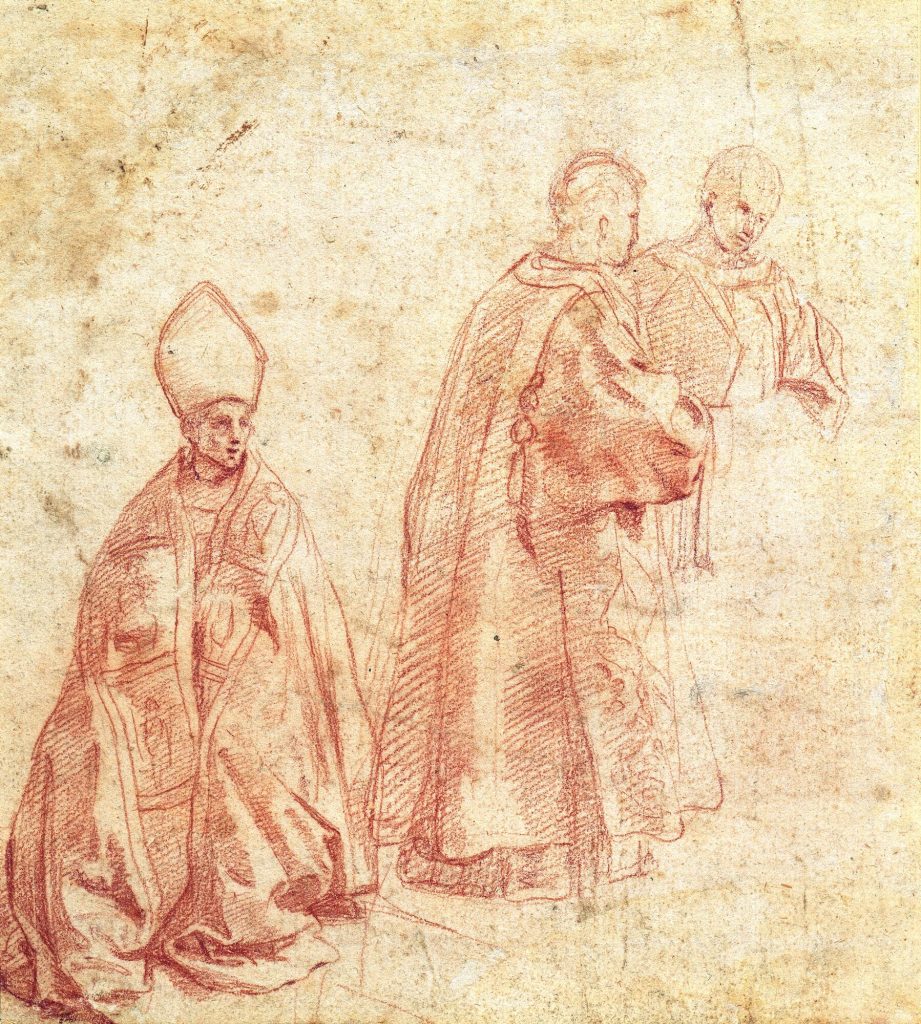
Studie eines knieenden Kardinalbischofs und zweier Kardinaldiakone, Raphael

Raphael

Studie eines knieenden Kardinalbischofs und zweier Kardinaldiakone

Dame im Morgengewande, Gustav Klimt, 1896

Gustav Klimt

Dame im Morgengewande, 1896

Liegende nackte Frau ("La Negresse Couché"), Rembrandt, 1658

Rembrandt van Rijn

Liegende nackte Frau ("La Negresse Couché"), 1658

Liegende nackte Frau ("La Negresse Couché"), Rembrandt, 1658

Rembrandt van Rijn

Liegende nackte Frau ("La Negresse Couché"), 1658