ART WIKI32 963 en salle
CarteCollectionArtistesMuséesExpositionsJournal
Connexion

ART WIKI

Où est accroché le chef-d’œuvre, et quand on vous laisse entrer.

Collections : Art Institute of Chicago, Cleveland Museum of Art, Galerie Tretiakov, Hirshhorn Museum and Sculpture Garden, J. Paul Getty Museum, Metropolitan Museum of Art, Minneapolis Institute of Art, Musée de l'Ermitage, Musée des Beaux-Arts Pouchkine, Musée du Louvre, musée national d'art asiatique, Musée russe, Musées d'Art de Harvard, Museum of Modern Art, National Gallery of Art, National Portrait Gallery, Rijksmuseum Amsterdam, Smithsonian American Art Museum, Statens Museum for Kunst, Victoria and Albert Museum, Villa Getty, Whitney Museum of American Art, Catalogue d’État du fonds muséal de Russie (274 musées), Europeana (19 musées), Wikidata (6 musées), Paris Musées (12 musées) et Joconde, la base des musées du ministère de la Culture (495 musées). Les images appartiennent à leurs ayants droit.

Rubriques

  • Carte
  • Recherche
  • Collection
  • Chefs-d’œuvre
  • Exposées en ce moment
  • Artistes

Et aussi

  • Musées et galeries
  • Expositions
  • Journal
  • D’où viennent les données
  • Confidentialité et cookies
AccueilCarteCatalogue
  1. Collection/
  2. Museum of Modern Art/
  3. Jiddu Krishnamurti
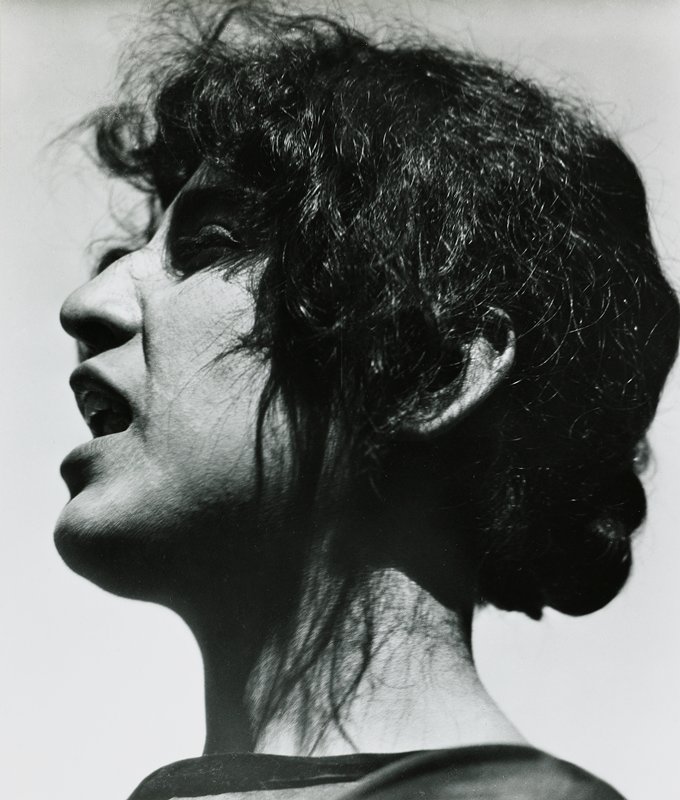
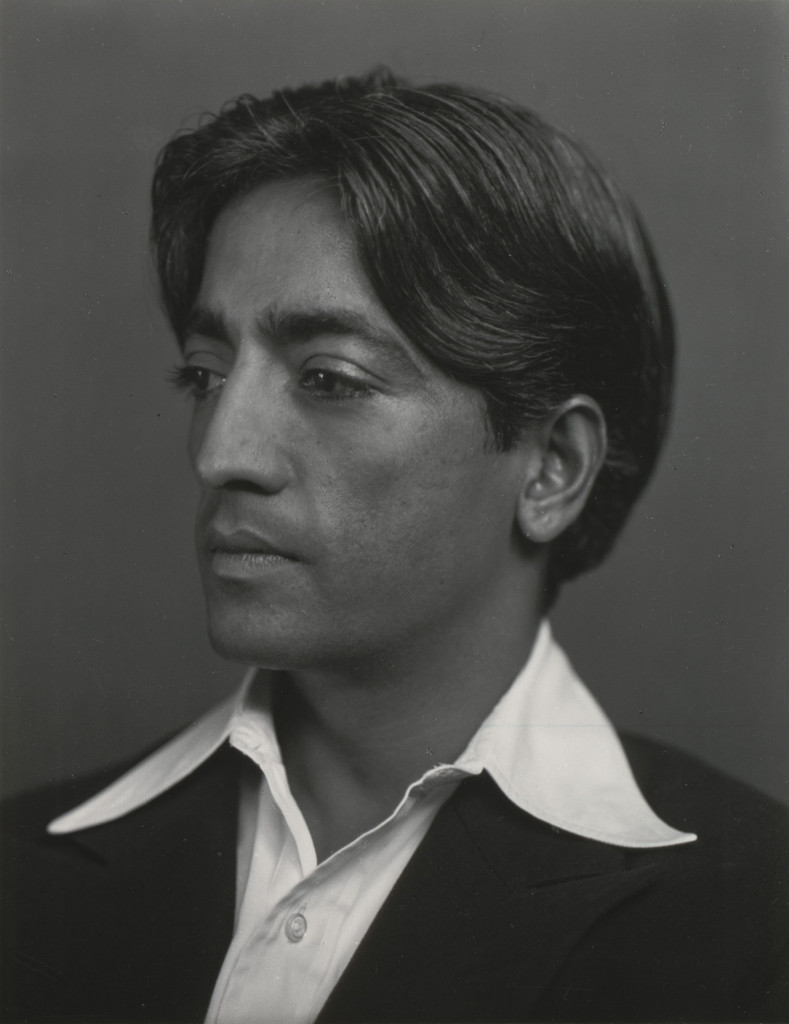
Jiddu Krishnamurti, Edward Weston, 1934
Edward Weston, portraitEdward WestonÉtats-Unis, 1886–1958

Jiddu Krishnamurti

1934 · Photograph

Peut-on la contempler ?

Elle ne reçoit pas en ce moment

Museum of Modern Art

New York, États-Unis

Elle appartient à la collection, mais n’est pas présentée en ce moment.

Vérifié
il y a 8 jours
Source
Le musée
Sur la cartePage du musée

Notice

1934 · à 48 ans
18861958
Numéro d’inventaire
96.1973

Au catalogue

PhotographiesTirage gélatino-argentiqueModernismeXXe siècle

Sources

  • Museum of Modern Art
  • Image : Museum of Modern Art — © the artist or rights holder

Pendant ce temps, chez Edward Weston

La vie entière
  1. 1932

    The first book on his work: “The Art of Edward Weston”

    The Art of Edward Weston, edited by Merle Armitage, is published, the first book devoted exclusively to Weston’s work; it is dedicated to Alice Rohrer, an admirer and patron whose $500 donation helped pay for its publication.

  2. November 1932

    The Group f/64 exhibition at the De Young Museum

    A small group of like-minded photographers in the San Francisco area, led by Van Dyke and Ansel Adams, inspired by Weston’s show at the De Young Museum the previous year, approach the museum with the idea of a group exhibition; calling themselves Group f/64, they open a show of 80 of their prints there in November 1932, and it is a critical success.

  3. 1933

    Buys a 4 × 5 Graflex camera

    The new camera is much smaller and lighter than the large view camera he had used for many years; he begins taking close-up nudes of Noskowiak and other models — the smaller camera lets him interact more with them — and the nudes begin to resemble the contorted roots and vegetables he had photographed the year before.

  4. early 1934

    Meets Charis Wilson at a concert

    Meeting Charis Wilson at a concert, he is immediately captivated by her beauty and personality, even more than with his previous lovers; a new and important chapter opens in his life. He writes that a new and most beautiful love has come into his life, one that he believes will stand the test of time.

  5. 1934

    Stops writing his Daybooks

    Perhaps because of the intensity of his new relationship, he stops writing in his Daybooks, and six months later makes one final entry, looking back from 22 April: Charis, he writes, may be remembered as the great love of his life.

  6. August 1935

    Charis Wilson agrees to live with him

    Weston had implored Charis Wilson to come and live with him, and in August 1935 she finally agrees. Of all the women he has lived with since Flora, she is the first with no interest in becoming a photographer; this lets him concentrate on her as his muse and model, while Wilson devotes her time to promoting his art as his assistant and quasi-agent.
Autres œuvres : Edward Weston

Toutes les œuvres
Shell, Edward Weston, 1927

Shell

1927 · Museum of Modern Art

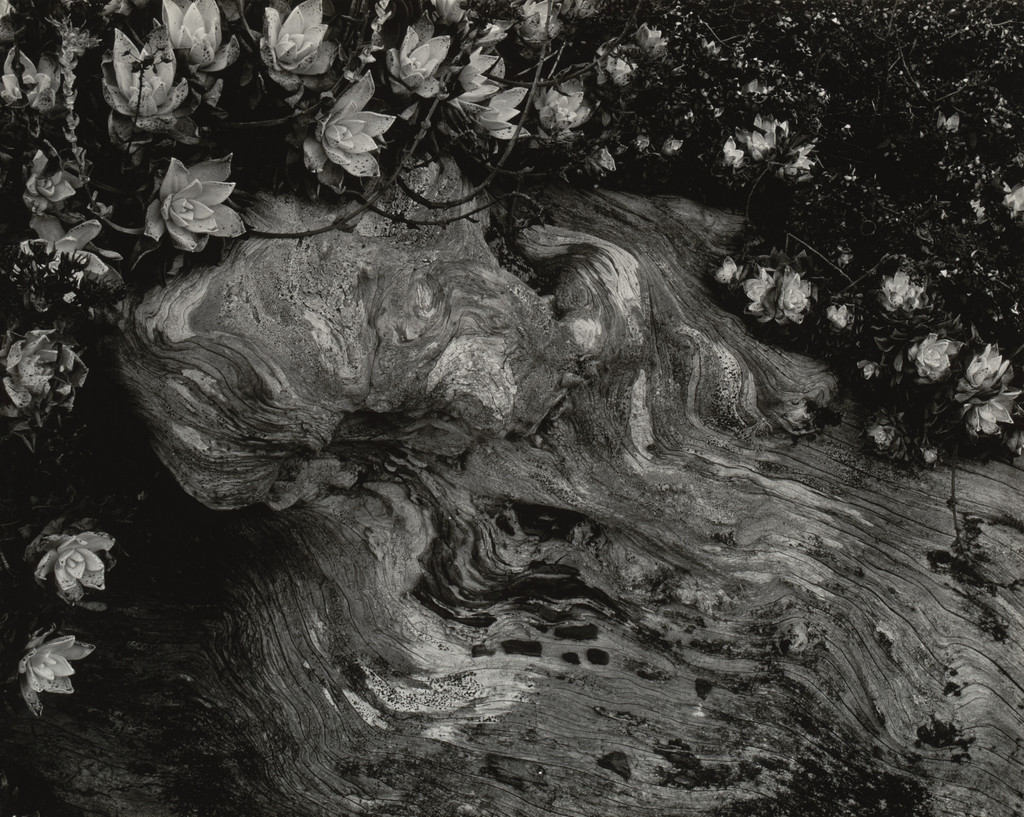
Cypress Root and Succulents, Point Lobos, Edward Weston, 1930

Cypress Root and Succulents, Point Lobos

1930 · Museum of Modern Art

Guadalupe, Mexico, Edward Weston, 1924

Guadalupe, Mexico

1924 · Minneapolis Institute of Art

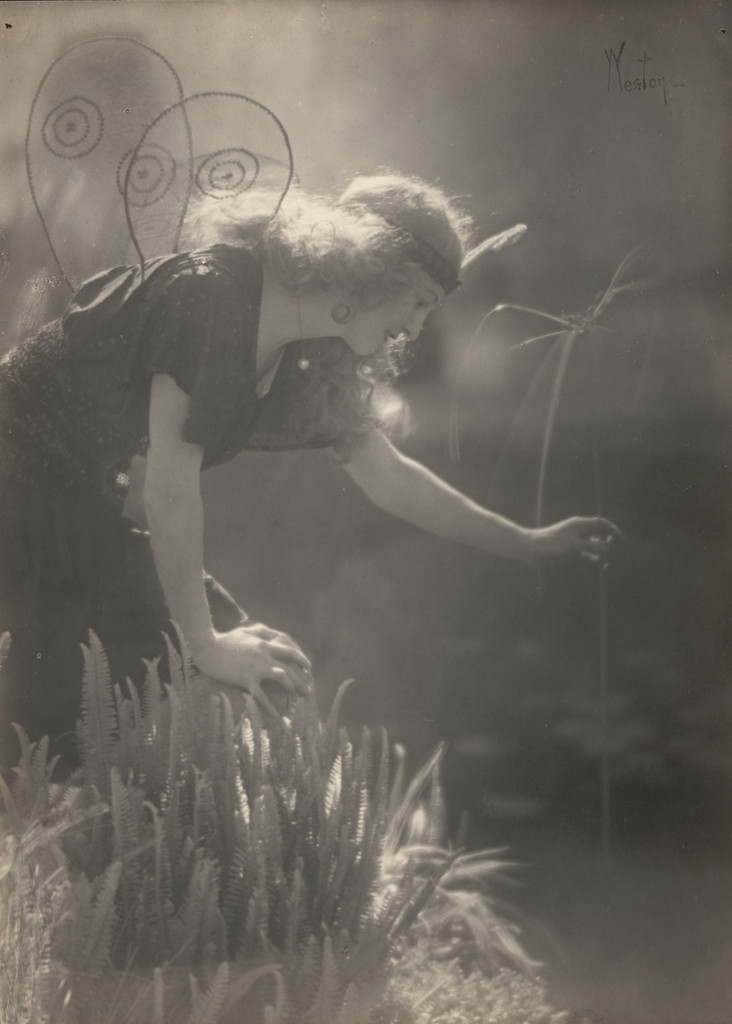
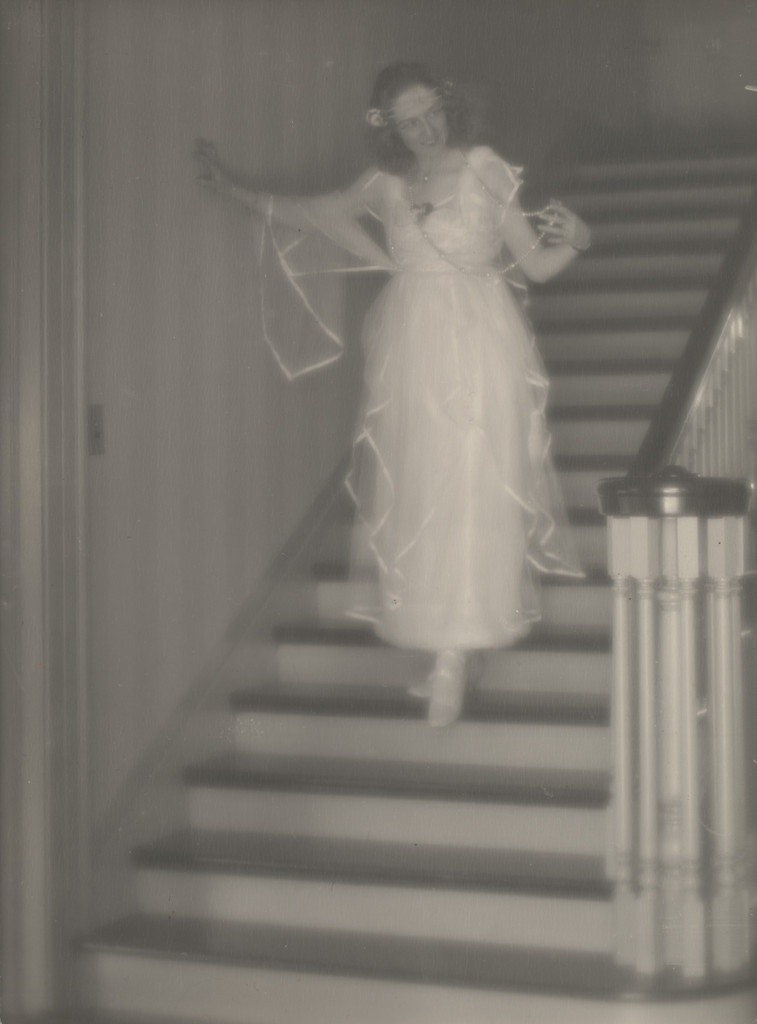
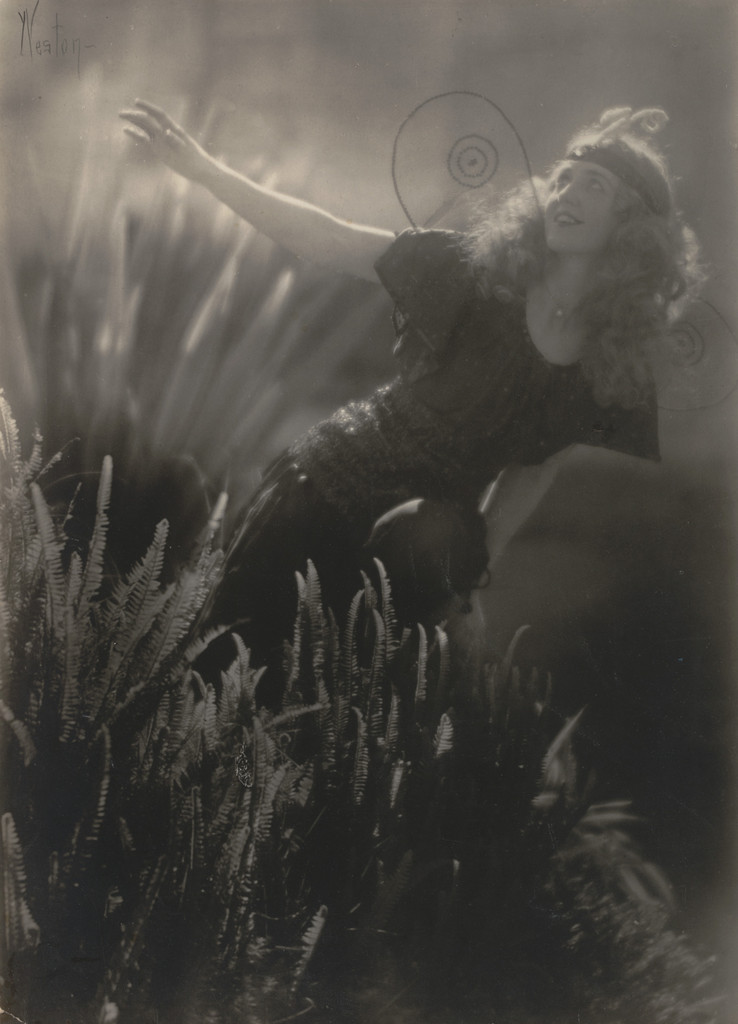
Violet Romer. (reaching for tall reed, wearing fairy costume), Edward Weston, c. 1917

Violet Romer. (reaching for tall reed, wearing fairy costume)

c. 1917 · Non exposée · Museum of Modern Art

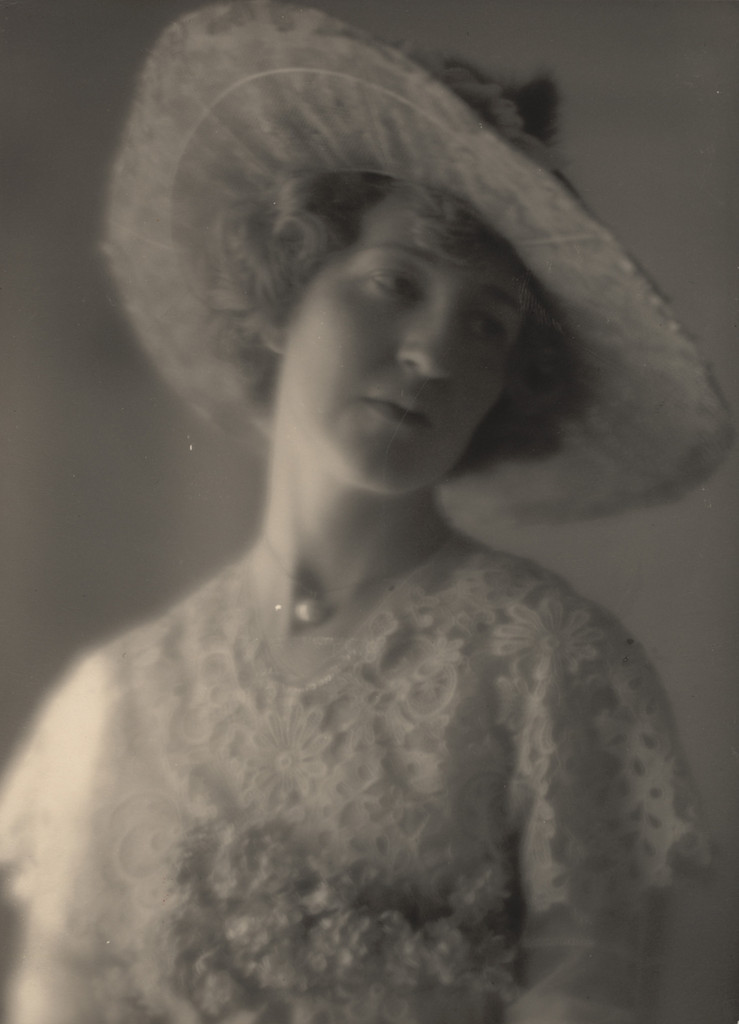
Violet Romer, Edward Weston, c. 1917

Violet Romer

c. 1917 · Non exposée · Museum of Modern Art

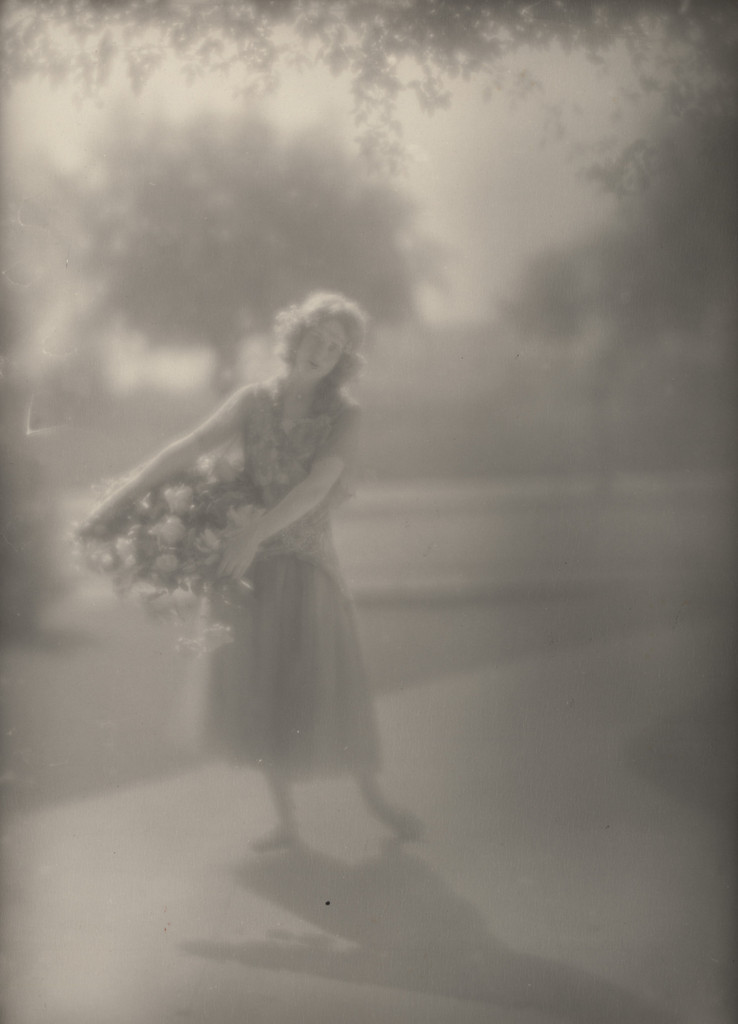
Violet Romer, Edward Weston, c. 1917

Violet Romer

c. 1917 · Non exposée · Museum of Modern Art

Violet Romer, Edward Weston, c. 1917

Violet Romer

c. 1917 · Non exposée · Museum of Modern Art

Violet Romer, Edward Weston, c. 1917

Violet Romer

c. 1917 · Non exposée · Museum of Modern Art

Sous le même toit : Museum of Modern Art

Page du musée
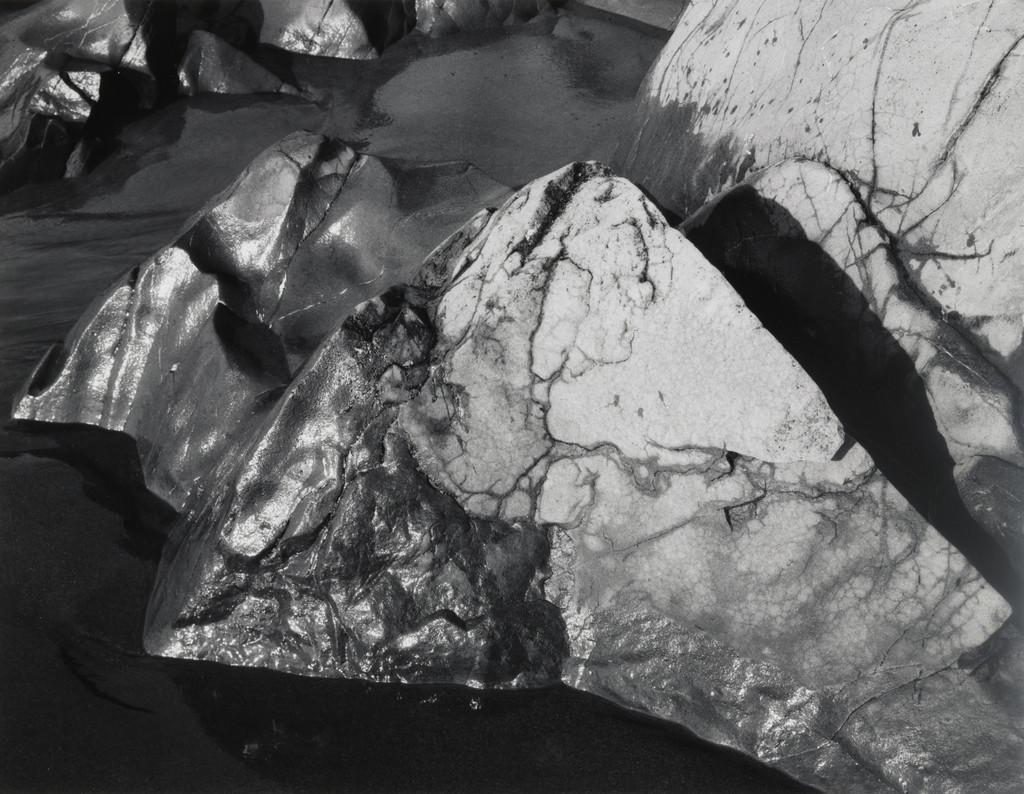
Rock, Bakers Beach, San Francisco, California, Ansel Adams, c. 1931

Ansel Adams

Rock, Bakers Beach, San Francisco, California, c. 1931

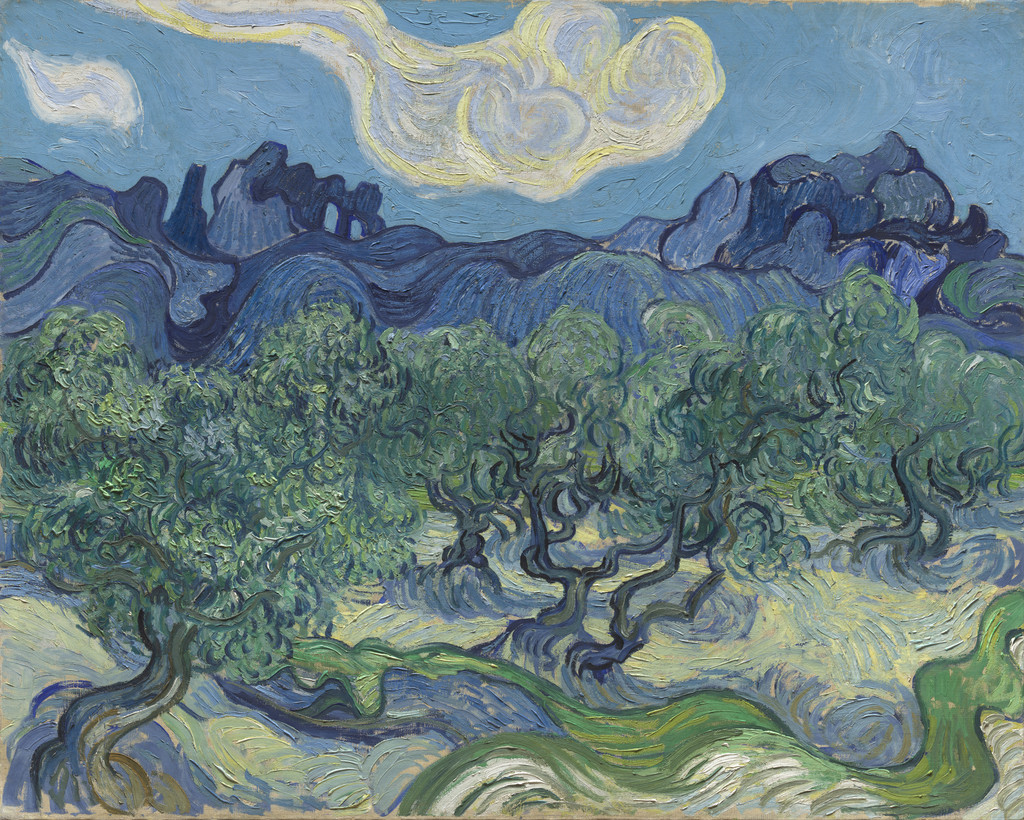
The Olive Trees, Vincent van Gogh, Saint Rémy, June-July 1889

Vincent van Gogh

The Olive Trees, Saint Rémy, June-July 1889

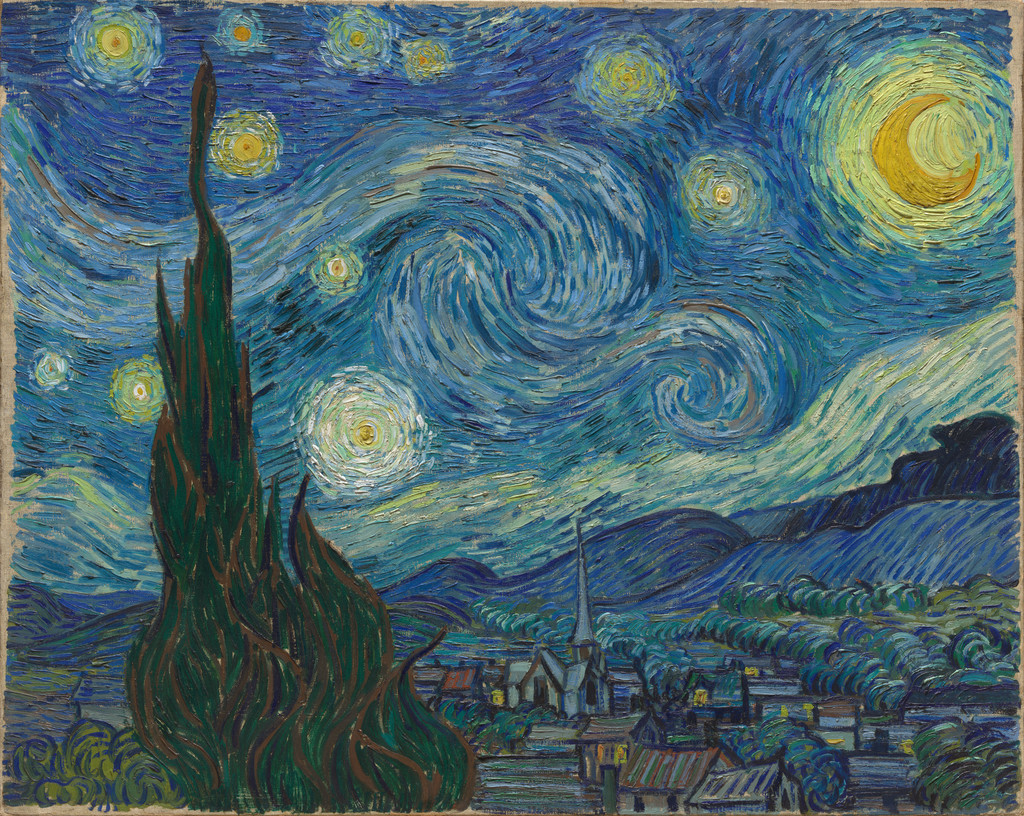
The Starry Night, Vincent van Gogh, Saint Rémy, June 1889

Vincent van Gogh

La Nuit étoilée, Saint Rémy, June 1889

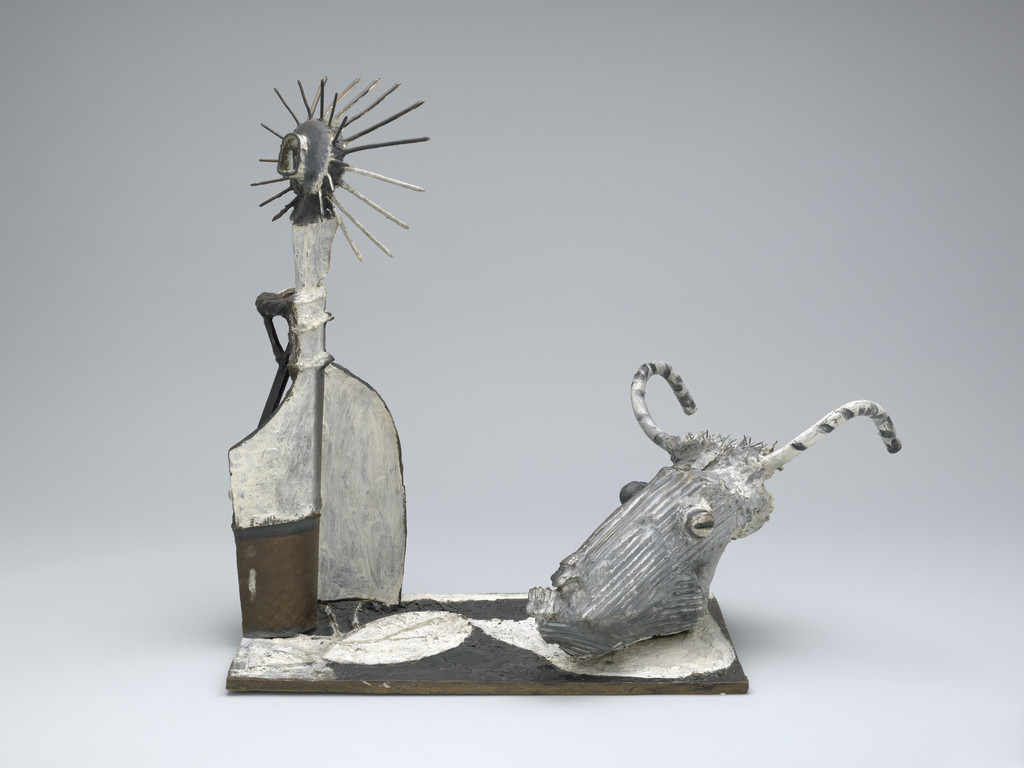
Goat Skull and Bottle, Pablo Picasso, Vallauris, 1951 (cast 1954)

Pablo Picasso

Goat Skull and Bottle, Vallauris, 1951 (cast 1954)

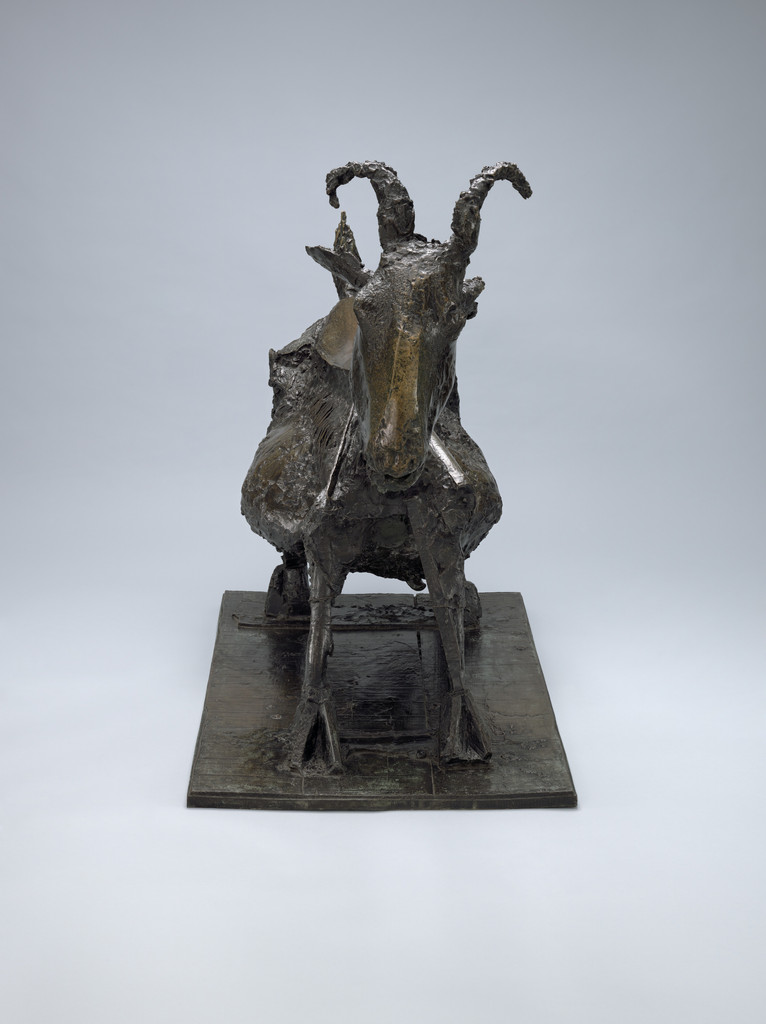
She-Goat, Pablo Picasso, Vallauris, 1950 (cast 1952)

Pablo Picasso

She-Goat, Vallauris, 1950 (cast 1952)

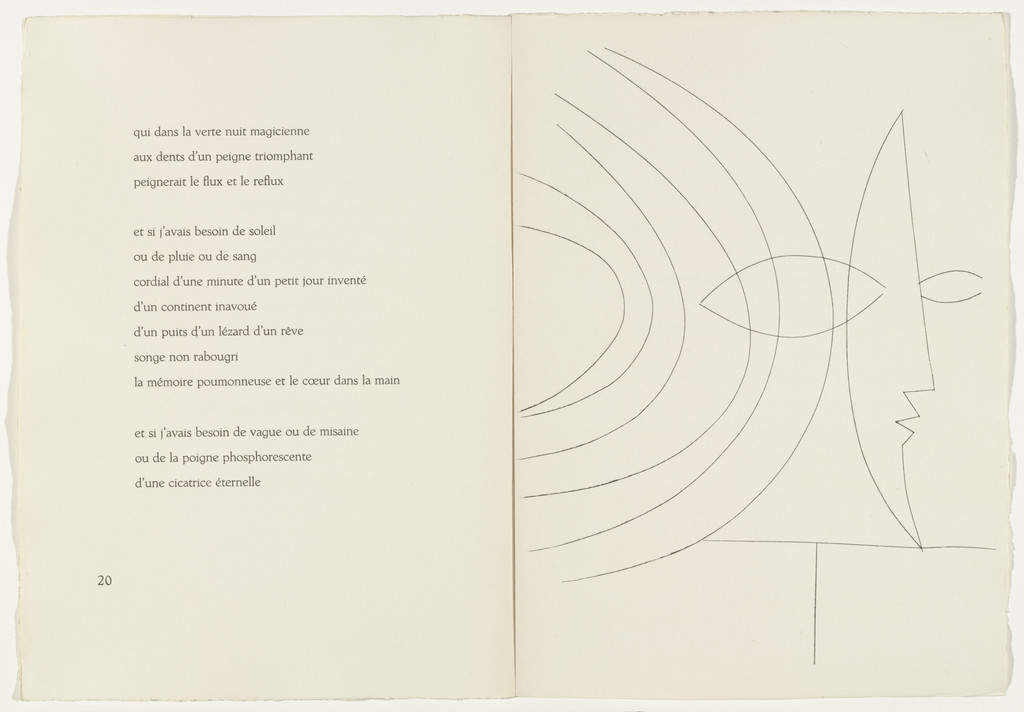
Face in Profile (plate, page 21) from Corps perdu, Pablo Picasso, 1949, published 1950

Pablo Picasso

Face in Profile (plate, page 21) from Corps perdu, 1949, published 1950

Coupling (plate, page 17) from Corps perdu, Pablo Picasso, 1949, published 1950

Pablo Picasso

Coupling (plate, page 17) from Corps perdu, 1949, published 1950

"Présence" (chapter title, page 13) from Corps perdu, Pablo Picasso, 1949, published 1950

Pablo Picasso

"Présence" (chapter title, page 13) from Corps perdu, 1949, published 1950