ART WIKI33 040 en salle
CarteCollectionArtistesMuséesExpositionsJournal
Connexion

ART WIKI

Où est accroché le chef-d’œuvre, et quand on vous laisse entrer.

Collections : Art Institute of Chicago, Cleveland Museum of Art, Galerie Tretiakov, Hirshhorn Museum and Sculpture Garden, J. Paul Getty Museum, Metropolitan Museum of Art, Minneapolis Institute of Art, Musée de l'Ermitage, Musée des Beaux-Arts Pouchkine, Musée du Louvre, musée national d'art asiatique, Musée russe, Musées d'Art de Harvard, Museum of Modern Art, National Gallery of Art, National Portrait Gallery, Rijksmuseum Amsterdam, Smithsonian American Art Museum, Statens Museum for Kunst, Victoria and Albert Museum, Villa Getty, Whitney Museum of American Art, Catalogue d’État du fonds muséal de Russie (274 musées), Europeana (19 musées), Wikidata (6 musées), Paris Musées (12 musées) et Joconde, la base des musées du ministère de la Culture (495 musées). Les images appartiennent à leurs ayants droit.
Rubriques

  • Carte
  • Recherche
  • Collection
  • Chefs-d’œuvre
  • Exposées en ce moment
  • Artistes

Et aussi

  • Musées et galeries
  • Expositions
  • Journal
  • D’où viennent les données
  • Confidentialité et cookies
AccueilCarteCatalogue
  1. Collection/
  2. Metropolitan Museum of Art/
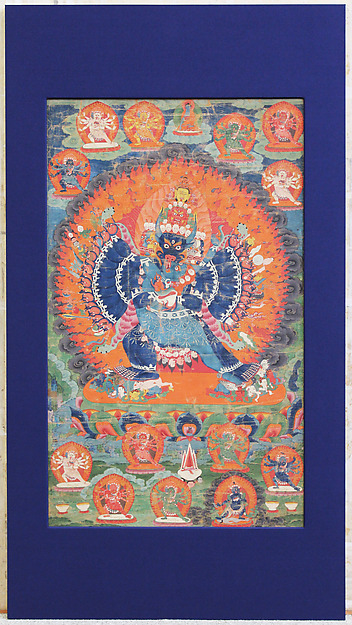
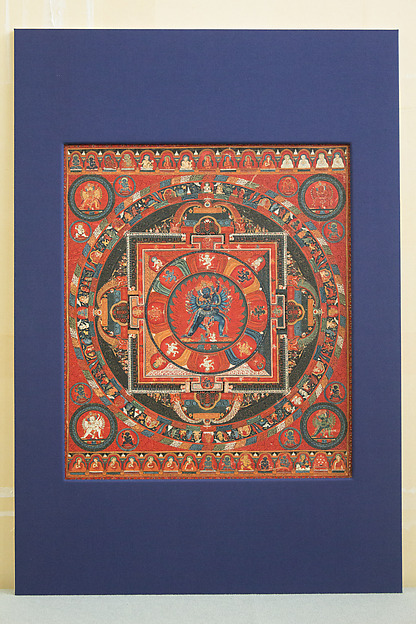
  3. Hevajra Mandala
Hevajra Mandala, Sakya School, 16th century
SSakya School

Hevajra Mandala

16th century · Painting

Notice

Numéro d’inventaire
1982.225

Dans la même salle · Gallery 253, Metropolitan Museum of Art

Page du musée

Sur le même thème · Buddhism

Toutes les œuvres sur ce thème

Peut-on la contempler ?

Oui, elle reçoit

Metropolitan Museum of Art

New York, États-Unis

Salle253

Présentée au public. Qui s’en porte garant est indiqué ci-dessous.

Vérifié
il y a 9 jours
Dans cet état depuis
26 sept. 2026
Source
Le musée
Sur la cartePage du musée

Ce qu’elle montre

BuddhismDeities

Au catalogue

PeinturesEncreRenaissanceXVIe siècleTibet

Sources

  • Metropolitan Museum of Art
  • Image : Metropolitan Museum of Art — Open Access (CC0)
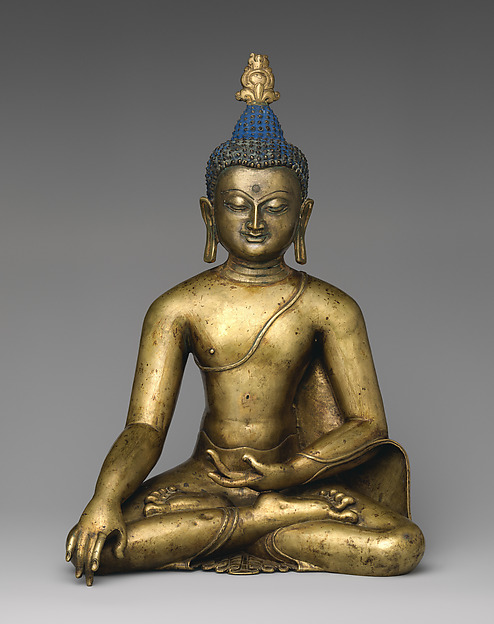
Buddha Shakyamuni, 12th century

Buddha Shakyamuni, 12th century

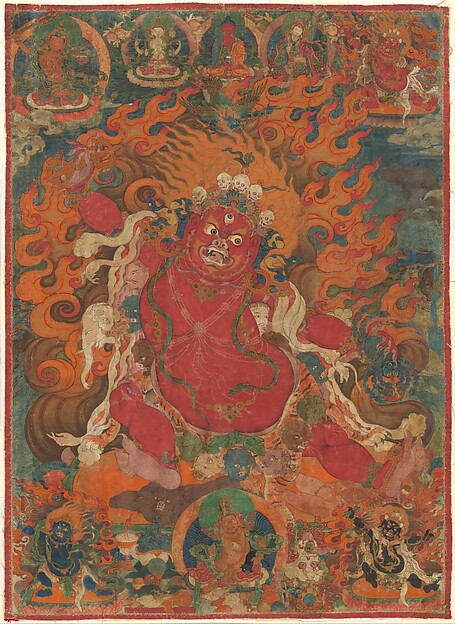
Guru Dragpo, Padmasambhava’s Fierce Emanation, 18th century

Guru Dragpo, Padmasambhava’s Fierce Emanation, 18th century

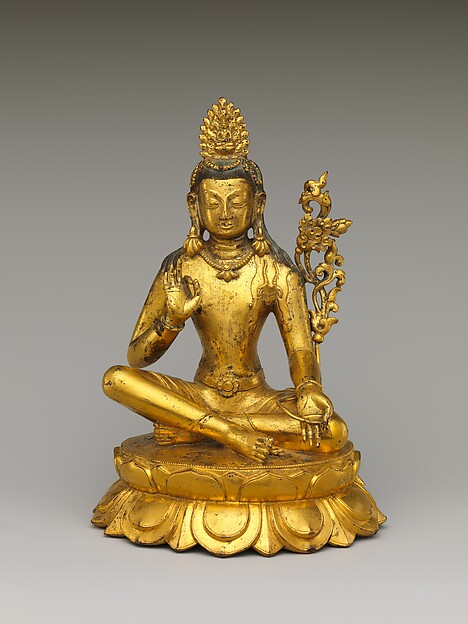
Seated Avalokiteshvara, the Buddha of Infinite Compassion, 17th century

Seated Avalokiteshvara, the Buddha of Infinite Compassion, 17th century

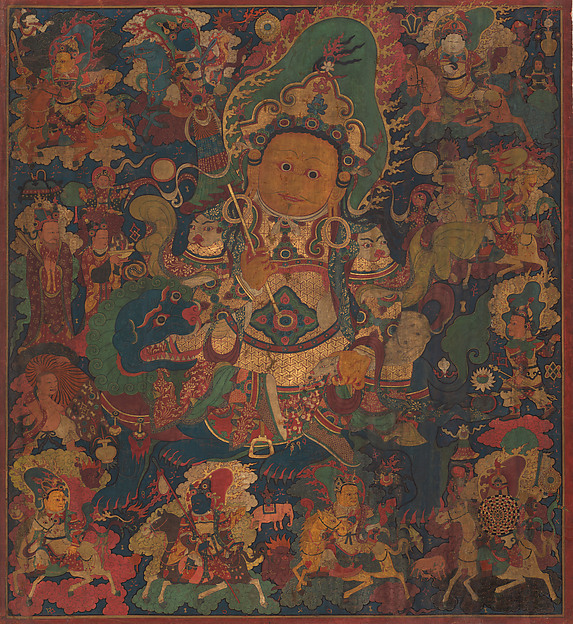
Vaishravana, the Guardian of Buddhism and Protector of Riches, 15th century

Vaishravana, the Guardian of Buddhism and Protector of Riches, 15th century

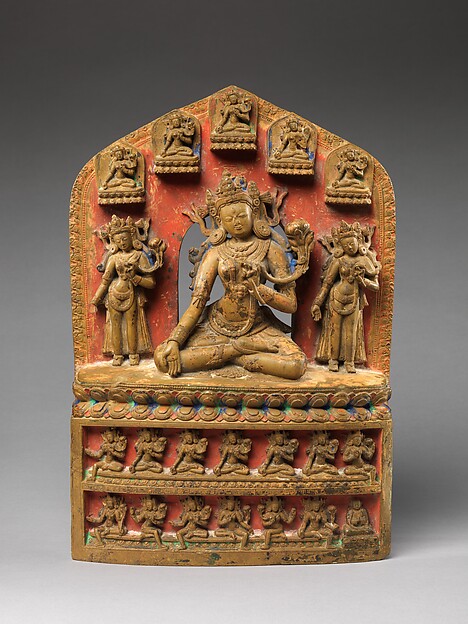
Twenty-One Emanations of the Goddess Tara, 14th century

Twenty-One Emanations of the Goddess Tara, 14th century

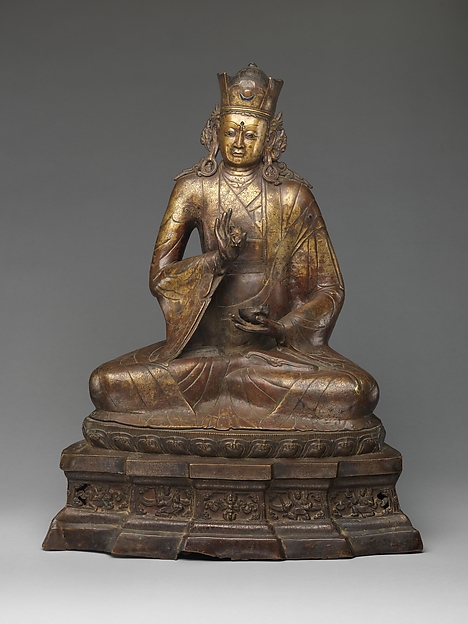
The Spiritual Master Padmasambhava, 14th century

The Spiritual Master Padmasambhava, 14th century

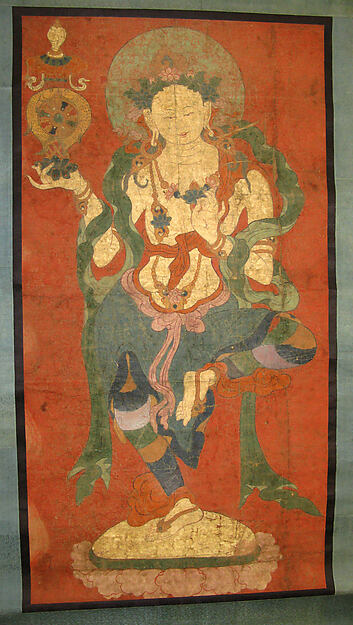
Buddhist Attendant, late 18th century

Buddhist Attendant, late 18th century

Vajrabhairava with His Consort Vajravetali, 18th century

Vajrabhairava with His Consort Vajravetali, 18th century

Buddha of Medicine Bhaishajyaguru (Yaoshi fo), ca. 1319

Bhaisajyaguru : bouddha, maître des remèdes, ca. 1319

Metropolitan Museum of Art

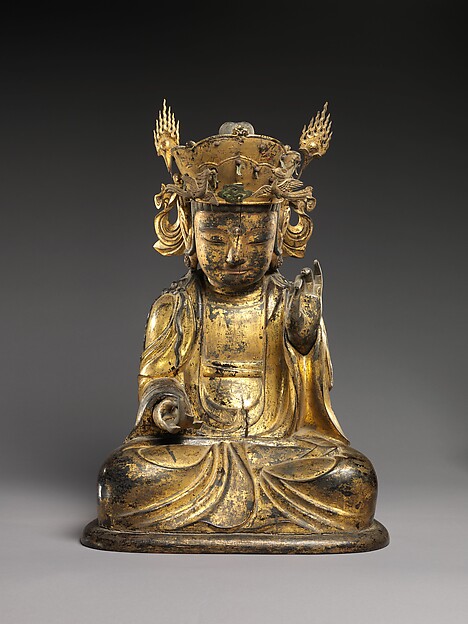
Seated bodhisattva (left attendant of a triad), ca. mid-17th century

Seated bodhisattva (left attendant of a triad), ca. mid-17th century

Metropolitan Museum of Art

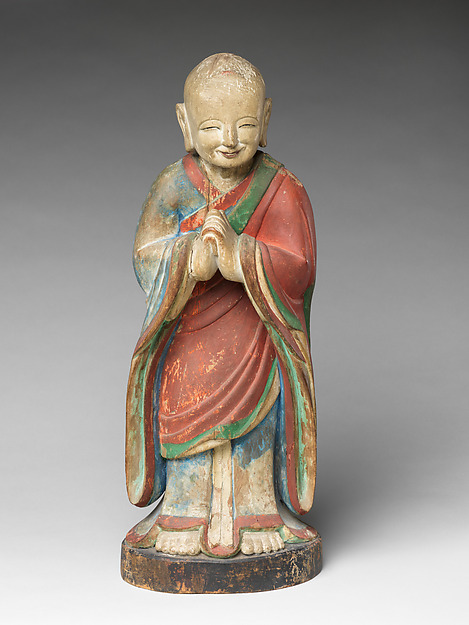
Kashyapa, dated 1700

Kashyapa, dated 1700

Metropolitan Museum of Art

Buddha Shakyamuni, 12th century

Buddha Shakyamuni, 12th century

Metropolitan Museum of Art

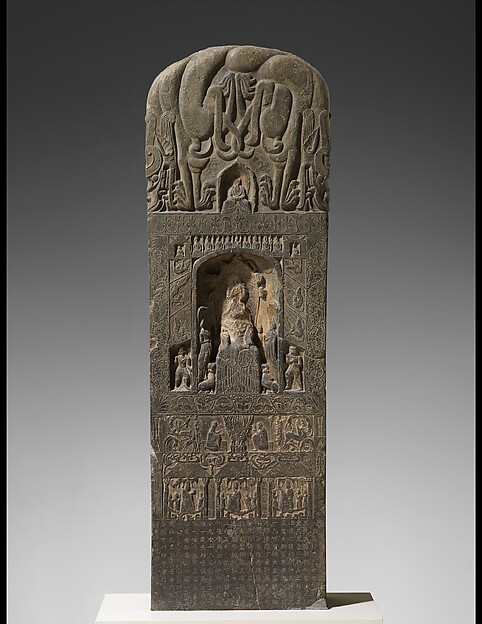
Stele commissioned by members of a devotional society, dated 528

Stele commissioned by members of a devotional society, dated 528

Metropolitan Museum of Art

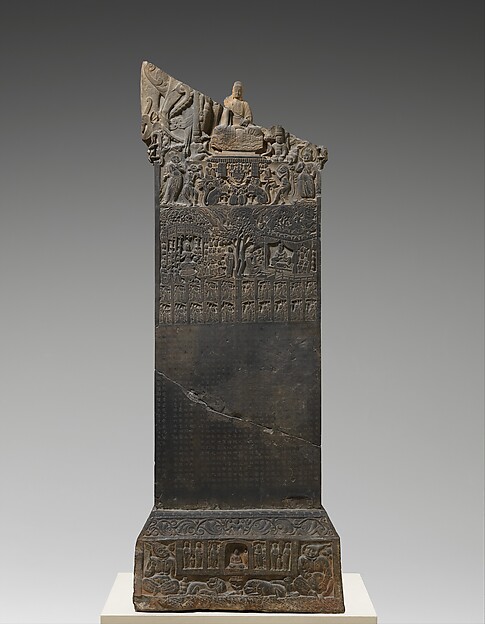
Stele Commissioned by Helian Ziyue (赫蓮子悅) and a Devotional Society of Five Hundred Individuals, dated 533–43

Stele Commissioned by Helian Ziyue (赫蓮子悅) and a Devotional Society of Five Hundred Individuals, dated 533–43

Metropolitan Museum of Art

Legends of the Yūzū Nembutsu Sect, Artist unknown, Kamakura period (1185–1333), 14th century

Artist unknown

Legends of the Yūzū Nembutsu Sect, Kamakura period (1185–1333), 14th century

Non exposée · Art Institute of Chicago

Seated Bodhisattva, Japan, 8th century

Japan

Seated Bodhisattva, 8th century

Art Institute of Chicago