ART WIKI32 963 en salle
CarteCollectionArtistesMuséesExpositionsJournal
Connexion

ART WIKI

Où est accroché le chef-d’œuvre, et quand on vous laisse entrer.

Collections : Art Institute of Chicago, Cleveland Museum of Art, Galerie Tretiakov, Hirshhorn Museum and Sculpture Garden, J. Paul Getty Museum, Metropolitan Museum of Art, Minneapolis Institute of Art, Musée de l'Ermitage, Musée des Beaux-Arts Pouchkine, Musée du Louvre, musée national d'art asiatique, Musée russe, Musées d'Art de Harvard, Museum of Modern Art, National Gallery of Art, National Portrait Gallery, Rijksmuseum Amsterdam, Smithsonian American Art Museum, Statens Museum for Kunst, Victoria and Albert Museum, Villa Getty, Whitney Museum of American Art, Catalogue d’État du fonds muséal de Russie (274 musées), Europeana (19 musées), Wikidata (6 musées), Paris Musées (12 musées) et Joconde, la base des musées du ministère de la Culture (495 musées). Les images appartiennent à leurs ayants droit.

Rubriques

  • Carte
  • Recherche
  • Collection
  • Chefs-d’œuvre
  • Exposées en ce moment
  • Artistes

Et aussi

  • Musées et galeries
  • Expositions
  • Journal
  • D’où viennent les données
  • Confidentialité et cookies
AccueilCarteCatalogue
  1. Collection/
  2. Cleveland Museum of Art/
  3. Hercules and Telephos
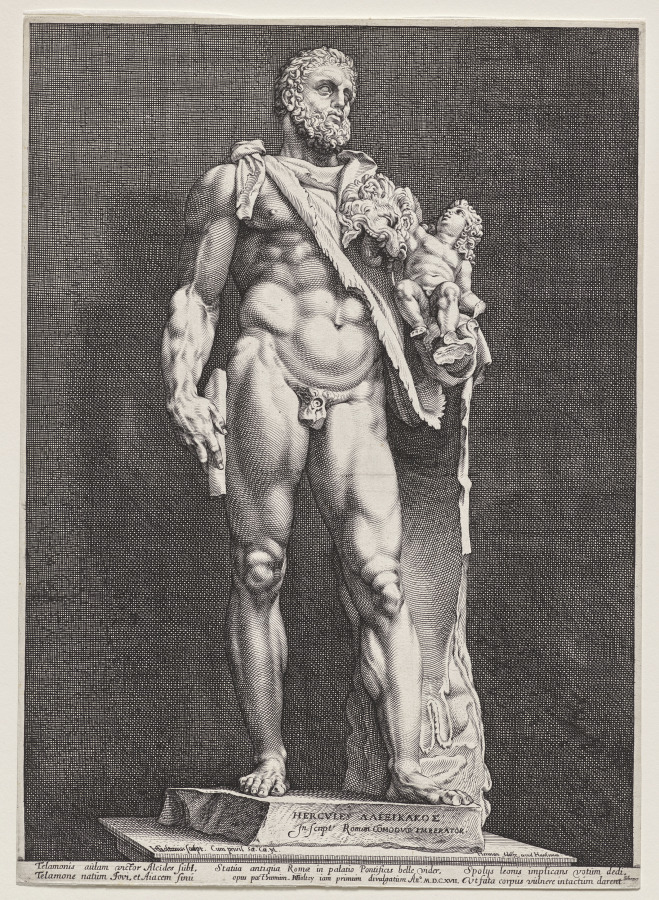
Hercules and Telephos, Hendrick Goltzius, 1592

Hercules and Telephos

1592 · Print

À propos de l’œuvre

Hendrick Goltzius was one of many late Renaissance artists who felt compelled to travel to Italy as part of his artistic training. He went with one purpose—to study antique sculpture. Goltzius made drawings on-site and then made engravings after his designs once he returned to Haarlem in 1591. He portrayed the Hercules Telephos from a low viewpoint to capture the awesome experience of first encountering the famous monument. It stands within a shadowed niche, which Goltzius filled with thousands of crossed engraved lines to create a dramatic recess that pushes the sculpture into the light. The engraving shows to excellent advantage the virtuosic technique that Goltzius developed, in which the swelling and tapering line exaggerates the heroic musculature of the figure.

Cleveland Museum of Art

Notice

1592 · à 34 ans
15581617
Numéro d’inventaire
2022.138

Pendant ce temps, chez Hendrick Goltzius

La vie entière
  1. 1590

    Departure for Italy

    He fled from his wife and, despite his illnesses, set out for Italy — via Hamburg and Munich to Venice, Bologna and Florence. Part of the way he traveled on foot, passing himself off as a commoner, "partly out of a love of mystification."

  2. January 1591

    Eight months in Rome

    He arrived in Rome in January 1591 and stayed eight months (with a brief sojourn in Naples). He discovered Raphael, was especially impressed by Michelangelo and Giambologna, and studied art from classical sculpture to the masters of the Renaissance.

  3. August 1591

    Return to Haarlem with a collection of drawings

    He returned to Haarlem, bringing from Italy a large collection of drawings that he used for the rest of his life; from the Roman material three engravings of classical statues are known, including the Farnese Hercules.

Autres œuvres : Hendrick Goltzius

Toutes les œuvres

Dans la même salle · 101A Prints & Drawings, Cleveland Museum of Art

Page du musée
Hendrick Goltzius, portraitHendrick GoltziusPays-Bas, 1558–1617

Peut-on la contempler ?

Oui, elle reçoit

Cleveland Museum of Art

Cleveland, États-Unis

Salle101A Prints & Drawings

Présentée au public. Qui s’en porte garant est indiqué ci-dessous.

Vérifié
il y a 3 jours
Dans cet état depuis
19 août 2026
Source
Le musée
Sur la cartePage du musée

Au catalogue

EstampesGravure au burinRenaissanceXVIe siècleNetherlands, 16th century

Sources

  • Cleveland Museum of Art
  • Image : Cleveland Museum of Art — Museum open access
Lot and his Daughters, Hendrick Goltzius, 1616

Lot and his Daughters

1616 · Rijksmuseum Amsterdam

Fall of Man, Hendrick Goltzius, 1608

Fall of Man

1608 · Musée de l'Ermitage

Baptism, Hendrick Goltzius, 1608

Baptism

1608 · Musée de l'Ermitage

Dying Adonis, Hendrick Goltzius, 1609

Dying Adonis

1609 · Rijksmuseum Amsterdam

Vertumnus and Pomona, Hendrick Goltzius, 1613

Vertumnus and Pomona

1613 · Rijksmuseum Amsterdam

The Fall of Man, Hendrick Goltzius, 1616

The Fall of Man

1616 · National Gallery of Art

Apollo, Hendrick Goltzius, 1588

Apollo

1588 · Cleveland Museum of Art

Apollo Belvedere, Hendrick Goltzius, 1592

Apollo Belvedere

1592 · Cleveland Museum of Art

Mars, Venus, and Eros, Marcantonio Raimondi possibly after Andrea Mantegna, 1508

Andrea Mantegna

Mars, Venus, and Eros, 1508

Christ Carried to the Tomb, Claude Mellan, 1678

Mellan, Claude

Christ Carried to the Tomb, 1678

Louis XIV, Robert Nanteuil, 1664

Robert Nanteuil

Louis XIV, 1664

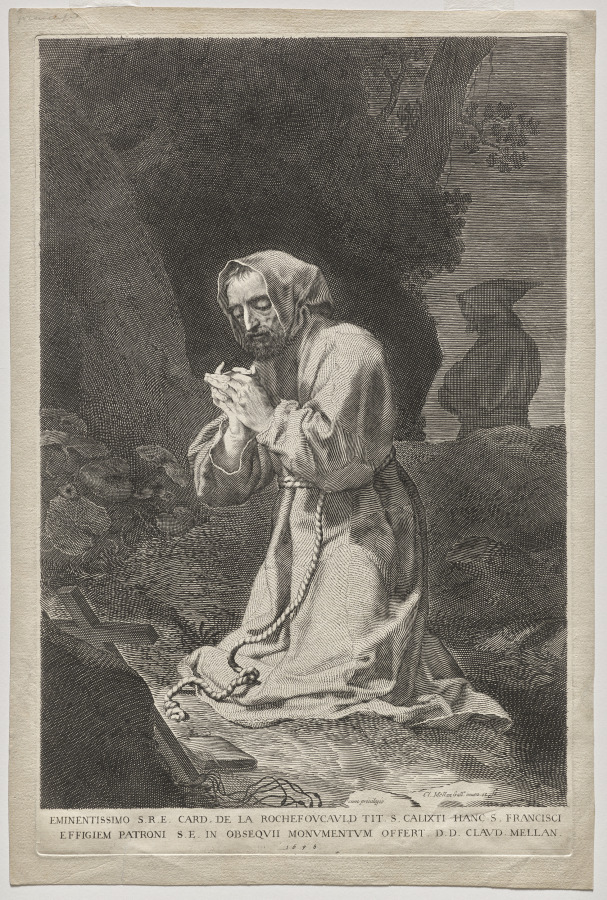
St. Francis, Claude Mellan, 1638

Mellan, Claude

St. Francis, 1638

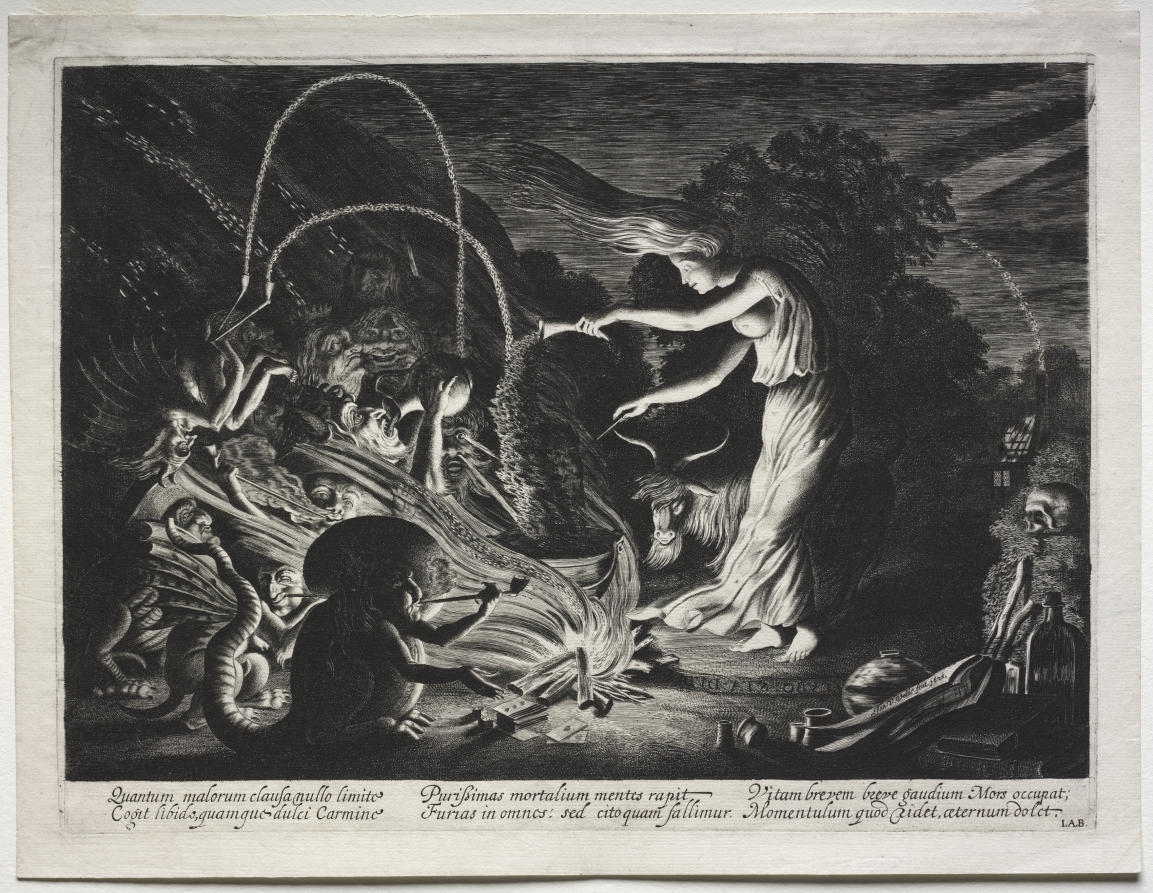
The Witch (Night Piece), Jan van de Velde II, 1626

Jan van de Velde II

The Witch (Night Piece), 1626

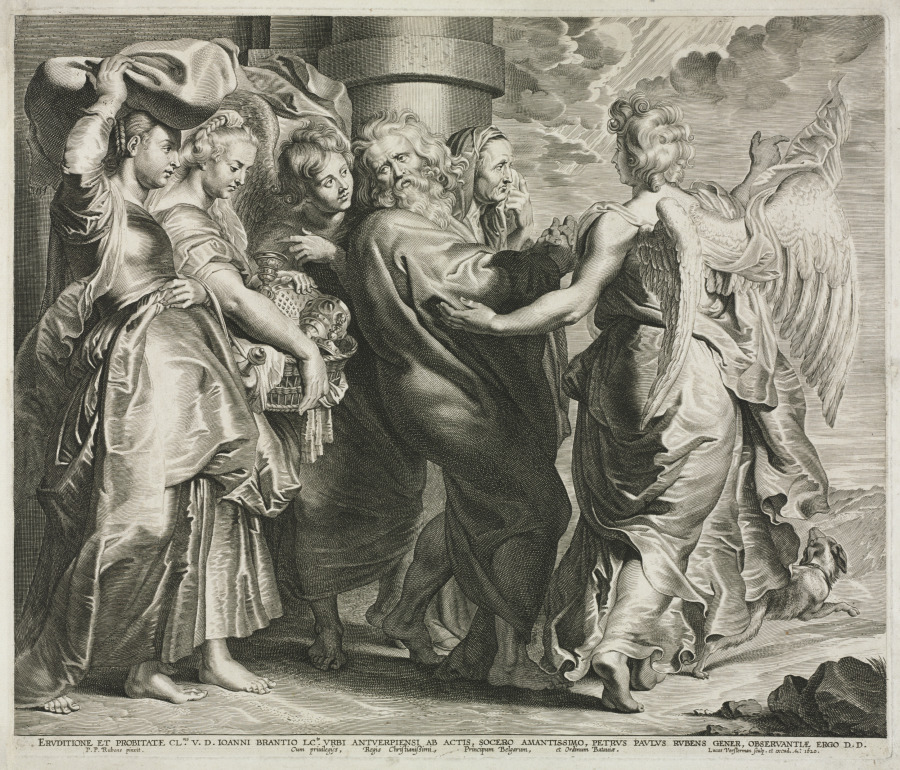
Lot and His Family Leaving Sodom, Lucas Emil Vorsterman, 1620

Lucas Vorsterman

Lot and His Family Leaving Sodom, 1620

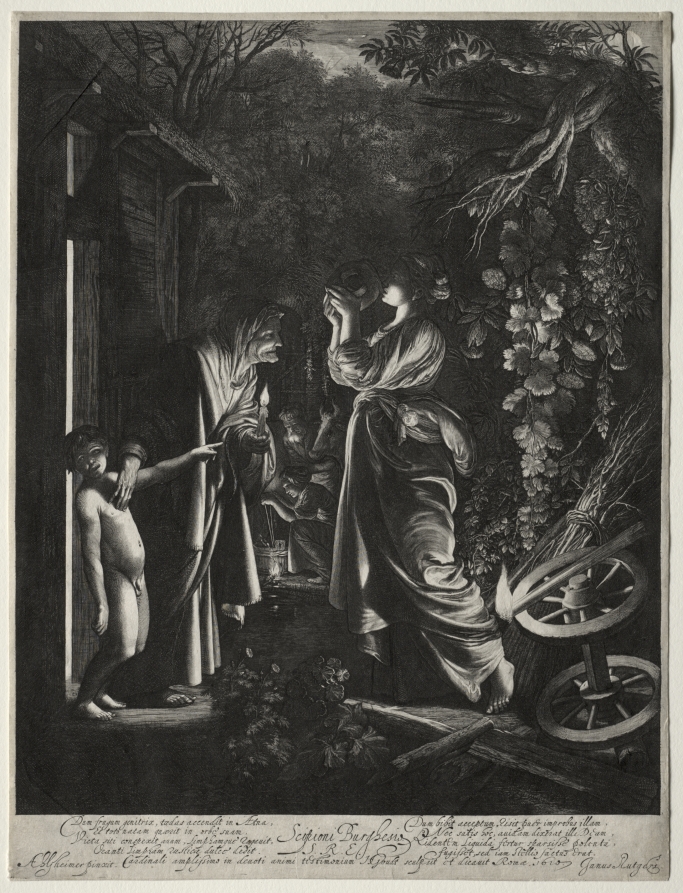
The Mocking of Ceres, Hendrik Goudt, 1610

Hendrick Goudt

The Mocking of Ceres, 1610

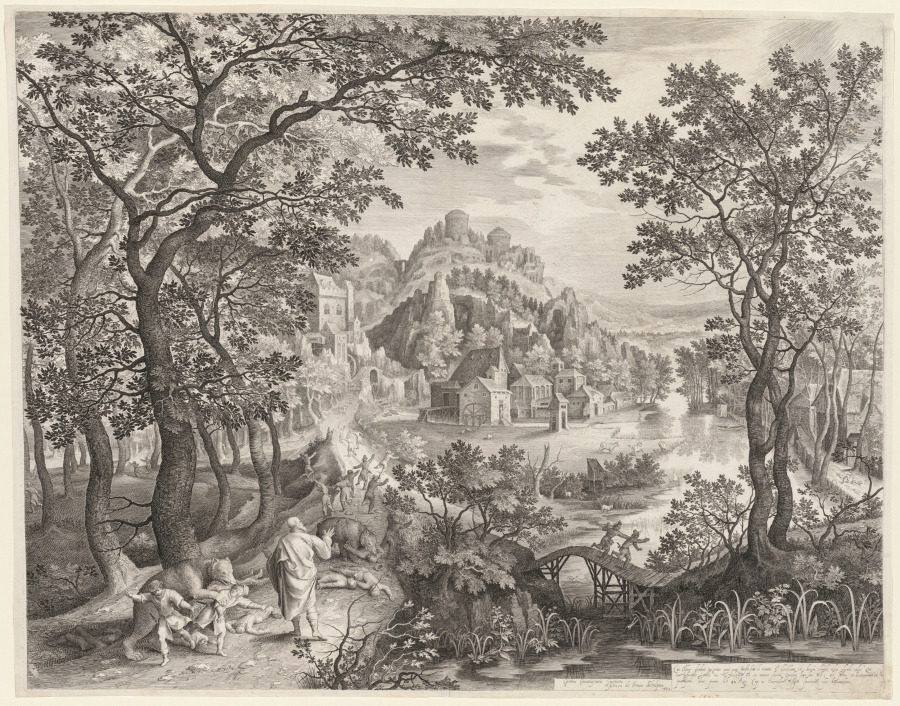
Elisha Cursing the Children of Bethel Who Are Being Devoured by the Bears, Nicolaes de Bruyn, 1602

Nicolaes de Bruyn

Elisha Cursing the Children of Bethel Who Are Being Devoured by the Bears, 1602