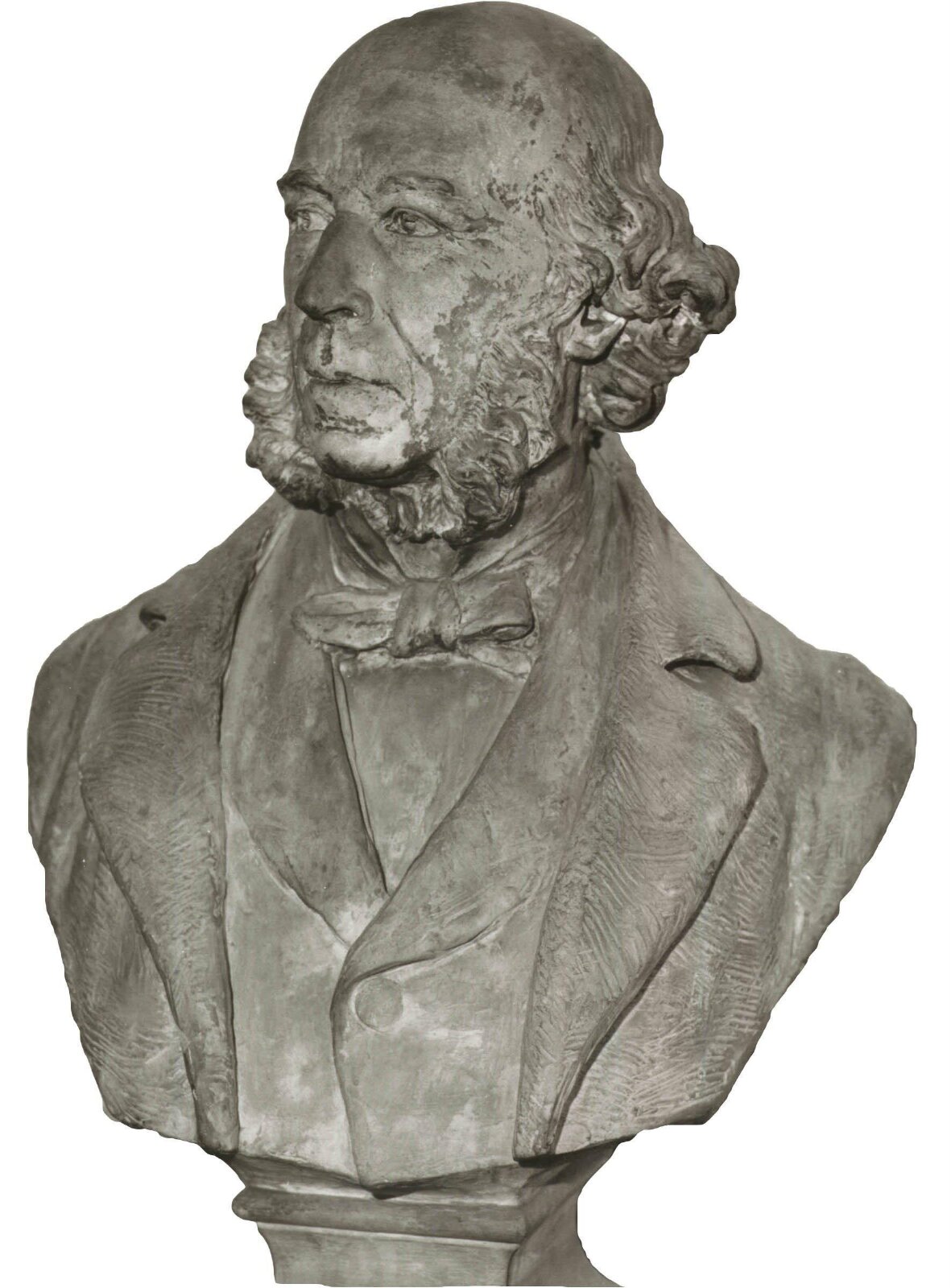
 Joseph Edgar BoehmRoyaume-Uni, 1834–1890
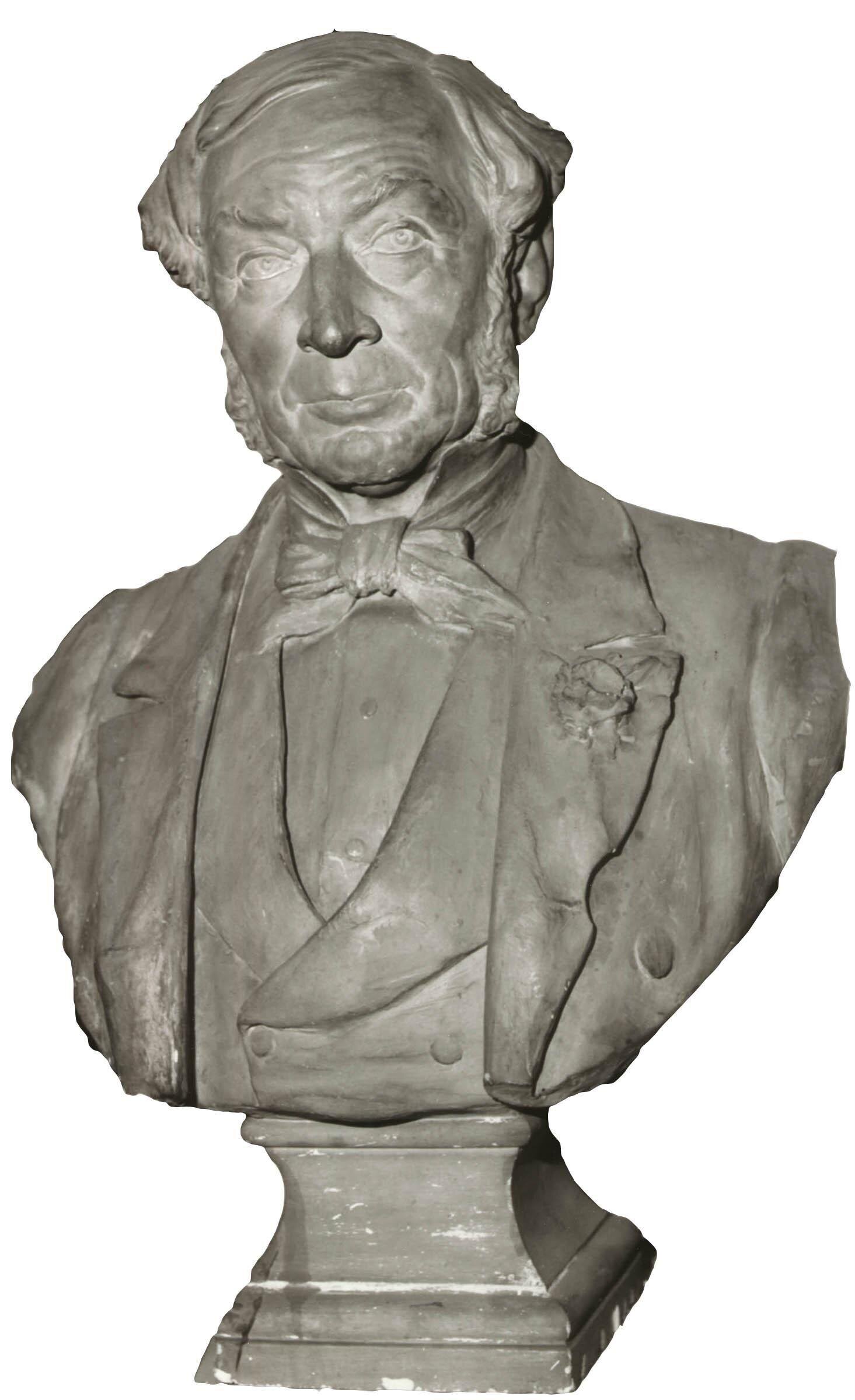
Herbert Spencer
Peut-on la contempler ?
Elle ne reçoit pas en ce moment

Victoria and Albert Museum
Londres, Royaume-Uni
Elle appartient à la collection, mais n’est pas présentée en ce moment.
- Vérifié
- Dans cet état depuis
- Source
- Le musée
À propos de la sculpture
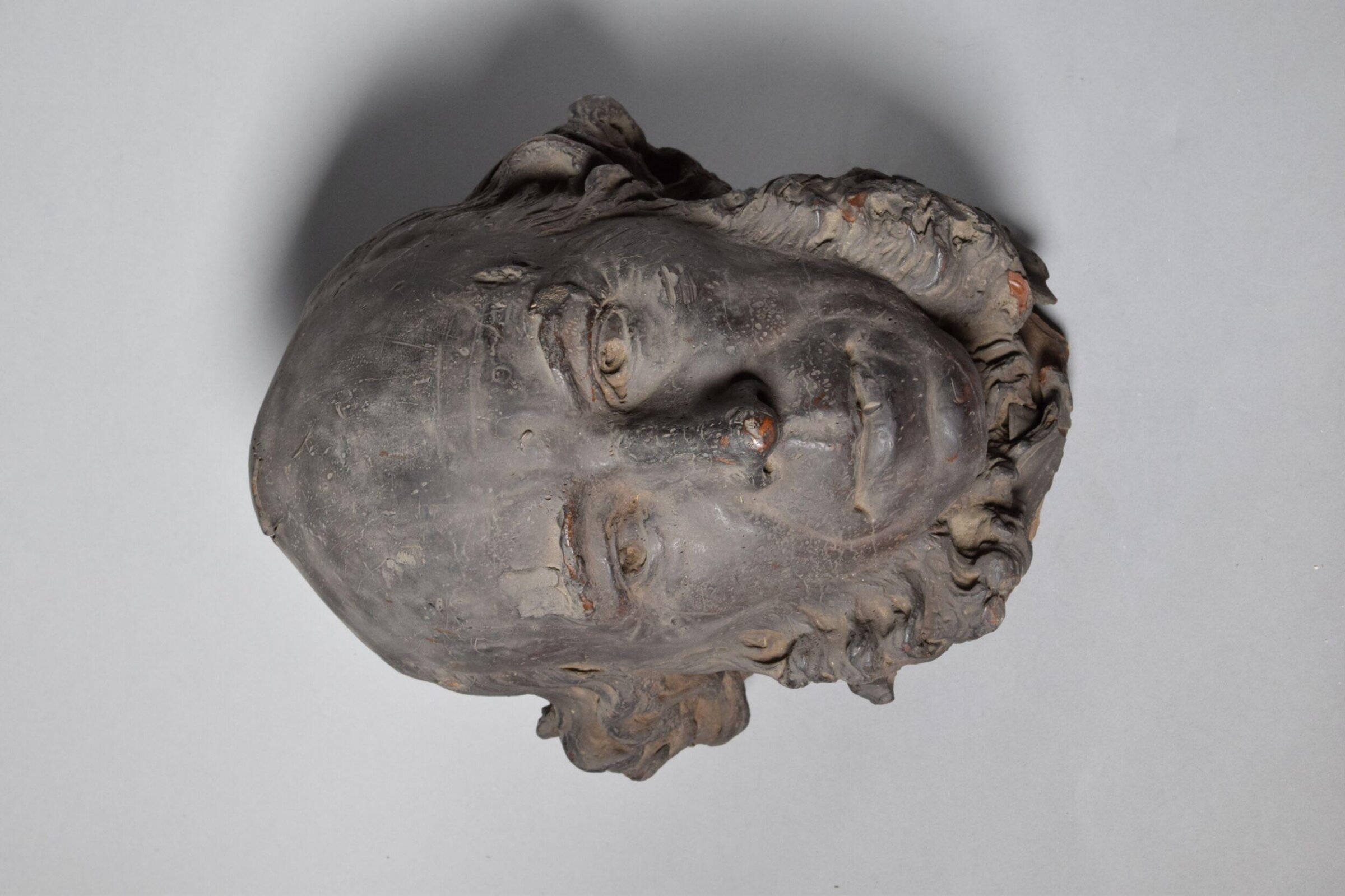
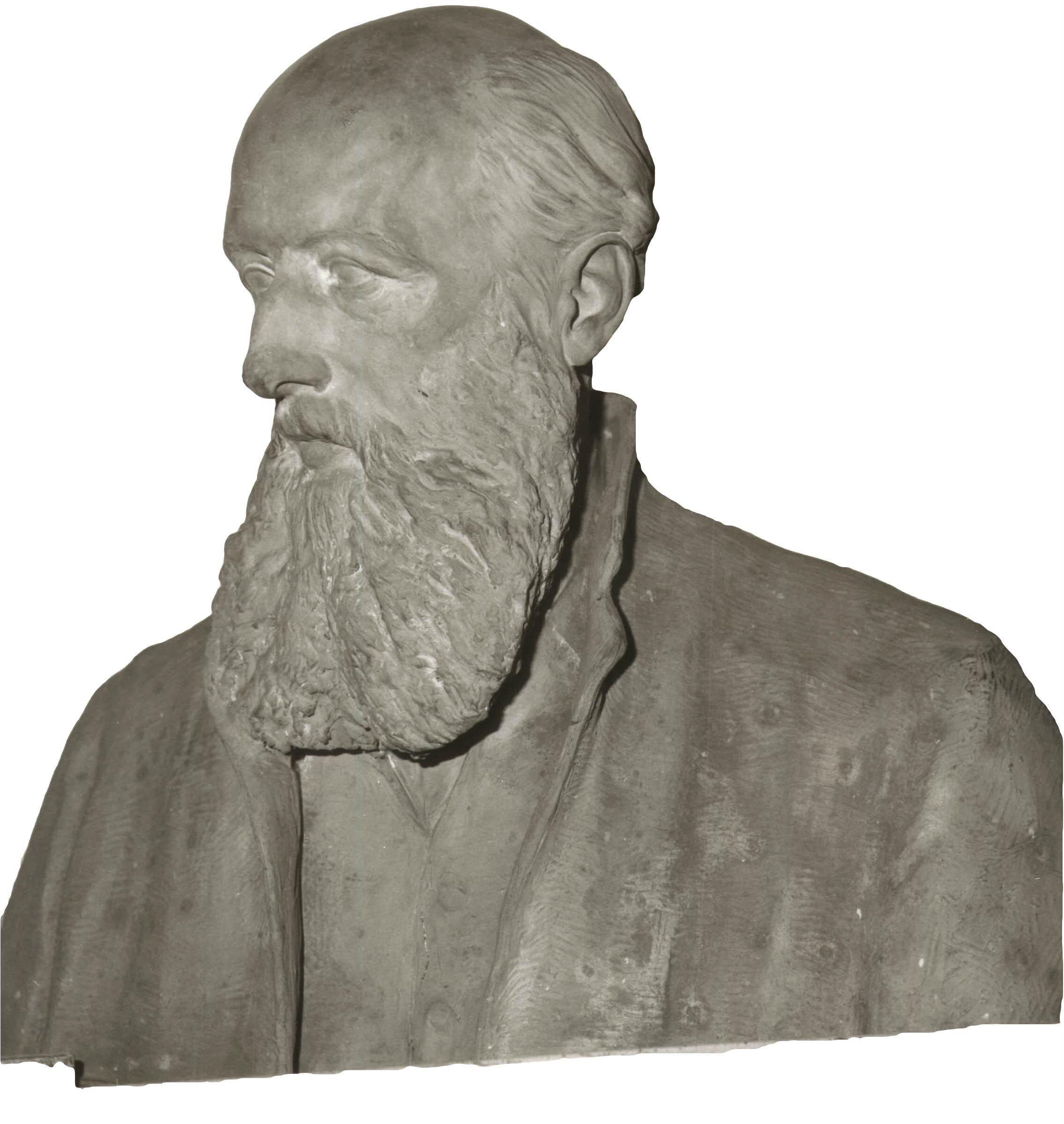
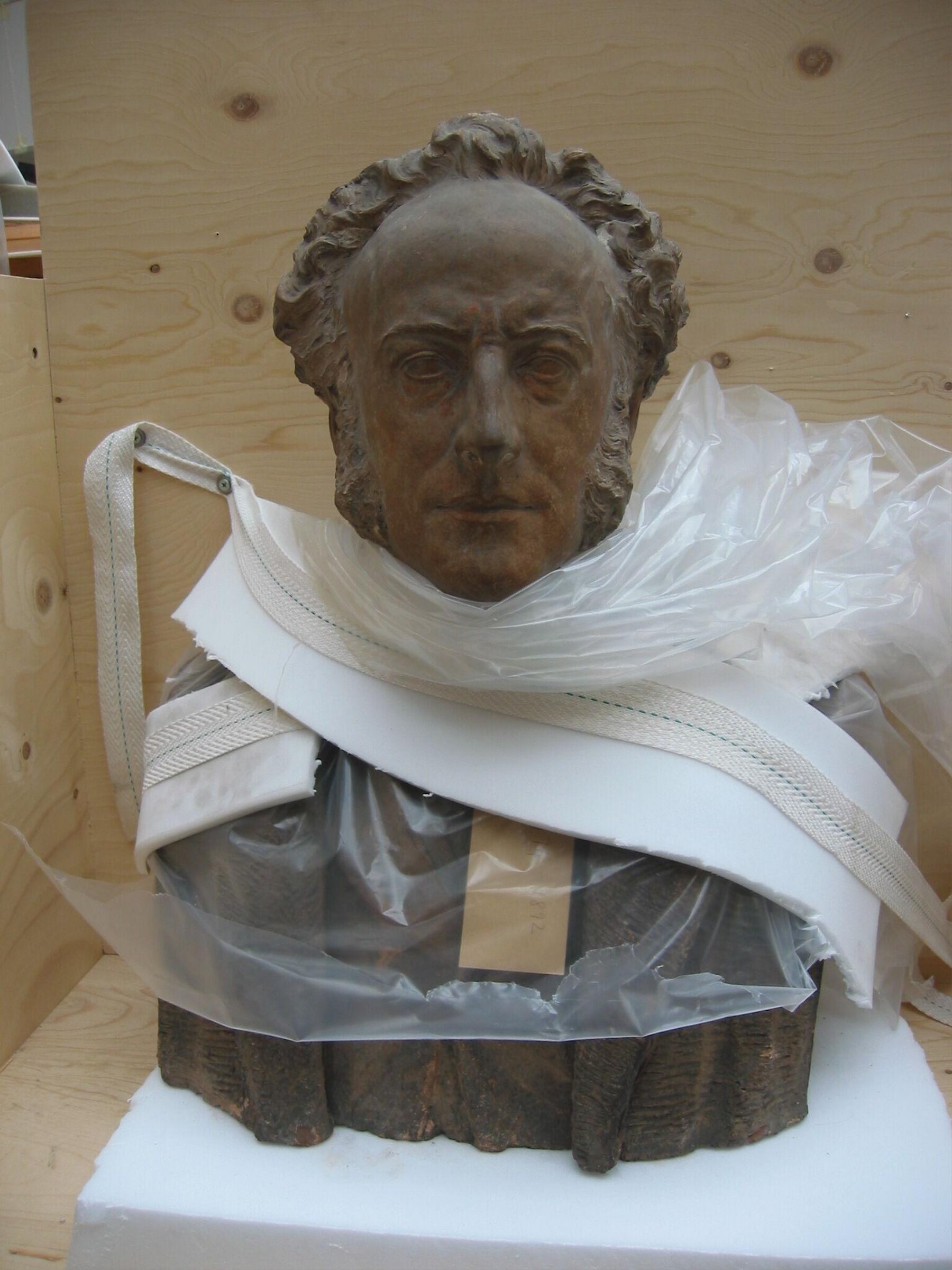
This bust is made my Sir Joseph Edgar Boehm in 1884. It is a plaster model for a bust of the philosopher Herbert Spencer. The original wax model is also in the Museum's collection (1793-1892). Spencer was a prominent classical liberal political theorist and sociological theorist of the Victorian era. He developed an all-embracing conception of evolution and published his Principles of Biology in 1864 after reading Charles Darwin's On the Origins of the Species.
Lire la suite
Boehm (1834-1890) was an English sculptor and medallist born in Austrian, as the youngest son of Joseph Daniel Boehm (1794–1865), a court medallist and director of the Imperial Mint at Vienna. From 1848 to 1851 Joseph Edgar attended Leigh’s art academy (later Heatherley’s) in London and drew the Parthenon marbles in the British Museum. On his return to Vienna he enrolled at the Akademie der Bildenden Künste. Around 1858–9 he visited Italy, where he developed a lasting admiration for early Renaissance sculpture. From 1859 to 1862 he worked in Paris and was influenced by the work of Paul Gayrard (1807–1855). Boehm settled in London in 1862 where he befriended John Leech and John Everett Millais, both of whom he portrayed in statuettes in 1863. A statuette of William Makepeace Thackeray (1864) led to an edition of 70 plaster casts.
Boehm frequently worked in terracotta, a material common in French sculpture but less familiar in English. Queen Victoria’s admiration of Boehm’s statuettes led to an association with the royal family that lasted from 1869 until his death. Most of Boehm’s works are portrait busts. Boehm was immensely prolific: some 360 different works are documented. He was a highly consistent sculptor, rarely deviating from his brand of realism. He was modest about his immense popularity and aware of his imaginative shortcomings (cit.: M. Stocker: 'Boehm, Joseph Edgar').
Victoria and Albert Museum
Notice
- Numéro d’inventaire
- 1791-1892
Ce qu’elle montre
Au catalogue
Sources
- Victoria and Albert Museum
- Image : Victoria and Albert Museum — © Victoria and Albert Museum, London