ART WIKI32 963 en salle
CarteCollectionArtistesMuséesExpositionsJournal
Connexion

ART WIKI

Où est accroché le chef-d’œuvre, et quand on vous laisse entrer.

Collections : Art Institute of Chicago, Cleveland Museum of Art, Galerie Tretiakov, Hirshhorn Museum and Sculpture Garden, J. Paul Getty Museum, Metropolitan Museum of Art, Minneapolis Institute of Art, Musée de l'Ermitage, Musée des Beaux-Arts Pouchkine, Musée du Louvre, musée national d'art asiatique, Musée russe, Musées d'Art de Harvard, Museum of Modern Art, National Gallery of Art, National Portrait Gallery, Rijksmuseum Amsterdam, Smithsonian American Art Museum, Statens Museum for Kunst, Victoria and Albert Museum, Villa Getty, Whitney Museum of American Art, Catalogue d’État du fonds muséal de Russie (274 musées), Europeana (19 musées), Wikidata (6 musées), Paris Musées (12 musées) et Joconde, la base des musées du ministère de la Culture (495 musées). Les images appartiennent à leurs ayants droit.

Rubriques

  • Carte
  • Recherche
  • Collection
  • Chefs-d’œuvre
  • Exposées en ce moment
  • Artistes

Et aussi

  • Musées et galeries
  • Expositions
  • Journal
  • D’où viennent les données
  • Confidentialité et cookies
AccueilCarteCatalogue
  1. Collection/
  2. Cleveland Museum of Art/
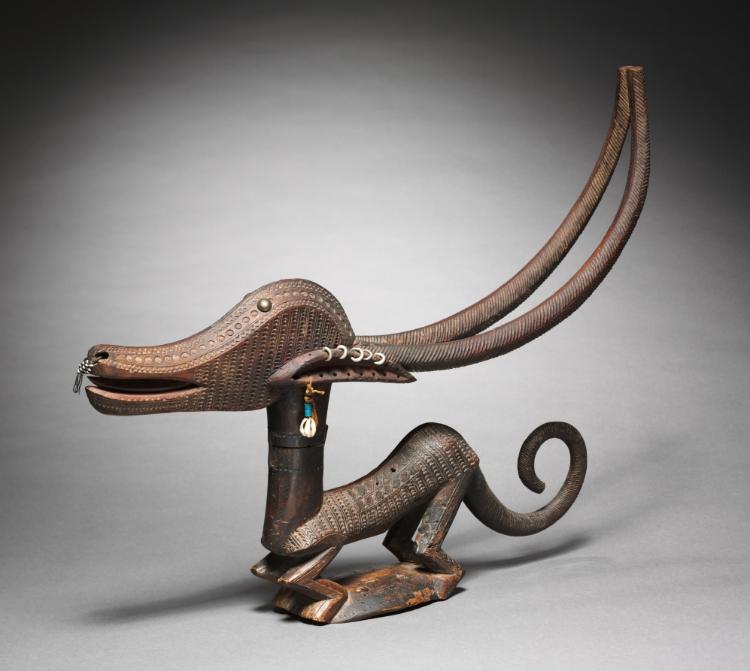
  3. Headdress (chi wara)
Headdress (chi wara), early to mid-1900s

Headdress (chi wara)

early to mid-1900s · Mask

Peut-on la contempler ?

Oui, elle reçoit

Cleveland Museum of Art

Cleveland, États-Unis

Salle108A African

Présentée au public. Qui s’en porte garant est indiqué ci-dessous.

Vérifié
il y a 3 jours
Dans cet état depuis
19 août 2026
Source
Le musée
Sur la cartePage du musée

À propos de la sculpture

Chi wara—a mythical “farming beast”—was said to teach farming to the Bamana people. Carved patterns cover this female chi wara’s body, highlighting its muscles and emphasizing that it is no earthly animal, but rather an agricultural spirit that combines human, antelope, and anteater elements. This example wears earrings and a nose ring of imported metals and beads. Its carver—a blacksmith—used a naturalistic style common south of the city of Bamako. Accompanied by women’s songs, male performers danced paired male-and-female chi wara headdresses affixed to basketry caps at agricultural competitions and weddings.

Cleveland Museum of Art

Notice

Numéro d’inventaire
1965.325

Dans la même salle · 108A African, Cleveland Museum of Art

Page du musée

Au catalogue

SculptureBoisAfrica, West Africa, Mali, Bamana-style blacksmith-carver

Sources

  • Cleveland Museum of Art
  • Image : Cleveland Museum of Art — Museum open access
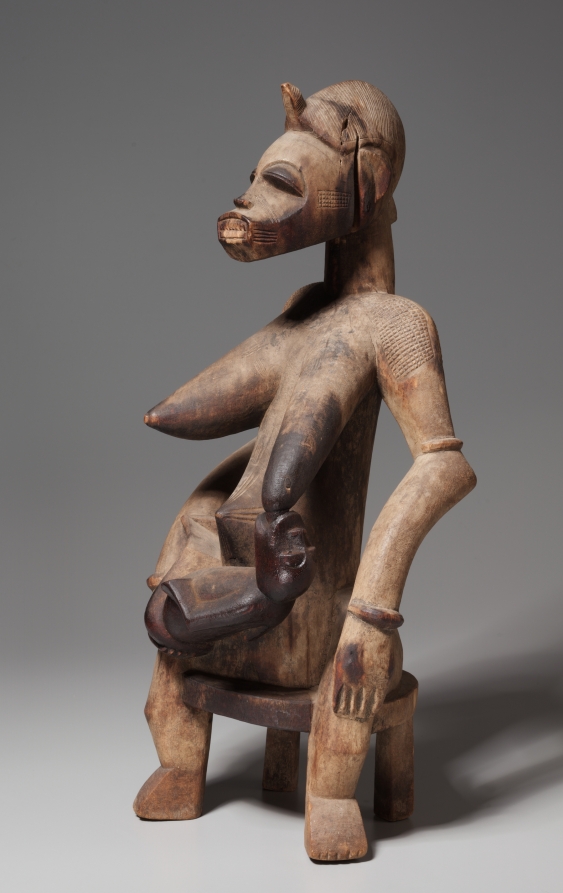
Nursing Woman with Child, 1800s-1900s

Nursing Woman with Child, 1800s-1900s

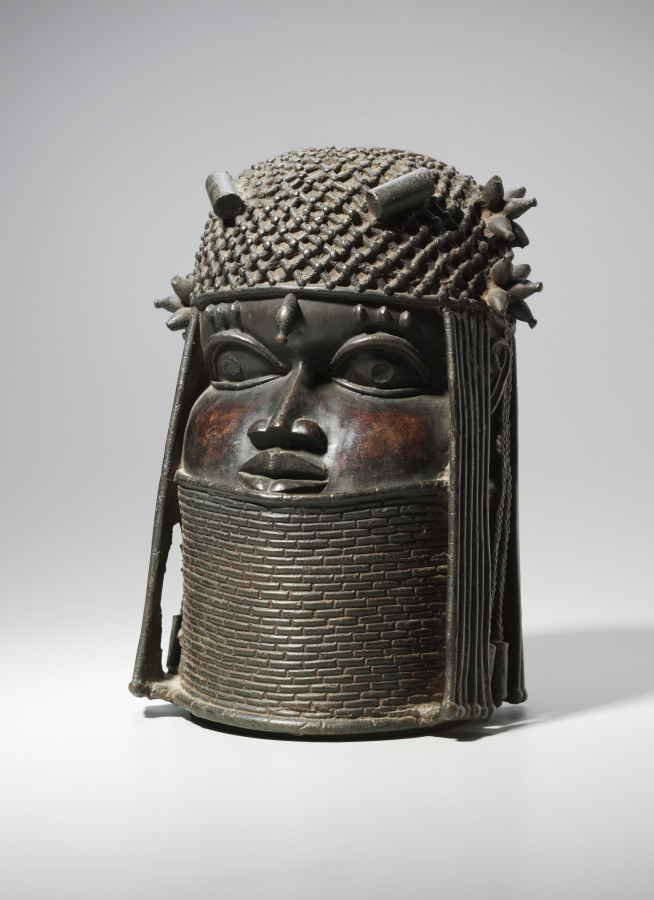
Ancestral Commemorative Head (uhunmwun-elao), possibly mid-1500s or early 1600s

Ancestral Commemorative Head (uhunmwun-elao), possibly mid-1500s or early 1600s

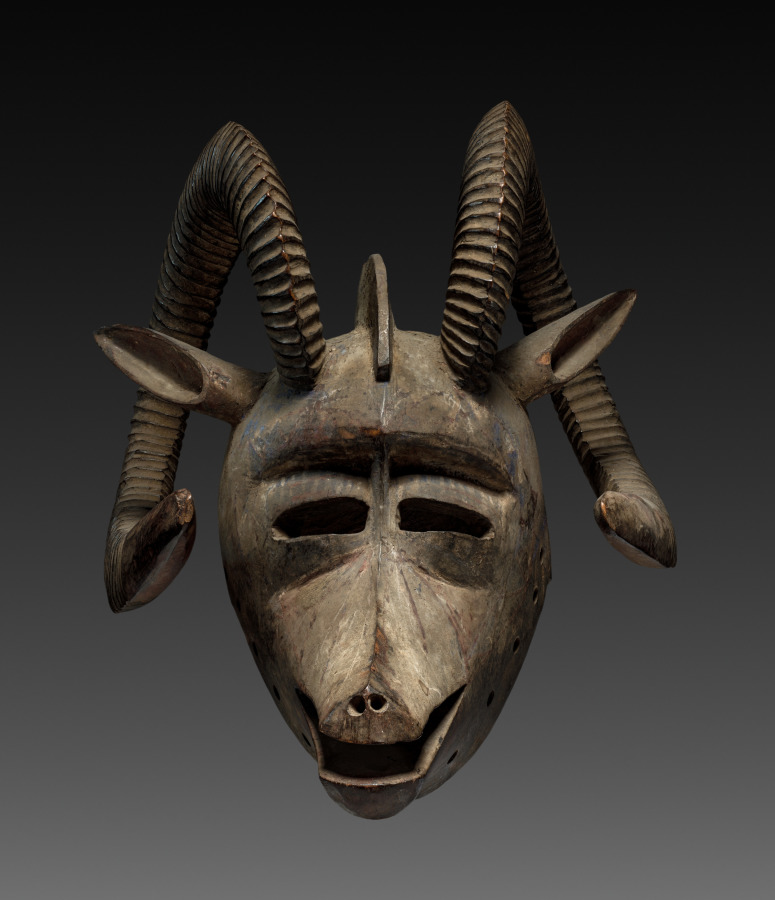
Ram Mask (Bolo), possibly early 1900s

Ram Mask (Bolo), possibly early 1900s

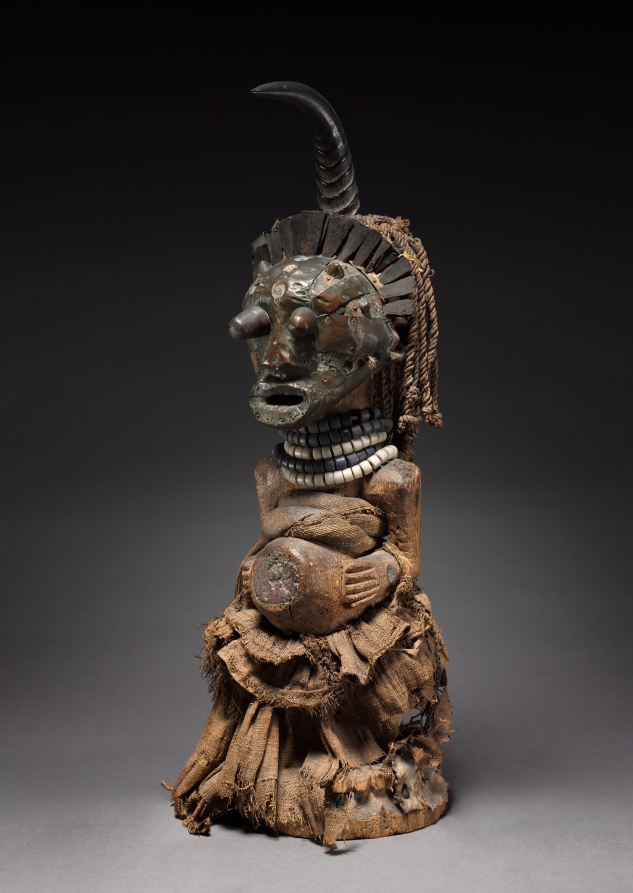
Male Figure (nkishi), late 1800s–early 1900s

Male Figure (nkishi), late 1800s–early 1900s

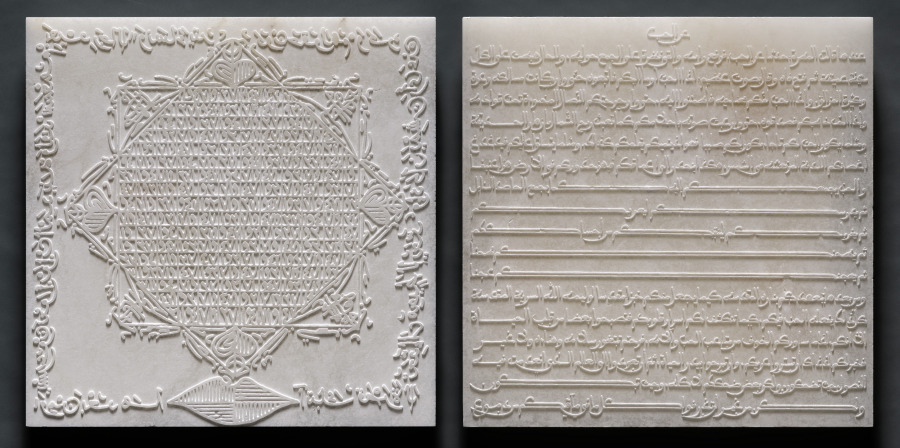
Set 3, from the series Les Septs Stations
Célestes (The Seven Heavenly Stations), Rachid Koraïchi, 2018

Rachid Koraïchi

Set 3, from the series Les Septs Stations Célestes (The Seven Heavenly Stations), 2018

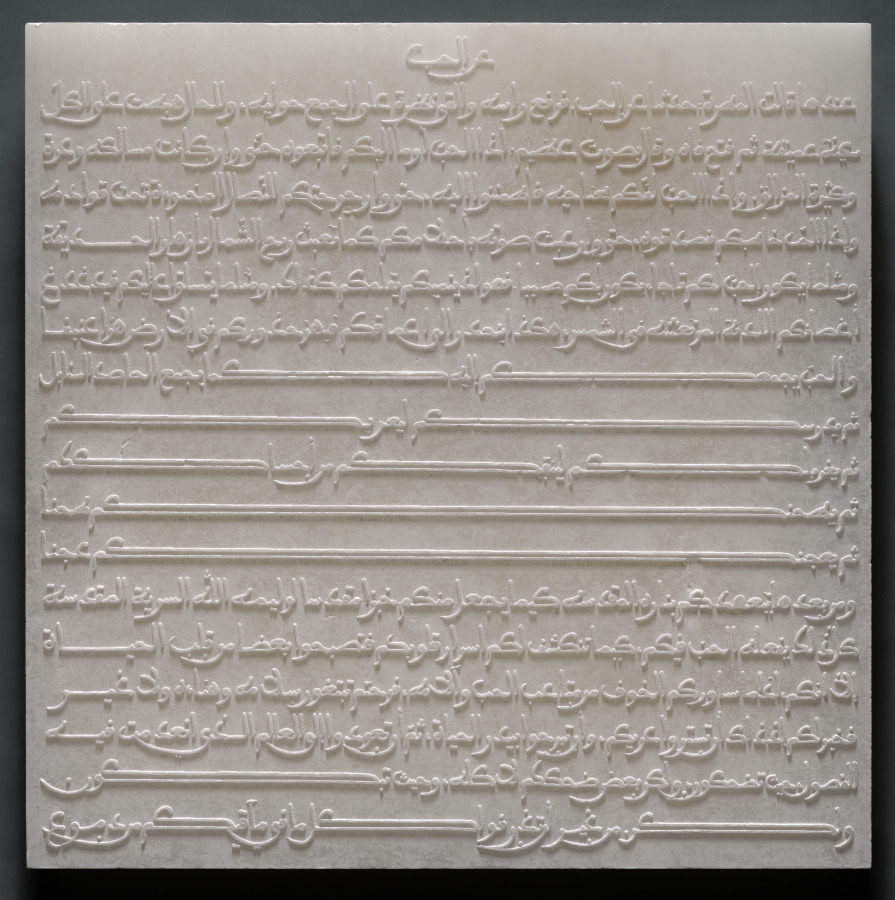
Tablet from Set 3, from the series Les Septs Stations
Célestes (The Seven Heavenly Stations), Rachid Koraïchi, 2018

Rachid Koraïchi

Tablet from Set 3, from the series Les Septs Stations Célestes (The Seven Heavenly Stations), 2018

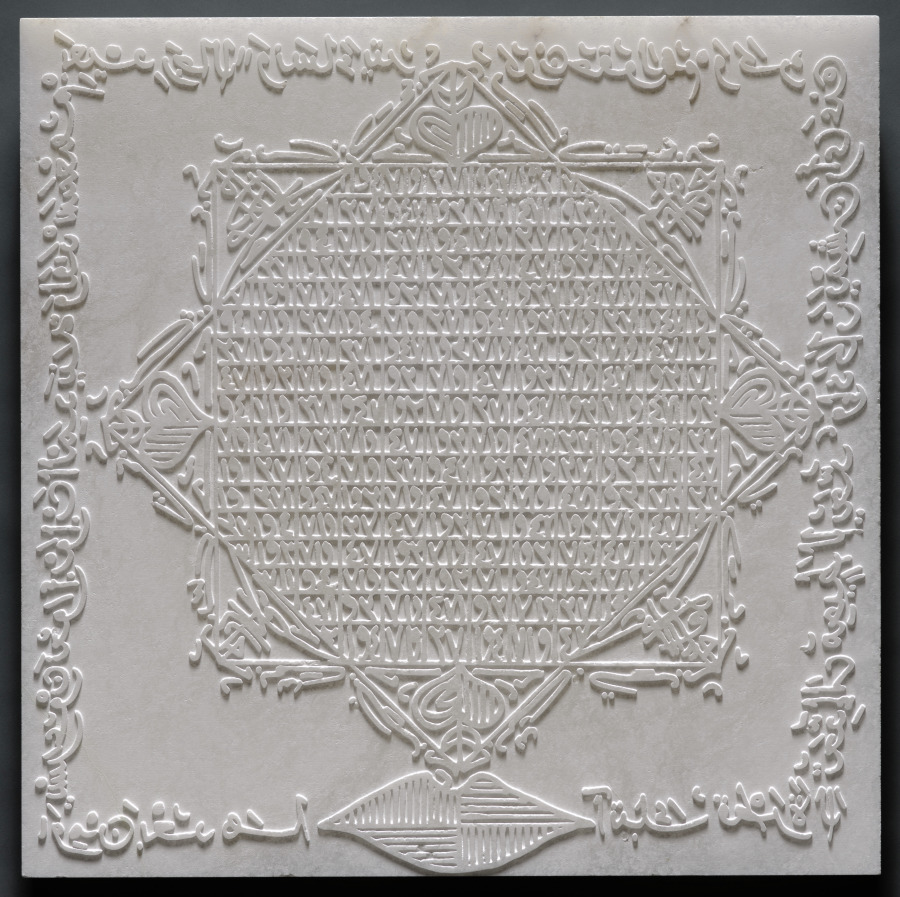
Tablet from Set 3, from the series Les Septs Stations
Célestes (The Seven Heavenly Stations), Rachid Koraïchi, 2018

Rachid Koraïchi

Tablet from Set 3, from the series Les Septs Stations Célestes (The Seven Heavenly Stations), 2018

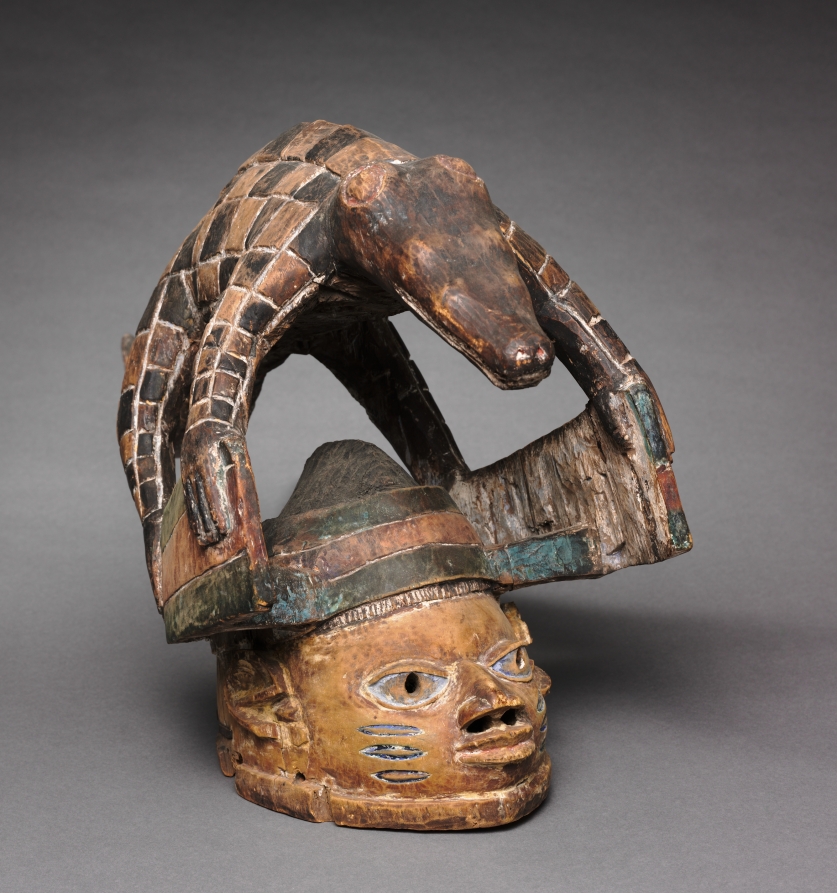
Mask, Duga of Mẹkọ, c. 1945–1950

Duga of Mẹkọ

Mask, c. 1945–1950