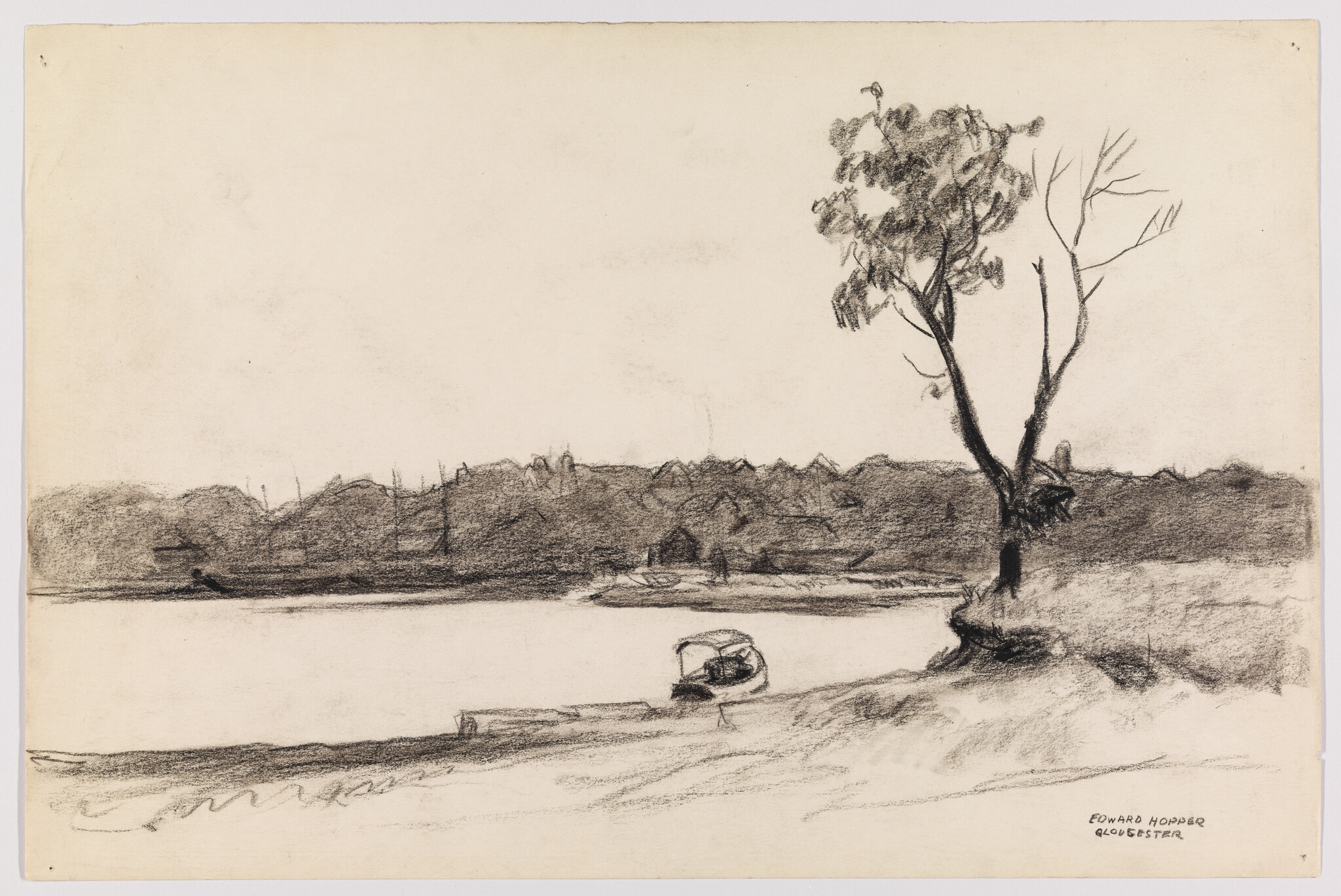
 Edward HopperÉtats-Unis, 1882–1967
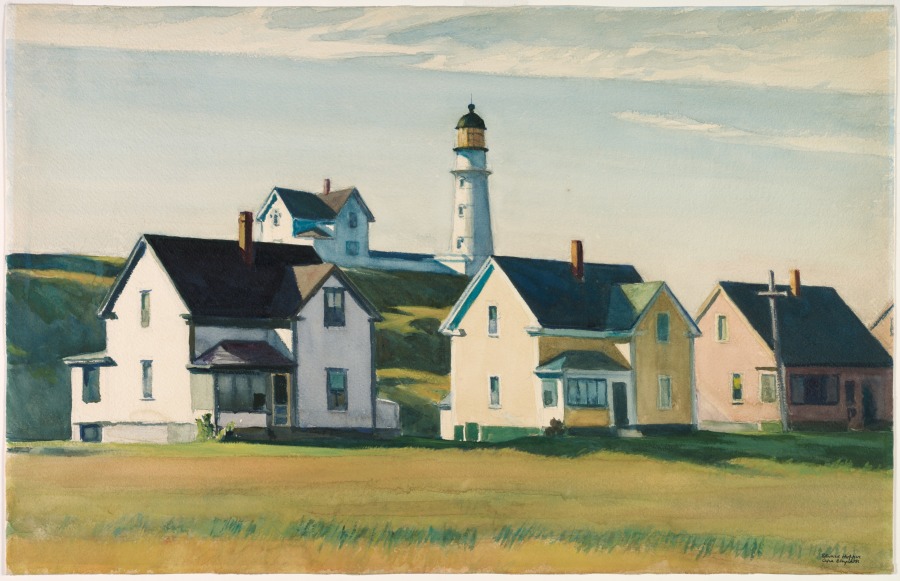
Gloucester
Peut-on la contempler ?
Elle ne reçoit pas en ce moment

Whitney Museum of American Art
New York, États-Unis
Elle appartient à la collection, mais n’est pas présentée en ce moment.
- Vérifié
- il y a 7 jours
- Source
- Les données de collection du musée lui-même
Notice
- Numéro d’inventaire
- 70.900
Sources
- Whitney Museum of American Art: the museum's own open data · obtenue il y a 7 jours
- Image : Whitney Museum of American Art — © the artist or rights holder
Pendant ce temps, chez Edward Hopper
La vie entière1915–1923
Turning to etching
At an impasse over his oil paintings, in 1915 Hopper turns to etching; by 1923 he has produced most of his approximately 70 etchings, many of them urban scenes of Paris and New York, as well as some posters for the war effort.
summer 1923
Gloucester: meeting Josephine again, and the watercolours
In the summer of 1923, on a painting trip to Gloucester, Hopper re-encounters the artist Josephine Nivison; with her encouragement he turns to watercolour, producing numerous scenes of Gloucester. They marry a year later, with the artist Guy Pène du Bois as best man.
1923
The Brooklyn Museum buys “The Mansard Roof”
With Josephine's help six of Hopper's Gloucester watercolours are admitted to an exhibit at the Brooklyn Museum, and one of them, “The Mansard Roof”, is bought by the museum for its permanent collection for $100; the critics generally rave about his work.
1924
Every watercolour sold: farewell to illustration
At a one-man show with his dealer Frank Rehn in 1924 Hopper sells all his watercolours and finally decides to put illustration behind him; his financial stability will let him live a simple, stable life and keep creating art in his personal style for four more decades.
9 juillet 1924
Married: Josephine Hopper
1930
Summers in South Truro on Cape Cod, for the rest of his life
In 1930 the Hoppers rent a cottage in South Truro on Cape Cod and return every summer for the rest of their lives, building a summer house there in 1934; from there they take driving trips into other areas when Hopper needs to search for fresh material to paint.