 Beatrix Potter1866–1943
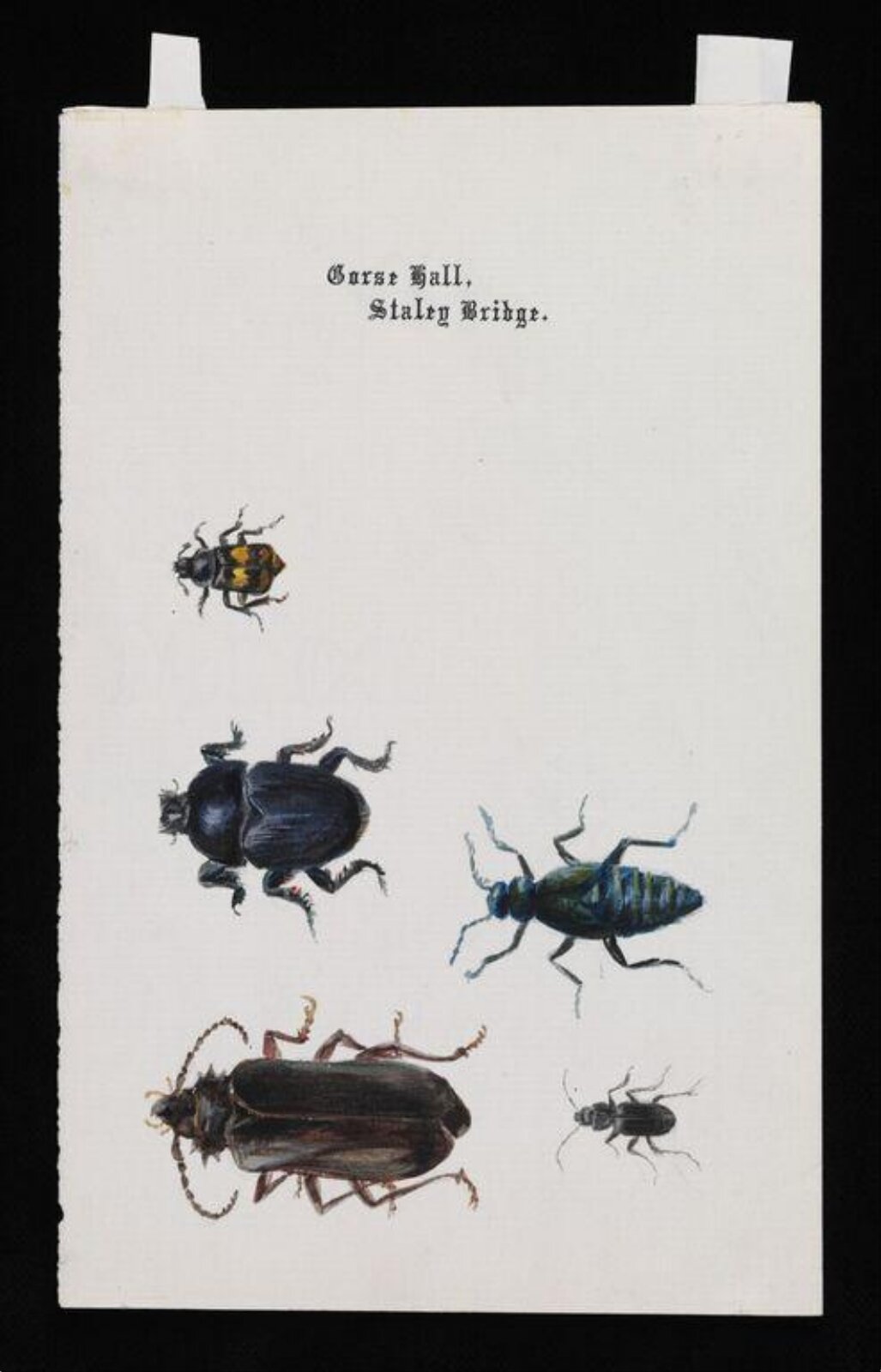
Five beetles
Peut-on la contempler ?
Elle ne reçoit pas en ce moment

Victoria and Albert Museum
Londres, Royaume-Uni
Elle appartient à la collection, mais n’est pas présentée en ce moment.
- Vérifié
- il y a 8 jours
- Dans cet état depuis
- 25 sept. 2026
- Source
- Les données de collection du musée lui-même
À propos de l’œuvre
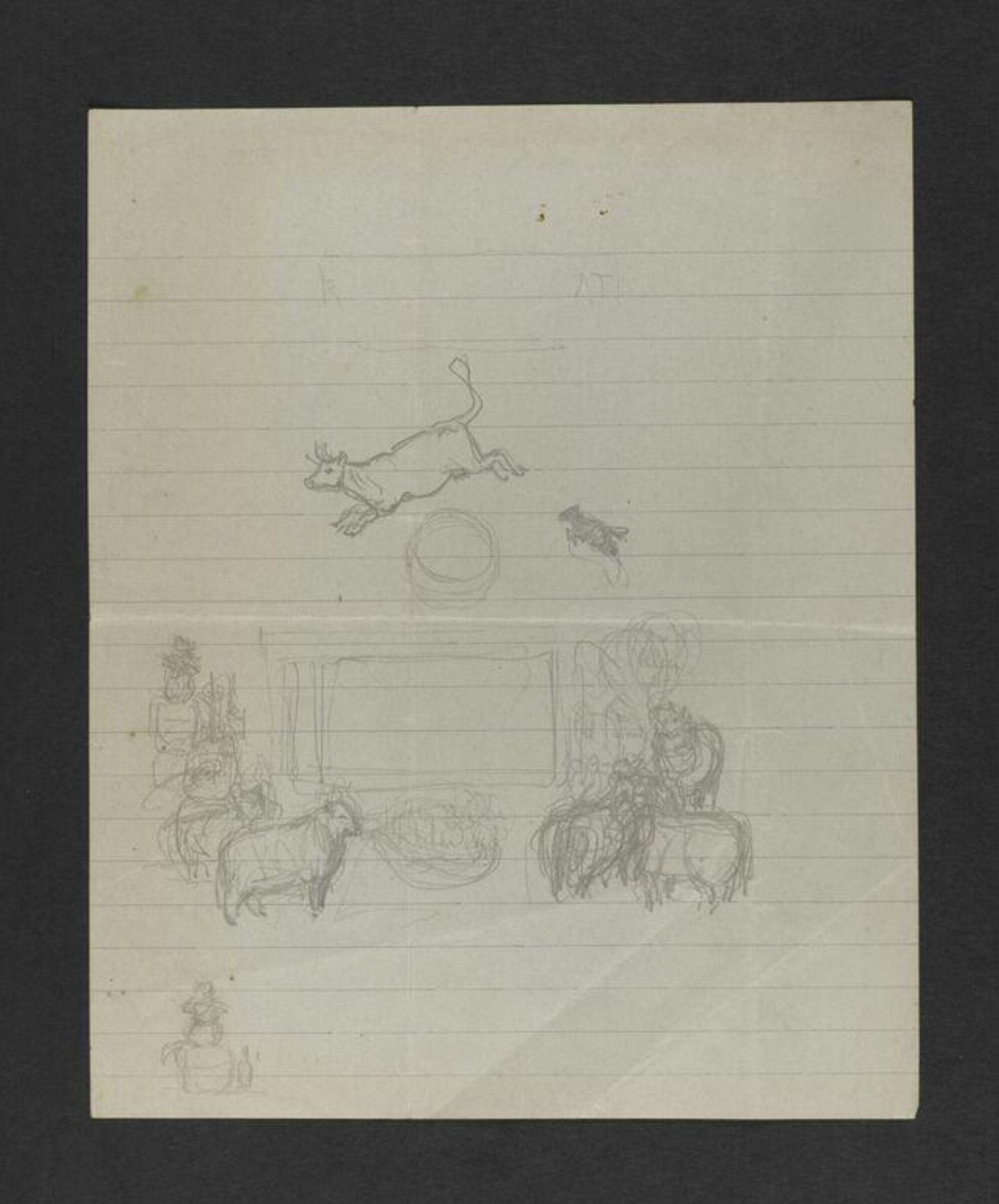
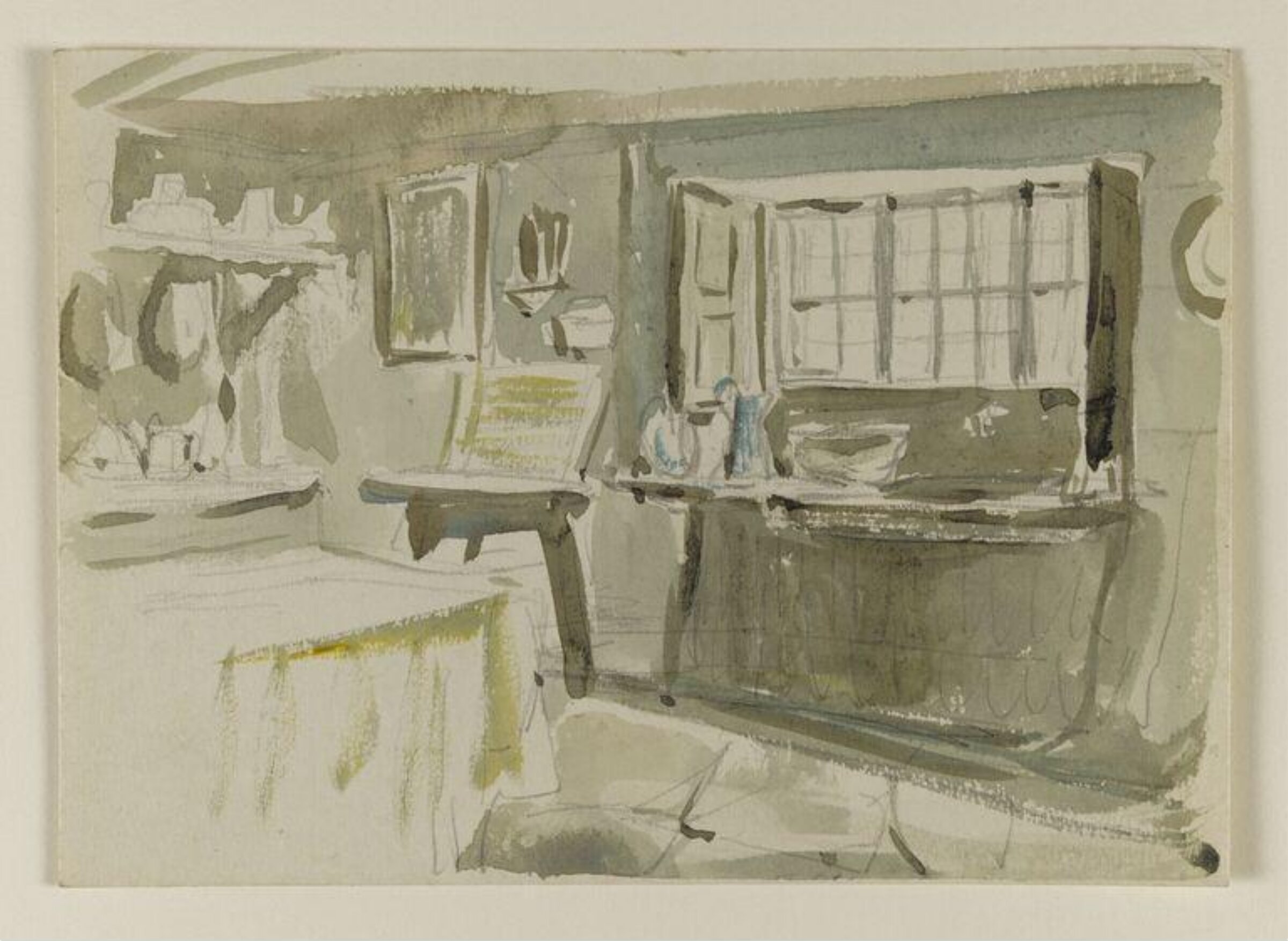
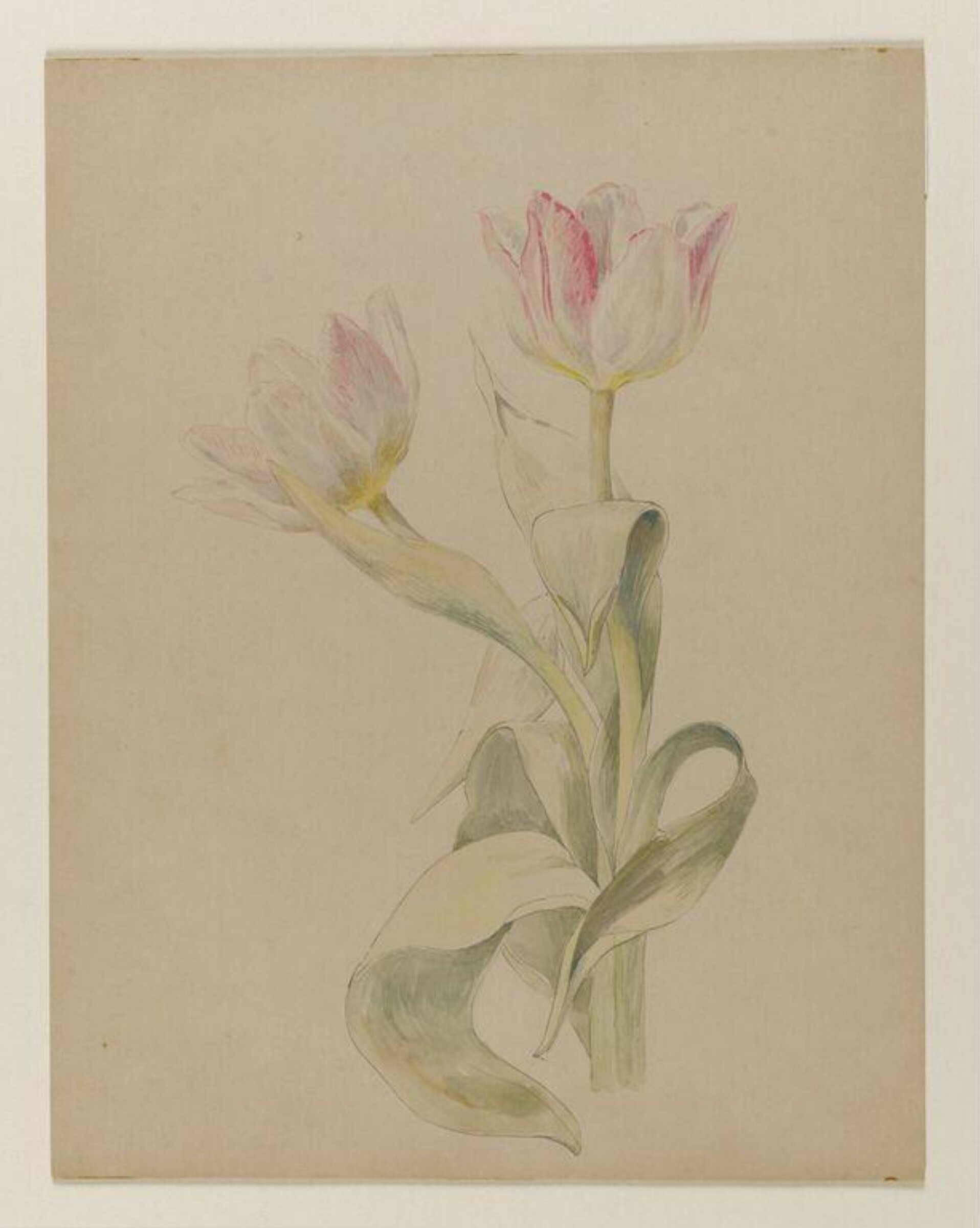
Beatrix Potter (1866-1943) is one of the world's best-loved children's authors and illustrators. She wrote the majority of the twenty-three Original Peter Rabbit Books between 1901 and 1913. The Tale of Peter Rabbit (Frederick Warne, 1902) is her most famous and best-loved tale.
From early childhood Beatrix Potter spent time drawing the many pets that she kept in her schoolroom: over the years, her pets included lizards, snails, bats, mice, rabbits and many other animals. During the family’s long summer holidays to rural areas she also took the opportunity to draw the plants and animals she saw in the countryside. Even her earliest childhood drawings show a serious interest in natural history, her sketches annotated with information about the species concerned.
Read on
As a young woman Beatrix Potter studied natural history with some seriousness, exploring the collections of the Natural History Museum, including the insect cases and fungi specimens. She had a collector’s cabinet full of specimens, from shells to dead butterflies and moths, and used a magnifying glass and a microscope to examine them more closely. She made numerous carefully observed studies of animals and plants from life.
This sheet, which includes studies of five different beetles, may date to 1884 or 1886, when Potter made two visits to Gorse Hall, Stalybridge in Cheshire, the home of her maternal grandparents – it is completed on ‘Gorse Hall’ headed letter paper. The beetles have been identified as: burying beetle; dor beetle; Prionus coriarius (a species of longhorn beetle); oil beetle; Pterostichus (ground beetle).
Victoria and Albert Museum
Notice
- Numéro d’inventaire
- BP.401(B)
What it shows
Au catalogue
Sources
- Victoria and Albert Museum: the museum's own open data · obtenue il y a 8 jours
- Image : Victoria and Albert Museum — © Victoria and Albert Museum, London
Pendant ce temps, chez Beatrix Potter
La vie entièrein youth
The Royal Academy and John Everett Millais
In her teens Beatrix was a regular visitor to London’s art galleries, especially enjoying the Royal Academy’s summer and winter exhibitions; her journal shows the growth of her taste and critical eye. She was also influenced by her father’s friend, the painter Sir John Everett Millais, who recognised her gift of observation.
1881–1897
A journal in a cipher of her own
From 1881 Beatrix kept a journal in a simple substitution cipher of her own devising — in tiny handwriting, serving as both sketchbook and literary experiment, in which she described society, her impressions of art and the life around her. The entries stop in 1897, when her energies were absorbed in scientific study and in efforts to publish her drawings.
1882
The Lake District and Hardwicke Rawnsley
When Dalguise was no longer available, the Potters spent their first summer in the Lake District in 1882, at Wray Castle near Lake Windermere; sixteen-year-old Beatrix fell in love with its beauty and resolved to live there one day. There she met Hardwicke Rawnsley, the vicar of Wray and later founding secretary of the National Trust, whose views on the countryside left a lasting mark on her.