ART WIKI33 040 en salle
CarteCollectionArtistesMuséesExpositionsJournal
Connexion

ART WIKI

Où est accroché le chef-d’œuvre, et quand on vous laisse entrer.

Collections : Art Institute of Chicago, Cleveland Museum of Art, Galerie Tretiakov, Hirshhorn Museum and Sculpture Garden, J. Paul Getty Museum, Metropolitan Museum of Art, Minneapolis Institute of Art, Musée de l'Ermitage, Musée des Beaux-Arts Pouchkine, Musée du Louvre, musée national d'art asiatique, Musée russe, Musées d'Art de Harvard, Museum of Modern Art, National Gallery of Art, National Portrait Gallery, Rijksmuseum Amsterdam, Smithsonian American Art Museum, Statens Museum for Kunst, Victoria and Albert Museum, Villa Getty, Whitney Museum of American Art, Catalogue d’État du fonds muséal de Russie (274 musées), Europeana (19 musées), Wikidata (6 musées), Paris Musées (12 musées) et Joconde, la base des musées du ministère de la Culture (495 musées). Les images appartiennent à leurs ayants droit.

Rubriques

  • Carte
  • Recherche
  • Collection
  • Chefs-d’œuvre
  • Exposées en ce moment
  • Artistes

Et aussi

  • Musées et galeries
  • Expositions
  • Journal
  • D’où viennent les données
  • Confidentialité et cookies
AccueilCarteCatalogue
  1. Collection/
  2. Musée de l'Ermitage/
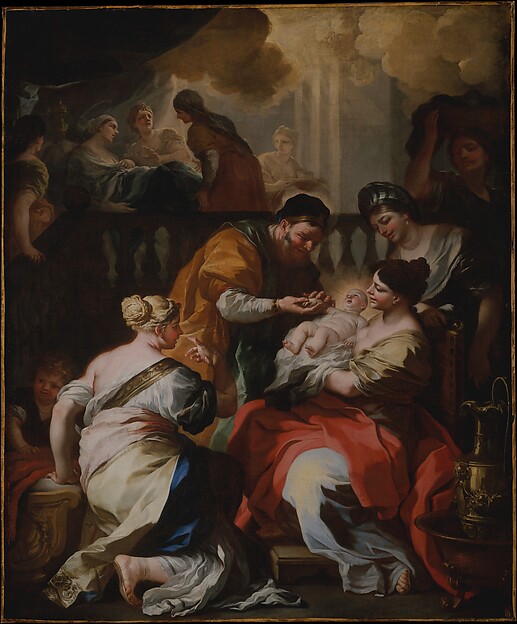
  3. Sketch of Human Figures
Sketch of Human Figures, Francesco Solimena, 1690s
Francesco Solimena, portraitFrancesco SolimenaItalie, 1657–1747

Sketch of Human Figures

1690s · Painting · 77 × 65.5 cm

Peut-on la contempler ?

Elle ne reçoit pas en ce moment

Musée de l'Ermitage

Saint-Pétersbourg, Russie

Elle appartient à la collection, mais n’est pas présentée en ce moment.

Vérifié
29 août 2026
Dans cet état depuis
30 août 2026
Source
Le musée
Sur la cartePage du musée

Notice

1690s
16571747
Numéro d’inventaire
ГЭ-8442

Au catalogue

PeinturesHuilePeinture italienneBaroqueXVIIe siècleItalie

Sources

  • Musée de l'Ermitage
  • Image : Musée de l'Ermitage — © State Hermitage Museum

Pendant ce temps, chez Francesco Solimena

La vie entière
  1. 1690s–1730s

    His studio dominates Neapolitan painting

    From the 1690s through the first four decades of the 18th century his studio dominates Neapolitan painting, becoming a virtual academy at the heart of the city’s cultural life. Among its pupils are Francesco De Mura, Giuseppe Bonito and Gaspare Traversi; the Scottish portraitist Allan Ramsay spends three years there.

  2. 1691–1695

    Turns to the sombre manner of Preti

    After 1690 he again looks for inspiration in the more sombre art of Mattia Preti; the Miracle of St. John of God for the Ospedale di Santa Maria della Pace rests on dramatic contrasts of light and dark. The same response to Preti shapes the Annunciation (Mauritshuis) and the Allegory of Louis XIV (1692, Hermitage).

  3. 1692

    Luca Giordano leaves for Spain

    Giordano leaves Naples for Spain, where he stays until 1702. His absence spurs Solimena to develop his primary role as a catalyst of change in painting, refining his idiom without abandoning the influence of Preti.

  4. mid-1690s

    Turns toward classicism

    Perhaps stimulated by the rivalry of Paolo de Matteis, he begins to move toward a more classical style that puts disegno before colore and shows a new concern for ideal beauty. Striking examples are the Assumption (1697) in the Annunziata at Marcianise and the St. Christopher in Sant’Anna dei Lombardi, whose nude de’ Dominici admired for its ideal beauty.

  5. 1701

    Probable visit to Rome

    He probably visits Rome, where he paints the Abduction of Orithyia for Cardinal Fabrizio Spada (now in the Galleria Spada); its clear drawing and frieze-like composition show his assimilation of Roman classicism and that of the French Academy in Rome.

Autres œuvres : Francesco Solimena

Toutes les œuvres
Allegory of Rule, Francesco Solimena, 1690

Allegory of Rule

1690 · Musée de l'Ermitage

The Birth of the Virgin, Francesco Solimena, ca. 1690

The Birth of the Virgin

ca. 1690 · Metropolitan Museum of Art

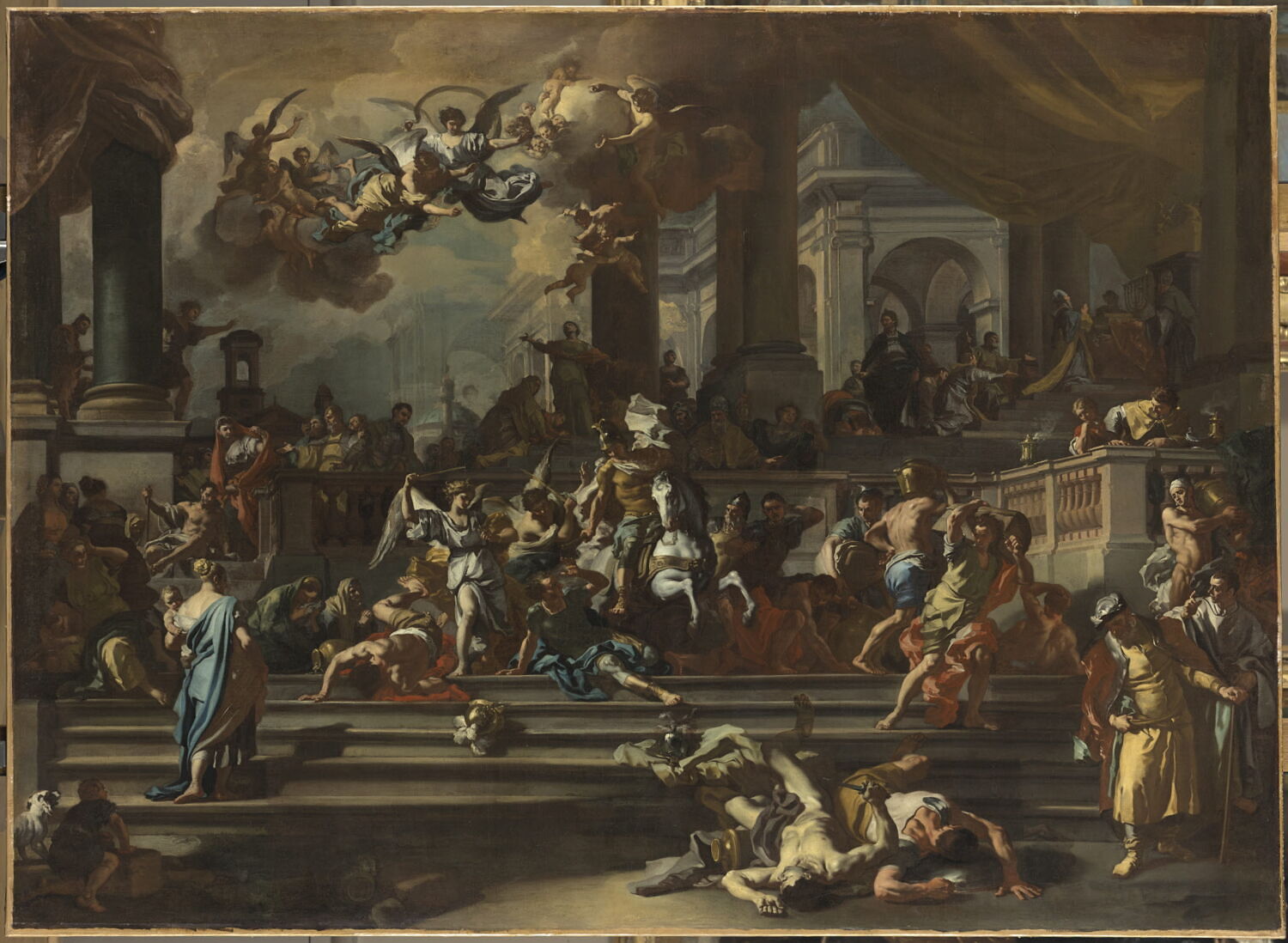
Héliodore chassé du Temple, Solimena, Francesco, 1e quart du XVIIIe siècle (vers 1725)

Héliodore chassé du Temple

1e quart du XVIIIe siècle (vers 1725) · Musée du Louvre

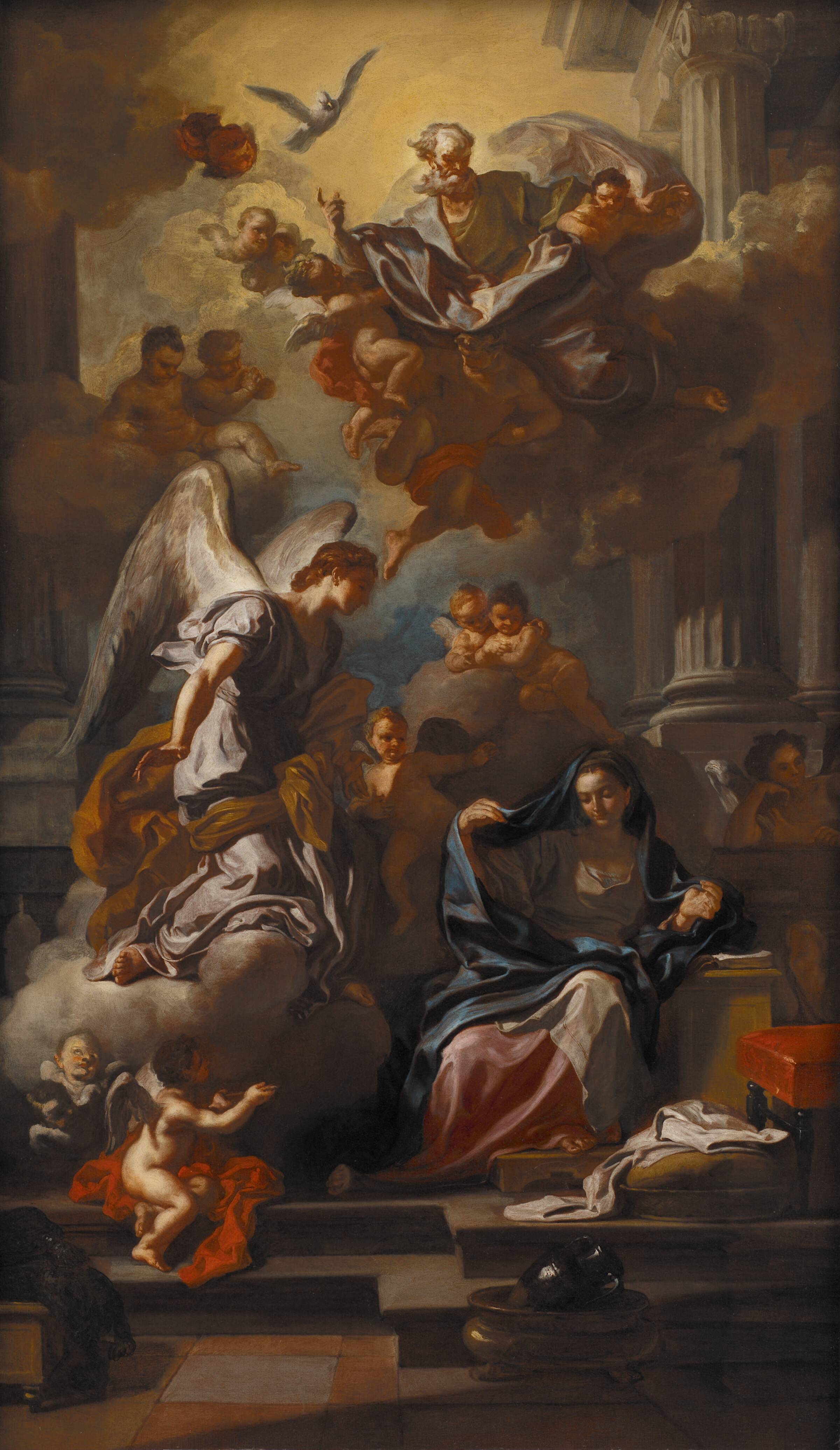
Mariæ Bebudelse, Francesco Solimena, 1672-1747

Mariæ Bebudelse

1672-1747 · Statens Museum for Kunst

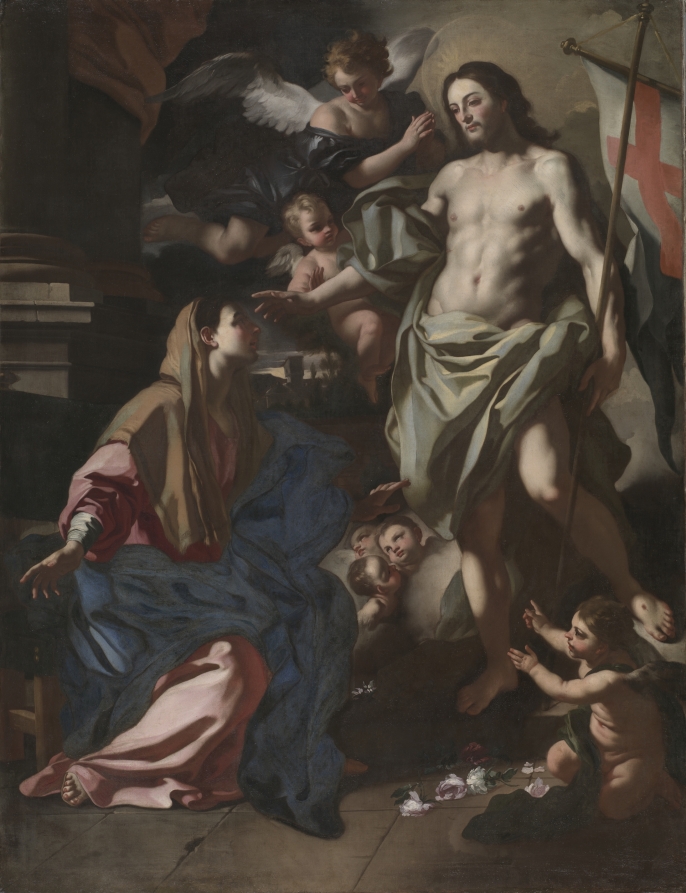
The Risen Christ Appearing to the Virgin, Francesco Solimena, c. 1708

The Risen Christ Appearing to the Virgin

c. 1708 · Cleveland Museum of Art

A Nude Man Chained to a Rock, Francesco Solimena

A Nude Man Chained to a Rock

Non exposée · National Gallery of Art

A Seated Nude Man Pointing to the Right, Francesco Solimena

A Seated Nude Man Pointing to the Right

Non exposée · National Gallery of Art

The Marriage of Bacchus and Ariadne, Francesco Solimena

The Marriage of Bacchus and Ariadne

Non exposée · National Gallery of Art

Sous le même toit : Musée de l'Ermitage

Page du musée
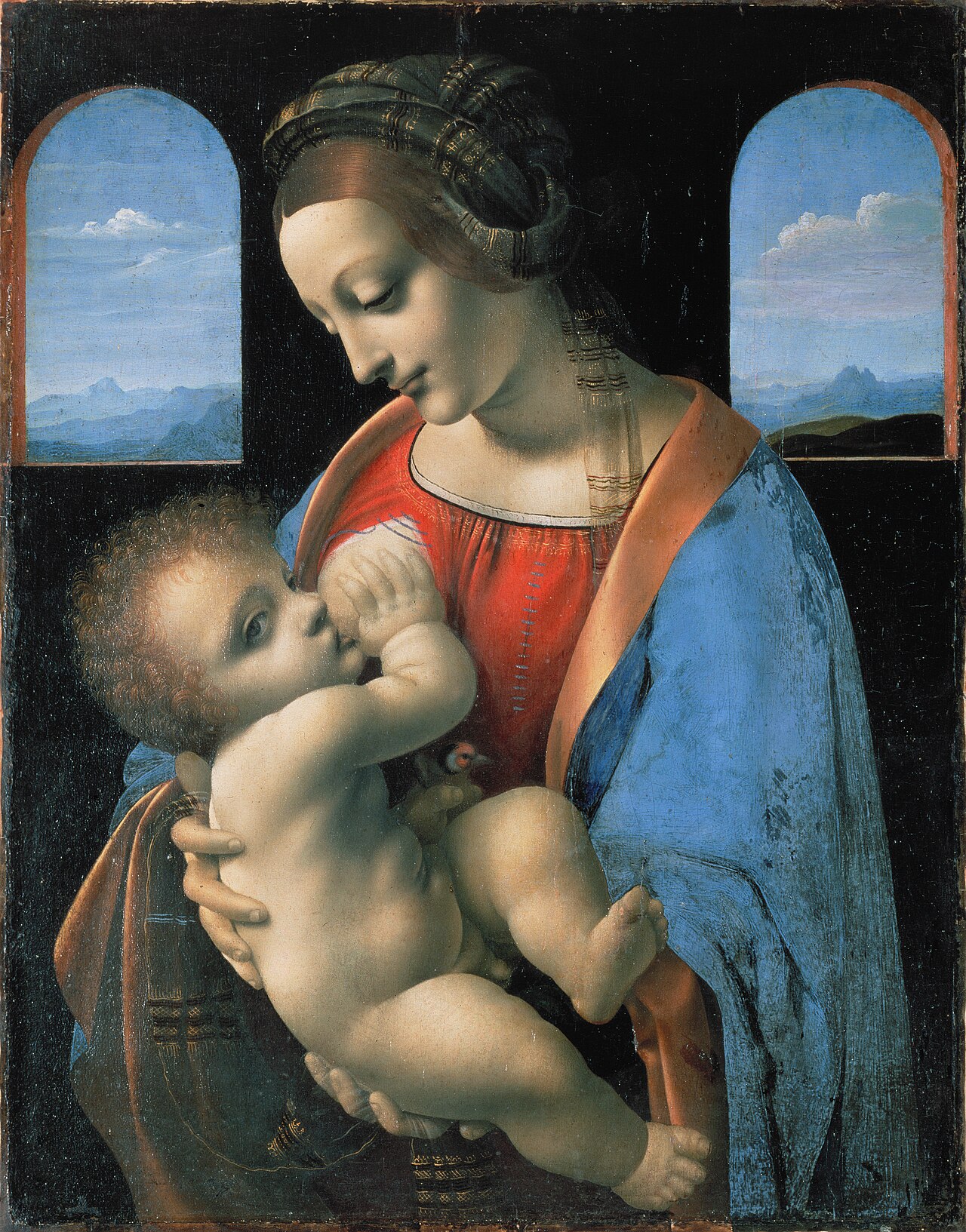
Madone Litta, Leonardo da Vinci, 1490

Leonardo da Vinci

Madone Litta, 1490

Madonna Benois, Leonardo da Vinci, 15th century

Leonardo da Vinci

Madonna Benois, 15th century

Morning. Going to Work (after Millet ), Vincent van Gogh, 01.1890

Vincent van Gogh

Morning. Going to Work (after Millet ), 01.1890

Chaumières à Auvers-sur-Oise, Vincent van Gogh, 05.1890

Vincent van Gogh

Chaumières à Auvers-sur-Oise, 05.1890

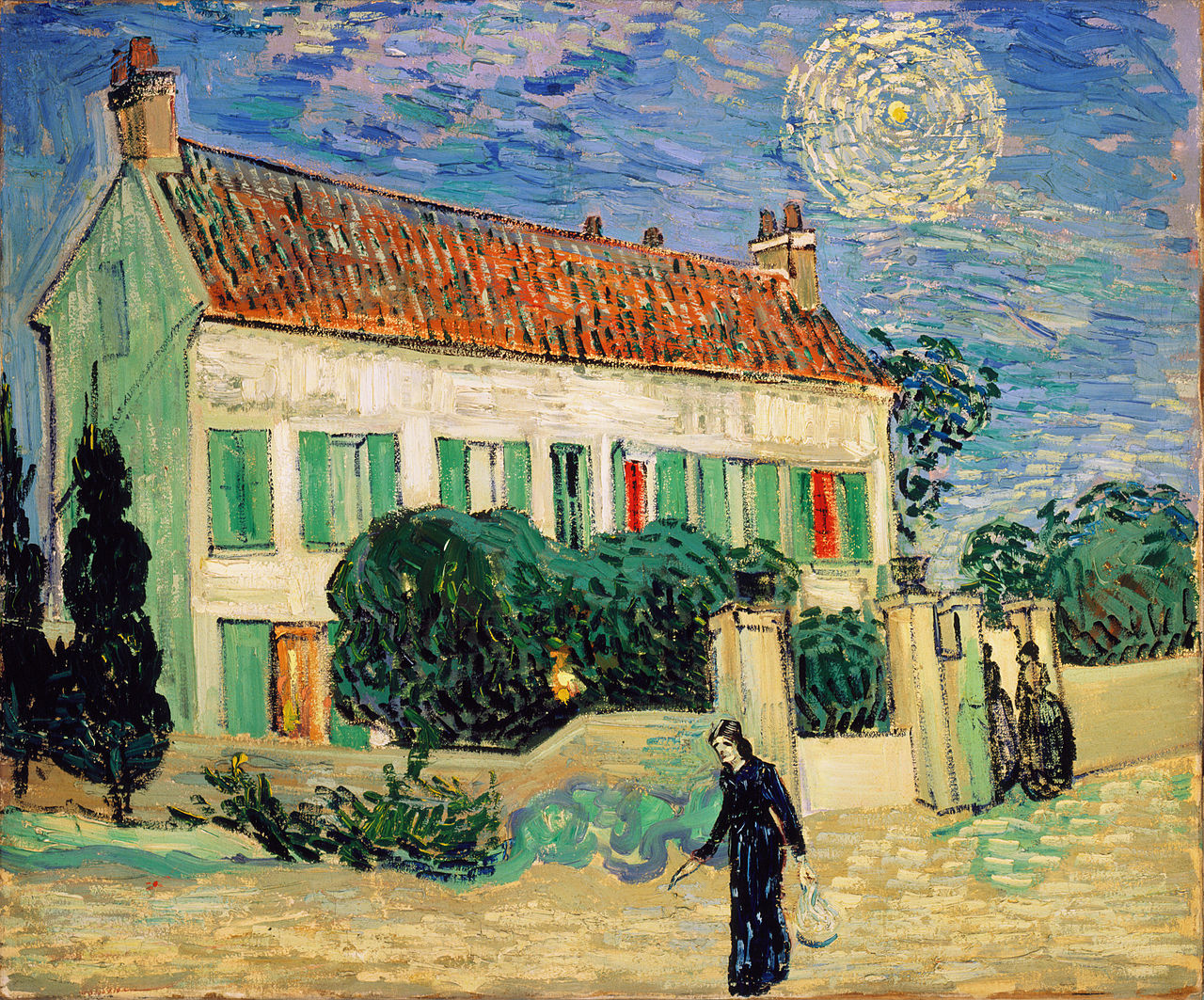
La Maison blanche, la nuit, Vincent van Gogh, 1890

Vincent van Gogh

La Maison blanche, la nuit, 1890

Landscape with House and Ploughman, Vincent van Gogh, 01.12.1889

Vincent van Gogh

Landscape with House and Ploughman, 01.12.1889

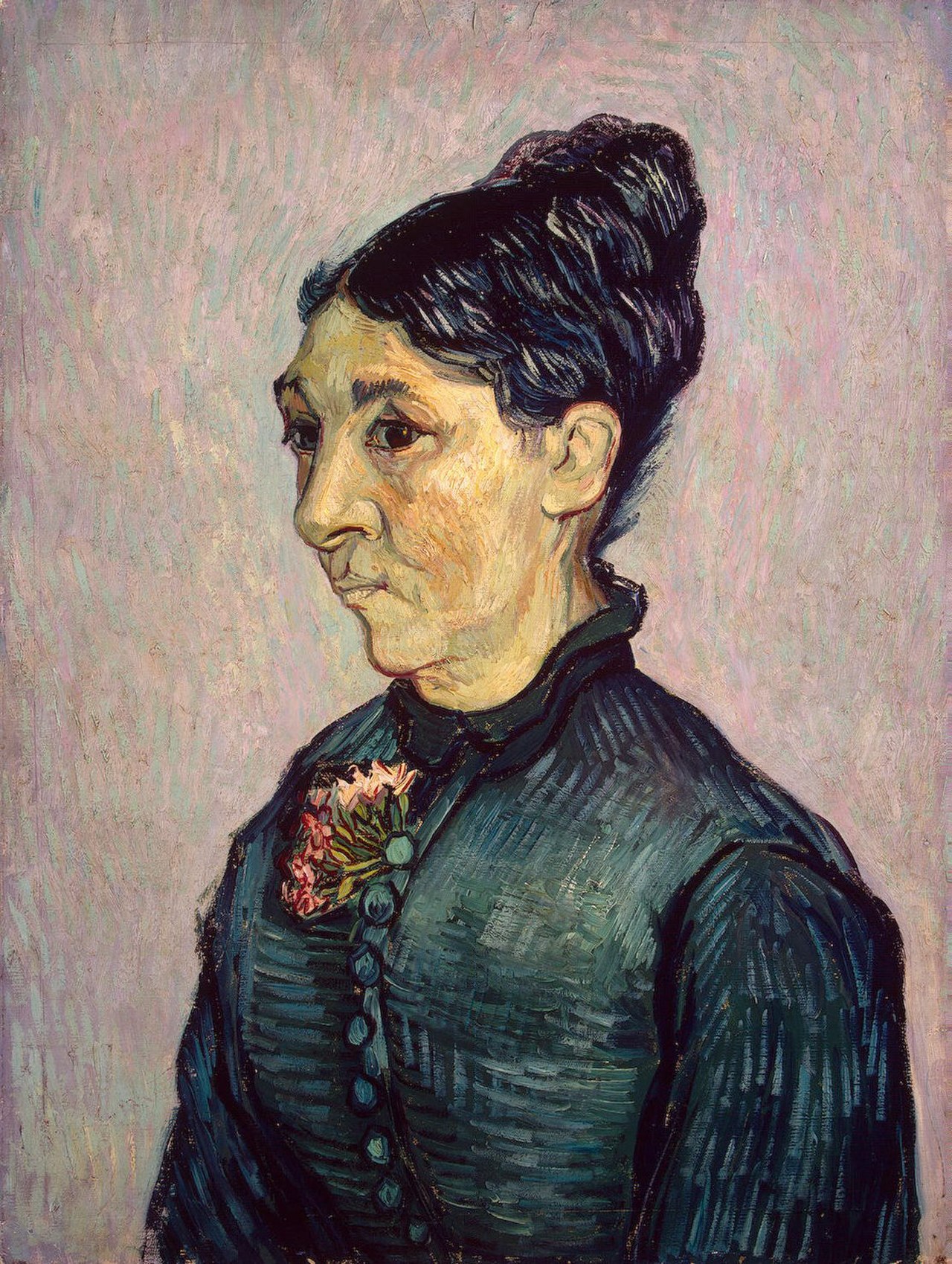
Portrait de Madame Trabuc, Vincent van Gogh, 09.1889

Vincent van Gogh

Portrait de Madame Trabuc, 09.1889

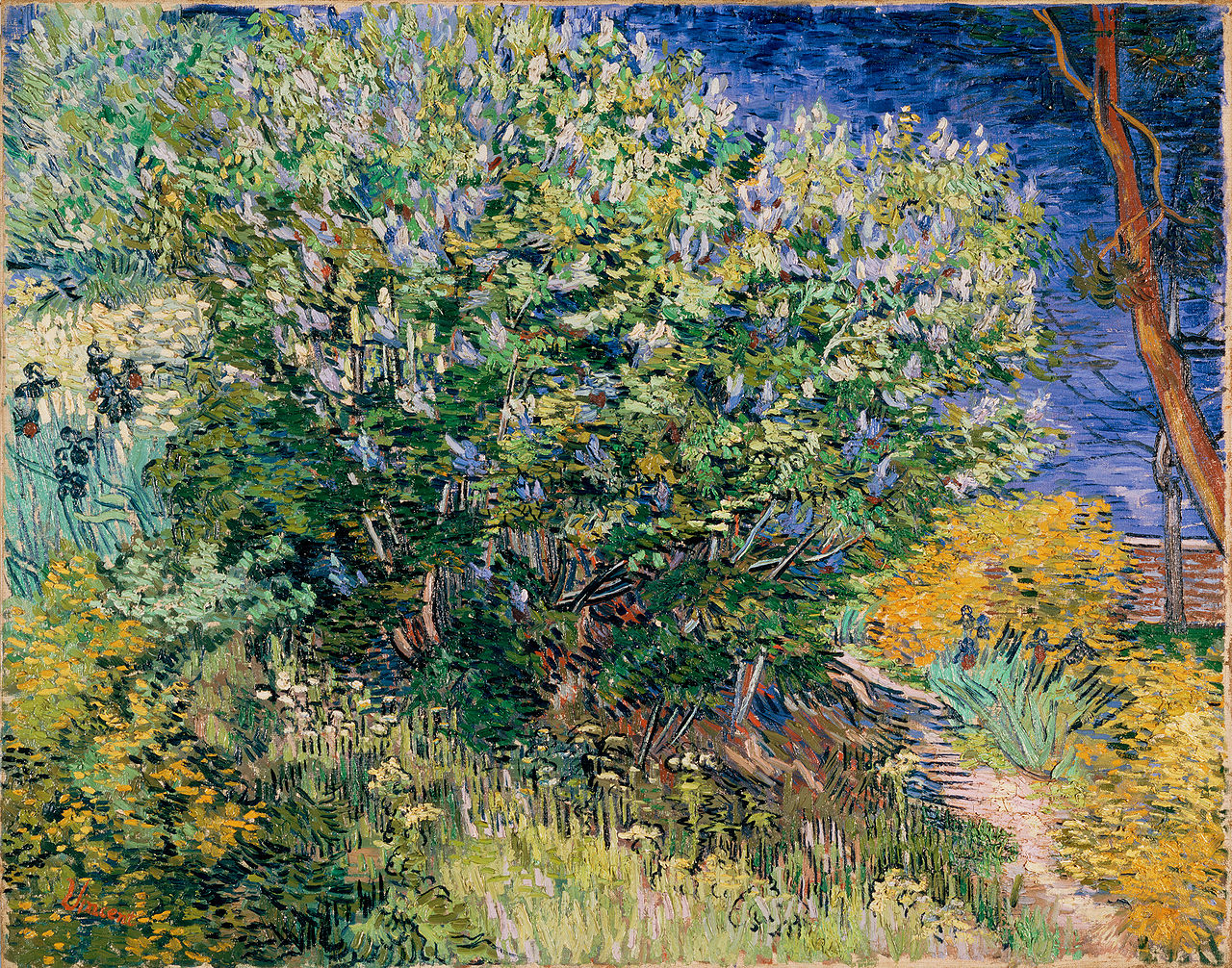
Lilas, Vincent van Gogh, 05.1889

Vincent van Gogh

Lilas, 05.1889