ART WIKI32 963 en salle
CarteCollectionArtistesMuséesExpositionsJournal
Connexion

ART WIKI

Où est accroché le chef-d’œuvre, et quand on vous laisse entrer.

Collections : Art Institute of Chicago, Cleveland Museum of Art, Galerie Tretiakov, Hirshhorn Museum and Sculpture Garden, J. Paul Getty Museum, Metropolitan Museum of Art, Minneapolis Institute of Art, Musée de l'Ermitage, Musée des Beaux-Arts Pouchkine, Musée du Louvre, musée national d'art asiatique, Musée russe, Musées d'Art de Harvard, Museum of Modern Art, National Gallery of Art, National Portrait Gallery, Rijksmuseum Amsterdam, Smithsonian American Art Museum, Statens Museum for Kunst, Victoria and Albert Museum, Villa Getty, Whitney Museum of American Art, Catalogue d’État du fonds muséal de Russie (274 musées), Europeana (19 musées), Wikidata (6 musées), Paris Musées (12 musées) et Joconde, la base des musées du ministère de la Culture (495 musées). Les images appartiennent à leurs ayants droit.

Rubriques

  • Carte
  • Recherche
  • Collection
  • Chefs-d’œuvre
  • Exposées en ce moment
  • Artistes

Et aussi

  • Musées et galeries
  • Expositions
  • Journal
  • D’où viennent les données
  • Confidentialité et cookies
AccueilCarteCatalogue
  1. Collection/
  2. Art Institute of Chicago/
  3. Dunes, Oceano
Dunes, Oceano, Edward Weston, 1936
Edward Weston, portraitEdward WestonÉtats-Unis, 1886–1958

Dunes, Oceano

1936 · Photograph

Peut-on la contempler ?

Elle ne reçoit pas en ce moment

Art Institute of Chicago

Chicago, États-Unis

Elle appartient à la collection, mais n’est pas présentée en ce moment.

Vérifié
il y a 3 jours
Dans cet état depuis
28 sept. 2026
Source
Le musée
Sur la cartePage du musée

Notice

1936 · à 50 ans
18861958
Numéro d’inventaire
1959.705

Au catalogue

PhotographiesTirage gélatino-argentiqueModernismeXXe siècle

Allées et venues

  1. Non exposée en ce moment

    Art Institute of Chicago · 28 sept. 2026 — aujourd’hui · Vérifié

  2. On ignore si elle est exposée aujourd’hui

    Art Institute of Chicago · Non confirmé

Sources

  • Art Institute of Chicago
  • Image : Art Institute of Chicago — © the artist or rights holder

Pendant ce temps, chez Edward Weston

La vie entière
  1. early 1934

    Meets Charis Wilson at a concert

    Meeting Charis Wilson at a concert, he is immediately captivated by her beauty and personality, even more than with his previous lovers; a new and important chapter opens in his life. He writes that a new and most beautiful love has come into his life, one that he believes will stand the test of time.

  2. 1934

    Stops writing his Daybooks

    Perhaps because of the intensity of his new relationship, he stops writing in his Daybooks, and six months later makes one final entry, looking back from 22 April: Charis, he writes, may be remembered as the great love of his life.

  3. April – May 1934

    Asks Noskowiak to move out

    He is still living with Noskowiak, but within two weeks he asks her to move out, declaring that other women are for him “as inevitable as the tides”.

  4. August 1935

    Charis Wilson agrees to live with him

    Weston had implored Charis Wilson to come and live with him, and in August 1935 she finally agrees. Of all the women he has lived with since Flora, she is the first with no interest in becoming a photographer; this lets him concentrate on her as his muse and model, while Wilson devotes her time to promoting his art as his assistant and quasi-agent.

  5. 22 March 1937

    News of the Guggenheim grant: two thousand dollars

    On 22 March 1937 Weston learns he has been awarded a Guggenheim grant, the first ever given to a photographer: $2,000 for one year, a significant sum at the time. He capitalises on it further by arranging to supply the editor of AAA Westway Magazine with 8–10 photographs a month for $50 during their travels, with Wilson earning another $15 a month for captions and short narratives. They buy a new car and set out on Weston’s dream trip to photograph whatever he wants.

  6. 1937–1939

    Nearly 1,400 negatives in two years on the fellowship

    The first photographer to receive a Guggenheim Fellowship, he produces nearly 1,400 negatives over the next two years with his 8 × 10 view camera.
Autres œuvres : Edward Weston

Toutes les œuvres
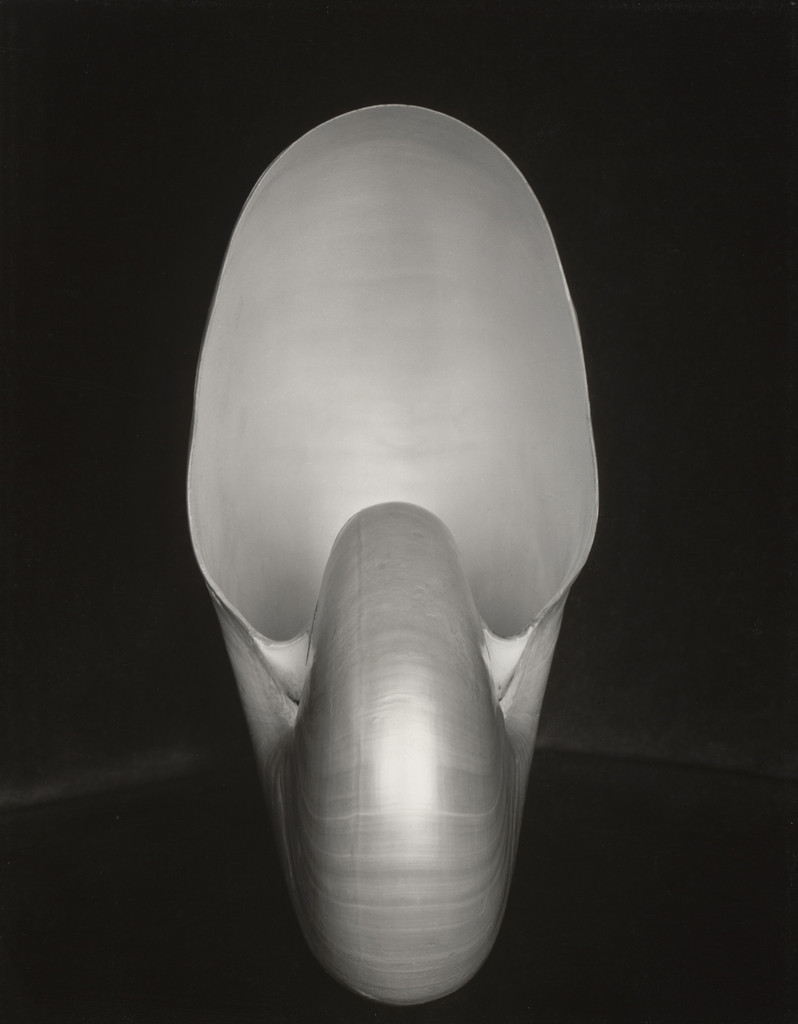
Shell, Edward Weston, 1927

Shell

1927 · Museum of Modern Art

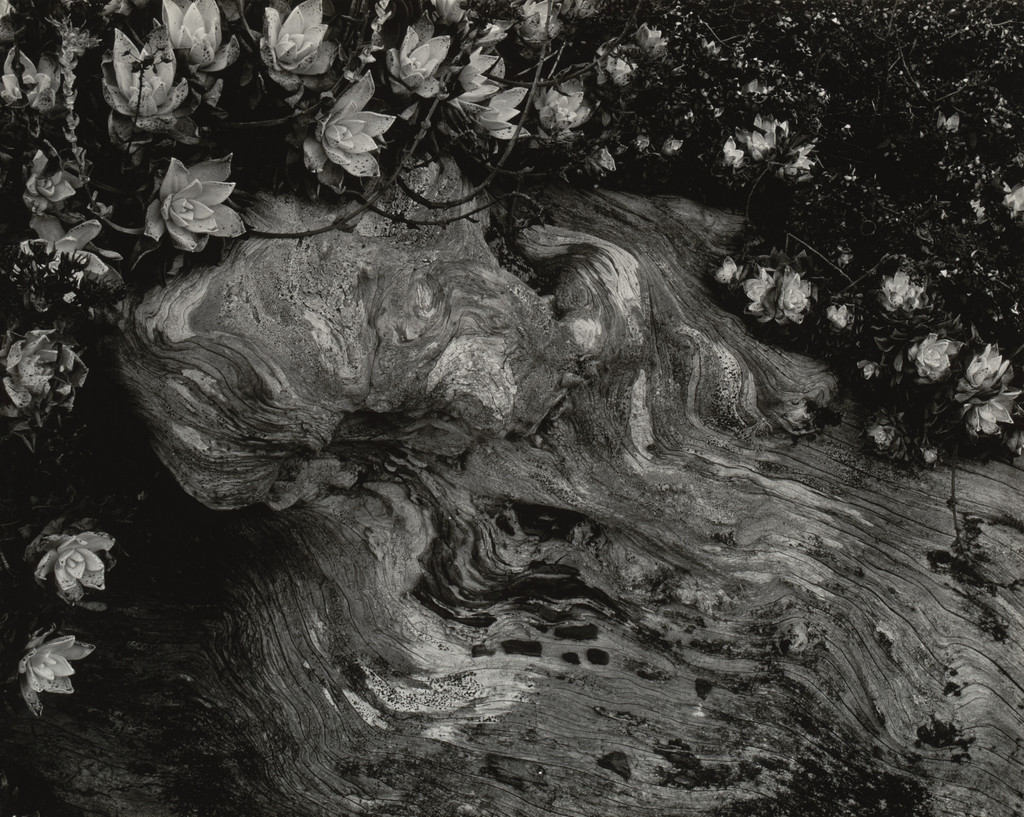
Cypress Root and Succulents, Point Lobos, Edward Weston, 1930

Cypress Root and Succulents, Point Lobos

1930 · Museum of Modern Art

Guadalupe, Mexico, Edward Weston, 1924

Guadalupe, Mexico

1924 · Minneapolis Institute of Art

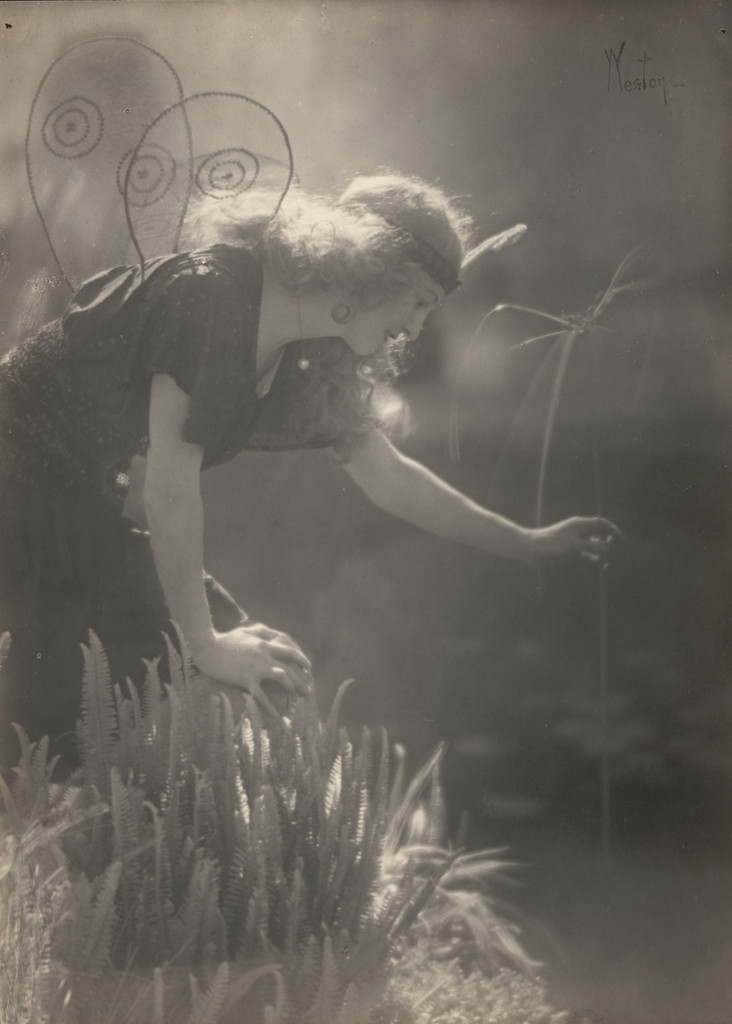
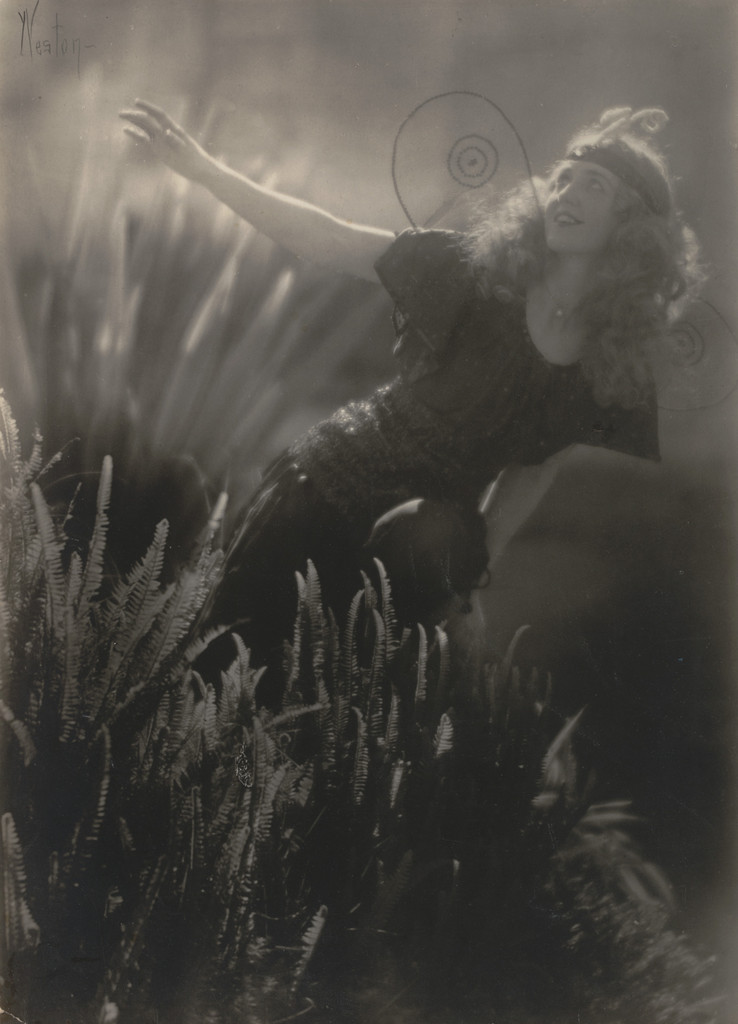
Violet Romer. (reaching for tall reed, wearing fairy costume), Edward Weston, c. 1917

Violet Romer. (reaching for tall reed, wearing fairy costume)

c. 1917 · Non exposée · Museum of Modern Art

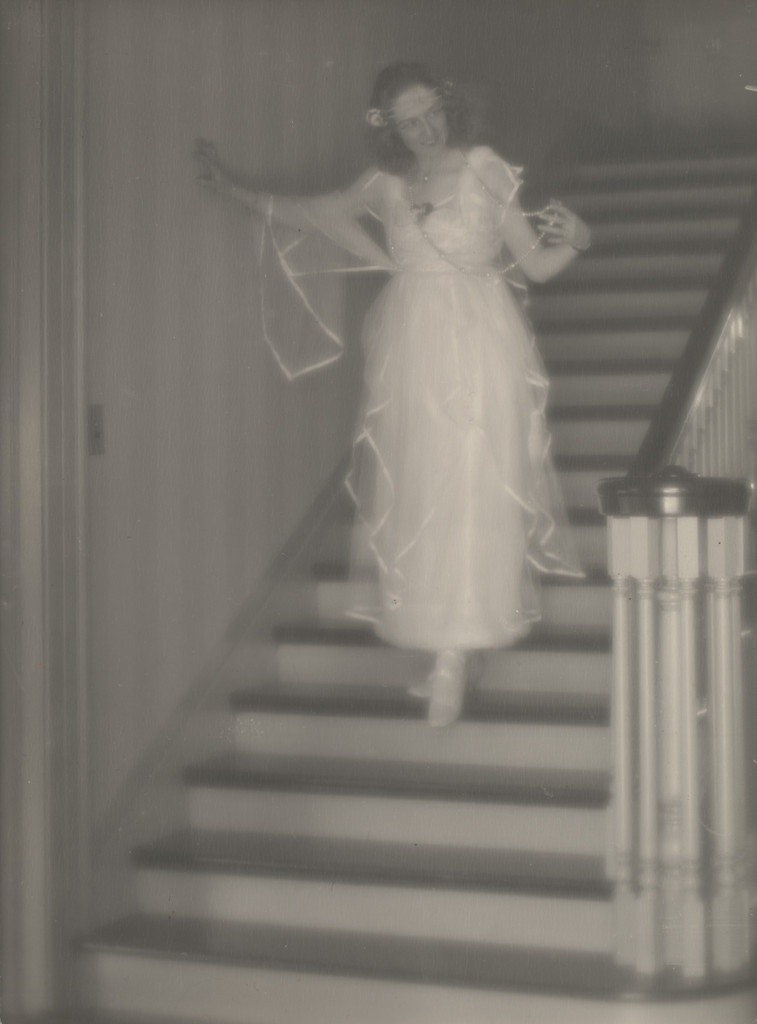
Violet Romer, Edward Weston, c. 1917

Violet Romer

c. 1917 · Non exposée · Museum of Modern Art

Violet Romer, Edward Weston, c. 1917

Violet Romer

c. 1917 · Non exposée · Museum of Modern Art

Violet Romer, Edward Weston, c. 1917

Violet Romer

c. 1917 · Non exposée · Museum of Modern Art

Violet Romer, Edward Weston, c. 1917

Violet Romer

c. 1917 · Non exposée · Museum of Modern Art

Sous le même toit : Art Institute of Chicago

Page du musée
The Bedroom, Vincent van Gogh, 1889

Vincent van Gogh

The Bedroom, 1889

A Sunday on La Grande Jatte — 1884, Georges Seurat, 1884–86, border added 1888–89

Georges Seurat

Un dimanche après-midi à l'Île de la Grande Jatte, 1884–86, border added 1888–89

Paris Street; Rainy Day, Gustave Caillebotte, 1877

Gustave Caillebotte

Rue de Paris, temps de pluie, 1877

Two Sisters (On the Terrace), Pierre-Auguste Renoir, 1881

Pierre-Auguste Renoir

Les Deux Sœurs, 1881

The Basket of Apples, Paul Cézanne, c. 1893

Paul Cézanne

La Corbeille de pommes, c. 1893

Stacks of Wheat (End of Summer), Claude Monet, 1890–91

Claude Monet

Stacks of Wheat (End of Summer), 1890–91

American Gothic, Grant Wood, 1930

Grant Wood

American Gothic, 1930

Nighthawks, Edward Hopper, 1942

Edward Hopper

Nighthawks, 1942