ART WIKI32 963 en salle
CarteCollectionArtistesMuséesExpositionsJournal
Connexion

ART WIKI

Où est accroché le chef-d’œuvre, et quand on vous laisse entrer.

Collections : Art Institute of Chicago, Cleveland Museum of Art, Galerie Tretiakov, Hirshhorn Museum and Sculpture Garden, J. Paul Getty Museum, Metropolitan Museum of Art, Minneapolis Institute of Art, Musée de l'Ermitage, Musée des Beaux-Arts Pouchkine, Musée du Louvre, musée national d'art asiatique, Musée russe, Musées d'Art de Harvard, Museum of Modern Art, National Gallery of Art, National Portrait Gallery, Rijksmuseum Amsterdam, Smithsonian American Art Museum, Statens Museum for Kunst, Victoria and Albert Museum, Villa Getty, Whitney Museum of American Art, Catalogue d’État du fonds muséal de Russie (274 musées), Europeana (19 musées), Wikidata (6 musées), Paris Musées (12 musées) et Joconde, la base des musées du ministère de la Culture (495 musées). Les images appartiennent à leurs ayants droit.

Rubriques

  • Carte
  • Recherche
  • Collection
  • Chefs-d’œuvre
  • Exposées en ce moment
  • Artistes

Et aussi

  • Musées et galeries
  • Expositions
  • Journal
  • D’où viennent les données
  • Confidentialité et cookies
AccueilCarteCatalogue
  1. Collection/
  2. Victoria and Albert Museum/
  3. Dr Antonio Cocchi
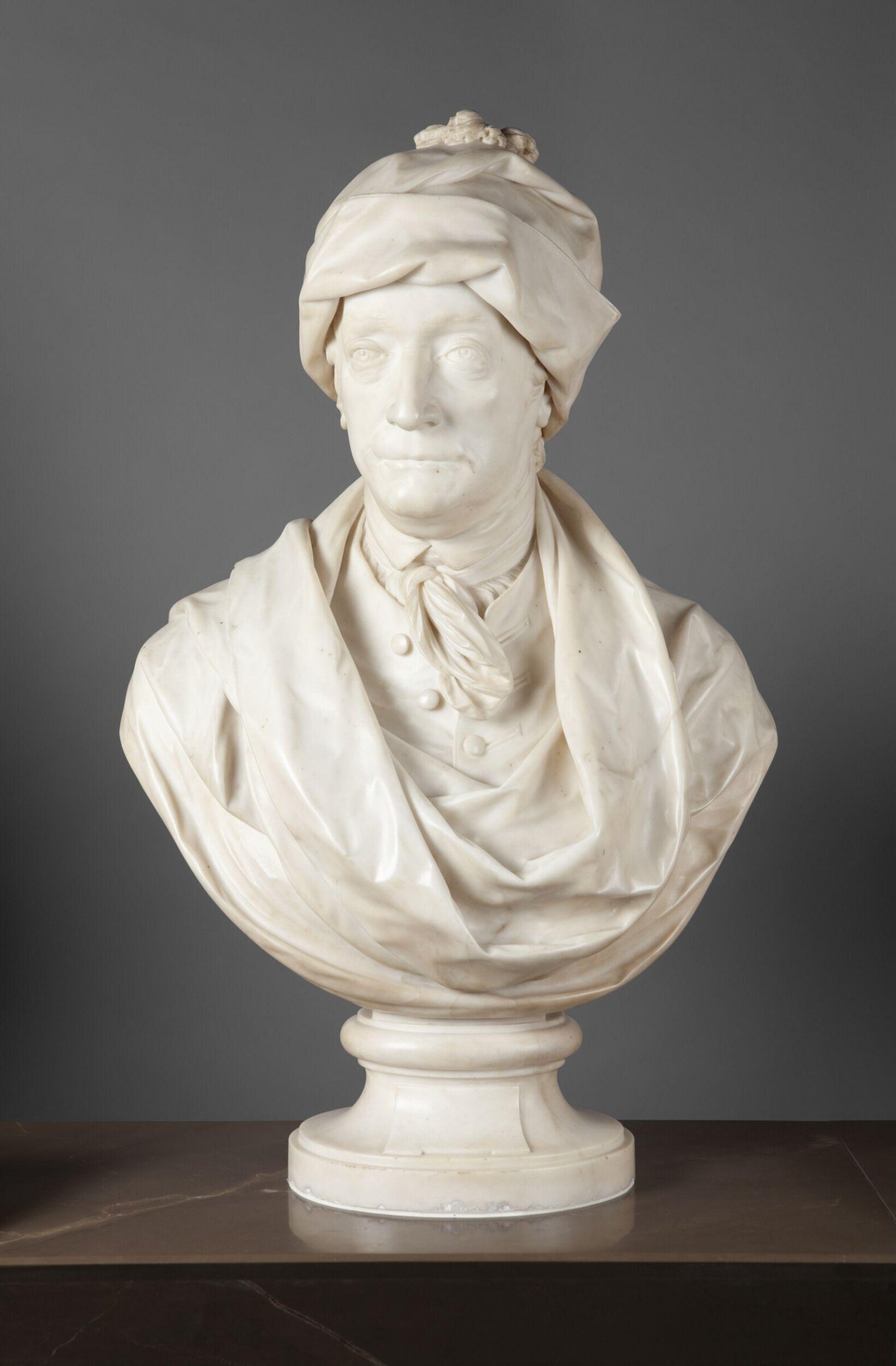
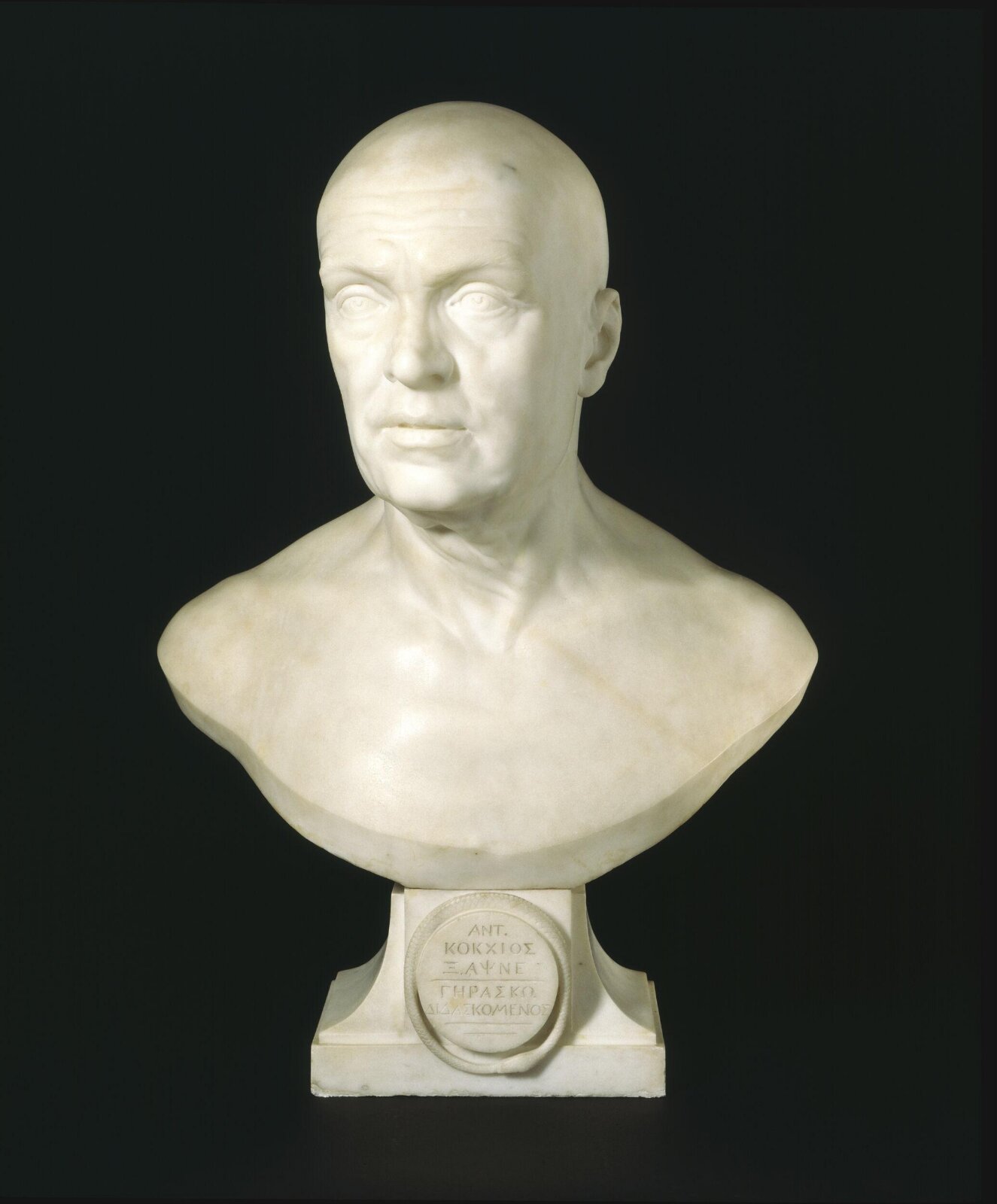
Dr Antonio Cocchi, Joseph Wilton, 1755

Dr Antonio Cocchi

1755 · Bust · 61.3 × 44 cm

À propos de la sculpture

This portrait bust of Dr Antonio Cocchi (1695-1758) was commissioned from the sculptor by Francis, 10th Earl of Huntingdon (1729-1789), and was recorded at his seat, Castle Donington, Leicestershire, in 1768, along with three other busts, including a portrait of the Earl himself, also by Wilton. Although Cocchi sat to the sculptor in Florence in 1755, and the bust is signed and dated that year, it has recently been argued that it was completed after Wilton's return to England in 1756.

Lire la suite

The pairing of this bust with that of Lord Huntingdon at the Earl's seat probably commemorated the friendship between the Florentine doctor and the Englishman on his Grand Tour. The medallion on the front of the socle gives the sitter's name and age (60), the date, and the statement 'I go on learning as I grow old'. The serpent biting its tail symbolises perseverance, as well as being an attribute of medicine.

Joseph Wilton (1722-1803) was the son of a London plasterer and manufacturer of papier-mâché ornaments, but received his training as a sculptor on the Continent, first under Laurent Delvaux at Nivelles, and then under Jean-Baptiste Pigalle in Paris. He went to Florence in 1751, and remained there until his return to England in 1755. In 1768 he became a founder member of the Royal Academy, but on inheriting a large legacy from his father he neglected sculpture and was declared bankrupt in 1793. In 1796 he was appointed Keeper of the Royal Academy, a post he retained until his death.

Dr Cocchi was an eminent Florentine physician, the friend of many Englishmen in Florence, and a notable scholar; he edited the first printed version of Benvenuto Cellini's autobiography in 1728, and was keeper of the Grand-Ducal collections in Florence from 1738 until his death. In 1722 he had travelled to England as the guest of the 9th Earl of Huntingdon, the father of the 10th Earl. He was a close friend of the British envoy in Florence, Horace Mann. Mann's friend, Horace Walpole, commented to a correspondent in 1740, 'I am very well acquainted with Doctor Cocchi; he is a good sort of man, rather than a great man; he is a plain honest creature with quiet knowledge, but I dare say all the English have told you, he has a very particular understanding.

Pendant ce temps, chez Joseph Wilton

La vie entière
  1. 1747–1755 · Lieu de travail

    Rome

  2. 1747–1755 · Lieu de travail

    Florence

  3. 1755 · Lieu de travail

    London
Autres œuvres : Joseph Wilton

Toutes les œuvres

Dans la même salle · British Galleries, Room 118, The Wolfson Gallery, Victoria and Albert Museum

Page du musée

Sur le même thème · Serpent

Toutes les œuvres sur ce thème

This marble bust was made after a plaster model, and almost certainly Wilton's original studies were made from the life. Wilton was well-acquainted with Cocchi, as both men gave guide lectures around the collections in the Uffizi and the Pitti Palace in Florence. If, as seems likely, the bust was actually carved in marble on Wilton's return to England, he probably left Italy with a plaster version to use as the model. A bronze version of the bust surmounts Dr Cocchi's tomb in the church of Santa Croce, Florence.

Victoria and Albert Museum

Notice

1755 · à 33 ans
17221803
Numéro d’inventaire
A.9-1966

Sources

  • Victoria and Albert Museum
  • Image : Victoria and Albert Museum — © Victoria and Albert Museum, London
Joseph Wilton, portraitJoseph WiltonRoyaume-Uni, 1722–1803

Peut-on la contempler ?

Oui, elle reçoit

Victoria and Albert Museum

Londres, Royaume-Uni

SalleBritish Galleries, Room 118, The Wolfson Gallery

Présentée au public. Qui s’en porte garant est indiqué ci-dessous.

Vérifié
il y a 12 jours
Dans cet état depuis
25 sept. 2026
Source
Le musée
Sur la cartePage du musée
Bust of Pseudo-Seneca (after the antique), Joseph Wilton, 1755–1765

Bust of Pseudo-Seneca (after the antique)

1755–1765 · J. Paul Getty Museum

Bust of a Man (after the antique), Joseph Wilton, 1758

Bust of a Man (after the antique)

1758 · J. Paul Getty Museum

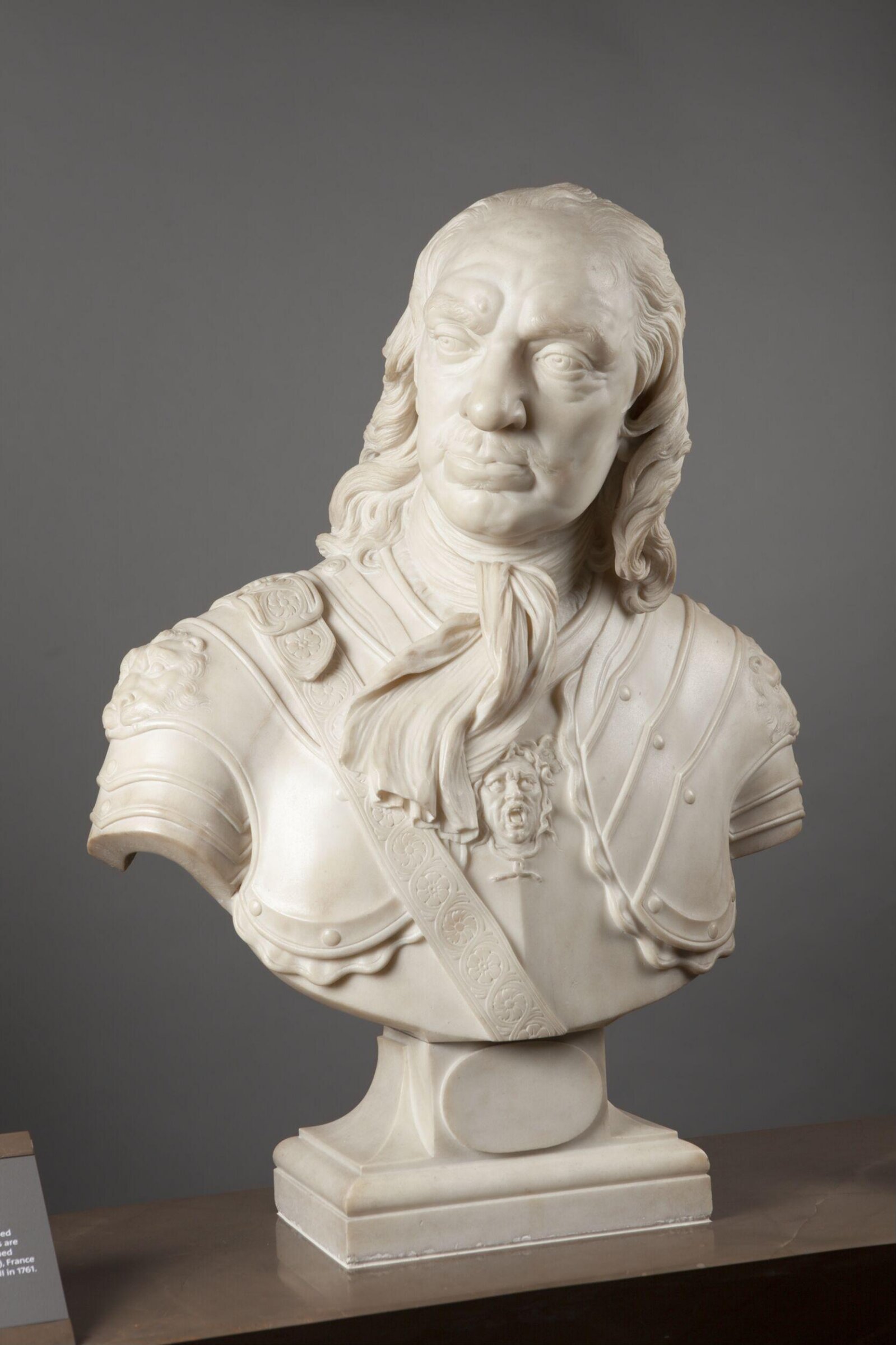
Oliver Cromwell (1599–1658), Joseph Wilton, 1762

Oliver Cromwell (1599–1658)

1762 · Victoria and Albert Museum

Apollo (after the antique), Joseph Wilton, 1762

Apollo (after the antique)

1762 · J. Paul Getty Museum

Isis (after the antique), Joseph Wilton, 1762

Isis (after the antique)

1762 · J. Paul Getty Museum

Unknown man, possibly Dr Edward Archer, Joseph Wilton, 1781

Unknown man, possibly Dr Edward Archer

1781 · Victoria and Albert Museum

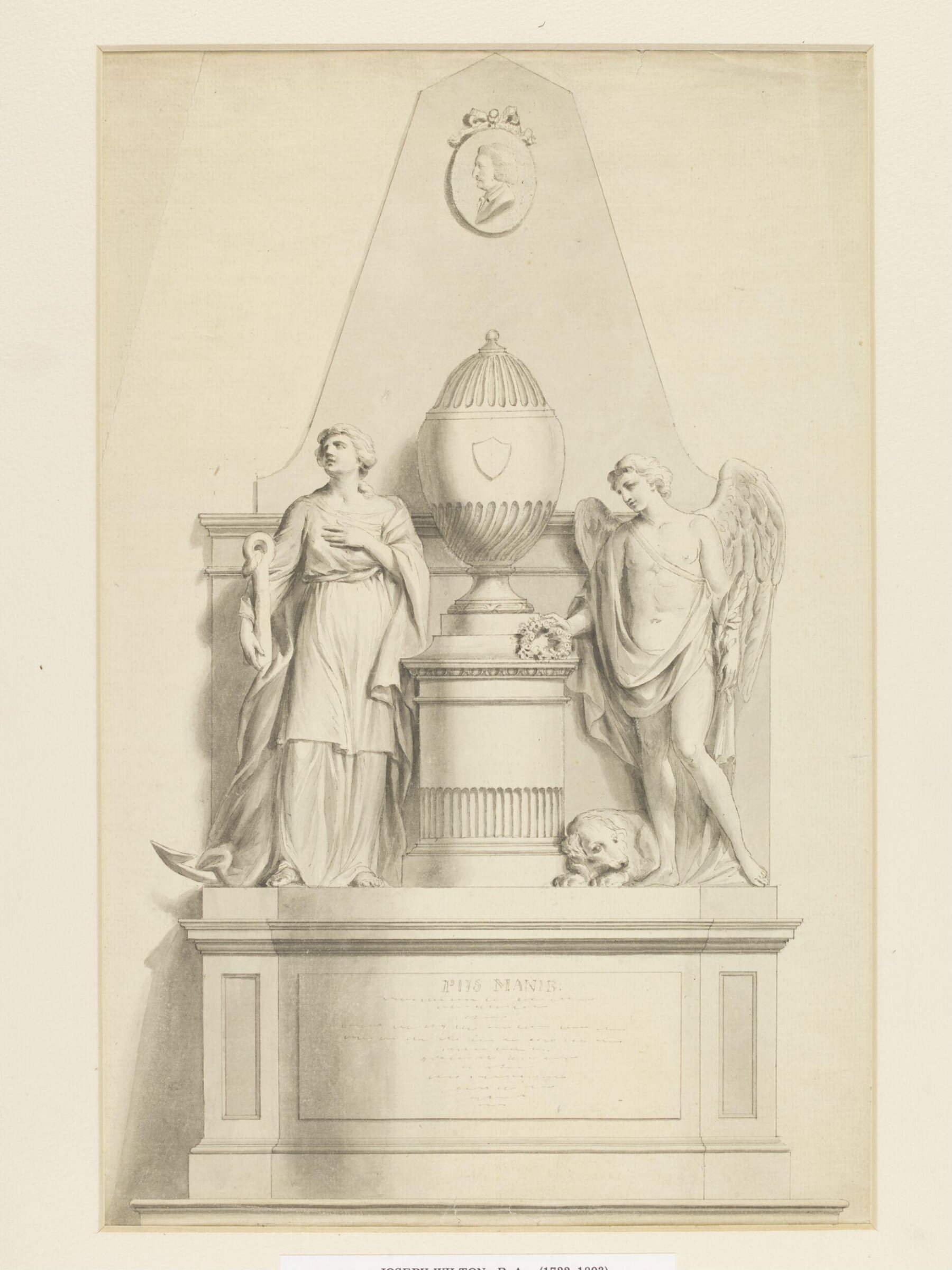
Drawing, Joseph Wilton, 18th century

Drawing

18th century · Non exposée · Victoria and Albert Museum

Drawing, Joseph Wilton, 18th century

Drawing

18th century · Non exposée · Victoria and Albert Museum

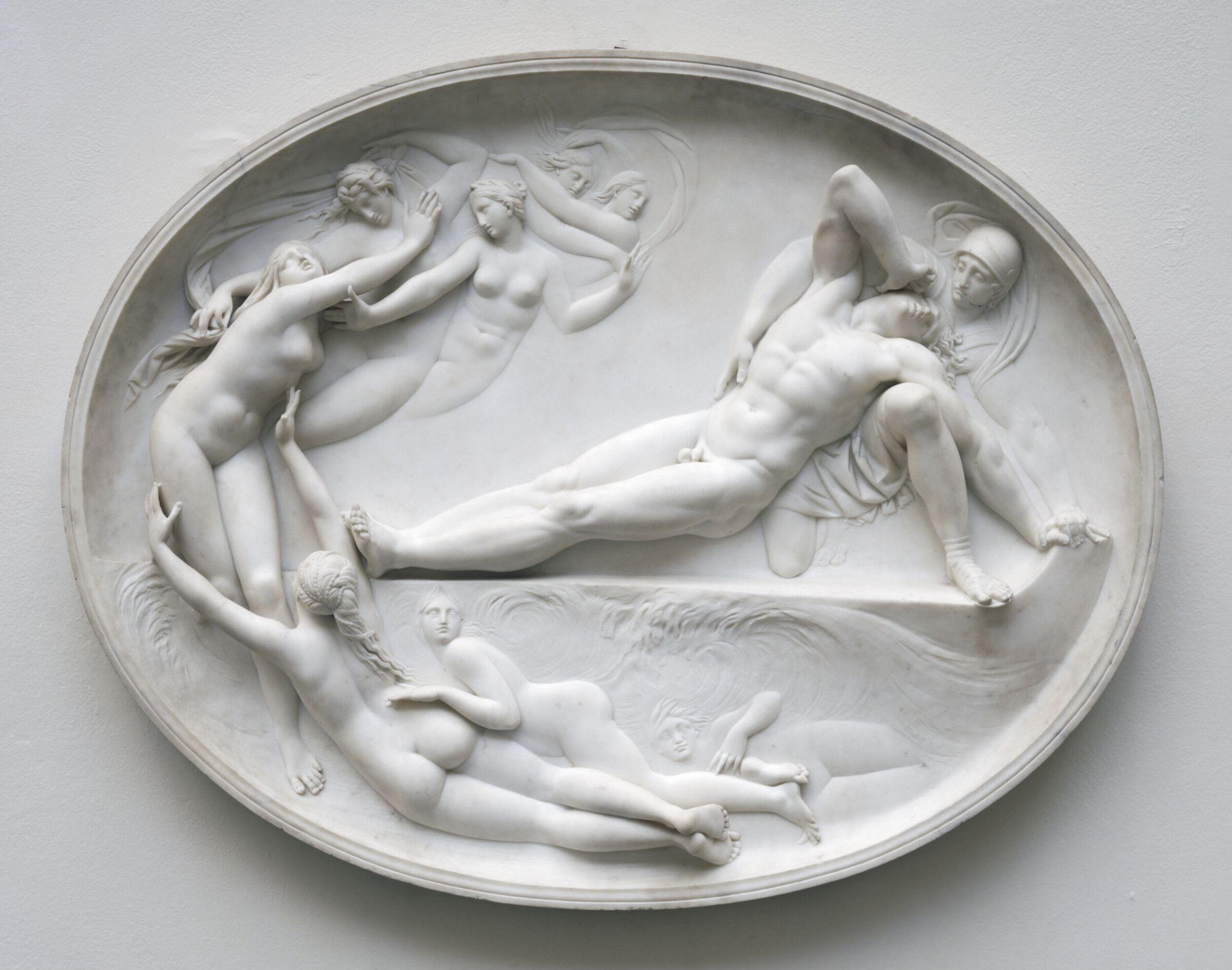
Thetis and her nymphs rising from the sea to console Achilles for the loss of Patroclus, Thomas Banks, 1777-1778

Thomas Banks

Thetis and her nymphs rising from the sea to console Achilles for the loss of Patroclus, 1777-1778

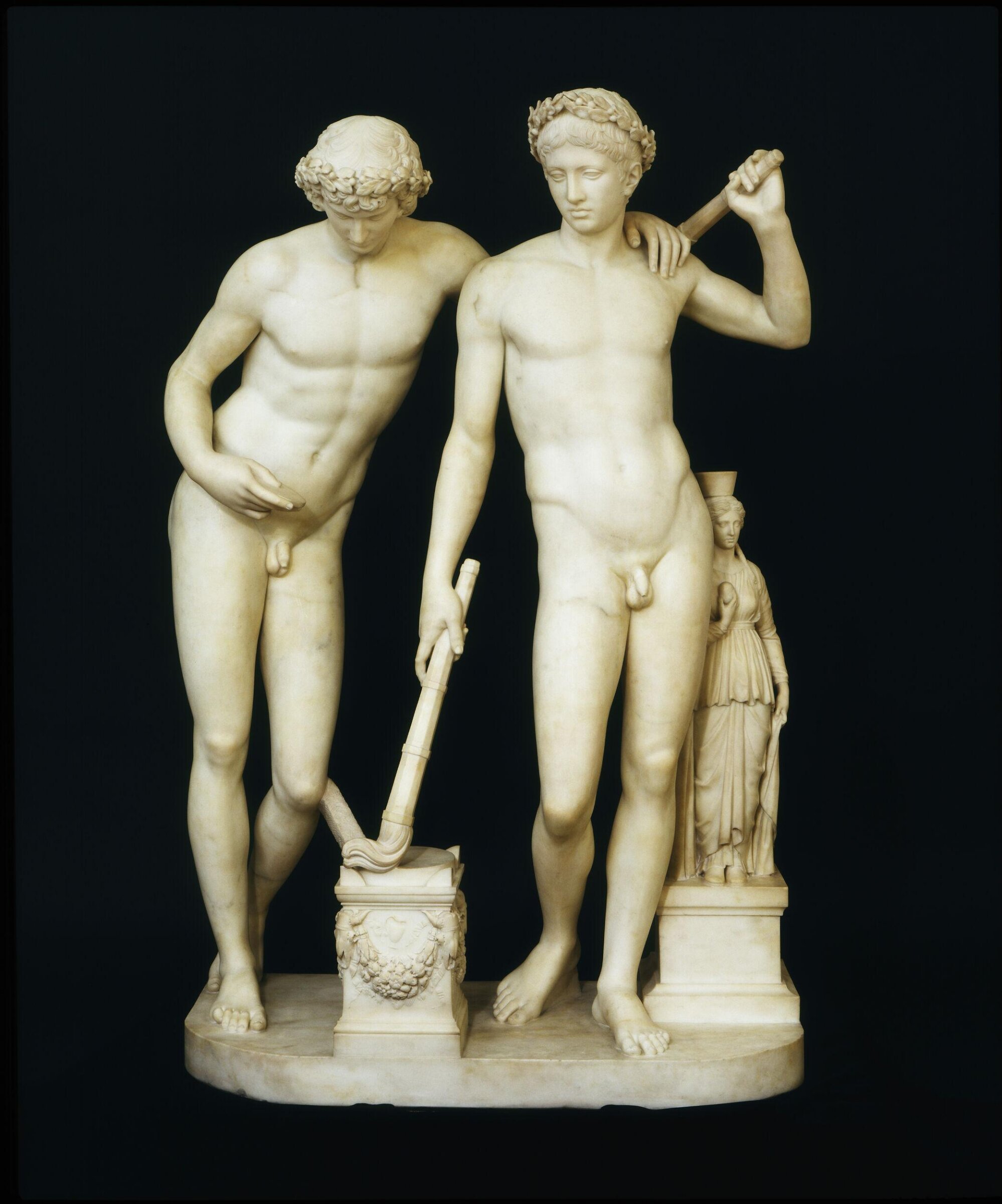
Castor and Pollux, Joseph Nollekens, 1767

Joseph Nollekens

Castor and Pollux, 1767

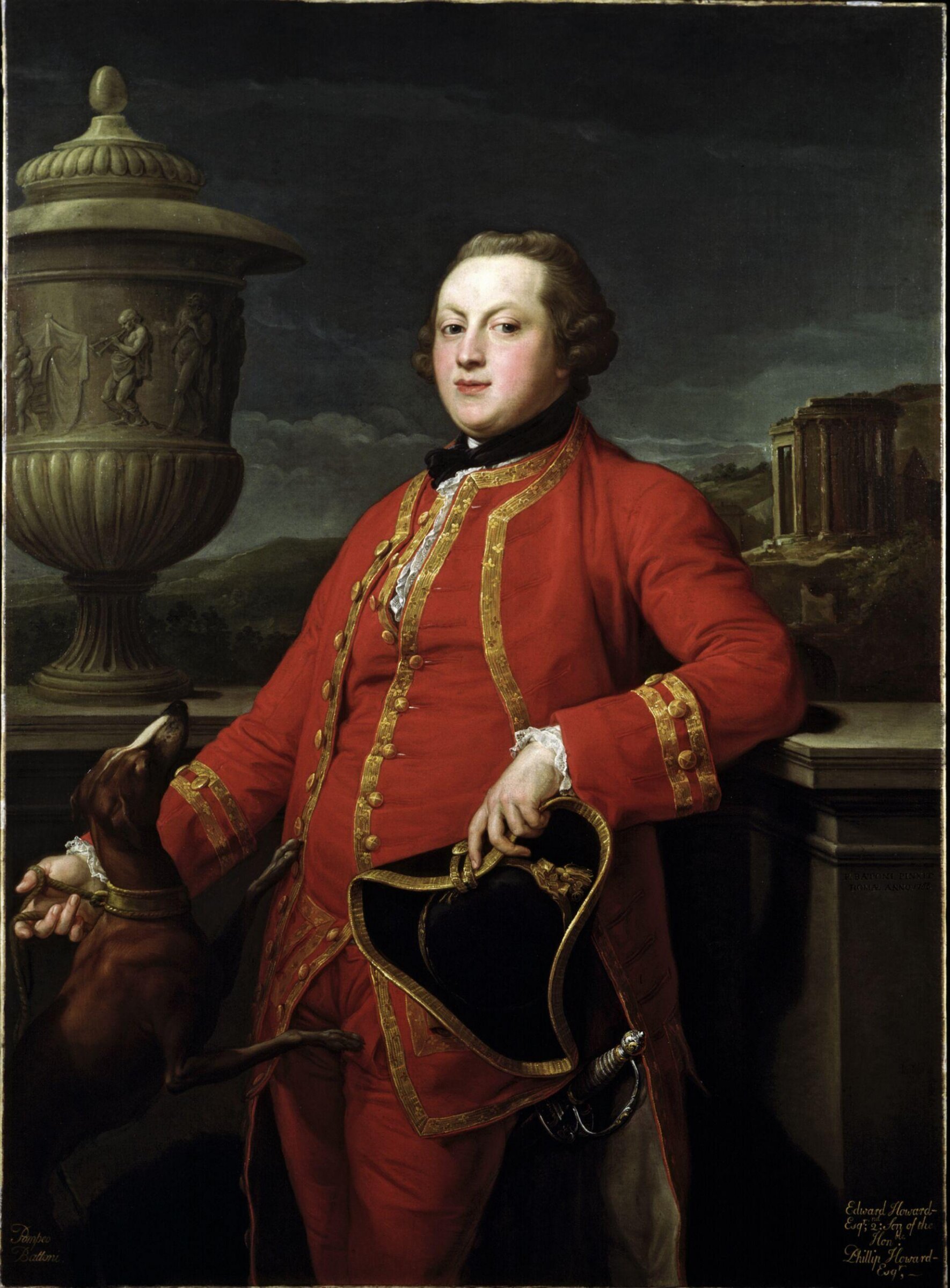
Edward Howard, Pompeo Batoni, 1766

Pompeo Batoni

Edward Howard, 1766

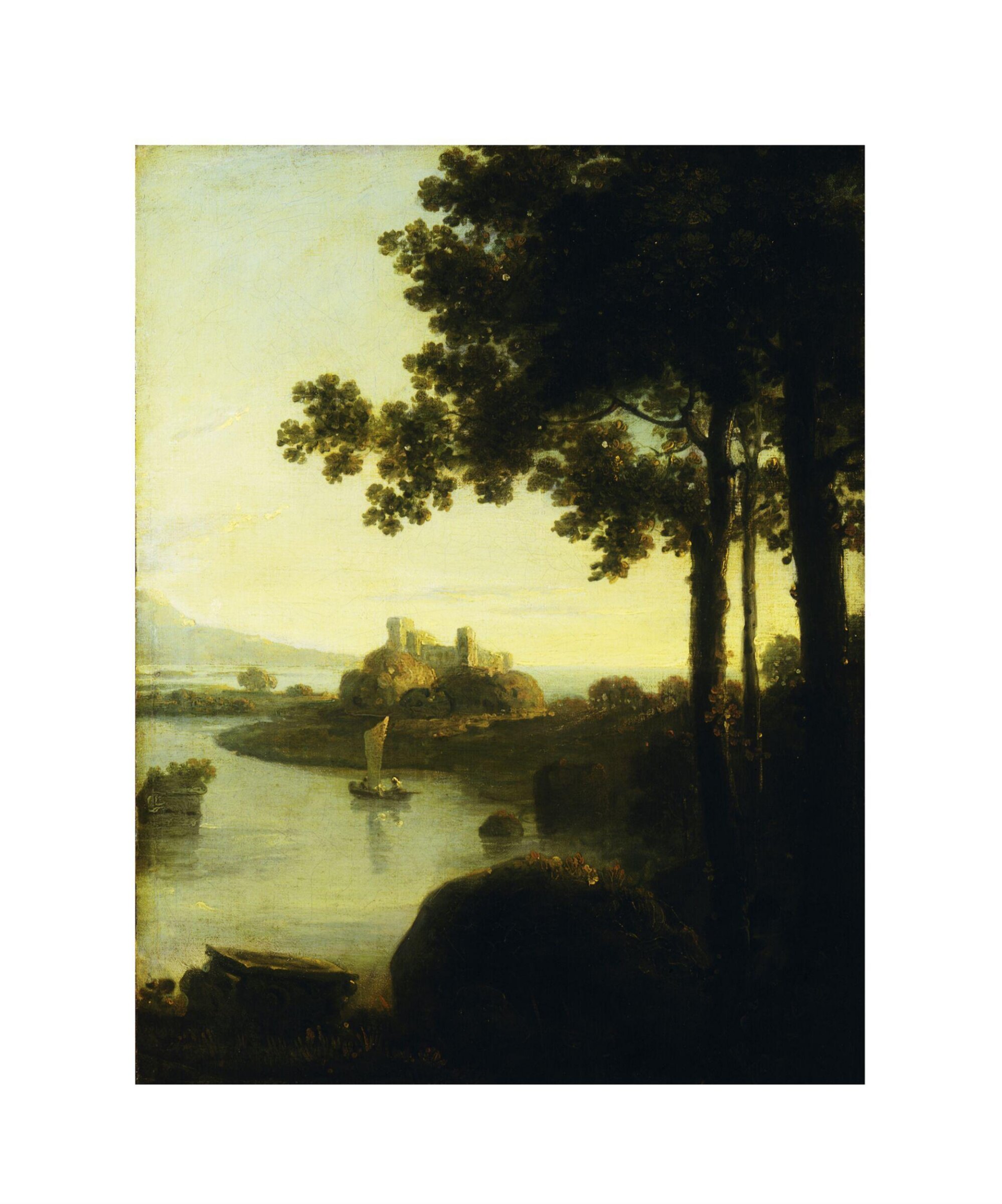
River scene with castle, Richard Wilson, mid 18th century

Richard Wilson

River scene with castle, mid 18th century

Chalice of Saint John the Evangelist [reverse], Hans Memling, c. 1470/1475

Hans Memling

Chalice of Saint John the Evangelist [reverse], c. 1470/1475

National Gallery of Art

An Allegorical Scene, Workshop of Andrea Briosco, called Riccio

anonymous

An Allegorical Scene

Non exposée · National Gallery of Art

Candlestick with Volubilis, Roots, and Fawn's Feet with a Serpent about the Stem, Antoine-Louis Barye, model n.d., cast c. 1845/1874

Antoine-Louis Barye

Candlestick with Volubilis, Roots, and Fawn's Feet with a Serpent about the Stem, model n.d., cast c. 1845/1874

Non exposée · National Gallery of Art

Lion Crushing a Serpent, Antoine-Louis Barye, model 1838, cast by 1873

Antoine-Louis Barye

Lion Crushing a Serpent, model 1838, cast by 1873

National Gallery of Art

North African Horseman Surprised by a Serpent, Antoine-Louis Barye, model before 1843, cast by 1873

Antoine-Louis Barye

North African Horseman Surprised by a Serpent, model before 1843, cast by 1873

Non exposée · National Gallery of Art

Yogyakarta Palace, Java, Indonesia 1991, Mitch Epstein, 1991, printed 2025

Mitch Epstein

Yogyakarta Palace, Java, Indonesia 1991, 1991, printed 2025

Non exposée · National Gallery of Art

Andiron: Apollo with the Serpent, Italian 18th Century, 18th century

Italian 18th Century

Andiron: Apollo with the Serpent, 18th century

Non exposée · National Gallery of Art

Adam and Eve, South German or Austrian 17th Century, c. 1600/1650

South German or Austrian 17th Century

Adam and Eve, c. 1600/1650

Non exposée · National Gallery of Art

Ce qu’elle montre

SerpentCocchi, Antonio (Dr,)

Au catalogue

SculptureMarbreRococoXVIIIe siècleFlorence