ART WIKI33 040 en salle
CarteCollectionArtistesMuséesExpositionsJournal
Connexion

ART WIKI

Où est accroché le chef-d’œuvre, et quand on vous laisse entrer.

Collections : Art Institute of Chicago, Cleveland Museum of Art, Galerie Tretiakov, Hirshhorn Museum and Sculpture Garden, J. Paul Getty Museum, Metropolitan Museum of Art, Minneapolis Institute of Art, Musée de l'Ermitage, Musée des Beaux-Arts Pouchkine, Musée du Louvre, musée national d'art asiatique, Musée russe, Musées d'Art de Harvard, Museum of Modern Art, National Gallery of Art, National Portrait Gallery, Rijksmuseum Amsterdam, Smithsonian American Art Museum, Statens Museum for Kunst, Victoria and Albert Museum, Villa Getty, Whitney Museum of American Art, Catalogue d’État du fonds muséal de Russie (274 musées), Europeana (19 musées), Wikidata (6 musées), Paris Musées (12 musées) et Joconde, la base des musées du ministère de la Culture (495 musées). Les images appartiennent à leurs ayants droit.

Rubriques

  • Carte
  • Recherche
  • Collection
  • Chefs-d’œuvre
  • Exposées en ce moment
  • Artistes

Et aussi

  • Musées et galeries
  • Expositions
  • Journal
  • D’où viennent les données
  • Confidentialité et cookies
AccueilCarteCatalogue
  1. Collection/
  2. Victoria and Albert Museum/
  3. Doña María de Perea
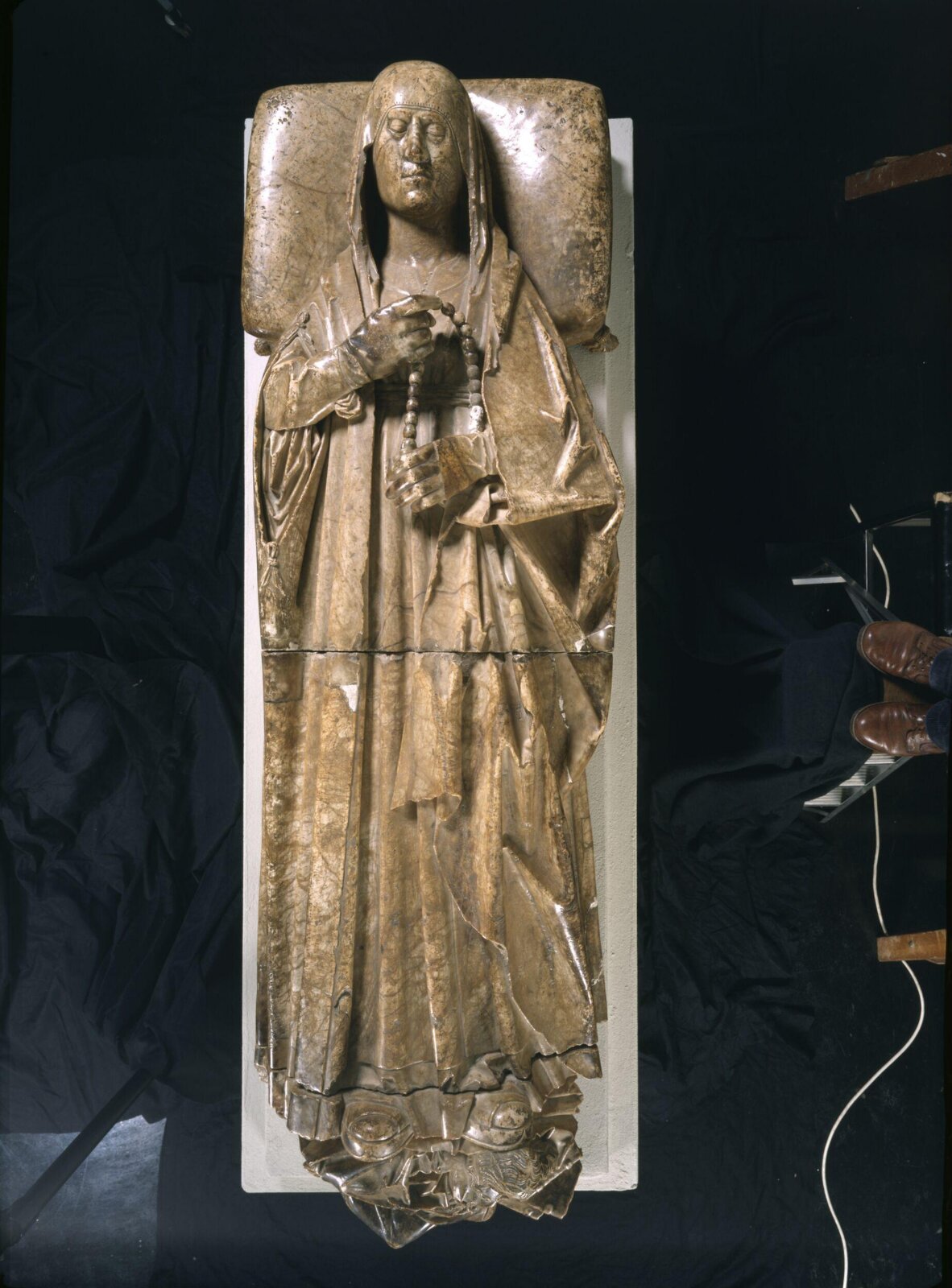
Doña María de Perea, 1499-1505

Doña María de Perea

1499-1505 · Effigy · 33.5 × 66 cm

À propos de la sculpture

This effigy of Doña María de Perea (d. 1499) is a pendant to that of her husband, Don García de Osorio (d. after 1502). Both effigies were originally placed in the church of S. Pedro at Ocaña near Toledo in Spain, but they were removed when the church was declared structurally unsound in 1906. Doña María holds a rosary, an indication of her piety.

The church of S. Pedro was closely associated with the military Order of Santiago, which owned Ocaña.

Lire la suite

Doña María's simple dress, reminiscent of a nun, also implies her lack of ostentation and her religious devotion. Although the author of the tomb is unknown, he is likely to have been a sculptor active in Toledo, and the skill with which the dress and portraits are rendered on both this effigy and that of don García Osorio (doña María Perea's husband) suggests an experienced Castilian sculptor perhaps influenced by Netherlandish prototypes, in the tradition of Gil de Siloe.

Victoria and Albert Museum

Notice

Numéro d’inventaire
A.49-1910

Dans la même salle · Medieval & Renaissance, Room 50a, The Paul and Jill Ruddock Gallery, Victoria and Albert Museum

Page du musée

Peut-on la contempler ?

Oui, elle reçoit

Victoria and Albert Museum

Londres, Royaume-Uni

SalleMedieval & Renaissance, Room 50a, The Paul and Jill Ruddock Gallery

Présentée au public. Qui s’en porte garant est indiqué ci-dessous.

Vérifié
il y a 13 jours
Dans cet état depuis
25 sept. 2026
Source
Le musée
Sur la cartePage du musée

Au catalogue

SculpturePierreRenaissanceXVe siècleToledo (City)

Sources

  • Victoria and Albert Museum
  • Image : Victoria and Albert Museum — © Victoria and Albert Museum, London
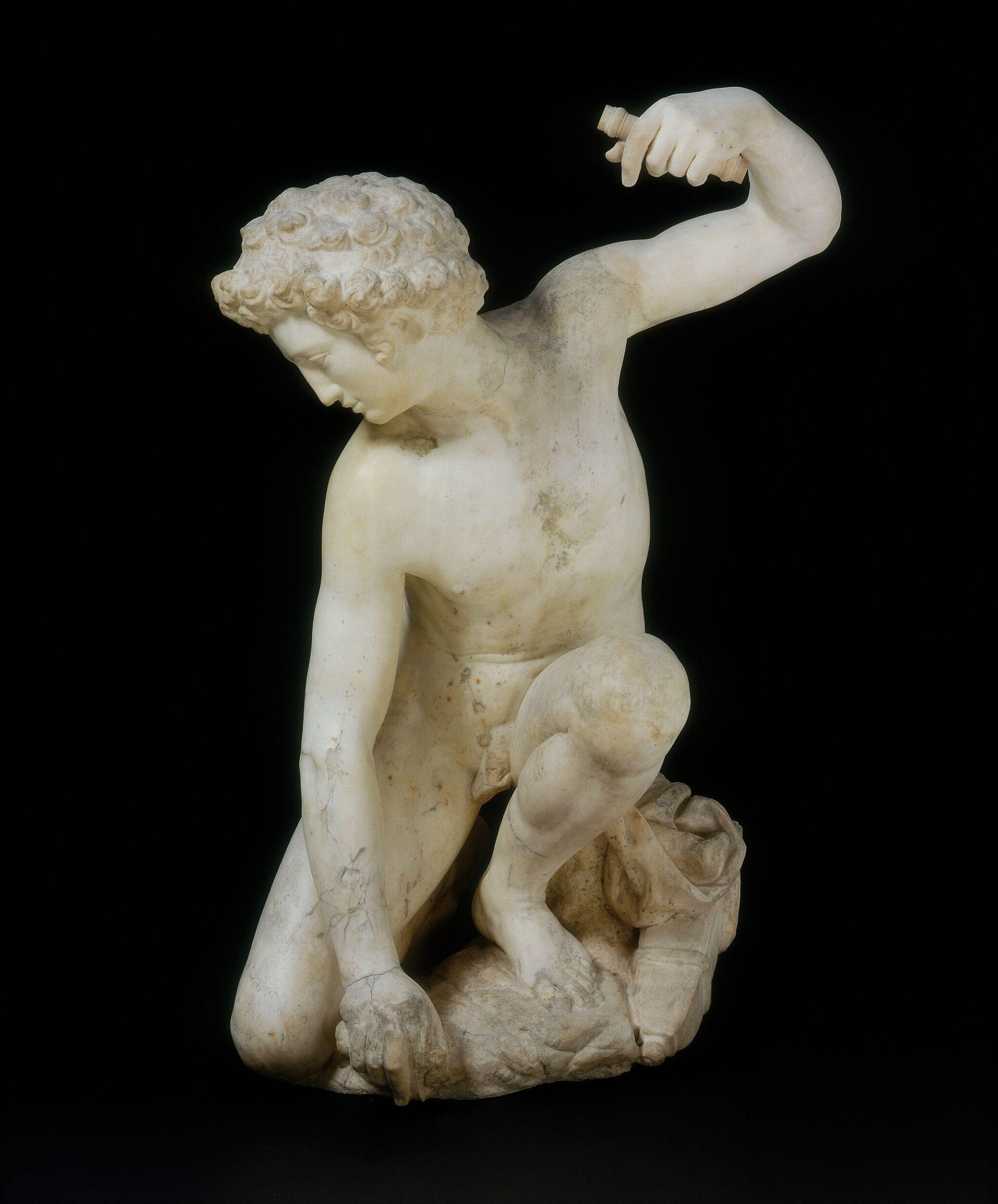
Narcissus, Valerio Cioli, ca. 1560

Valerio Cioli

Narcissus, ca. 1560

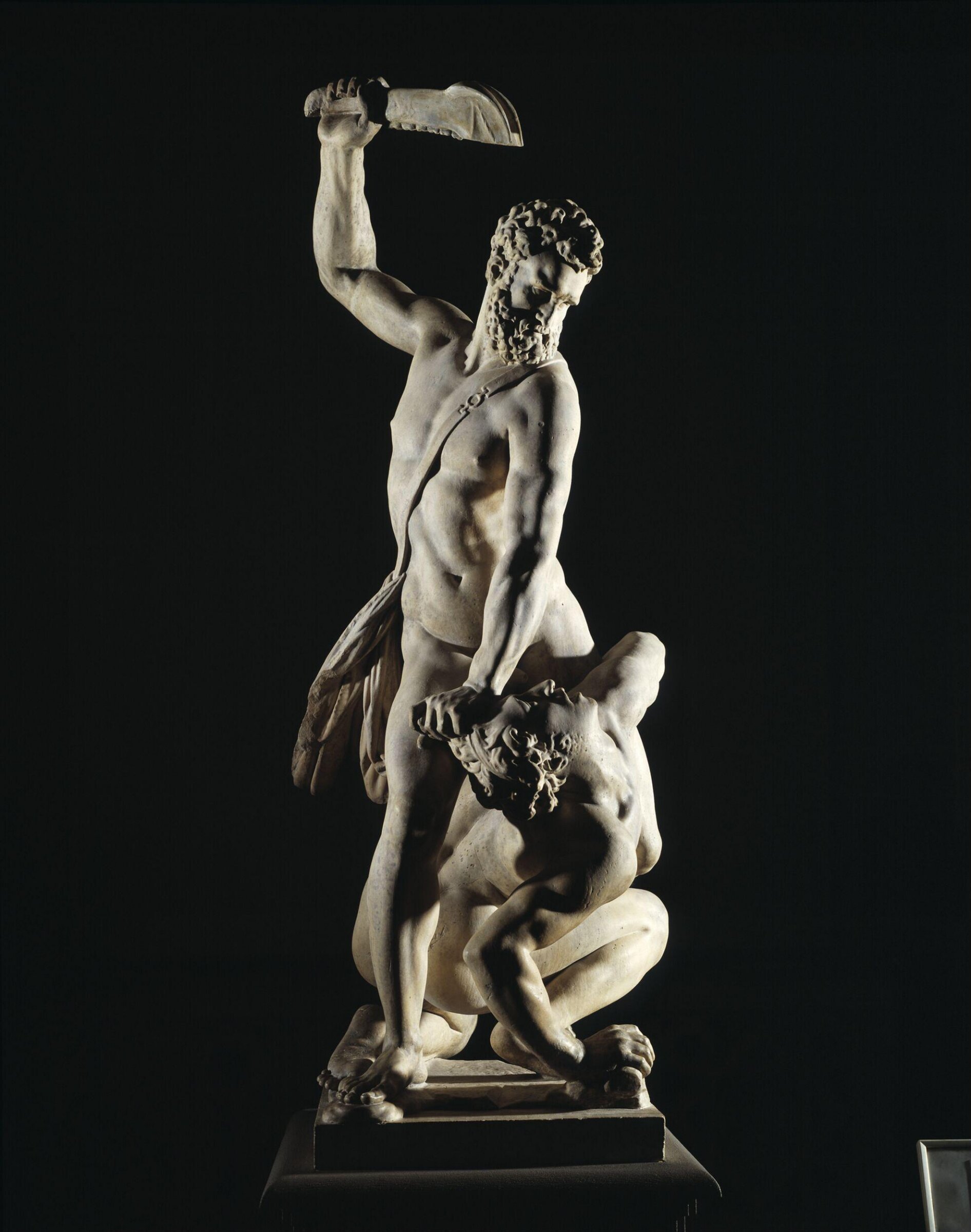
Samson Slaying a Philistine, Giovanni Bologna, 1560-1562

Giovanni Bologna

Samson Slaying a Philistine, 1560-1562

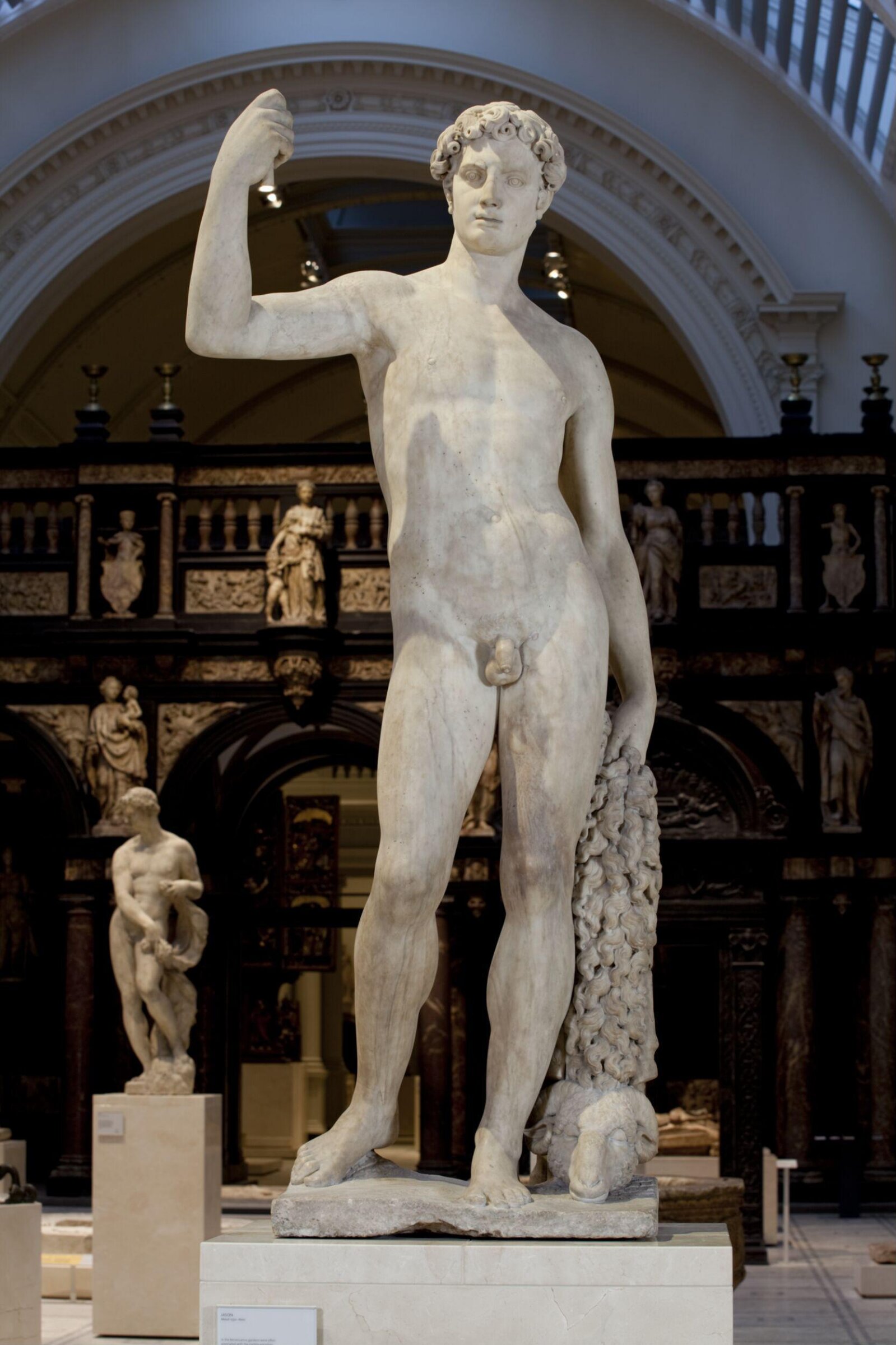
Jason, 2nd half 16th century

Jason, 2nd half 16th century

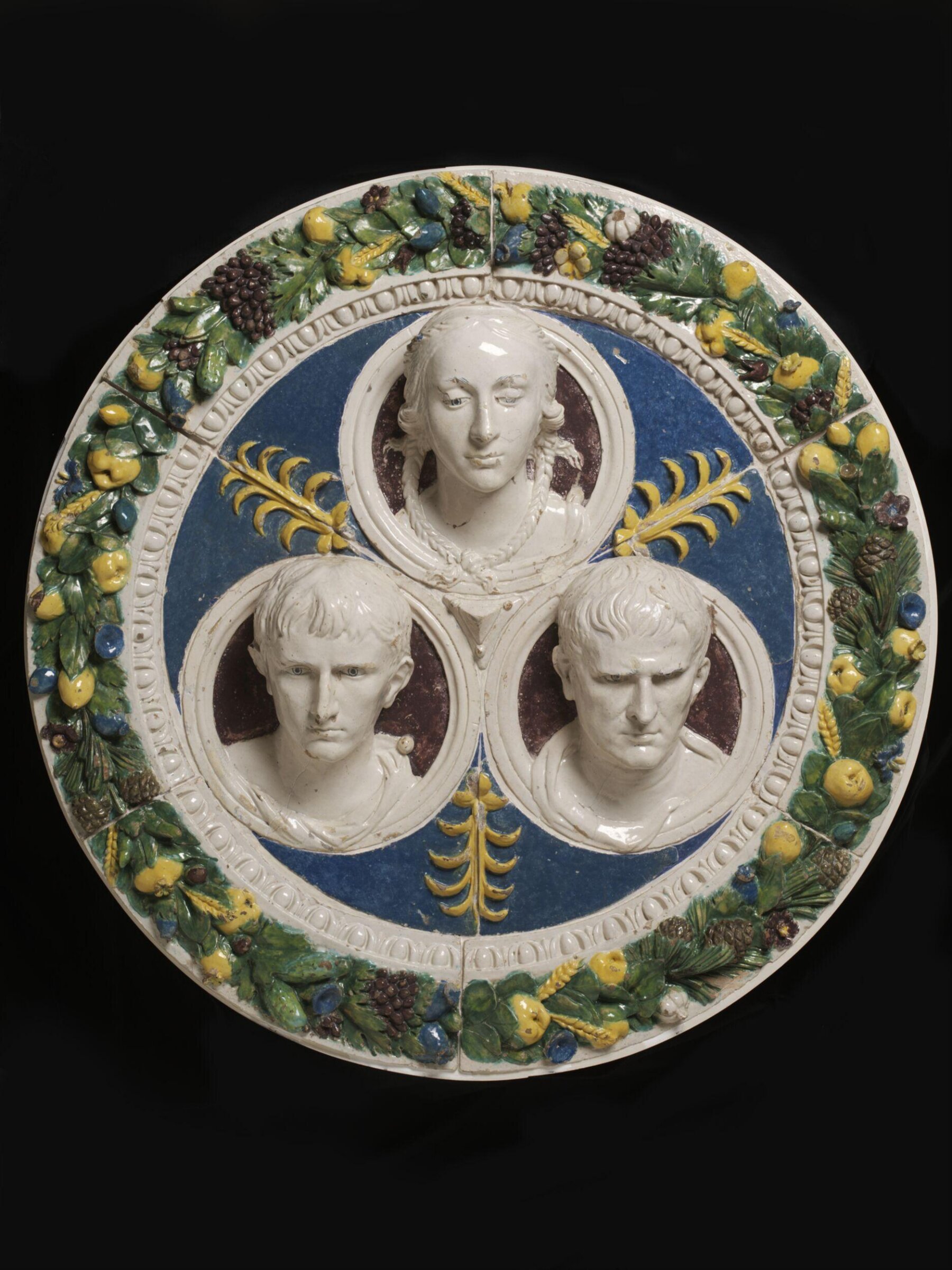
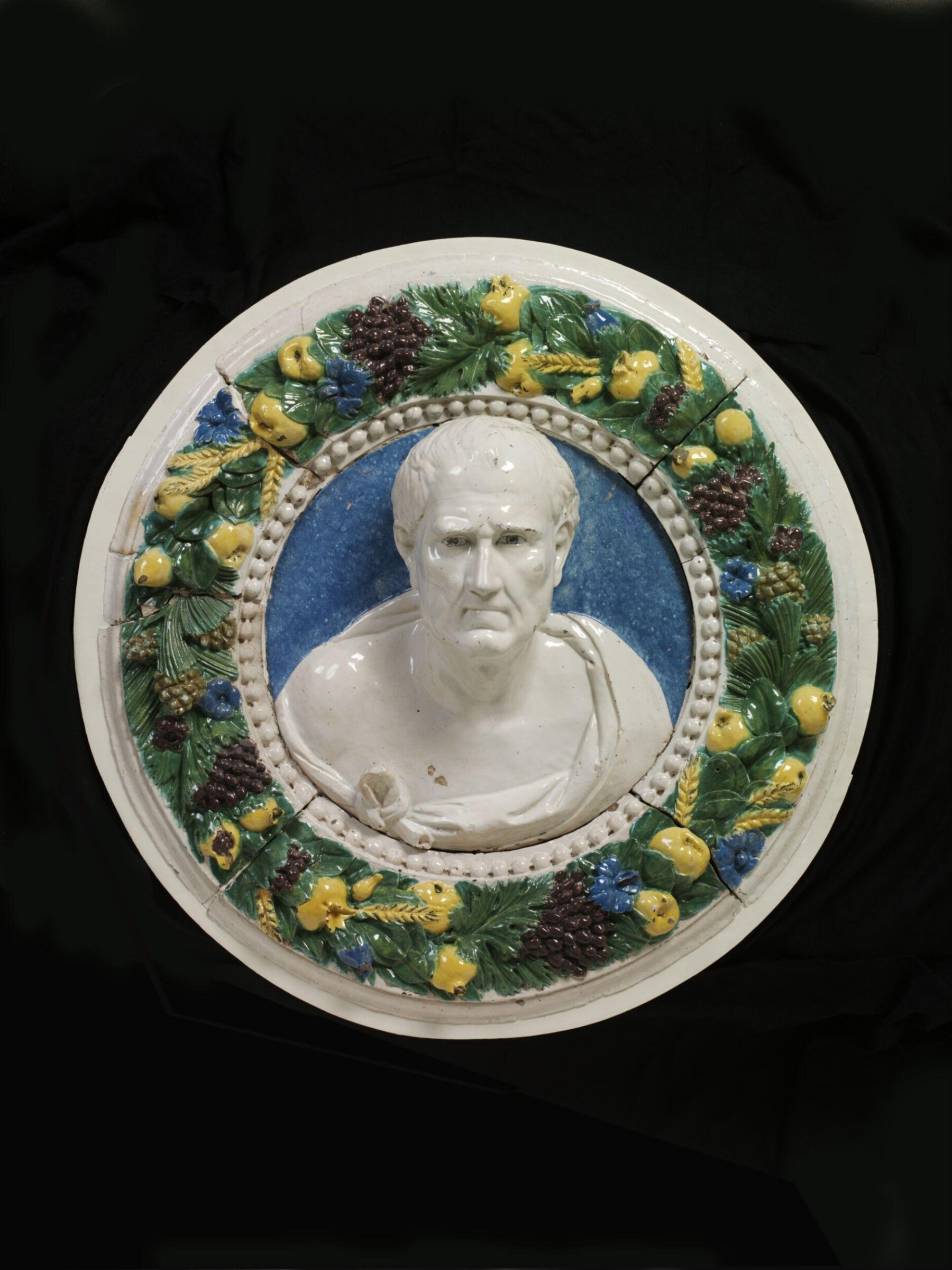
Roundel depicting Julia (?) Augustus & Agrippa, workshop of Giovanni della Robbia, ca. 1520 - ca. 1525

workshop of Giovanni della Robbia

Roundel depicting Julia (?) Augustus & Agrippa, ca. 1520 - ca. 1525

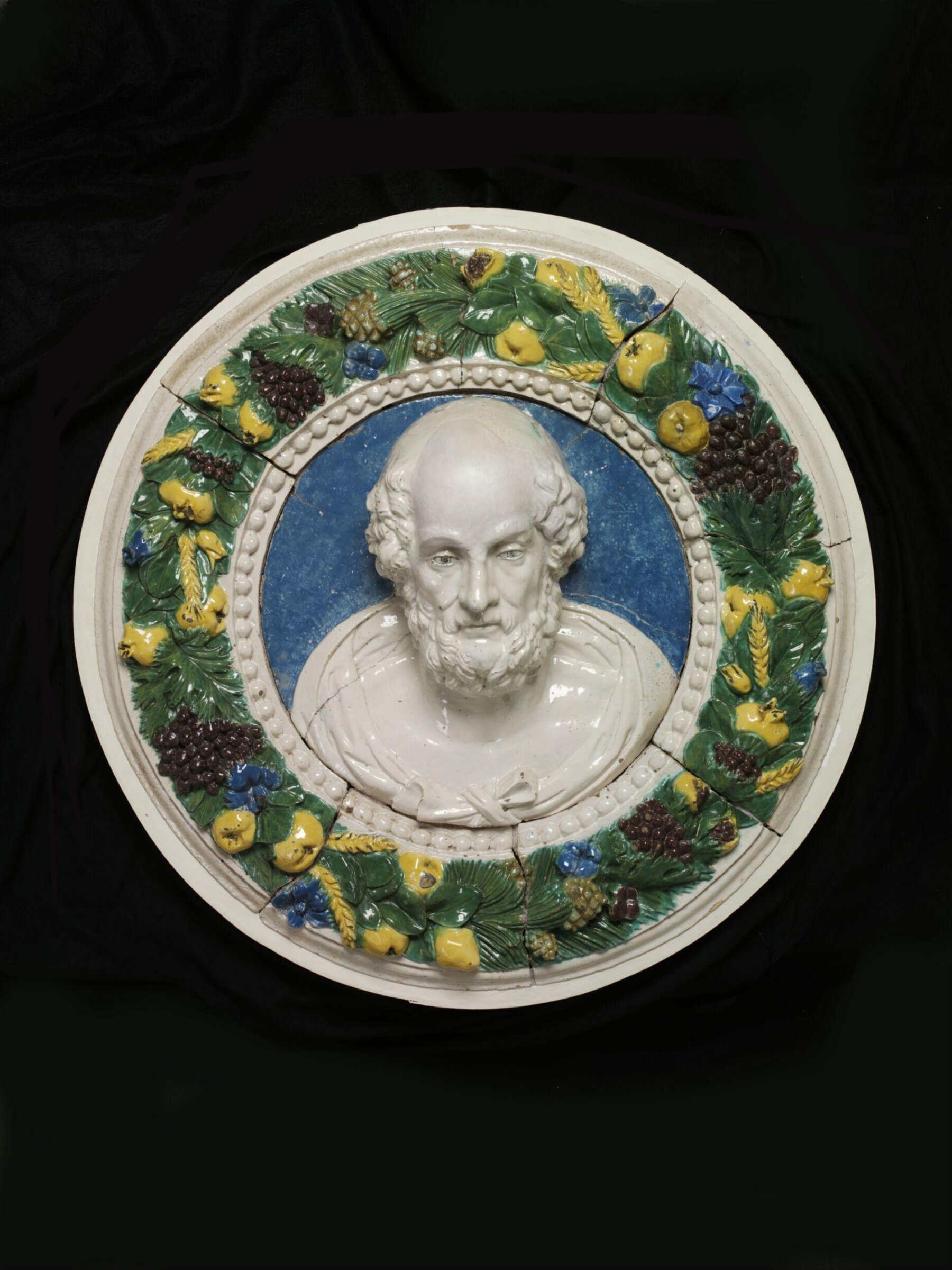
The Blind Homer, workshop of Giovanni della Robbia, ca. 1520 - ca. 1525

workshop of Giovanni della Robbia

The Blind Homer, ca. 1520 - ca. 1525

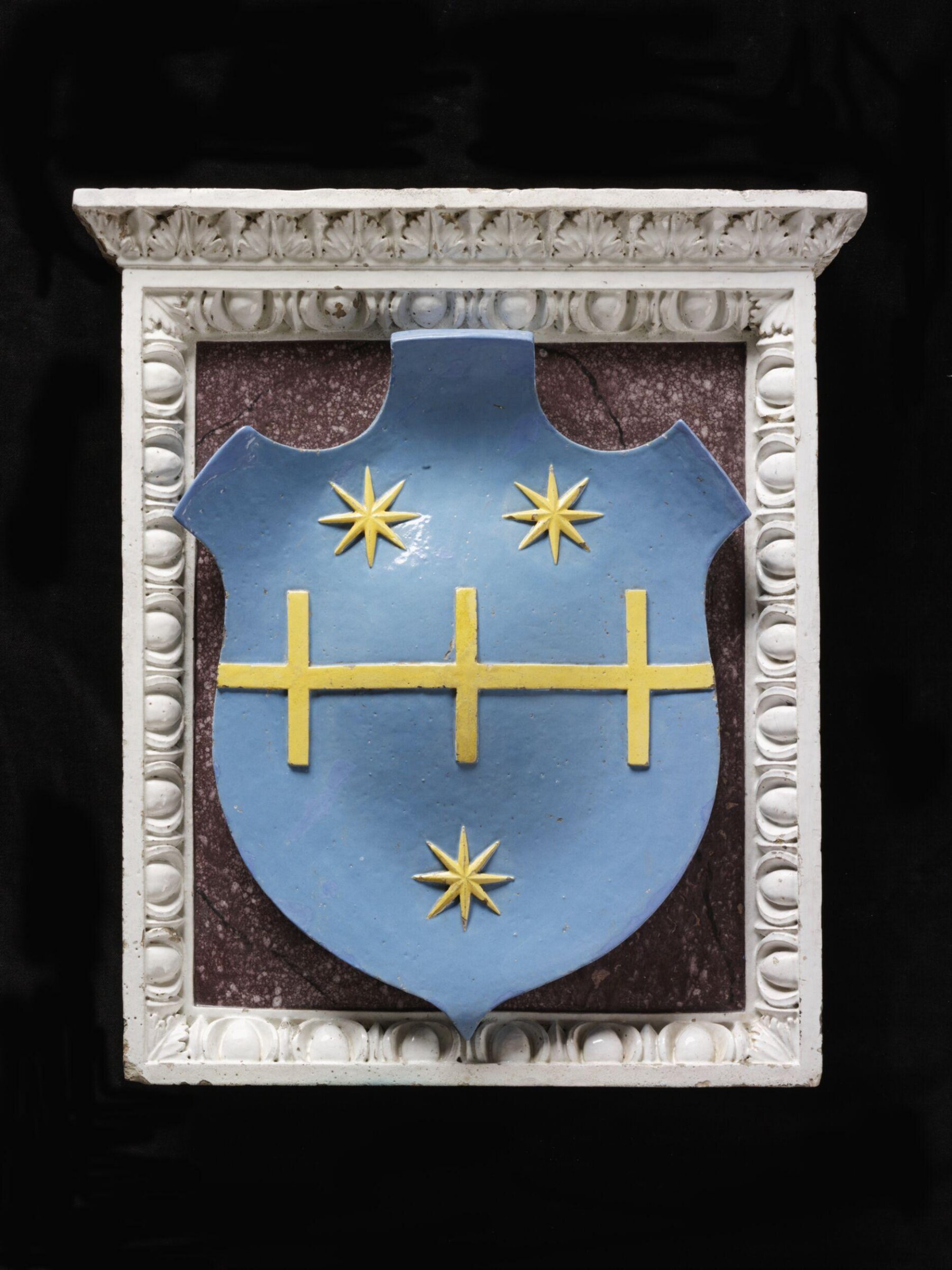
Relief, workshop of Della Robbia, 1520-1540

workshop of della Robbia

Relief, 1520-1540

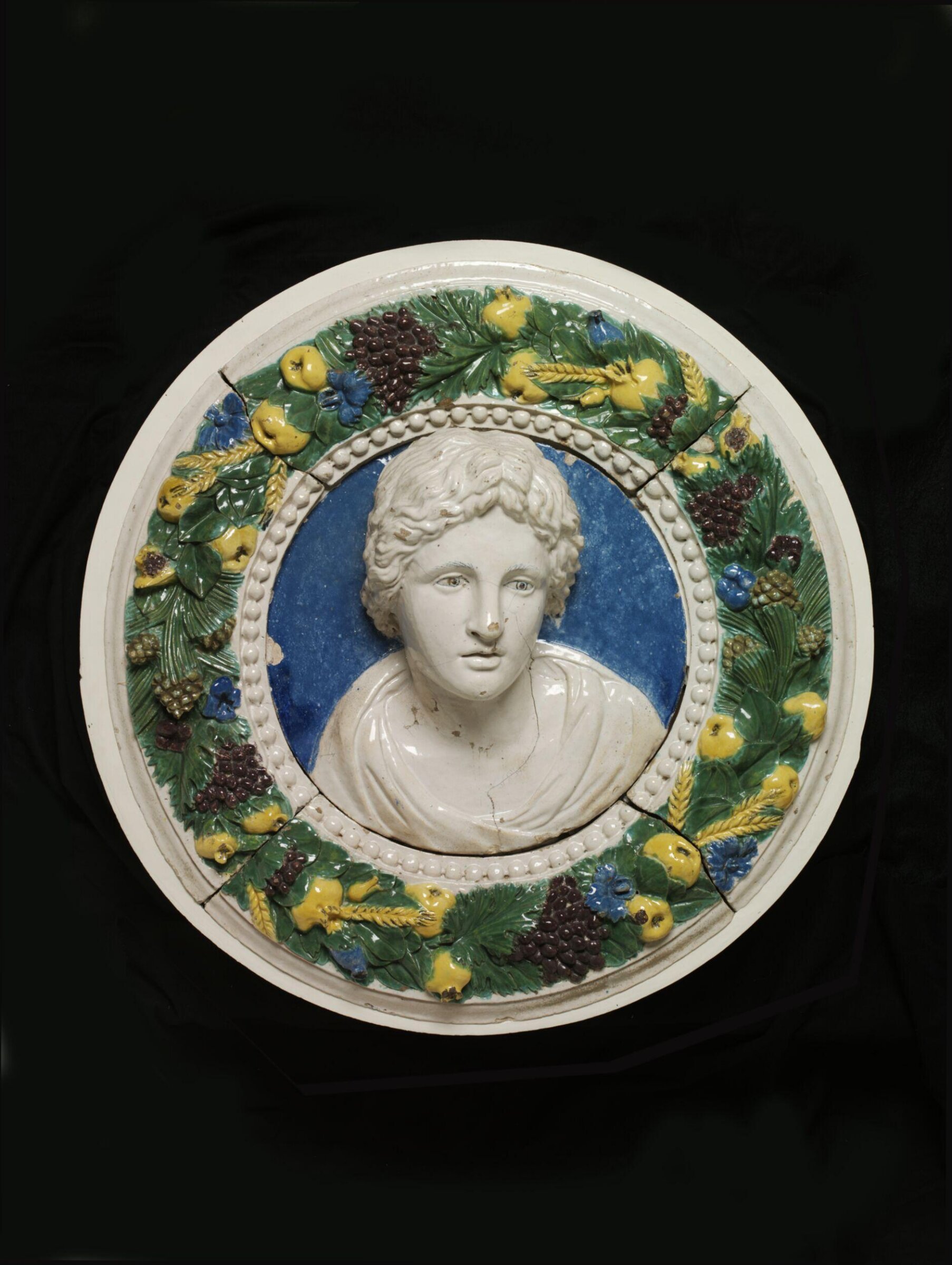
Classical female head, workshop of Giovanni della Robbia, ca. 1520 - ca. 1525

workshop of Giovanni della Robbia

Classical female head, ca. 1520 - ca. 1525

The Blind Homer, workshop of Giovanni della Robbia, ca. 1520 - ca. 1525

workshop of Giovanni della Robbia

The Blind Homer, ca. 1520 - ca. 1525