ART WIKI32 963 en salle
CarteCollectionArtistesMuséesExpositionsJournal
Connexion

ART WIKI

Où est accroché le chef-d’œuvre, et quand on vous laisse entrer.

Collections : Art Institute of Chicago, Cleveland Museum of Art, Galerie Tretiakov, Hirshhorn Museum and Sculpture Garden, J. Paul Getty Museum, Metropolitan Museum of Art, Minneapolis Institute of Art, Musée de l'Ermitage, Musée des Beaux-Arts Pouchkine, Musée du Louvre, musée national d'art asiatique, Musée russe, Musées d'Art de Harvard, Museum of Modern Art, National Gallery of Art, National Portrait Gallery, Rijksmuseum Amsterdam, Smithsonian American Art Museum, Statens Museum for Kunst, Victoria and Albert Museum, Villa Getty, Whitney Museum of American Art, Catalogue d’État du fonds muséal de Russie (274 musées), Europeana (19 musées), Wikidata (6 musées), Paris Musées (12 musées) et Joconde, la base des musées du ministère de la Culture (495 musées). Les images appartiennent à leurs ayants droit.

Rubriques

  • Carte
  • Recherche
  • Collection
  • Chefs-d’œuvre
  • Exposées en ce moment
  • Artistes

Et aussi

  • Musées et galeries
  • Expositions
  • Journal
  • D’où viennent les données
  • Confidentialité et cookies
AccueilCarteCatalogue
  1. Collection/
  2. Musée Herzog Anton Ulrich/
  3. [Die Fortsetzung des Gefechte; Suite du combat.]
[Die Fortsetzung des Gefechte; Suite du combat.], Jacques Callot, 1612–1635

[Die Fortsetzung des Gefechte; Suite du combat.]

1612–1635 · Print

Notice

1612–1635
15921635

Pendant ce temps, chez Jacques Callot

La vie entière
  1. 1611

    Studies etching with Tempesta in Florence

    Having studied burin engraving in Rome with Philippe Thomassin, Callot moves to Florence, where he works with Antonio Tempesta, who teaches him the technique of line etching (by other accounts, he lived in Florence from 1612).

  2. 1614–1621

    At the court of Cosimo II de’ Medici

    Under Parigi’s direction Callot works at the court of the Grand Duke of Tuscany Cosimo II de’ Medici in the Uffizi, designing festivals and theatrical performances — later these give him themes for his series of grotesque prints; during his Florentine years he becomes an independent master and often works for the Medici.

  3. 1617

    Switches to hard ground and repeated biting

    From 1617 Callot uses, instead of the soft ground customary until then, the acid-resistant hard ground of Florentine joiners and furniture-makers; it allows the plate to be bitten repeatedly, with parts of the spatial planes successively covered by varnish, and gives broad tonal gradations; he is also credited with the échoppe, an etching needle with a slanted end that produces a swelling line.

  4. 1621

    Returns to Nancy after the death of Cosimo II

    After the death of Grand Duke Cosimo II de’ Medici, Callot responds to Duke Charles IV of Lorraine’s wish to see him at his court and returns to Lorraine, where he is received with flattering honours; staying in Nancy, he sends his prints all over Europe, and Rembrandt becomes a keen collector of them.

  5. 1627

Autres œuvres : Jacques Callot

Toutes les œuvres

De la collection : Musée Herzog Anton Ulrich

Page du musée

Sur le même thème · Sea

Toutes les œuvres sur ce thème

In the Netherlands at Infanta Isabella’s invitation

At the invitation of the Infanta Isabella Callot visits the Netherlands; views of Holland, like those of Italy and France, and characteristic portraits of soldiers, circus performers and actors are reflected in his work.

  • 25 mars 1635

    Died

  • Jacques Callot, portraitJacques CallotFrance, 1592–1635

    Peut-on la contempler ?

    Inconnu

    Musée Herzog Anton Ulrich

    Brunswick, Allemagne

    Le propriétaire est connu ; on ignore si l’œuvre est exposée aujourd’hui.

    Dans cet état depuis
    27 sept. 2026
    Source
    Le musée
    Sur la cartePage du musée

    Ce qu’elle montre

    SeaShipSeeschlachtSchiffbruch

    Au catalogue

    EstampesBaroqueXVIIe siècle

    Sources

    • Musée Herzog Anton Ulrich
    • Image : Musée Herzog Anton Ulrich — CC BY-NC-SA 4.0
    Lust, Jacques Callot, 17th century

    Lust

    17th century · Musées d'Art de Harvard

    Temptation of Saint Anthony, Jacques Callot, 17th century

    Temptation of Saint Anthony

    17th century · Musées d'Art de Harvard

    Envy, Jacques Callot, 17th century

    Envy

    17th century · Musées d'Art de Harvard

    Pardon des Rochelois, Jacques Callot, 17th century

    Pardon des Rochelois

    17th century · Musées d'Art de Harvard

    Pride, Jacques Callot, 17th century

    Pride

    17th century · Musées d'Art de Harvard

    Anger, Jacques Callot, 17th century

    Anger

    17th century · Musées d'Art de Harvard

    Descente dans l'île de Ré, Jacques Callot, 17th century

    Descente dans l'île de Ré

    17th century · Musées d'Art de Harvard

    Gluttony, Jacques Callot, 17th century

    Gluttony

    17th century · Musées d'Art de Harvard

    Portrait d'Adolphe de Vignacourt Grand Maître de Malthe, Caravaggio, 1704–1755

    Caravaggio

    Portrait d'Adolphe de Vignacourt Grand Maître de Malthe, 1704–1755

    Ecce Homo, Caravaggio, 1674–1684

    Caravaggio

    Ecce Homo, 1674–1684

    Heiliger Hieronymus, Caravaggio

    Caravaggio

    Heiliger Hieronymus

    Bildnis eines Mannes, Rembrandt, 1839–1850

    Rembrandt van Rijn

    Bildnis eines Mannes, 1839–1850

    Bildnis einer Frau, Rembrandt, 1839–1850

    Rembrandt van Rijn

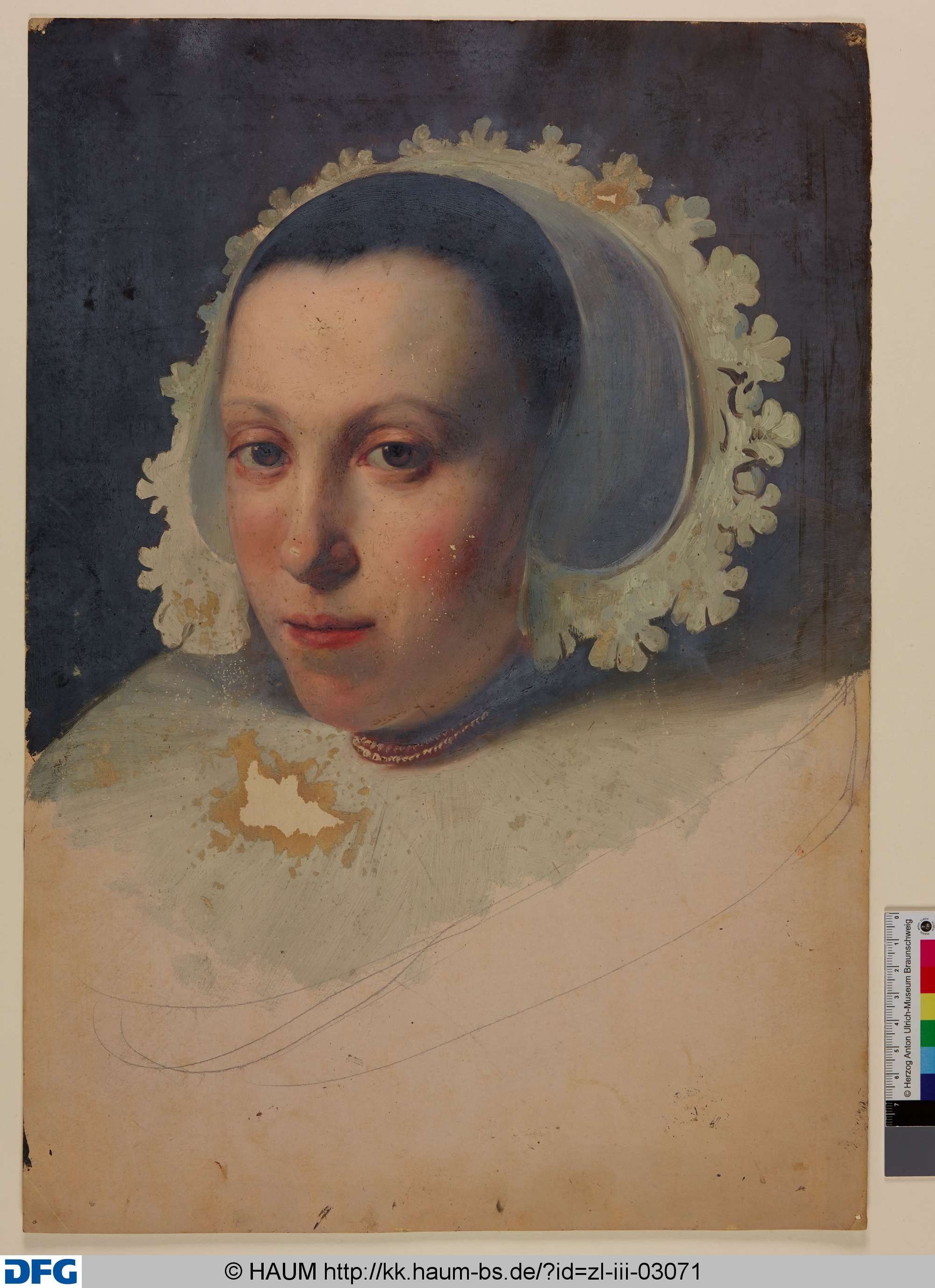
    Bildnis einer Frau, 1839–1850

    Tobias und seine Frau, Rembrandt, 1773

    Rembrandt van Rijn

    Tobias und seine Frau, 1773

    Tobias und seine Frau, Rembrandt, 1773

    Rembrandt van Rijn

    Tobias und seine Frau, 1773

    Lot mit seinen Töchtern, Rembrandt, 1771

    Rembrandt van Rijn

    Lot mit seinen Töchtern, 1771

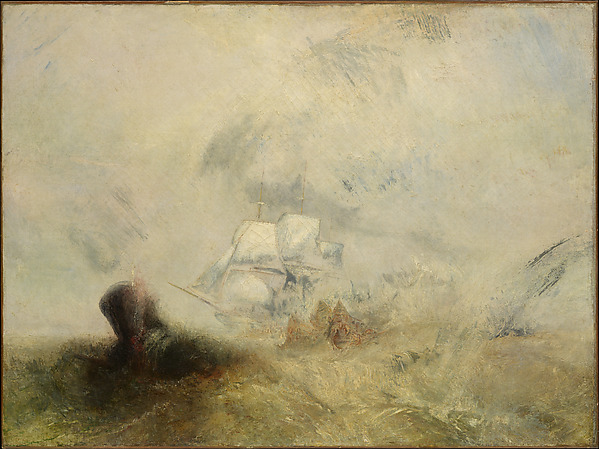
    Whalers, Joseph Mallord William Turner, ca. 1845

    Joseph Mallord William Turner

    Whalers, ca. 1845

    Metropolitan Museum of Art

    Seascape near Les Saintes-Maries-de-la-Mer, Vincent van Gogh, 1888

    Vincent van Gogh

    Seascape near Les Saintes-Maries-de-la-Mer, 1888

    Musée Van-Gogh

    Woman at the Seashore (Femme au bord de la mer), Pablo Picasso, 1923 or 1924

    Pablo Picasso

    Woman at the Seashore (Femme au bord de la mer), 1923 or 1924

    Non exposée · National Gallery of Art

    Two Desparate Men on the Seashore (Deux viellards et voilier), Pablo Picasso, 1934

    Pablo Picasso

    Two Desparate Men on the Seashore (Deux viellards et voilier), 1934

    Non exposée · National Gallery of Art

    The Green Wave, Claude Monet, ca. 1866–67

    Claude Monet

    The Green Wave, ca. 1866–67

    Metropolitan Museum of Art

    The Manneporte near Etretat, Claude Monet, 1886

    Claude Monet

    The Manneporte near Etretat, 1886

    Metropolitan Museum of Art

    The Manneporte (Etretat), Claude Monet, 1883

    Claude Monet

    The Manneporte (Etretat), 1883

    Metropolitan Museum of Art

    [Das Schiff des Glücks; The Ship of Fortune; La fortune contraire], Rembrandt, 1633

    Rembrandt van Rijn

    [Das Schiff des Glücks; The Ship of Fortune; La fortune contraire], 1633

    Musée Herzog Anton Ulrich