Ansel AdamsÉtats-Unis, 1902–1984
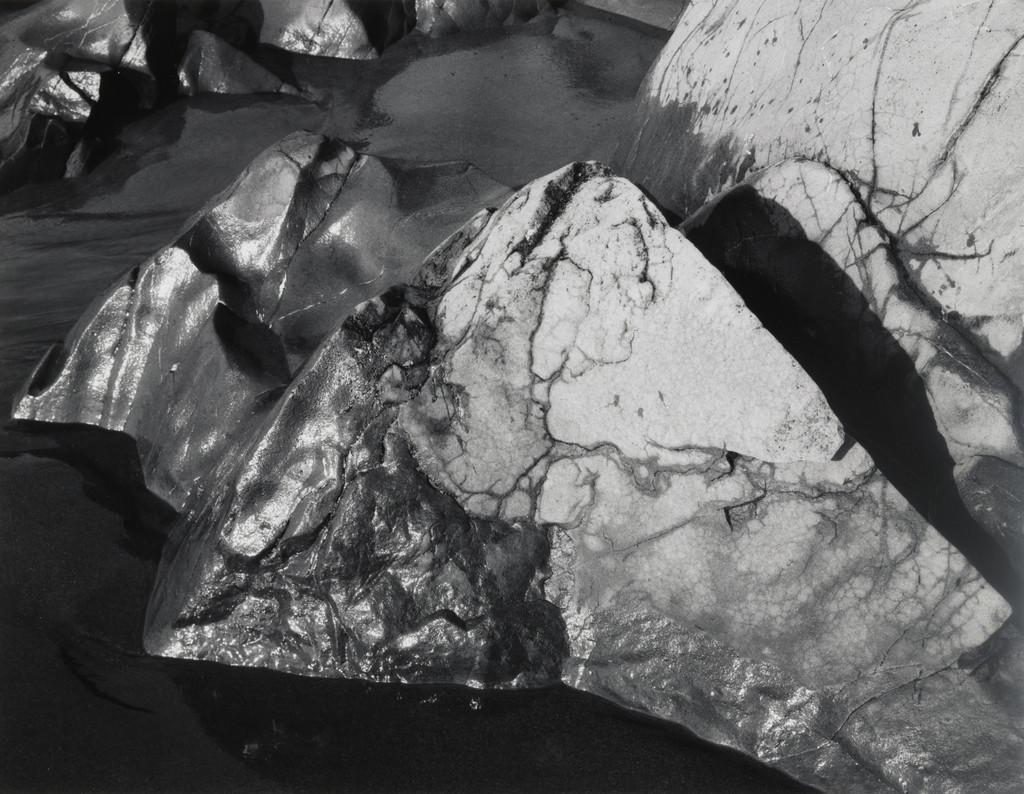
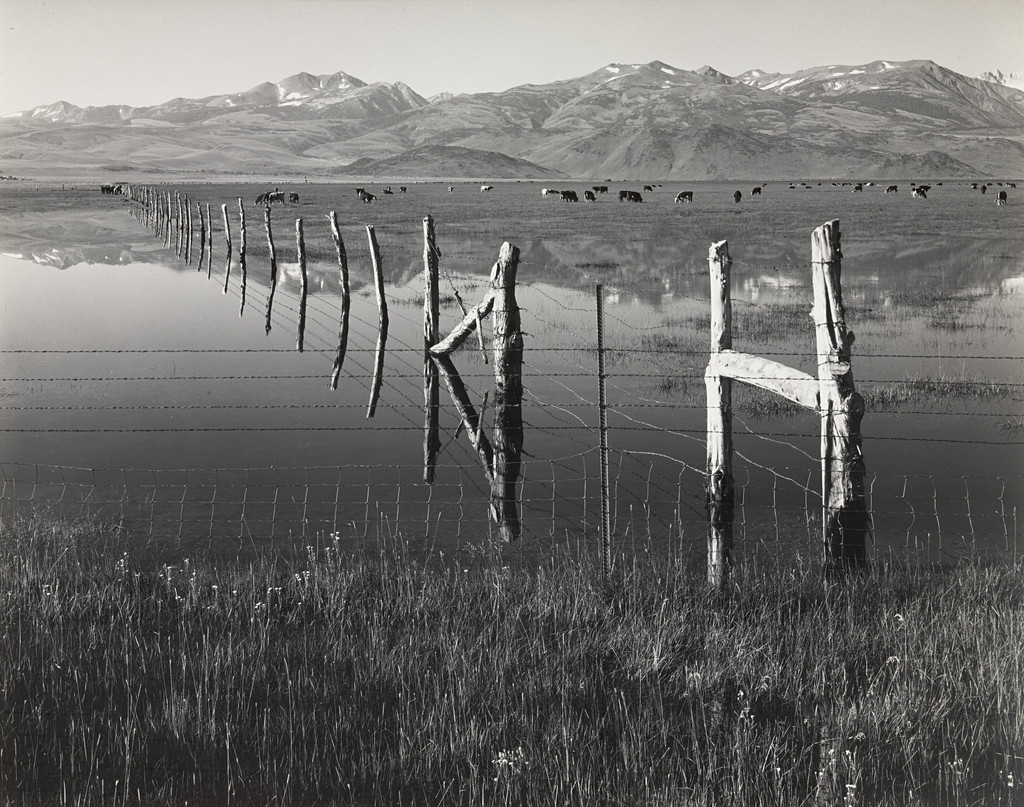
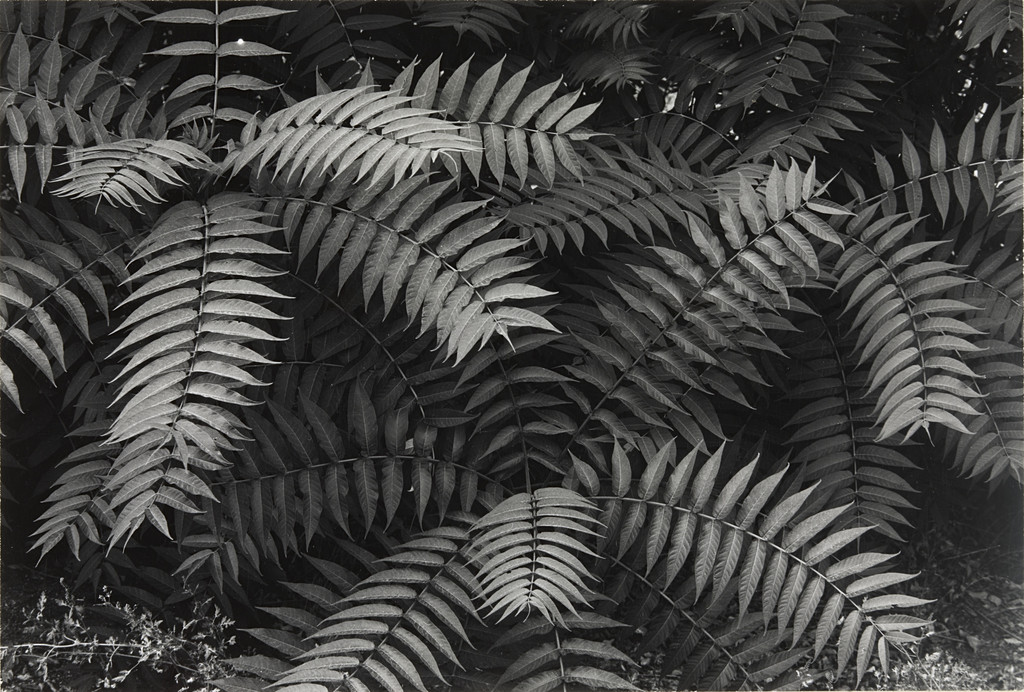
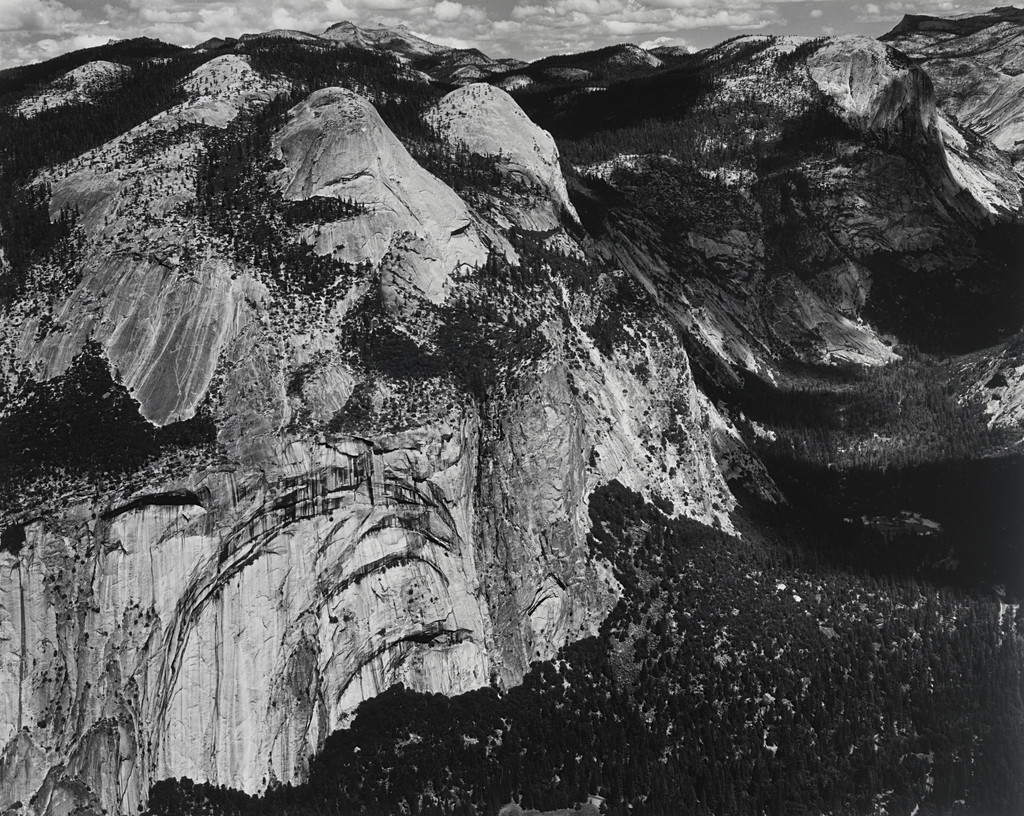
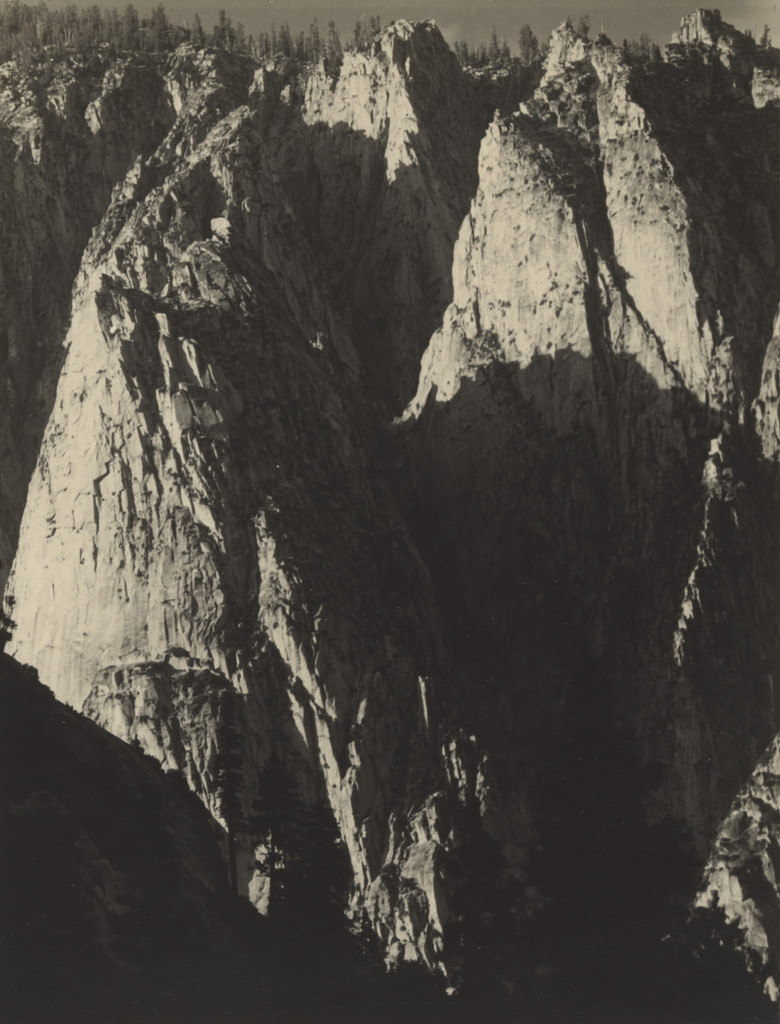
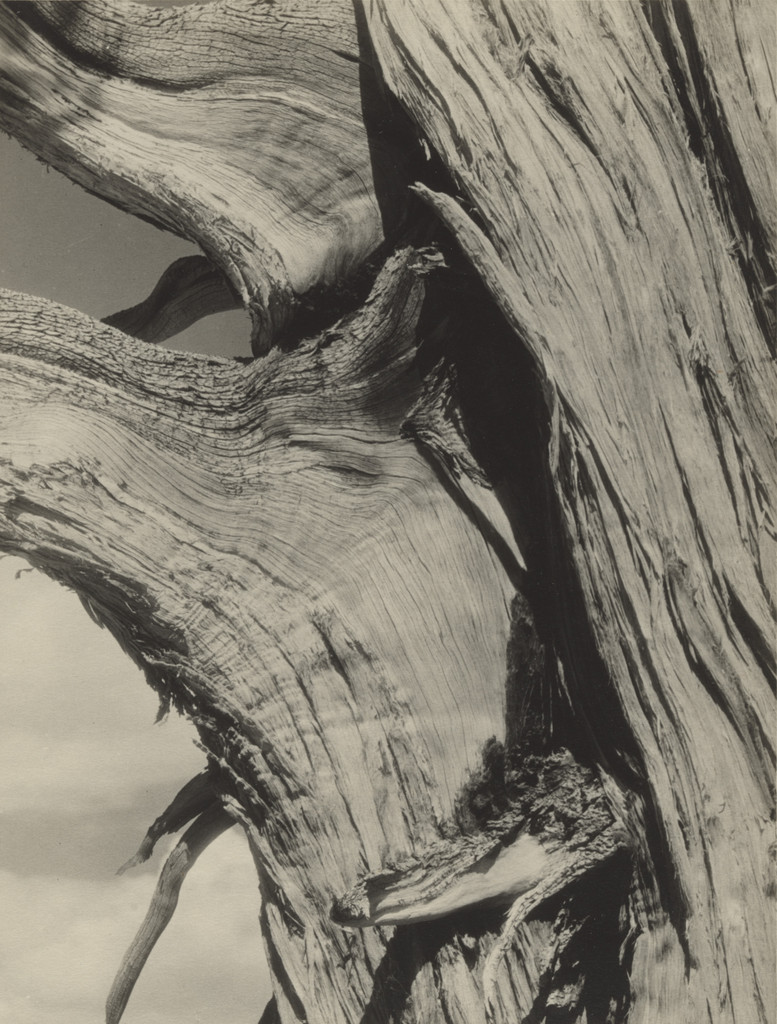
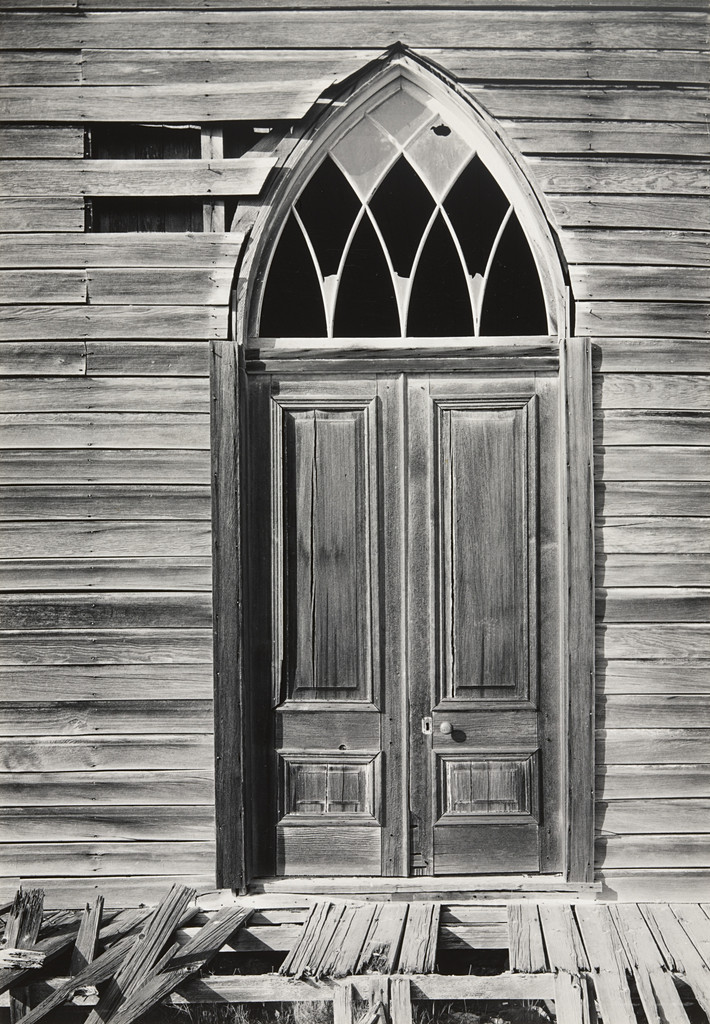
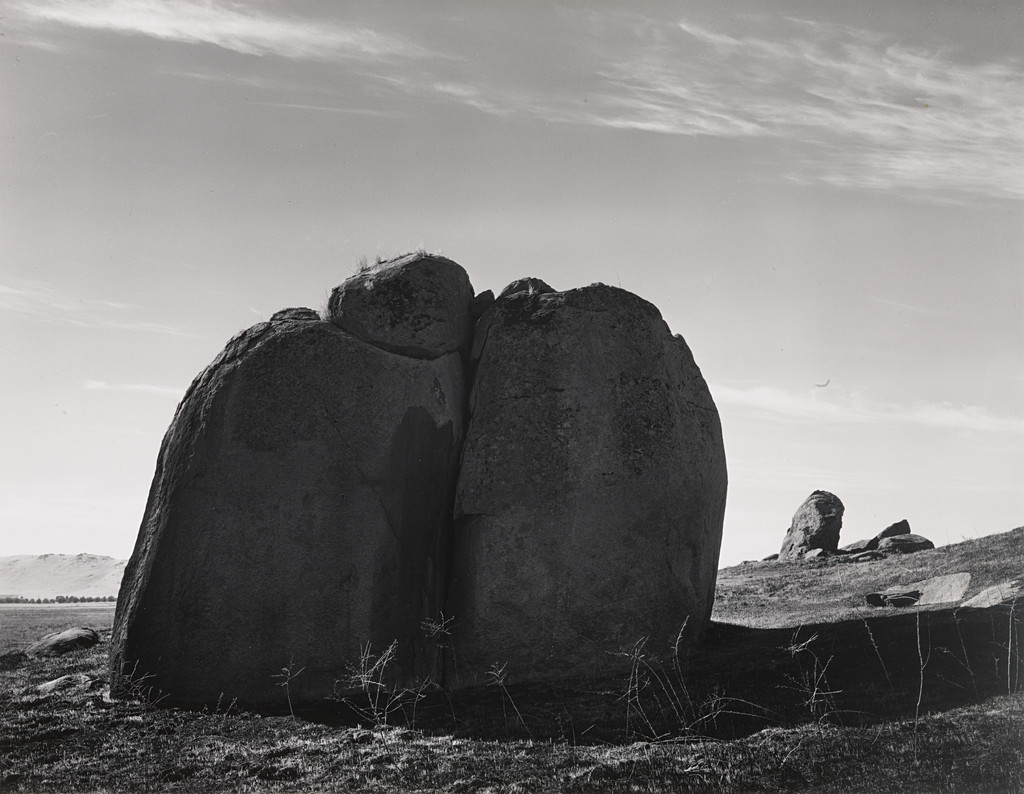
Desert Flower
Peut-on la contempler ?
Elle ne reçoit pas en ce moment

Museum of Modern Art
New York, États-Unis
Elle appartient à la collection, mais n’est pas présentée en ce moment.
- Vérifié
- Source
- Le musée
Notice
- Numéro d’inventaire
- 350.1938
Au catalogue
Sources
- Museum of Modern Art
- Image : Museum of Modern Art — © the artist or rights holder
Pendant ce temps, chez Ansel Adams
La vie entière1930s
Commercial assignments and U.S. Camera & Travel
In the 1930s Adams takes on many commercial assignments to supplement the income of the struggling Best's Studio; his clients include Kodak, Fortune magazine, Pacific Gas and Electric, AT&T and the American Trust Company, and he will depend on such work financially until the 1970s. In 1939 he is named an editor of U.S. Camera & Travel, then the most popular photography magazine.
1936
Solo show at Stieglitz's gallery in New York
Gathering his recent work, Adams holds a solo show in 1936 at Stieglitz's New York gallery “An American Place.” The exhibition proves successful with both critics and the buying public, and the revered Stieglitz himself praises Adams warmly.
1937
A month in Arizona with Georgia O'Keeffe
In 1937 Adams, O'Keeffe and friends organize a month-long camping trip in Arizona, guided by Orville Cox, head wrangler at Ghost Ranch. Both artists create new work, and Adams makes a candid portrait of O'Keeffe with Cox on the rim of Canyon de Chelly, where, he later remarked, some of his best photographs were made.
1937
Fire in the Yosemite darkroom
In 1937 the darkroom in Yosemite catches fire; with the help of Edward Weston and Charis Wilson, Adams puts it out, but thousands of negatives are lost, including hundreds that had never been printed. The negative of “Clearing Winter Storm” is almost destroyed.
1938
“Sierra Nevada: The John Muir Trail”
In 1938 Adams creates the limited-edition book “Sierra Nevada: The John Muir Trail,” part of the Sierra Club's effort to secure national-park status for Kings Canyon. The book and his testimony before Congress play a vital role in the success of that campaign.
1939–1942
The Zone System, with Fred Archer
While teaching at the Art Center School in Los Angeles, Adams and the portrait photographer Fred Archer develop the Zone System — a calibrated scale of brightness, based on sensitometry, from Zone 0 (black) to Zone X (white) that lets the photographer determine in advance how the film must be exposed, developed and printed. The date is given variously as around 1939–1940 or as 1942.