ART WIKI32 979 en salle
CarteCollectionArtistesMuséesExpositionsJournal
Connexion

ART WIKI

Où est accroché le chef-d’œuvre, et quand on vous laisse entrer.

Collections : Art Institute of Chicago, Cleveland Museum of Art, Galerie Tretiakov, Hirshhorn Museum and Sculpture Garden, J. Paul Getty Museum, Metropolitan Museum of Art, Minneapolis Institute of Art, Musée de l'Ermitage, Musée des Beaux-Arts Pouchkine, Musée du Louvre, musée national d'art asiatique, Musée russe, Musées d'Art de Harvard, Museum of Modern Art, National Gallery of Art, National Portrait Gallery, Rijksmuseum Amsterdam, Smithsonian American Art Museum, Statens Museum for Kunst, Victoria and Albert Museum, Villa Getty, Whitney Museum of American Art, Catalogue d’État du fonds muséal de Russie (274 musées), Europeana (19 musées), Wikidata (6 musées), Paris Musées (12 musées) et Joconde, la base des musées du ministère de la Culture (495 musées). Les images appartiennent à leurs ayants droit.

Rubriques

  • Carte
  • Recherche
  • Collection
  • Chefs-d’œuvre
  • Exposées en ce moment
  • Artistes

Et aussi

  • Musées et galeries
  • Expositions
  • Journal
  • D’où viennent les données
  • Confidentialité et cookies
AccueilCarteCatalogue
  1. Collection/
  2. Minneapolis Institute of Art/
  3. Cleota Collins
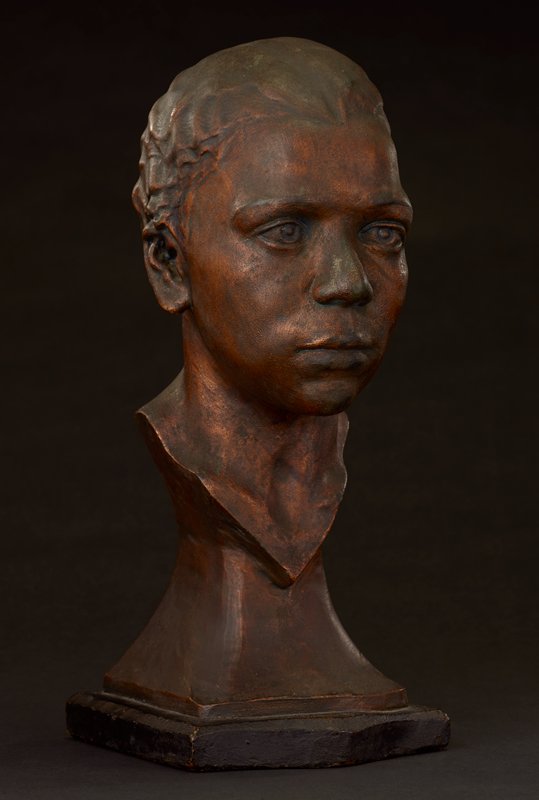
Cleota Collins, Henry W. Bannarn, 1932
HHenry W. BannarnÉtats-Unis

Cleota Collins

1932 · Sculpture · 43.97 × 22.23 cm

Peut-on la contempler ?

Oui, elle reçoit

Minneapolis Institute of Art

Minneapolis, États-Unis

SalleG302

Présentée au public. Qui s’en porte garant est indiqué ci-dessous.

Vérifié
il y a 3 jours
Dans cet état depuis
25 sept. 2026
Source
Le musée
Sur la cartePage du musée

À propos de la sculpture

When he made this portrait of the singer and civil rights activist Cleota Collins, in June 1932, Henry Bannarn was studying at the Minneapolis School of Art (now the Minneapolis College of Art and Design). It is his earliest known work. Born in Oklahoma, Bannarn had moved with his family to Minneapolis while still a child. Thanks to a grant from the Minnesota philanthropist James Ford Bell, Bannarn was able to move to New York, where his studio at 306 West 141st Street became a creative center and meeting place for African American artists, musicians, and poets. Within the movement known as the Harlem Renaissance, Bannarn became famous for his paintings and sculptures and was admired as a teacher and a mentor to younger artists.

Minneapolis Institute of Art

Notice

Numéro d’inventaire
2011.64

Autres œuvres : Henry W. Bannarn

Toutes les œuvres

Dans la même salle · G302, Minneapolis Institute of Art

Page du musée

Au catalogue

SculpturePlâtreModernismeXXe siècleÉtats-Unis

Sources

  • Minneapolis Institute of Art
  • Image : Minneapolis Institute of Art — Copyright of the artist, artist's estate, or assignees
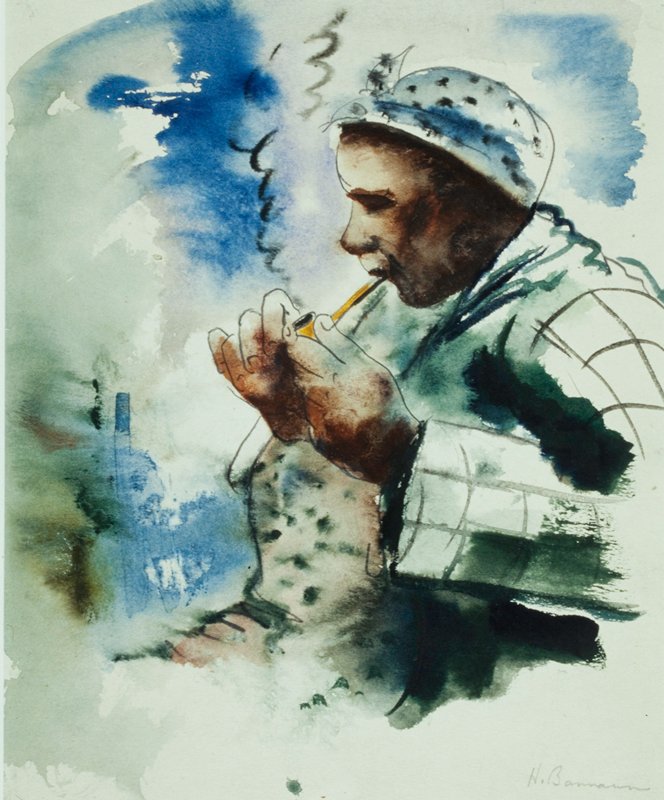
The Smoker, Henry W. Bannarn, c. 1933

The Smoker

c. 1933 · Non exposée · Minneapolis Institute of Art

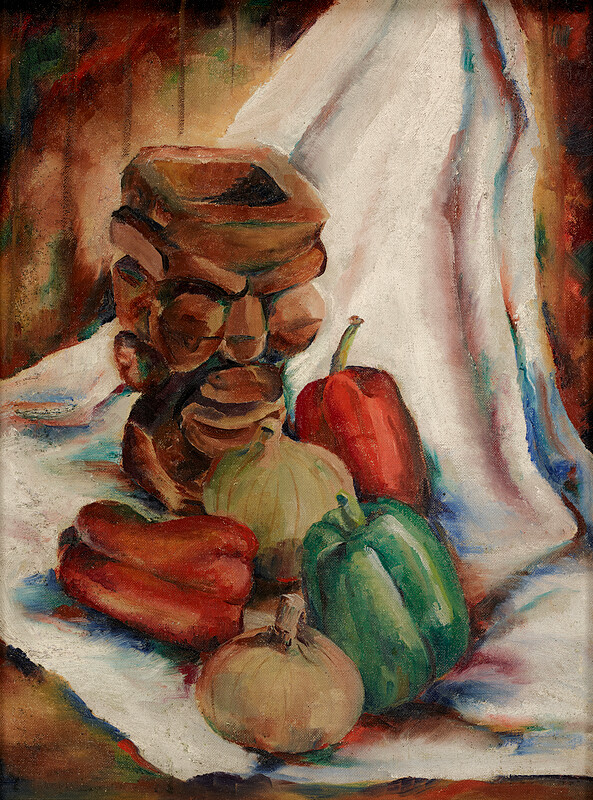
Still Life with Vegetables and Tiki, Henry W. Bannarn, c. 1934–39

Still Life with Vegetables and Tiki

c. 1934–39 · Non exposée · Minneapolis Institute of Art

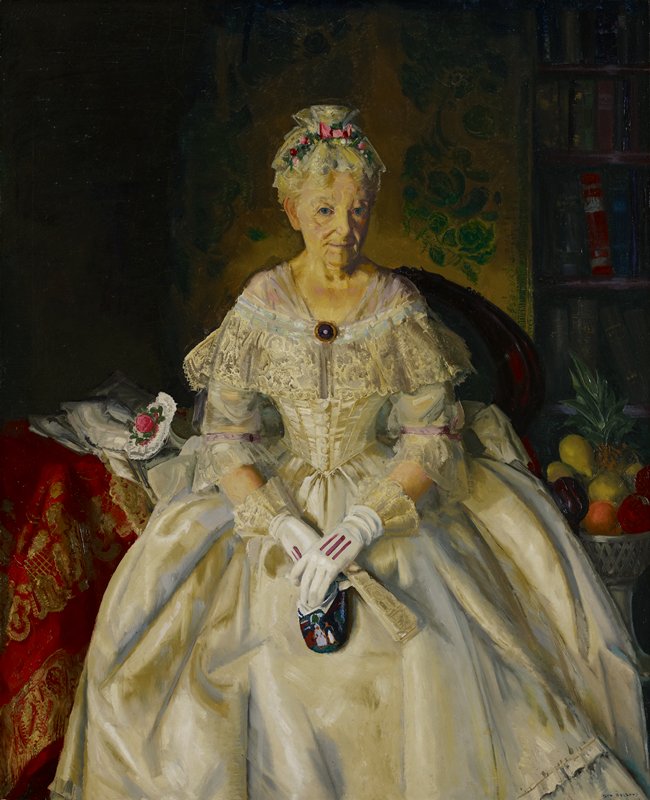
Mrs. T. in Cream Silk, No.2, George Bellows, 1920

George Bellows

Mrs. T. in Cream Silk, No.2, 1920

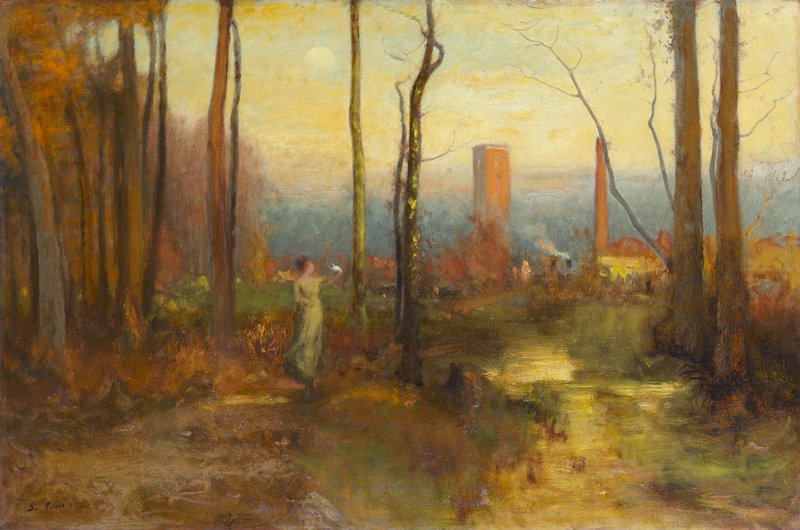
The Mill Stream, Montclair, New Jersey, George Inness, c. 1888

George Inness

The Mill Stream, Montclair, New Jersey, c. 1888

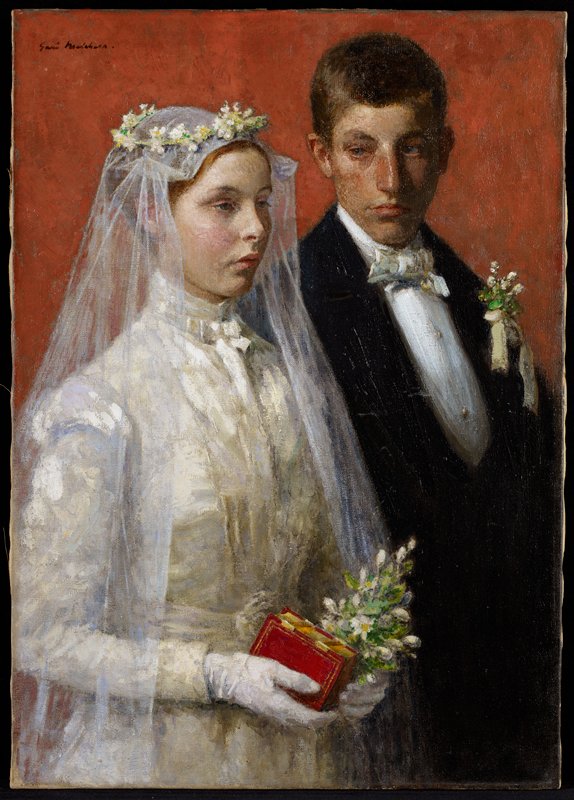
Marriage, Gari Melchers, 1893

Gari Melchers

Marriage, 1893

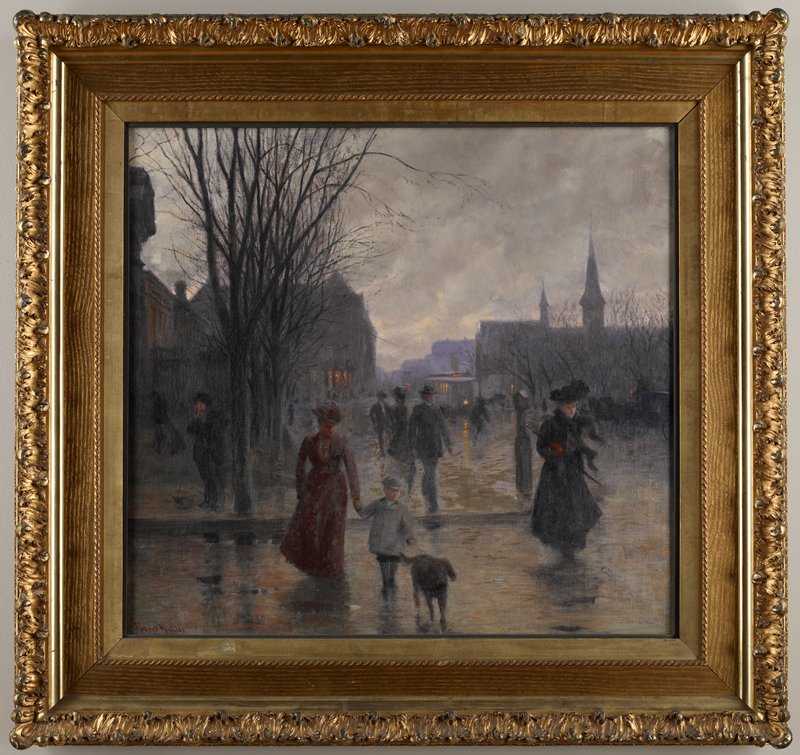
Rainy Evening on Hennepin Avenue, Robert Koehler, c. 1902

Robert Koehler

Rainy Evening on Hennepin Avenue, c. 1902

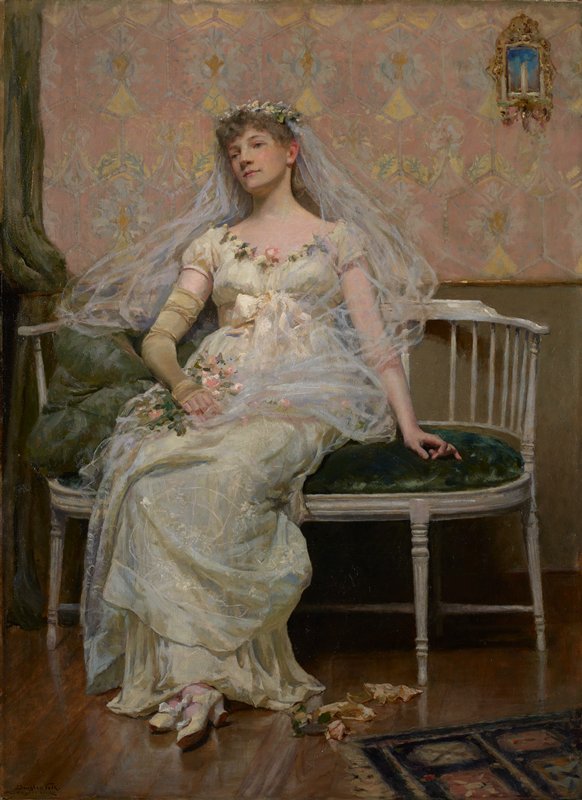
After the Reception, Douglas Volk, 1887

Douglas Volk

After the Reception, 1887

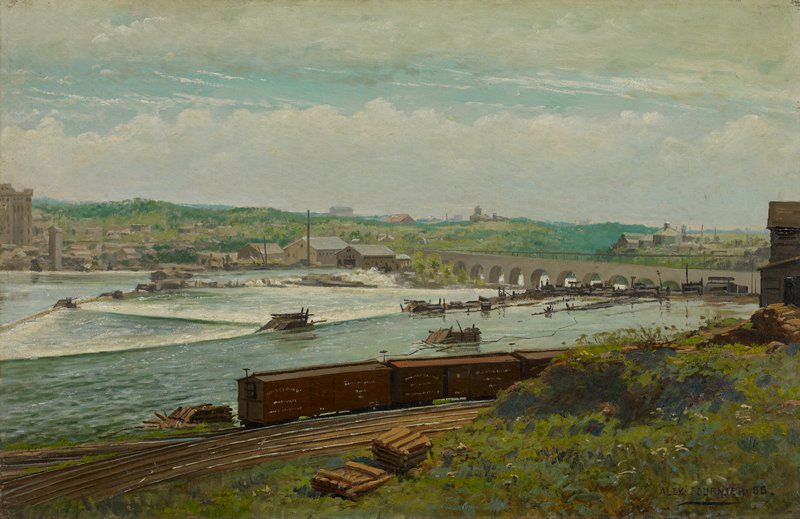
Mill Pond at Minneapolis, Alexis Jean Fournier, 1888

Alexis Jean Fournier

Mill Pond at Minneapolis, 1888

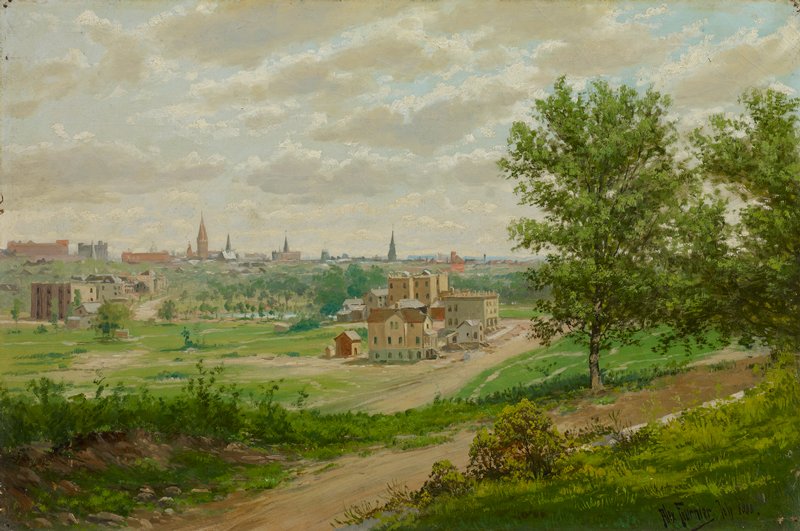
Lowry Hill, Minneapolis, Alexis Jean Fournier, 1888

Alexis Jean Fournier

Lowry Hill, Minneapolis, 1888

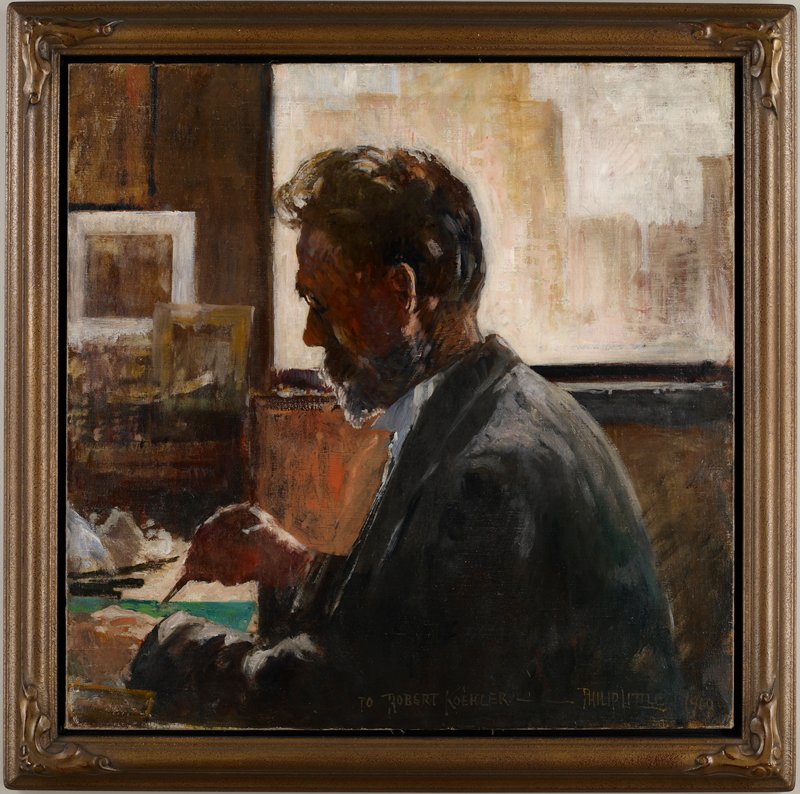
Portrait of Robert Koehler, Philip Little, 1910

Philip Little

Portrait of Robert Koehler, 1910