ART WIKI32 979 en salle
CarteCollectionArtistesMuséesExpositionsJournal
Connexion

ART WIKI

Où est accroché le chef-d’œuvre, et quand on vous laisse entrer.

Collections : Art Institute of Chicago, Cleveland Museum of Art, Galerie Tretiakov, Hirshhorn Museum and Sculpture Garden, J. Paul Getty Museum, Metropolitan Museum of Art, Minneapolis Institute of Art, Musée de l'Ermitage, Musée des Beaux-Arts Pouchkine, Musée du Louvre, musée national d'art asiatique, Musée russe, Musées d'Art de Harvard, Museum of Modern Art, National Gallery of Art, National Portrait Gallery, Rijksmuseum Amsterdam, Smithsonian American Art Museum, Statens Museum for Kunst, Victoria and Albert Museum, Villa Getty, Whitney Museum of American Art, Catalogue d’État du fonds muséal de Russie (274 musées), Europeana (19 musées), Wikidata (6 musées), Paris Musées (12 musées) et Joconde, la base des musées du ministère de la Culture (495 musées). Les images appartiennent à leurs ayants droit.

Rubriques

  • Carte
  • Recherche
  • Collection
  • Chefs-d’œuvre
  • Exposées en ce moment
  • Artistes

Et aussi

  • Musées et galeries
  • Expositions
  • Journal
  • D’où viennent les données
  • Confidentialité et cookies
AccueilCarteCatalogue
  1. Collection/
  2. Minneapolis Institute of Art/
  3. Chrysanthemums
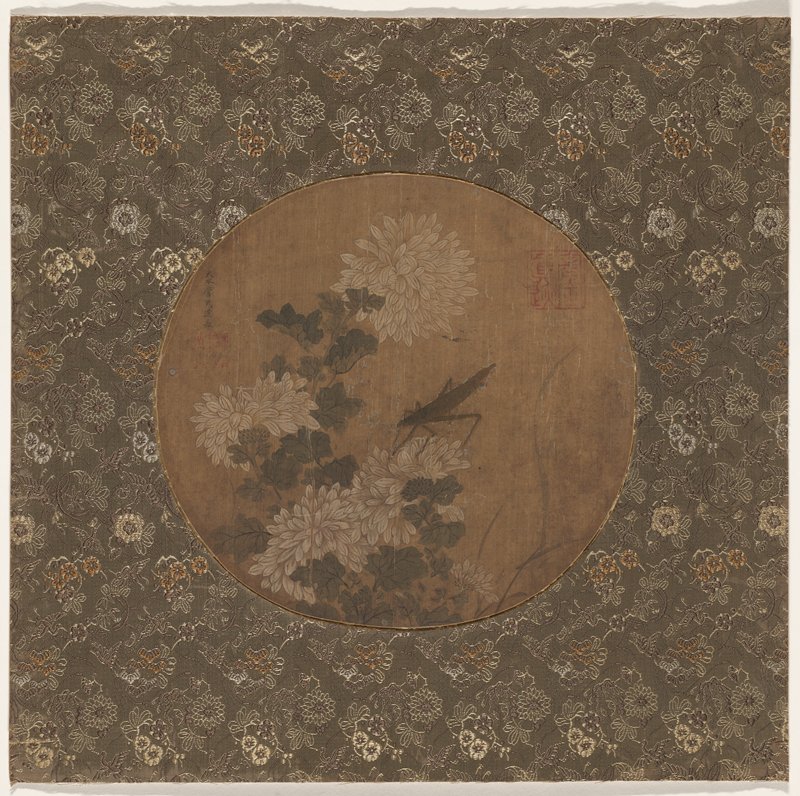
Chrysanthemums, Guan Daosheng, 13th-14th century

Chrysanthemums

13th-14th century · Painting

À propos du tableau

The history of Chinese flower-and-bird painting up to the Tang dynasty (618–907) represents the artists’ gradual, cumulative mastery of description and expression. Two groups of artists dominated: the academy school and the literati (amateur scholar-painters). The first group worked mainly with descriptive line and color on silk. They pursued a meticulous, naturalistic rendering, a jewellike surface, and a sensuous appeal. This painting is a good example of this style. The chrysanthemum flowers in autumnal solitude was a favored motif among literati artists as well.

Guan Daosheng was an accomplished poet, painter, and calligrapher of the Yuan dynasty. Her husband, Zhao Mengfu (1254–1322), was one of the most influential scholars, painters, and calligraphers in Chinese history. Their second son, Zhao Yong, also became a famous painter and calligrapher.

Minneapolis Institute of Art

Notice

Numéro d’inventaire
96.146.298

Dans la même salle · G203, Minneapolis Institute of Art

Page du musée
GGuan DaoshengChine

Peut-on la contempler ?

Oui, elle reçoit

Minneapolis Institute of Art

Minneapolis, États-Unis

SalleG203

Présentée au public. Qui s’en porte garant est indiqué ci-dessous.

Vérifié
il y a 3 jours
Dans cet état depuis
25 sept. 2026
Source
Le musée
Sur la cartePage du musée

Au catalogue

PeinturesEncrePeinture chinoiseChine

Sources

  • Minneapolis Institute of Art
  • Image : Minneapolis Institute of Art — public domain
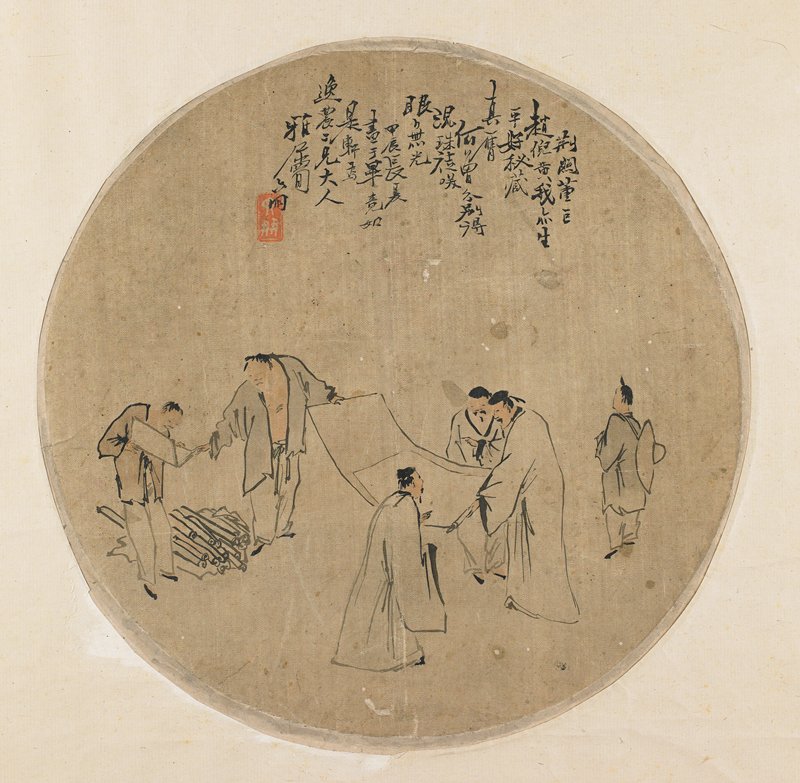
Scholars Examining Paintings, Su Liupeng, 1884

Su Liupeng

Scholars Examining Paintings, 1884

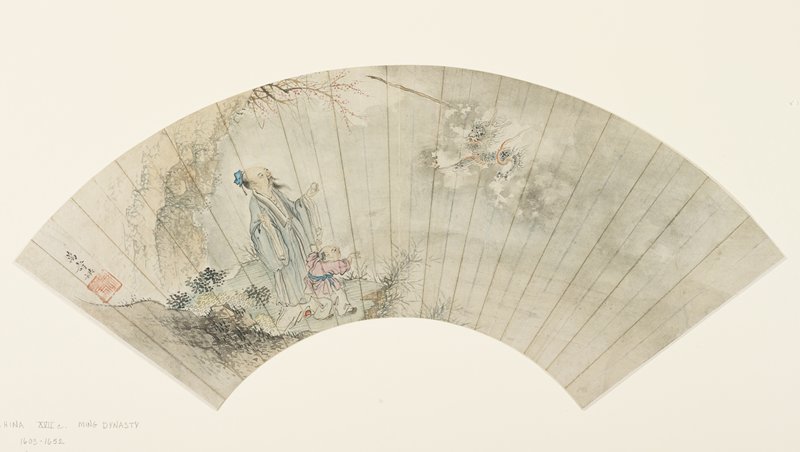
Fan painting of a Daoist magician, Wan Shouqi, c. 1650

Wan Shouqi

Fan painting of a Daoist magician, c. 1650

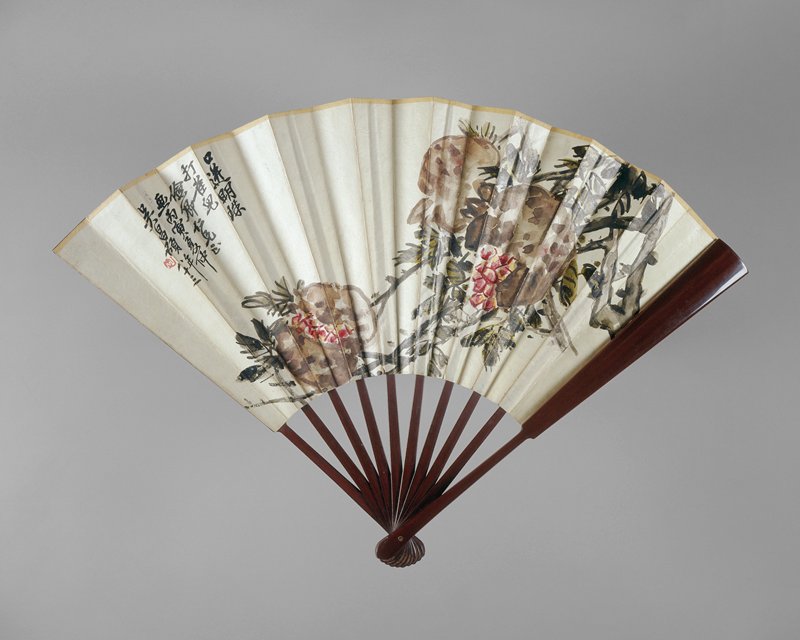
Pomegranates, Wu Changshuo, 1927

Wu Changshuo

Pomegranates, 1927

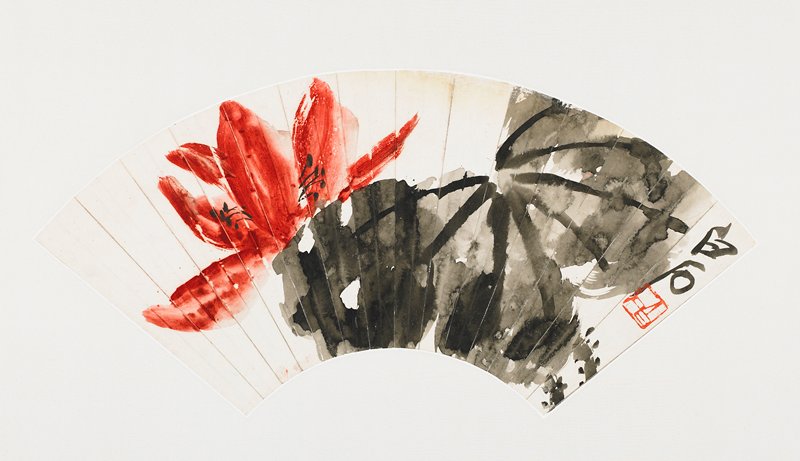
Lotus, Qi Baishi, early 20th century

Qi Baishi

Lotus, early 20th century

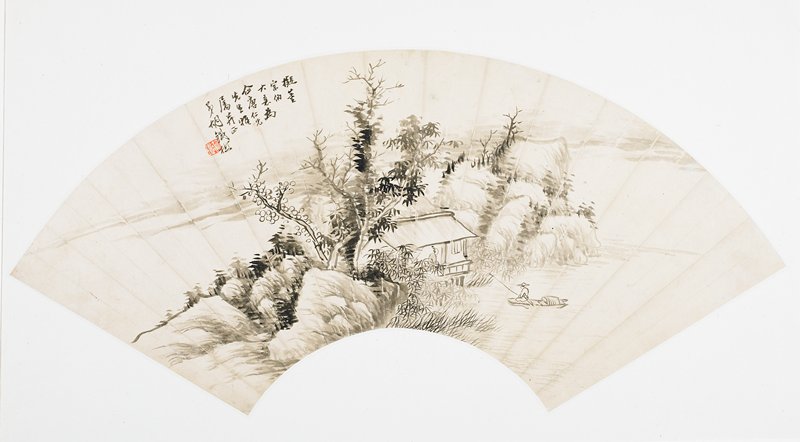
Quietly Passing Time in Boat and Pavilion, Ko Tetsubai, 19th century

Ko Tetsubai

Quietly Passing Time in Boat and Pavilion, 19th century

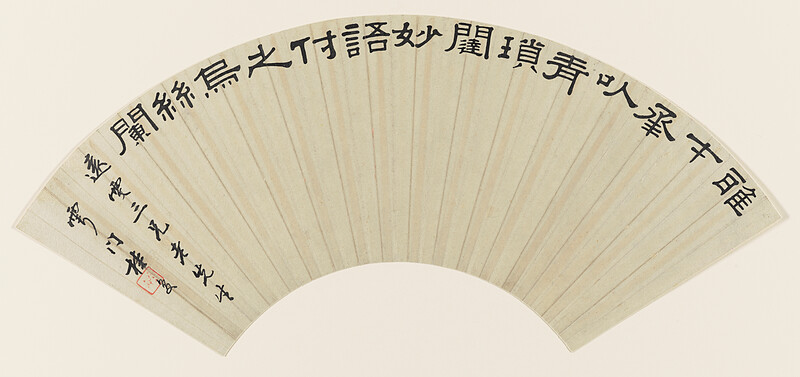
Fan with Clerical Script Calligraphy, Gui Fu, c. 1780

Gui Fu

Fan with Clerical Script Calligraphy, c. 1780

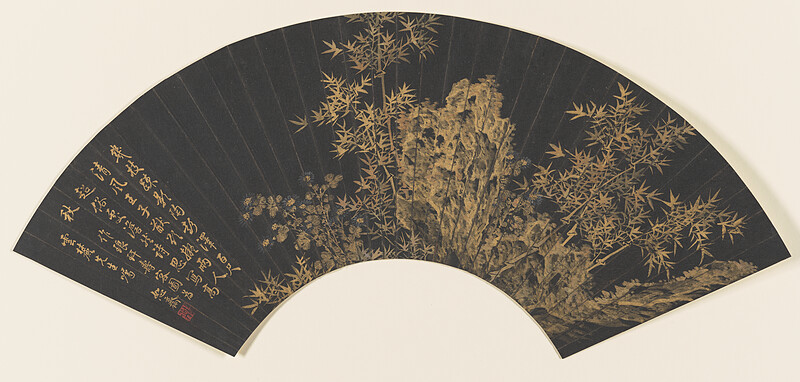
Bamboo, Rock and Chrysanthemums, Hong Wu, late 18th century

Hong Wu

Bamboo, Rock and Chrysanthemums, late 18th century

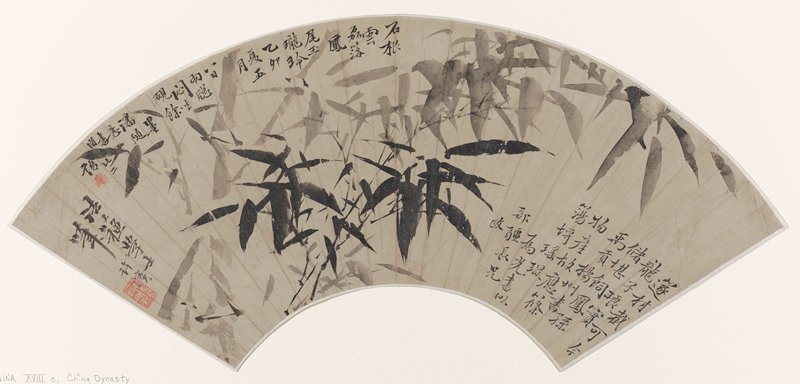
Bamboo, Xu Bin, 1735

Xu Bin

Bamboo, 1735