ART WIKI32 963 en salle
CarteCollectionArtistesMuséesExpositionsJournal
Connexion

ART WIKI

Où est accroché le chef-d’œuvre, et quand on vous laisse entrer.

Collections : Art Institute of Chicago, Cleveland Museum of Art, Galerie Tretiakov, Hirshhorn Museum and Sculpture Garden, J. Paul Getty Museum, Metropolitan Museum of Art, Minneapolis Institute of Art, Musée de l'Ermitage, Musée des Beaux-Arts Pouchkine, Musée du Louvre, musée national d'art asiatique, Musée russe, Musées d'Art de Harvard, Museum of Modern Art, National Gallery of Art, National Portrait Gallery, Rijksmuseum Amsterdam, Smithsonian American Art Museum, Statens Museum for Kunst, Victoria and Albert Museum, Villa Getty, Whitney Museum of American Art, Catalogue d’État du fonds muséal de Russie (274 musées), Europeana (19 musées), Wikidata (6 musées), Paris Musées (12 musées) et Joconde, la base des musées du ministère de la Culture (495 musées). Les images appartiennent à leurs ayants droit.

Rubriques

  • Carte
  • Recherche
  • Collection
  • Chefs-d’œuvre
  • Exposées en ce moment
  • Artistes

Et aussi

  • Musées et galeries
  • Expositions
  • Journal
  • D’où viennent les données
  • Confidentialité et cookies
AccueilCarteCatalogue
  1. Collection/
  2. Albertina/
  3. Büste des Voltaire
Büste des Voltaire, Egon Schiele, 1906
Egon Schiele, portraitEgon SchieleAutriche, 1890–1918

Büste des Voltaire

1906 · Drawing

Peut-on la contempler ?

Inconnu

Albertina

Vienne, Autriche

Le propriétaire est connu ; on ignore si l’œuvre est exposée aujourd’hui.

Dans cet état depuis
27 sept. 2026
Source
Le musée
Sur la cartePage du musée

Notice

1906 · à 16 ans
18901918

Au catalogue

Dessins et aquarellesModernismeXXe siècle

Sources

  • Albertina
  • Image : Albertina — Public Domain Mark 1.0

Pendant ce temps, chez Egon Schiele

La vie entière
  1. c. 1905

    His father’s death and the family’s ruin

    When Schiele was 14 his father died of syphilis, and the family, which had been fairly wealthy, was left impoverished: before his death the father, in a fit of insanity, had burned the railway stocks that would have supported them. His elder sister Melanie, hired as a ticket clerk at the local station, became the sole breadwinner.

  2. after 1905

    His uncle Czihaczek’s guardianship and the tutor Strauch

    Schiele and his sister Gerti became wards of Leopold Czihaczek, the husband of their aunt and also a railway official: he wanted his nephew to follow in his footsteps but, recognising Schiele’s talent for drawing, allowed him a tutor, the artist Ludwig Karl Strauch. Later the uncle renounced his guardianship and Schiele depended on his mother’s support until it was cut off because his sister Melanie objected to the expense, which caused a rift in the family.

  3. 1906

    The School of Arts and Crafts, then the Academy

    In 1906 Schiele entered the Kunstgewerbeschule (School of Arts and Crafts) in Vienna, where Gustav Klimt had once studied, and tried his hand at sculpture, making small clay and plaster pieces; within his first year, at the insistence of several faculty members, he was sent to the more traditional Academy of Fine Arts.

  4. 1906–1909

    The Academy: the strict Griepenkerl

    Schiele’s main teacher at the Academy was Christian Griepenkerl, a painter whose strict doctrine and ultra-conservative style frustrated and dissatisfied Schiele so much that he left after three years.

  5. 1907

    Gustav Klimt: mentor and patron

    In 1907 Schiele sought out Gustav Klimt, who generously mentored younger artists: Klimt bought his drawings, offered to exchange them for some of his own, arranged models for him and introduced him to potential patrons and to the Wiener Werkstätte. Schiele’s earliest works of 1907–1909 show strong similarities with Klimt’s, as well as influences from Art Nouveau.

  6. 1908

    The first exhibition, in Klosterneuburg

    In 1908 Schiele’s first exhibition took place in the town of Klosterneuburg near Vienna, where he had earlier attended school.
Autres œuvres : Egon Schiele

Toutes les œuvres
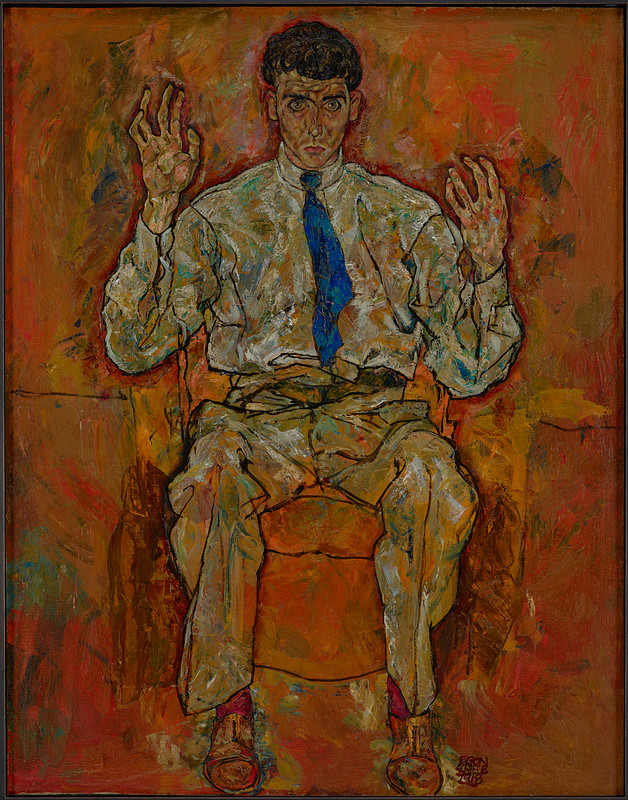
Portrait of Albert Paris von Gütersloh, Egon Schiele, 1918

Portrait of Albert Paris von Gütersloh

1918 · Minneapolis Institute of Art

Head of a Woman, Egon Schiele, 1908

Head of a Woman

1908 · Non exposée · National Gallery of Art

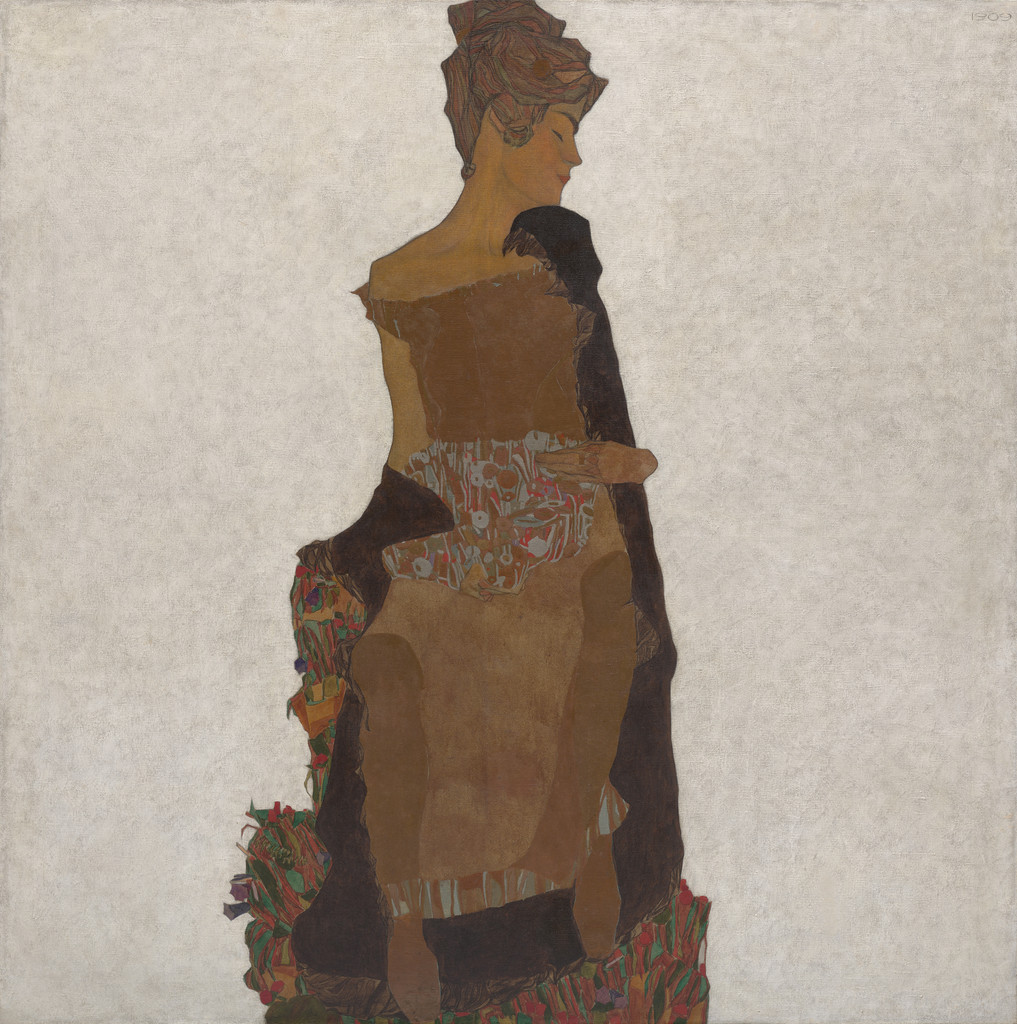
Portrait of Gerti Schiele, Egon Schiele, 1909

Portrait of Gerti Schiele

1909 · Non exposée · Museum of Modern Art

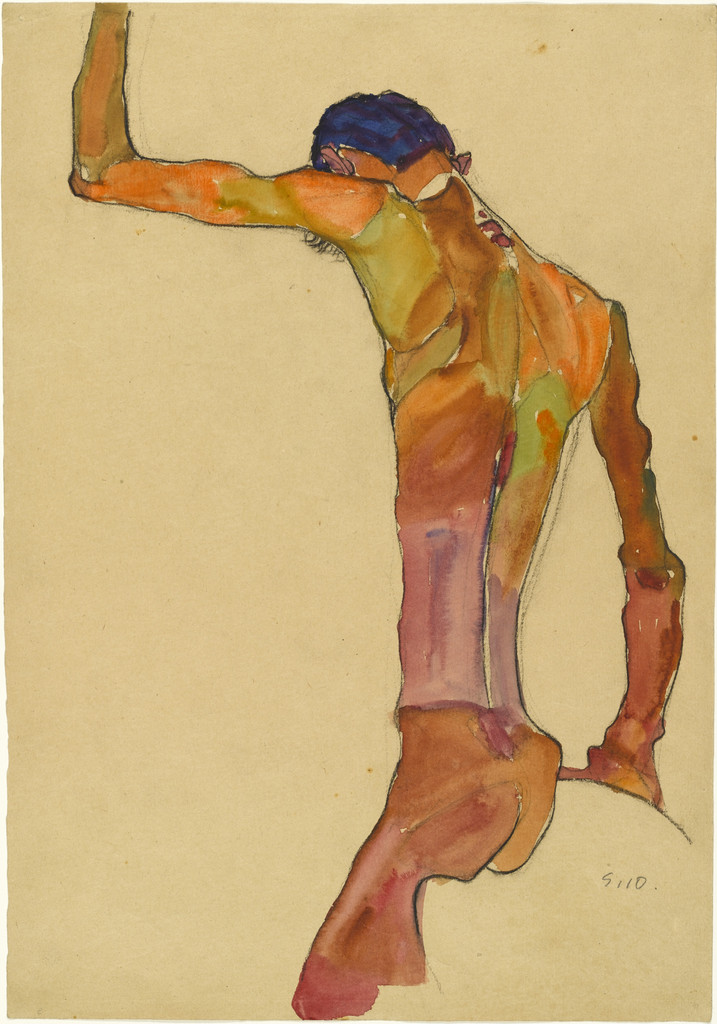
Standing Male Nude with Arm Raised, Back View, Egon Schiele, 1910

Standing Male Nude with Arm Raised, Back View

1910 · Non exposée · Museum of Modern Art

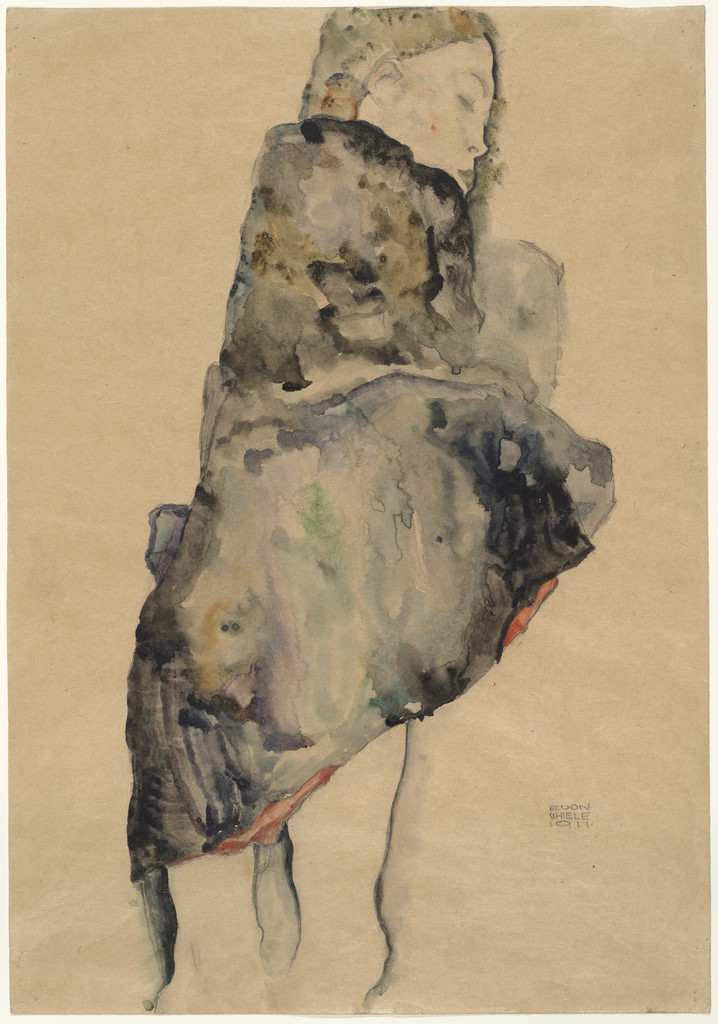
Standing Girl Wrapped in Blanket, Egon Schiele, 1911

Standing Girl Wrapped in Blanket

1911 · Non exposée · Museum of Modern Art

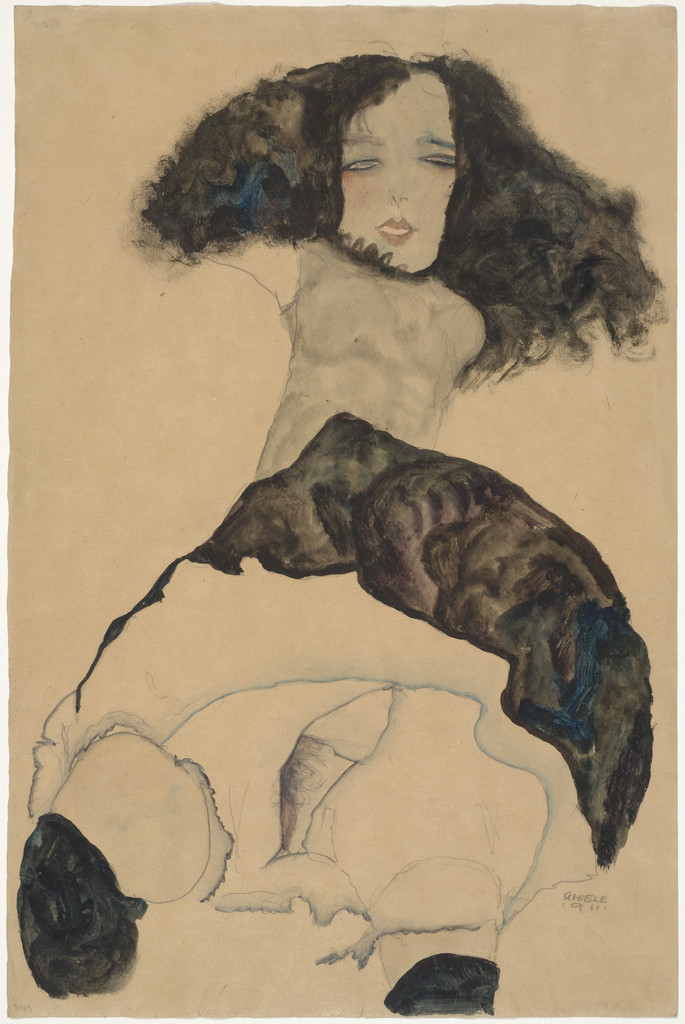
Girl with Black Hair (Mädchen mit schwarzem Haar), Egon Schiele, 1911

Girl with Black Hair (Mädchen mit schwarzem Haar)

1911 · Non exposée · Museum of Modern Art

Self-Portrait, Egon Schiele, 1912

Self-Portrait

1912 · Non exposée · National Gallery of Art

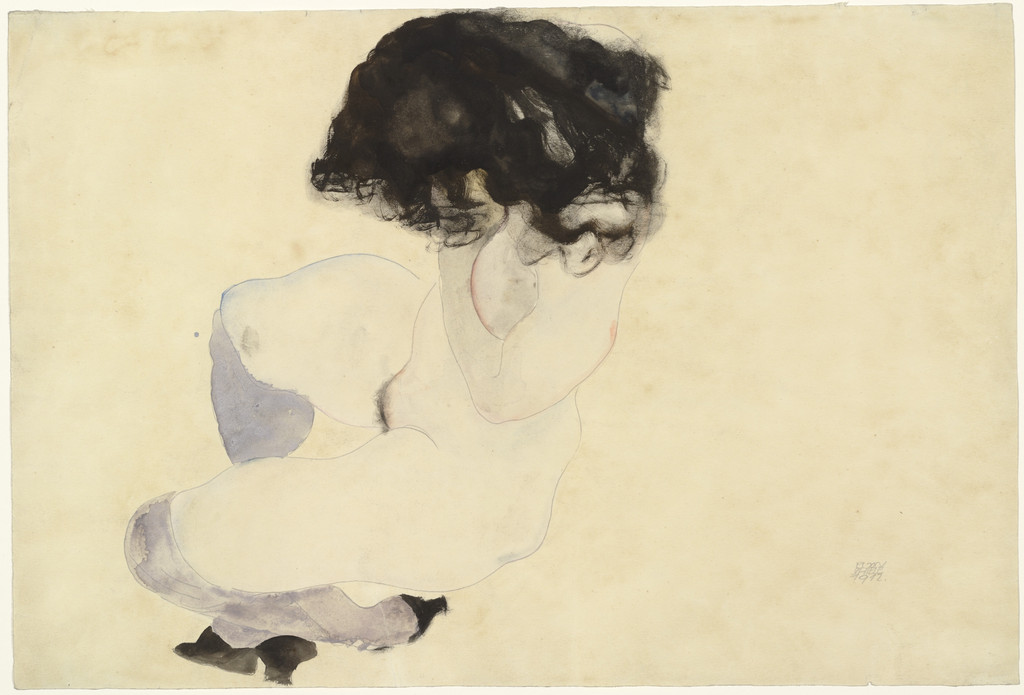
Nude with Violet Stockings and Black Hair (Akt mit violetten Strümpfen und schwarzem Haar), Egon Schiele, 1912

Nude with Violet Stockings and Black Hair (Akt mit violetten Strümpfen und schwarzem Haar)

1912 · Non exposée · Museum of Modern Art

De la collection : Albertina

Page du musée
Zwei groteske Köpfe im Profil, Leonardo da Vinci

Leonardo da Vinci

Zwei groteske Köpfe im Profil

Landschaft mit Haus und Bäumen, Vincent van Gogh

Vincent van Gogh

Landschaft mit Haus und Bäumen

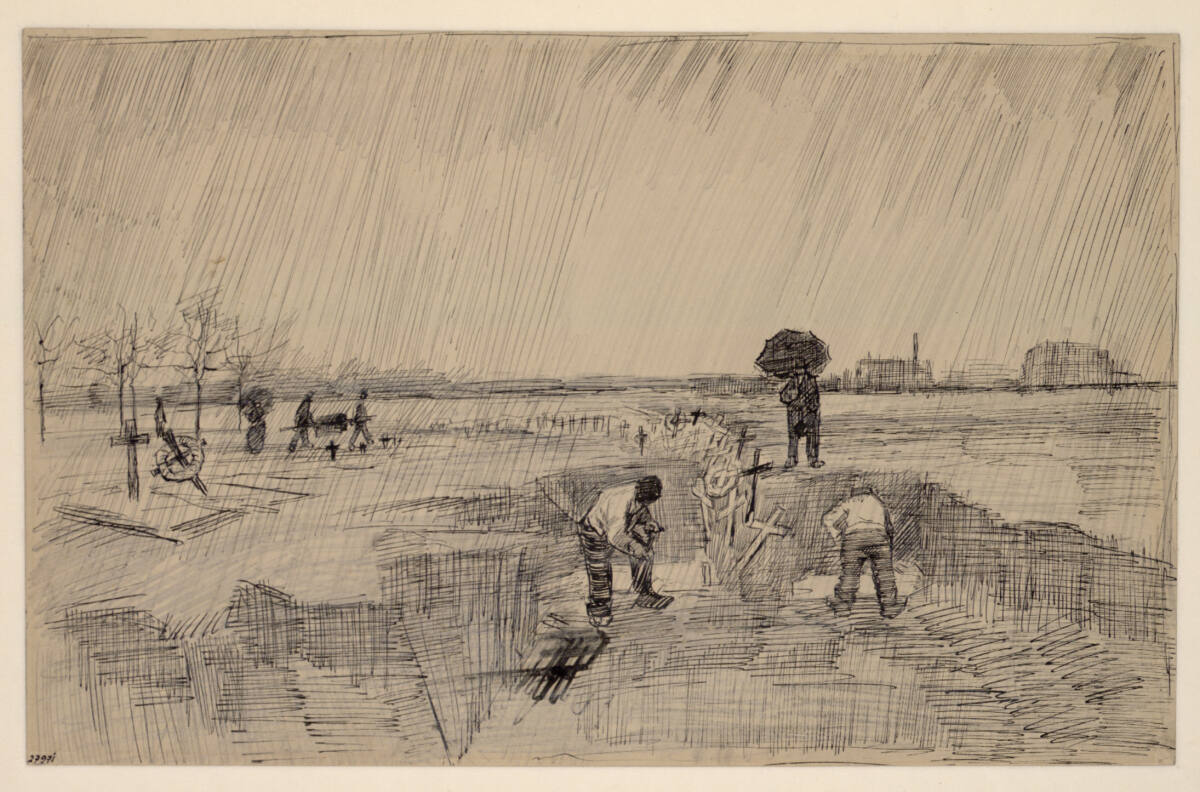
Friedhof im Regen, Vincent van Gogh

Vincent van Gogh

Friedhof im Regen

Studien eines erhobenen Armes mit Schultergelenk, Michelangelo

Michelangelo

Studien eines erhobenen Armes mit Schultergelenk

Studien eines weiblichen sitzenden Rückenakts, Michelangelo

Michelangelo

Studien eines weiblichen sitzenden Rückenakts

Männlicher Oberkörper mit gefalteten Händen sowie Handstudien, Michelangelo

Michelangelo

Männlicher Oberkörper mit gefalteten Händen sowie Handstudien

Männlicher Rückenakt (Studie zu dem eine Lanze tragenden Soldaten des geplanten Wandgemäldes "Schlacht von Cascina"), Michelangelo

Michelangelo

Männlicher Rückenakt (Studie zu dem eine Lanze tragenden Soldaten des geplanten Wandgemäldes "Schlacht von Cascina")

Beweinung Christi, Michelangelo

Michelangelo

Beweinung Christi