ART WIKI32 963 en salle
CarteCollectionArtistesMuséesExpositionsJournal
Connexion

ART WIKI

Où est accroché le chef-d’œuvre, et quand on vous laisse entrer.

Collections : Art Institute of Chicago, Cleveland Museum of Art, Galerie Tretiakov, Hirshhorn Museum and Sculpture Garden, J. Paul Getty Museum, Metropolitan Museum of Art, Minneapolis Institute of Art, Musée de l'Ermitage, Musée des Beaux-Arts Pouchkine, Musée du Louvre, musée national d'art asiatique, Musée russe, Musées d'Art de Harvard, Museum of Modern Art, National Gallery of Art, National Portrait Gallery, Rijksmuseum Amsterdam, Smithsonian American Art Museum, Statens Museum for Kunst, Victoria and Albert Museum, Villa Getty, Whitney Museum of American Art, Catalogue d’État du fonds muséal de Russie (274 musées), Europeana (19 musées), Wikidata (6 musées), Paris Musées (12 musées) et Joconde, la base des musées du ministère de la Culture (495 musées). Les images appartiennent à leurs ayants droit.
Rubriques

  • Carte
  • Recherche
  • Collection
  • Chefs-d’œuvre
  • Exposées en ce moment
  • Artistes

Et aussi

  • Musées et galeries
  • Expositions
  • Journal
  • D’où viennent les données
  • Confidentialité et cookies
AccueilCarteCatalogue
  1. Collection/
  2. Metropolitan Museum of Art/
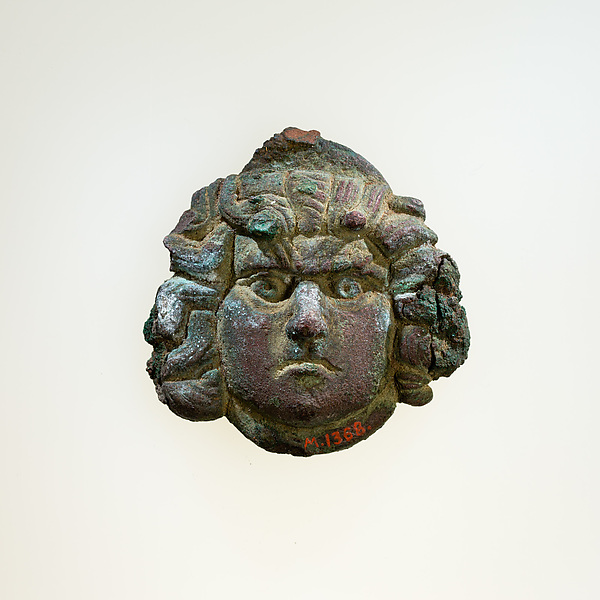
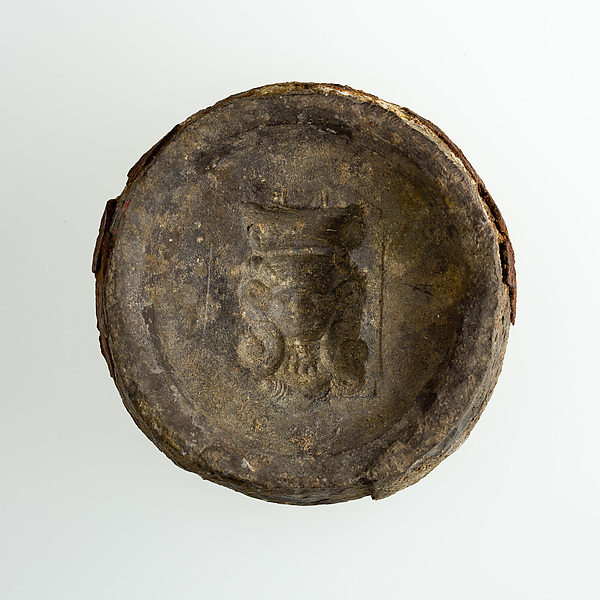
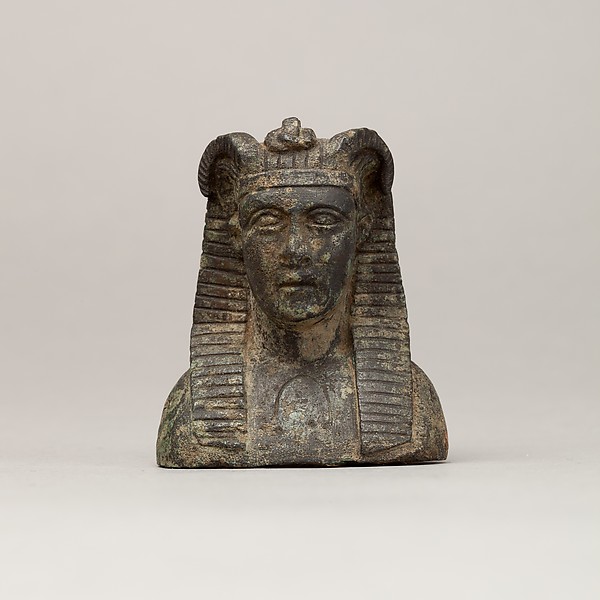
  3. Bust of Alexander
Bust of Alexander, 150 BCE–200 CE

Bust of Alexander

150 BCE–200 CE · Bust, Alexander

Peut-on la contempler ?

Oui, elle reçoit

Metropolitan Museum of Art

New York, États-Unis

Salle130

Présentée au public. Qui s’en porte garant est indiqué ci-dessous.

Vérifié
il y a 3 jours
Dans cet état depuis
28 sept. 2026
Source
Le musée
Sur la cartePage du musée

Notice

Numéro d’inventaire
08.202.52

Dans la même salle · Gallery 130, Metropolitan Museum of Art

Page du musée

Sur le même thème · Alexander The Great

Toutes les œuvres sur ce thème

Ce qu’elle montre

Alexander The Great

Au catalogue

SculptureMétalPtolemaic–Roman Period

Sources

  • Metropolitan Museum of Art
  • Image : Metropolitan Museum of Art — Open Access (CC0)
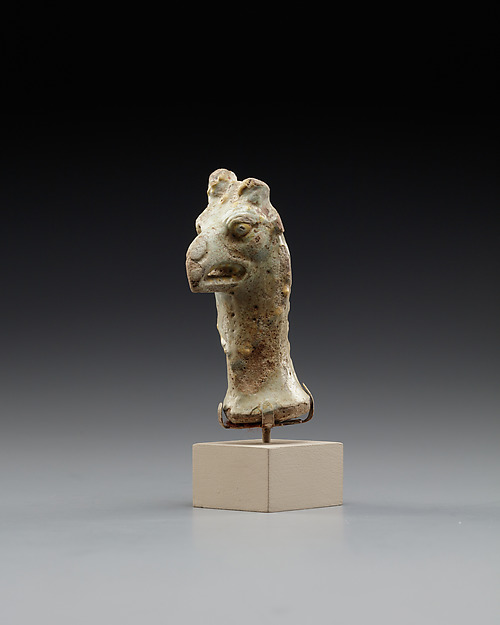
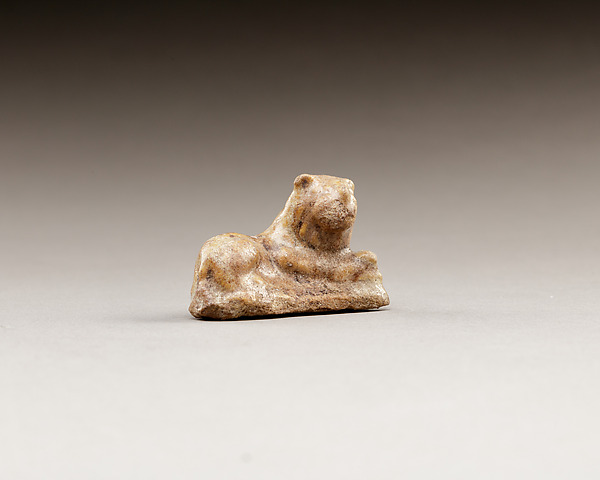
Fragmentary Head of an Oryx, ca. 1550–664 BCE

Fragmentary Head of an Oryx, ca. 1550–664 BCE

Kneeling Statue of Yuny, ca. 1299–1290 BCE

Kneeling Statue of Yuny, ca. 1299–1290 BCE

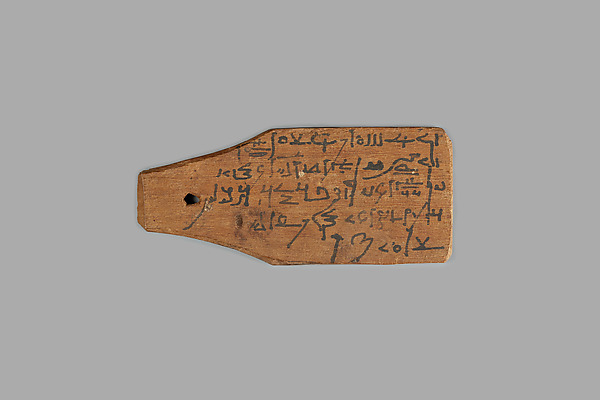
Amuletic stone with a protective spell against scorpions, ca. 1080–332 BCE

Amuletic stone with a protective spell against scorpions, ca. 1080–332 BCE

Bastet on a throne decorated with the decans, ca. 1080–664 BCE

Bastet on a throne decorated with the decans, ca. 1080–664 BCE

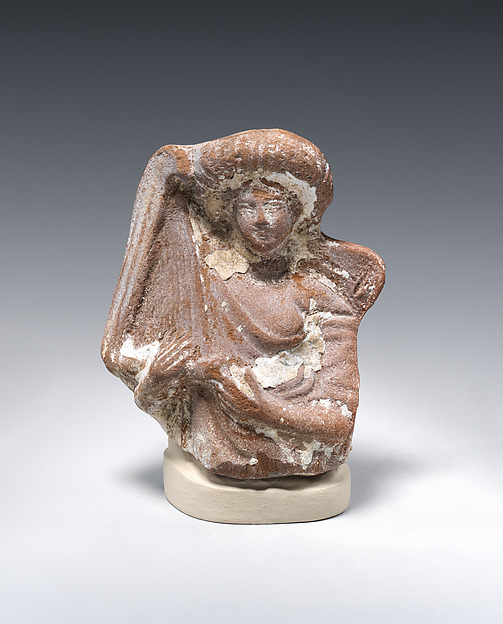
Figure of Isis nursing Horus, ca. 1080–343 BCE

Figure of Isis nursing Horus, ca. 1080–343 BCE

Stela with a seated figure of Re-Harakhty, ca. 1080–721 BCE

Stela with a seated figure of Re-Harakhty, ca. 1080–721 BCE

Isis nursing Horus, ca. 1080–343 BCE

Isis nursing Horus, ca. 1080–343 BCE

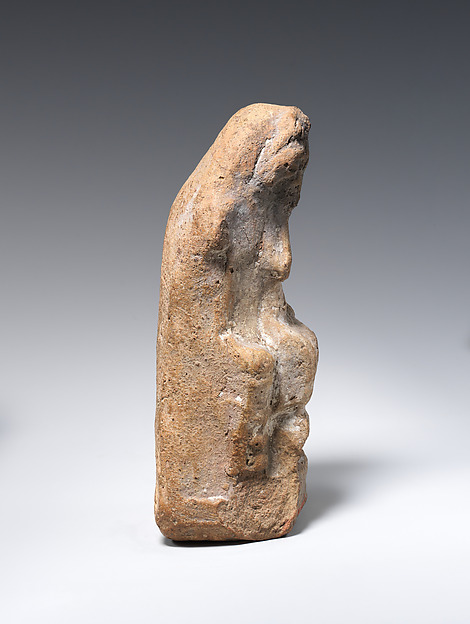
Figure of Sakhmet, ca. 1080–664 BCE

Figure of Sakhmet, ca. 1080–664 BCE

The Marriage of Alexander and Roxana, Conrad Martin Metz, after Raphael, 1798

Raphael

The Marriage of Alexander and Roxana, 1798

Non exposée · National Gallery of Art

Alexander and Bucephalus, Edgar Degas, 1861/1862

Edgar Degas

Alexander and Bucephalus, 1861/1862

National Gallery of Art

Alexander the Great, Workshop of Andrea del Verrocchio, c. 1483/1485

Circle of Andrea del Verrocchio

Alexander the Great, c. 1483/1485

National Gallery of Art

Alexander in the Studio of Apelles, Salvator Rosa, c. 1662

Salvator Rosa

Alexander in the Studio of Apelles, c. 1662

Non exposée · National Gallery of Art

Two Studies of the Statue of Alexander and Bucephalus [verso], Hubert Robert, probably c. 1754/1765

Hubert Robert

Two Studies of the Statue of Alexander and Bucephalus [verso], probably c. 1754/1765

Non exposée · National Gallery of Art

Statue of Alexander and Bucephalus [recto], Hubert Robert, probably c. 1754/1765

Hubert Robert

Statue of Alexander and Bucephalus [recto], probably c. 1754/1765

Non exposée · National Gallery of Art

Entry of Alexander the Great into Babylon, or The Triumph of Alexander, after Charles Le Brun, 18th century

anonymous

Entry of Alexander the Great into Babylon, or The Triumph of Alexander, 18th century

Non exposée · National Gallery of Art

Alexander and Thaïs Setting Fire to Persepolis, Lodovico Carracci, probably c. 1592

Ludovico Carracci

Alexander and Thaïs Setting Fire to Persepolis, probably c. 1592

Non exposée · National Gallery of Art