ART WIKI32 963 en salle
CarteCollectionArtistesMuséesExpositionsJournal
Connexion

ART WIKI

Où est accroché le chef-d’œuvre, et quand on vous laisse entrer.

Collections : Art Institute of Chicago, Cleveland Museum of Art, Galerie Tretiakov, Hirshhorn Museum and Sculpture Garden, J. Paul Getty Museum, Metropolitan Museum of Art, Minneapolis Institute of Art, Musée de l'Ermitage, Musée des Beaux-Arts Pouchkine, Musée du Louvre, musée national d'art asiatique, Musée russe, Musées d'Art de Harvard, Museum of Modern Art, National Gallery of Art, National Portrait Gallery, Rijksmuseum Amsterdam, Smithsonian American Art Museum, Statens Museum for Kunst, Victoria and Albert Museum, Villa Getty, Whitney Museum of American Art, Catalogue d’État du fonds muséal de Russie (274 musées), Europeana (19 musées), Wikidata (6 musées), Paris Musées (12 musées) et Joconde, la base des musées du ministère de la Culture (495 musées). Les images appartiennent à leurs ayants droit.

Rubriques

  • Carte
  • Recherche
  • Collection
  • Chefs-d’œuvre
  • Exposées en ce moment
  • Artistes

Et aussi

  • Musées et galeries
  • Expositions
  • Journal
  • D’où viennent les données
  • Confidentialité et cookies
AccueilCarteCatalogue
  1. Collection/
  2. Victoria and Albert Museum/
  3. Bust
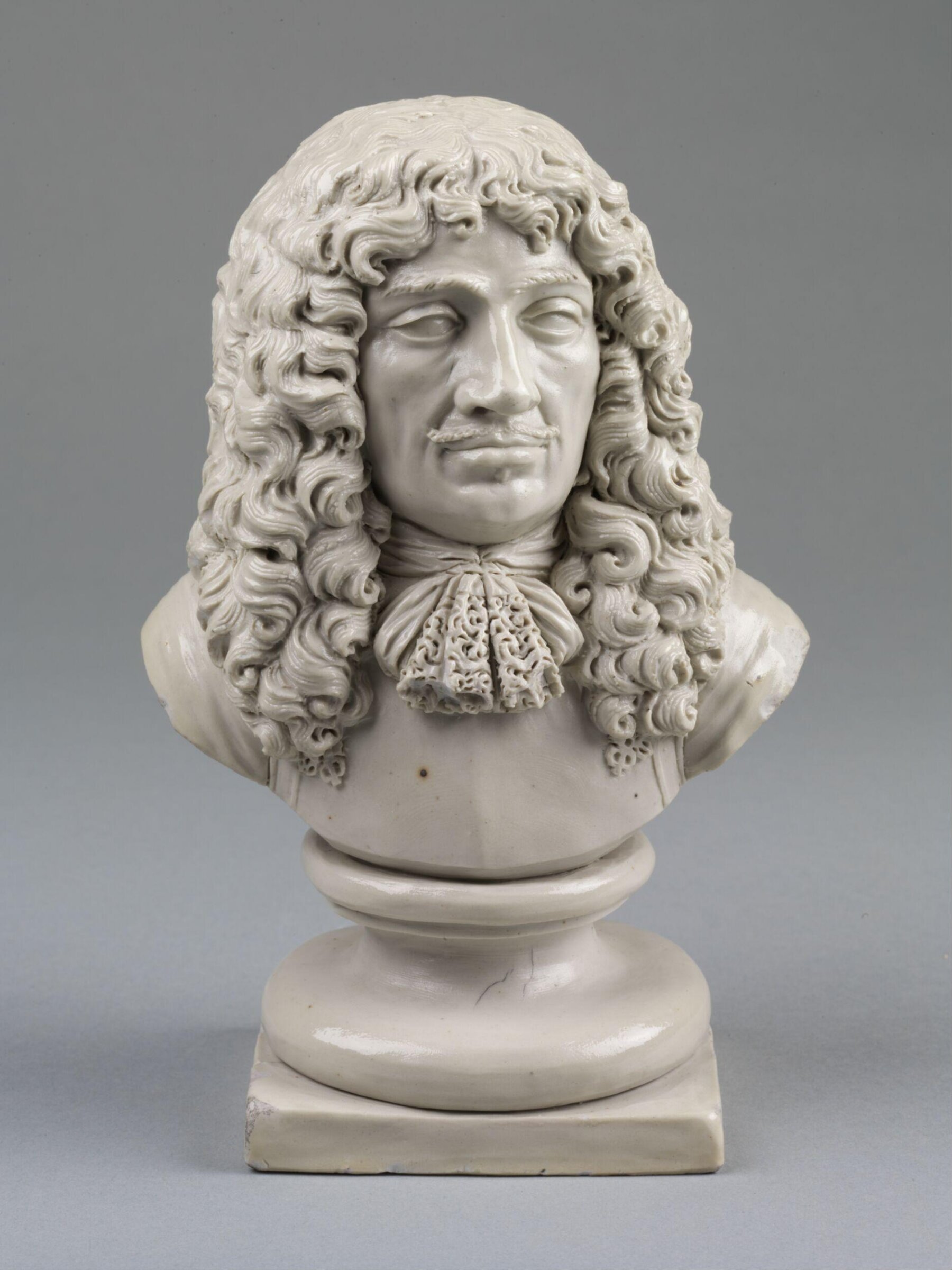
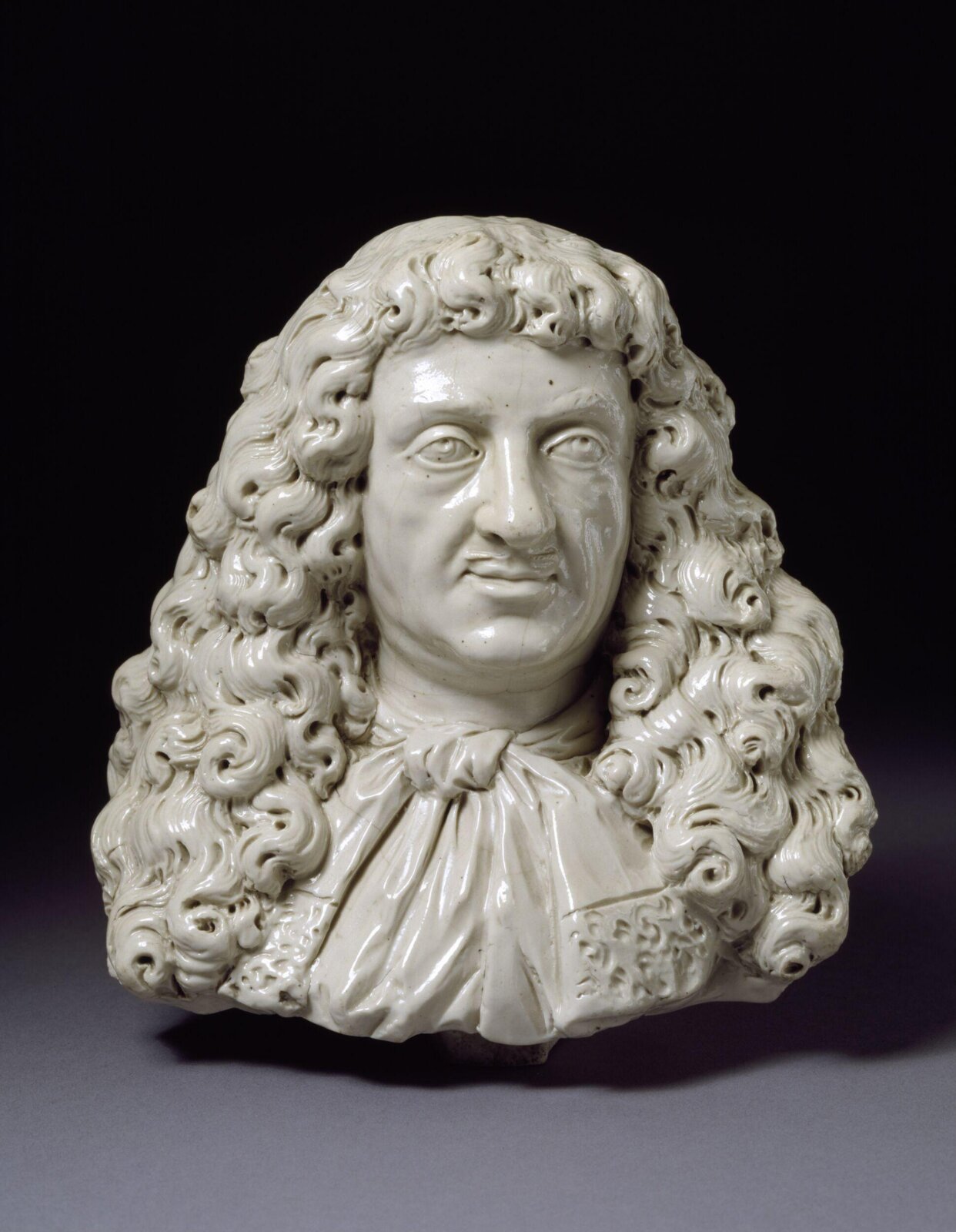
Bust, John Dwight's Fulham Pottery, 1673-1675

Bust

1673-1675 · Bust · 18.2 × 17 cm

À propos de la sculpture

Object Type

Possibly the earliest portrait bust to be modelled in salt-glazed stoneware anywhere in Europe, this bust was clearly modelled by an accomplished (but still unknown) sculptor familiar with working in terracotta or wax. As the founder of the Fulham Pottery, John Dwight had high hopes for his patented material and, like Josiah Wedgwood in the 18th century, intended that his humble pottery should become associated with the fine arts, and perhaps therefore with wealthy patronage.

People

John Dwight, scholar and talented chemist, came from an Oxfordshire farming family. Like many upwardly mobile people in the Restoration period, he commissioned his family portraits, comprising stoneware busts of himself, his wife and recently-deceased daughter Lydia. These all survived within the Dwight family until their discovery on the death of his last descendant in 1859.

Materials & Making

Lire la suite

Soft stoneware clay must have seemed ideal for modelling, because it could later be fired and made as hard as flint. Some of Dwight's figures were even painted with brown iron slip to resemble bronze. Almost a century passed, however, before the English pottery figure became popular, and then it was the mass-produced moulded type rather than individual figures made by professional modellers.

Victoria and Albert Museum

Notice

Numéro d’inventaire
1053-1871

Autres œuvres : John Dwight's Fulham Pottery

Toutes les œuvres

Dans la même salle · Ceramics, Room 143, The Timothy Sainsbury Gallery, Victoria and Albert Museum

Page du musée
JJohn Dwight's Fulham Pottery

Peut-on la contempler ?

Oui, elle reçoit

Victoria and Albert Museum

Londres, Royaume-Uni

SalleCeramics, Room 143, The Timothy Sainsbury Gallery

Présentée au public. Qui s’en porte garant est indiqué ci-dessous.

Vérifié
il y a 12 jours
Dans cet état depuis
25 sept. 2026
Source
Le musée
Sur la cartePage du musée

Au catalogue

SculptureBaroqueXVIIe siècleFulham

Sources

  • Victoria and Albert Museum
  • Image : Victoria and Albert Museum — © Victoria and Albert Museum, London
Bust, John Dwight's Fulham Pottery, ca. 1673-1675

Bust

ca. 1673-1675 · Victoria and Albert Museum

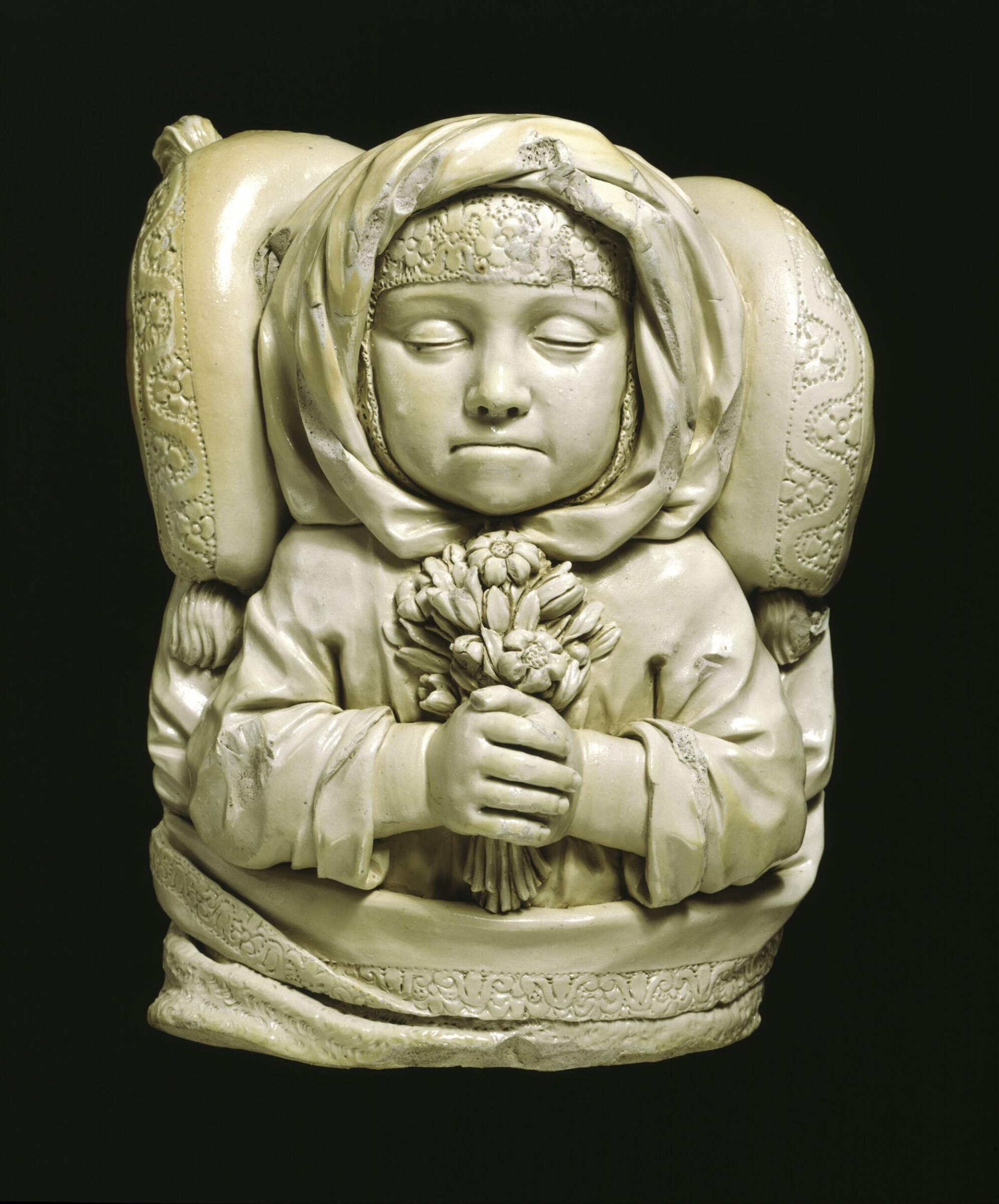
Lydia Dwight Dead, John Dwight's Fulham Pottery, 1674

Lydia Dwight Dead

1674 · Victoria and Albert Museum

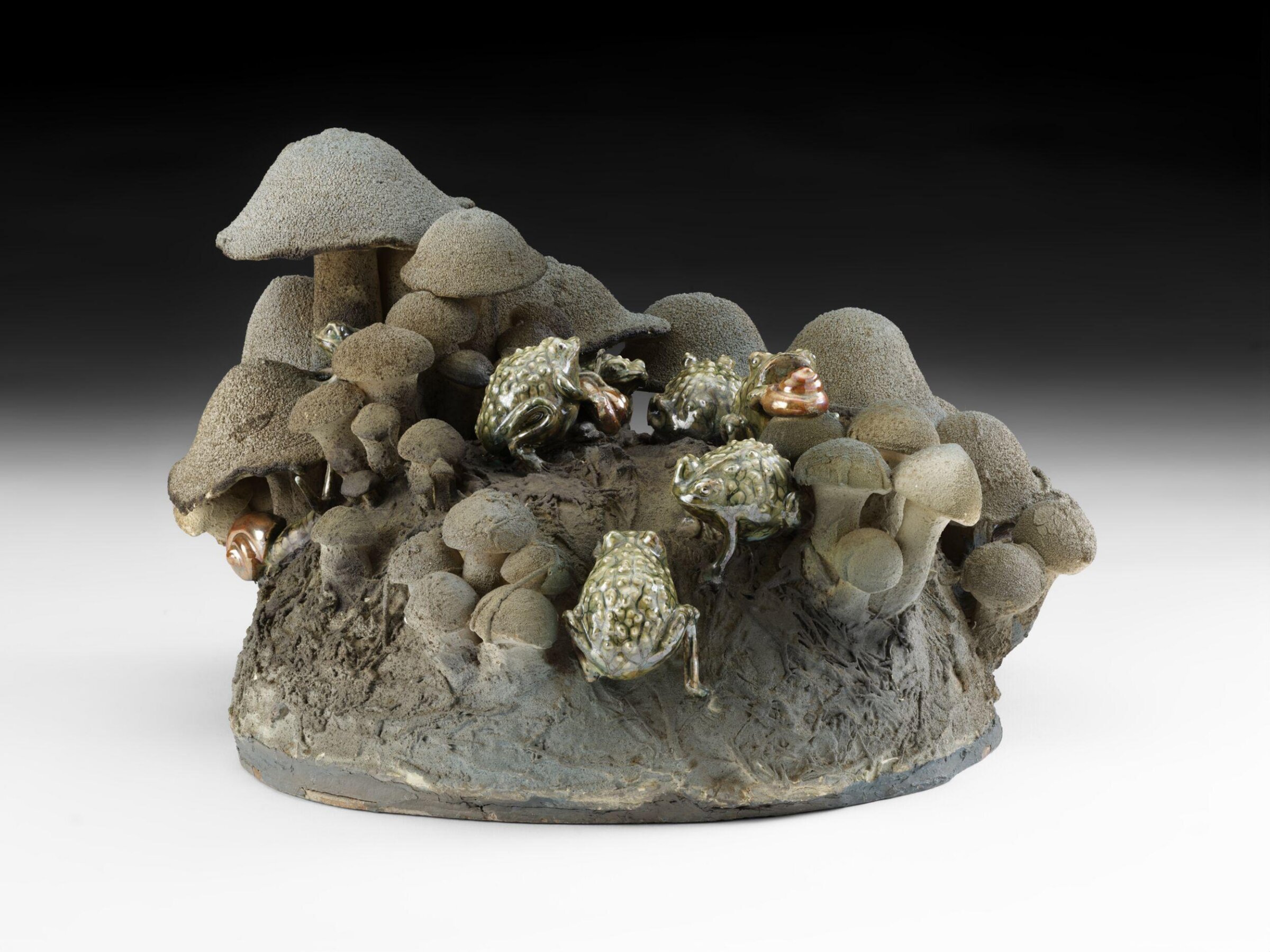
Fungi Form with Frogs, Alan Barrett-Danes, 1975

Alan Barrett-Danes

Fungi Form with Frogs, 1975

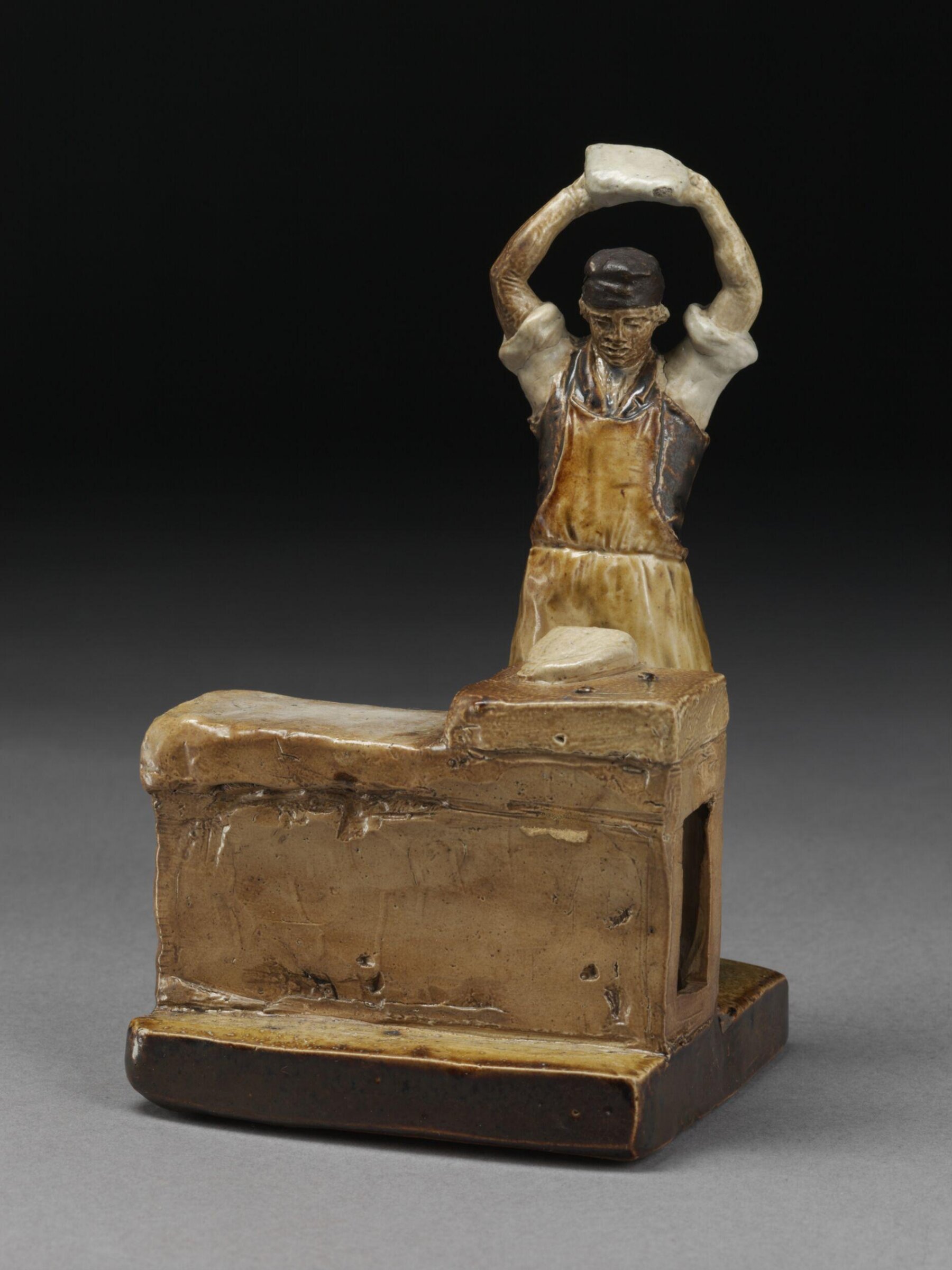
Martin Ware, Robert Wallace Martin, 08/1881

Robert Wallace Martin

Martin Ware, 08/1881

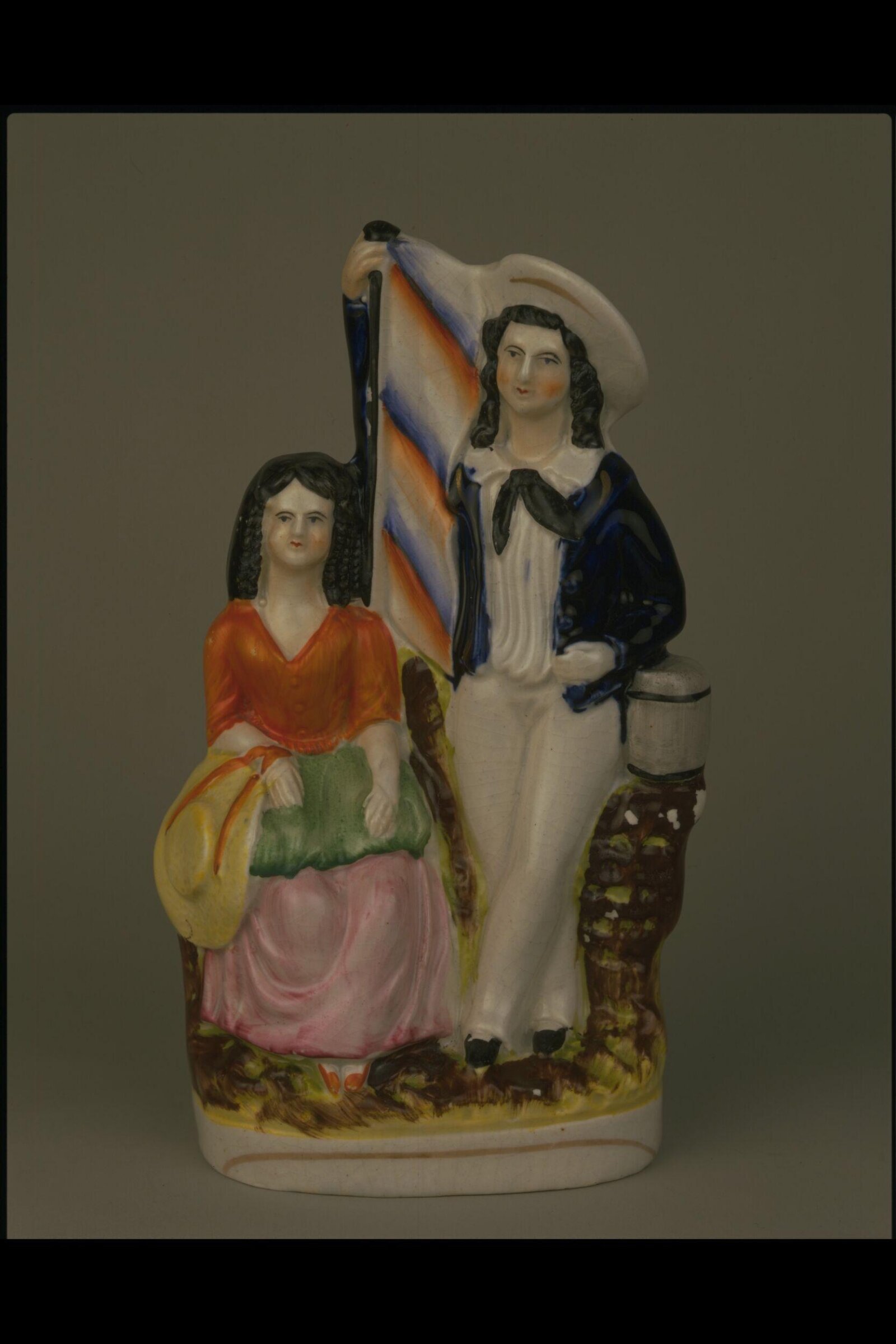
Figure group, ca. 1840-1850

Figure group, ca. 1840-1850

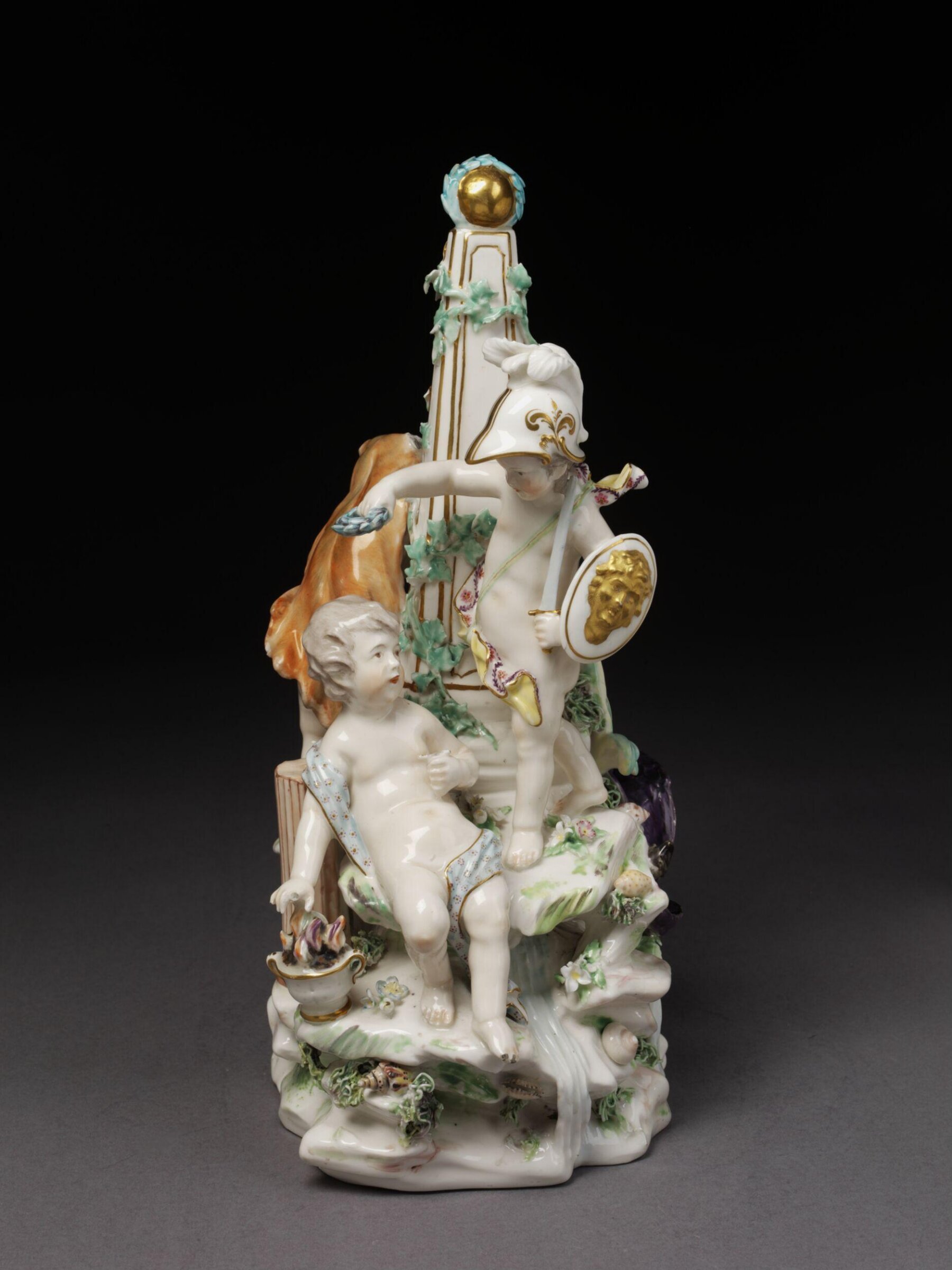
Minerva crowning Constancy and Hercules killing the Hydra, Nicholas Gauron, ca. 1775

Nicholas Gauron

Minerva crowning Constancy and Hercules killing the Hydra, ca. 1775

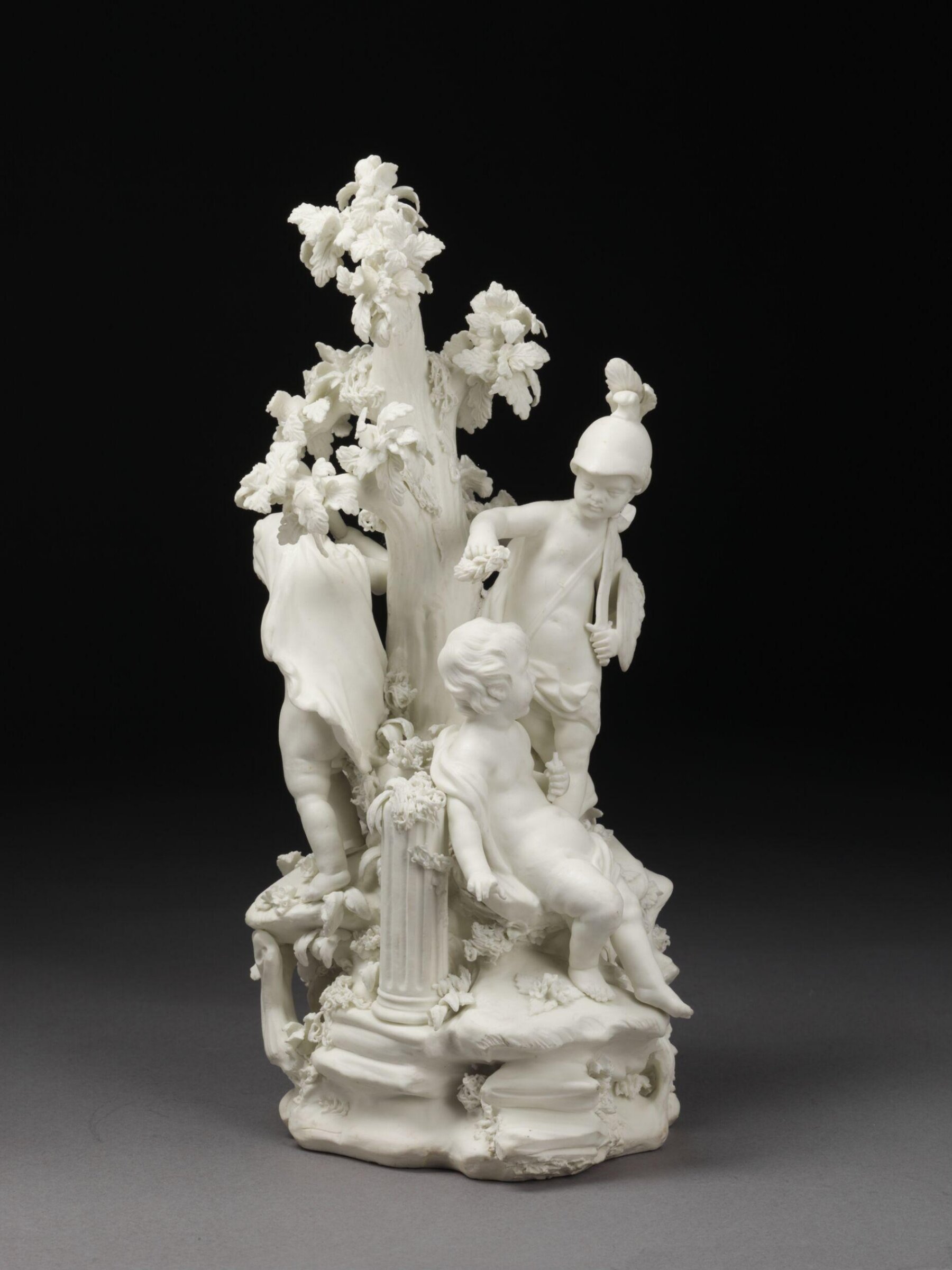
Minerva crowning Constancy and Hercules killing the Hydra, Nicholas Gauron, 1770-1771

Nicholas Gauron

Minerva crowning Constancy and Hercules killing the Hydra, 1770-1771

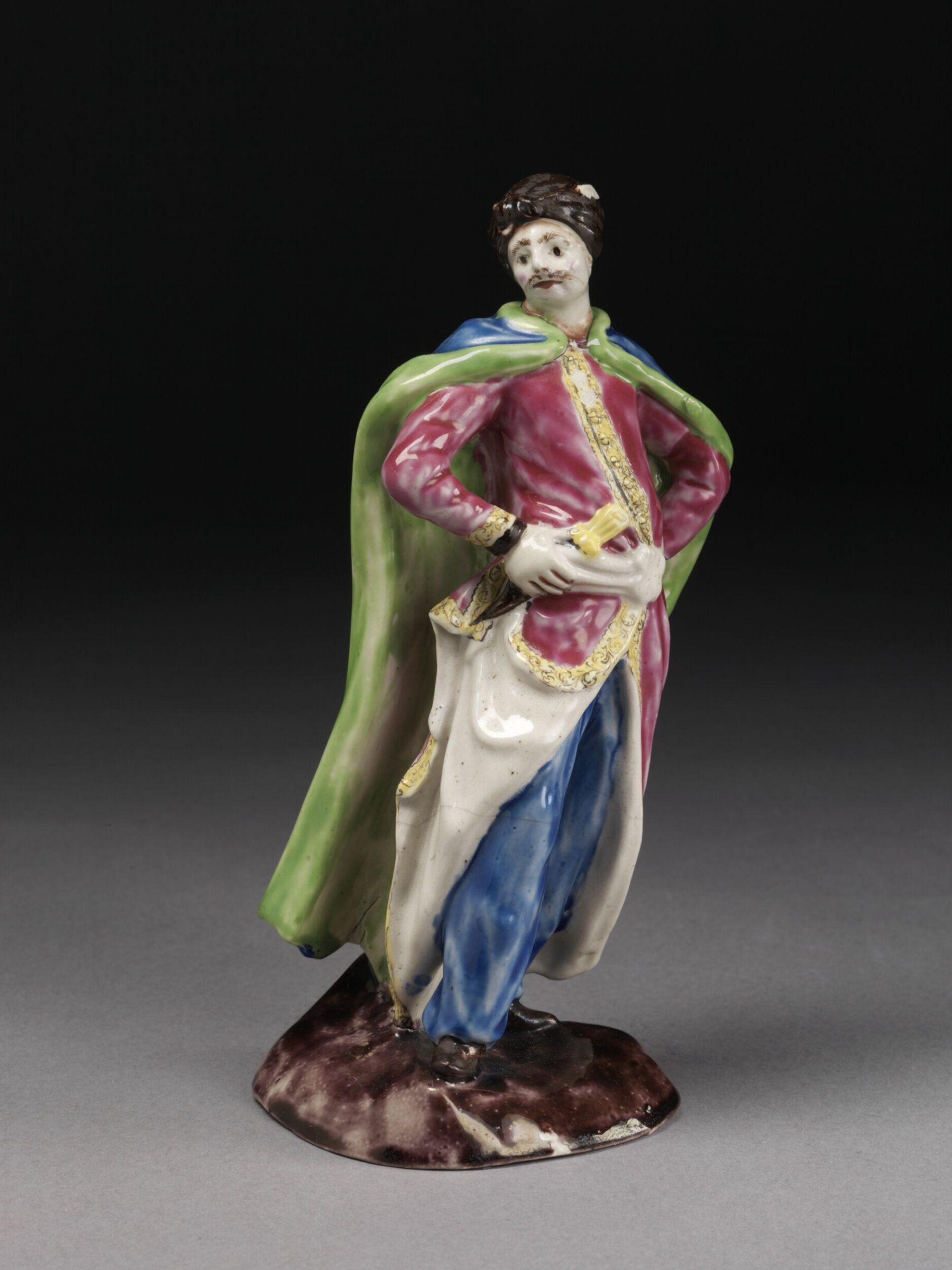
Statuette, ca. 1750

Statuette, ca. 1750

Mourning figure, Henry Cheere, 1739

Henry Cheere

Mourning figure, 1739

Virgin and Child, Andrea della Robbia, 1487-1488

Andrea della Robbia

Virgin and Child, 1487-1488