ART WIKI32 963 en salle
CarteCollectionArtistesMuséesExpositionsJournal
Connexion

ART WIKI

Où est accroché le chef-d’œuvre, et quand on vous laisse entrer.

Collections : Art Institute of Chicago, Cleveland Museum of Art, Galerie Tretiakov, Hirshhorn Museum and Sculpture Garden, J. Paul Getty Museum, Metropolitan Museum of Art, Minneapolis Institute of Art, Musée de l'Ermitage, Musée des Beaux-Arts Pouchkine, Musée du Louvre, musée national d'art asiatique, Musée russe, Musées d'Art de Harvard, Museum of Modern Art, National Gallery of Art, National Portrait Gallery, Rijksmuseum Amsterdam, Smithsonian American Art Museum, Statens Museum for Kunst, Victoria and Albert Museum, Villa Getty, Whitney Museum of American Art, Catalogue d’État du fonds muséal de Russie (274 musées), Europeana (19 musées), Wikidata (6 musées), Paris Musées (12 musées) et Joconde, la base des musées du ministère de la Culture (495 musées). Les images appartiennent à leurs ayants droit.

Rubriques

  • Carte
  • Recherche
  • Collection
  • Chefs-d’œuvre
  • Exposées en ce moment
  • Artistes

Et aussi

  • Musées et galeries
  • Expositions
  • Journal
  • D’où viennent les données
  • Confidentialité et cookies
AccueilCarteCatalogue
  1. Collection/
  2. Minneapolis Institute of Art/
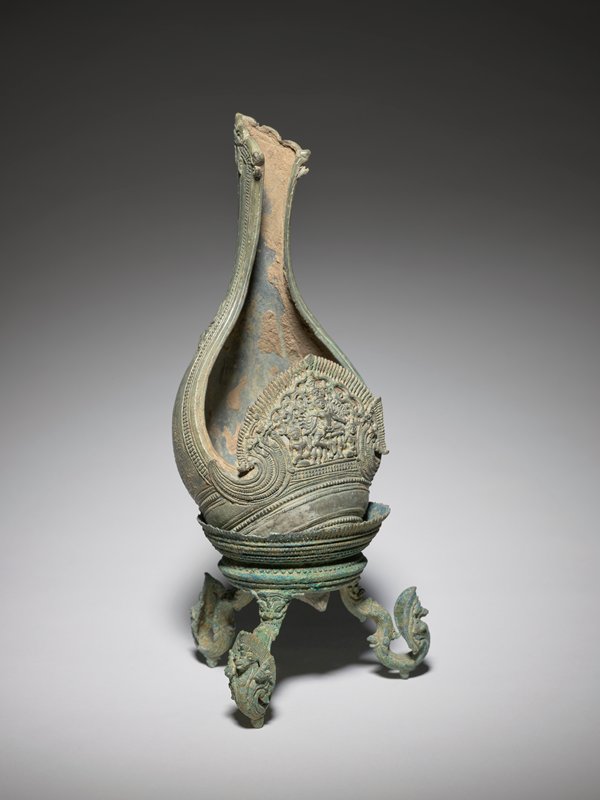
  3. Buddhist ritual conch shell with a dancing Hevajra
Buddhist ritual conch shell with a dancing Hevajra, 12th-13th century

Buddhist ritual conch shell with a dancing Hevajra

12th-13th century · Sculpture

À propos de la sculpture

This bronze takes the form of a conch shell, a vessel used in both Buddhist and Hindu rituals. Blown at the beginning of ceremonies, the instrument makes the sound of the sacred syllable “Om, ” believed to purify the mind before meditation. Buddhism and Hinduism were often practiced side by side in the kingdoms of Southeast Asia; however, Hinduism was the official religion of Khmer kings until the conversion to Buddhism of Jayavarman VII (reign c. 1181–1218), after which Buddhist art flourished. The embellished bronze features a dancing, multiheaded Hevajra, a key deity in Vajrayana Buddhism, a sect that emphasizes ritual as a means to enlightenment.

Minneapolis Institute of Art

Notice

Numéro d’inventaire
91.22.1a, b

Dans la même salle · G213, Minneapolis Institute of Art

Page du musée

Peut-on la contempler ?

Oui, elle reçoit

Minneapolis Institute of Art

Minneapolis, États-Unis

SalleG213

Présentée au public. Qui s’en porte garant est indiqué ci-dessous.

Vérifié
il y a 3 jours
Dans cet état depuis
25 sept. 2026
Source
Le musée
Sur la cartePage du musée

Au catalogue

SculptureBronzeKhmer

Sources

  • Minneapolis Institute of Art
  • Image : Minneapolis Institute of Art — public domain
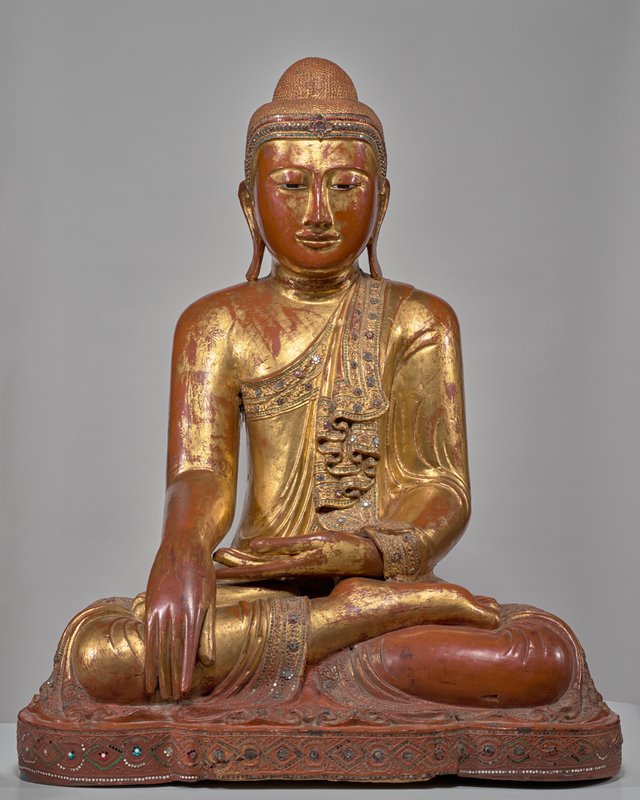
Enshrined Buddha, c. 1850

Enshrined Buddha, c. 1850

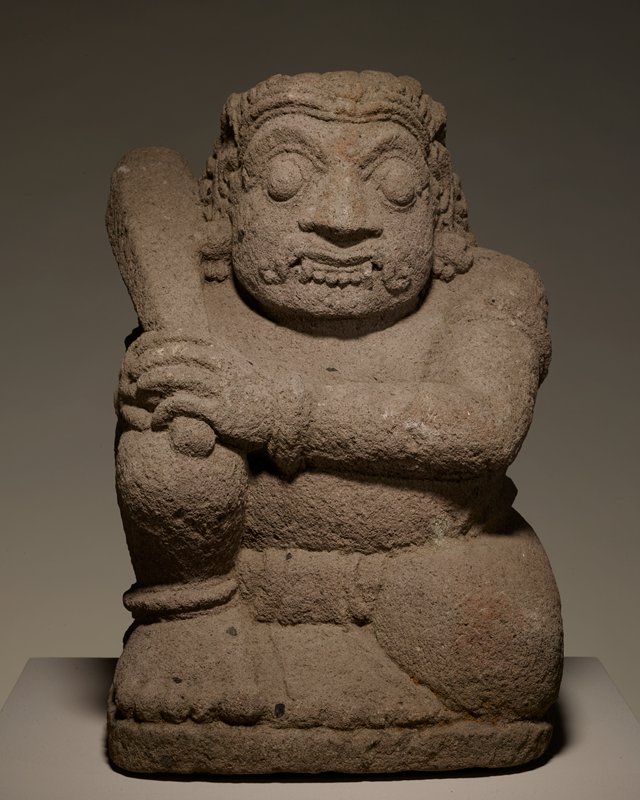
Dvarapala (Door Guardian), c. 14th–15th century

Dvarapala (Door Guardian), c. 14th–15th century

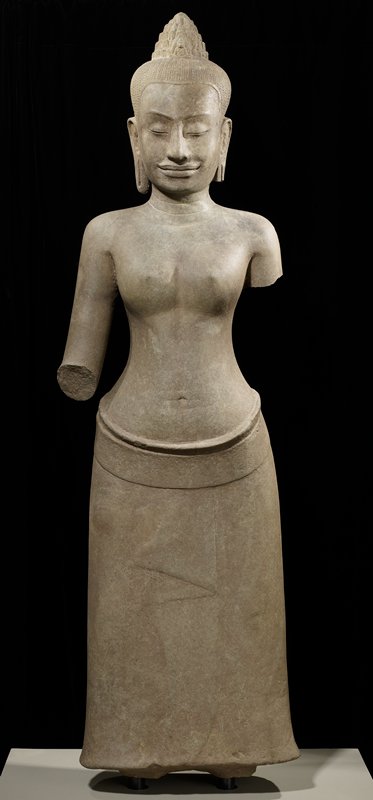
Prajnaparamita, late 12th–early 13th century

Prajnaparamita, late 12th–early 13th century

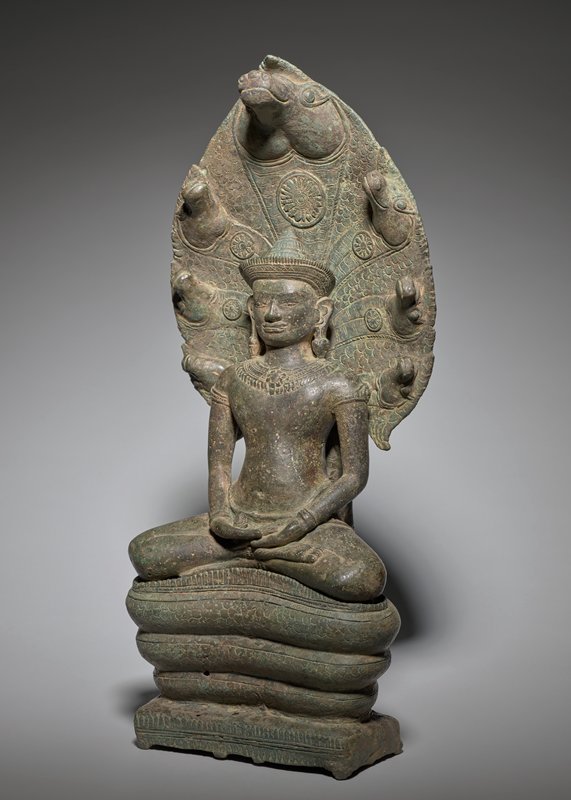
Naga-enthroned Buddha, 12th-13th century

Naga-enthroned Buddha, 12th-13th century

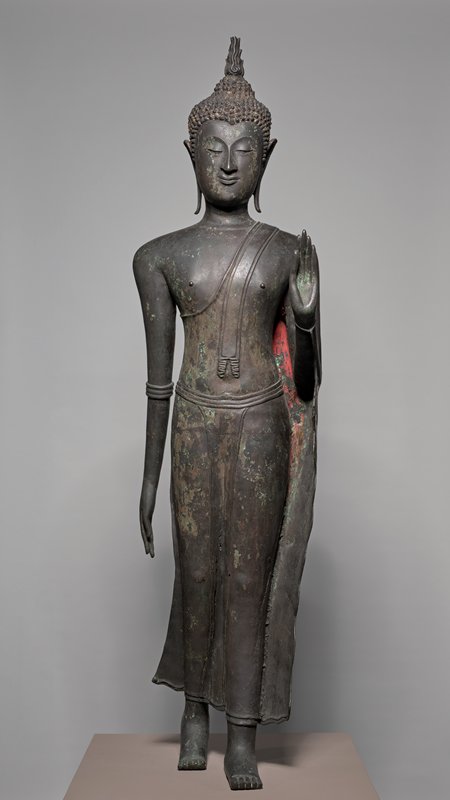
Walking Shakyamuni Buddha, 15th century

Walking Shakyamuni Buddha, 15th century

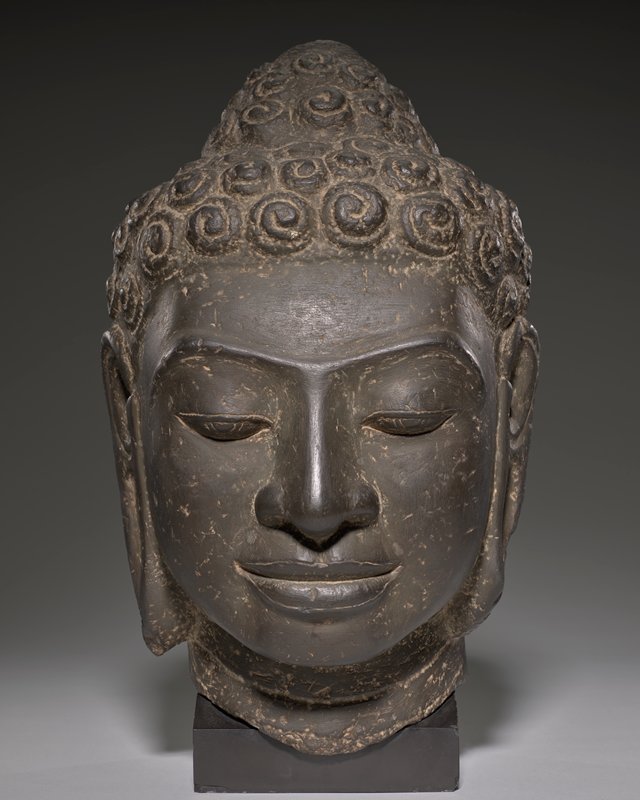
Buddha Head, or Thailand, 8th century

or Thailand

Buddha Head, 8th century

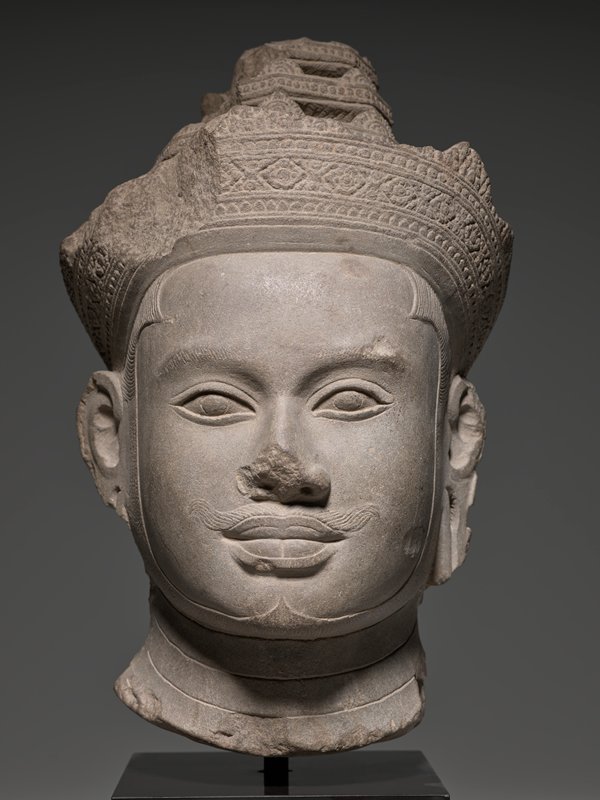
Head from an image of Vishnu or a deified king, early 9th century

Head from an image of Vishnu or a deified king, early 9th century

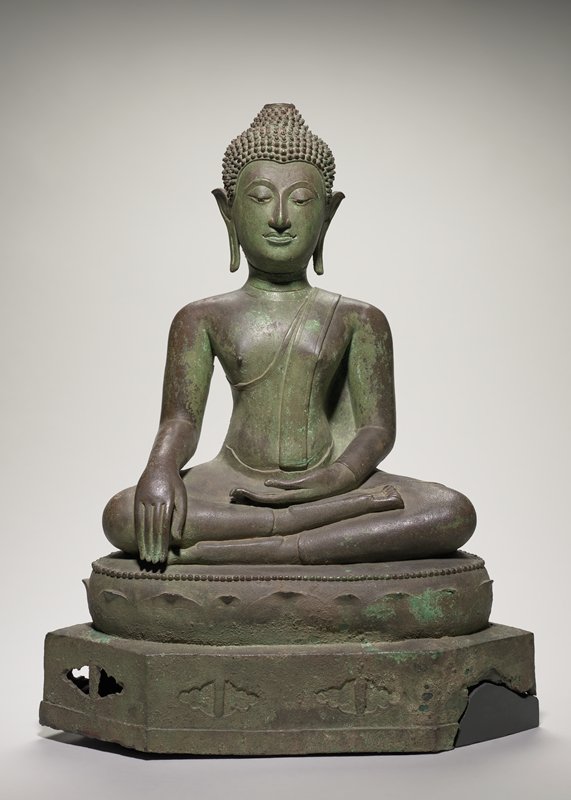
Buddha subduing Mara, 15th century

Buddha subduing Mara, 15th century