ART WIKI32 963 en salle
CarteCollectionArtistesMuséesExpositionsJournal
Connexion

ART WIKI

Où est accroché le chef-d’œuvre, et quand on vous laisse entrer.

Collections : Art Institute of Chicago, Cleveland Museum of Art, Galerie Tretiakov, Hirshhorn Museum and Sculpture Garden, J. Paul Getty Museum, Metropolitan Museum of Art, Minneapolis Institute of Art, Musée de l'Ermitage, Musée des Beaux-Arts Pouchkine, Musée du Louvre, musée national d'art asiatique, Musée russe, Musées d'Art de Harvard, Museum of Modern Art, National Gallery of Art, National Portrait Gallery, Rijksmuseum Amsterdam, Smithsonian American Art Museum, Statens Museum for Kunst, Victoria and Albert Museum, Villa Getty, Whitney Museum of American Art, Catalogue d’État du fonds muséal de Russie (274 musées), Europeana (19 musées), Wikidata (6 musées), Paris Musées (12 musées) et Joconde, la base des musées du ministère de la Culture (495 musées). Les images appartiennent à leurs ayants droit.

Rubriques

  • Carte
  • Recherche
  • Collection
  • Chefs-d’œuvre
  • Exposées en ce moment
  • Artistes

Et aussi

  • Musées et galeries
  • Expositions
  • Journal
  • D’où viennent les données
  • Confidentialité et cookies
AccueilCarteCatalogue
  1. Collection/
  2. Galerie Tretiakov/
  3. Бхил
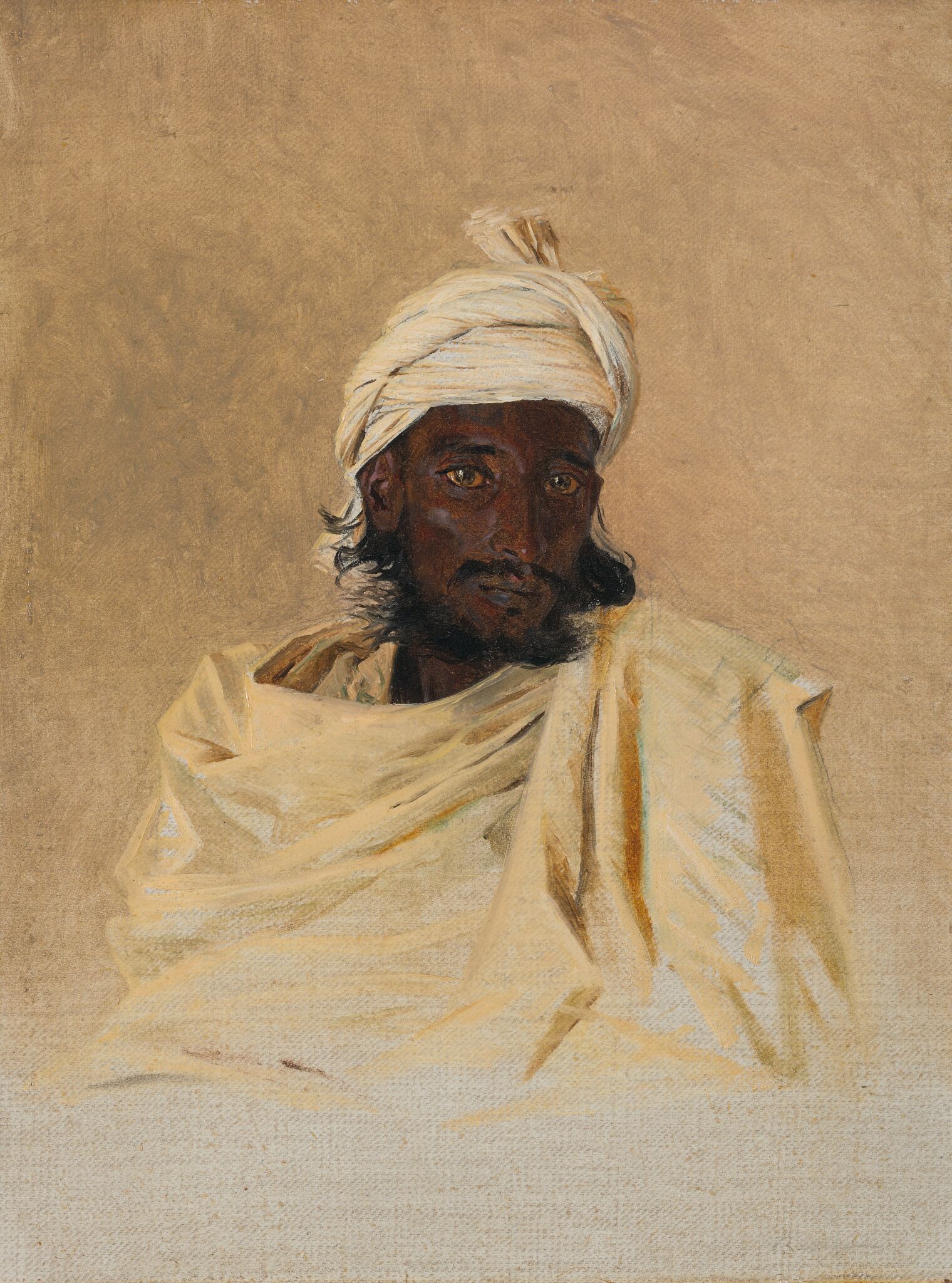
Бхил, Vasily Vereshchagin, 1874
Vasily Vereshchagin, portraitVasily Vereshchagin1842–1904

Бхил

1874 · Painting · 37 × 28 cm

Peut-on la contempler ?

Inconnu

Galerie Tretiakov

Moscou, Russie

Le propriétaire est connu ; on ignore si l’œuvre est exposée aujourd’hui.

Source
Le musée
Sur la cartePage du musée

À propos du tableau

Selon le musée — en russe

Верещагин впервые путешествовал по Индии в течение двух лет – с 1874 по 1876 год. Остановившись в Бомбее, он выезжал в разные области, в том числе в труднодоступные отдаленные княжества. Его внимание привлекали этнические типы, относящиеся к той или иной местности, их ярко выраженные особенности («Священник парс (огнепоклонник). Бомбей», «Бания (торговец). Бомбей», «Факир Бомбейской провинции», все – 1874–1876). Бхилы – индоарийская племенная народность, проживающая в Центральной Индии и западных районах Декана. Они сохранили самобытную культуру и собственный языковой диалект. В религии бхилов сочетаются законы индуизма и обожествление природы с магическими обрядами и поклонением духам предков.

Lire la suite

Верещагина явно привлек образ молодого бхила, темное лицо которого резко контрастирует с белоснежным одеянием. Голову мужчины украшает этнический головной убор – пагри. Это тюрбан, сделанный из такой же белой ткани, цвет которой усиливает шоколадный тон кожи и черный – вьющихся волос. Несмотря на этюдный характер изображения, художник выписывает тонкие черты лица бхила, тщательно рисует контурную подводку глаз, а также кладет несколько светлых бликов для объема. В мужском образе чувствуется уравновешенность, внутренняя собранность и серьезный характер человека, спокойно позирующего художнику.

Galerie Tretiakov

Notice

1874 · à 32 ans
18421904
Numéro d’inventaire
2082

Au catalogue

PeinturesHuilePeinture russeRéalismeImpressionnismeXIXe siècle

Sources

  • Galerie Tretiakov
  • Image : Galerie Tretiakov — © State Tretyakov Gallery

Pendant ce temps, chez Vasily Vereshchagin

La vie entière
  1. 1873

    Solo Exhibition at the Crystal Palace

    He mounted a solo exhibition of his Turkestan works at the Crystal Palace in London.

  2. spring 1874

    St. Petersburg Exhibition and Accusations of Anti-Patriotism

    An exhibition was held in St. Petersburg, after which Vereshchagin was accused of anti-patriotism and sympathy for the enemy; Emperor Alexander II "expressed his displeasure very sharply."

  3. 1874

    Refusal of the Title of Professor

    The Imperial Academy of Arts conferred on Vereshchagin the title of professor, which the artist declined.

  4. 1874

    Destruction of Three Paintings

    He demonstratively destroyed three of his paintings — Forgotten, Surrounded — Pursued, and They Entered — upon learning that Alexander II had called them "a disgrace to the Russian army": he cut the canvases from their frames and burned them.

  5. 31 March 1874

    Departure on His First Journey to India

    He left St. Petersburg and traveled via Moscow, Odessa, Constantinople, Alexandria, and the Suez Canal to Bombay; in India the idea for two Indian series-"poems" was born.

  6. December 1874

    Darjeeling and Sikkim

    Setting out for Sikkim in the Eastern Himalayas, he visited Darjeeling at an altitude of 2,000 meters, where he worked at a Buddhist monastery both outside and inside the temple.
Autres œuvres : Vasily Vereshchagin

Toutes les œuvres
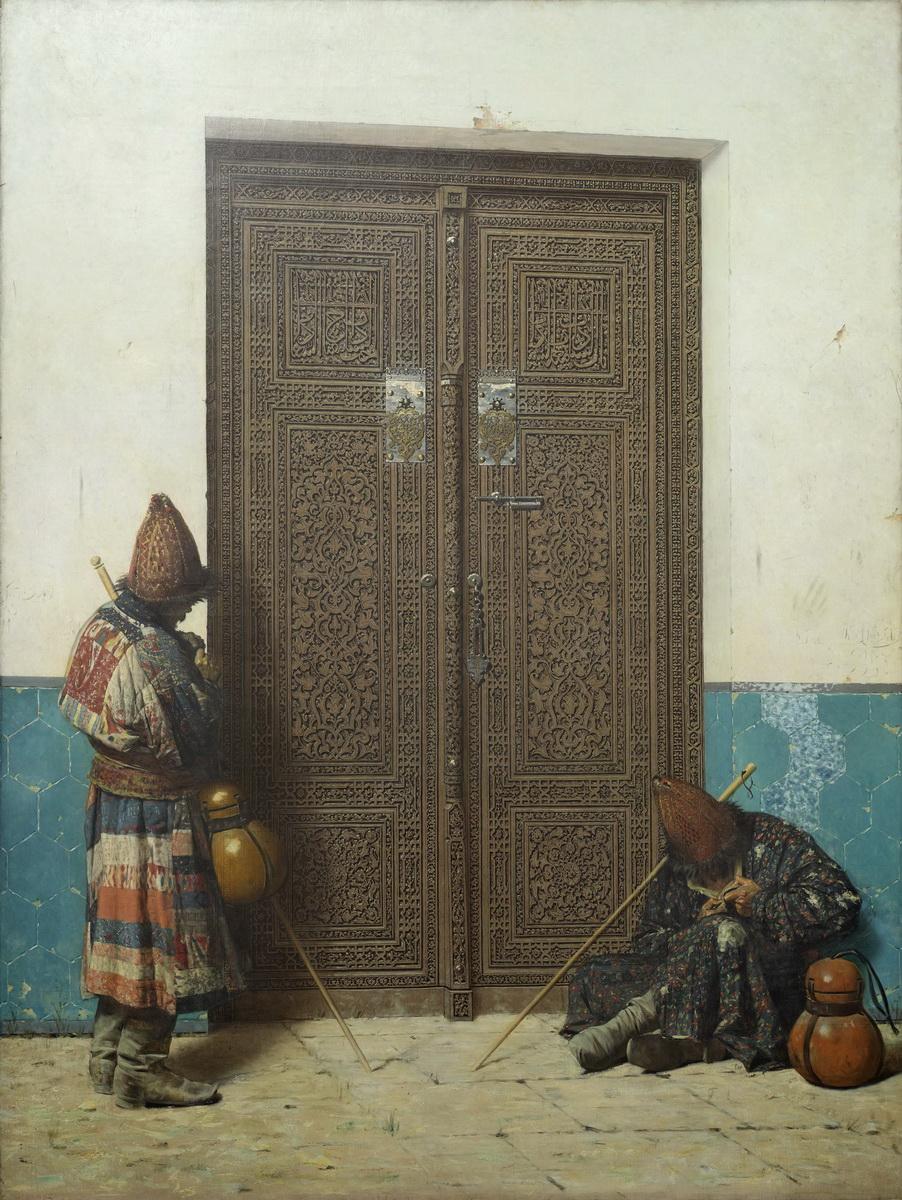
У дверей мечети, Vasily Vereshchagin, 1873

У дверей мечети

1873 · Musée russe

Развалины в Чугучаке, Vasily Vereshchagin, 1869 (70?)

Развалины в Чугучаке

1869 (70?) · Musée russe

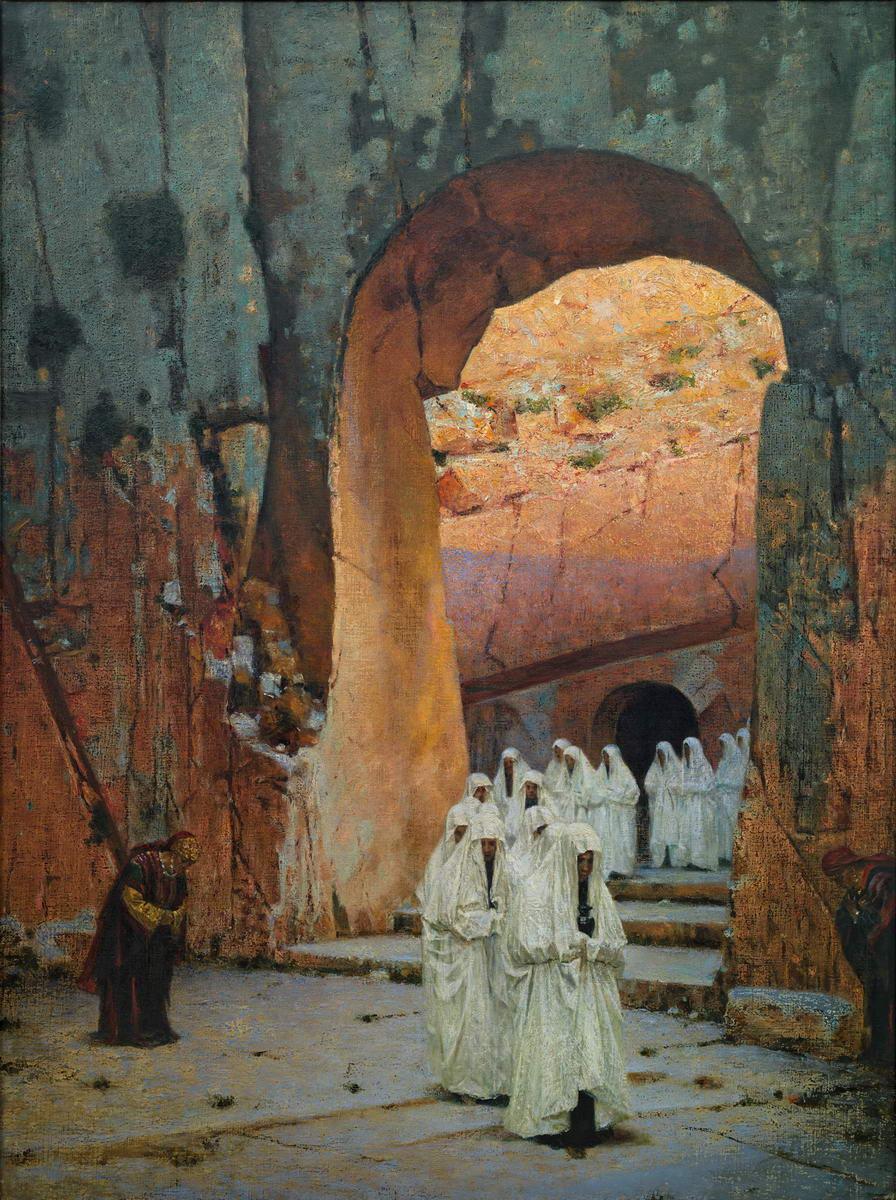
В Иерусалиме. Царские гробницы., Vasily Vereshchagin, 1884

В Иерусалиме. Царские гробницы.

1884 · Musée russe

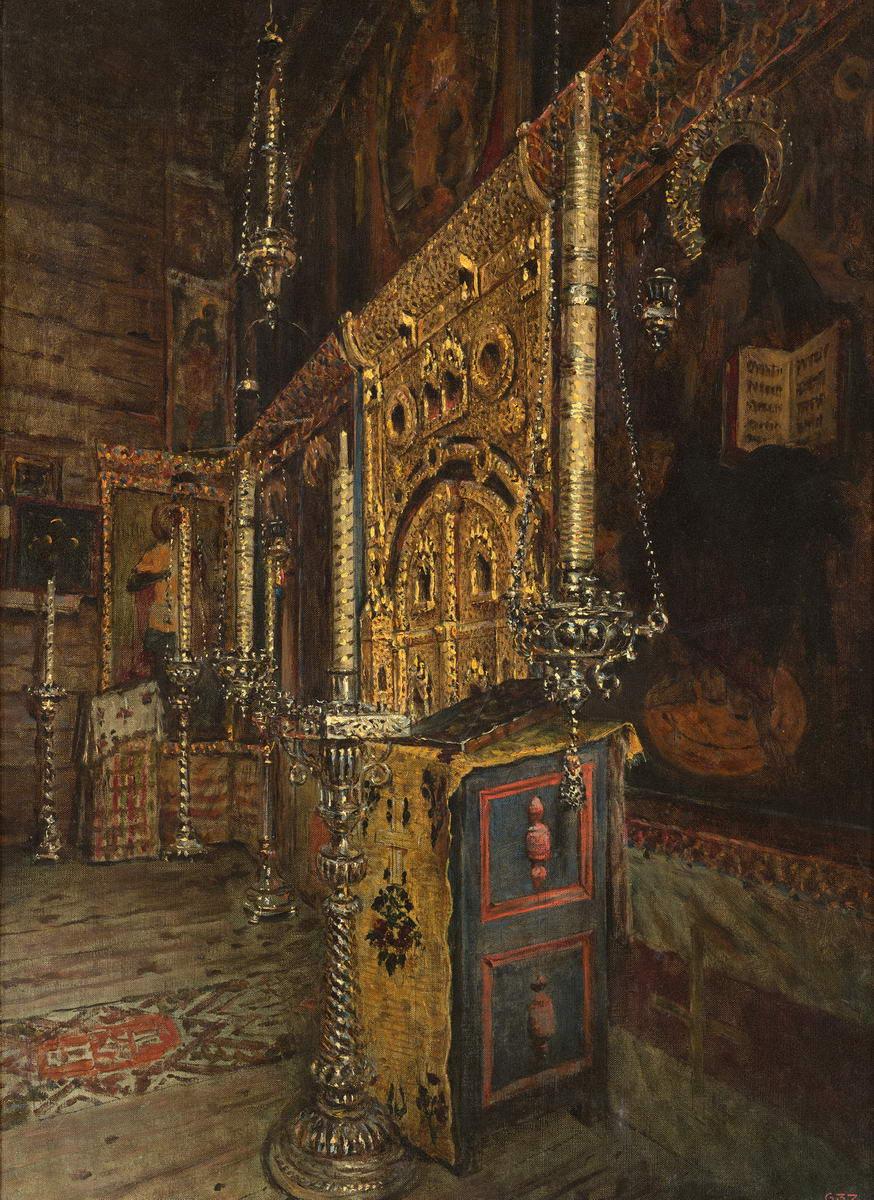
Иконостас церкви Иоанна Богослова на Ишне близ Ростова Ярославского, Vasily Vereshchagin, 1888

Иконостас церкви Иоанна Богослова на Ишне близ Ростова Ярославского

1888 · Musée russe

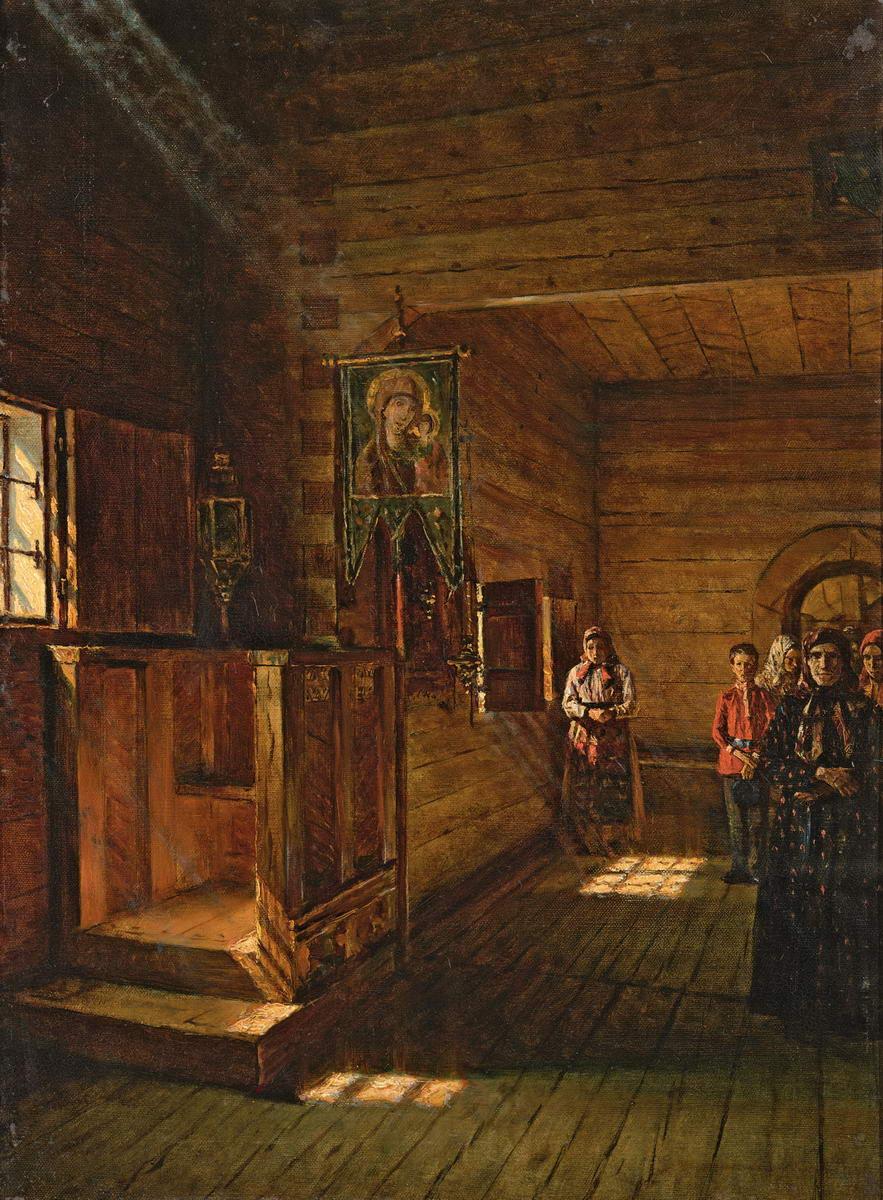
Внутренний вид церкви Иоанна Богослова на Ишне близ Ростова Ярославского, Vasily Vereshchagin, 1888

Внутренний вид церкви Иоанна Богослова на Ишне близ Ростова Ярославского

1888 · Musée russe

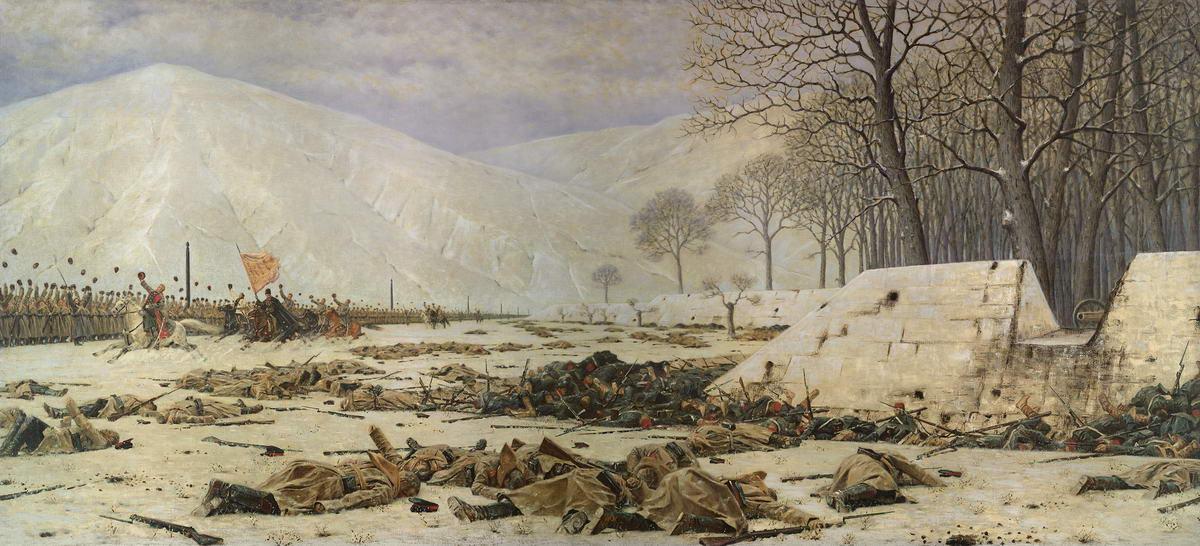
Шипка-Шейново (Скобелев под Шипкой), Vasily Vereshchagin, before 1890

Шипка-Шейново (Скобелев под Шипкой)

before 1890 · Musée russe

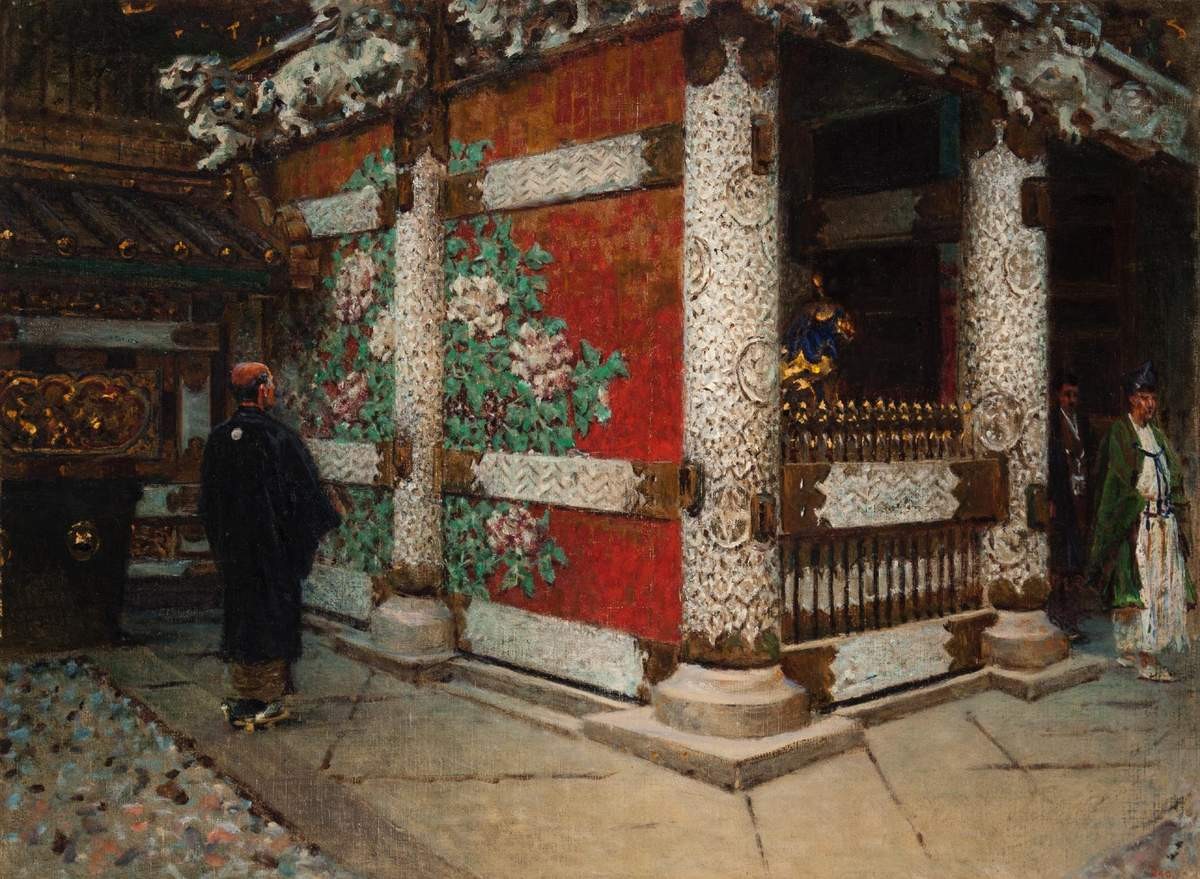
Шинтоисский храм в Никко, Vasily Vereshchagin, 1903

Шинтоисский храм в Никко

1903 · Musée russe

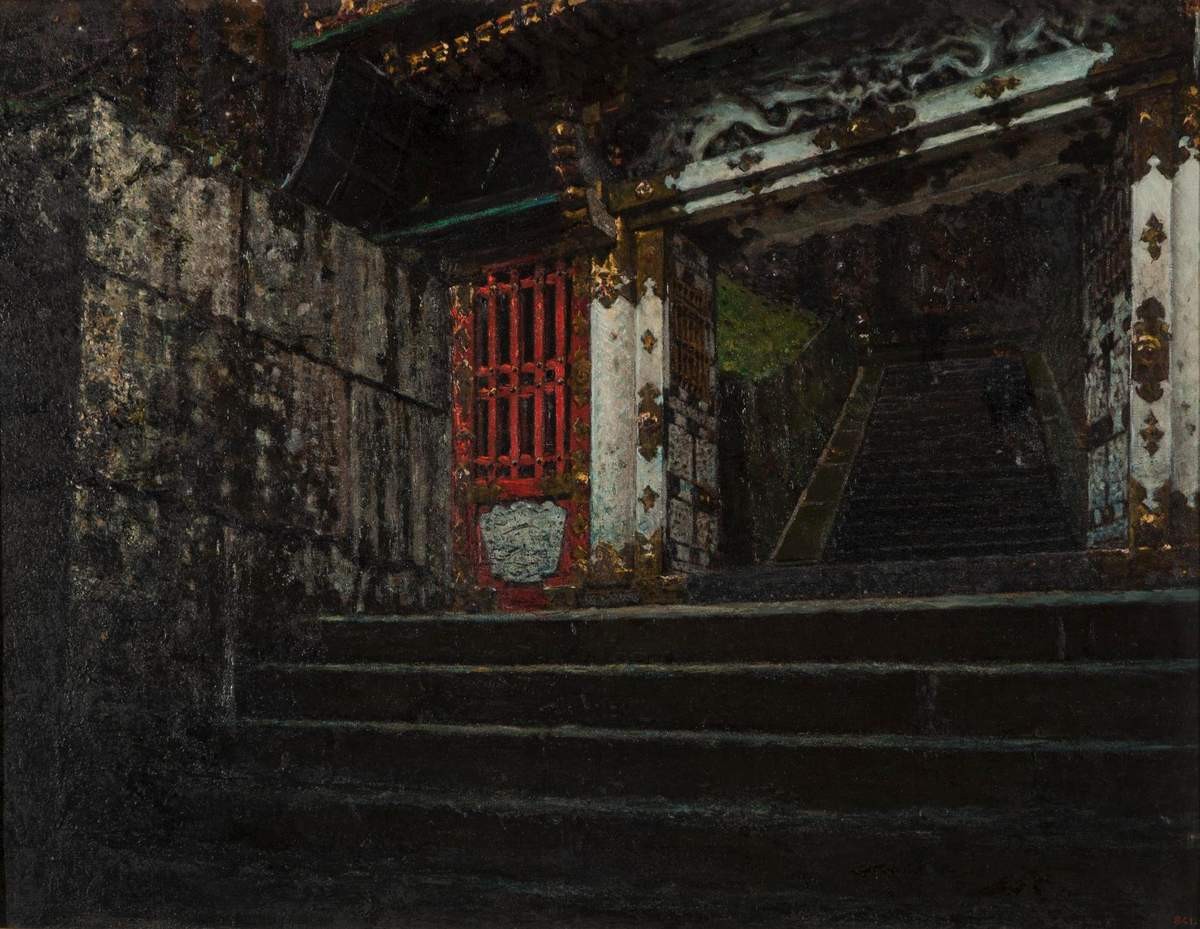
Вход в храм в Никко, Vasily Vereshchagin, 1903

Вход в храм в Никко

1903 · Musée russe

De la collection : Galerie Tretiakov

Page du musée
Ivan le Terrible tue son fils, Ilya Repin, 1883

Ilya Repin

Ivan le Terrible tue son fils, 1883

Movement I, 1935

Movement I, 1935

Moscow, Zubovskaya Square, Study, 1916

Moscow, Zubovskaya Square, Study, 1916

Moscow I, 1916

Moscow I, 1916

Composition VII, 1913

Composition VII, 1913

The Lake, Vasily Kandinsky, 1910

Vasily Kandinsky

The Lake, 1910

Lake, 1910

Lake, 1910

Moscow Environs, 1908

Moscow Environs, 1908