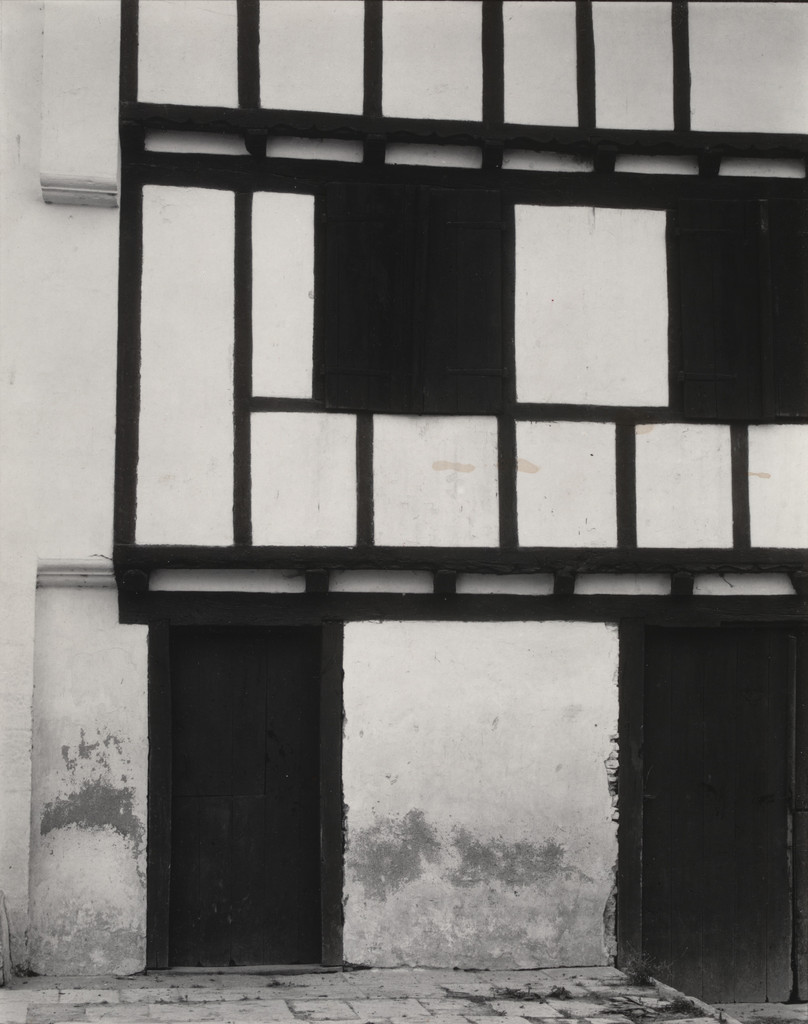
 Paul StrandÉtats-Unis, 1890–1976
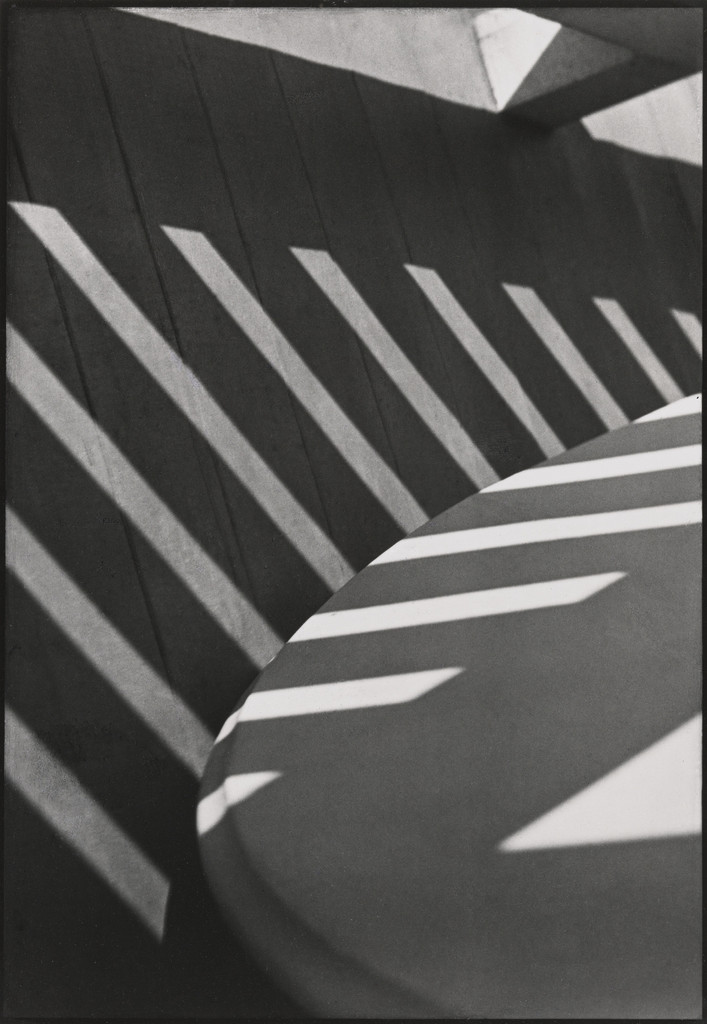
Basque Facade
Peut-on la contempler ?
Elle ne reçoit pas en ce moment

Museum of Modern Art
New York, États-Unis
Elle appartient à la collection, mais n’est pas présentée en ce moment.
- Vérifié
- il y a 11 jours
- Source
- Les données de collection du musée lui-même
Notice
- Numéro d’inventaire
- 233.1957
Sources
- Museum of Modern Art: the museum's own open data · obtenue il y a 11 jours
- Image : Museum of Modern Art — © the artist or rights holder
Pendant ce temps, chez Paul Strand
La vie entière17 January 1949
Signs in support of Communist Party leaders
Strand signs in support of leaders of the Communist Party of the USA tried under the Smith Act, together with W. E. B. Du Bois, Howard Fast and Muriel Rukeyser. He was never officially a Party member, but many of his friends were Communists or suspected of being so: the Member of Parliament D. N. Pritt, the film director Joseph Losey, the Scottish poet Hugh MacDiarmid and the actor Alex McCrindle.
June 1949
Leaves the United States and stays in France
In June 1949 Strand travels to present “Native Land” at the Karlovy Vary International Film Festival and, unwilling to tolerate the growing McCarthyism, stays in France and never returns to the United States. He spends the last 27 years of his life in Orgeval (Yvelines), never learning French; declassified files later showed that security services monitored him closely.
1950
“Time in New England” is published
“Time in New England” opens a run of six book “portraits” of place; returning to still photography in his later years, Strand produces some of his most significant work in this form.
1950s
Has his books printed in Leipzig
Because of a printing process reportedly available only in East Germany at the time, Strand insists that his books be printed in Leipzig, even if their Communist provenance means they are initially banned on the American market.
1951
Marries Hazel Kingsbury
After his divorce from Virginia Stevens in 1950, Strand marries the photographer Hazel Kingsbury; they stay together until his death, and she assists him in his creative life in France.
1952
“La France de Profil” is published
The photobook “La France de Profil”, second of the six book “portraits” of place, becomes especially well known.