ART WIKI32 963 en salle
CarteCollectionArtistesMuséesExpositionsJournal
Connexion

ART WIKI

Où est accroché le chef-d’œuvre, et quand on vous laisse entrer.

Collections : Art Institute of Chicago, Cleveland Museum of Art, Galerie Tretiakov, Hirshhorn Museum and Sculpture Garden, J. Paul Getty Museum, Metropolitan Museum of Art, Minneapolis Institute of Art, Musée de l'Ermitage, Musée des Beaux-Arts Pouchkine, Musée du Louvre, musée national d'art asiatique, Musée russe, Musées d'Art de Harvard, Museum of Modern Art, National Gallery of Art, National Portrait Gallery, Rijksmuseum Amsterdam, Smithsonian American Art Museum, Statens Museum for Kunst, Victoria and Albert Museum, Villa Getty, Whitney Museum of American Art, Catalogue d’État du fonds muséal de Russie (274 musées), Europeana (19 musées), Wikidata (6 musées), Paris Musées (12 musées) et Joconde, la base des musées du ministère de la Culture (495 musées). Les images appartiennent à leurs ayants droit.

Rubriques

  • Carte
  • Recherche
  • Collection
  • Chefs-d’œuvre
  • Exposées en ce moment
  • Artistes

Et aussi

  • Musées et galeries
  • Expositions
  • Journal
  • D’où viennent les données
  • Confidentialité et cookies
AccueilCarteCatalogue
  1. Collection/
  2. Minneapolis Institute of Art/
  3. Baboon and Young
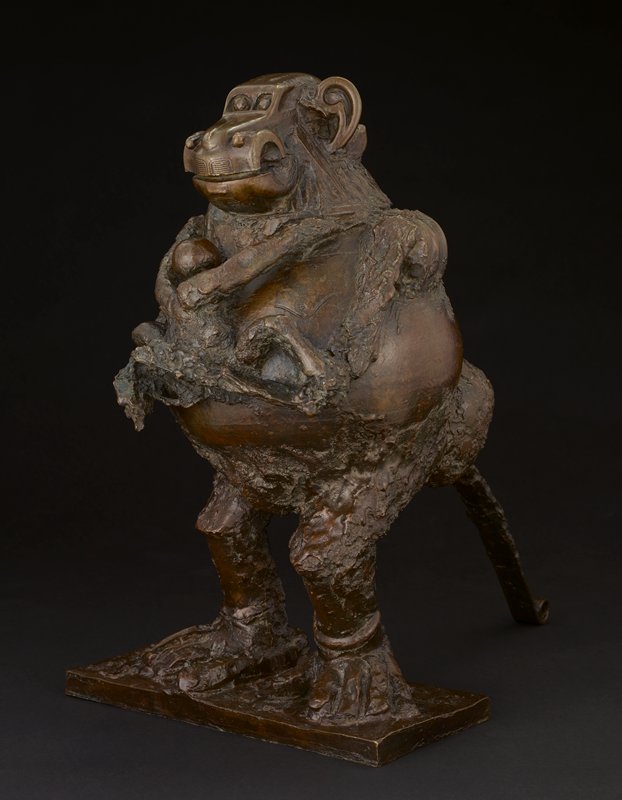
Baboon and Young, Pablo Picasso, 1951
Pablo Picasso, portraitPablo PicassoEspagne, 1881–1973

Baboon and Young

1951 · Sculpture · 54.6 × 33.3 cm

À propos de la sculpture

Pablo Picasso was always innovative in his approach to art, regardless of the medium in which he was working. As a sculptor, Picasso pioneered the technique of assemblage, constructing works partly or entirely of found objects, both natural and man-made. In Baboon and Young, the artist used toy automobiles, a storage jar, and a car spring to create a playful image of motherhood. The two metal cars, undersides together, are the baboon's head; the round earthenware pot, with its high handles, makes up her torso and shoulders; and the curving steel spring forms her backbone and long tail. The rest of her body and the figure of her child were modeled from clay, and the whole piece was cast in bronze.

Minneapolis Institute of Art

Notice

1951 · à 70 ans
18811973
Numéro d’inventaire
55.45

Autres œuvres : Pablo Picasso

Toutes les œuvres

Dans la même salle · G378, Minneapolis Institute of Art

Page du musée

Peut-on la contempler ?

Oui, elle reçoit

Minneapolis Institute of Art

Minneapolis, États-Unis

SalleG378

Présentée au public. Qui s’en porte garant est indiqué ci-dessous.

Vérifié
il y a 3 jours
Dans cet état depuis
25 sept. 2026
Source
Le musée
Sur la cartePage du musée

Au catalogue

SculptureBronzeArt d’après-guerreXXe siècleEspagne

Sources

  • Minneapolis Institute of Art
  • Image : Minneapolis Institute of Art — © Estate of Pablo Picasso / Artists Rights Society (ARS), New York
Female Head, Pablo Picasso, 1900s

Female Head

1900s · Musée de l'Ermitage

Le gourmet, Pablo Picasso, 1901

Le gourmet

1901 · National Gallery of Art

Peonies, Pablo Picasso, 1901

Peonies

1901 · National Gallery of Art

Pedro Mañach, Pablo Picasso, 1901

Pedro Mañach

1901 · National Gallery of Art

The Absinthe drinker, Pablo Picasso, 1901

The Absinthe drinker

1901 · Musée de l'Ermitage

Two Sisters (The Meeting), Pablo Picasso, 1902

Two Sisters (The Meeting)

1902 · Musée de l'Ermitage

The Tragedy, Pablo Picasso, 1903

The Tragedy

1903 · National Gallery of Art

Portrait of Benet Soler, Pablo Picasso, 1903

Portrait of Benet Soler

1903 · Musée de l'Ermitage

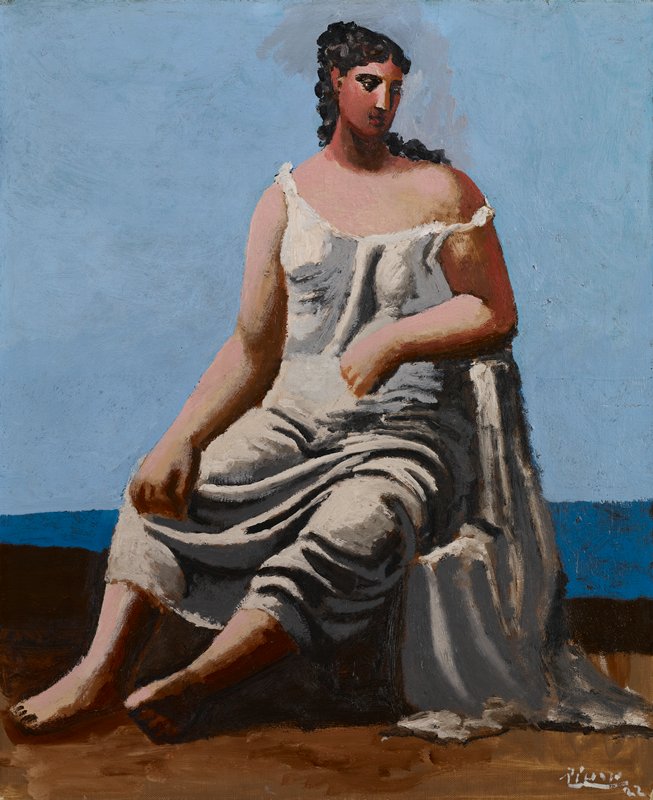
Woman by the Sea, Pablo Picasso, 1922

Pablo Picasso

Woman by the Sea, 1922

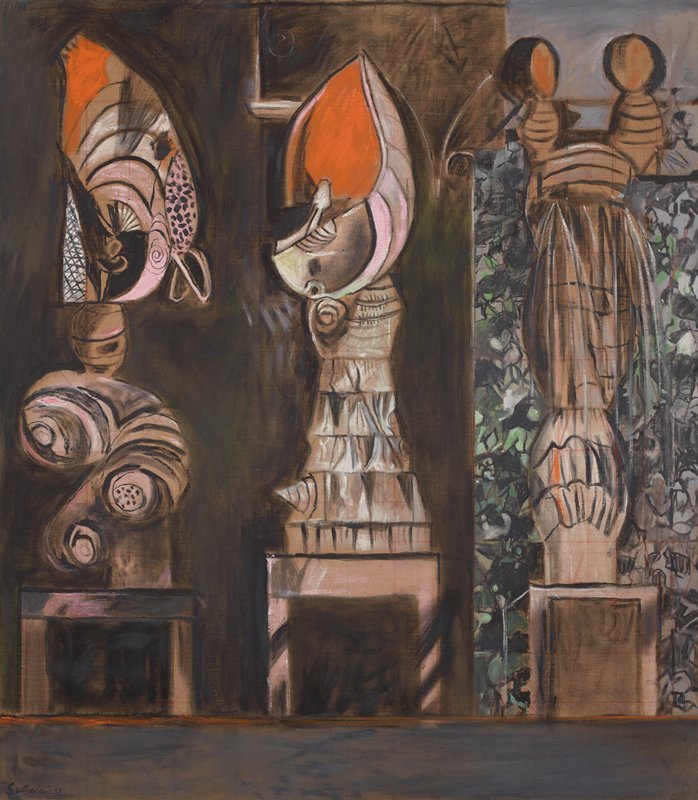
Three Standing Forms in a Garden, Graham Sutherland, 1951

Sutherland, Graham

Three Standing Forms in a Garden, 1951

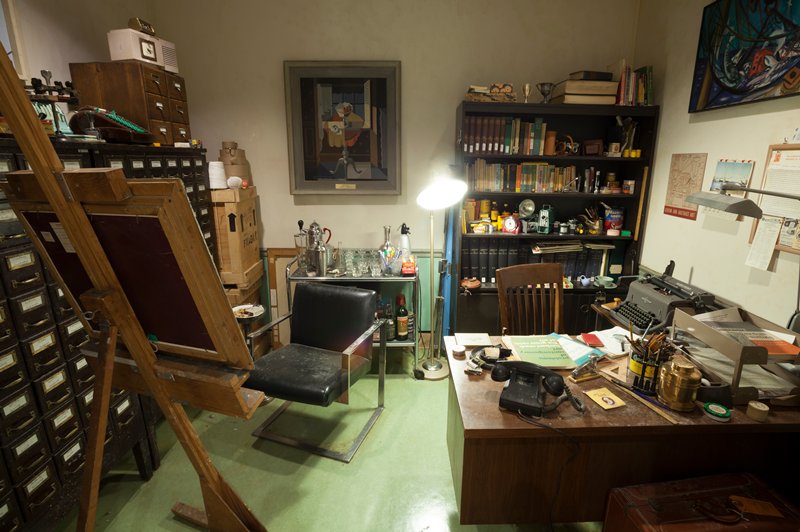
Curator's Office, Mark Dion, 2012–13

Mark Dion

Curator's Office, 2012–13

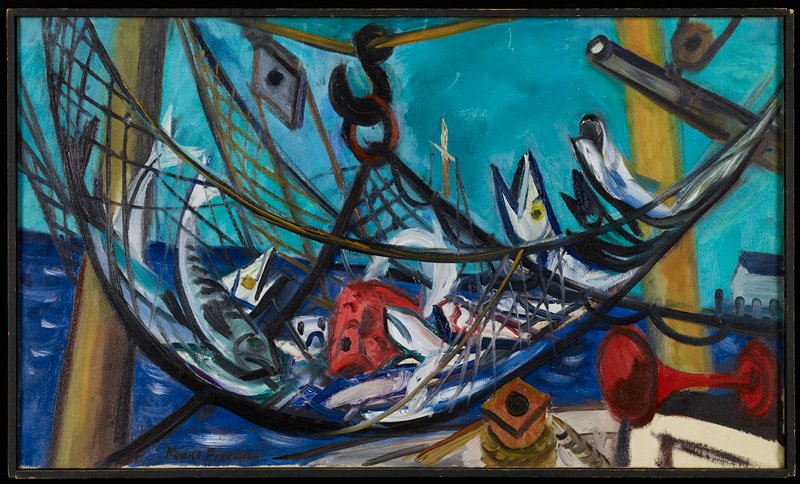
Caught in the Net I, Maurice Freedman, 1949

Maurice Freedman

Caught in the Net I, 1949

Cloud Chamber Dream, John E. Anderson, 20th century

John E. Anderson

Cloud Chamber Dream, 20th century