ART WIKI32 963 en salle
CarteCollectionArtistesMuséesExpositionsJournal
Connexion

ART WIKI

Où est accroché le chef-d’œuvre, et quand on vous laisse entrer.

Collections : Art Institute of Chicago, Cleveland Museum of Art, Galerie Tretiakov, Hirshhorn Museum and Sculpture Garden, J. Paul Getty Museum, Metropolitan Museum of Art, Minneapolis Institute of Art, Musée de l'Ermitage, Musée des Beaux-Arts Pouchkine, Musée du Louvre, musée national d'art asiatique, Musée russe, Musées d'Art de Harvard, Museum of Modern Art, National Gallery of Art, National Portrait Gallery, Rijksmuseum Amsterdam, Smithsonian American Art Museum, Statens Museum for Kunst, Victoria and Albert Museum, Villa Getty, Whitney Museum of American Art, Catalogue d’État du fonds muséal de Russie (274 musées), Europeana (19 musées), Wikidata (6 musées), Paris Musées (12 musées) et Joconde, la base des musées du ministère de la Culture (495 musées). Les images appartiennent à leurs ayants droit.

Rubriques

  • Carte
  • Recherche
  • Collection
  • Chefs-d’œuvre
  • Exposées en ce moment
  • Artistes

Et aussi

  • Musées et galeries
  • Expositions
  • Journal
  • D’où viennent les données
  • Confidentialité et cookies
AccueilCarteCatalogue
  1. Collection/
  2. Victoria and Albert Museum/
  3. Aristaeus and Proteus
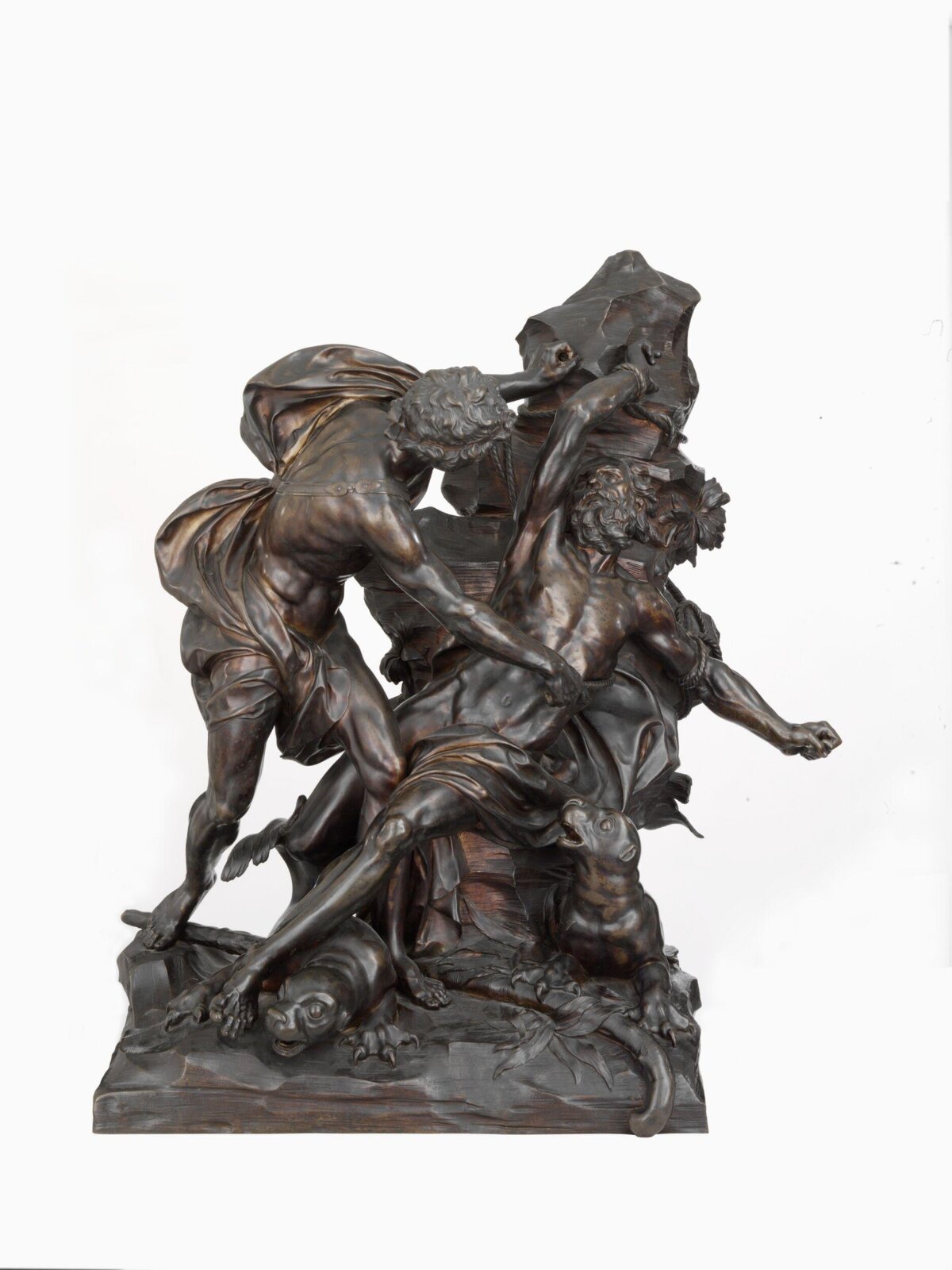
Aristaeus and Proteus, Sébastien Slodtz, ca. 1695-1700

Aristaeus and Proteus

ca. 1695-1700 · Statuette · 87.6 × 75 cm

À propos de la sculpture

The subject of this group is taken from Virgil's Georgics. Aristaeus was a shepherd, son of Apollo and the nymph Cyrene, and he kept bees. He pursued the nymph Eurydice who was killed by a serpent which she disturbed when fleeing from him. In revenge, her companion Nymphs killed Aristaeus' bees. His mother advised him to ask Proteus, guardian of the sea-monsters, for advice as Proteus could foretell the future. But Proteus was elusive, frequently changing his appearance or disappearing, so he had to be tied down. It is this dramatic moment which is depicted here: Aristaeus is securing the struggling Proteus, who is accompanied by two seals. The dynamic pose of the bee-keeper is perhaps inspired by the figures of youths in the monumental ancient marble group of the Farnese Bull (Museo Archeologico Nazionale, Naples), that was coveted by the French king, Louis XIV.

Lire la suite

This group originated in a commission to Sebastien Slodtz, first mentioned in 1688, for a large-scale marble group of this subject for a prominent location along the central axis of the garden at Versailles. Slodtz's master, the better-known sculptor François Girardon, worked out the design which survives in a pen and wash drawing by him. Girardon exhibited a bronze of this subject at the Salon of 1704, and it is shown as being on display in engravings of his studio. It is believed that the V&A bronze was the one in these records, owned by Girardon. The composition marked a shift in sculpture at Versailles from the series of standing allegorical figures, to groups where there was movement and often drama and narrative content. A plaster cast of the full-size model was set up in the garden in 1705 but the marble was not installed there until 1723.

Pendant ce temps, chez Sébastien Slodtz

La vie entière
  1. 1684–1726 · Lieu de travail

    Paris

  2. octobre 1695

    Son born: Sébastien Antoine Slodtz

  3. 1 juin 1702

    Son born: Paul-Ambroise Slodtz

Autres œuvres : Sébastien Slodtz

Toutes les œuvres

Dans la même salle · Europe 1600-1815, Room 5, The Friends of the V&A Gallery, Victoria and Albert Museum

Page du musée

Sébastien Slodtz was born in Antwerp, the son of Jacqueline de Lannoy and a master carpenter. He settled in Paris, where he entered the study of François, and through marriage became the son-in-law to king Louis XIV’s gold- and silversmith, Domenico Cucci, and brother-in-law to the sculptor François Chauveau (1613-1676). Slodtz worked on a number of commissions for Louis XIV, many of which survive in Paris and at Versailles. He lived at the Louvre from 1699 until his death, and three of his sons became sculptors.

Victoria and Albert Museum

Notice

ca. 1695-1700
16551726
Numéro d’inventaire
A.6-1963

Sources

  • Victoria and Albert Museum
  • Image : Victoria and Albert Museum — © Victoria and Albert Museum, London
SSébastien Slodtz1655–1726

Peut-on la contempler ?

Oui, elle reçoit

Victoria and Albert Museum

Londres, Royaume-Uni

SalleEurope 1600-1815, Room 5, The Friends of the V&A Gallery

Présentée au public. Qui s’en porte garant est indiqué ci-dessous.

Vérifié
il y a 12 jours
Dans cet état depuis
25 sept. 2026
Source
Le musée
Sur la cartePage du musée
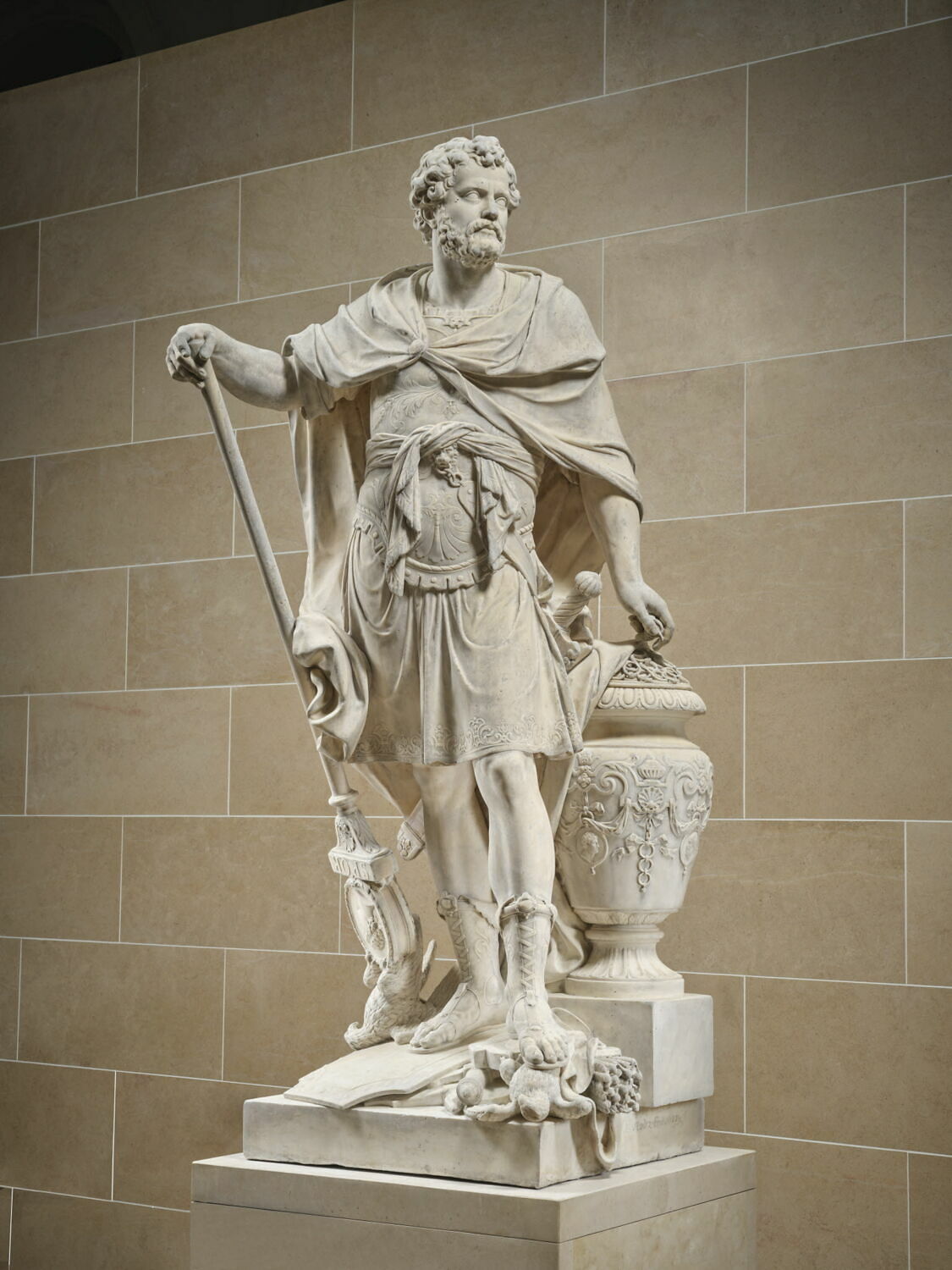
Annibal, Slodtz, Sébastien, 1687 - 1722

Annibal

1687 - 1722 · Musée du Louvre

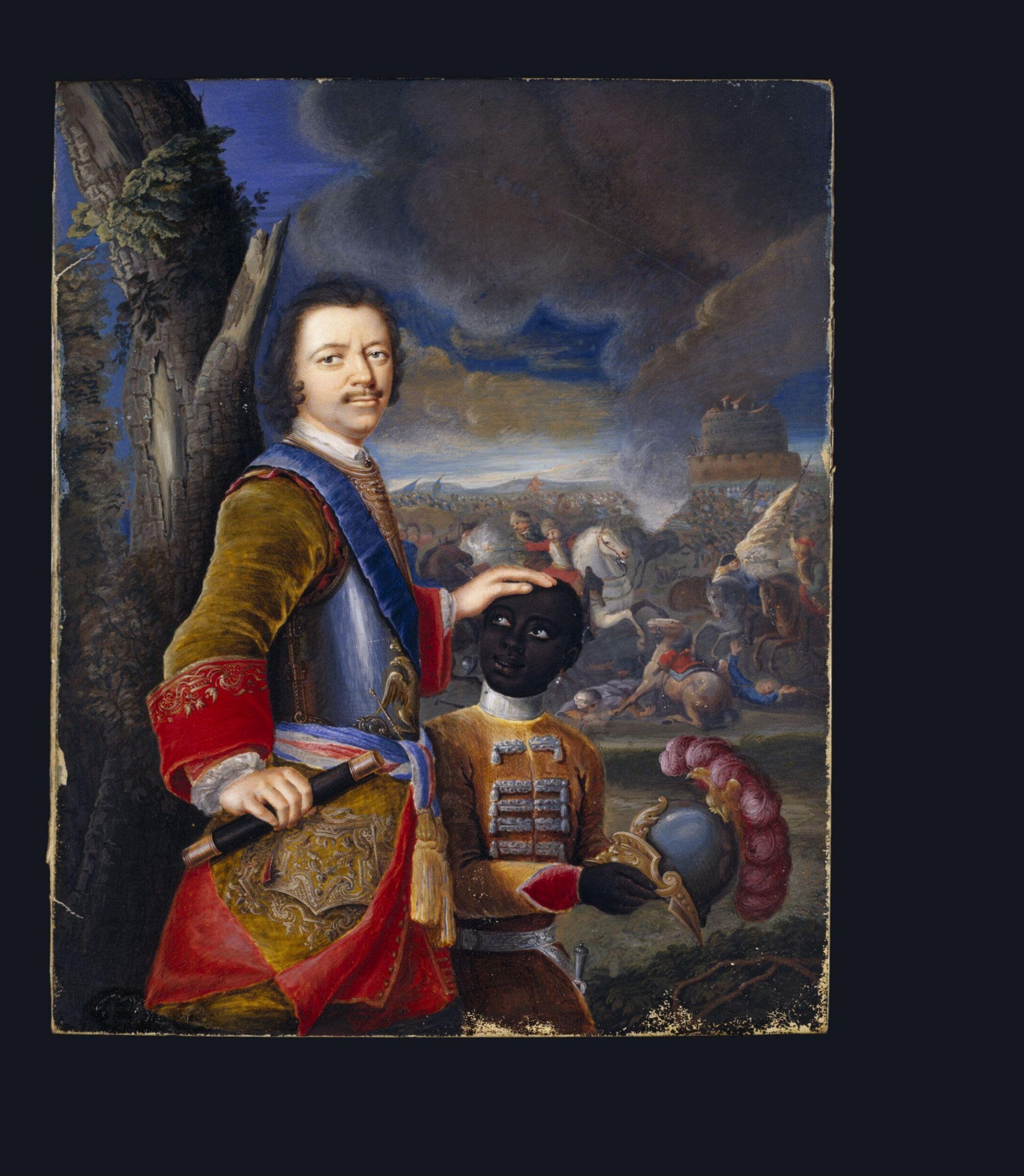
Portrait Miniature of Peter the Great with a Black Page, Gustav von Mardefeld, ca. 1720

Gustav von Mardefeld

Portrait Miniature of Peter the Great with a Black Page, ca. 1720

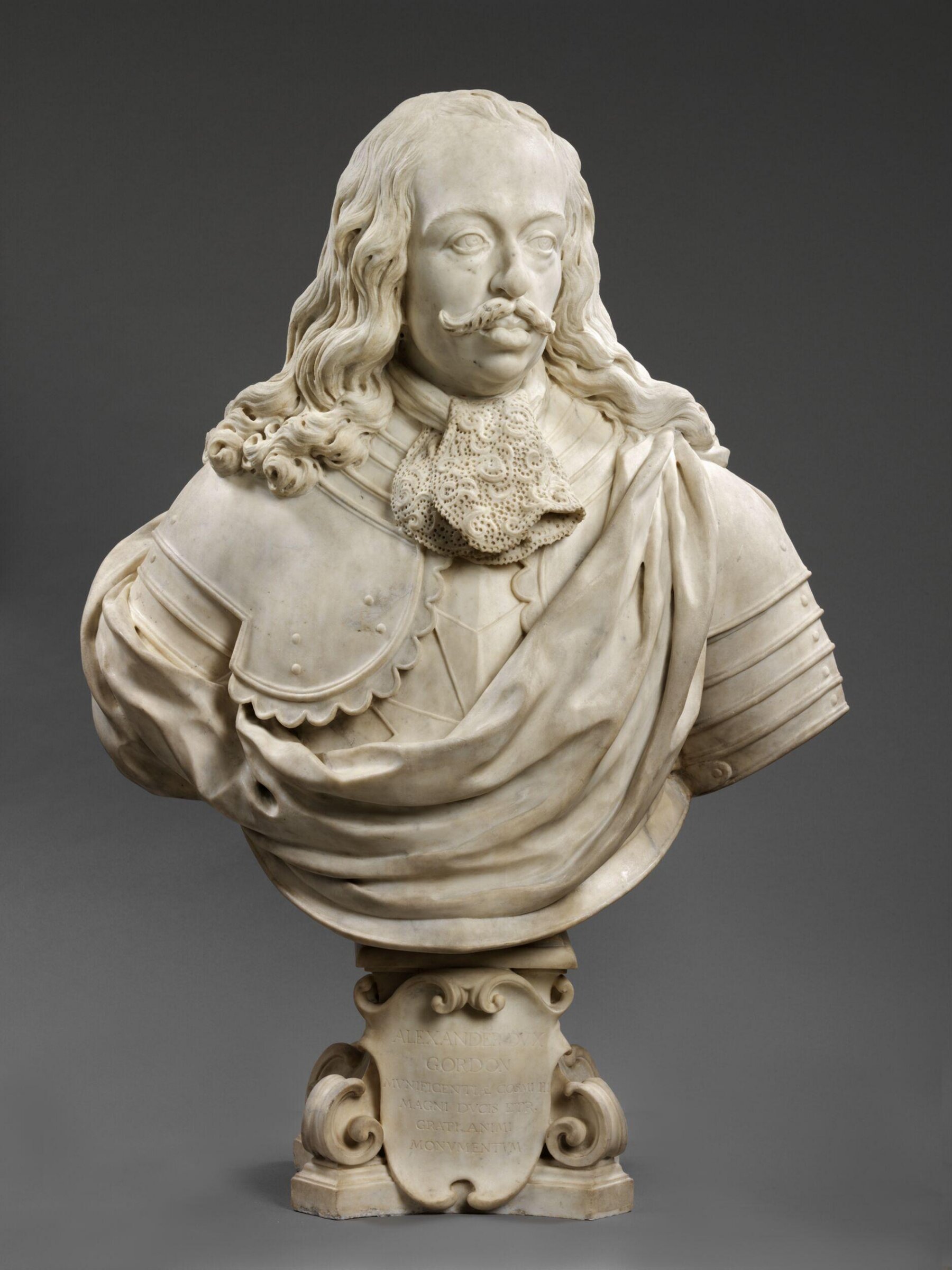
Cosimo III de' Medici, Giovanni Battista Foggini, ca. 1717-1718

Giovanni Battista Foggini

Cosimo III de' Medici, ca. 1717-1718

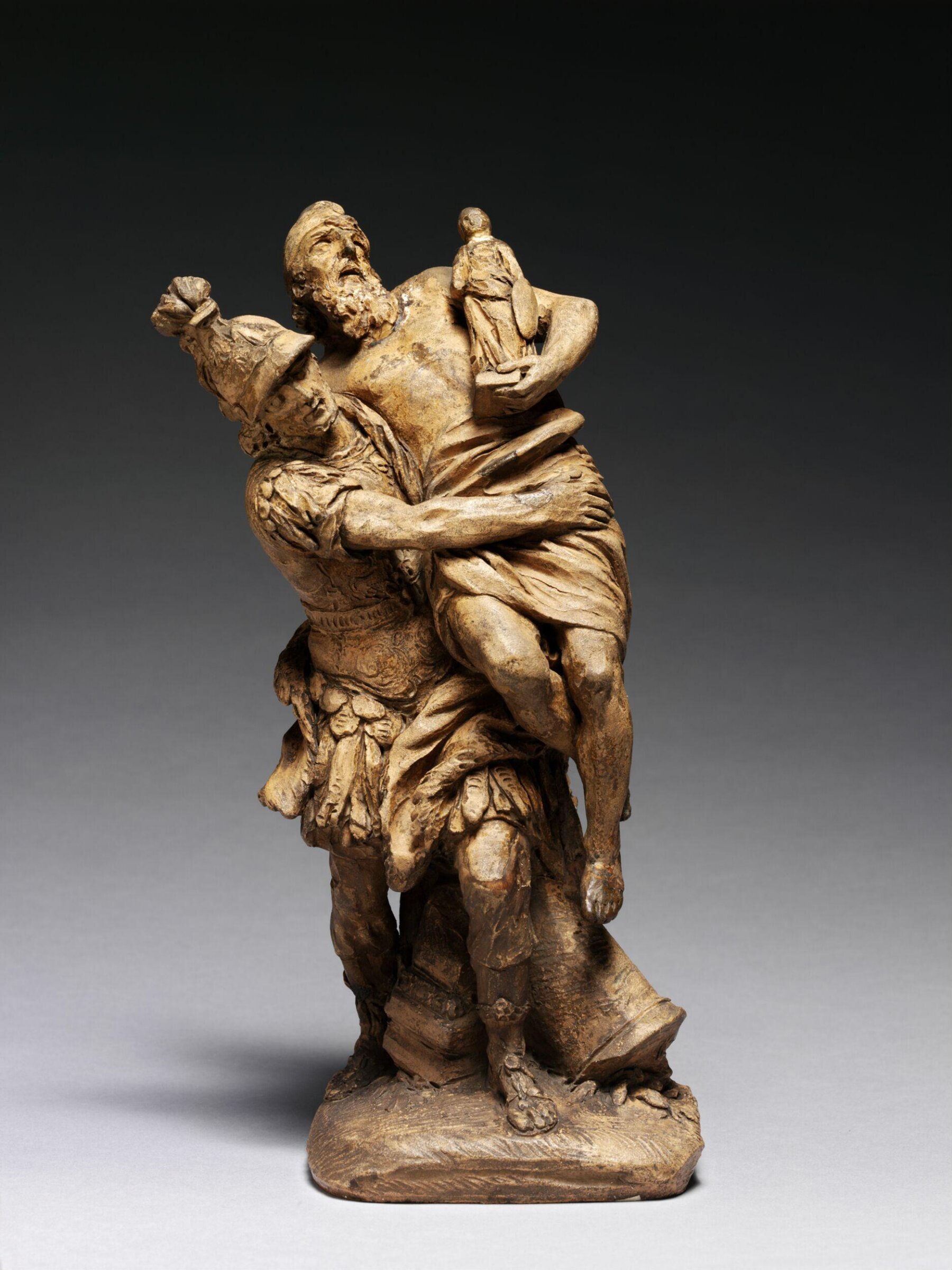
Aeneas and Anchises, Pierre Le Pautre, 1715

Pierre Lepautre

Aeneas and Anchises, 1715

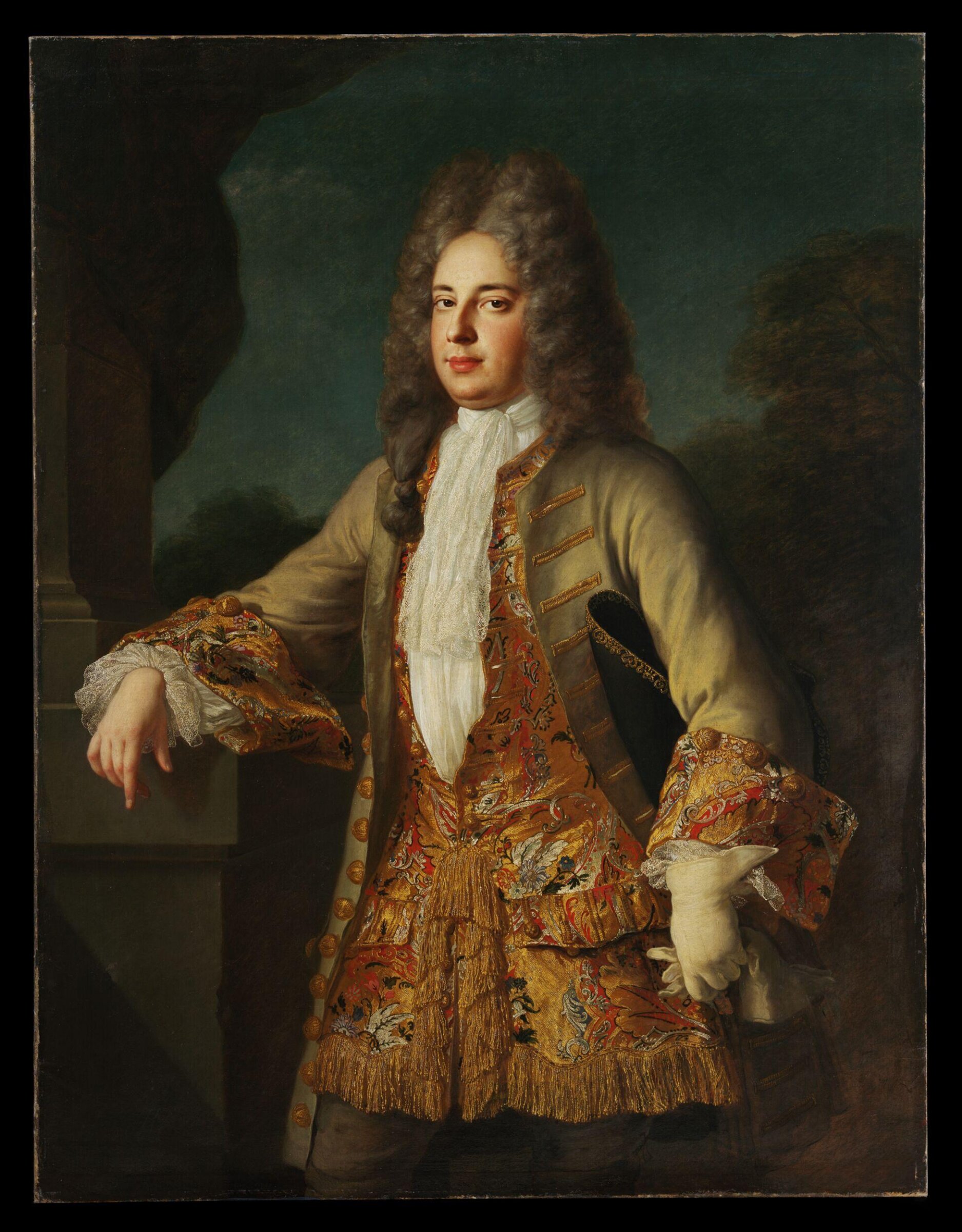
Portrait of an Unknown Man, Alexis-Simon Belle, ca. 1712

Alexis Simon Belle

Portrait of an Unknown Man, ca. 1712

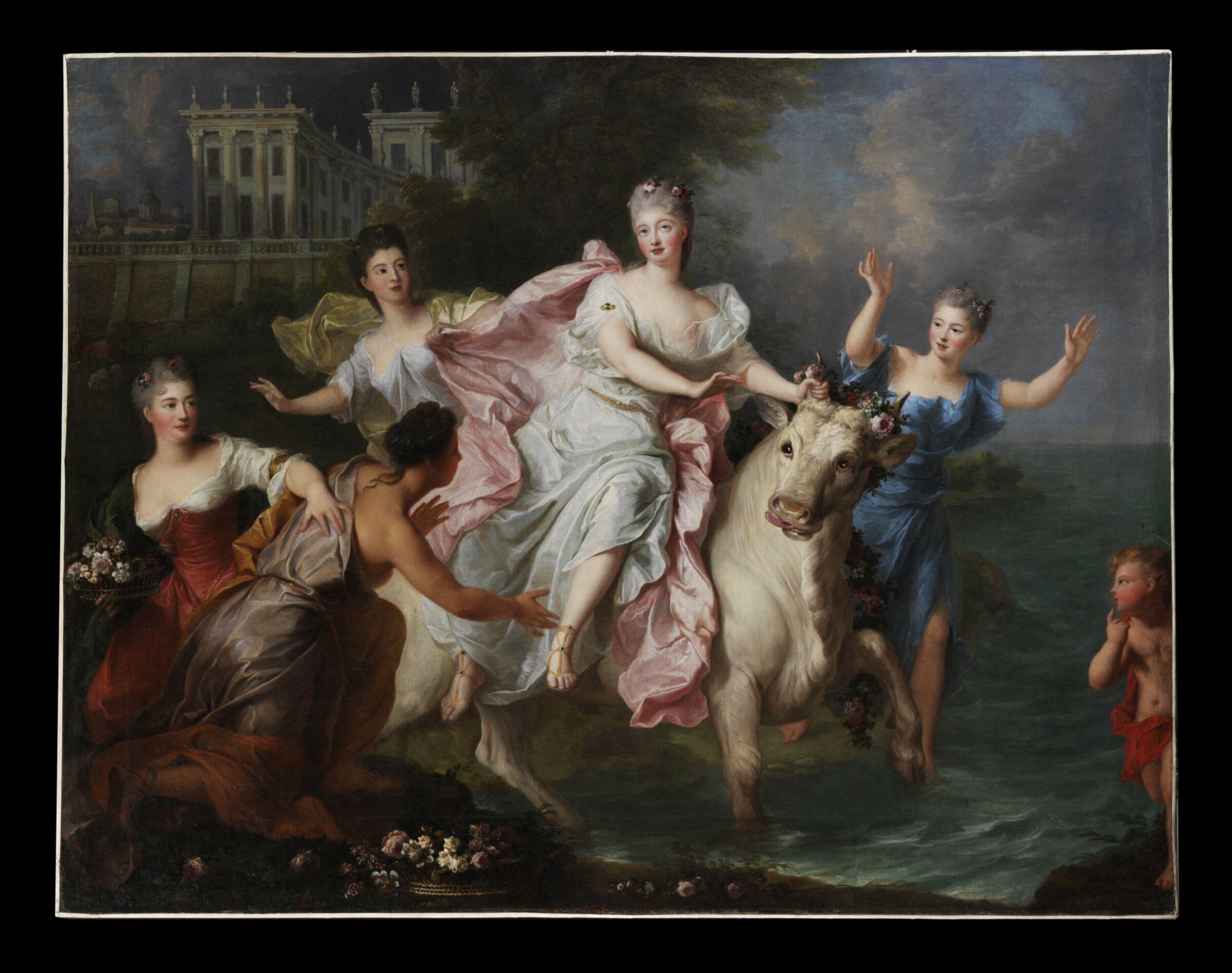
The Rape of Europa, Pierre Gobert, 1710-1720

Pierre Gobert

The Rape of Europa, 1710-1720

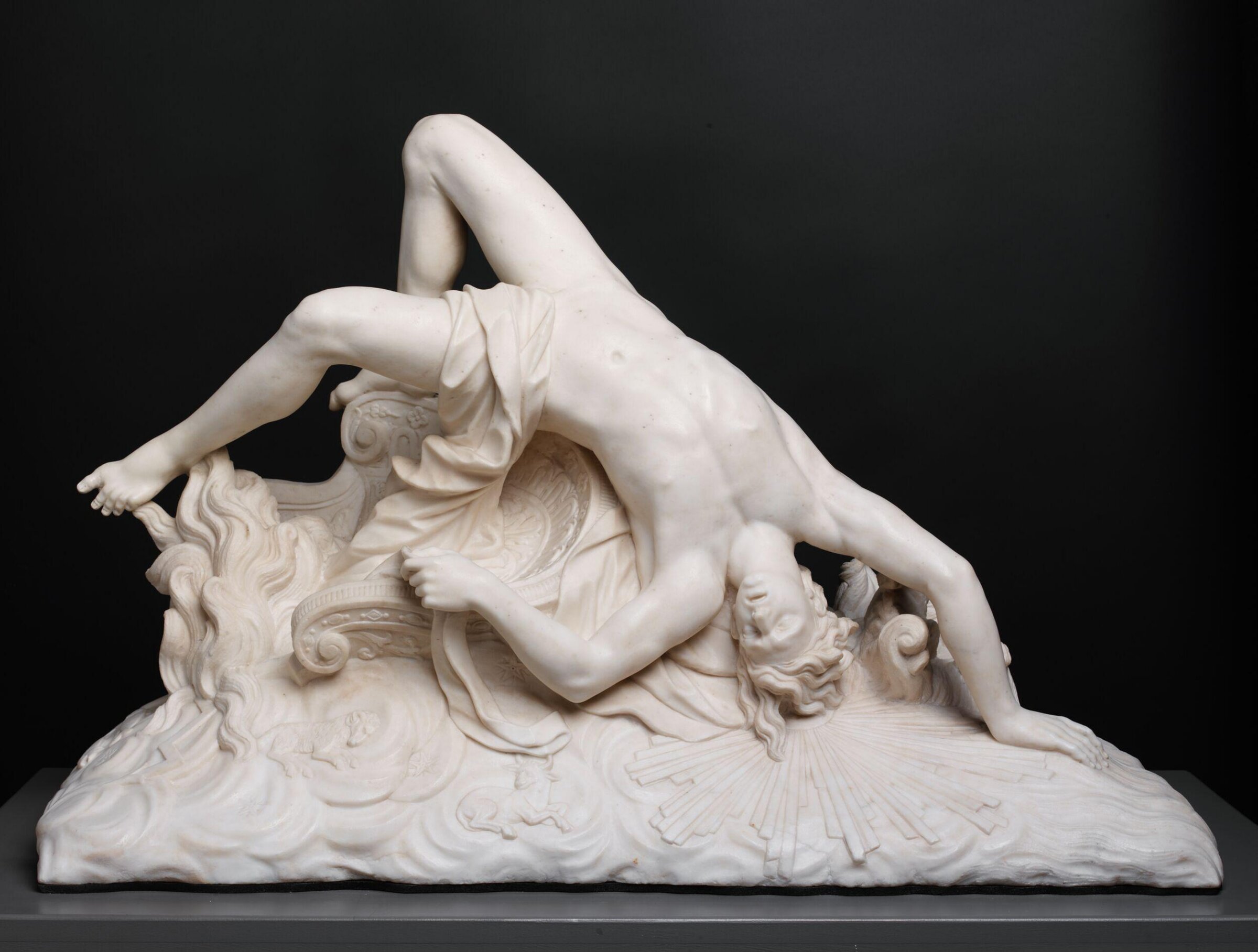
The Fall of Phaeton, Dominique Lefevre, ca. 1700 - ca. 1711

Dominique Lefevre

The Fall of Phaeton, ca. 1700 - ca. 1711

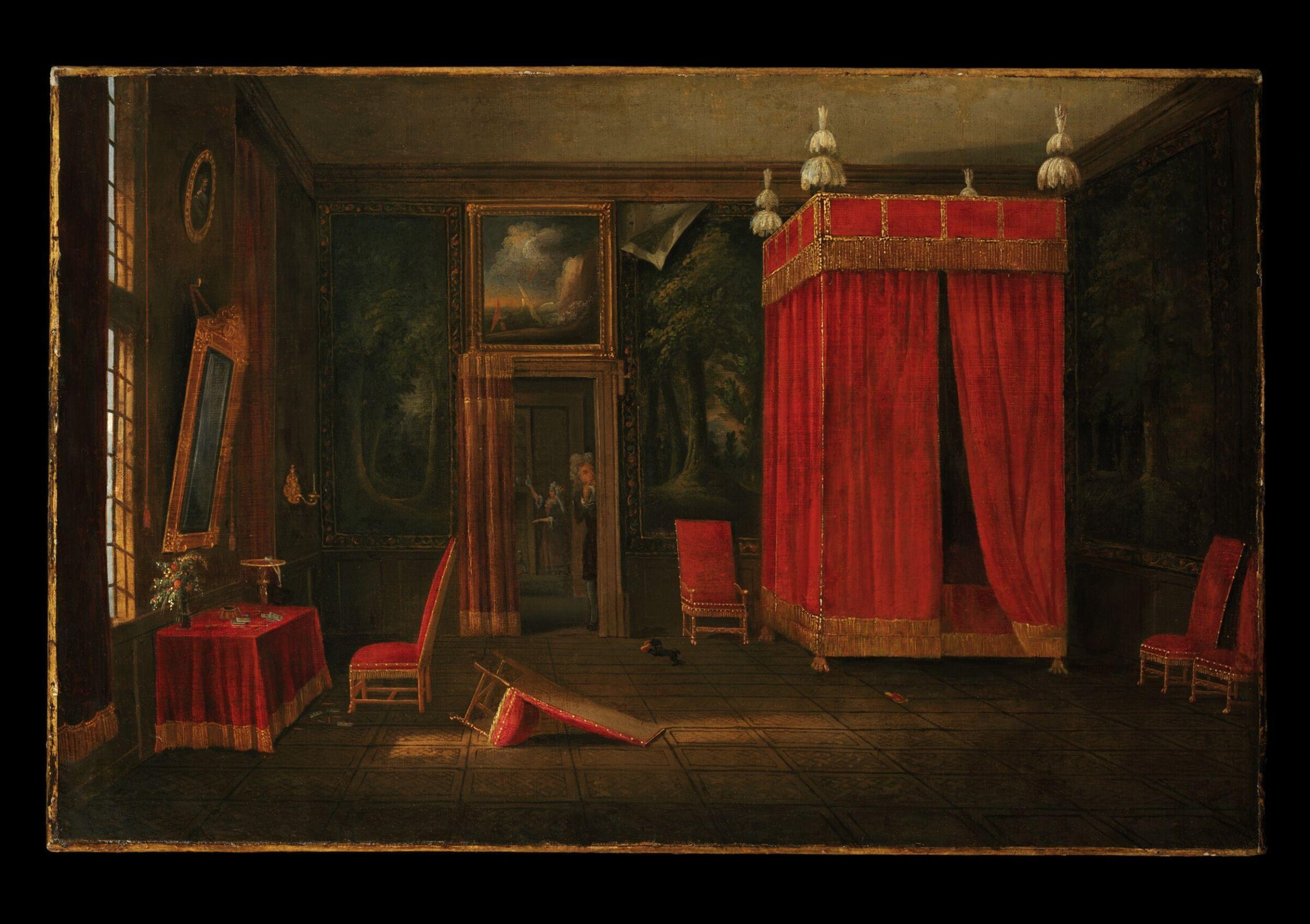
Scene in a Bedchamber, ca. 1690

Scene in a Bedchamber, ca. 1690

Weeping Ceres, after Michel Anguier, 1690-1710

after Michel Anguier

Weeping Ceres, 1690-1710

Ce qu’elle montre

Seal (animal)AristaeusProteus

Au catalogue

SculptureBronzeBaroqueXVIIe siècleFrance