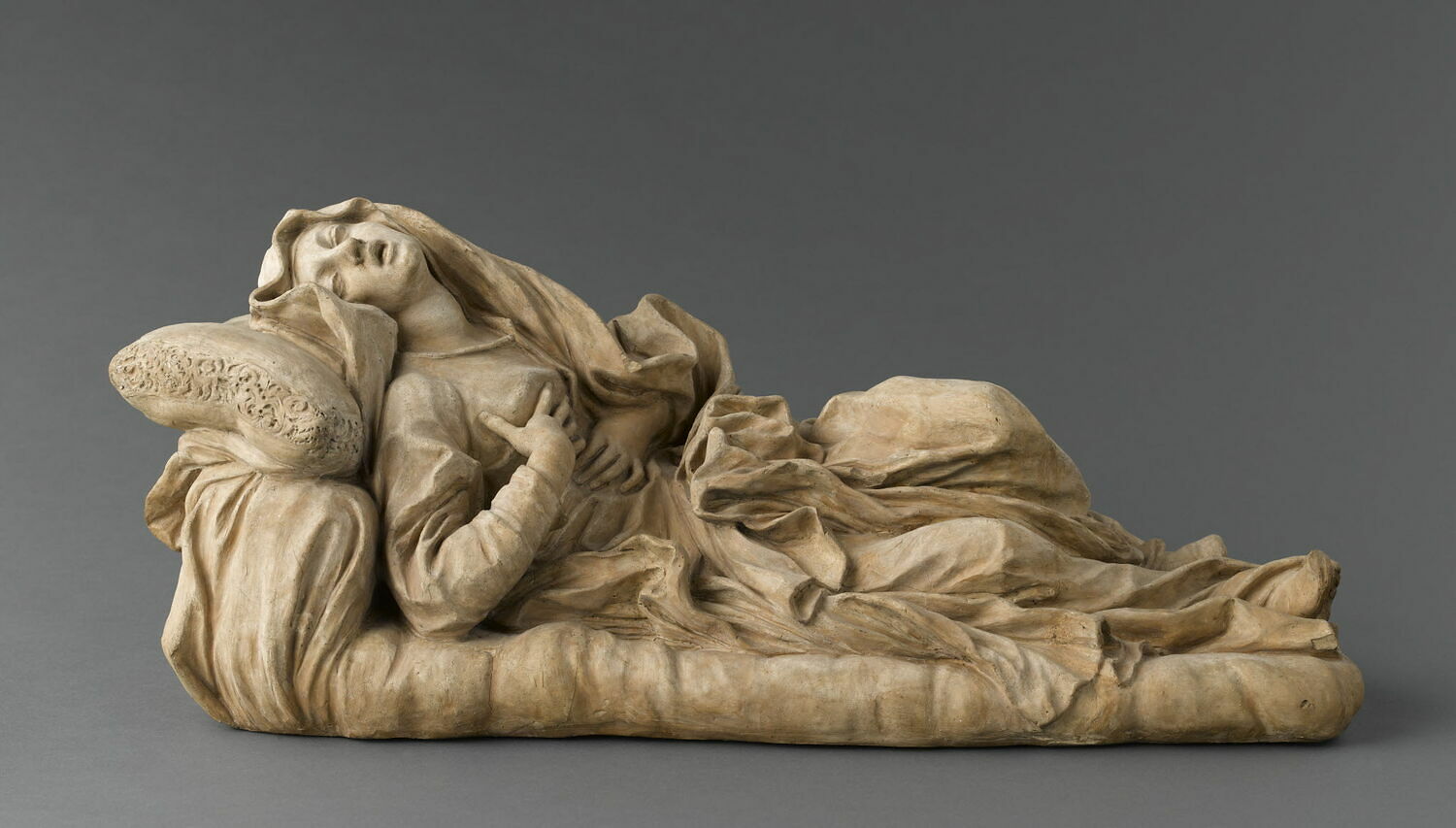
Gian Lorenzo BerniniItalie, 1598–1680
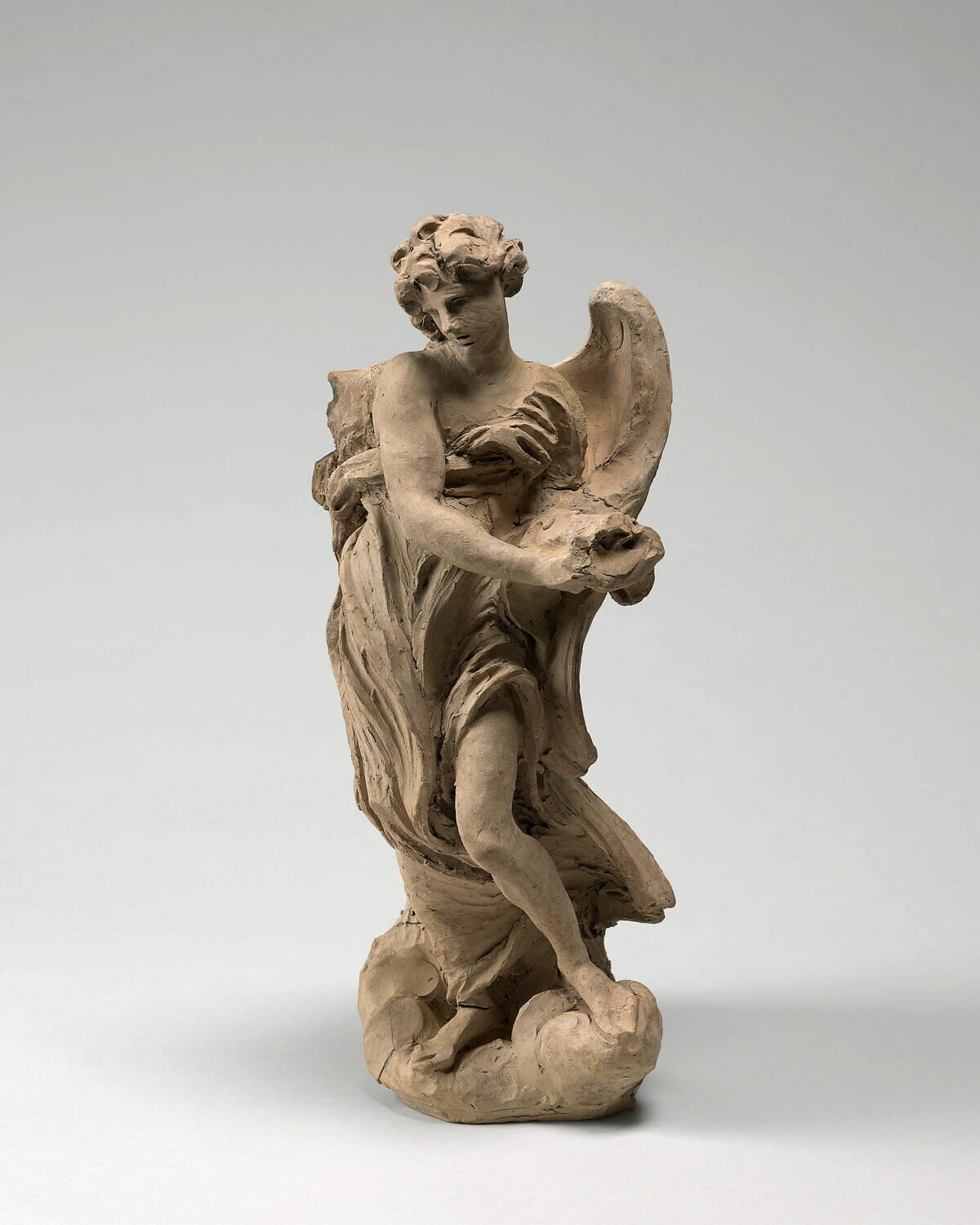
Angel with the Scourge
Peut-on la voir ?
Oui, exposée actuellement
Où est « Angel with the Scourge » aujourd’hui ? Musées d'Art de Harvard, Gallery 2520, floor 2, European Art, 17th century, Cambridge. Oui, exposée actuellement. Vérifié 29 septembre 2026.

Présentée au public.
- Vérifié
- Dans cet état depuis
- Source
- Le musée
Notice
- Numéro d’inventaire
- 1937.68
Au catalogue
Sources
- Musées d'Art de Harvard
- Image : Musées d'Art de Harvard — © President and Fellows of Harvard College
Dans la vie de Gian Lorenzo Bernini
La vie entière1665
A trip to Paris for Louis XIV
Under pressure from the French court and Pope Alexander VII, Rome's foremost artist travelled to Paris, where Louis XIV needed an architect to complete the Louvre, and stayed until mid-October; the king assigned Paul Fréart de Chantelou as his companion and translator, and Chantelou kept a detailed journal of the visit.
April – October 1665
Parisian fame and the court's displeasure
Admiring crowds followed Bernini through the streets of Paris, and he compared his itinerary to the travelling exhibition of an elephant, but things soon turned sour: apart from Chantelou he made no friends at court, and his frequent criticism of French art together with praise of Italian irritated his hosts; a painting by Guido Reni, he said, was alone worth half of Paris.
1665
A ceremony at the foundations of the Louvre extension
In October 1665, at an elaborate ceremony attended by Bernini and Louis XIV, the already built foundations of the Louvre extension to his design were inaugurated; the extension, however, was never built.
1667
The Louvre design is finally rejected
The designs for the Louvre's east front were formally rejected only in 1667, well after Bernini's departure; Colbert's memos cite not taste but security and comfort, and there was also an undoubted personal conflict, Bernini and the young king each feeling insufficiently respected by the other.
1667–1669
The plan for a new apse at Santa Maria Maggiore fails
His elaborate plan for a new apse of the basilica in which he would later be buried came to an unpleasant end amid public uproar over its cost and the destruction of ancient mosaics it entailed.