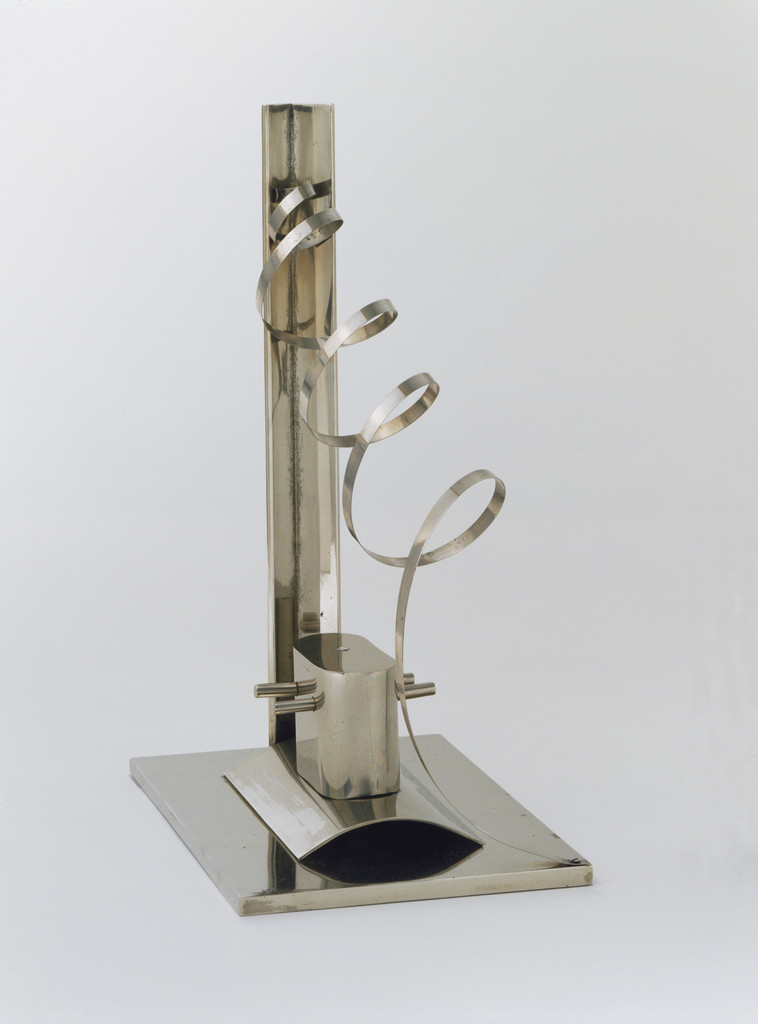
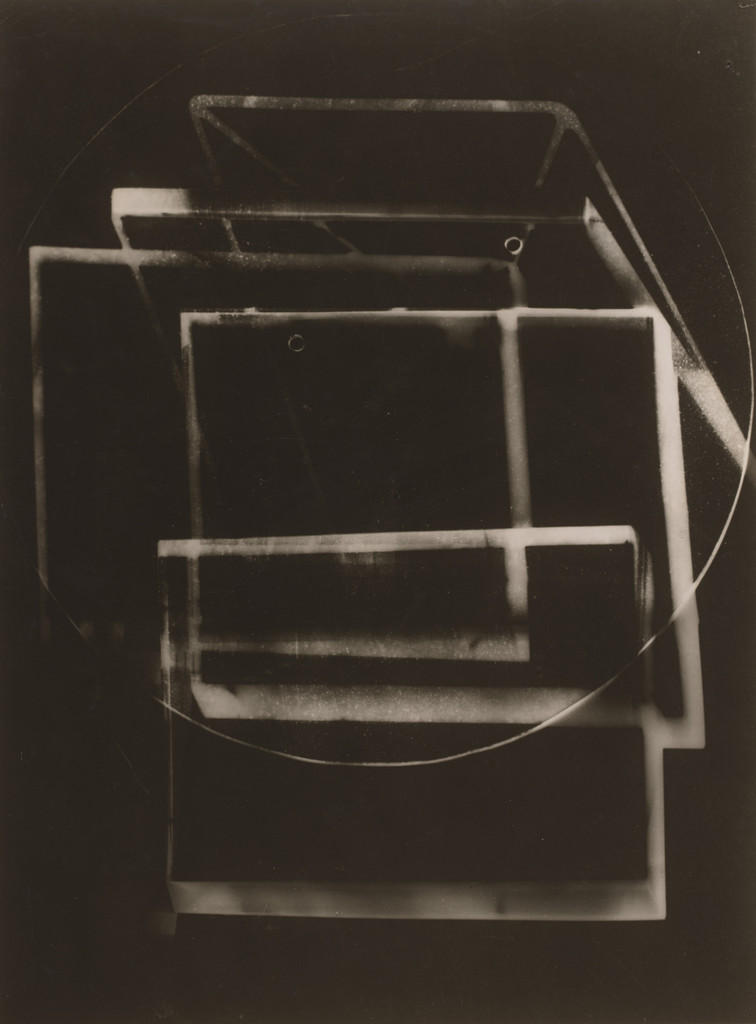
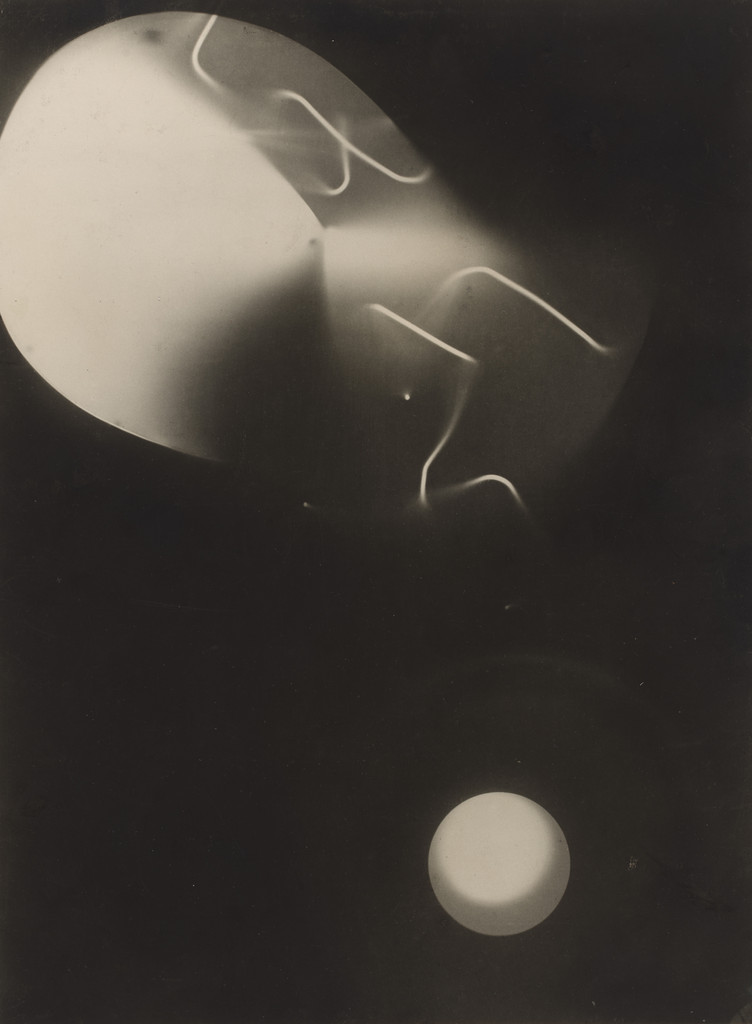
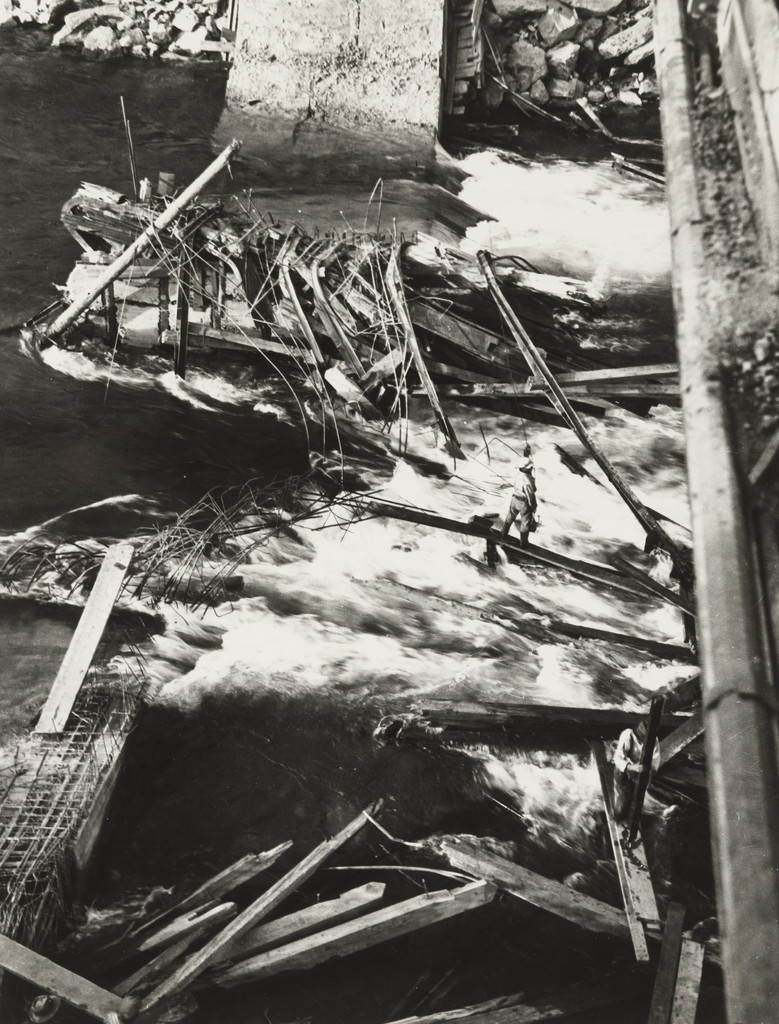
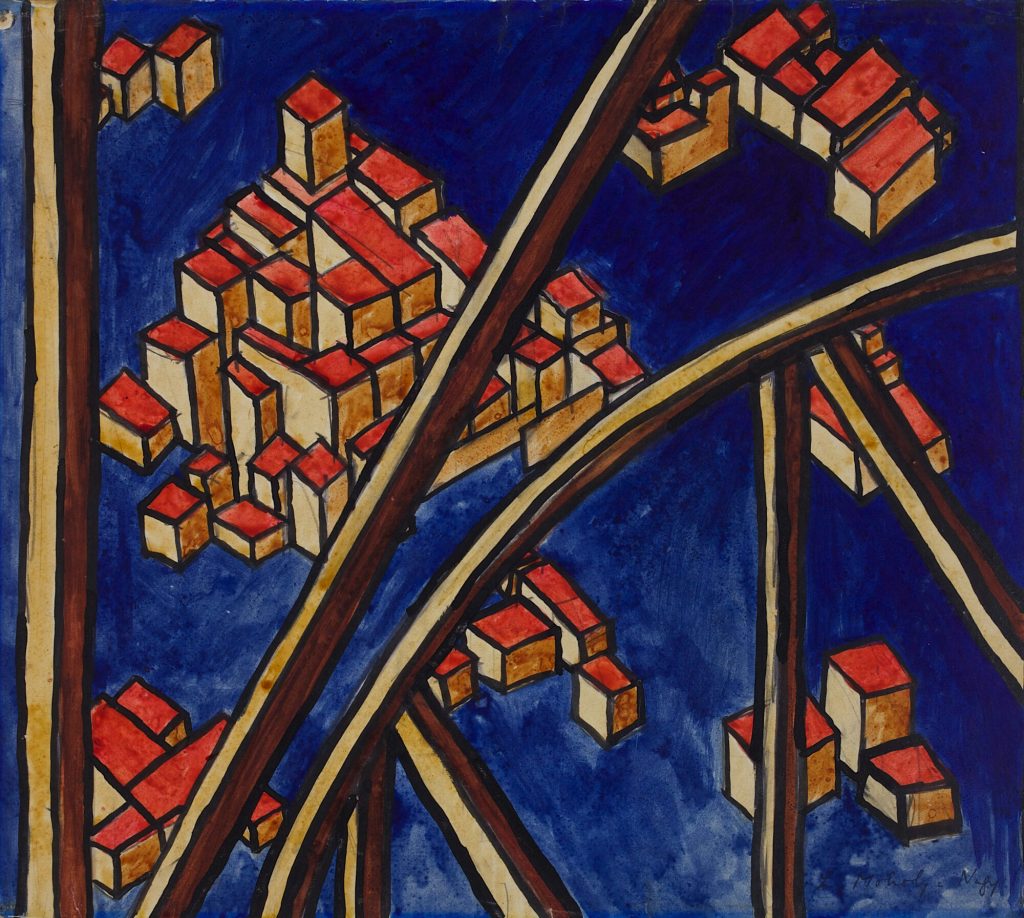
![[Album de photographies], Laszlo Moholy-Nagy, 1925-1927](https://pop-perf-assets.s3.gra.io.cloud.ovh.net/joconde/09940003770/4s02549.jpg)
 László Moholy-NagyÉtats-Unis, 1895–1946
[Album de photographies]
Peut-on la voir ?
Inconnu
Où est « [Album de photographies] » aujourd’hui ? Collection: Musée de Grenoble, Grenoble. Inconnu.
Grenoble, France
Le propriétaire est connu ; on ignore si l’œuvre est exposée aujourd’hui.
- Dans cet état depuis
- Source
- Le musée
Notice
- Numéro d’inventaire
- MG 3422
Au catalogue
Sources
- Musée de Grenoble
- Image : Musée de Grenoble — © Ville de Grenoble / Musée de Grenoble-J.L. Lacroix; Ministère de la Culture (France), base Joconde
Dans la vie de László Moholy-Nagy
La vie entière1920–1933 · Résidence
Berlin
1923
Gropius brings him to the Bauhaus
László took over Johannes Itten's role co-teaching the foundation course with Josef Albers and replaced Paul Klee as head of the metal workshop. This effectively ended the school's Expressionist leanings and moved it back towards its original aims of design and integration with industry. Other accounts count Albers among his students.
1924
Meets Mayakovsky
In 1924 Moholy-Nagy met Vladimir Mayakovsky and made several photographic portraits of him.
1925
The book “Painting, Photography, Film”
Published in the Bauhaus Books series, it is where Moholy-Nagy chose the word “photosculpture” for his photomontages and advanced the idea of “New Vision” — that the camera could show the world as the eye cannot. He was the first interwar artist to suggest using the telescope, microscope and radiography in art; in 1929 the book appeared in Moscow as “Painting or Photography”.
1928
Leaves the Bauhaus for his own Berlin studio
In 1928 Moholy-Nagy left the Bauhaus (Marianne Brandt took over the metal workshop) and set up his own design studio in Berlin, employing István Seboek, György Kepes and Andor Weininger. He designed sets for operatic and theatrical productions (including Erwin Piscator's political theatre) as well as exhibitions and books, ad campaigns and films.
1929
Helps organise “Film und Foto” in Stuttgart
Moholy-Nagy was brought in to help organise the famous “Film und Foto” exhibition in Stuttgart.