ART WIKI32 963 en salle
CarteCollectionArtistesMuséesExpositionsJournal
Connexion

ART WIKI

Où est accroché le chef-d’œuvre, et quand on vous laisse entrer.

Collections : Art Institute of Chicago, Cleveland Museum of Art, Galerie Tretiakov, Hirshhorn Museum and Sculpture Garden, J. Paul Getty Museum, Metropolitan Museum of Art, Minneapolis Institute of Art, Musée de l'Ermitage, Musée des Beaux-Arts Pouchkine, Musée du Louvre, musée national d'art asiatique, Musée russe, Musées d'Art de Harvard, Museum of Modern Art, National Gallery of Art, National Portrait Gallery, Rijksmuseum Amsterdam, Smithsonian American Art Museum, Statens Museum for Kunst, Victoria and Albert Museum, Villa Getty, Whitney Museum of American Art, Catalogue d’État du fonds muséal de Russie (274 musées), Europeana (19 musées), Wikidata (6 musées), Paris Musées (12 musées) et Joconde, la base des musées du ministère de la Culture (495 musées). Les images appartiennent à leurs ayants droit.

Rubriques

  • Carte
  • Recherche
  • Collection
  • Chefs-d’œuvre
  • Exposées en ce moment
  • Artistes

Et aussi

  • Musées et galeries
  • Expositions
  • Journal
  • D’où viennent les données
  • Confidentialité et cookies
AccueilCarteCatalogue
  1. Collection/
  2. Museum of Modern Art/
  3. 3 Standard Stoppages
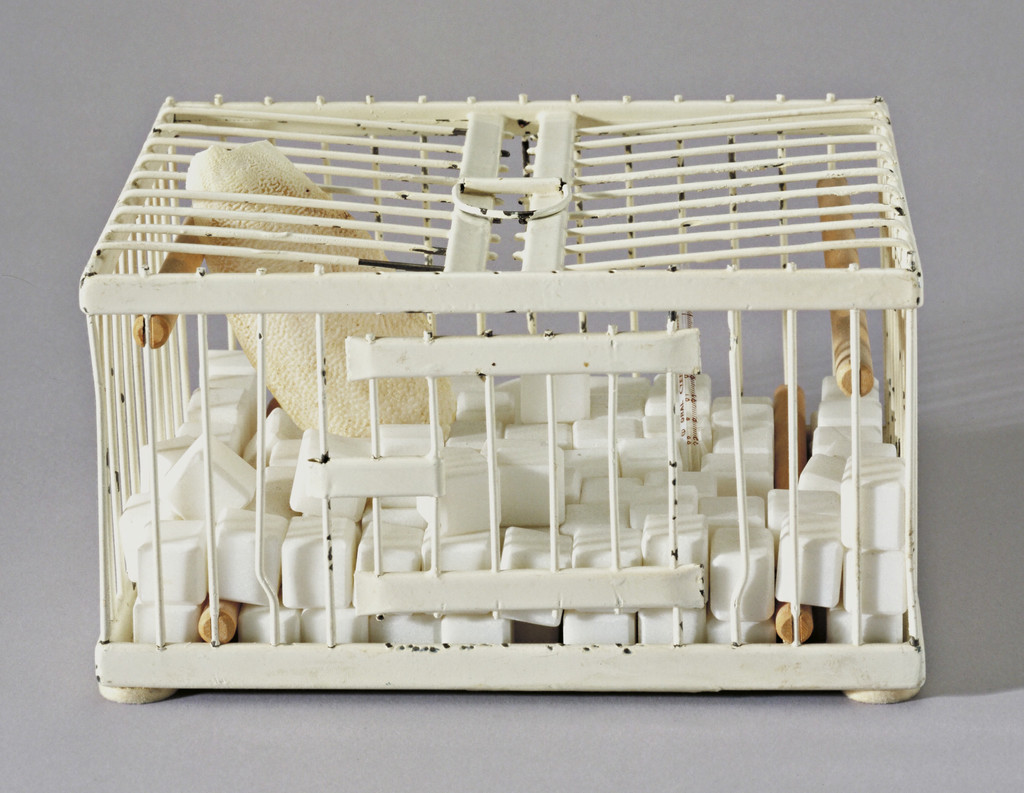
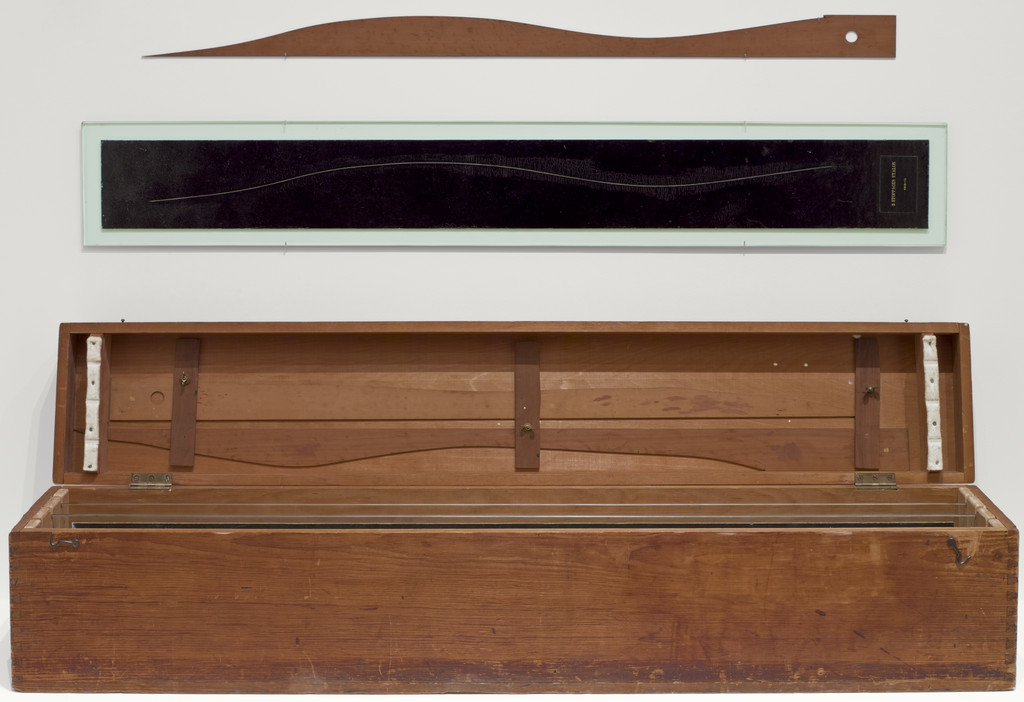
3 Standard Stoppages, Marcel Duchamp, Paris 1913-14
Marcel Duchamp, portraitMarcel DuchampFrance, 1887–1968

3 Standard Stoppages

Paris 1913-14 · Sculpture

Peut-on la contempler ?

Elle ne reçoit pas en ce moment

Museum of Modern Art

New York, États-Unis

Elle appartient à la collection, mais n’est pas présentée en ce moment.

Vérifié
il y a 9 jours
Source
Le musée
Sur la cartePage du musée

Notice

Paris 1913-14 · à 26 ans
18871968
Numéro d’inventaire
149.1953.a-i

Au catalogue

SculptureBoisModernismeXXe siècle

Sources

  • Museum of Modern Art
  • Image : Museum of Modern Art — © the artist or rights holder

Pendant ce temps, chez Marcel Duchamp

La vie entière
  1. September 1911

    Meeting Francis Picabia

    They met at the Salon d’Automne in Paris, where both were exhibiting; Duchamp showed a larger version of his “Young Man and Girl in Spring”. “Our friendship began right there,” he said.

  2. 1912

    Takes the “Nude” back from the Salon des Indépendants

    Through Duchamp’s brothers, Albert Gleizes asked him to withdraw the painting or at least rename it (as Duchamp later told it); he quietly refused, but went straight to the show and took the canvas home by taxi. “It was really a turning point in my life,” he recalled, adding that after this he would not be very much interested in groups.

  3. c. 1912

    Reads Max Stirner

    He read the philosophical tract The Ego and Its Own and regarded it as another turning point in his artistic and intellectual development: in his words, a book that advances no formal theories but keeps saying that the ego is always there in everything.

  4. novembre 1912 · Formation

    École des chartes

  5. 1913

    The Armory Show: the scandal of the “Nude”

    At the first major exhibition in New York of the modern trends coming out of Paris, American viewers accustomed to realistic art were scandalised and the Nude stood at the centre of the controversy; it helped secure the sale of all four of Duchamp’s paintings in the show.

  6. 1915

    Emigration to the United States

    When the First World War began, Duchamp, exempted from service because of a heart murmur, felt uncomfortable in Paris, and the sale of all four of his paintings at the Armory Show let him finance the trip: in 1915 he left for New York. To his surprise he found himself a celebrity there and quickly befriended the patron Katherine Dreier and the artist Man Ray.
Autres œuvres : Marcel Duchamp

Toutes les œuvres
In Advance of the Broken Arm, Marcel Duchamp, August 1964 (fourth version, after lost original of November 1915)

In Advance of the Broken Arm

August 1964 (fourth version, after lost original of November 1915) · Museum of Modern Art

Fresh Widow, Marcel Duchamp, original 1920, fabricated 1964

Fresh Widow

original 1920, fabricated 1964 · National Gallery of Art

Why Not Sneeze Rose Sélavy?, Marcel Duchamp, 1964 (replica of 1921 original)

Why Not Sneeze Rose Sélavy?

1964 (replica of 1921 original) · Museum of Modern Art

Pocket Chess Set, Marcel Duchamp, 1944

Pocket Chess Set

1944 · Art Institute of Chicago

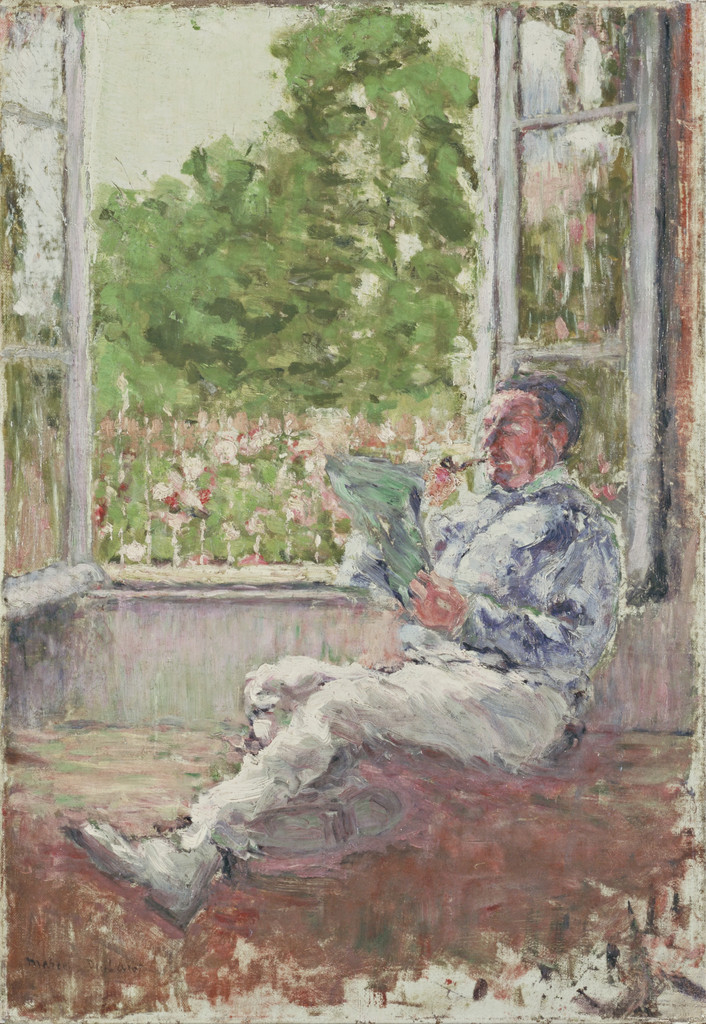
Man Seated by a Window, Marcel Duchamp, 1907

Man Seated by a Window

1907 · Non exposée · Museum of Modern Art

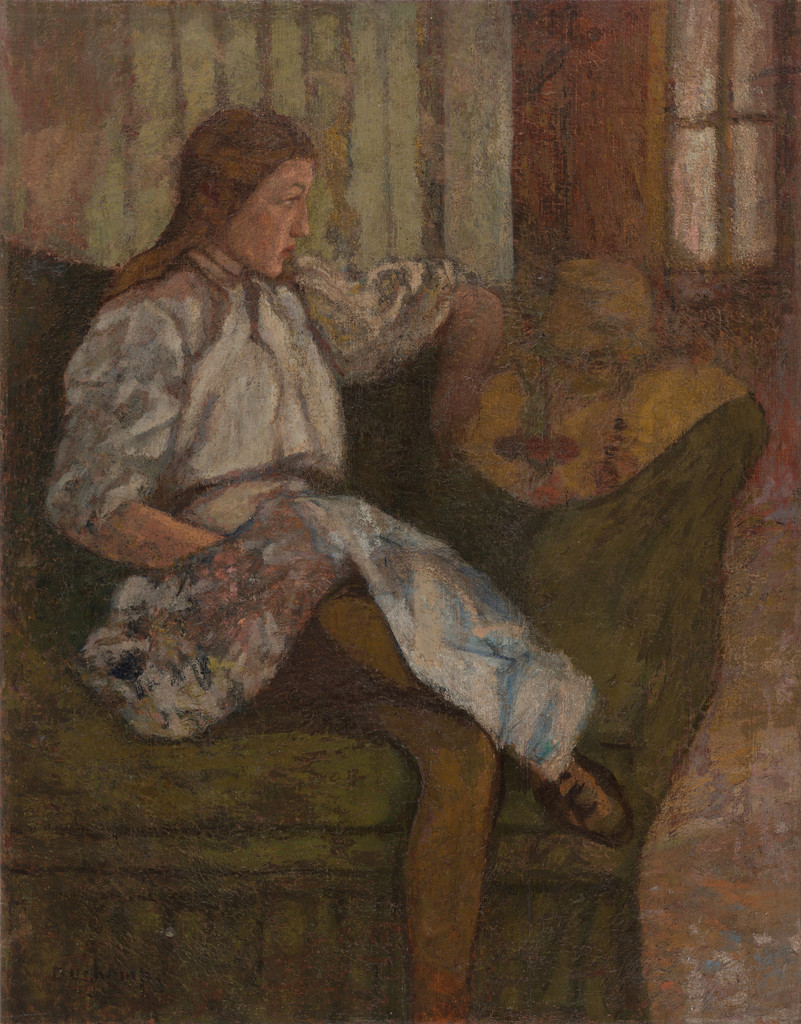
Portrait of Yvonne Duchamp, Marcel Duchamp, 1907 or 1909

Portrait of Yvonne Duchamp

1907 or 1909 · Non exposée · Museum of Modern Art

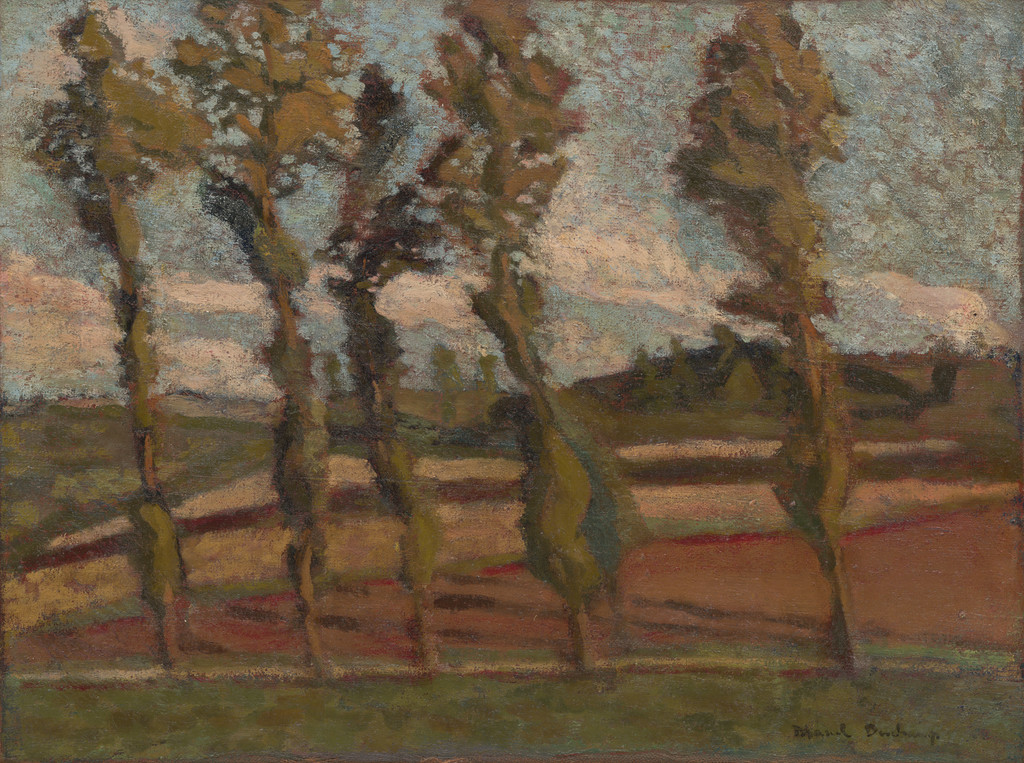
Landscape, Marcel Duchamp, 1908

Landscape

1908 · Non exposée · Museum of Modern Art

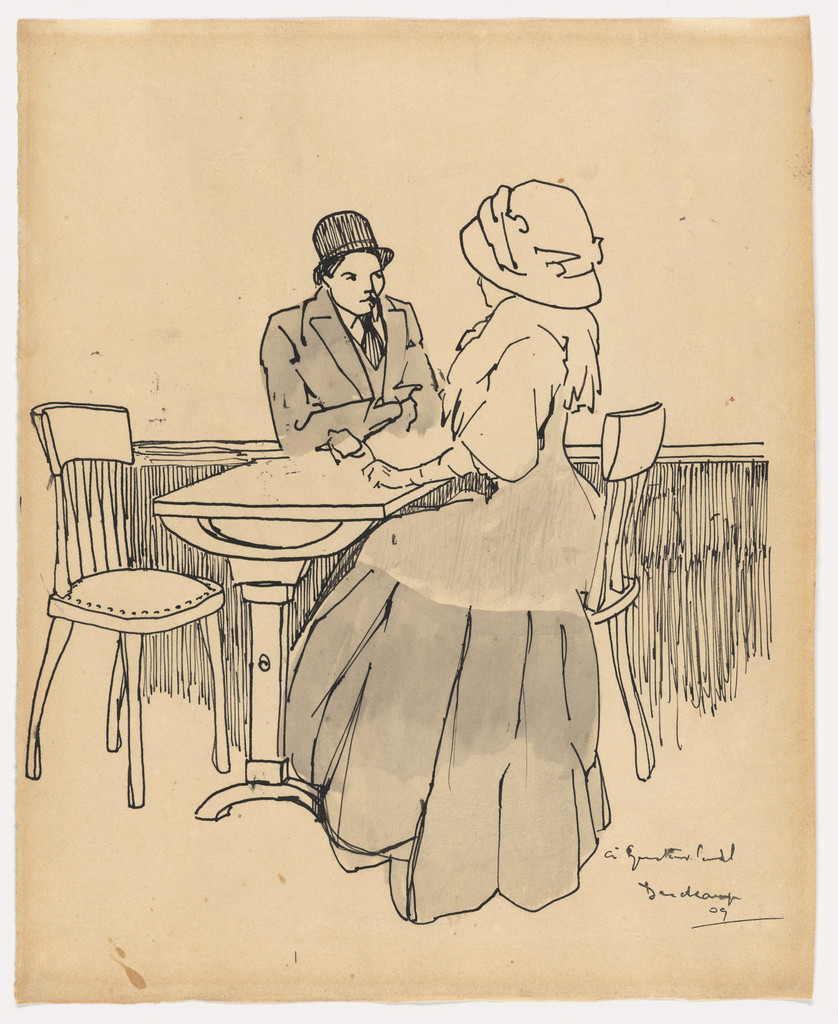
Conversation, Marcel Duchamp, 1909

Conversation

1909 · Non exposée · Museum of Modern Art

Sous le même toit : Museum of Modern Art

Page du musée
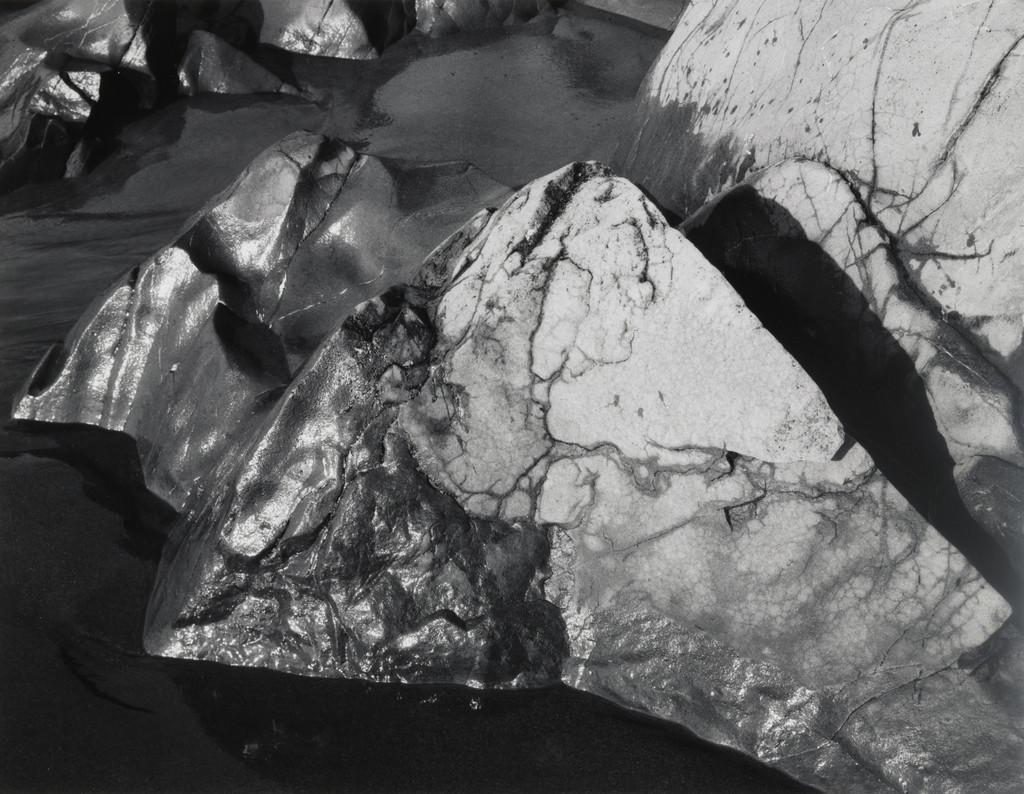
Rock, Bakers Beach, San Francisco, California, Ansel Adams, c. 1931

Ansel Adams

Rock, Bakers Beach, San Francisco, California, c. 1931

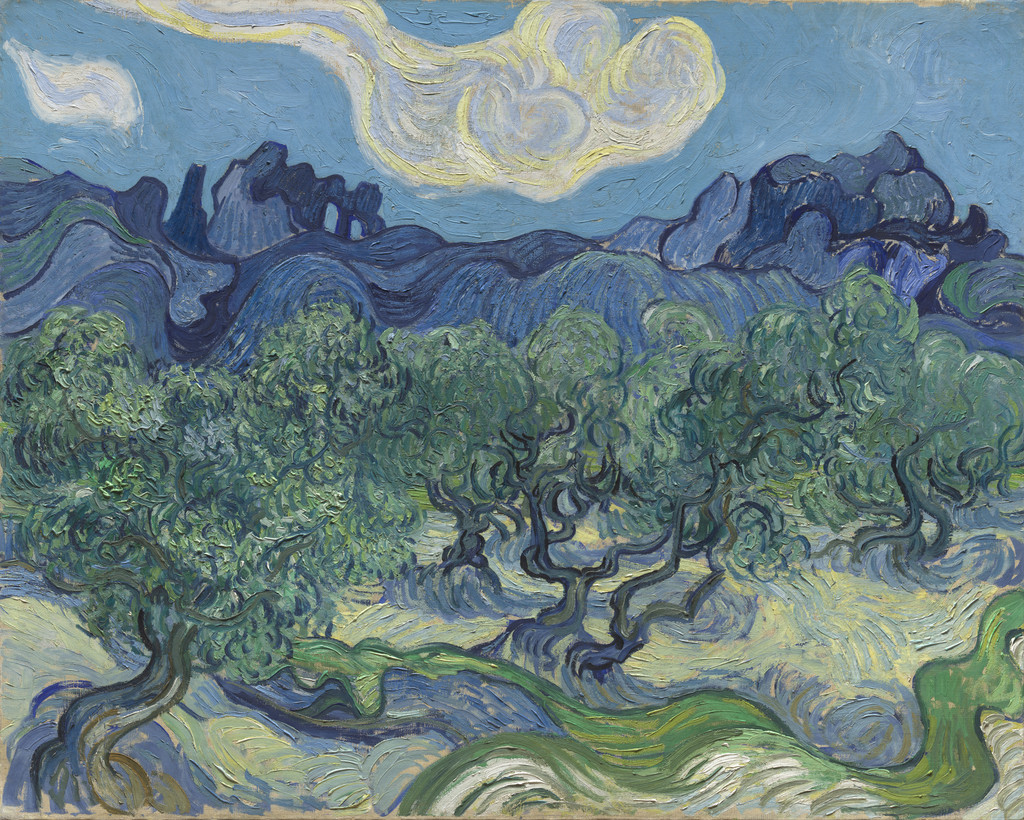
The Olive Trees, Vincent van Gogh, Saint Rémy, June-July 1889

Vincent van Gogh

The Olive Trees, Saint Rémy, June-July 1889

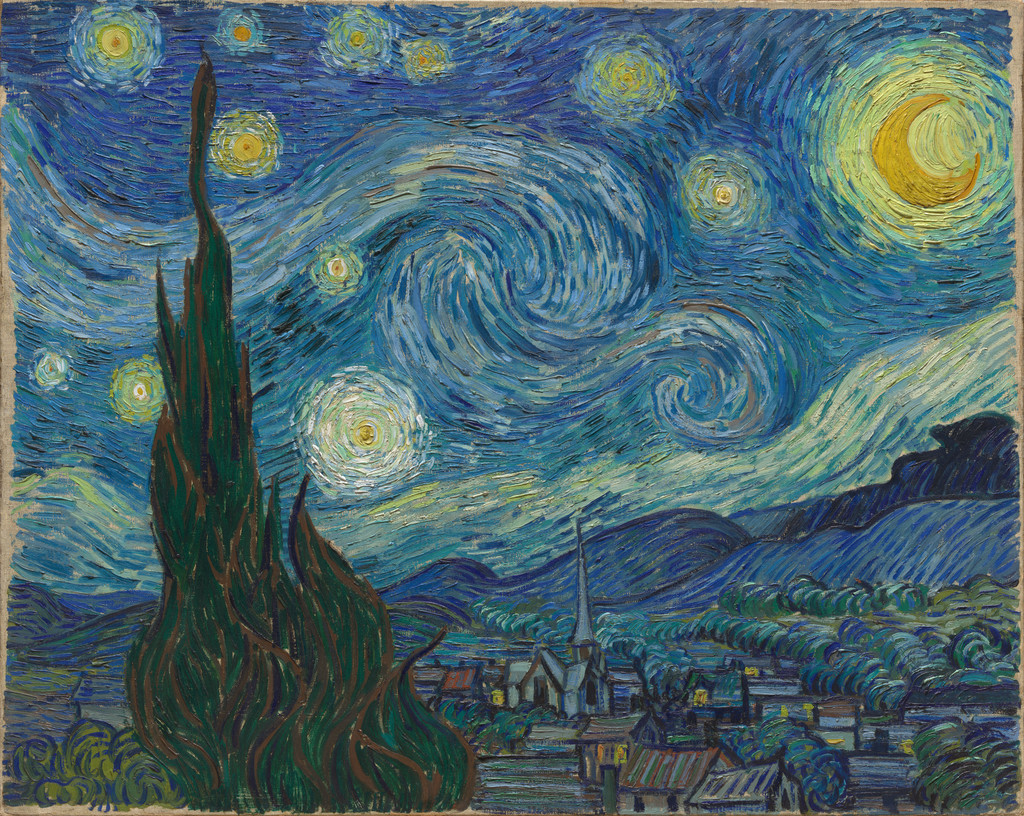
The Starry Night, Vincent van Gogh, Saint Rémy, June 1889

Vincent van Gogh

La Nuit étoilée, Saint Rémy, June 1889

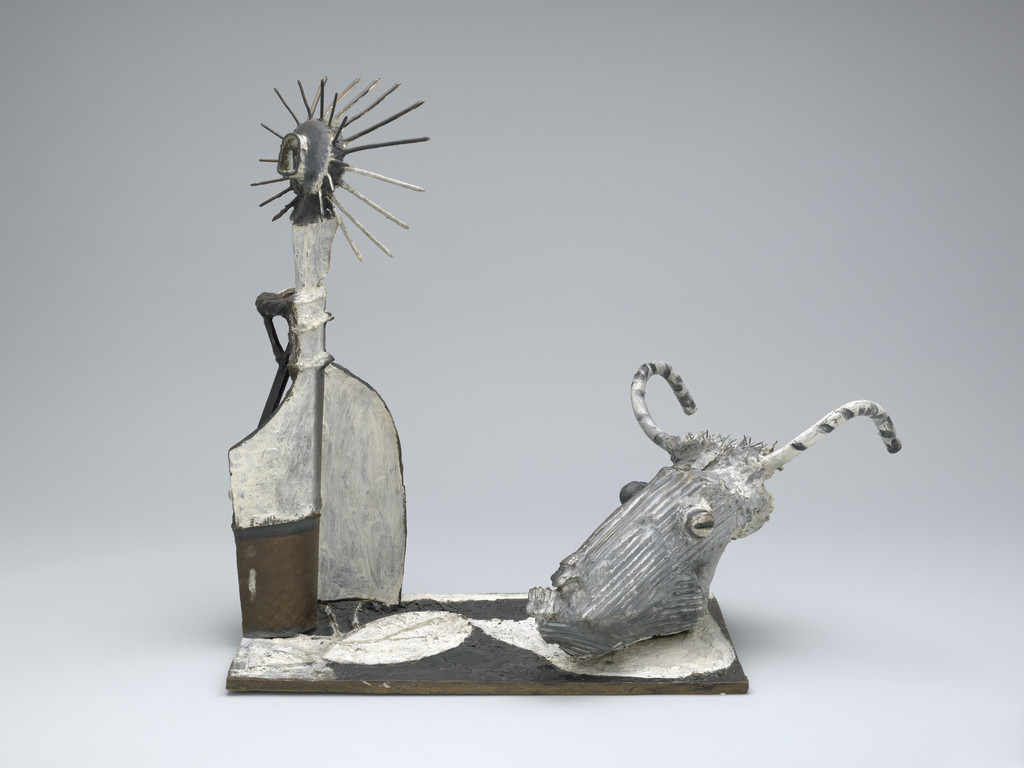
Goat Skull and Bottle, Pablo Picasso, Vallauris, 1951 (cast 1954)

Pablo Picasso

Goat Skull and Bottle, Vallauris, 1951 (cast 1954)

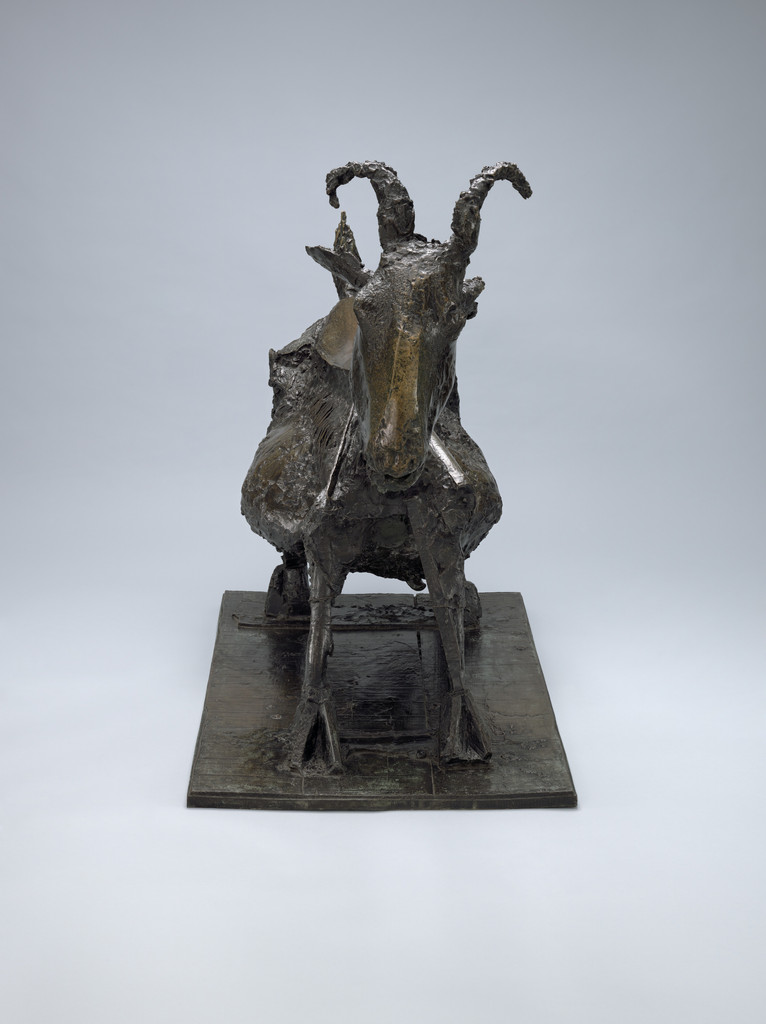
She-Goat, Pablo Picasso, Vallauris, 1950 (cast 1952)

Pablo Picasso

She-Goat, Vallauris, 1950 (cast 1952)

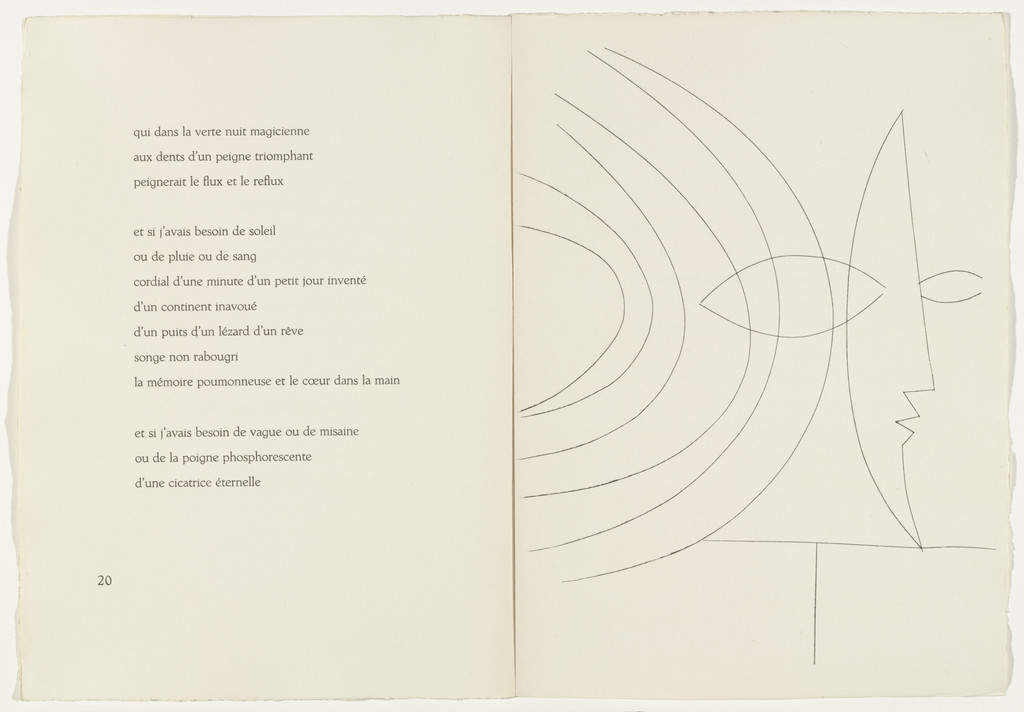
Face in Profile (plate, page 21) from Corps perdu, Pablo Picasso, 1949, published 1950

Pablo Picasso

Face in Profile (plate, page 21) from Corps perdu, 1949, published 1950

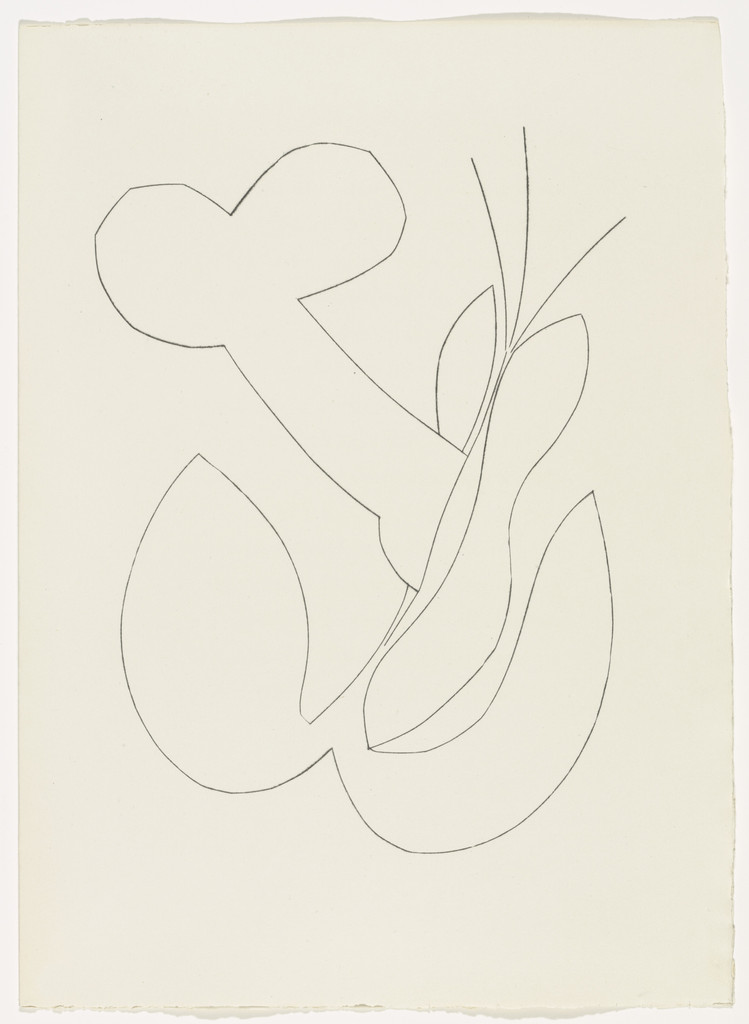
Coupling (plate, page 17) from Corps perdu, Pablo Picasso, 1949, published 1950

Pablo Picasso

Coupling (plate, page 17) from Corps perdu, 1949, published 1950

"Présence" (chapter title, page 13) from Corps perdu, Pablo Picasso, 1949, published 1950

Pablo Picasso

"Présence" (chapter title, page 13) from Corps perdu, 1949, published 1950