ART WIKI33.040 en sala
MapaColecciónArtistasMuseosExposicionesRevista
Acceder

ART WIKI

Dónde cuelga la obra maestra y cuándo le dejan pasar.

Colecciones: Galería Nacional de Arte, Galería Nacional de Dinamarca, Galería Nacional de Retratos, Galería Tretiakov, Harvard Art Museums, Instituto de Arte de Chicago, Instituto de Artes de Mineápolis, MoMA, Museo de Arte de Cleveland, Museo de Victoria y Alberto, Museo del Hermitage, Museo del Louvre, Museo Estatal Ruso, Museo Hirshhorn y Jardín de Esculturas, Museo J. Paul Getty, Museo Metropolitano de Arte, Museo Pushkin, Museo Smithsoniano de Arte Americano, Museo Whitney de Arte Estadounidense, National Museum of Asian Art, Rijksmuseum, Villa Getty, Catálogo Estatal del Fondo Museístico de Rusia (274 museos), Europeana (19 museos), Wikidata (6 museos), Paris Musées (12 museos) y Joconde, la base de museos del Ministerio de Cultura de Francia (495 museos). Las imágenes pertenecen a sus titulares de derechos.

Secciones

  • Mapa
  • Búsqueda
  • Colección
  • Obras maestras
  • Expuestas ahora
  • Artistas

Más

  • Museos y galerías
  • Exposiciones
  • Revista
  • De dónde salen los datos
  • Privacidad y cookies
InicioMapaCatálogo
  1. Colección/
  2. Museo de Victoria y Alberto/
  3. Weeping Ceres
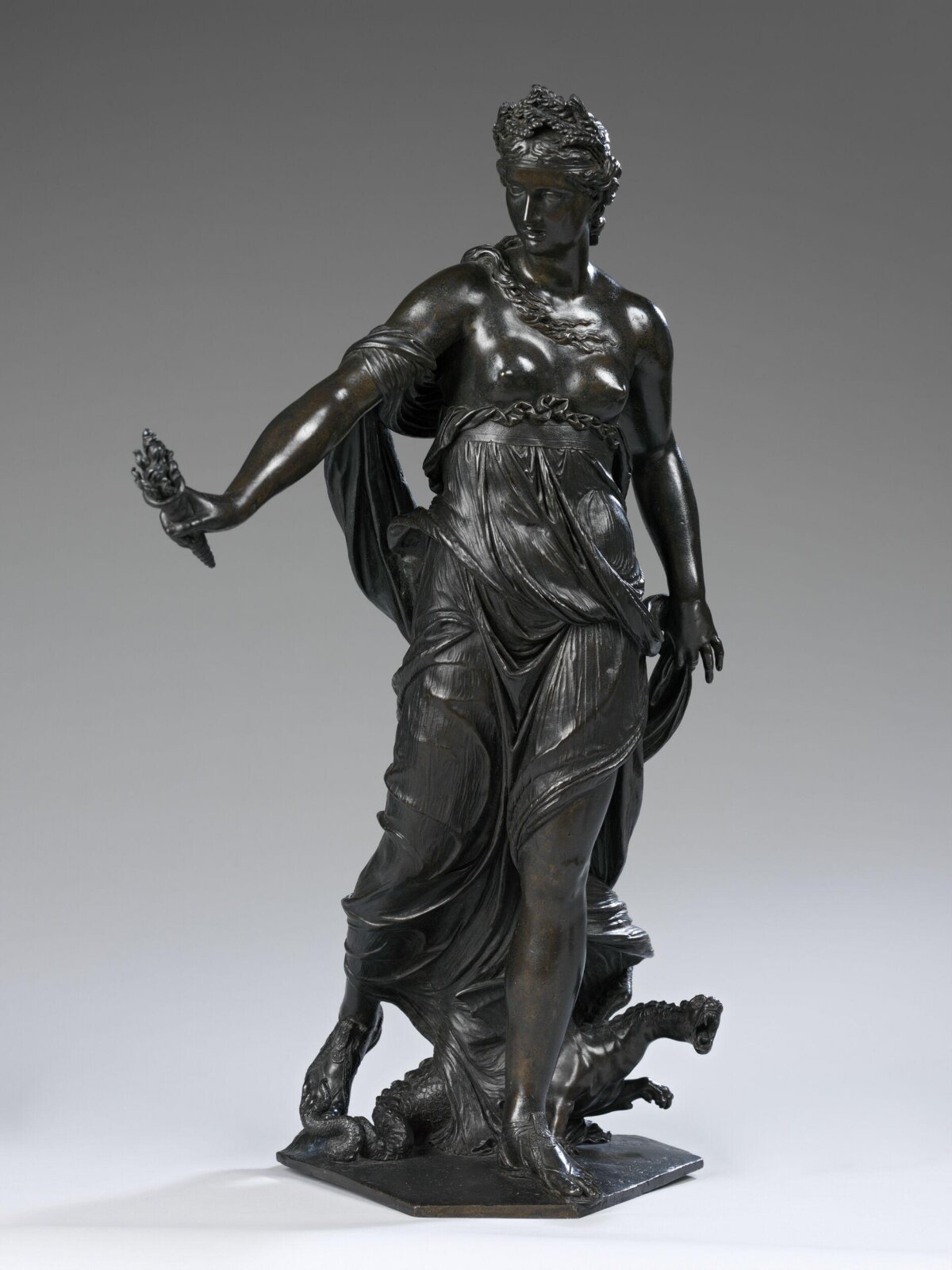
Weeping Ceres, after Michel Anguier, 1690-1710
Aafter Michel Anguier

Weeping Ceres

1690-1710 · Statuette · 53.2 × 31.5 cm

Sobre la escultura

This statuette of Ceres derives from a model that formed part of a set of six statuettes of gods and goddesses commissioned from Michel Anguier in 1652. In 1690, they were described by Guillet de Saint-Georges, the first historian of the French Royal Academy of Painting and Sculpture, with the evocative titles of ‘a thundering Jupiter, a jealous Juno, an agitated Neptune, a tranquil Amphitrite, a melancholy Pluto, … and a weeping Ceres’. They were created as pairs to represent the elements of air (Jupiter and Juno), water (Neptune, for which see inv. no. A.206-1946, and Amphitrite) and earth (Pluto and Ceres), but lacking the fourth element of fire.

Seguir leyendo

The crown of wheat around Ceres’ head signals that she is the goddess of Agriculture, and a symbol of fertility. She is shown here striding forward, holding out a torch as she searches for her daughter Proserpina, who Pluto had carried away into the underworld, an episode taken from Ovid’s Metamorphoses. Ceres was often depicted in a chariot drawn by dragons, one of which is shown here, crouching at her feet. The earliest versions of this series of bronzes, possibly cast in the 1660s or 70s, incorporated hexagonal bases, while in later casts they were square. This version has a thinner polygonal base, but Ceres is shown bare-breasted, as in later versions.

Michel Anguier (1612/14-1686) was apprenticed to his father, Honoré, a woodworker in the French town of Eu, before moving to Paris to join the workshop of Simon Guillain in around 1629-33. He was one of a number of artists who moved to Rome, where he spent ten years from 1641, assisting the two leading (and rival) sculptors of the day, Gianlorenzo Bernini and Alessandro Algardi. He received the commission for this series of gods and goddesses after returning to Paris in 1651. In his later years, Anguier lectured at the Académie Royale on a variety of subjects, notably including different expressions of anger (1675) and the depiction of gods through their temperaments (1676). He was not known as a maker of bronzes, and it is possible that he turned to a specialist foundry to assist with reproducing his models as his large-scale commissions declined.

His lively bronzes were collected throughout the 18th century in France. This Ceres was bought from the Portalès sale in Paris in 1865, one of the finest collections sold in the 19th century, having belonged to James-Alexandre, count of Portalès-Gorgier (1776-1855).

Museo de Victoria y Alberto

Ficha

Número de inventario
85-1865

Más obras de after Michel Anguier

Todas las obras

En la misma sala · Europe 1600-1815, Room 5, The Friends of the V&A Gallery, Museo de Victoria y Alberto

Página del museo

Sobre el mismo tema · Ceres

Todas las obras sobre el tema

¿Se puede contemplar?

Sí, recibe visitas

Museo de Victoria y Alberto

Londres, Reino Unido

SalaEurope 1600-1815, Room 5, The Friends of the V&A Gallery

Expuesta al público. Quién lo avala figura más abajo.

Comprobado
hace 13 días
En este estado desde
25 sept 2026
Fuente
El museo
En el mapaPágina del museo

Lo que muestra

Ceres

En el catálogo

EsculturaBronceBarrocoSiglo XVIIFrancia

Fuentes

  • Museo de Victoria y Alberto
  • Imagen: Museo de Victoria y Alberto — © Victoria and Albert Museum, London
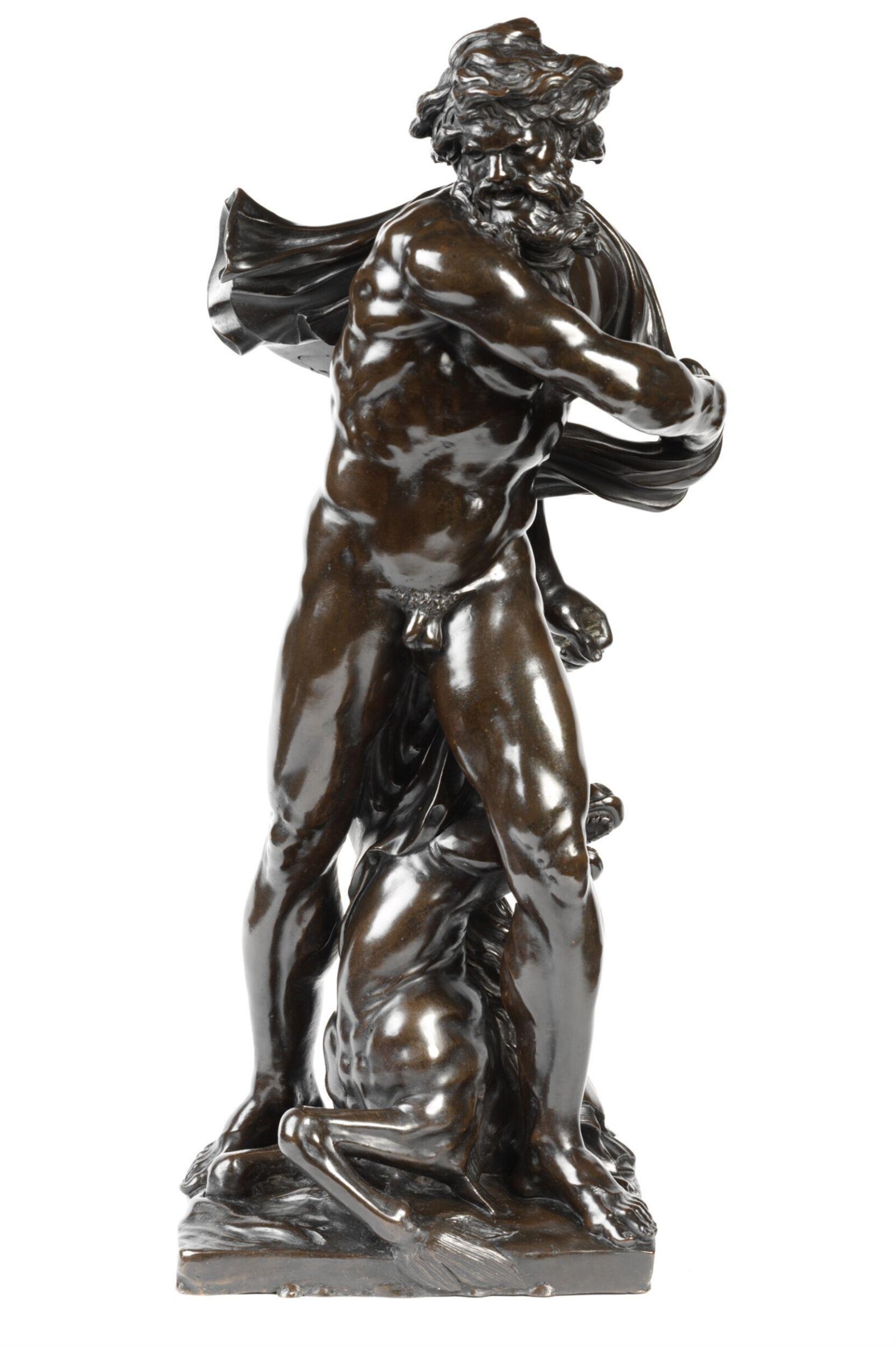
Agitated Neptune, after Michel Anguier, ca. 1670-90

Agitated Neptune

ca. 1670-90 · Museo de Victoria y Alberto

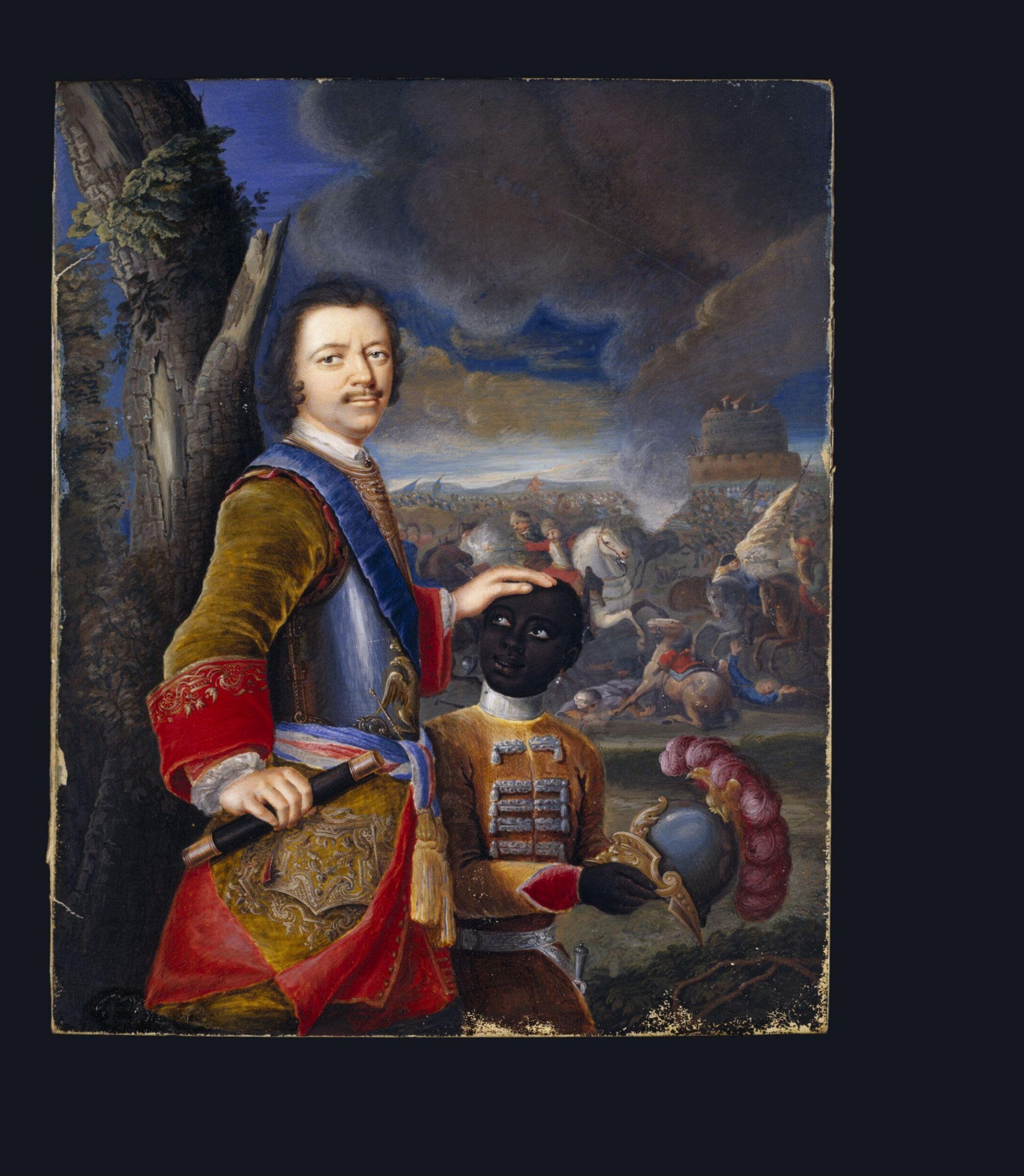
Portrait Miniature of Peter the Great with a Black Page, Gustav von Mardefeld, ca. 1720

Gustav von Mardefeld

Portrait Miniature of Peter the Great with a Black Page, ca. 1720

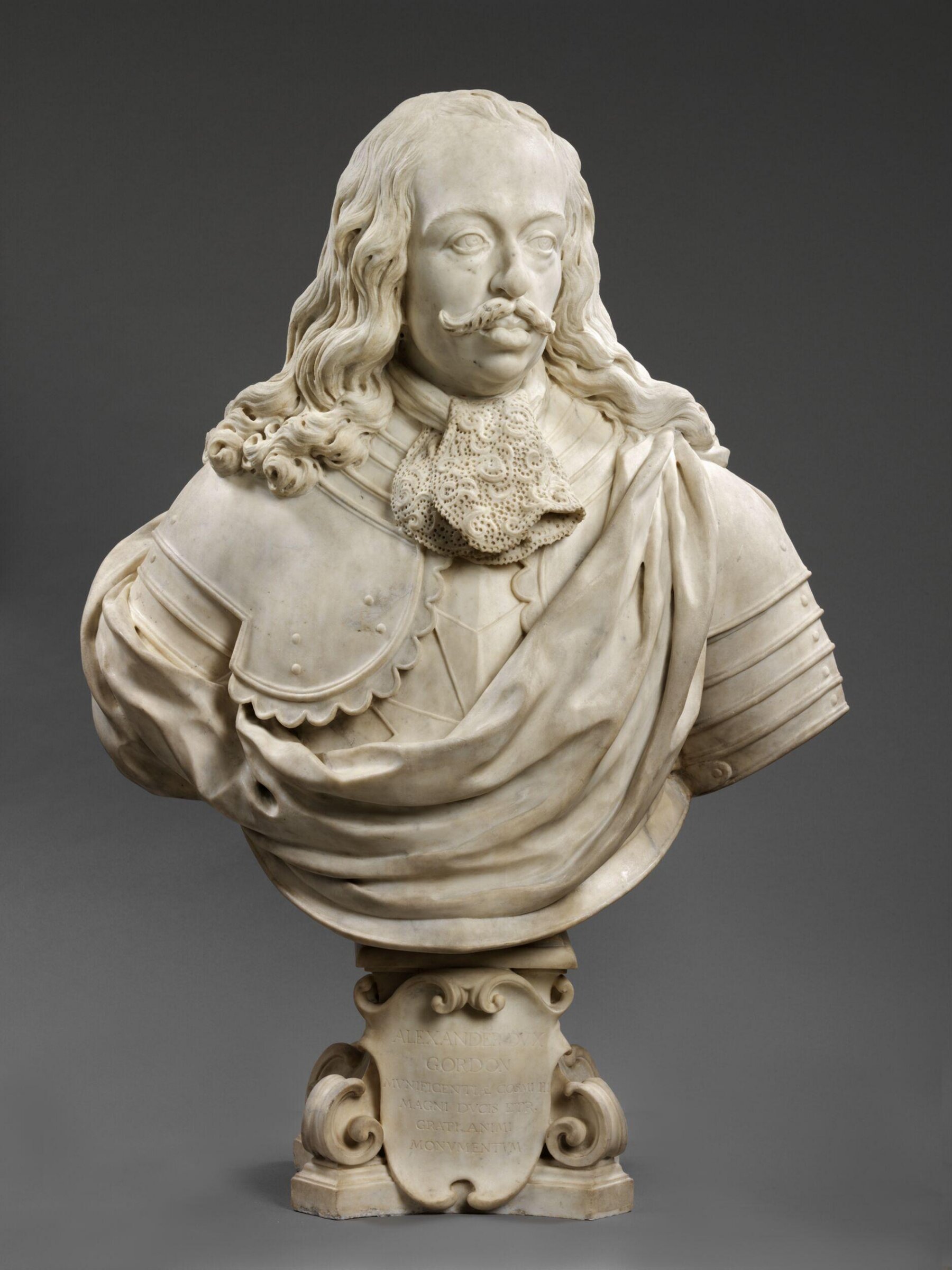
Cosimo III de' Medici, Giovanni Battista Foggini, ca. 1717-1718

Giovanni Battista Foggini

Cosimo III de' Medici, ca. 1717-1718

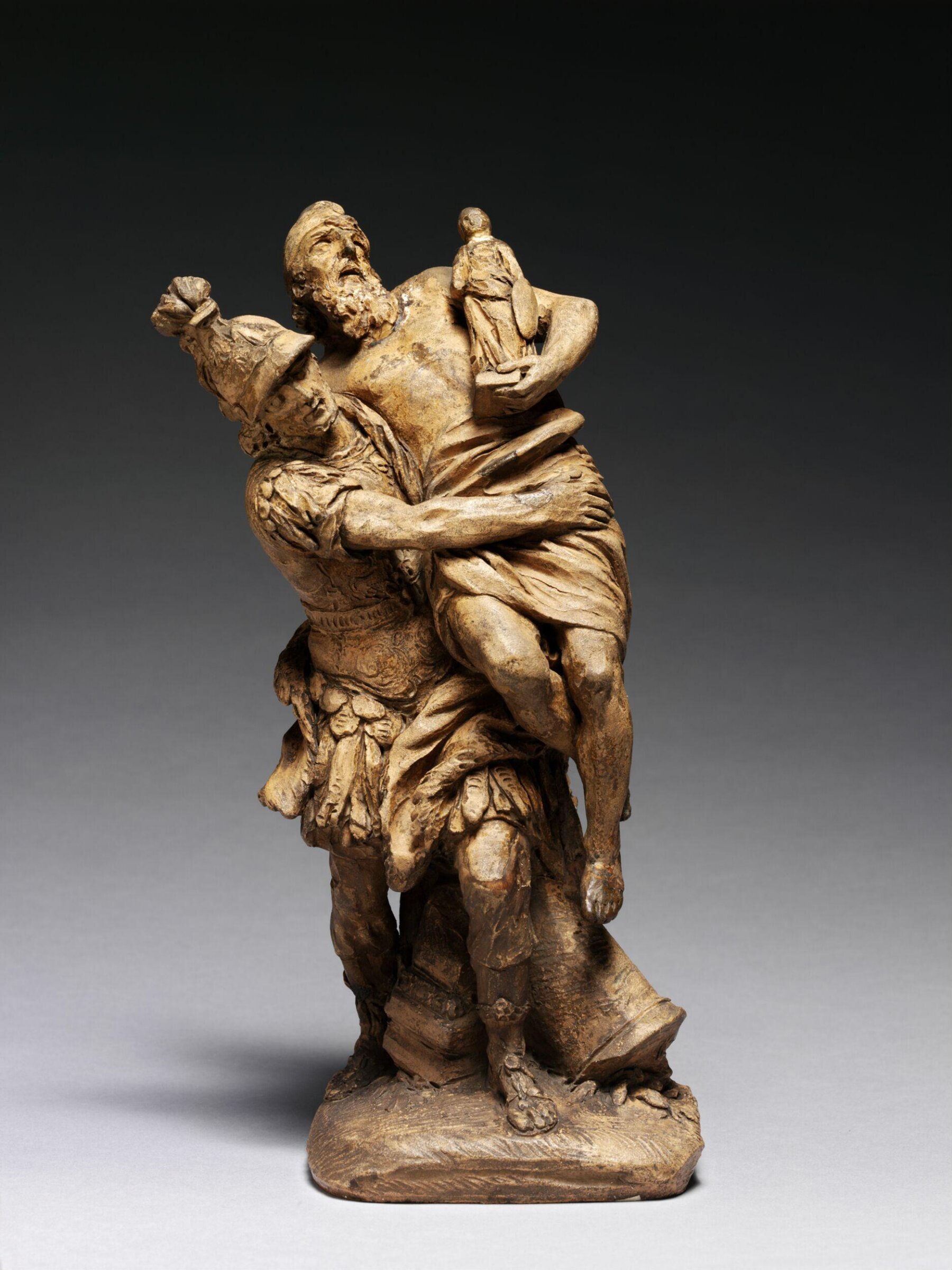
Aeneas and Anchises, Pierre Le Pautre, 1715

Pierre Lepautre

Aeneas and Anchises, 1715

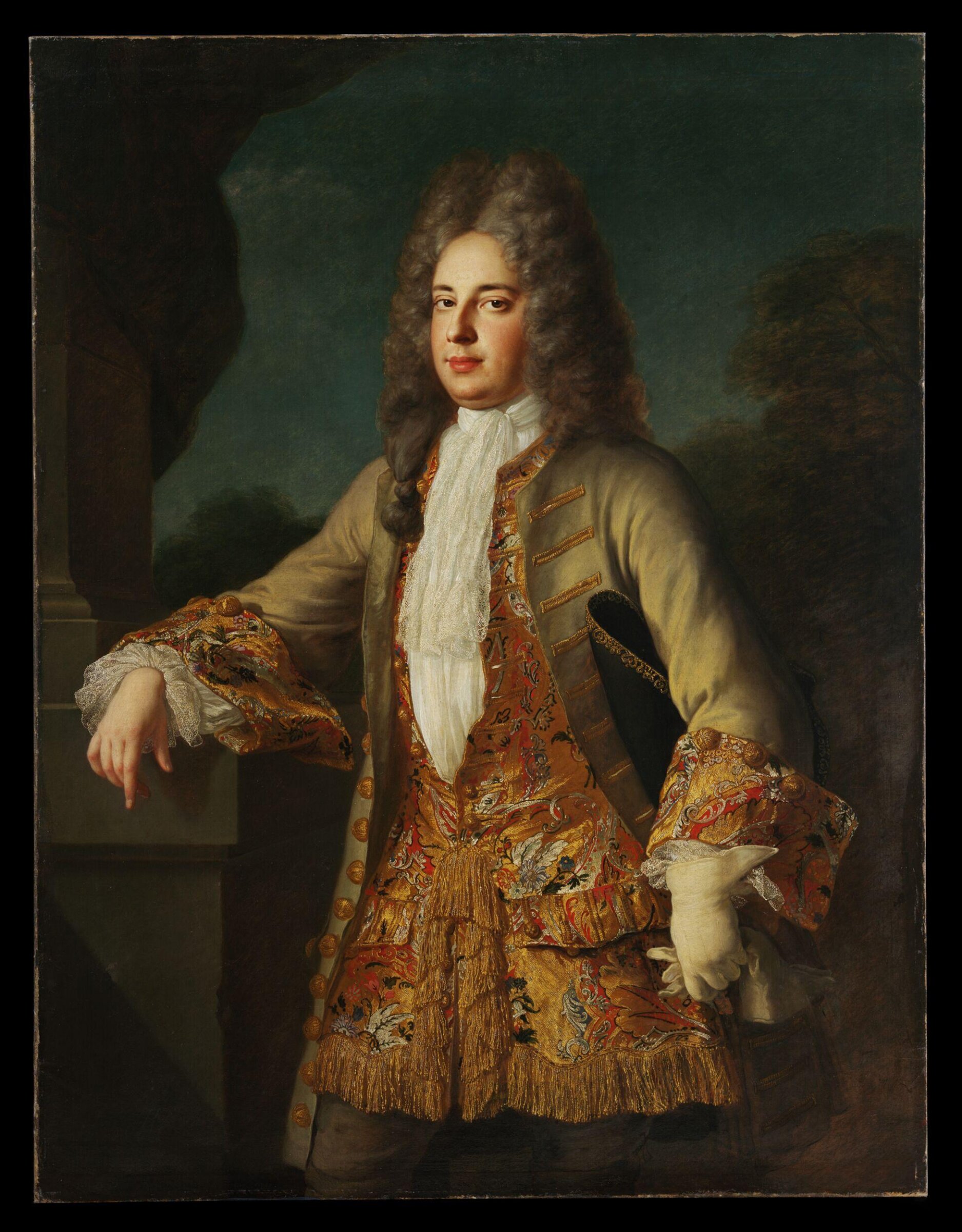
Portrait of an Unknown Man, Alexis-Simon Belle, ca. 1712

Alexis Simon Belle

Portrait of an Unknown Man, ca. 1712

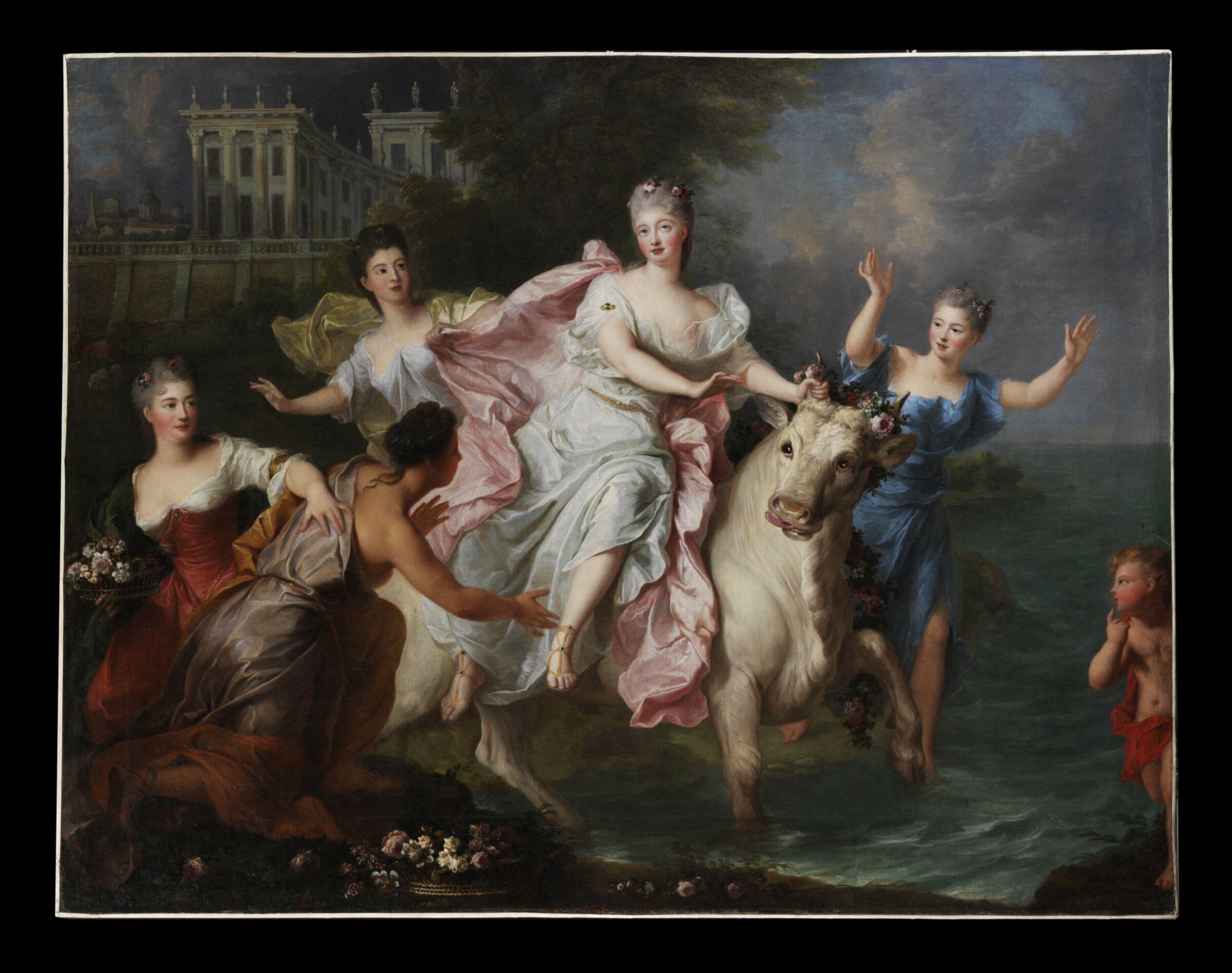
The Rape of Europa, Pierre Gobert, 1710-1720

Pierre Gobert

The Rape of Europa, 1710-1720

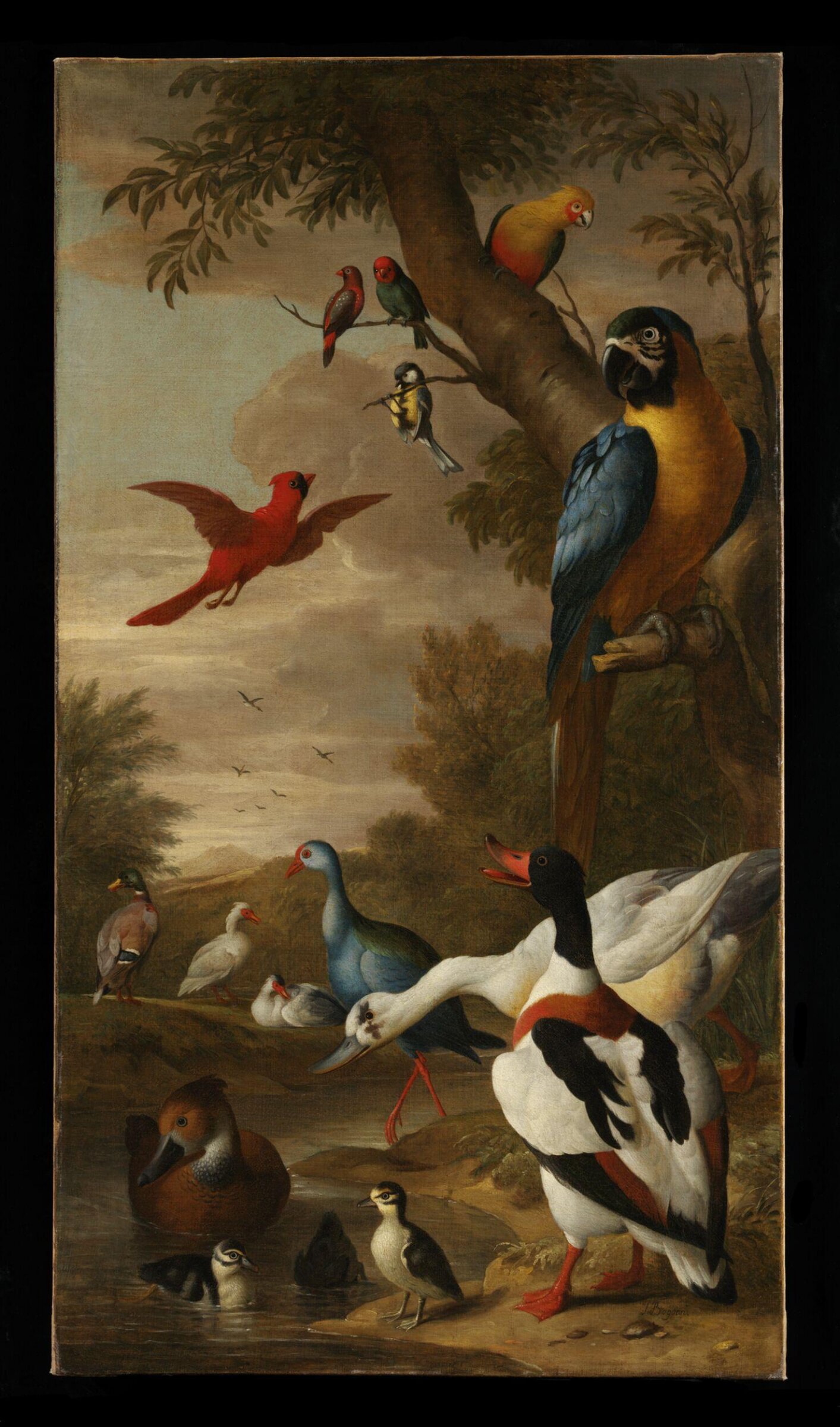
Farm birds with a macaw and a tom-tit in a tree, Jacob Bogdani, 1st quarter of 18th century

Jacob Bogdani

Farm birds with a macaw and a tom-tit in a tree, 1st quarter of 18th century

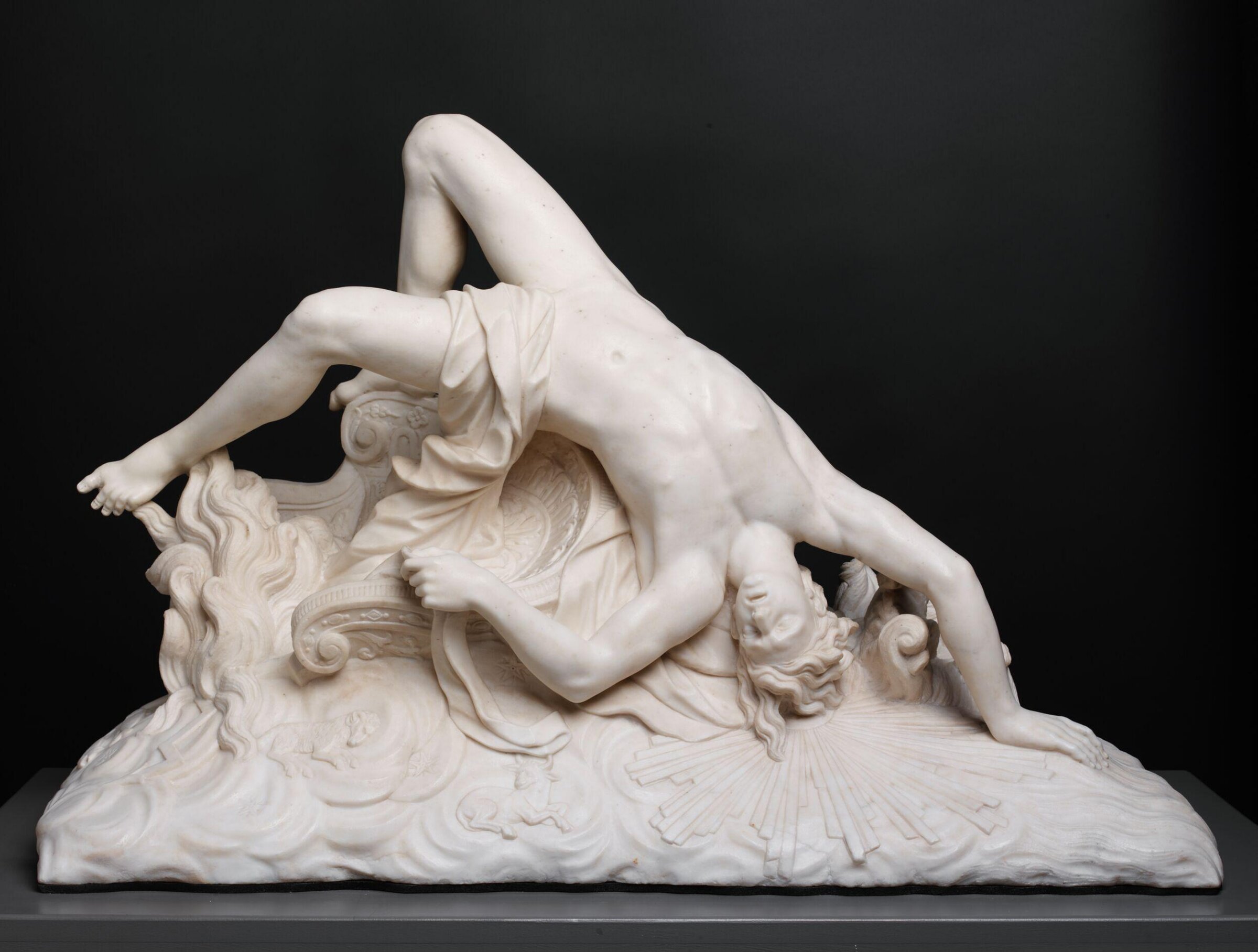
The Fall of Phaeton, Dominique Lefevre, ca. 1700 - ca. 1711

Dominique Lefevre

The Fall of Phaeton, ca. 1700 - ca. 1711

Aristaeus and Proteus, Sébastien Slodtz, ca. 1695-1700

Sébastien Slodtz

Aristaeus and Proteus, ca. 1695-1700

Ceres (Summer), Antoine Watteau, c. 1717/1718

Jean-Antoine Watteau

Ceres (Summer), c. 1717/1718

Galería Nacional de Arte

Standbeeld van Ceres, anonymous, 1851 - c. 1900

anonymous

Standbeeld van Ceres, 1851 - c. 1900

Rijksmuseum

Without Ceres and Bacchus, Venus Would Freeze, Jacob Matham after Hendrik Goltzius, 1588

Hendrick Goltzius

Without Ceres and Bacchus, Venus Would Freeze, 1588

No expuesta · Galería Nacional de Arte

Venus, Bacchus und Ceres, Cornelis van Haarlem, 1614

Cornelis Cornelisz. van Haarlem

Venus, Bacchus und Ceres, 1614

Galería de Pinturas de los Maestros Antiguos

Ceres, Jost Amman, 1578

Jost Amman

Ceres, 1578

Museo Herzog Anton Ulrich

Querfüllung mit Ceres, Seitenstück, Jost Amman, 1560–1591

Jost Amman

Querfüllung mit Ceres, Seitenstück, 1560–1591

Museo Herzog Anton Ulrich

Bacchus and Ceres, Jacques de Gheyn II

Jacques de Gheyn

Bacchus and Ceres

No expuesta · Galería Nacional de Arte

Ceres, Augustin Pajou, ca. 1768–70

Augustin Pajou

Ceres, ca. 1768–70

Museo Metropolitano de Arte