ART WIKI33.040 en sala
MapaColecciónArtistasMuseosExposicionesRevista
Acceder

ART WIKI

Dónde cuelga la obra maestra y cuándo le dejan pasar.

Colecciones: Galería Nacional de Arte, Galería Nacional de Dinamarca, Galería Nacional de Retratos, Galería Tretiakov, Harvard Art Museums, Instituto de Arte de Chicago, Instituto de Artes de Mineápolis, MoMA, Museo de Arte de Cleveland, Museo de Victoria y Alberto, Museo del Hermitage, Museo del Louvre, Museo Estatal Ruso, Museo Hirshhorn y Jardín de Esculturas, Museo J. Paul Getty, Museo Metropolitano de Arte, Museo Pushkin, Museo Smithsoniano de Arte Americano, Museo Whitney de Arte Estadounidense, National Museum of Asian Art, Rijksmuseum, Villa Getty, Catálogo Estatal del Fondo Museístico de Rusia (274 museos), Europeana (19 museos), Wikidata (6 museos), Paris Musées (12 museos) y Joconde, la base de museos del Ministerio de Cultura de Francia (495 museos). Las imágenes pertenecen a sus titulares de derechos.

Secciones

  • Mapa
  • Búsqueda
  • Colección
  • Obras maestras
  • Expuestas ahora
  • Artistas

Más

  • Museos y galerías
  • Exposiciones
  • Revista
  • De dónde salen los datos
  • Privacidad y cookies
InicioMapaCatálogo
  1. Colección/
  2. Museo del Louvre/
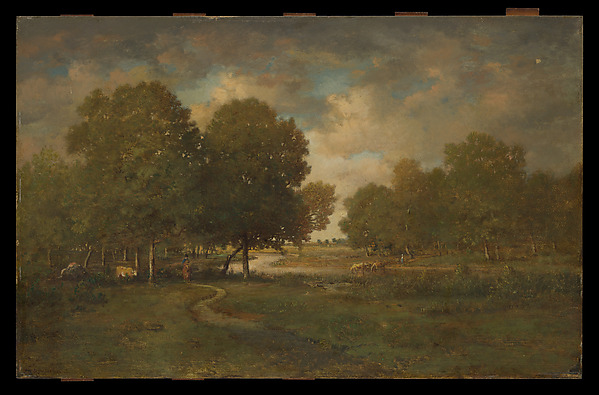
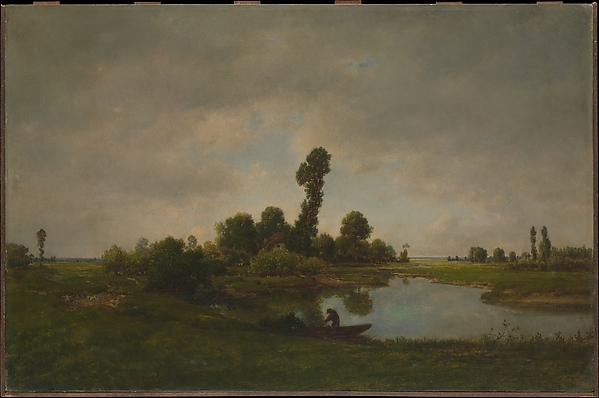
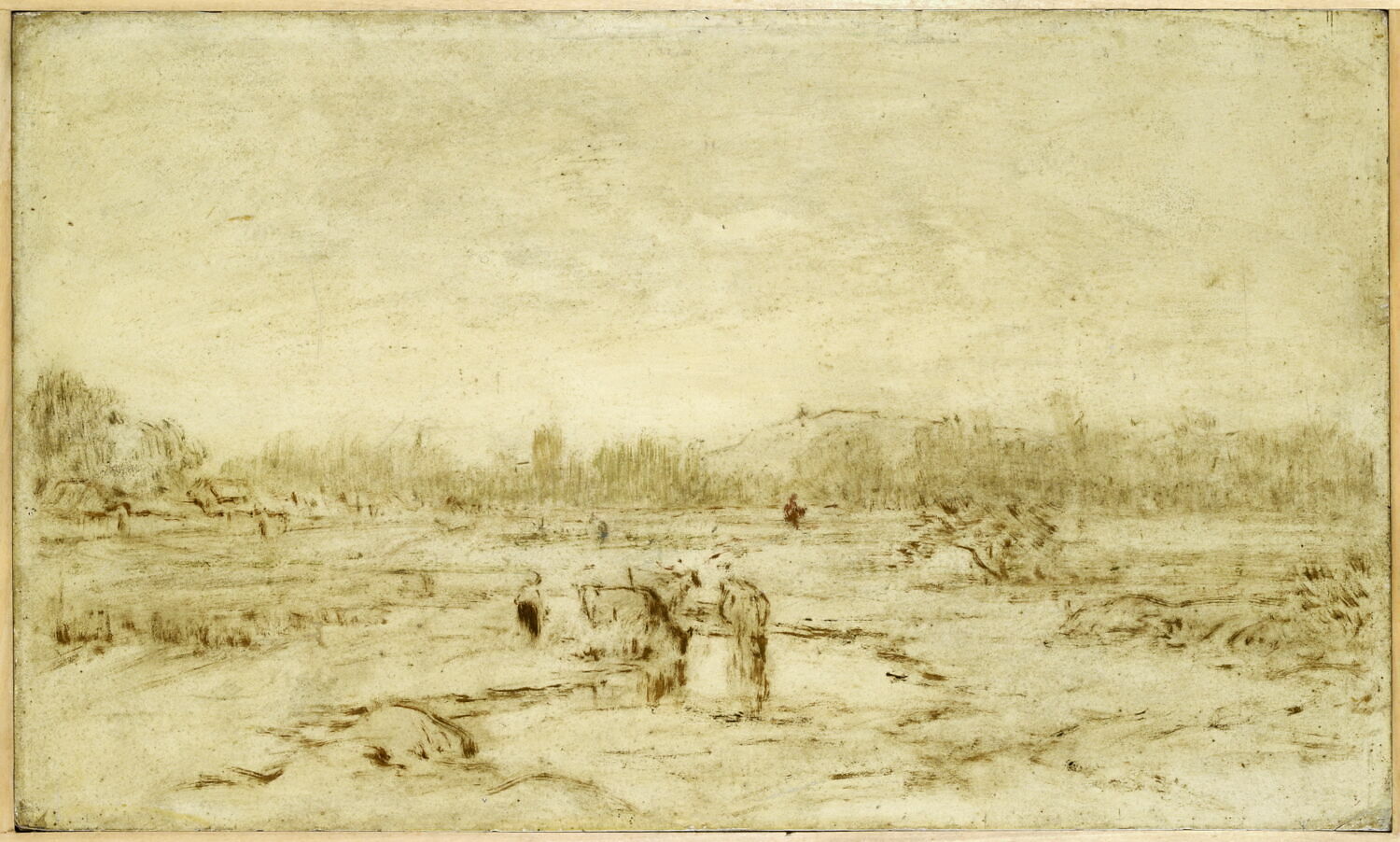
  3. Vaches à la mare
Vaches à la mare, Rousseau, Théodore, 2e quart du XIXe siècle (1825 - 1850)
Théodore Rousseau, retratoThéodore RousseauFrancia, 1812–1867

Vaches à la mare

2e quart du XIXe siècle (1825 - 1850) · Peintures

¿Se puede contemplar?

Por ahora no recibe

Museo del Louvre

París, Francia

Pertenece a la colección, pero ahora mismo no está expuesta.

Comprobado
hace 13 días
En este estado desde
26 sept 2026
Fuente
El museo
En el mapaPágina del museo

Ficha

2e quart du XIXe siècle (1825 - 1850)
18121867
Número de inventario
RF 2060

En el catálogo

PinturaÓleoPintura francesaNeoclasicismoRomanticismoSiglo XIX

Fuentes

  • Museo del Louvre
  • Imagen: Museo del Louvre — © 2011 GrandPalaisRmn (musée du Louvre) / Michel Urtado

Mientras tanto, en la vida de Théodore Rousseau

La vida entera
  1. 1831

    Salon debut: a landscape of the Auvergne

    The nineteen-year-old Rousseau submitted work to the Paris Salon, and his landscape of the wild Auvergne won recognition for its lively brushwork. At the Salons of 1831, 1833, 1834 and 1835 he showed six works.

  2. 1836

    The Salon rejects “Landscape of the Jura”

    In 1836 the Salon jury rejected Rousseau's great work “Landscape of the Jura” (“The Descent of the Cattle”), and of the eight works he sent to the Salon between 1836 and 1841 none was accepted. By other accounts, the four Salons after his 1831 debut had already gone badly.

  3. winter 1836 – 1837

    First winter at Barbizon

    Rousseau spent the winter of 1836–1837 at Barbizon with the painters Narcisse Díaz de la Peña and Théodore Caruelle d'Aligny; the nature there impressed him so deeply that from then on he came back every year. In time a circle of painters who, like him, painted nature from life gathered around him — Cabat, Daubigny, Dupré — and so the Barbizon school gradually took shape.

  4. 1848

    Settles in Barbizon for good

    Until then Rousseau had lived at Barbizon only occasionally, but in 1848 he settled in the forest village (with his wife, by some accounts) and spent most of his remaining days in its vicinity. His neighbour, the landscape painter Jules Dupré, recalled how hard Rousseau found it to know when a picture was finished, and how he would sometimes carry off a canvas on which his friend had laboured too long.

  5. 1849

    Returns to the Salon

    In 1849 Rousseau sent work to the Salon again, and all three of his submissions were accepted. He could now obtain fair sums for his pictures, though only about a tenth of their value thirty years after his death, and his admirers grew in number.

  6. 1851

    Exhibits “The Edge of the Forest”

    In 1851, after the reorganization of the Salon of 1848, Rousseau exhibited his masterpiece, “The Edge of the Forest” (now in the Louvre). The authorities still ignored him: that year the Legion of Honour went to Narcisse Diaz, whom Rousseau had taught to paint trees, while he himself received the Cross only soon afterwards.
Más obras de Théodore Rousseau

Todas las obras
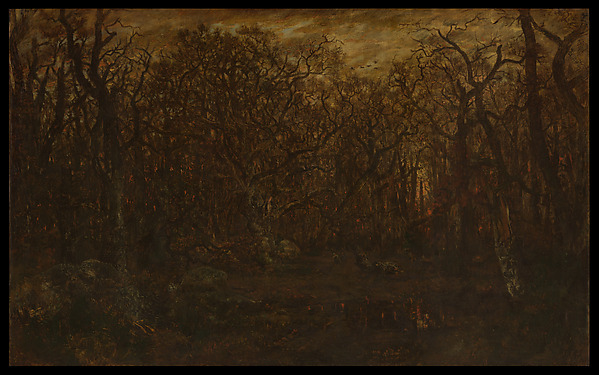
The Forest in Winter at Sunset, Théodore Rousseau, ca. 1846–67

The Forest in Winter at Sunset

ca. 1846–67 · Museo Metropolitano de Arte

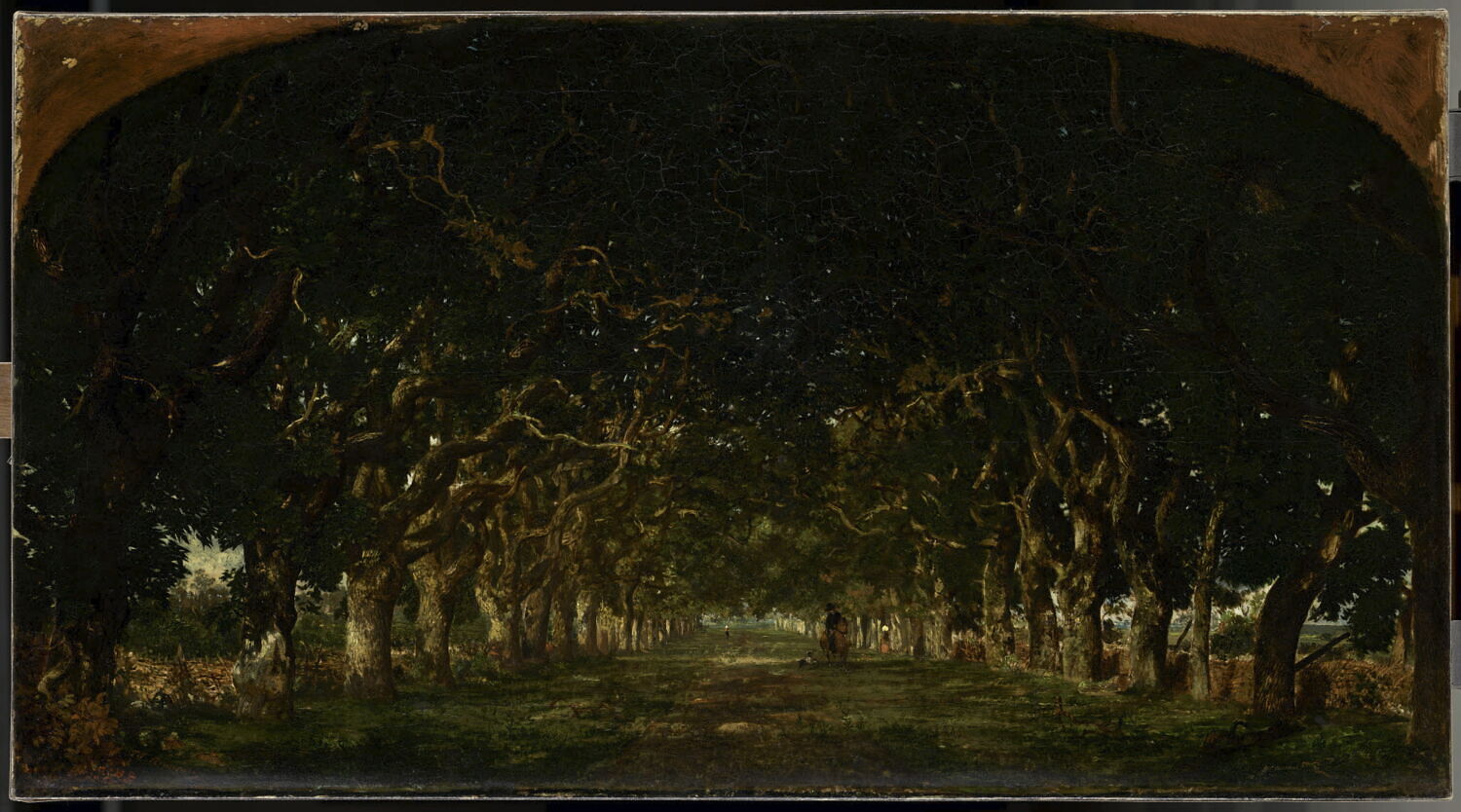
L'allée des châtaigniers, Rousseau, Théodore, 2e quart du XIXe siècle (1825 - 1850)

L'allée des châtaigniers

2e quart du XIXe siècle (1825 - 1850) · Museo del Louvre

Panoramic Landscape near the River Moselle, Théodore Rousseau, c. 1830

Panoramic Landscape near the River Moselle

c. 1830 · Galería Nacional de Arte

Paysage (Auvergne?), Rousseau, Théodore, 2e quart du XIXe siècle (vers 1830)

Paysage (Auvergne?)

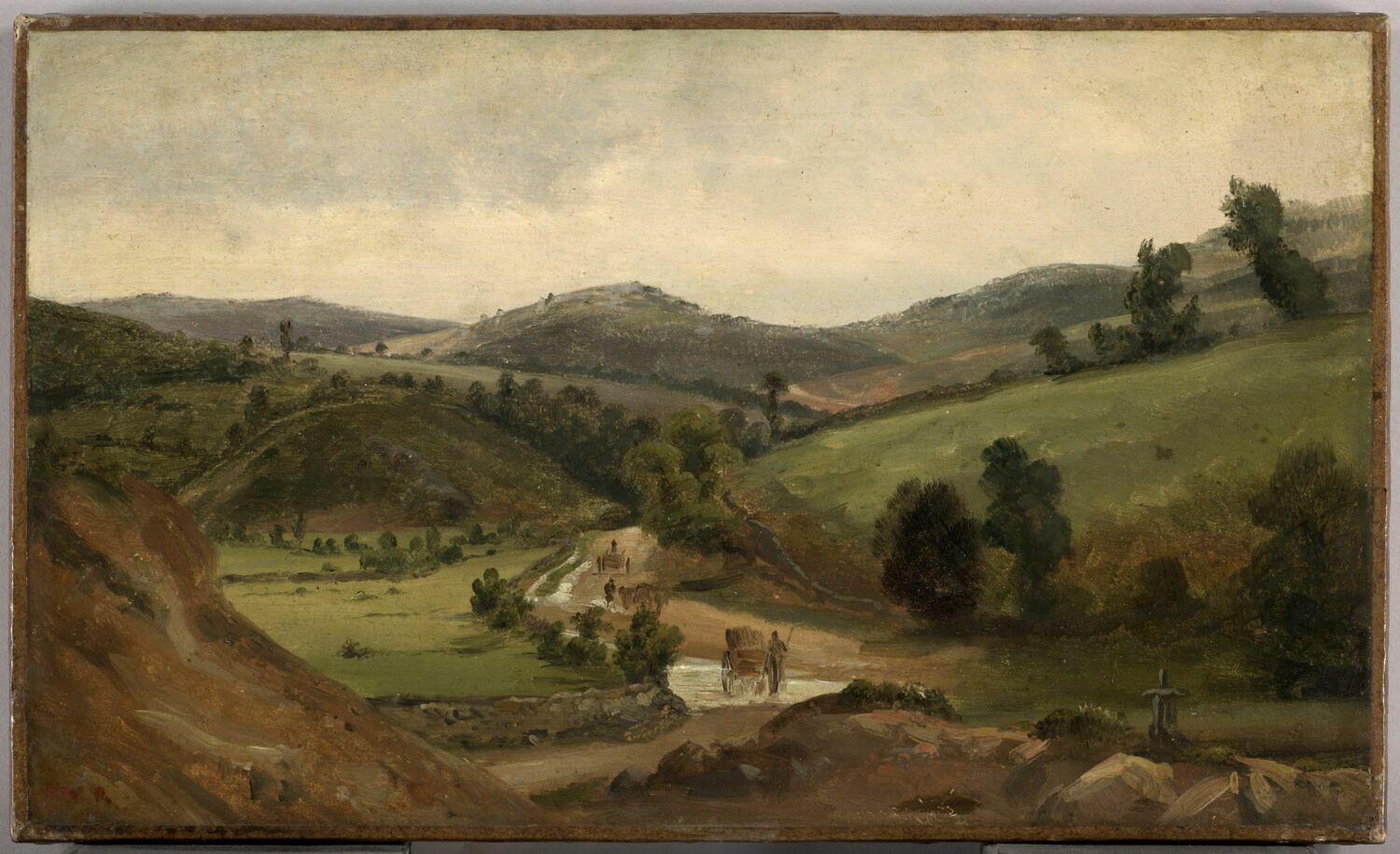
2e quart du XIXe siècle (vers 1830) · Museo del Louvre

A River in a Meadow, Théodore Rousseau, ca. 1840

A River in a Meadow

ca. 1840 · Museo Metropolitano de Arte

Village sous les arbres, Rousseau, Théodore, Milieu du XIXe siècle (1840 - 1860)

Village sous les arbres

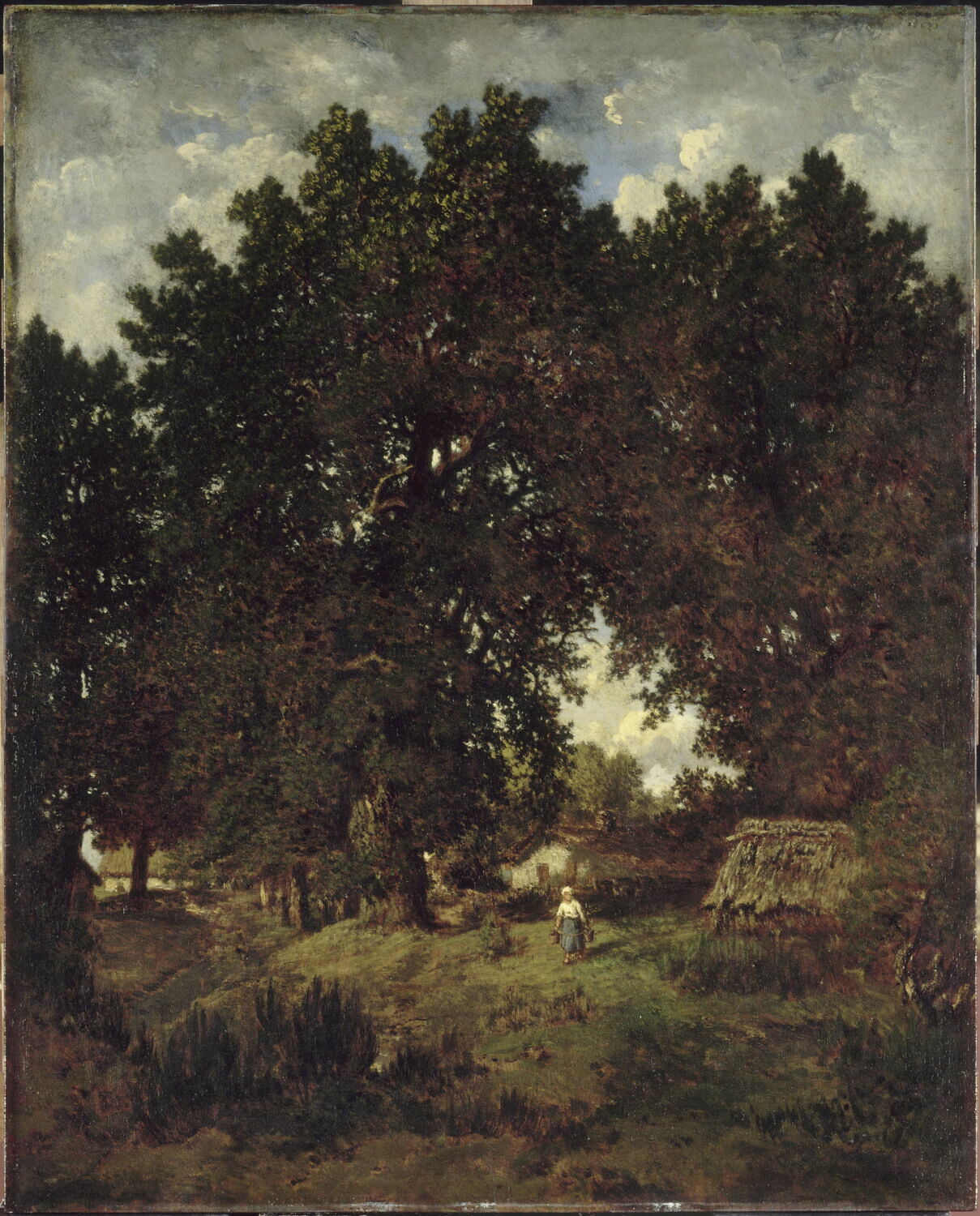
Milieu du XIXe siècle (1840 - 1860) · Museo del Louvre

La plaine en avant des Pyrénées, Rousseau, Théodore, 2e quart du XIXe siècle (1844)

La plaine en avant des Pyrénées

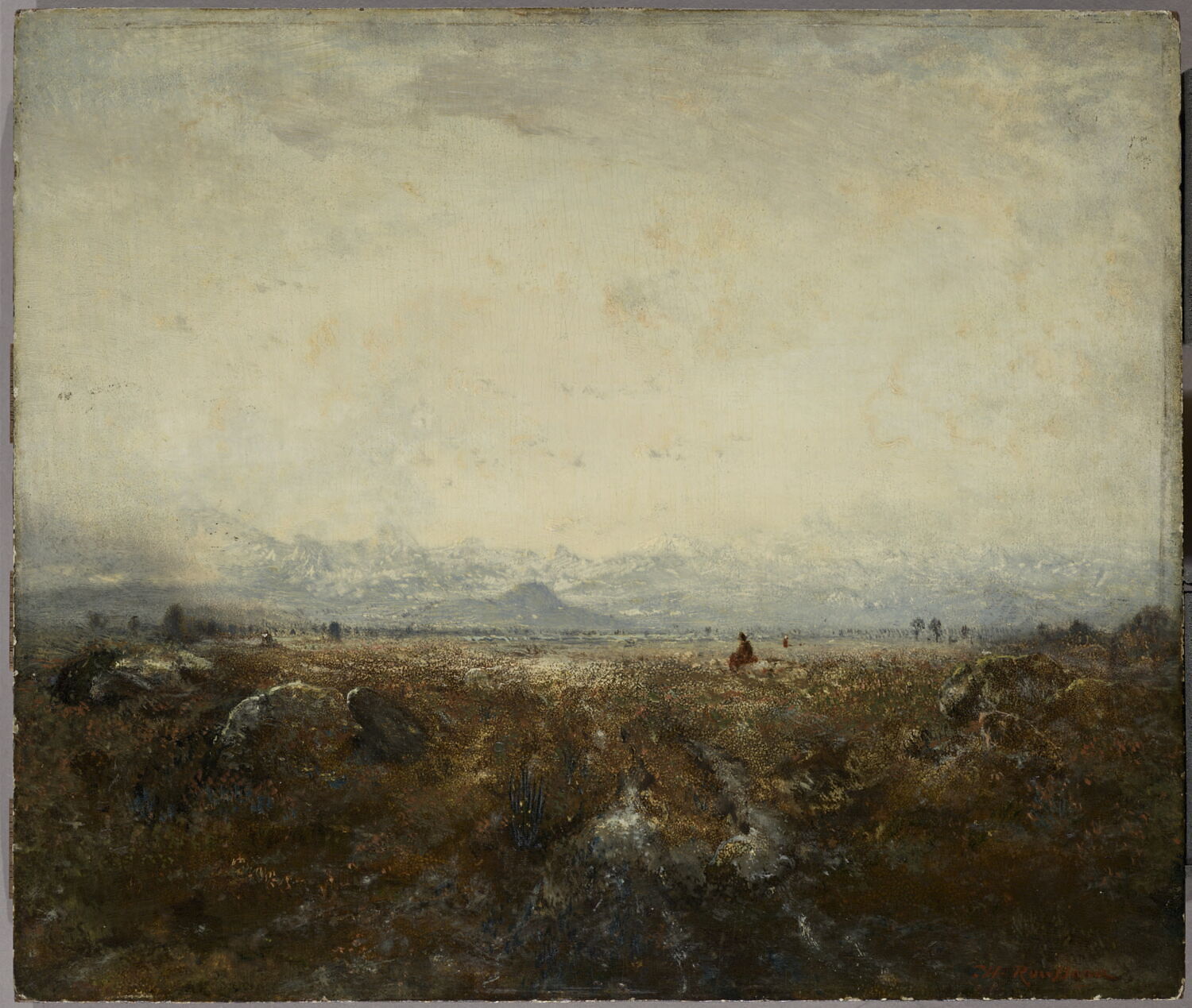
2e quart du XIXe siècle (1844) · Museo del Louvre

A River Landscape, Théodore Rousseau, ca. 1845–50

A River Landscape

ca. 1845–50 · Museo Metropolitano de Arte

Bajo el mismo techo: Museo del Louvre

Página del museo
Portrait of Marten Soolmans, Rembrandt van Rijn, 1634

Rembrandt van Rijn

Portrait of Marten Soolmans, 1634

Portrait of Oopjen Coppit, Rembrandt van Rijn, 1634

Rembrandt van Rijn

Portrait of Oopjen Coppit, 1634

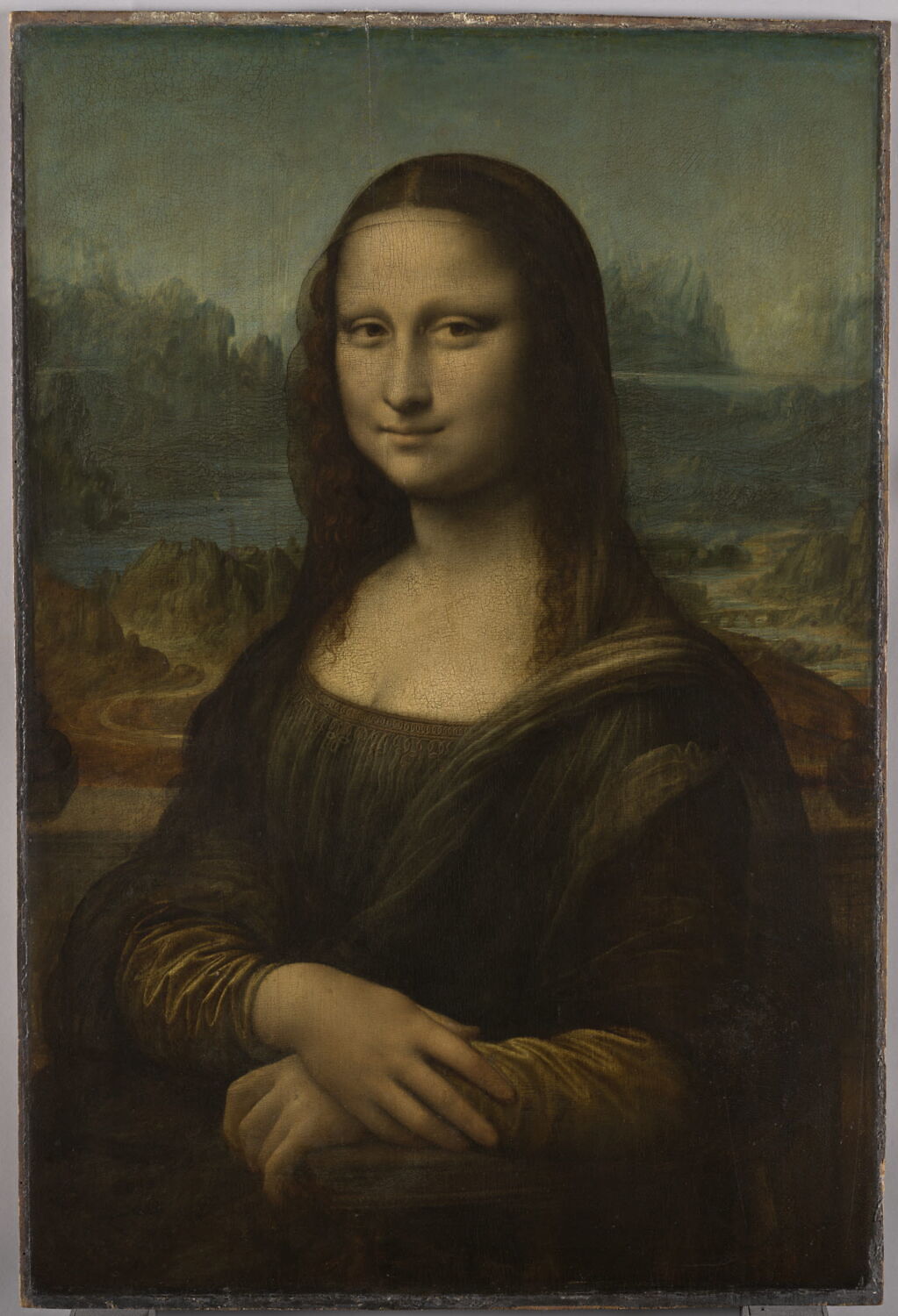
Portrait de Lisa Gherardini, épouse de Francesco del Giocondo, dit La Joconde ou Monna Lisa, Léonard de Vinci, 1e quart du XVIe siècle (1503 - 1519)

Leonardo da Vinci

La Gioconda, 1e quart du XVIe siècle (1503 - 1519)

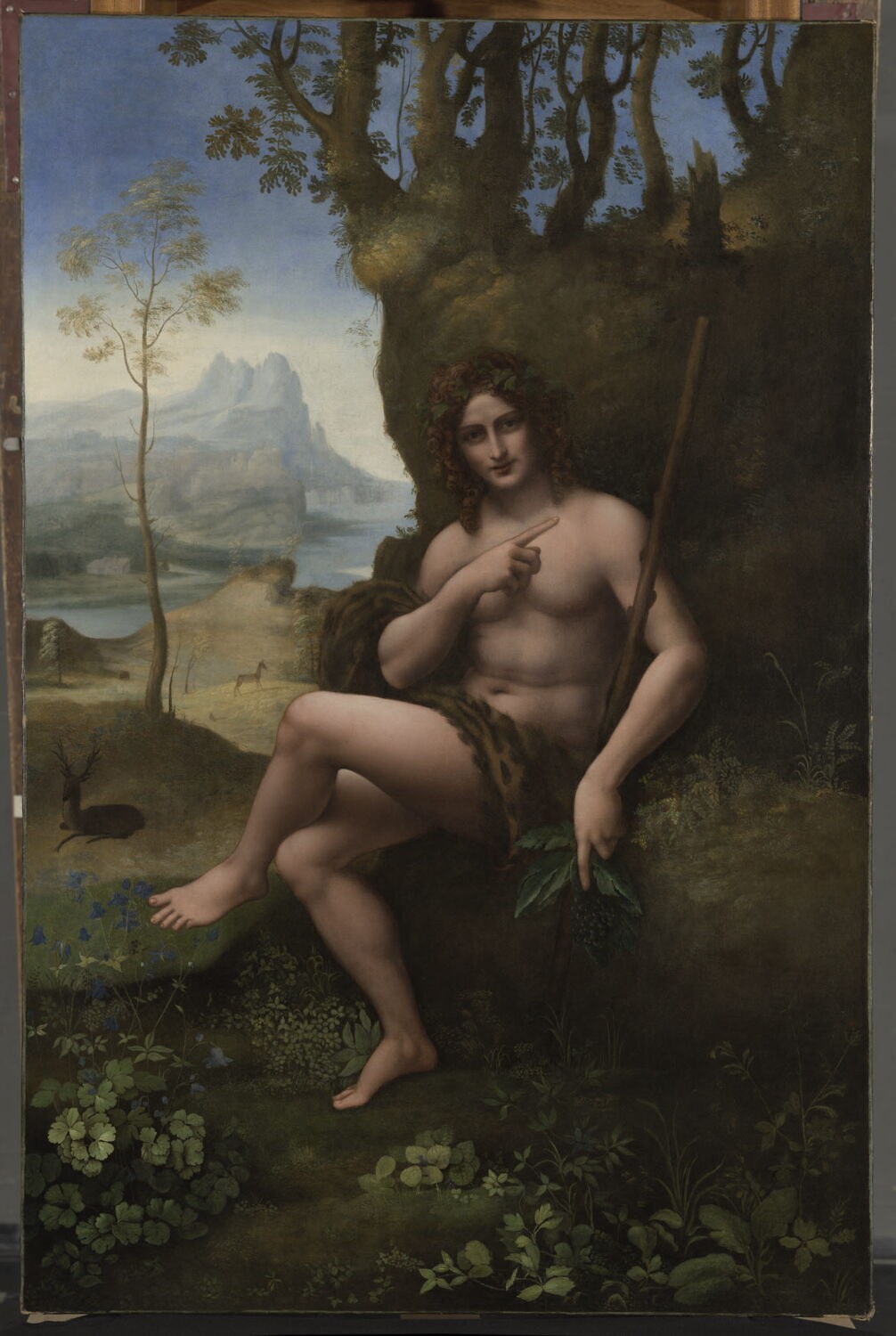
Saint Jean Baptiste, Léonard de Vinci, 1e quart du XVIe siècle (vers 1517 - 1520)

Leonardo da Vinci

Baco, 1e quart du XVIe siècle (vers 1517 - 1520)

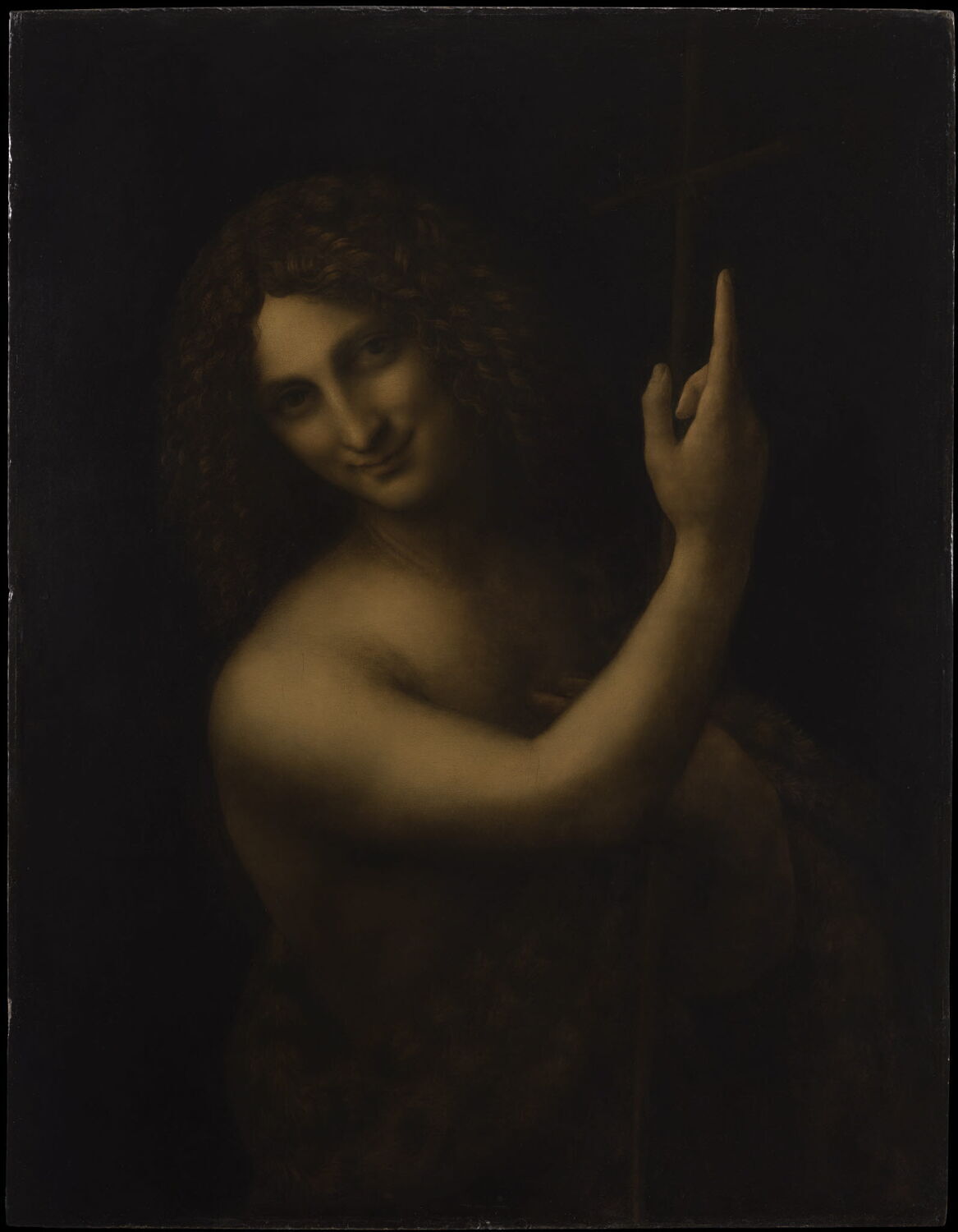
Saint Jean Baptiste, Léonard de Vinci, 1e quart du XVIe siècle (vers 1508 - 1519)

Leonardo da Vinci

San Juan Bautista, 1e quart du XVIe siècle (vers 1508 - 1519)

La Vierge et l'Enfant Jésus, dite Vierge au dévidoir ou Vierge aux fuseaux, Léonard de Vinci, XVIe siècle (vers 1505 - 1520)

Leonardo da Vinci

La Vierge et l'Enfant Jésus, dite Vierge au dévidoir ou Vierge aux fuseaux, XVIe siècle (vers 1505 - 1520)

La Vierge, l'Enfant Jésus et sainte Anne, dit La Sainte Anne, Léonard de Vinci, 1e quart du XVIe siècle (vers 1503 - 1519)

Leonardo da Vinci

La Virgen, el Niño Jesús y Santa Ana, 1e quart du XVIe siècle (vers 1503 - 1519)

La Vierge, l'Enfant Jésus, saint Jean Baptiste et un ange, dit La Vierge aux rochers, Léonard de Vinci, 4e quart du XVe siècle (vers 1483 - 1494)

Leonardo da Vinci

La Vierge, l'Enfant Jésus, saint Jean Baptiste et un ange, dit La Vierge aux rochers, 4e quart du XVe siècle (vers 1483 - 1494)