ART WIKI32.963 en sala
MapaColecciónArtistasMuseosExposicionesRevista
Acceder

ART WIKI

Dónde cuelga la obra maestra y cuándo le dejan pasar.

Colecciones: Galería Nacional de Arte, Galería Nacional de Dinamarca, Galería Nacional de Retratos, Galería Tretiakov, Harvard Art Museums, Instituto de Arte de Chicago, Instituto de Artes de Mineápolis, MoMA, Museo de Arte de Cleveland, Museo de Victoria y Alberto, Museo del Hermitage, Museo del Louvre, Museo Estatal Ruso, Museo Hirshhorn y Jardín de Esculturas, Museo J. Paul Getty, Museo Metropolitano de Arte, Museo Pushkin, Museo Smithsoniano de Arte Americano, Museo Whitney de Arte Estadounidense, National Museum of Asian Art, Rijksmuseum, Villa Getty, Catálogo Estatal del Fondo Museístico de Rusia (274 museos), Europeana (19 museos), Wikidata (6 museos), Paris Musées (12 museos) y Joconde, la base de museos del Ministerio de Cultura de Francia (495 museos). Las imágenes pertenecen a sus titulares de derechos.

Secciones

  • Mapa
  • Búsqueda
  • Colección
  • Obras maestras
  • Expuestas ahora
  • Artistas

Más

  • Museos y galerías
  • Exposiciones
  • Revista
  • De dónde salen los datos
  • Privacidad y cookies
InicioMapaCatálogo
  1. Colección/
  2. Museo Whitney de Arte Estadounidense/
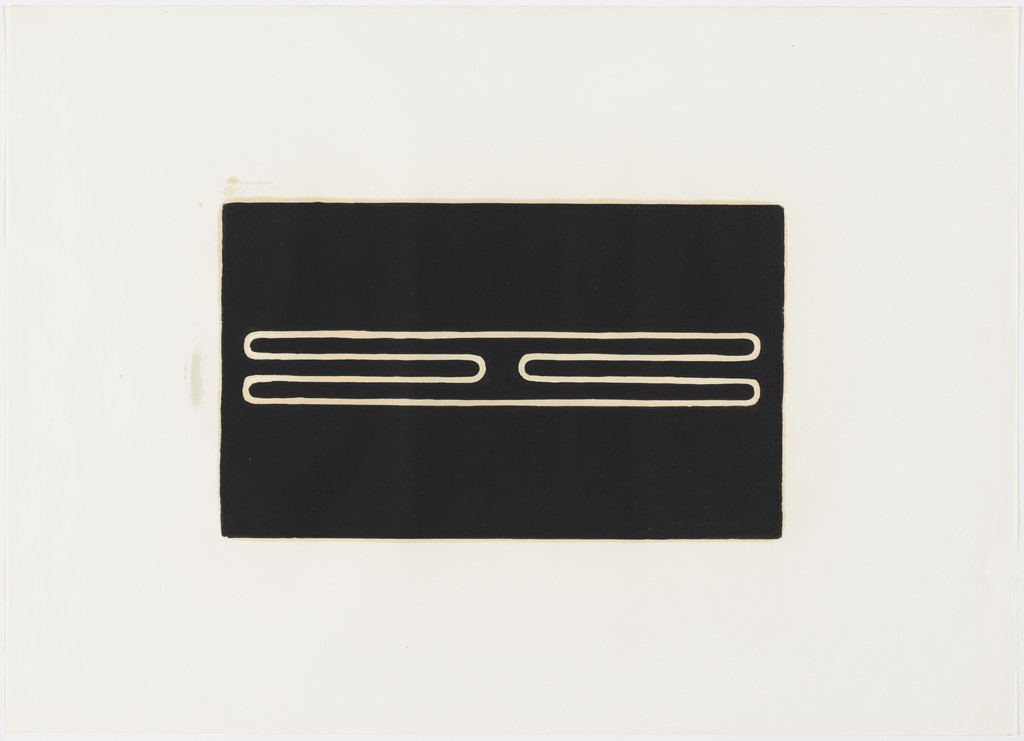
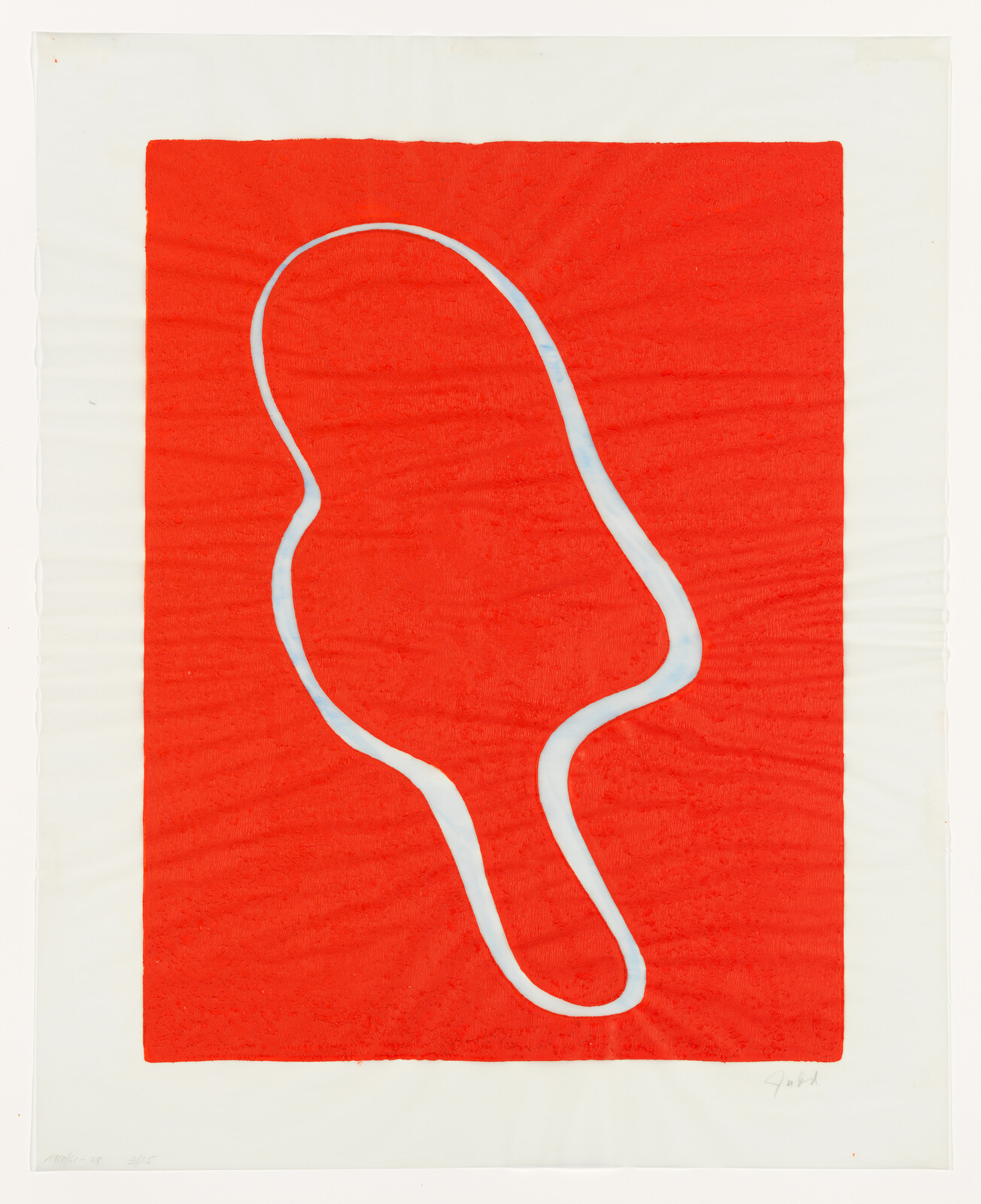
  3. Untitled (S.22)
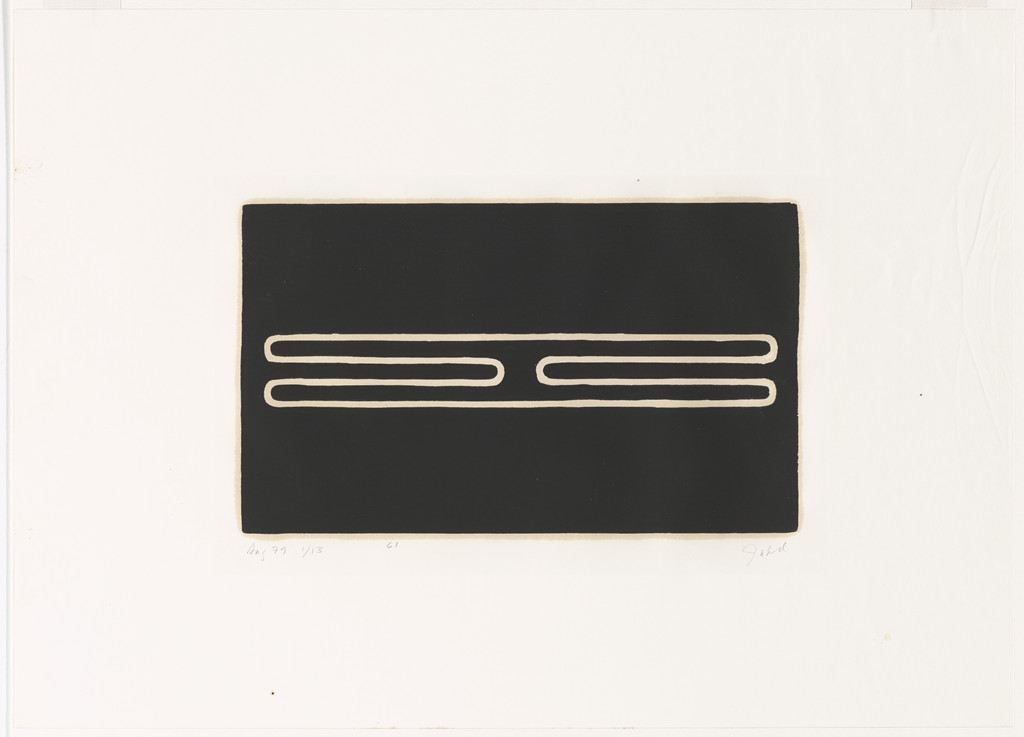
Untitled (S.22), Donald Judd, 1960–1961, printed 1978
DDonald JuddEstados Unidos, 1928–1994

Untitled (S.22)

1960–1961, printed 1978 · Print

¿Se puede contemplar?

Por ahora no recibe

Museo Whitney de Arte Estadounidense

Nueva York, Estados Unidos

Pertenece a la colección, pero ahora mismo no está expuesta.

Comprobado
hace 3 días
Fuente
El museo
En el mapaPágina del museo

Ficha

1960–1961, printed 1978
19281994
Número de inventario
98.41.2

En el catálogo

EstampasXilografíaArte de posguerraSiglo XX

Fuentes

  • Museo Whitney de Arte Estadounidense
  • Imagen: Museo Whitney de Arte Estadounidense — © the artist or rights holder

Mientras tanto, en la vida de Donald Judd

La vida entera
  1. 1963

    Solo show at the Green Gallery

    Judd’s next solo show after 1957 opens at the Green Gallery in 1963: he shows works he at last thought worthy of showing. By then he has established an essential vocabulary of forms — “stacks”, “boxes” and “progressions” — which will preoccupy him for the next thirty years.

  2. 1964

    Writes the essay “Specific Objects”

    Moving from painting to three-dimensional work, Judd writes the essay “Specific Objects” in 1964 (published in 1965 in Arts Yearbook 8): it finds a starting point for a new territory in American art and rejects inherited European values — illusion and represented space — in favour of real space. Among the examples he cites are Westermann, Samaras, Chamberlain, Jasper Johns, Dan Flavin, Ortman and Bontecou. He refuses to call his own works, made by small fabricators using industrial processes rather than sculpted, sculpture.

  3. 1964

    Begins delegating fabrication to manufacturers

    While Judd made his early works himself, in collaboration with his father, Roy Judd, in 1964 he begins to delegate fabrication, working from his drawings, to professional artisans and industrial manufacturers such as Bernstein Brothers.

  4. 1966

    “Primary Structures” at the Jewish Museum

    Judd shows two pieces at the seminal exhibition “Primary Structures” at the Jewish Museum in New York. In the panel discussion he challenges Mark di Suvero’s claim that real artists make their own art: the method should not matter as long as the result is art.

  5. 1971

    Rents a house in Marfa, Texas

    In 1971 Judd rents a house in Marfa, Texas; he will later buy numerous buildings there and acquire more than 32,000 acres (130 km²) of ranch land, together known as Ayala de Chinati.

  6. 1979

    Buys desert land with the former Fort D. A. Russell

    In 1979, with the help of the Dia Art Foundation, Judd buys a 340-acre (1.4 km²) tract of desert near Marfa that includes the abandoned buildings of the former U.S. Army Fort D. A. Russell; here the “Marfa Project”, now the Chinati Foundation, will take shape.
Más obras de Donald Judd

Todas las obras
Untitled, Donald Judd, 1968

Untitled

1968 · MoMA

Untitled, Donald Judd, 1960, printed 1977

Untitled

1960, printed 1977 · No expuesta · MoMA

Untitled, Donald Judd, 1960–78

Untitled

1960–78 · No expuesta · MoMA

Untitled, Donald Judd, 1961, printed 1979

Untitled

1961, printed 1979 · No expuesta · MoMA

Untitled, Donald Judd, 1961, printed 1979

Untitled

1961, printed 1979 · No expuesta · MoMA

Untitled (7-L), Donald Judd, 1961–69

Untitled (7-L)

1961–69 · No expuesta · MoMA

Untitled (11-L), Donald Judd, 1961–69

Untitled (11-L)

1961–69 · No expuesta · MoMA

Untitled, Donald Judd, 1961

Untitled

1961 · No expuesta · MoMA

Bajo el mismo techo: Museo Whitney de Arte Estadounidense

Página del museo
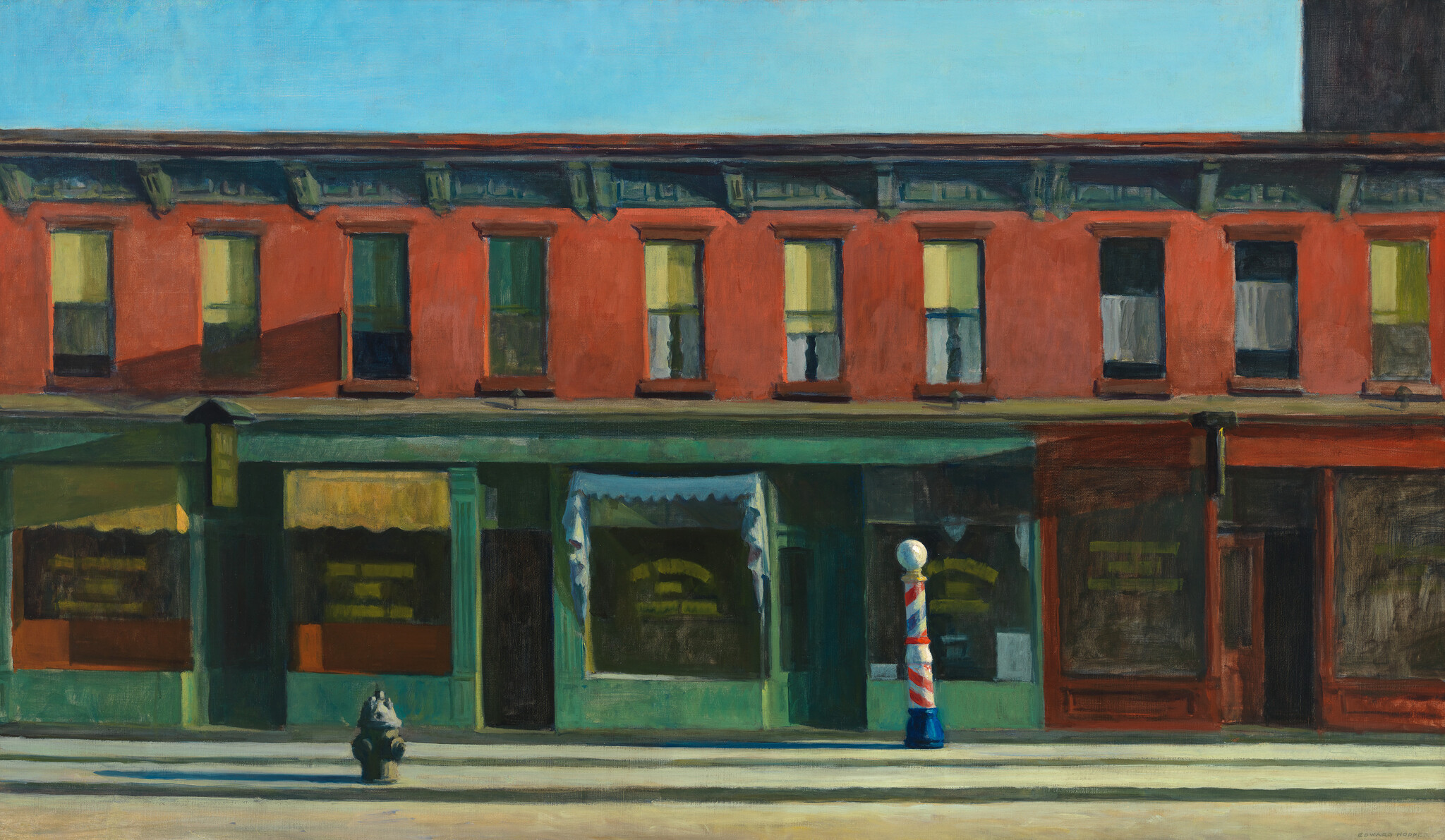
Early Sunday Morning, Edward Hopper, 1930

Edward Hopper

Domingo por la mañana, 1930

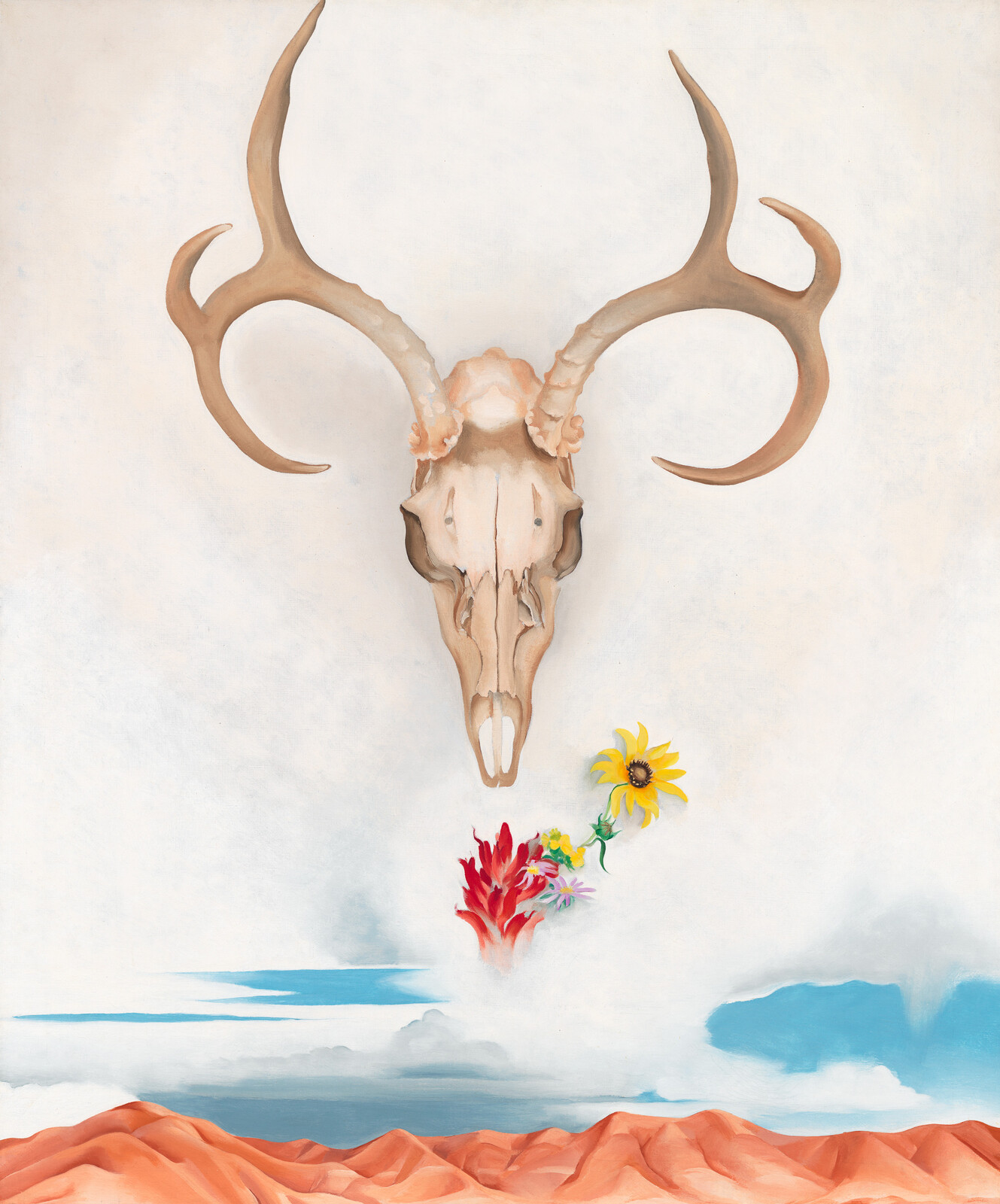
Summer Days, Georgia O'Keeffe, 1936

Georgia O'Keeffe

Summer Days, 1936

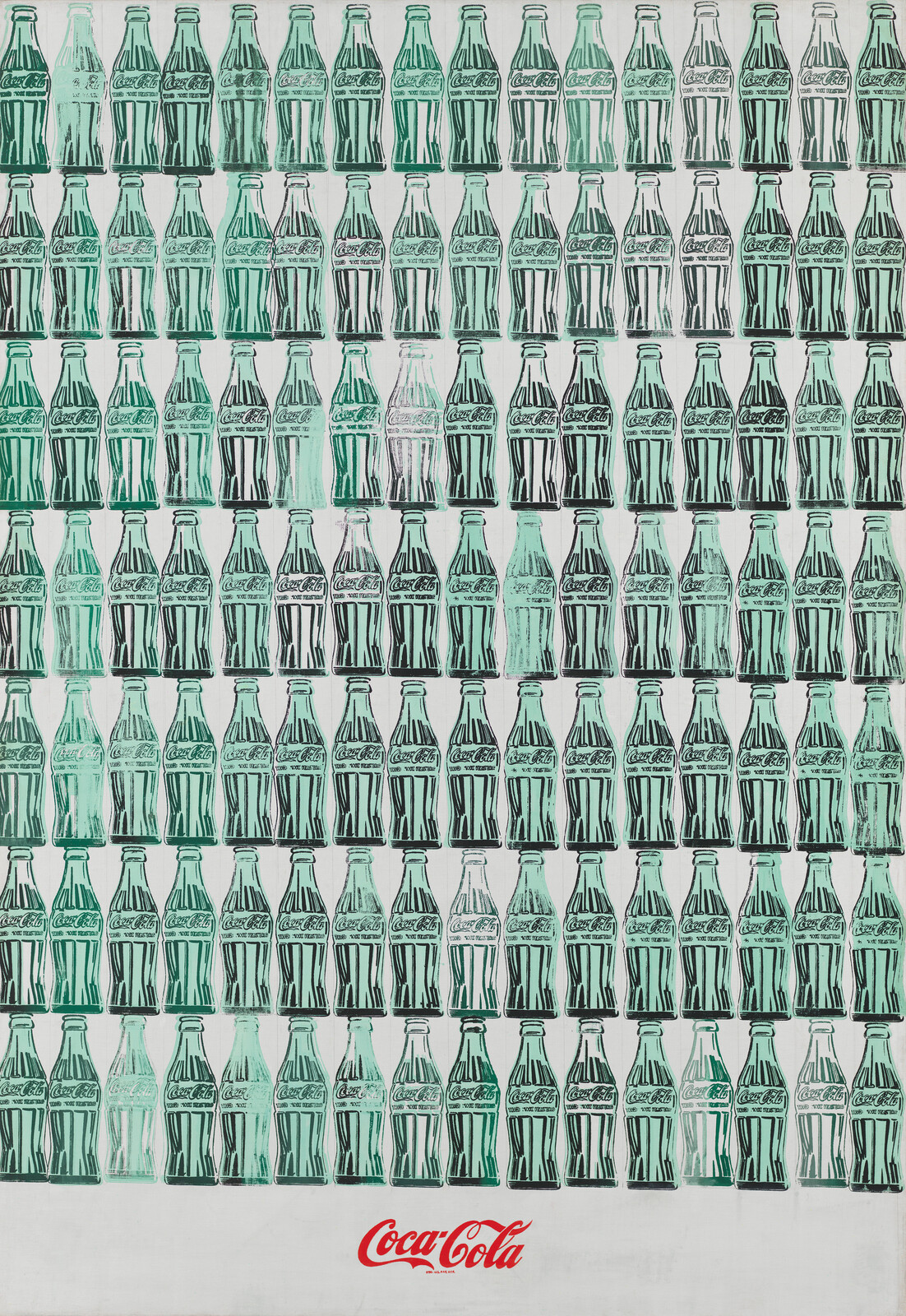
Green Coca-Cola Bottles, Andy Warhol, 1962

Andy Warhol

Green Coca-Cola Bottles, 1962

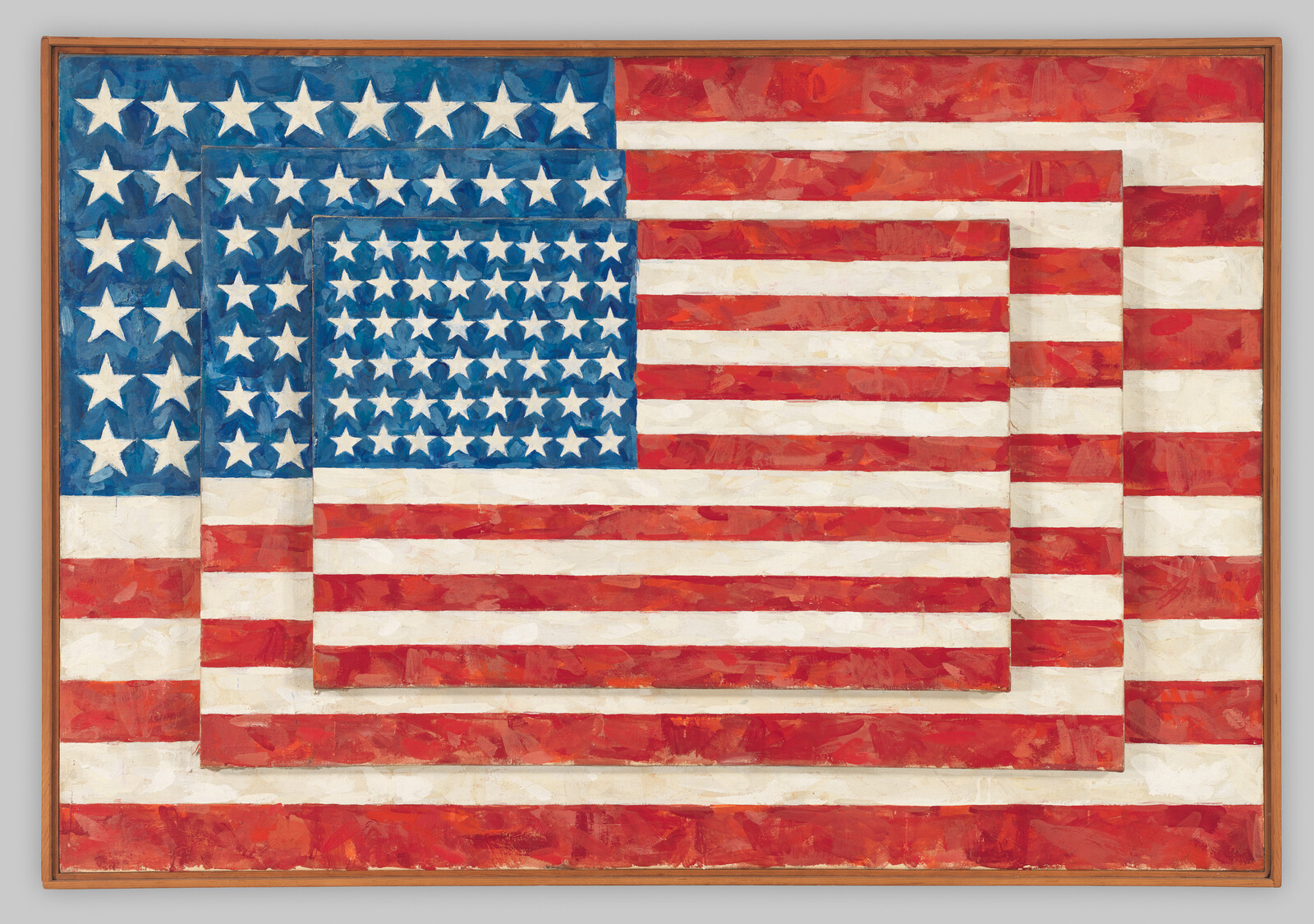
Three Flags, Jasper Johns, 1958

Jasper Johns

Three Flags, 1958

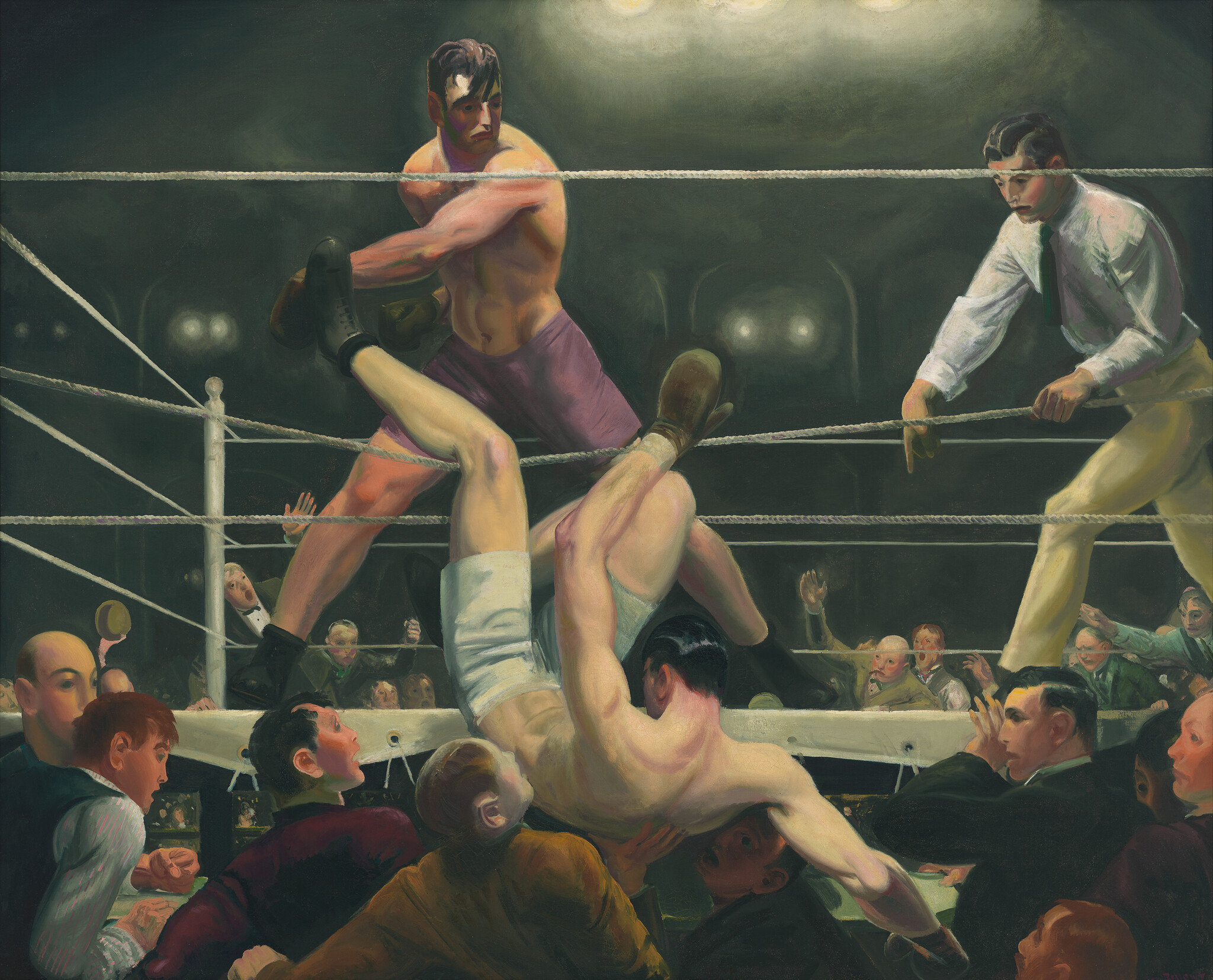
Dempsey and Firpo, George Bellows, 1924

George Bellows

Dempsey and Firpo, 1924

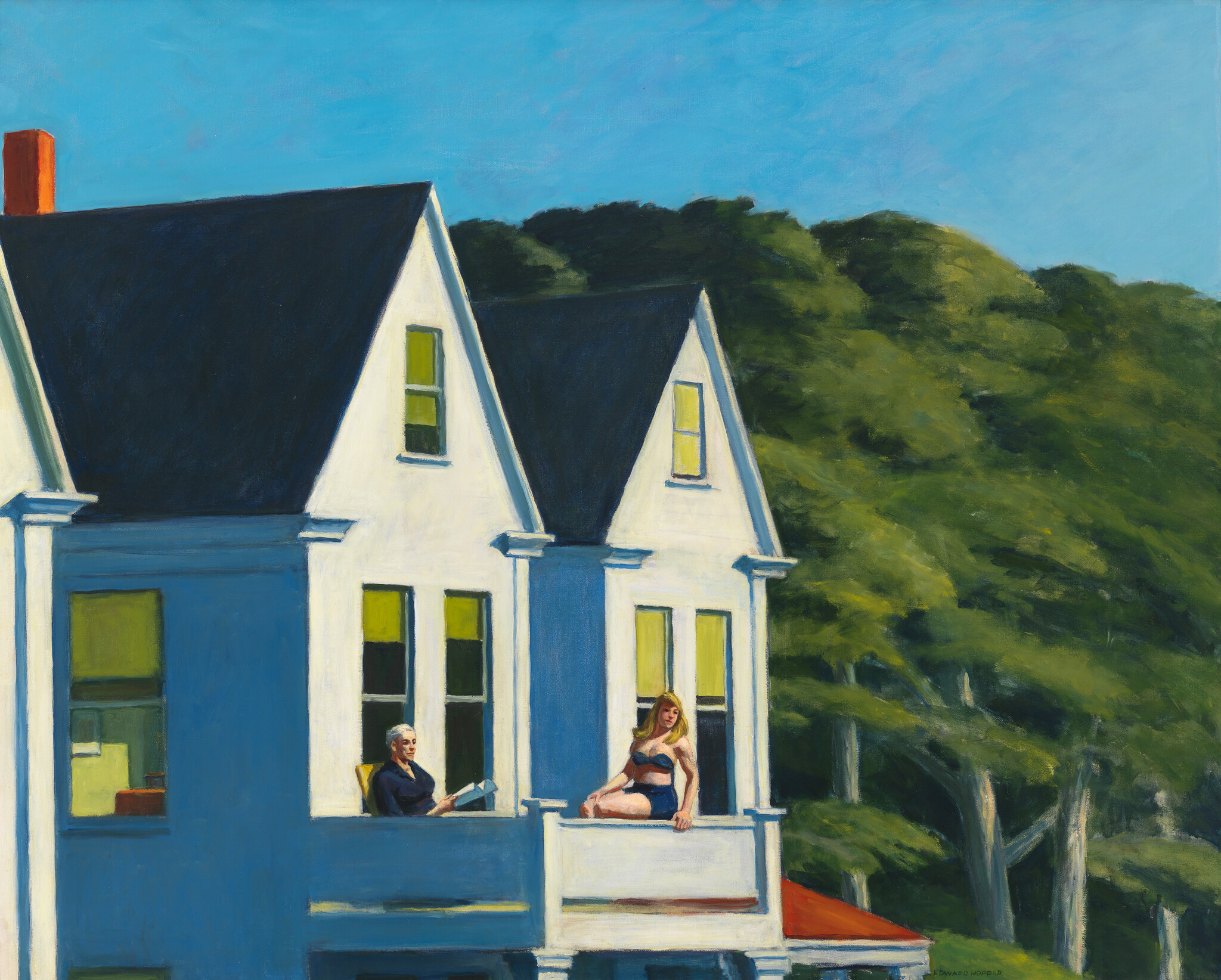
Second Story Sunlight, Edward Hopper, 1960

Edward Hopper

Second Story Sunlight, 1960

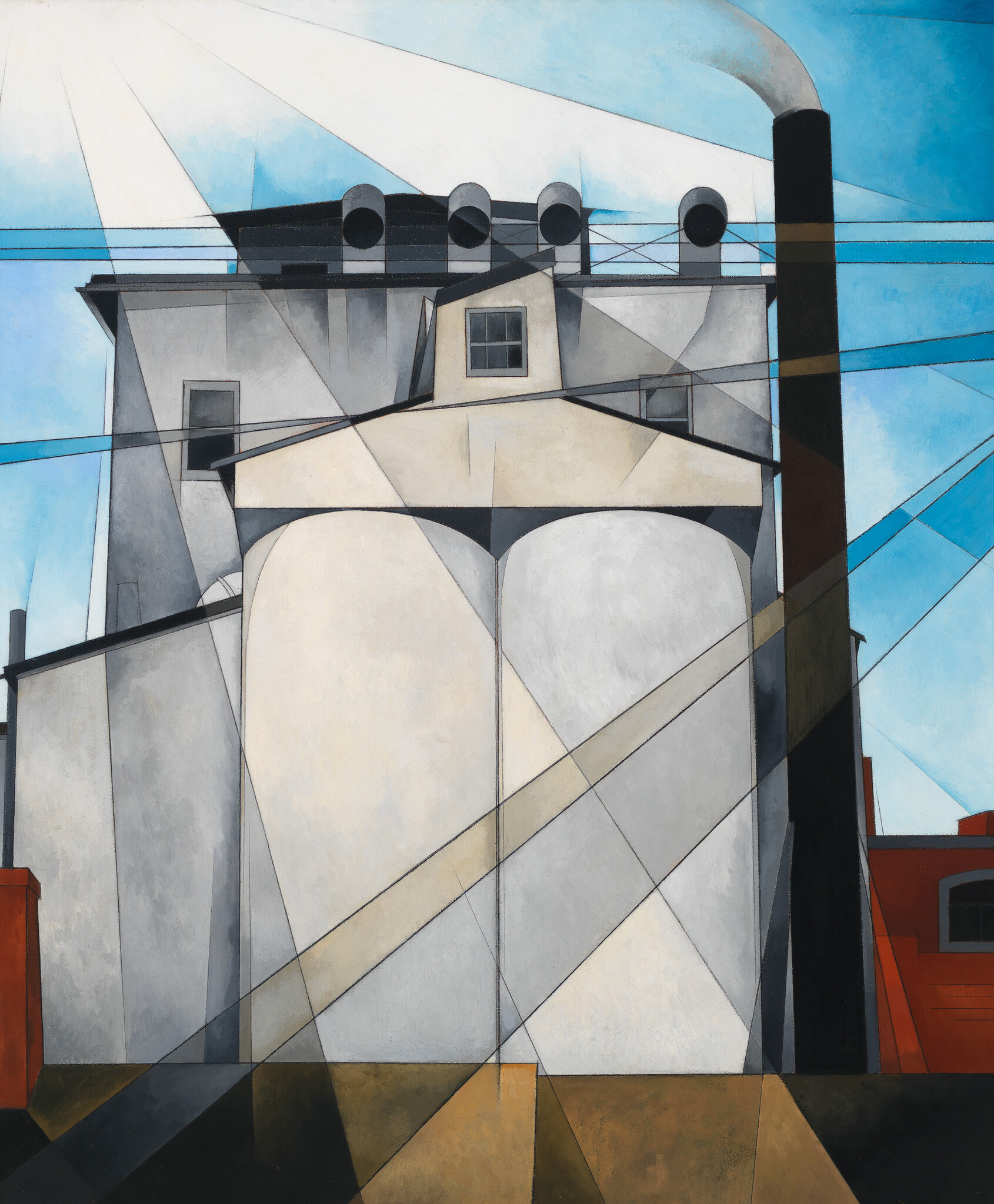
My Egypt, Charles Demuth, 1927

Charles Demuth

My Egypt, 1927

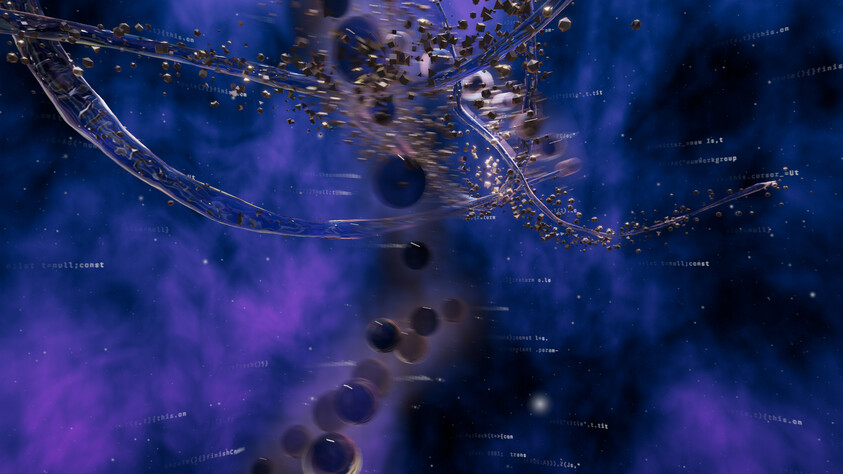
The Thinking Ocean, Memo Akten & Katie Hofstadter, 2026

Memo Akten & Katie Hofstadter

The Thinking Ocean, 2026