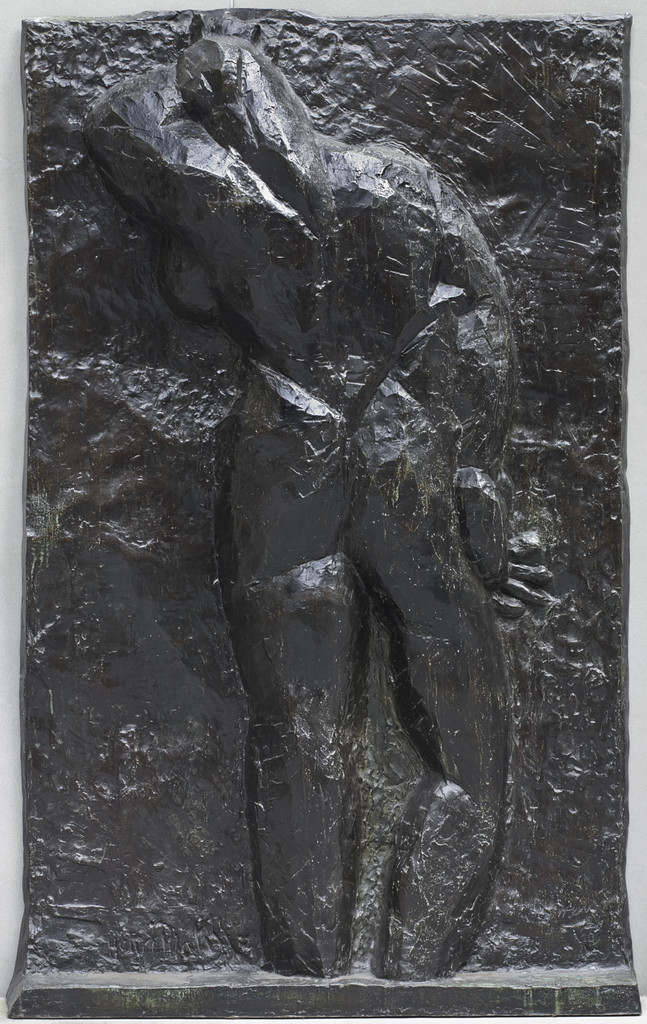
 Henri MatisseFrancia, 1869–1954
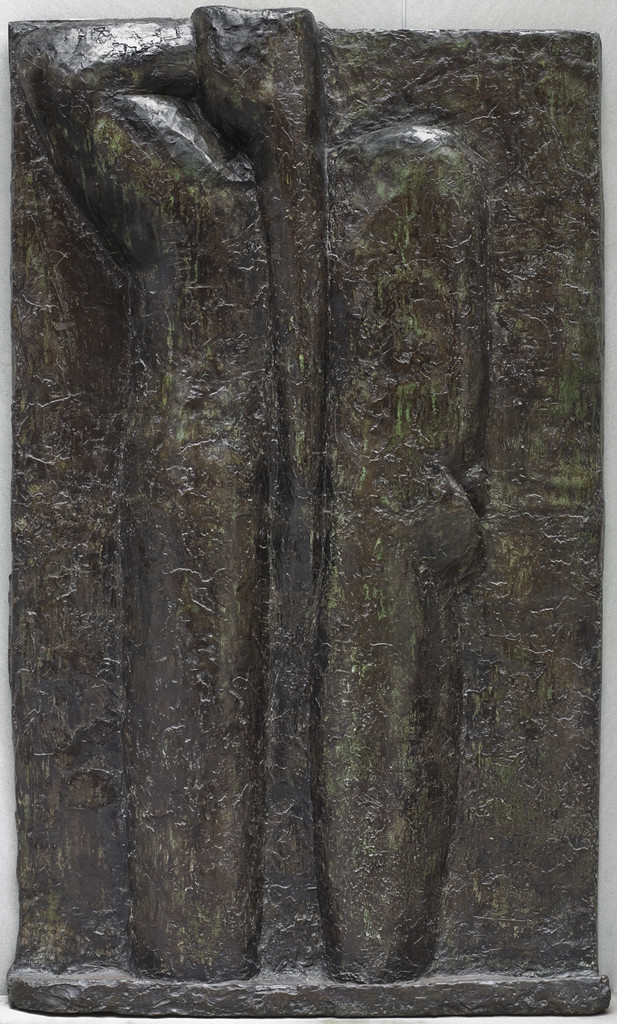
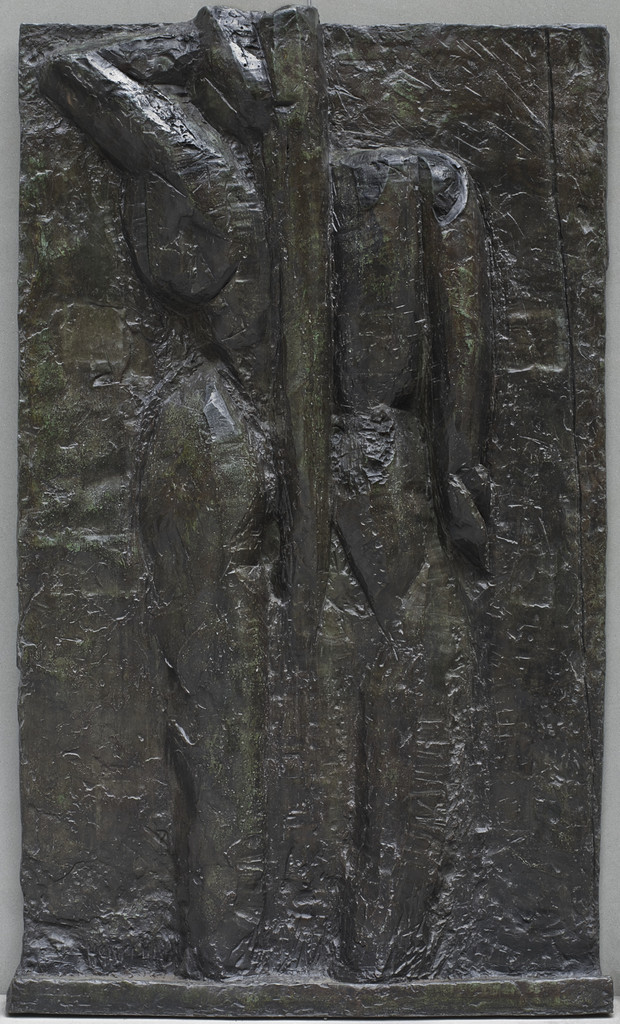
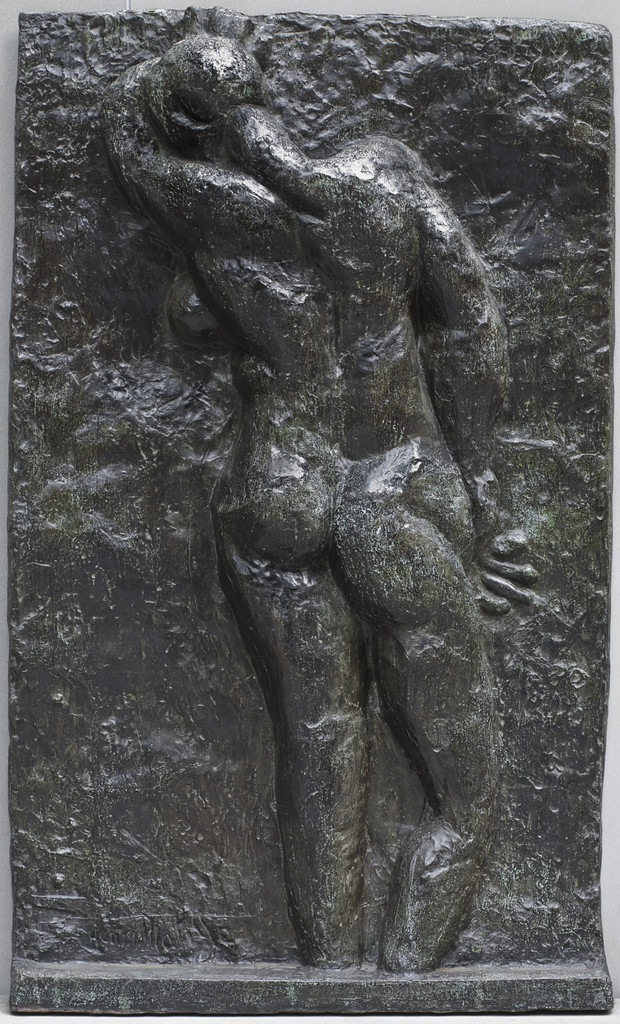
The Back (II)
¿Se puede contemplar?
Sí, recibe visitas

Expuesta al público.
- Comprobado
- Fuente
- El museo
Ficha
- Número de inventario
- 240.1956
En el catálogo
Fuentes
- MoMA
- Imagen: MoMA — © the artist or rights holder
Mientras tanto, en la vida de Henri Matisse
La vida entera1908
Opening of the Académie Matisse
With the support of the Steins, Hans Purrmann, and other patrons, Matisse founded a private, non-commercial painting school, where he taught from January 1908 to 1911. About 100 students studied at the academy during that time.
1910
Trip to Seville
In October 1910 Matisse left for Spain; in a Seville hotel room he painted "Seville Still Life" and "Spanish Still Life."
1911
Visit to Russia
In connection with the installation of the panels, Matisse visited Saint Petersburg and Moscow at Shchukin's invitation and was given an enthusiastic reception. The artist admired ancient Russian icons: "Now that is great art."
1912
First Exhibition in the United States
Matisse's first American exhibition was held in New York, organized by Alfred Stieglitz at Gallery 291.
1912–1913
Seven Months in Morocco
Matisse spent about seven months in Morocco, producing roughly 24 paintings and numerous drawings. His Orientalist motifs — odalisques and goldfish in aquariums — date from this period.
1913
Armory Show: A Storm of Indignation
Several of Matisse's paintings were included in the Armory Show in New York and provoked a storm of indignation among the conservative American public. Nevertheless, his works continued to be exhibited in the United States until 1926.