 Le CorbusierSuiza, 1887–1965
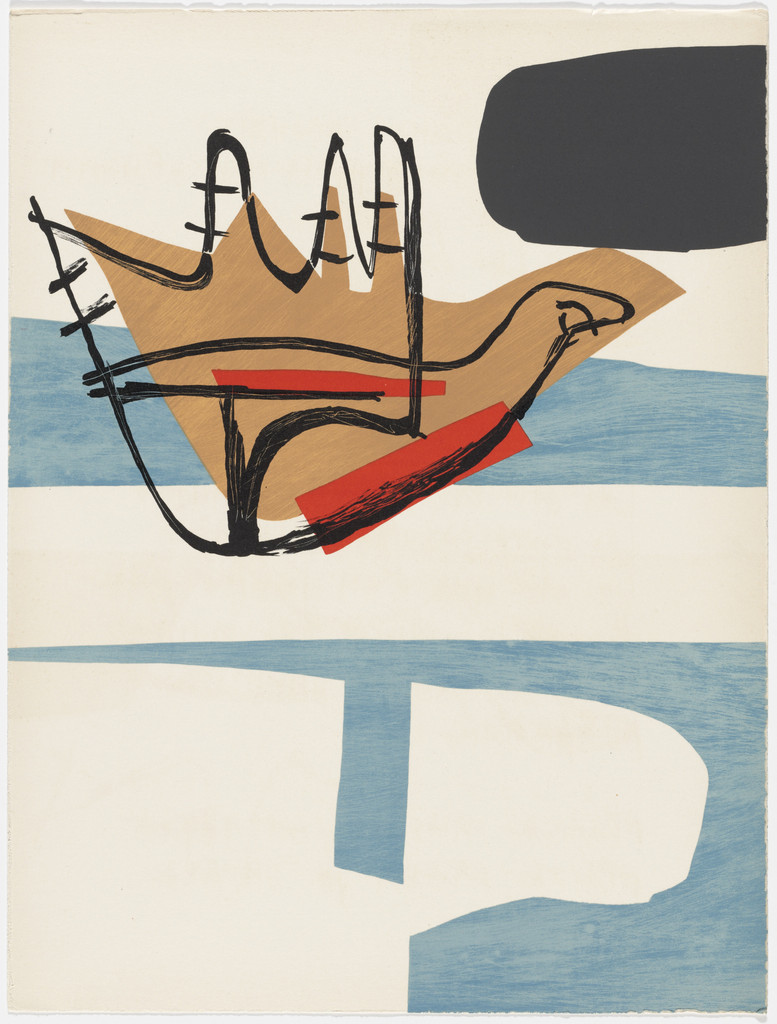
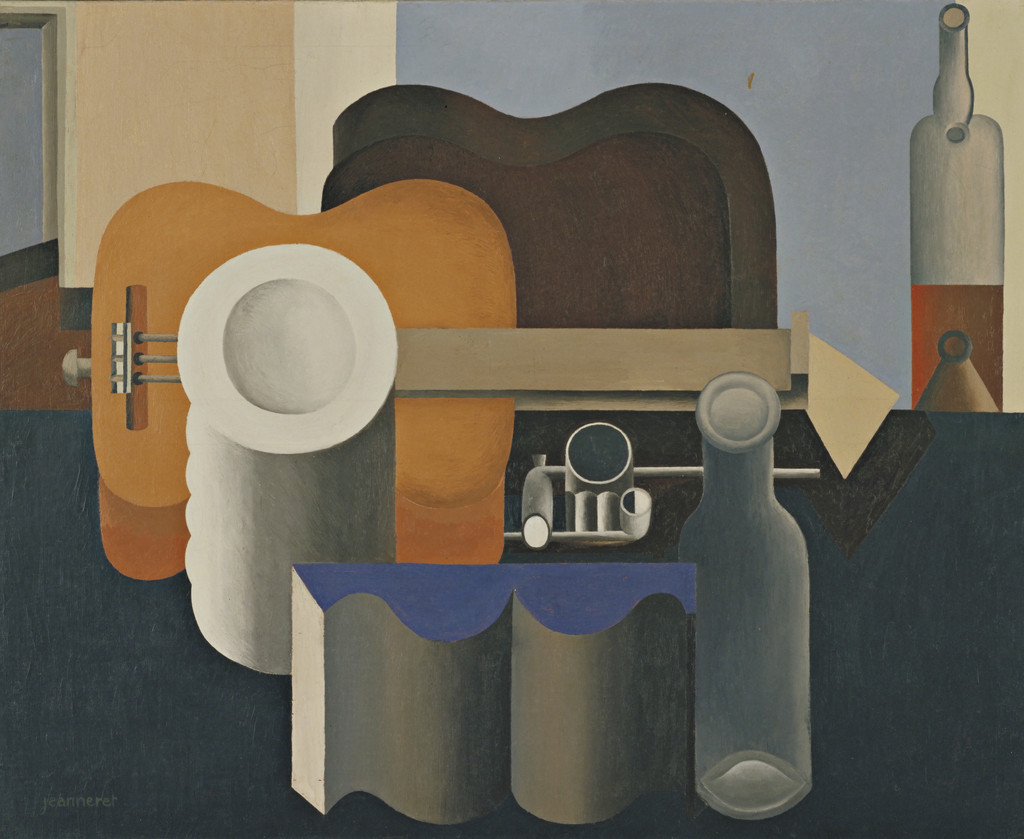
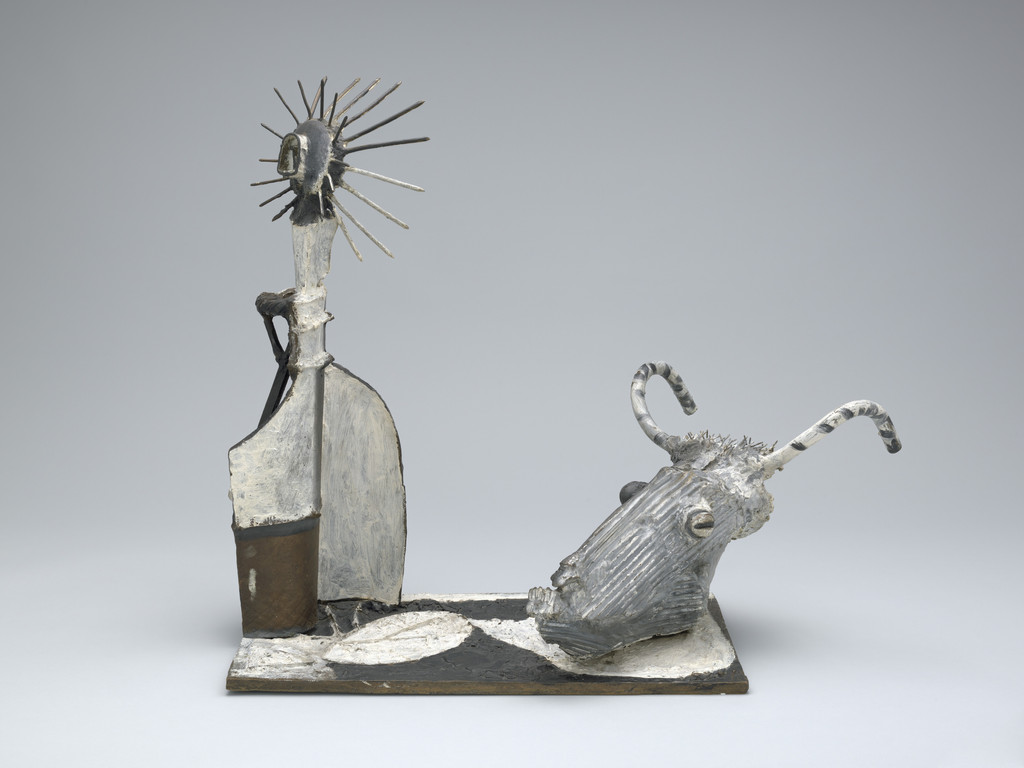
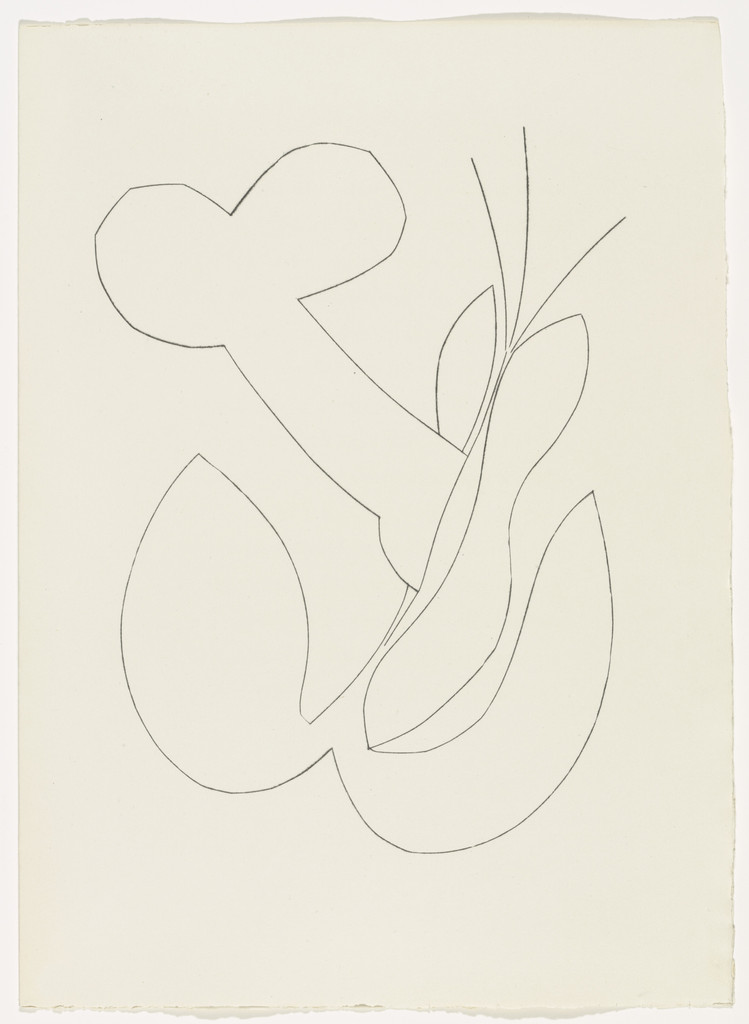
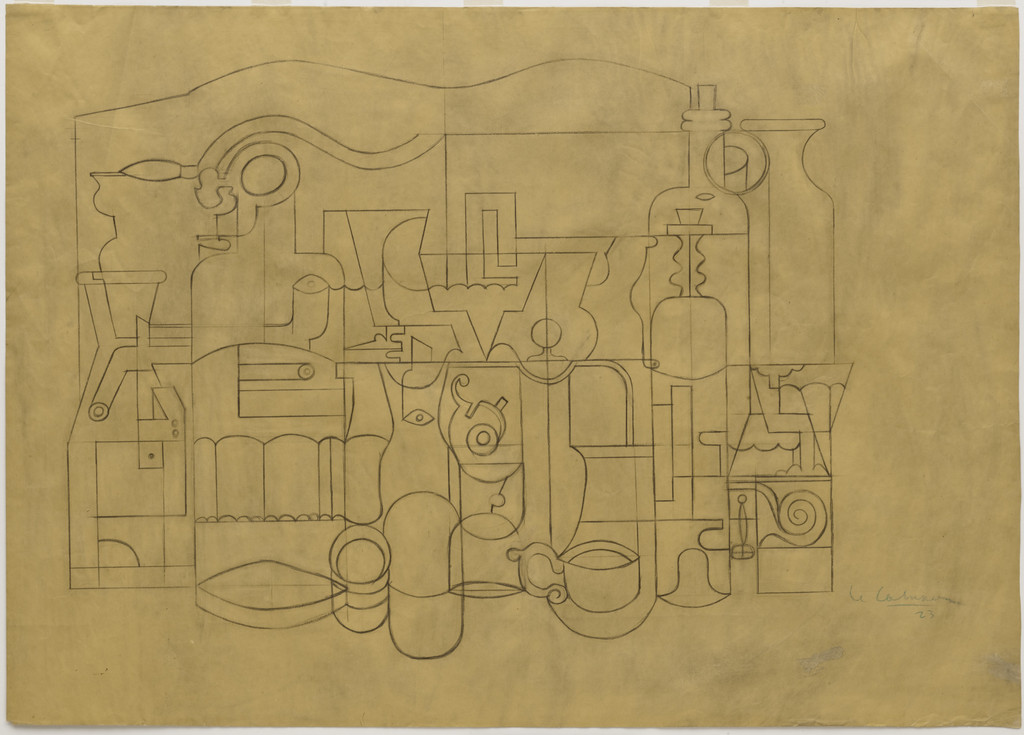
Still Life with Objects
¿Puedo verla?
No expuesta por ahora
¿Dónde está «Still Life with Objects» hoy? Colección: MoMA, Nueva York. No expuesta por ahora. Comprobado 17 de noviembre de 2026.

Nueva York, Estados Unidos
Pertenece a la colección, pero ahora mismo no está expuesta.
- Comprobado
- Fuente
- El museo
Ficha
- Número de inventario
- 303.1989
En el catálogo
Fuentes
- MoMA
- Imagen: MoMA — © the artist or rights holder
En la vida de Le Corbusier
La vida entera1922
Opens his own office with his cousin Pierre Jeanneret
Le Corbusier opened his own architectural office in Paris and took on his cousin Pierre Jeanneret, who became his permanent partner.
1922
The Ville Contemporaine at the Salon d'Automne
At the Paris Salon d'Automne Le Corbusier presented his plan for the Ville Contemporaine, a city for three million people: identical towers among lower zigzag blocks and a large park. An imaginary city in an imaginary place, it did not attract the attention he had hoped for.
1923
Publishes Towards an Architecture
Le Corbusier gathered his articles from L'Esprit Nouveau into his first and most influential book. It carried his famous maxim “A house is a machine to live in”, and its cover showed not a building but the promenade deck of an ocean liner.
1925
The Esprit Nouveau Pavilion at the 1925 Exposition
For the International Exhibition of Decorative Arts in Paris, Le Corbusier, with Ozenfant and Pierre Jeanneret, built a pavilion: a white “cell” of a future apartment block, with a tree growing through the roof. The furious organisers screened it with a fence, removed only on the order of the Ministry of Fine Arts, and critics ridiculed it.
1925
The Plan Voisin: to raze central Paris
The pavilion displayed a model of the Plan Voisin: bulldoze much of central Paris north of the Seine and replace it with cruciform towers set in parkland. French politicians and industrialists met it with criticism and scorn.
1925
Meets Konstantin Melnikov
At the 1925 Exposition Le Corbusier met the Russian architect Konstantin Melnikov and admired his Constructivist USSR pavilion, the only truly modernist building there besides his own.