 László Moholy-NagyEstados Unidos, 1895–1946
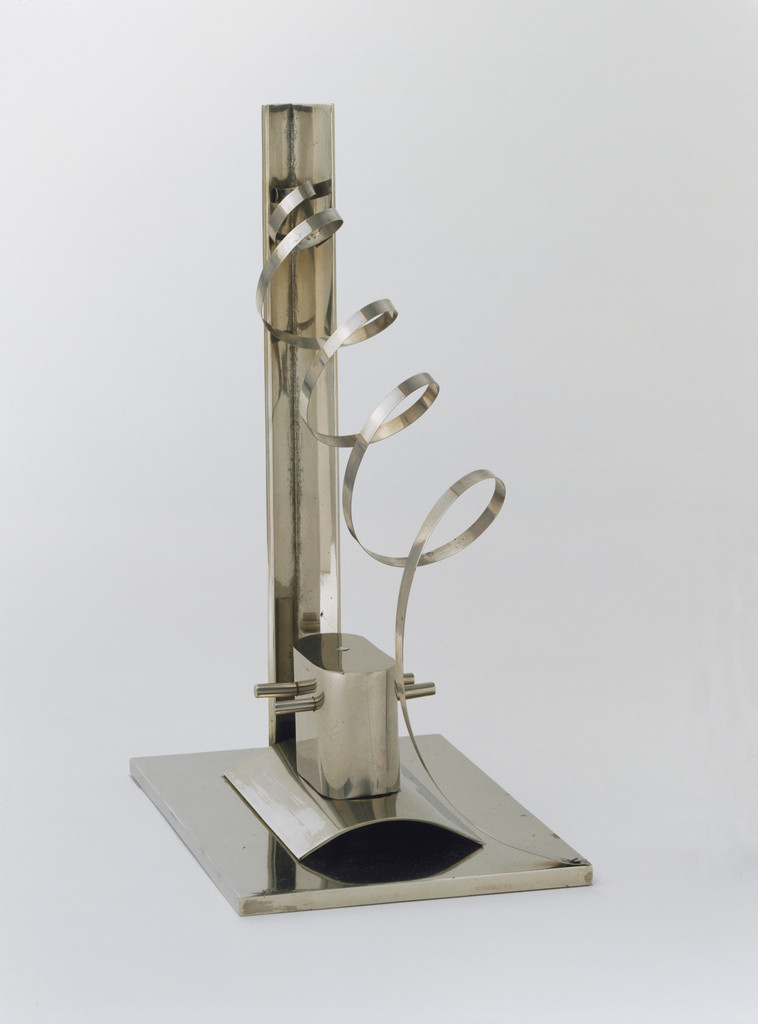
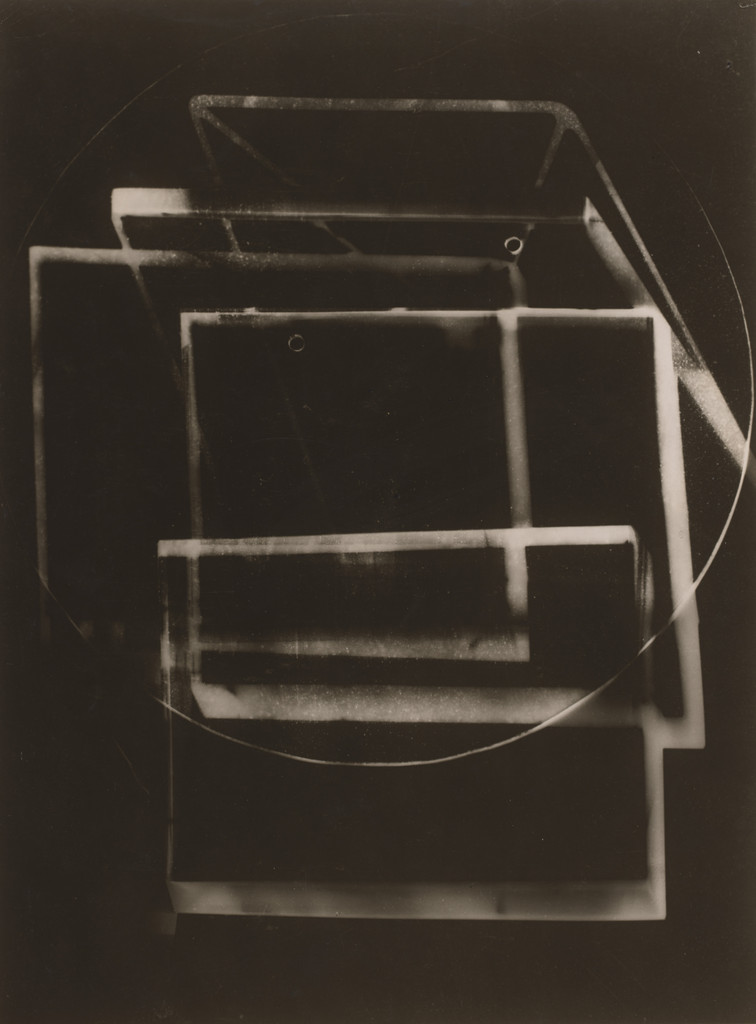
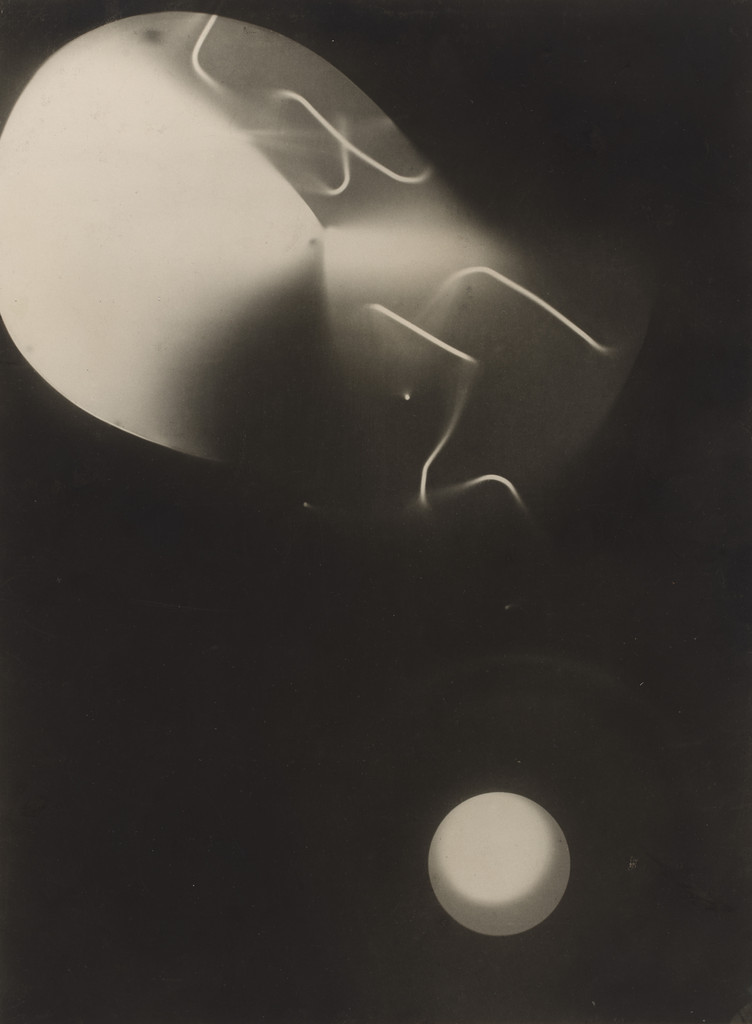
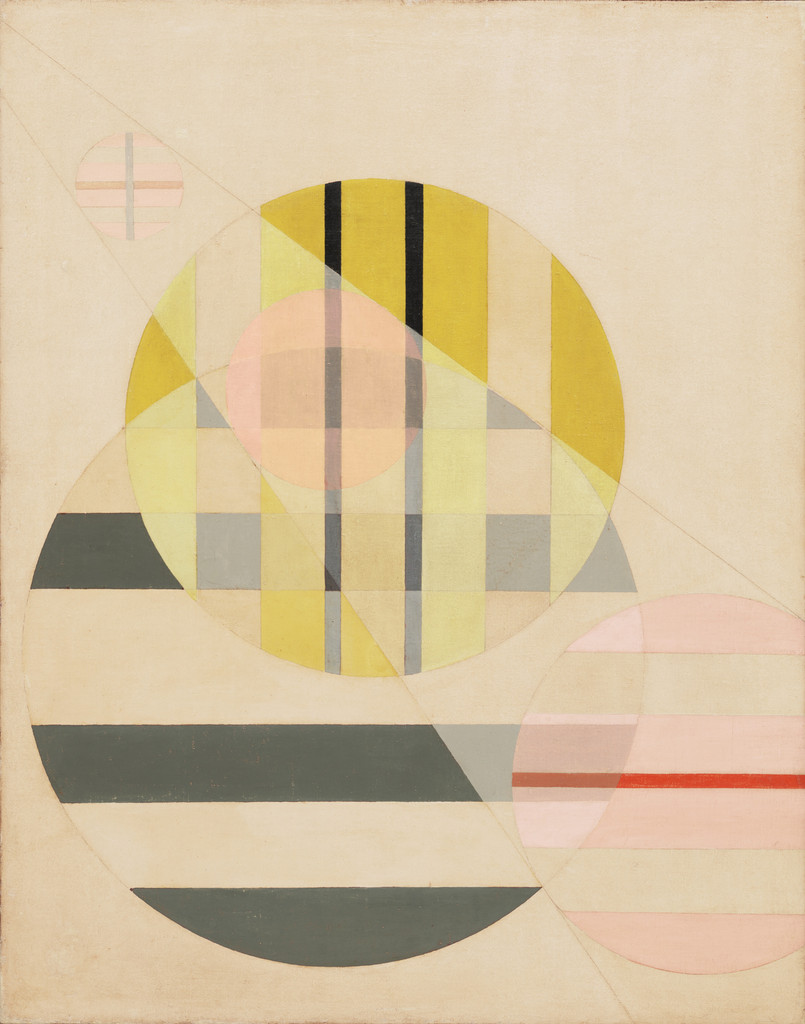
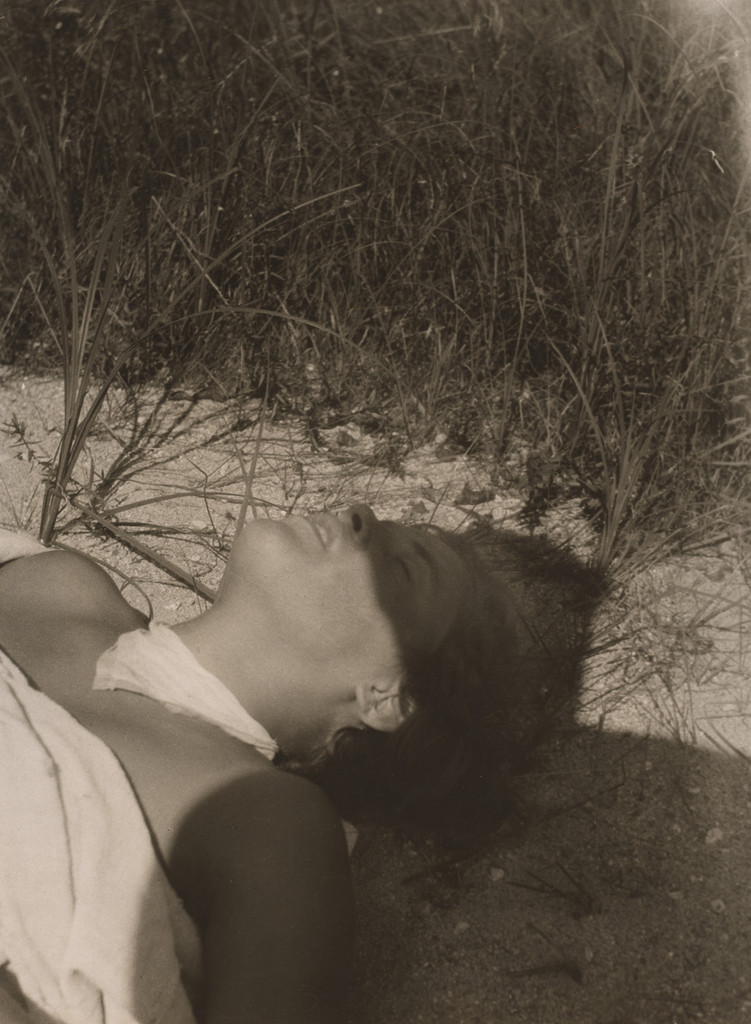
Repose
¿Puedo verla?
No expuesta por ahora
¿Dónde está «Repose» hoy? Colección: MoMA, Nueva York. No expuesta por ahora. Comprobado 17 de noviembre de 2026.

Nueva York, Estados Unidos
Pertenece a la colección, pero ahora mismo no está expuesta.
- Comprobado
- Fuente
- El museo
Ficha
- Número de inventario
- 478.1939
En el catálogo
Fuentes
- MoMA
- Imagen: MoMA — © the artist or rights holder
En la vida de László Moholy-Nagy
La vida entera1920–1933 · Residencia
Berlin
summer 1922
Summer on the Rhône: first photograms
On holiday with Lucia on the Rhône, László learned from her to make photograms on light-sensitive paper — photography became one of his main pursuits, with his wife at first his technical guide. That summer he also began sketching ideas for what would become the Light-Space Modulator.
1922
Show at Der Sturm; meeting Gropius
At a joint exhibition with his fellow Hungarian Peter Laszlo Peri at Der Sturm, László met Walter Gropius. Herwarth Walden showed his works alongside Peri's in 1922–1924.
1923
Gropius brings him to the Bauhaus
László took over Johannes Itten's role co-teaching the foundation course with Josef Albers and replaced Paul Klee as head of the metal workshop. This effectively ended the school's Expressionist leanings and moved it back towards its original aims of design and integration with industry. Other accounts count Albers among his students.
1925
The book “Painting, Photography, Film”
Published in the Bauhaus Books series, it is where Moholy-Nagy chose the word “photosculpture” for his photomontages and advanced the idea of “New Vision” — that the camera could show the world as the eye cannot. He was the first interwar artist to suggest using the telescope, microscope and radiography in art; in 1929 the book appeared in Moscow as “Painting or Photography”.
1928
Leaves the Bauhaus for his own Berlin studio
In 1928 Moholy-Nagy left the Bauhaus (Marianne Brandt took over the metal workshop) and set up his own design studio in Berlin, employing István Seboek, György Kepes and Andor Weininger. He designed sets for operatic and theatrical productions (including Erwin Piscator's political theatre) as well as exhibitions and books, ad campaigns and films.